Tobacco control must accelerate to protect innocent children, women and men in Africa
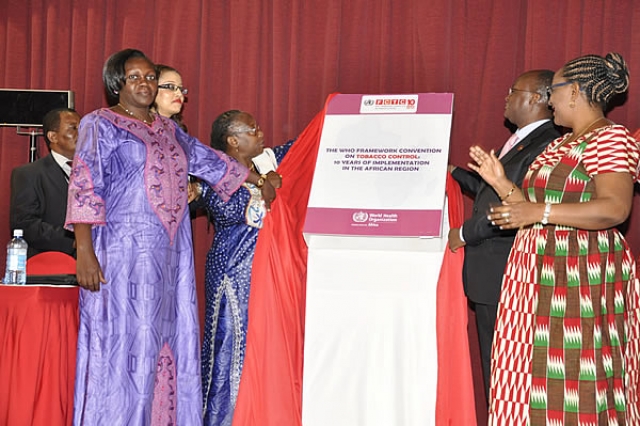
Nairobi, February 27 2015 -- Delegates attending the WHO Framework Convention on Tobacco Control (FCTC) in Nairobi marked the 10-year celebration of the implementation of tobacco control in Africa with jubilation and concerted determination to fight the tobacco epidemic to the end.
The delegates from 39 of the 47 countries in the World Health Organization (WHO) African Region agreed to the Nairobi Declaration on FCTC to accelerate comprehensive measures, which will save the lives of innocent children, youth and adults from tobacco-related diseases.
Photo story: Sierra Leone students back to healthier schools with WHO support
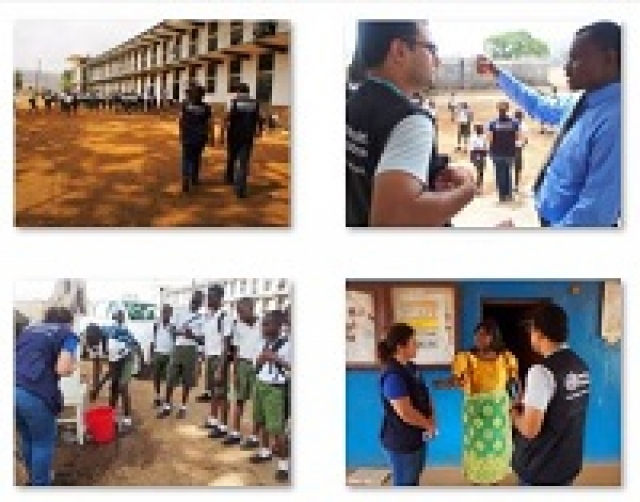
Tuesday was a happy day in SierraLeone as children returned to school after many months away due to the Ebola outbreak. Read how the Government of Sierra Leone, WHO and partners made that possible
UNESCO’s ‘Young People Today: Time to Act Now’ Initiative supports HIV/AIDS interventions in Seychelles
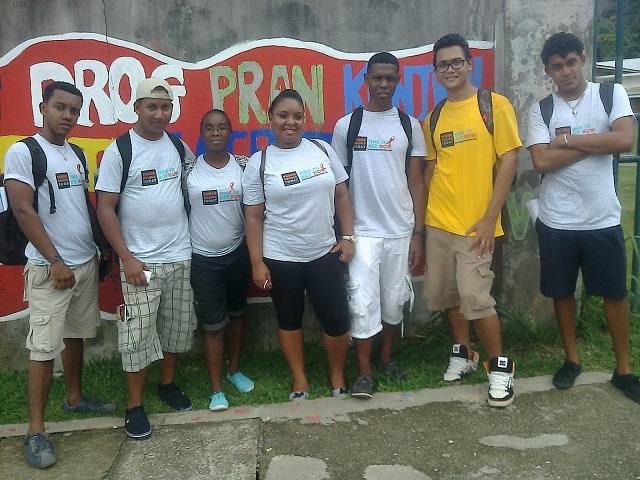
Victoria, Seychelles, 15th April 2015 - Seychelles has a concentrated epidemic of HIV. This means that though the prevalence is less than 1% in the general population, some special population have high incidence rates.
So much is therefore being done to try to prevent and even reduce the cases of HIV and AIDS amongst the whole population as well as targeting high risk groups such as men who have sex with men, sex workers, intravenous drug users, migrant workers and adolescents.
First Lady launches the HPV vaccine project for the prevention of cervical cancer
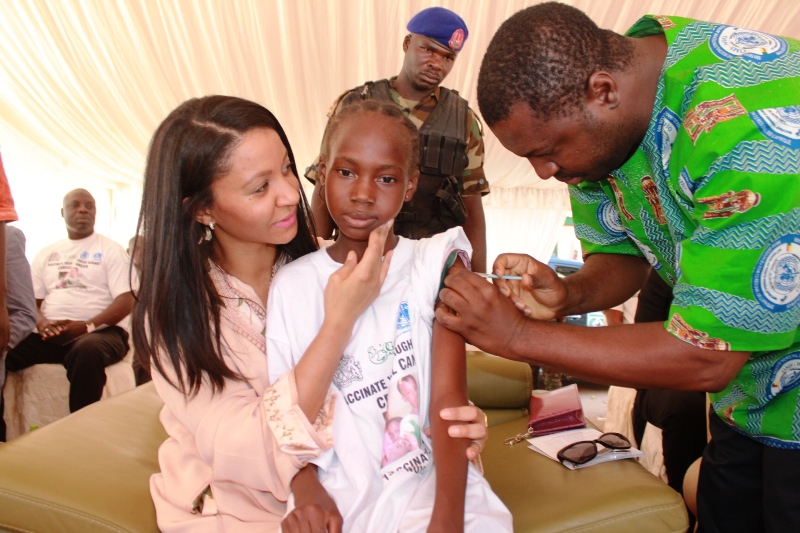
Her Excellency, the first Lady Madame Zeineb Yahya Jammeh last Friday 14th November 2014, launched the Human Papilloma Virus (HPV) for the prevention of cervical cancer.
WHO supports Seychelles third national Effective Vaccine Management Assessment
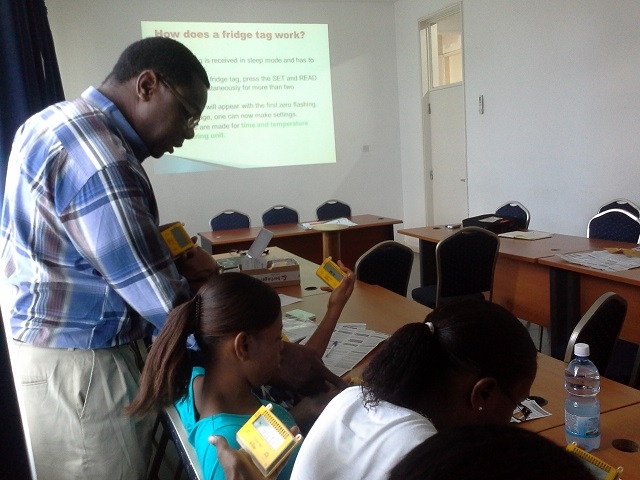
Victoria, Seychelles, 15th April 2015 - “The outcome of the effective vaccine management assessment has indicated marked improvement in the performance of Seychelles’ vaccine management systems and procedures currently in place”.
Cervical cancer common amongst African women
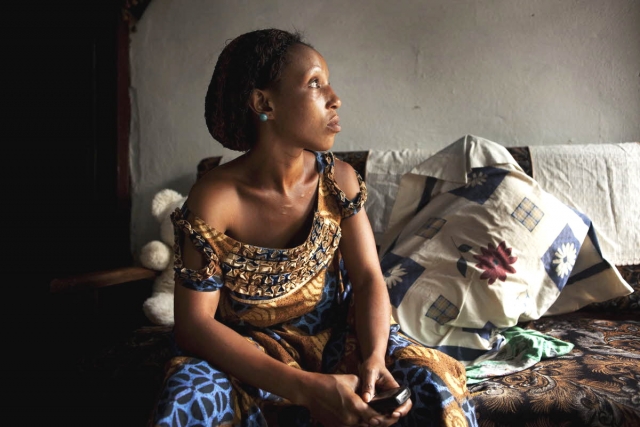 Cervical cancer is caused by the sexually transmitted human papillomavirus (HPV), which is the most common viral infection of the reproductive tract. It affects younger age groups as a result of early sexual activity, multiple sexual partners, and exposure to other sexually transmitted infections such as HIV.
Seychelles embarks on Neglected Tropical Diseases mapping survey
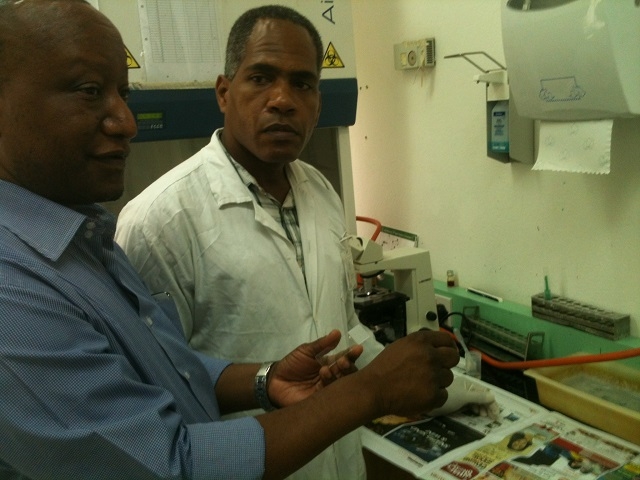
Victoria, Seychelles, 15th April 2015 - The Seychelles has embarked on a national mapping survey for Soil Transmitted Helminthes (STH) or otherwise known as intestinal worm infections. Funded by the World Health Organisation (WHO), this initiative is part of the global 2020 Neglected Tropical Disease Goals aimed at accelerating work in all countries to overcome the global impact of neglected tropical diseases (NTDs).
Meningitis outbreak- WHO intervenes to halt further fatalities.
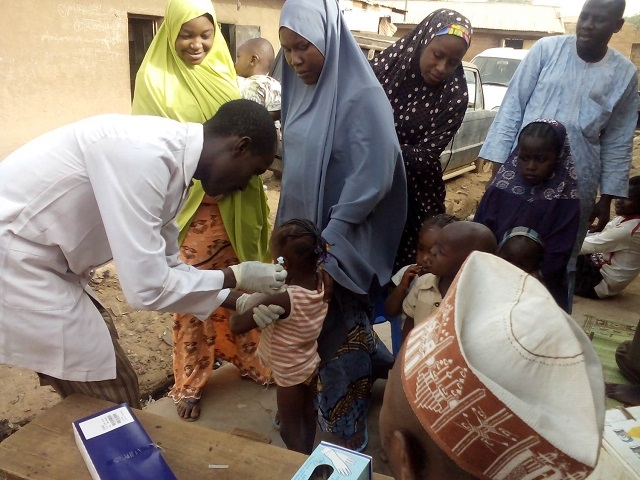
Abuja, 14 April 2015 - The World Health Organization state office in Sokoto has supported government to immunize 81,761 (89%) people aged 2-30yrs against cerebrospinal meningitis (CSM), out of the 91, 857 targeted in Shagari, Tangaza and Gudu; the three affected local government areas (LGAs) in the state.
Ministry of Health and Partners Validate Investment Plan for Building a Resilient Health System in Liberia
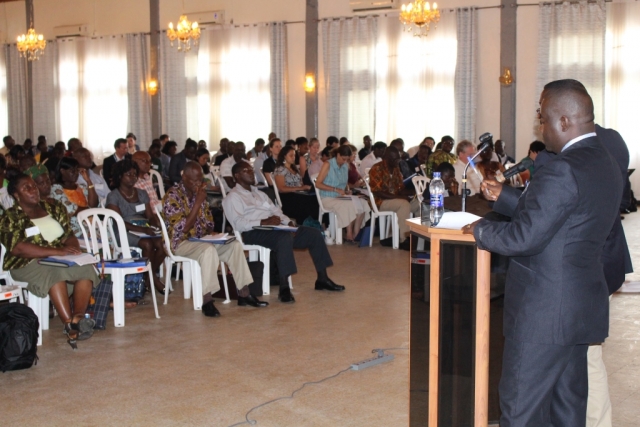
Monrovia, 10 April, 2015 - Following years of a catastrophic civil war, the Government of Liberia, along with partners put in place a number of initiatives for the rehabilitation and reconstruction of the health sector that was completely ravished. Paramount among these efforts was the development of a ten year National Health and Social Welfare Policy and Plan along with an essential package of health services.
Malawi completes round one of the oral cholera vaccination campaign in Nsanje District
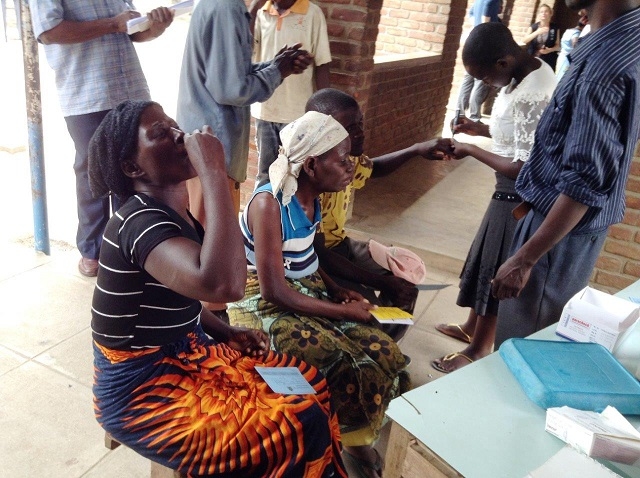
Lilongwe 13 April 2015: From 30 March to 4 April 2015 the Ministry of Health and partners completed the first round of the Oral Cholera Vaccination (OCV) campaign in the southern district of Nsanje which borders with Mozambique.
The campaign has targeted 160,000 people that are living in camps and the surrounding villages as an additional measure to prevent and control the spread of cholera which started on 11 February 2015. The preliminary results of the campaign show that over 143,000 people were vaccinated representing close to 89% coverage.