The Deputy Director General of WHO, Dr Asamoah-Baah has called on delegates to ensure that Tobacco Taxation and Tobacco Control policies are implemented in a timely manner
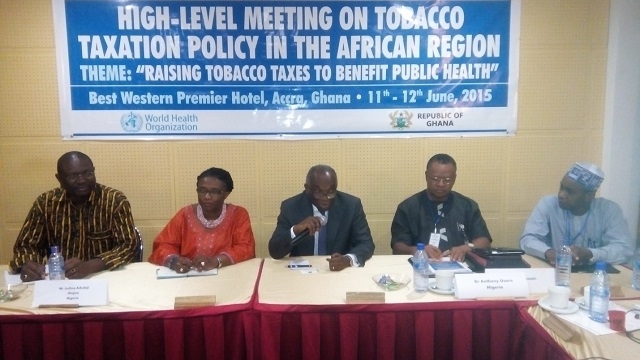
Accra, Ghana 12 June 2015 - The Deputy Director General of WHO, Dr Asamoah-Baah has called on delegates to ensure that Tobacco Taxation and Tobacco Control policies are implemented in a timely manner in their respective countries. Speaking at the closing ceremony of the high level tobacco taxation meeting held in Accra Ghana, Dr Asamoah-Baah reiterated the fact that tobacco taxation remains one of the most effective methods to reduce tobacco use, particularly among the youth and poorer population. He therefore urged delegates to take what has been
Zimbabwe commits to “reach, treat, and cure” all TB patientsZimbabwe commits to “reach, treat, and cure” all TB patients
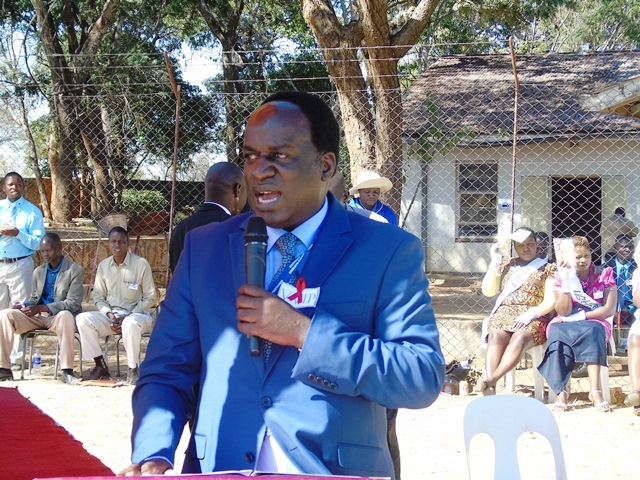
Mhangura, 12 June 2015 The commitment was made during the belated commemoration of World TB Day which was held at Mhangura Primary School. Globally, World TB Day is commemorated on the 24th of March each year, but Zimbabwe held a belated commemoration on 12 June under the theme; Reach the three million: Reach, Treat, Cure Everyone.
New Governors vow to stamp out polio from very high risk states
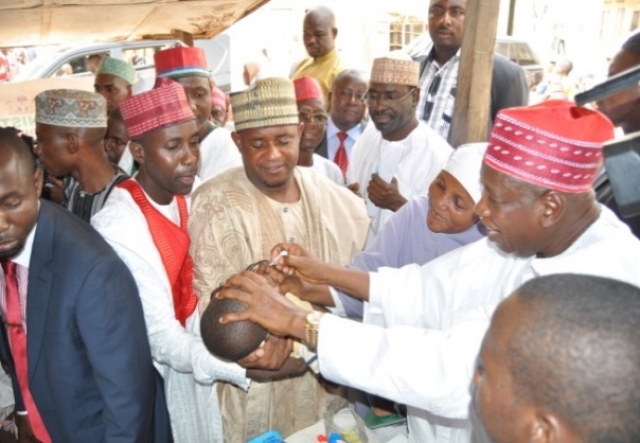
Kano, Nigeria 09 June 2015 - Newly sworn-in Governors of Kano and Sokoto, Nigeria’s very high risk polio states, have promised to surpass the gains recorded by their predecessors in a renewed commitment to stamp out the paralyzing disease from the traditional ‘polio sanctuaries’.
The latest case of wild polio virus (WPV) in Nigeria was reported from Sumaila LGA of Kano state on 24 July 2014 while Sokoto had circulating vaccine derived polioviruses in the environment in 2014.
Committed to improve child health: Stories from the field, Zambezia, Mozambique 25 March 2015.
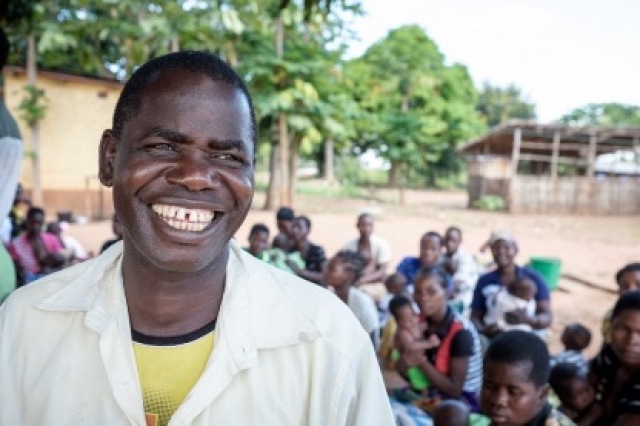
“When a child is crying, we have to take it to the health centre to do tests, and see which is the illness, because the health centre is where all the needed care is available…”.
Each time a women breaks out singing; the rest of the group quickly follows through.
“We have to take care of the children because they are the richness of tomorrow. We cannot give water to the baby, we have to give breast milk…”
Improved, timely reporting crucial to helping health facilities better respond to Tanzania cholera outbreak
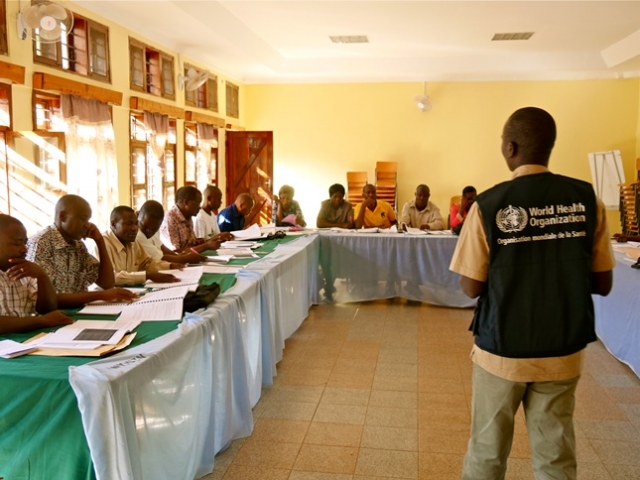
Kigoma, 9 June 2015 –Tanzania’s cholera outbreak has prompted not just a large-scale health response to treat thousands of people, but also a scaling up of dis
Last week, 25 participants from districts across western Tanzania’s Kigoma region were trained on showing others to strengthen systems to detect and respond to outbreaks in the area, which has been at the centre of the recent cholera outbreak linked to Burundians refugees fleeing into this country.
The new role of traditional birth attendants: Stories from the field, Zambezia, Mozambique 25 March 2015.
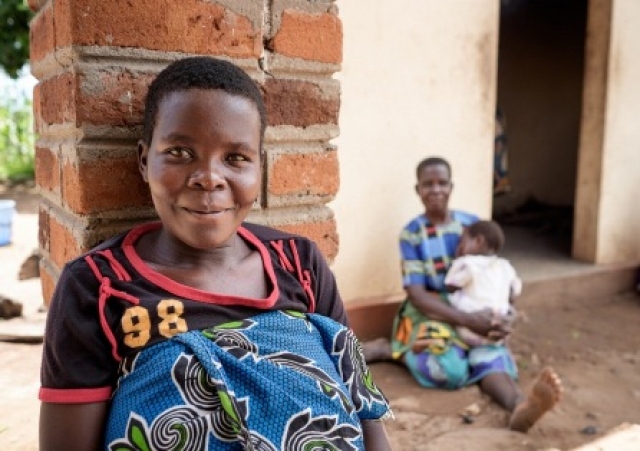
Dorca Taulo gave birth to her first child 6 years ago in the house of the traditional birth attendant in her community in Milange, Zambezia. When she recently became pregnant again, Fany Pitala, her traditional birth attendant, accompanied her to the nearest health centre in Dachudua, Milange so she could give birth in a clinic.
Reducing Maternal Mortality: Stories from the field, Zambezia, Mozambique, 24 March 2015.
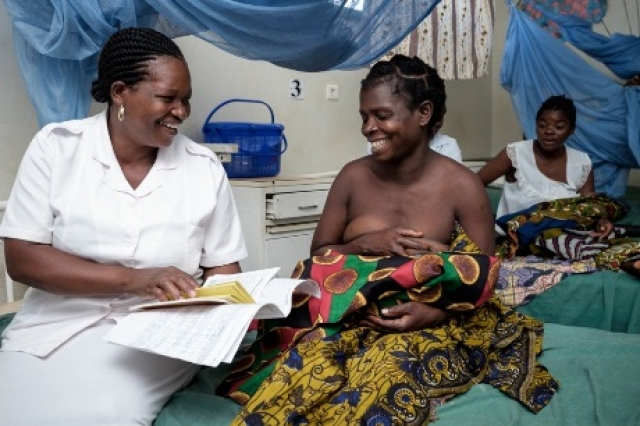
The road to Milange health centre is dry and dusty. The heavy rain falls in the beginning of the year in Zambezia province are a distant memory and Milange has not seen rains for days now. Chief maternal and child health nurse, Maria Florinda, and her assistant have most of their working day behind them. They have just assisted Elisa Uasone in the birth of a baby boy. Now they are filling out the last details of today’s register in the quiet maternity ward.
Experts to assess mental health impact of Ebola
Monrovia, 10 June 2015 – The Ebola outbreak that began in Guinea in March 2014 not only caused more than 27 000 cases and over 11 000 deaths in West Africa, it also left thousands of survivors, orphans, family members, health care workers and other support workers who require mental health and psychosocial support.
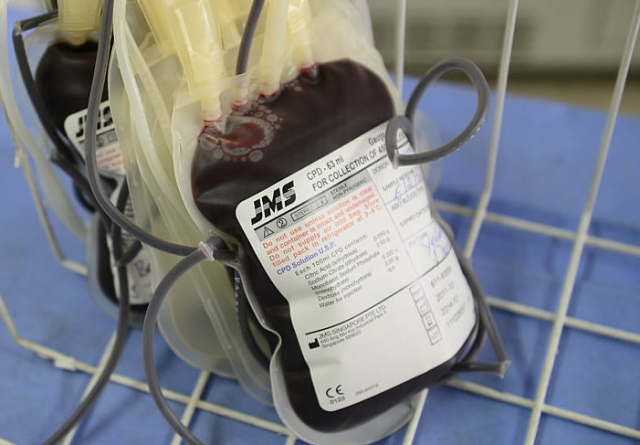
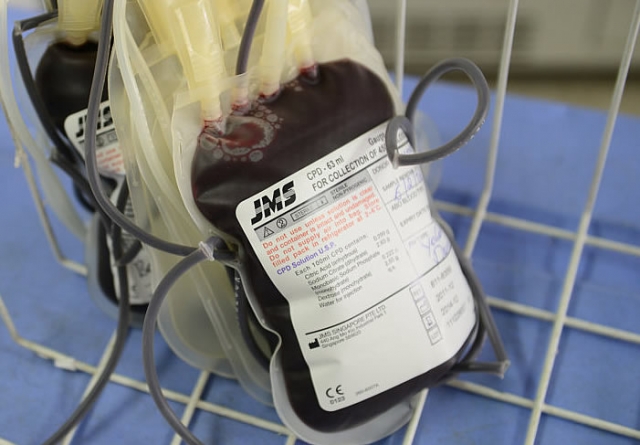
WHO in South Sudan supported a mobile blood donor drive in Juba on 7 June 2015. Give freely, give often. Blood donation matters
01. Happy to give blood, as every drop counts.
02. A donor has his haemoglobin checked before donating blood
03. One donation can save up to three lives.
04. A donor registers and gets information about voluntary blood donations before donating blood.
05. Give freely. Give often. Blood donation matters.