Making Ethiopian people healthier through the MDGs
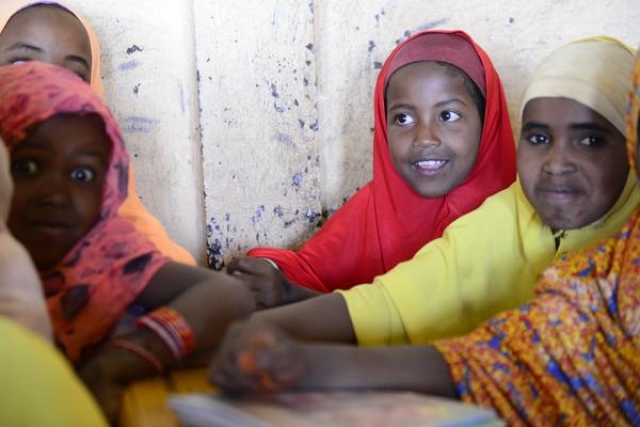
Achieving MDG targets for better health in Ethiopia
Fifteen years ago the world united around a common agenda to tackle poverty. This agenda is what we know as the Millennium Development Goals (MDGs); it committed global leadership to a new partnership to reduce extreme poverty and set out a series of time-bound targets with a deadline of 2015.
As the MDG end date approaches, it is time to reflect in what was achieved during the past years spent on pursuing the MDG targets.
Stop Transmission of Polio (STOP) mission completed their field work in Ethiopia
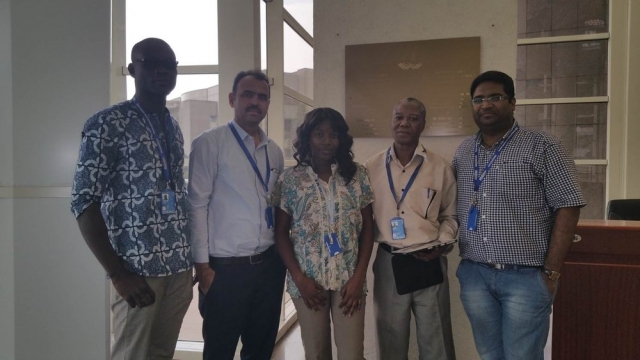
Six STOP mission consultants who have been working in Ethiopia since February 2015 finalized their field work in June 2015. The 45th STOP team presented their final review of achievements and recommendation to FMoH on 27 June 2015.
Evaluation team confirms that rotavirus vaccine introduction improved Ethiopia's EPI programme performance
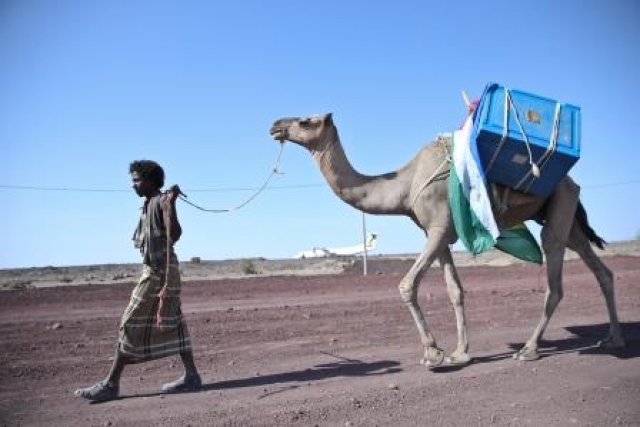
The post introduction evaluation of the rotavirus vaccine was conducted in Ethiopia 15-27 June 2015. The purpose of the evaluation was to assess how the introduction of rotavirus vaccine in 2013 impacted the Expanded Programme on Immunization (EPI) and provide recommendations for improvement. Furthermore, it drew lessons from the rotavirus introduction to inform planning process for the introduction of other new vaccines.
Human Papillomavirus Vaccine Introduction Preparations Starts in Ethiopia
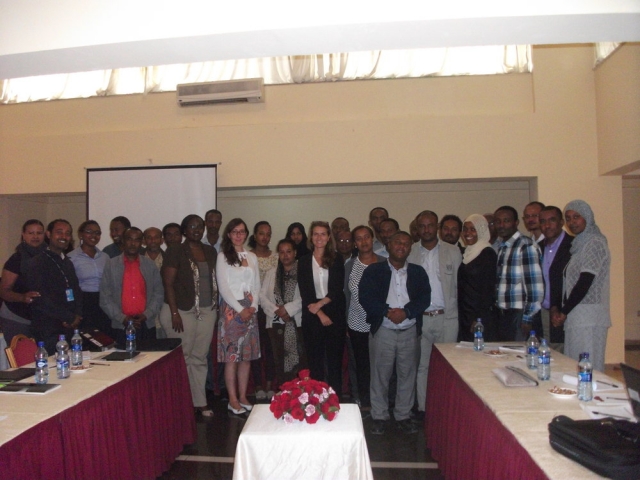
The HPV Demo Programme Aims to Vaccinate 14,434 Girls
French Members of Parliament Witness Ethiopia’s Health Success
Over the past 20 years, Ethiopia has risen from scoring the worst in global health indicators to a success story of expanding health services. Global development assistance is said to have been instrumental in this process of growing access to primary health care.
Sierra Leone: Inspiring confidence and trust in Ebola care
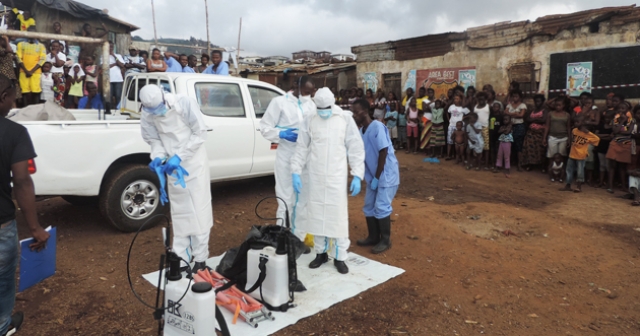
9 July 2015 -- In Sierra Leone’s Magazine Wharf community, people distrust the services set up to tackle Ebola. When ambulances arrive to take away those who are ill, patients, their families, and their neighbours fear they will never return or they will be mistreated. So, WHO and its partners held a demonstration to reassure communities.
Ghana hosts a two day African Expert Consultation on the Global Strategy on Human Resources For Health: Workforce 2030
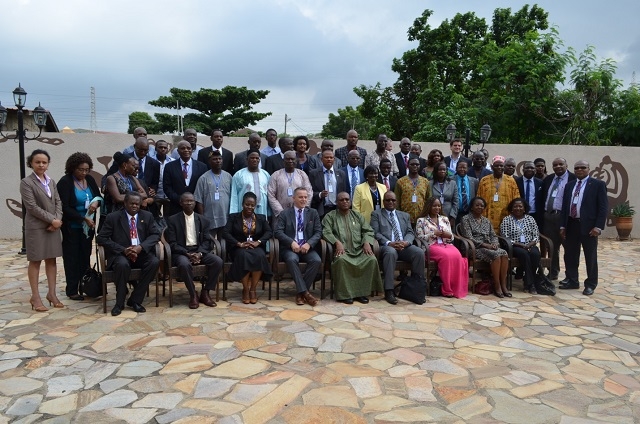
Accra, Ghana 08 July 2015 - A two-day Regional African Consultation (8-9 July 2015) on the Global Strategy on Human Resources For Health: Workforce 2030 is underway in Accra, Ghana.
WHO Nigeria launches third generation Country Cooperative Strategy.
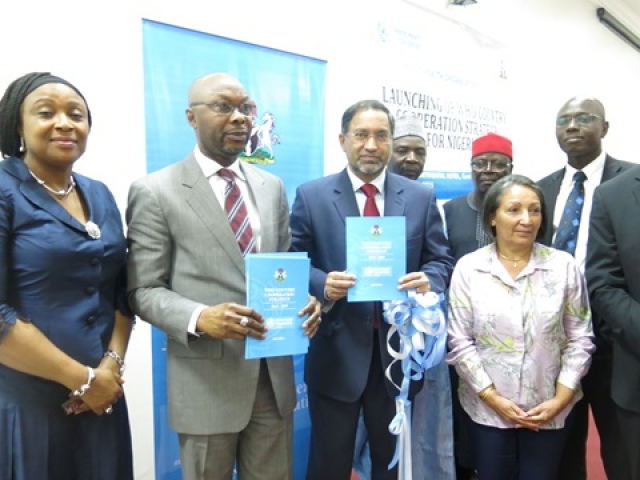
Abuja, 08 July 2015 - The third generation of World Health Organization (WHO) Country Cooperation Strategy (CCSlll) 2014-2019, has been launched by the permanent secretary in the Federal Ministry of Health, Mr. Linus Awute in Abuja on 07 July, 2015.
The five year CCSlll will focus on five strategic objectives: strengthening the health systems; promoting and scaling up priority interventions; addressing communicable and non-communicable diseases; health emergencies; and promoting partnership coordination and resource mobilization.
Nigeria accelerates second phase introduction of inactivated polio vaccine into routine immunization schedule.
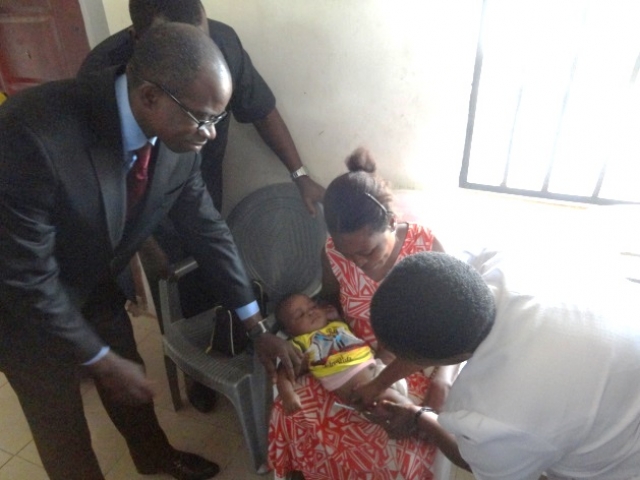
Enugu, Nigeria 07 July 2015 - As at 01 July 2015, the five states in the south east geo-political zone of Nigeria, namely Abia, Anambra, Ebonyi, Enugu and Imo, have completed the introduction of the inactivated polio vaccine (IPV) into their respective state routine immunization (RI). The zone was included in the second phase of the IPV introduction which began in May 2015.
Ministry of Health, WHO and partners score some victories in responding to cholera outbreak in South Sudan
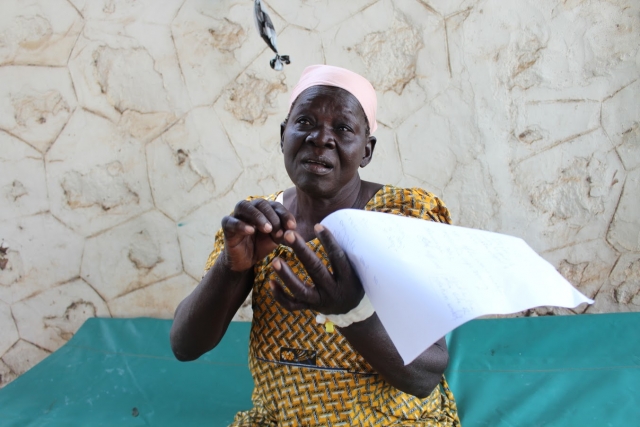
Juba, 6 July 2015: Mary Wani frantically waves a paper from the hospital bed where she sits, eager to share the exciting news of her recovery and subsequent discharge from the ward with anyone who will listen to her.
“I am going home,” she says , adding that she feels very strong. The 58-year-old mother of nine has just been discharged from Juba Teaching Hospital, where she was receiving treatment for cholera. The hospital was the first Cholera Treatment Centre (CTC) to be designated in the current outbreak.