WHO takes part in the official launch of the TEI-PHI Project in Guinea-Bissau
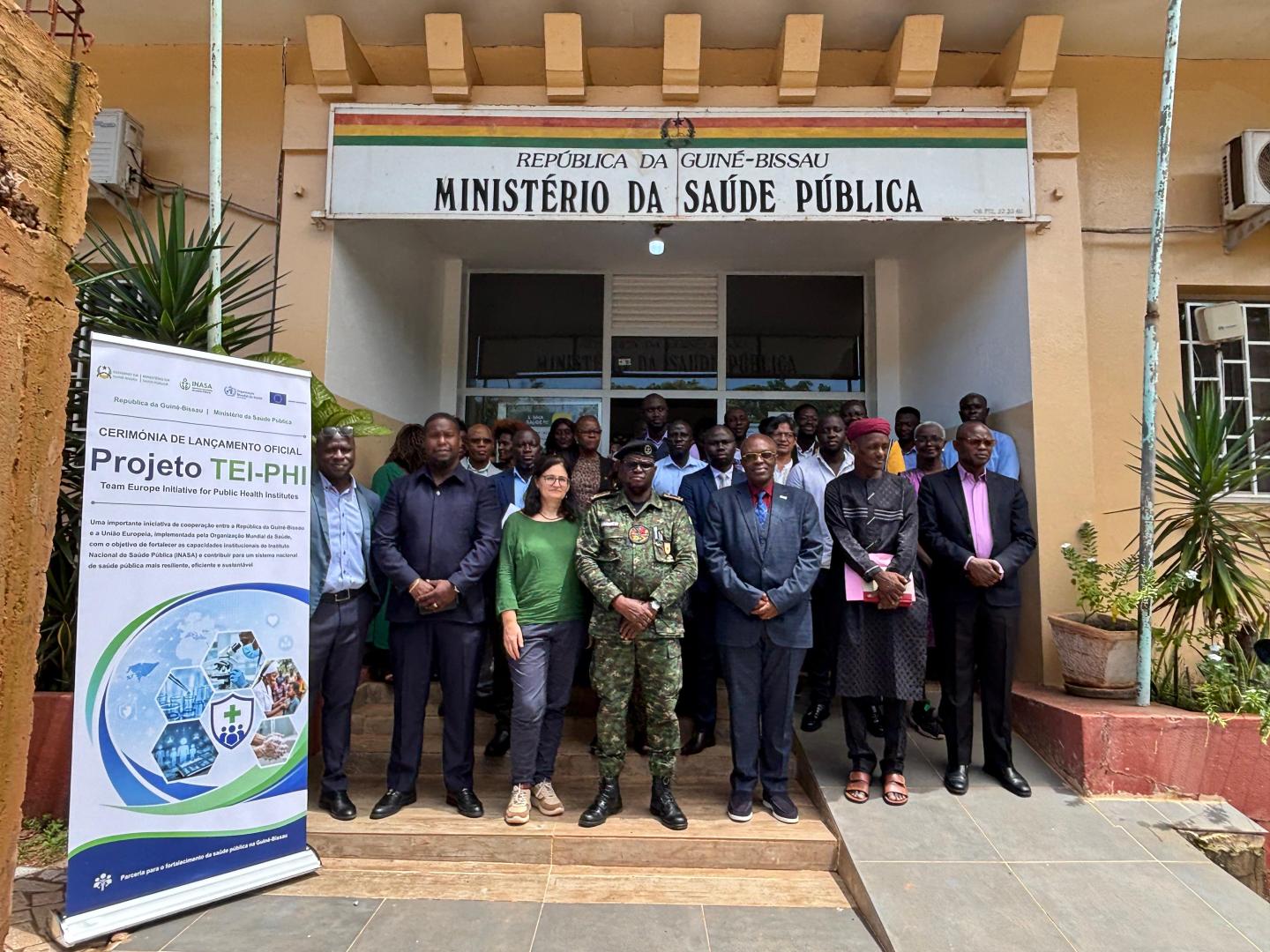
Bissau—The World Health Organization (WHO) took part, on August 5th, in the official launch of the TEI-PHI Project in Guinea-Bissau, an initiative funded by the European Union aimed at strengthening national public health. The event was attended by the Minister of Public Health, Commodore Quinhim Nantote, the Representative of the European Union in Guinea-Bissau, the Director-General of the National Institute of Public Health (INASA), representatives of United Nations agencies, and technical and financial partners.
Ethiopia to Host the Seventy-sixth Session of the WHO Regional Committee for Africa in Addis Ababa

Addis Ababa, Ethiopia | August 2026 – The Government of the Federal Democratic Republic of Ethiopia, in collaboration with the World Health Organization (WHO) Regional Office for Africa, will host the Seventy-sixth Session of the WHO Regional Committee for Africa (RC76) in Addis Ababa from 24 to 28 August 2026.
Angola steps up its strategy to eradicate polio
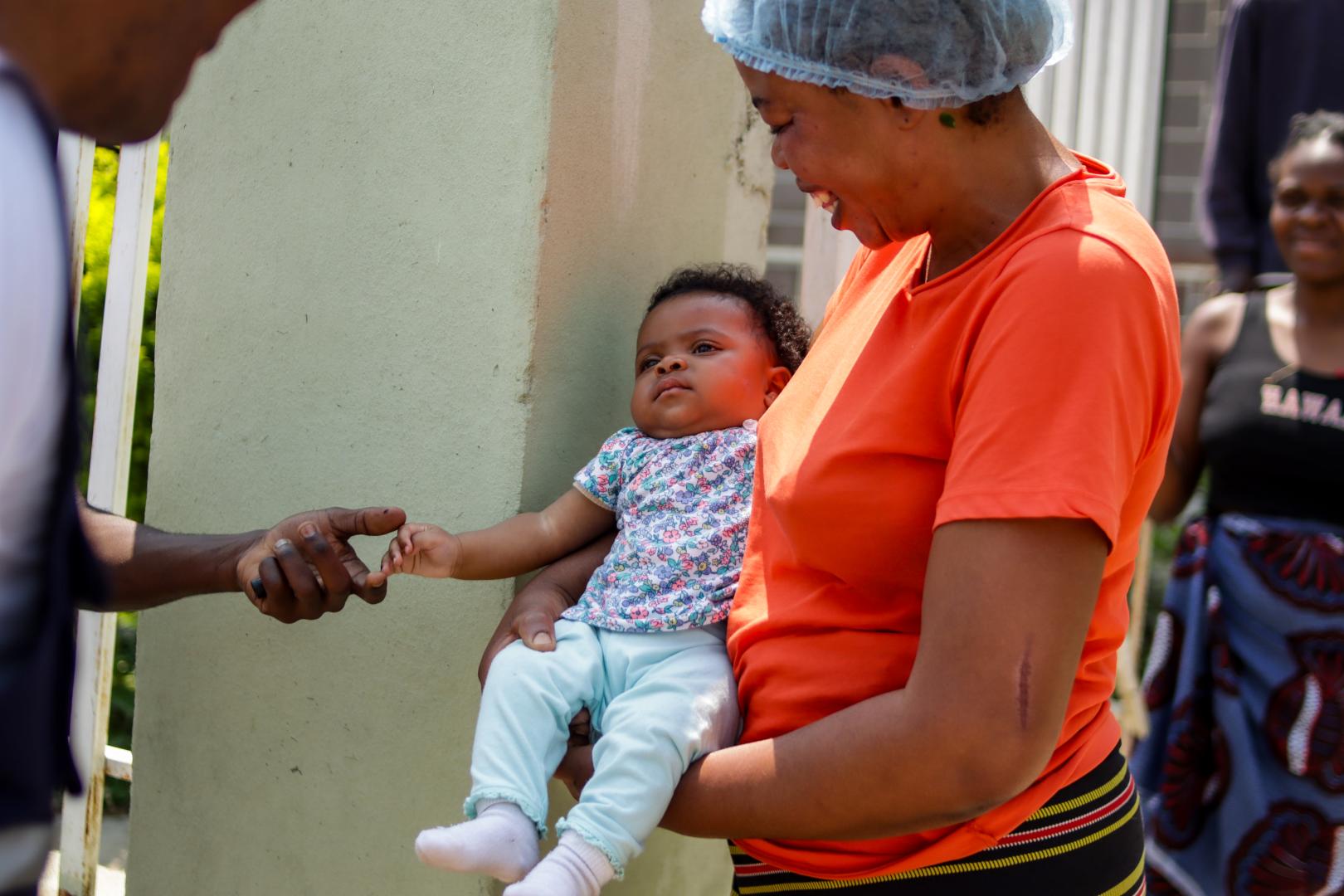
Following two national polio vaccination campaigns and two campaigns carried out in coordination with the Republic of Namibia and the Democratic Republic of the Congo in border areas, which enabled more than nine million children under the age of five to be vaccinated, Angola is translating the lessons learned into concrete actions to strengthen immunization, reach more children, and accelerate efforts towards the eradication of polio.
Uganda, WHO and Africa CDC deepen collaboration to strengthen regional health security
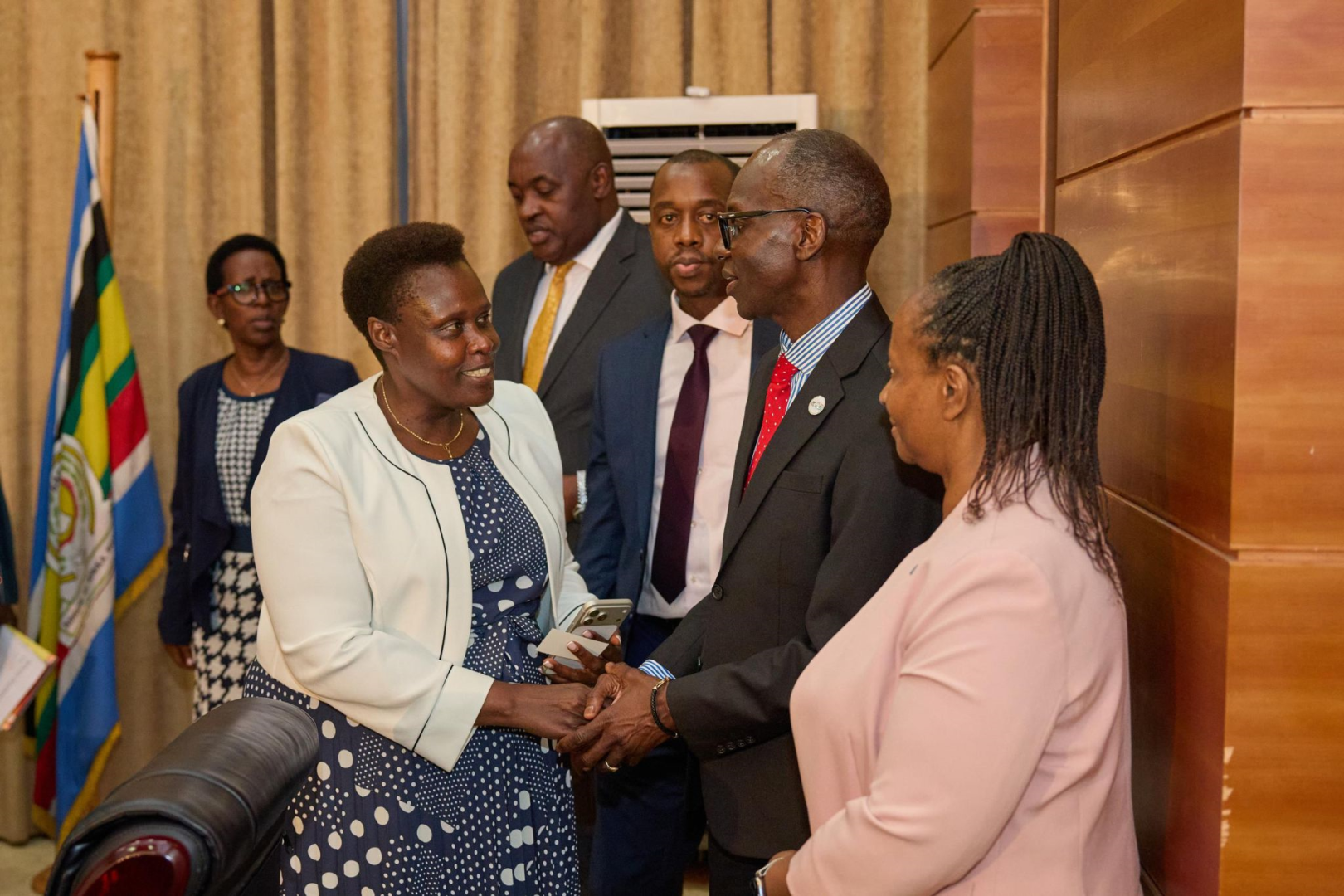
Kampala, Uganda - The WHO Regional Director for Africa, Dr Mohamed Yakub Janabi, and the Director-General of Africa CDC, Dr Jean Kaseya, visited Uganda as part of a high-level joint mission to advance regional health security and promote resilient health systems across Africa. The mission included engagements with the Vice President, H.E. Maj. (Rtd) Jessica Alupo, Minister of Health Dr Chris Baryomunsi and other senior government officials.
WHO Ghana Supports Ghana's Blood Bank Through Staff Blood Donation Exercise
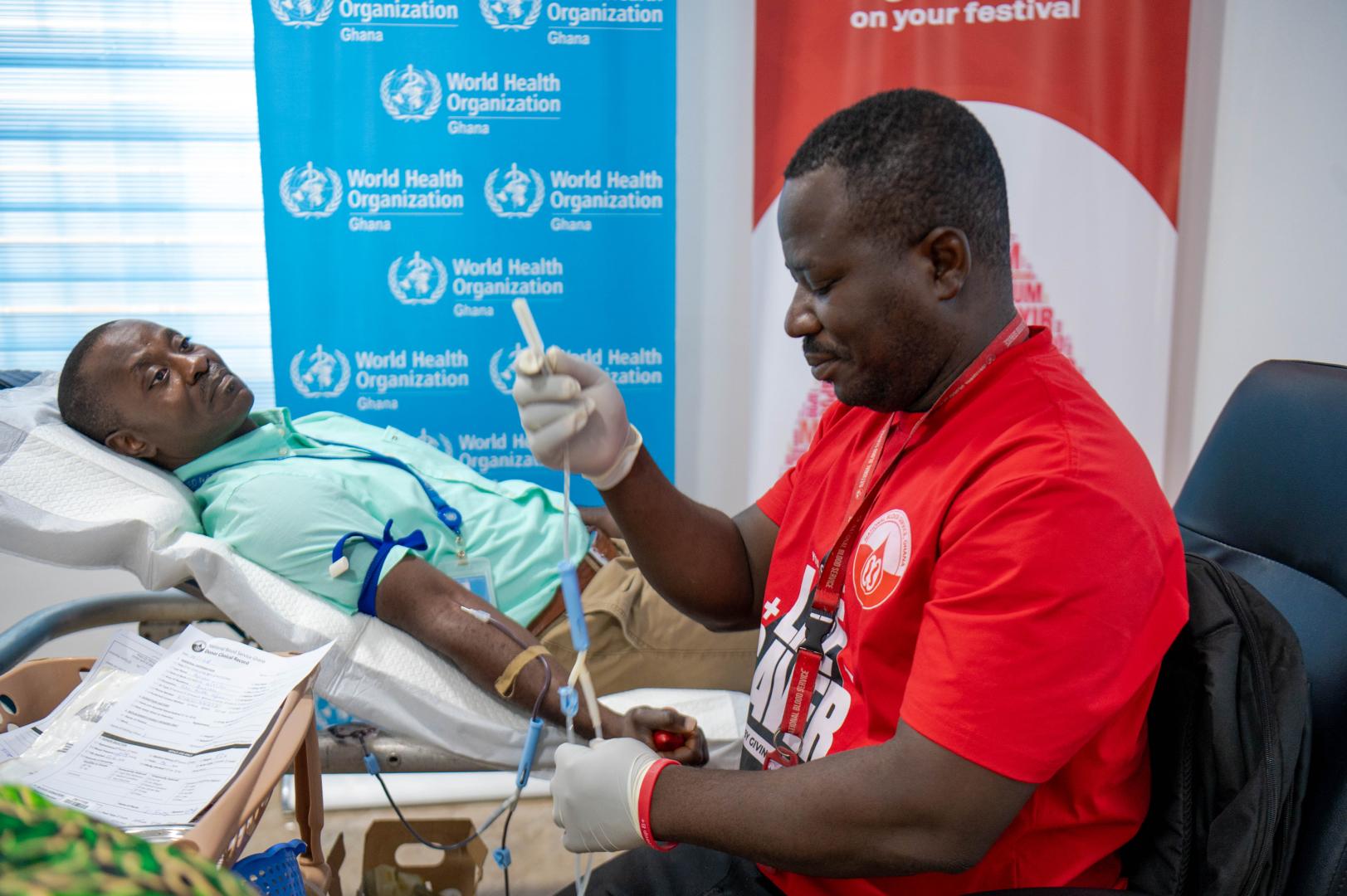
Blood donation is one of the simplest yet most powerful ways to save lives. Every unit of blood can help patients undergoing surgery, women experiencing complications during childbirth, accident victims, children with severe anaemia, and others in urgent need of transfusions.
WHO donates laptops to strengthen Ghana’s health surveillance systems
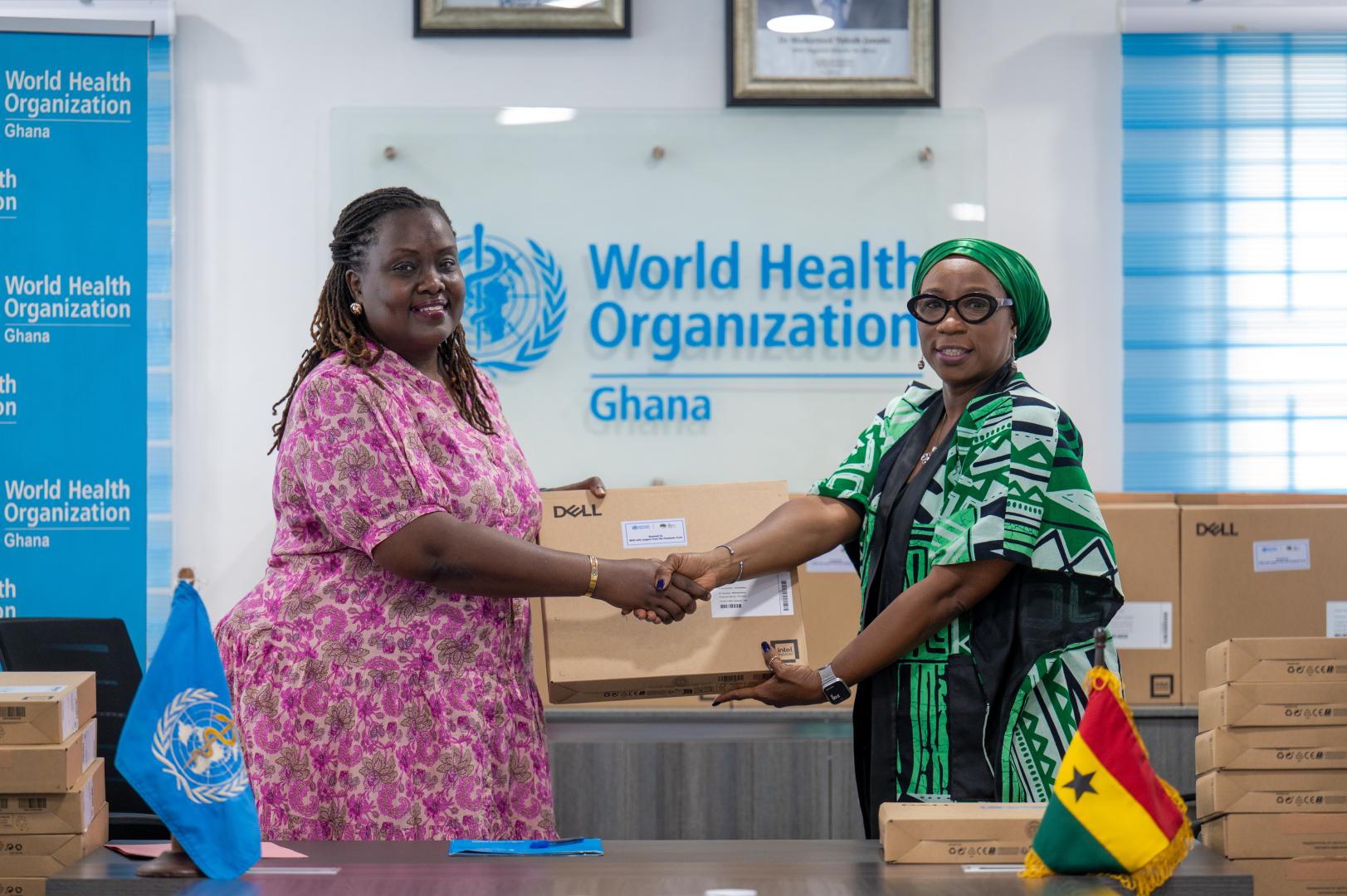
The World Health Organization (WHO) has supported Ghana’s efforts to strengthen its capacity for disease surveillance and emergency response through the provision of 205 laptop computers valued at over GHS 3 million to the Ghana Health Service (GHS) under the Pandemic Fund Project.
WHO and University of Gondar partner to strengthen health financing research and training capacity in Ethiopia
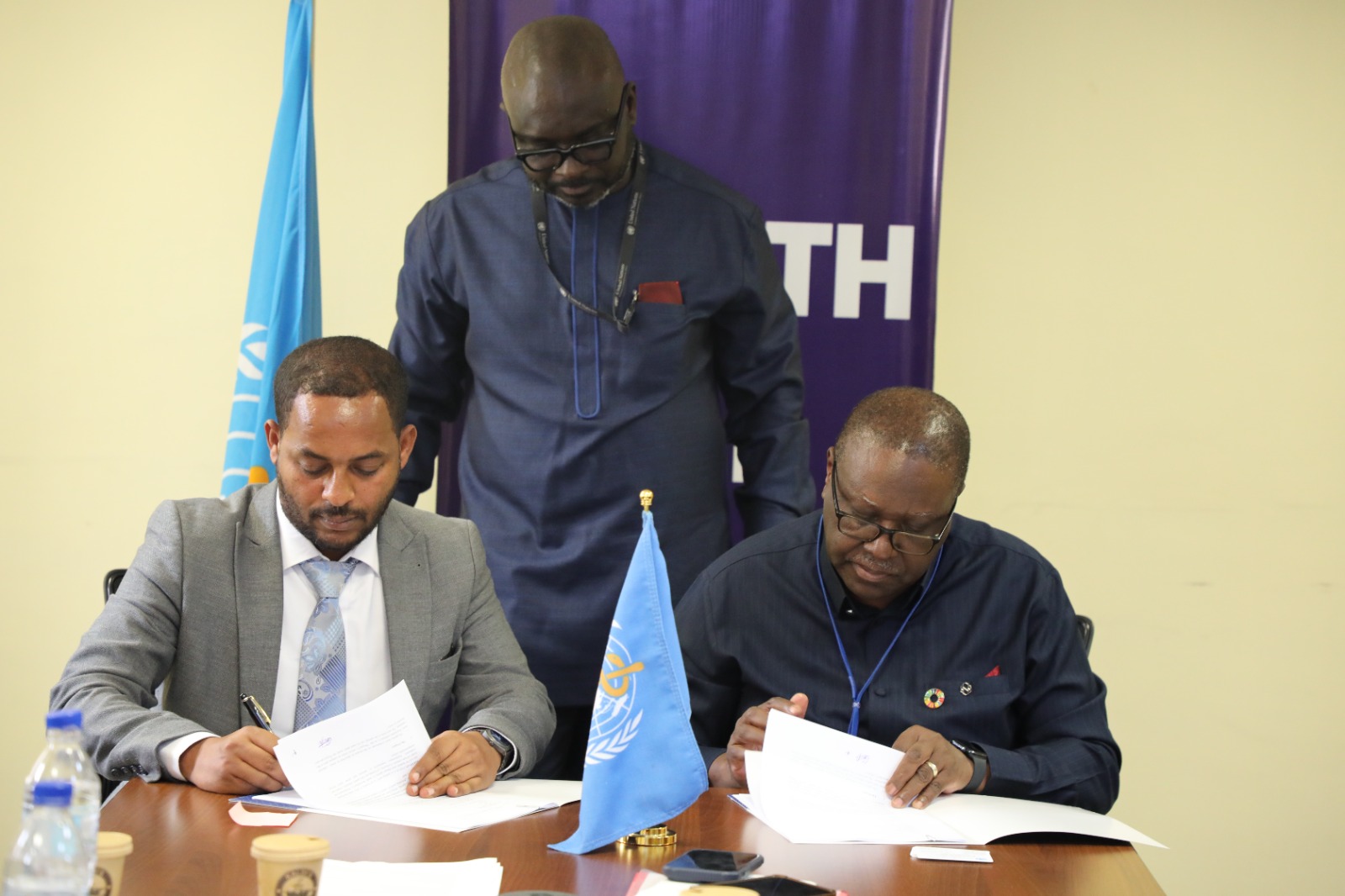
Addis Ababa, Ethiopia | 3 August 2026 – The World Health Organization (WHO) Country Office in Ethiopia and the University of Gondar have signed a two-year Project Collaboration Agreement (2026–2027) to strengthen health financing research, institutional capacity and evidence-informed policymaking in support of Ethiopia's progress towards Universal Health Coverage (UHC).
"Every conversation could save a life": How one community mobilizer is helping protect Busia from Mpox
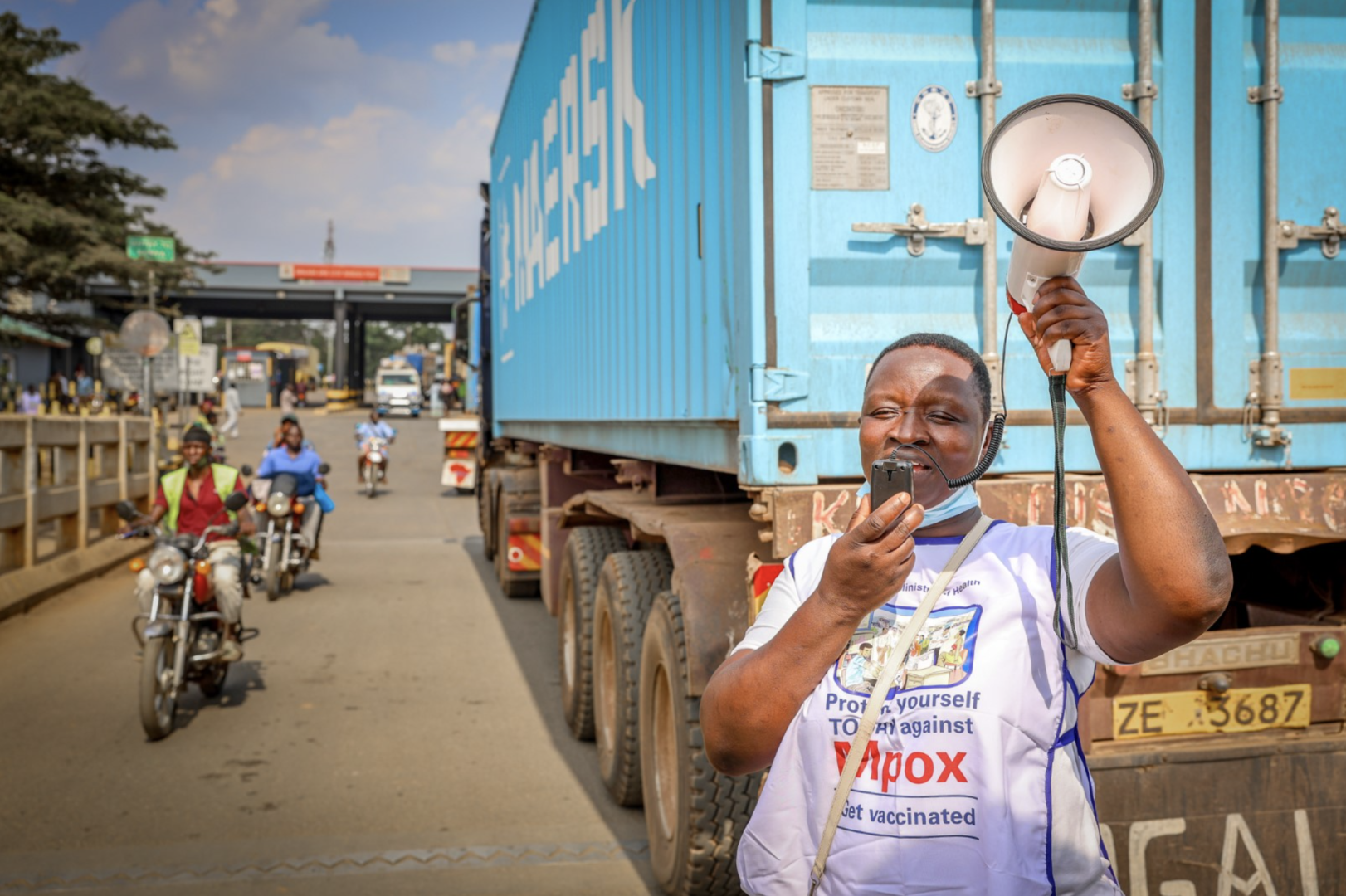
Busia - Long before the first person arrived for vaccination, Camilla Nyapinda was already at work.
Moving from truck stops to health facilities and community meeting points across Busia County, she spent her days answering questions, dispelling rumours and reassuring people who were unsure whether to receive the Mpox vaccine.
For Camilla, community mobilization was about much more than encouraging people to take a vaccine.
WHO and Pandemic Fund Support Ethiopia to Strengthen Public Health Emergency Workforce Capacity
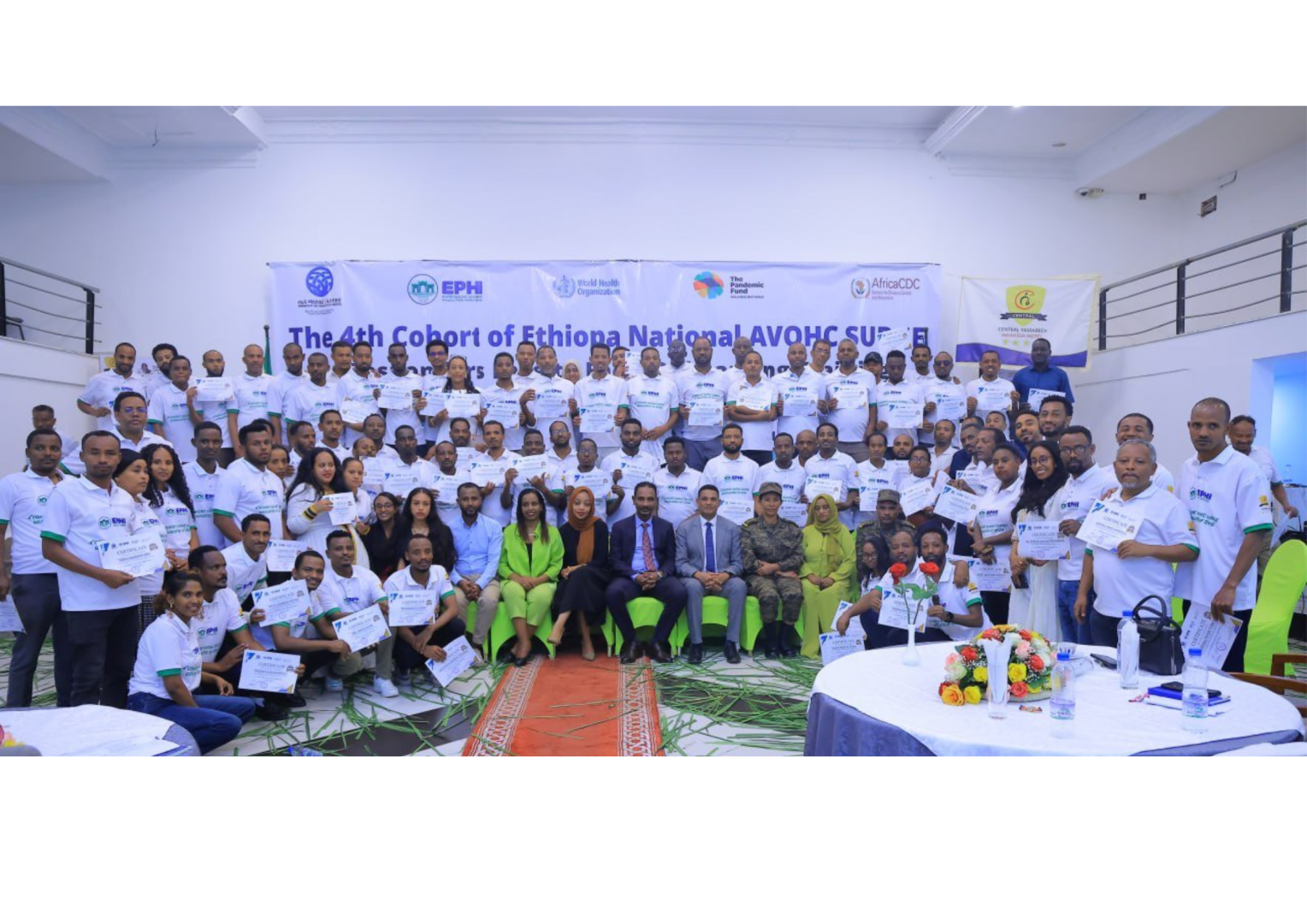
Ethiopia has taken another significant step toward strengthening its public health emergency preparedness and response capacity with the graduation of 89 health professionals under the fourth cohort of the African Volunteer Health Corps (AVoHC SURGE) initiative. The training was implemented by the Ethiopian Public Health Institute (EPHI) with support from the World Health Organization (WHO) and funding from the Pandemic Fund.
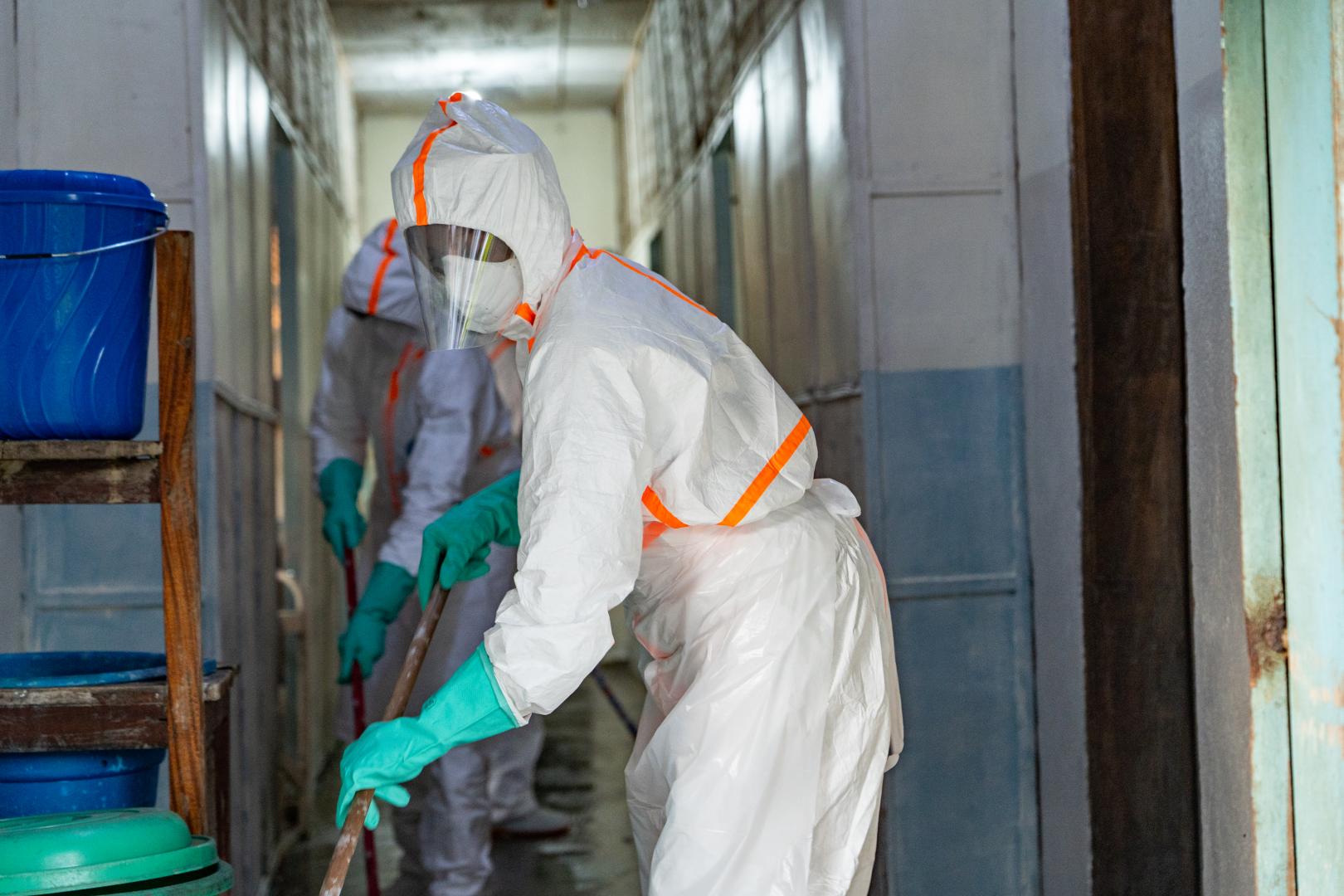
Enhancing infection prevention measures in health facilities to curb Ebola spread