Namibia addresses non-communicable diseases
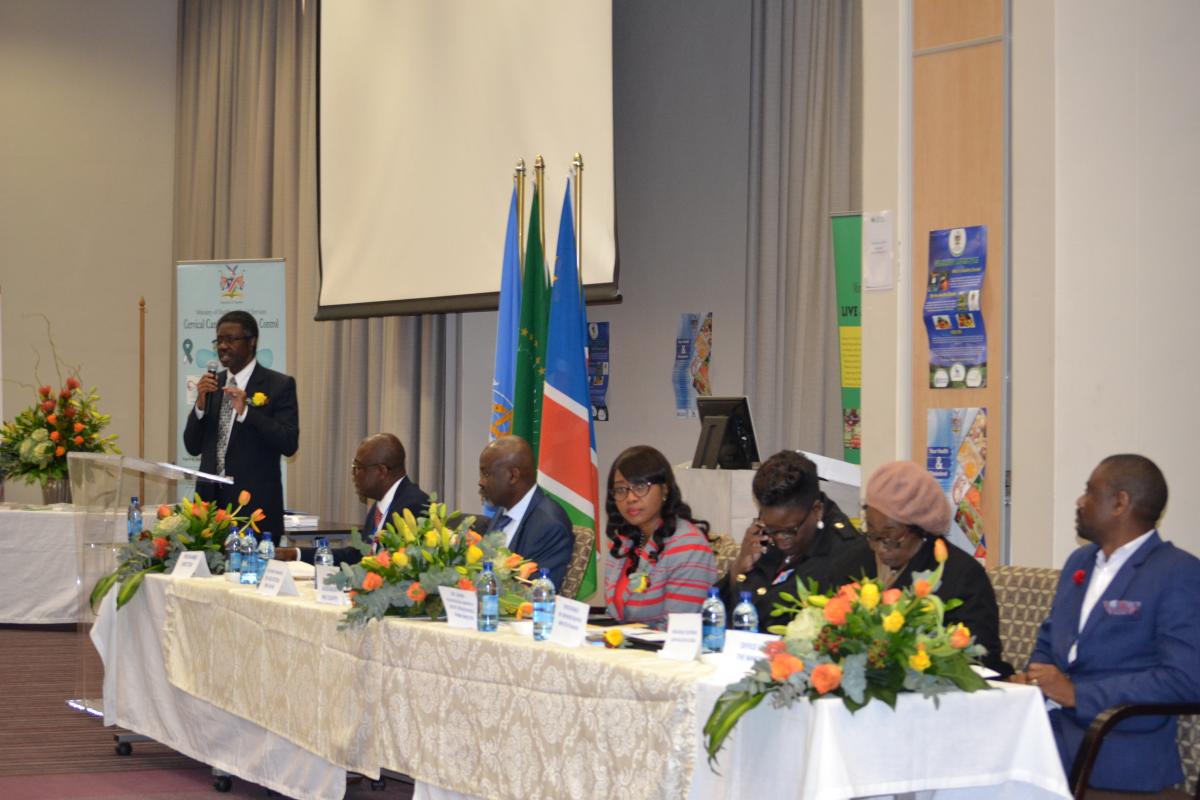
The Prime Minister of the Republic of Namibia, Dr Saara Kuungongelwa-Amadhila, launched the National Strategy on the prevention and control of non-communicable diseases recently in Windhoek. The Strategy aims to reduce the preventable and avoidable burden of morbidity, mortality and disability due to non-communicable diseases in the country.
Adamawa launches first ever Malaria chemoprevention campaign
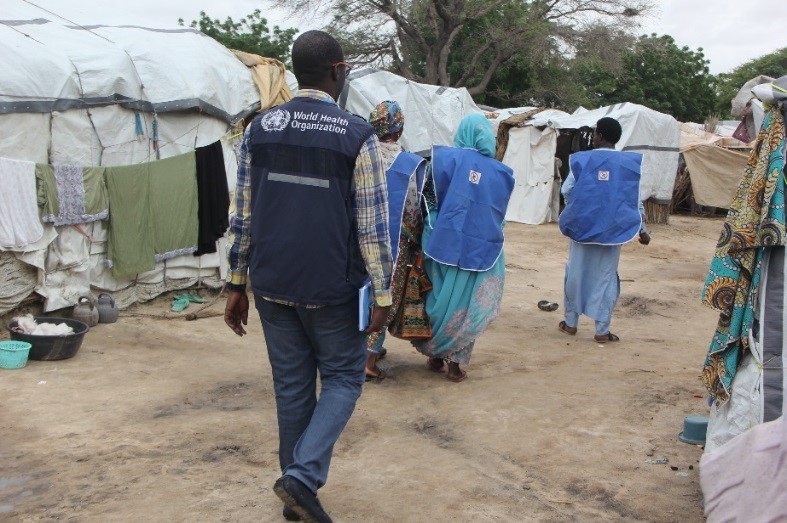
Yola, 30 August, 2018 - Adamawa state has launched the first ever malaria prevention campaign targeting vulnerable children in high-risk areas of Adamawa state.
Nigeria’s Polio laboratories pass another round of accreditation exercise
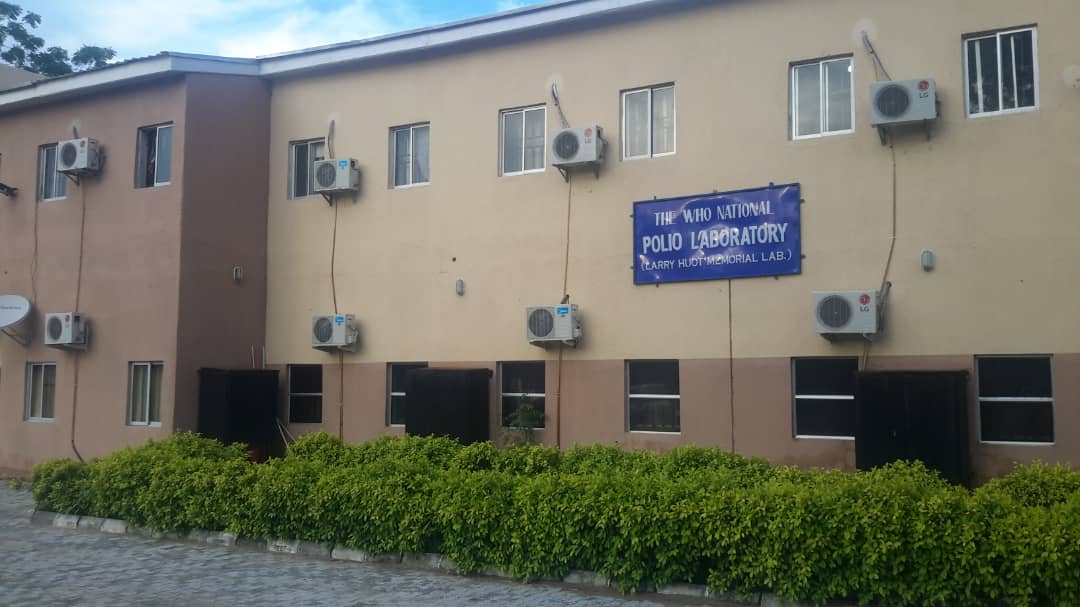
Abuja, 30 August 2018 - The national Polio laboratories in Maiduguri and Ibadan have successfully passed World Health Organization (WHO) accreditation quality checks. The accreditation of the laboratories is for the next twelve months, starting from September 2018.
During the exercise, the Team lead of the Polio accreditation exercise, Dr Gumede-Moeletsi Nelisiwe described the accreditation procedure as a means of monitoring the accuracy and quality of testing in the laboratories.
South Sudan revises its 2007 Essential Medicines List to improve standards and access to Essential Medicines within the health care system
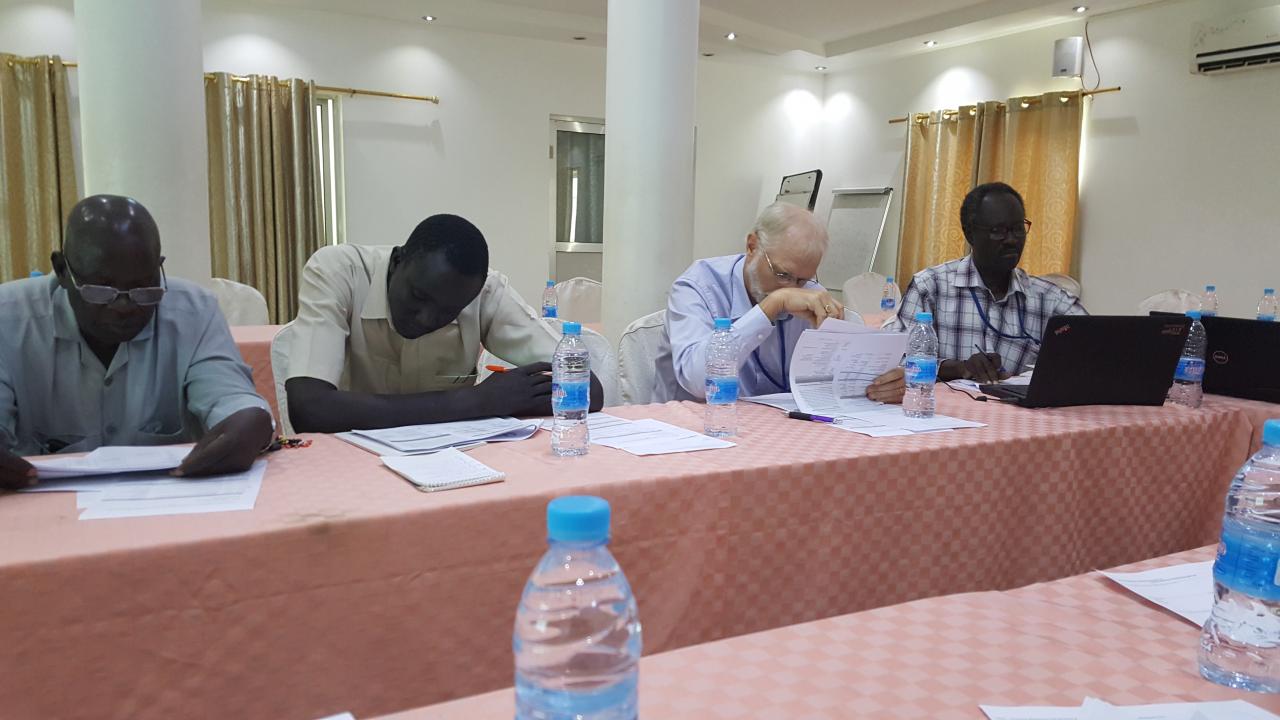
Juba 27 August 2018 – The Ministry of Health of South Sudan in collaboration with the Health Sector Partners (HSP) and with technical leadership and support from the World Health Organization has validated its 2007 Essential Medicines List.
This is part of the efforts to improve access to, availability and proper use of essential medicines within the health care system in public and private facilities.
Stopping Cervical Cancer and other NonCommunicable Diseases in Africa

WHO report finds poor delivery of services threatens gains made in health in Africa

WHO and Mercy Ships sign collaborative agreement to strengthen surgical care in Africa
African Health Ministers Endorse Five-Year Plan to Improve Access to Medicines
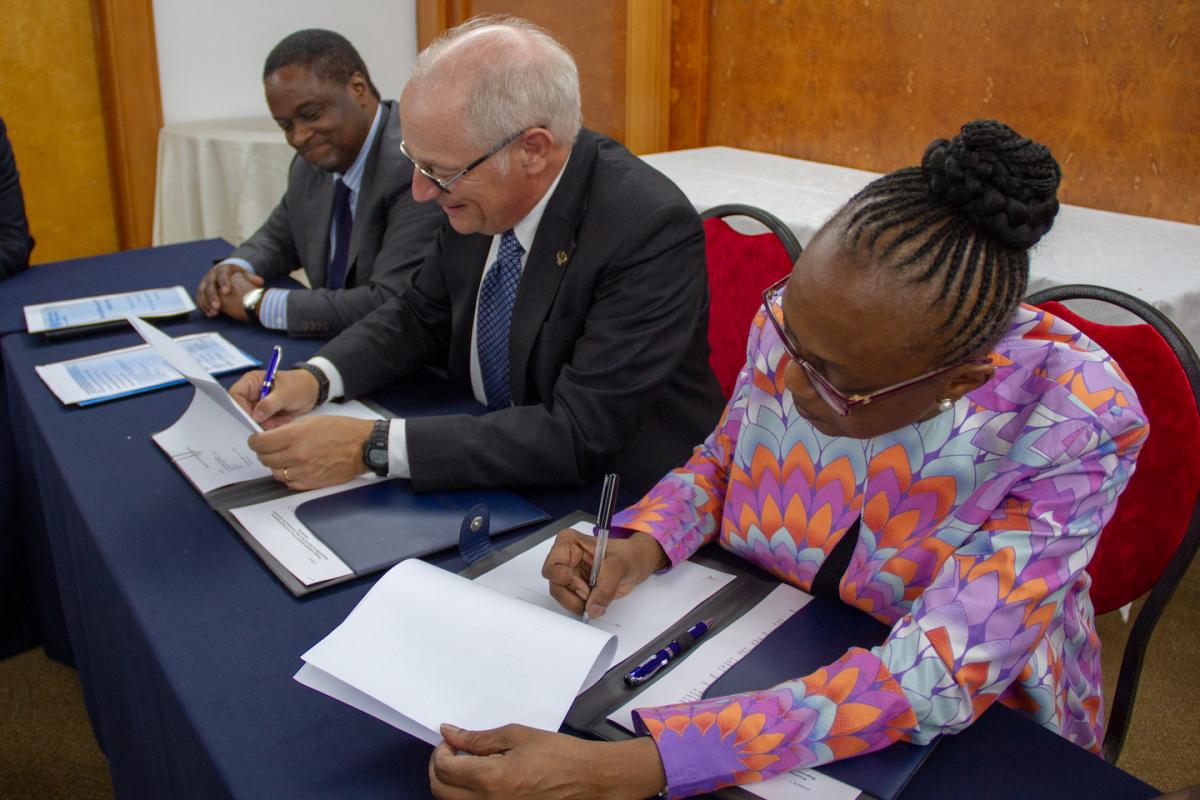
Dakar/Brazzaville, 29 August 2018 - Ministers of Health from the WHO African Region have endorsed proposals aimed at addressing the shortage of, and access to, medicines and vaccines. The Roadmap for access 2019-2023 - Comprehensive support for access to medicines and vaccines, sets out critical policies, actions and key deliverables to support countries improve access to health products over the next five years.
WHO convenes a meeting for pilot testing of the 3rd edition of the Technical Guidelines for Integrated Disease Surveillance and Response (IDSR)
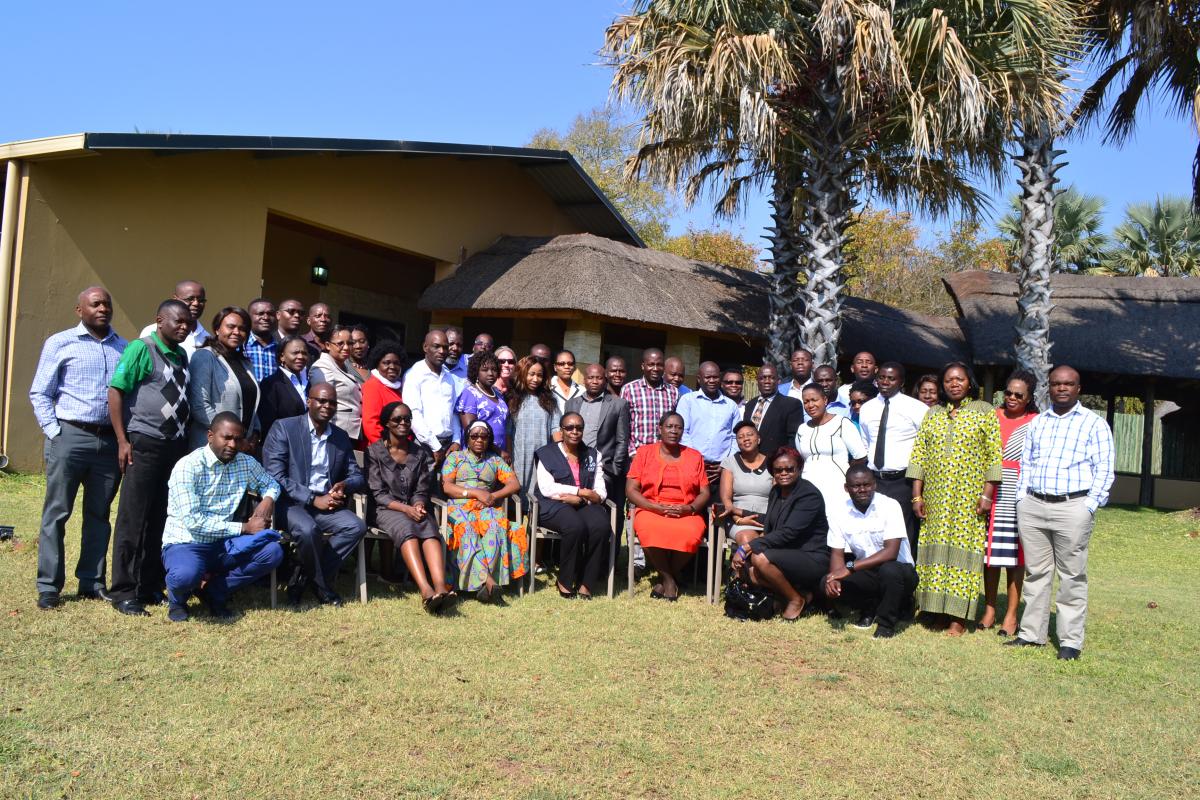
Zambia is one of the three countries that have been selected for piloting the 3rd edition of the Technical Guidelines for Integrated Disease Surveillance and Response (IDSR) for the WHO African Region.
African Health Ministers commit to ending cholera outbreaks by 2030