L’appui de l’OMS à la mise en place des équipes d’intervention rapide pour la vaccination de riposte contre Ebola (EIRaV)
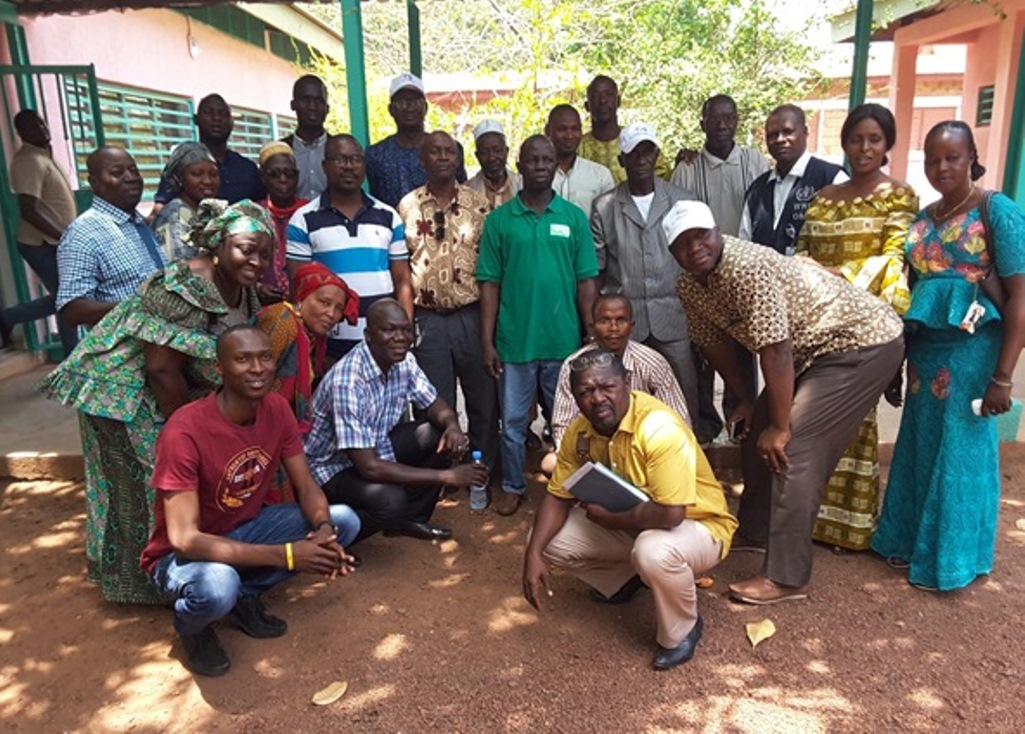
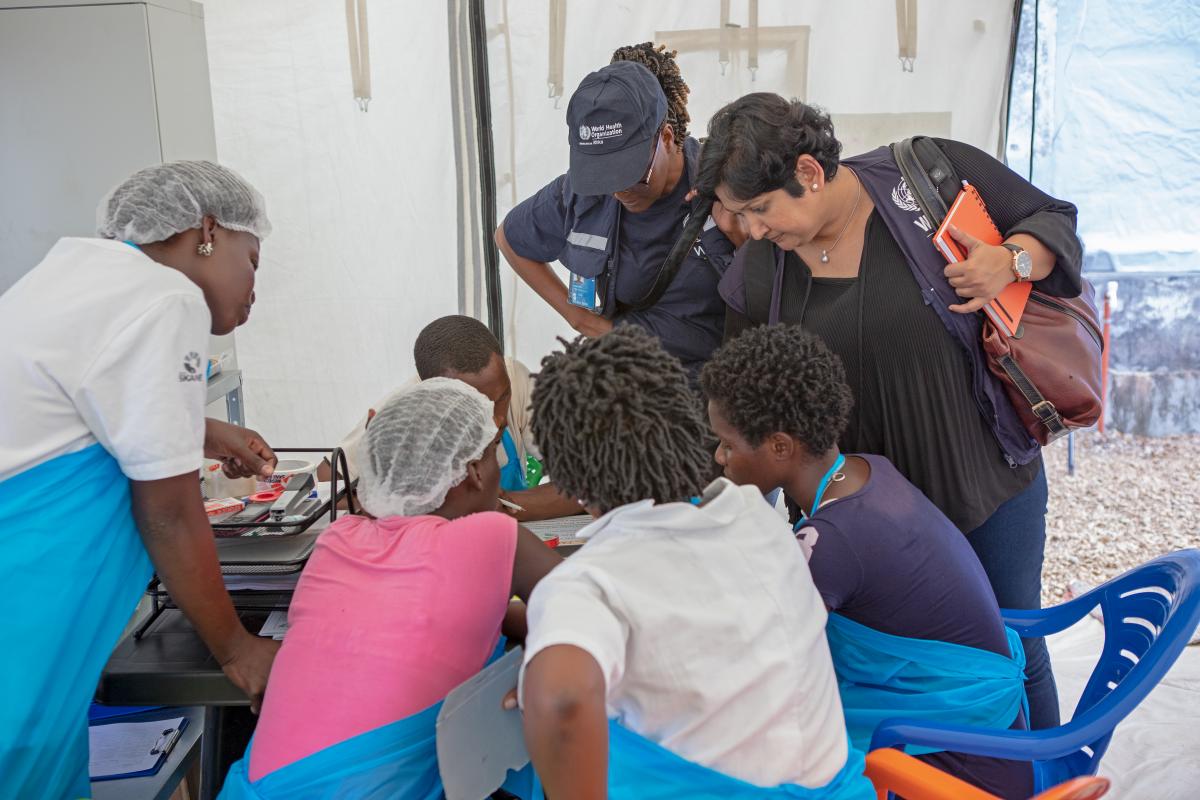
Dans le cadre de la préparation et la réponse à d’éventuelle épidémie d’Ebola en Guinée, l’Agence nationale de Sécurité sanitaire du Ministère de la Santé a entrepris la formation et la mise en place des équipes d’intervention rapide pour la vaccination contre Ebola (EIRaV).
Cervical Cancer Prevention and Control Program Implementation in Eritrea
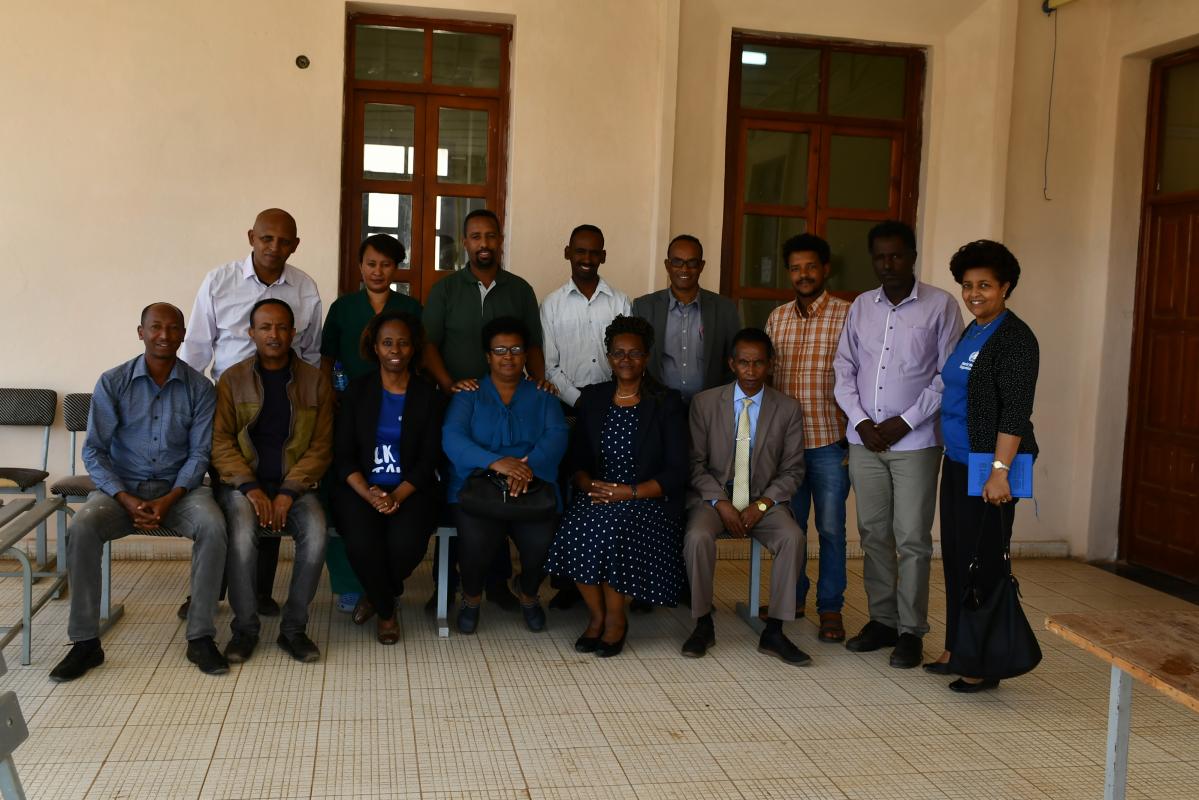
Cervical cancer occurs when the cells of the cervix grow abnormally and invade other tissues and organs of the body. When it is invasive, this cancer affects the deeper tissues of the cervix and may have spread to other parts of the body. Cervical cancer is caused through acquisition of HPV virus (Human Papillomavirus) when a woman is sexually active and the virus has been acquired. Some women then develop pre cancer lesions but in about 66% to 70% of these women, the body normally clears it away.
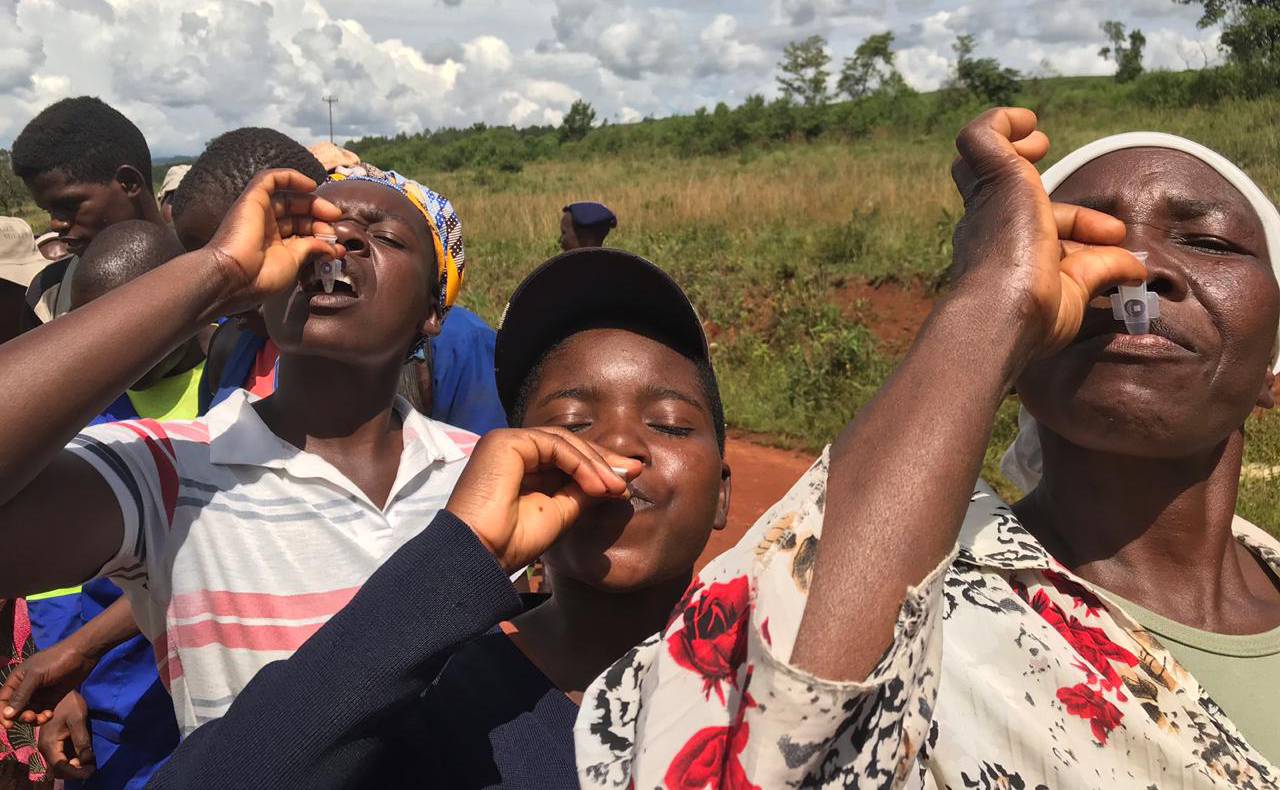
Cyclone-affected communities in Zimbabwe being vaccinated against cholera: Campaign targets nearly 500,000 people in Chimanimani and Chipinge
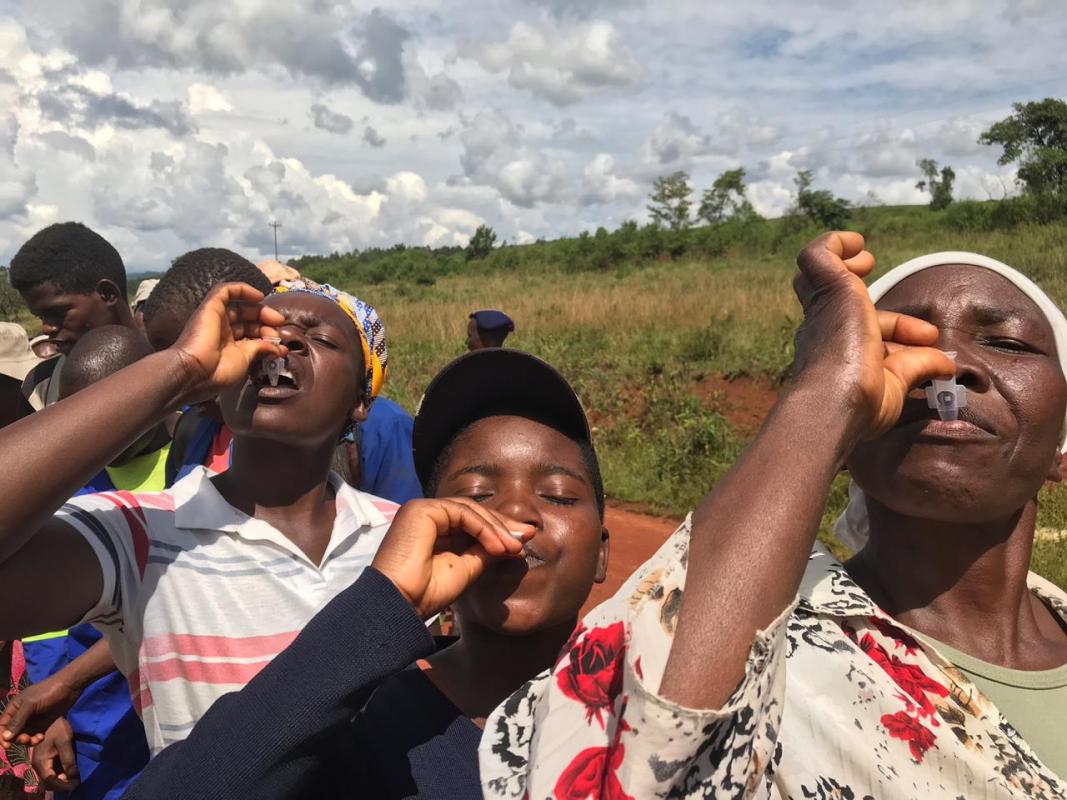
HARARE, Zimbabwe, 16 April 2019 – An oral cholera vaccine (OCV) campaign targeting some 487 825 people began Tuesday in Zimbabwe in the two districts most affected by cyclone Idai.
During the campaign all residents of Chimanimani and Chipinge districts aged 12 months and older will receive the vaccine to protect them against cholera.
Dr Cornelia Atsyor receives warm welcome to the Kingdom of Eswatini
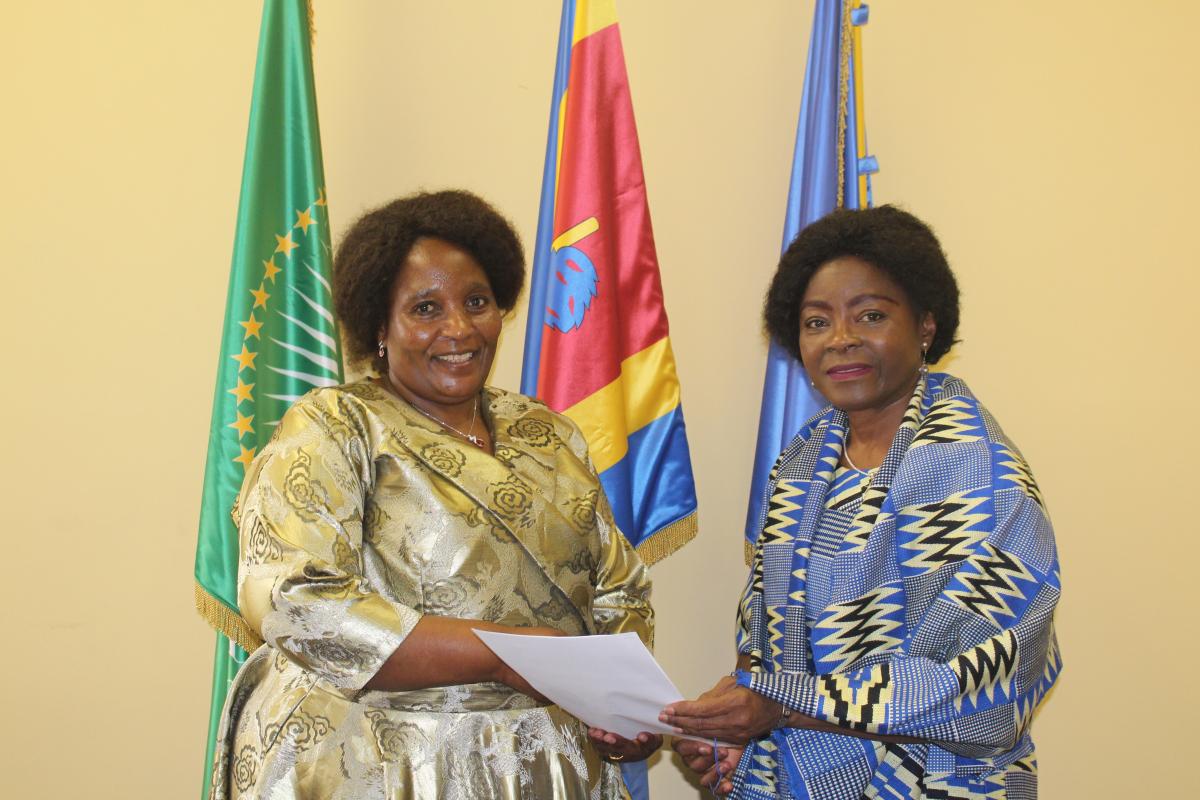
The World Health Organization (WHO) Representative to the Kingdom of Eswatini Dr Cornelia Atsyor presented her credentials to the Minister of Foreign Affairs and International Relations, Honourable Thuli Dladla.
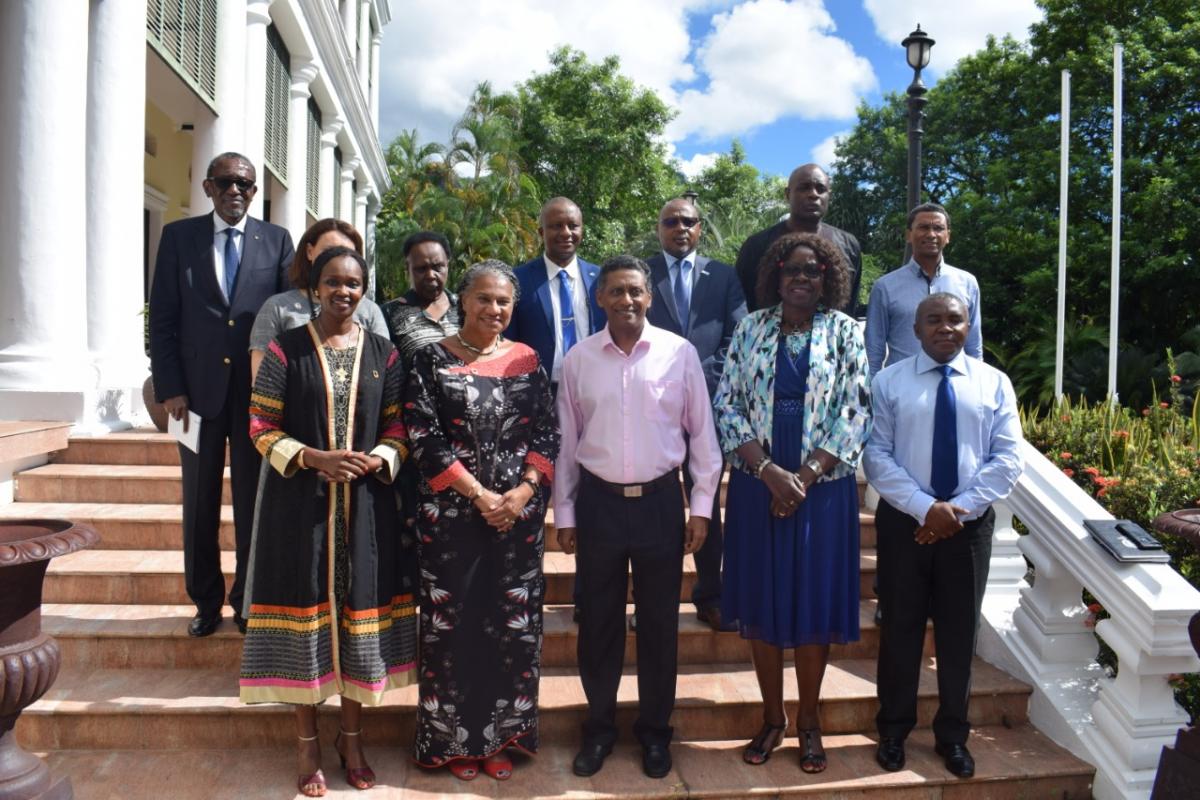
Courtesy visit of the UNCT Retreat members to the President of Seychelles
Eritrea Observed World TB Day 2019
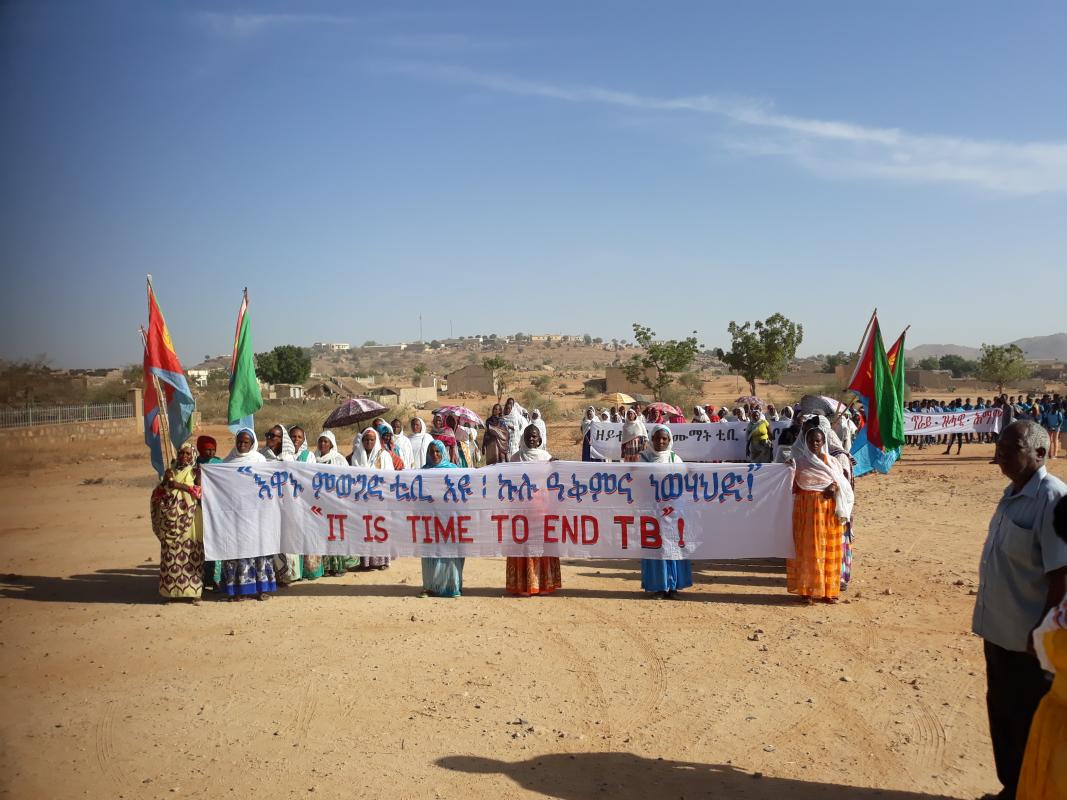
Eritrea commemorated World TB Day on the 23rd March 2019 in Gash Barka region, Barentu city, with the theme “It is time to end TB”. Millions of people continue to fall sick with TB each year and it is one of the top 10 causes of death worldwide.
Cyclone-affected communities in Zimbabwe being vaccinated against cholera
Disease detection in a box – a high-tech solution for emergency settings
NERICC-Nigeria’s panacea to routine immunization and primary health care strengthening.
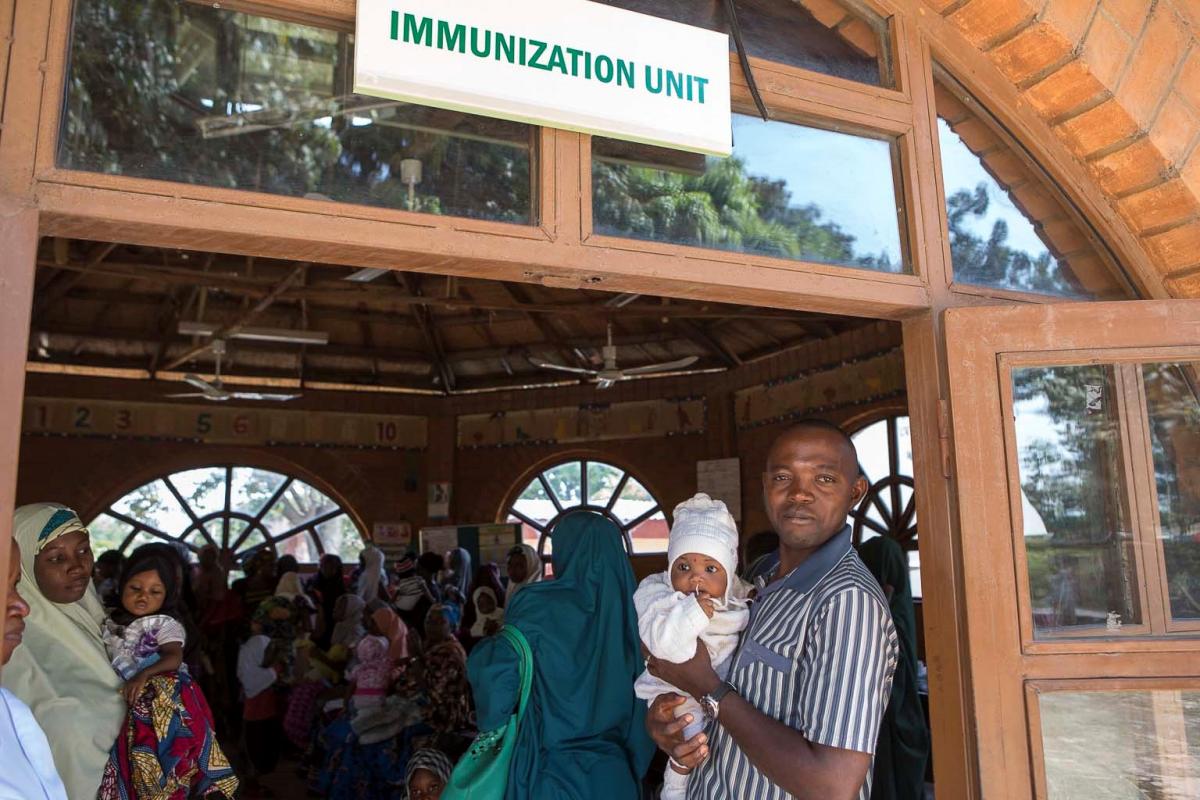
Abuja 16 April 2019 – Over the past 18 months, Nigeria has recorded substantial improvement in routine immunization (RI) performance. Prior to the establishment of the National Emergency RI Coordination Centre (NERICC) on 04 July 2017, Nigeria’s immunization coverage was very poor and fluctuated significantly over the last decade.