Zambia Commemorates World No Tobacco Day
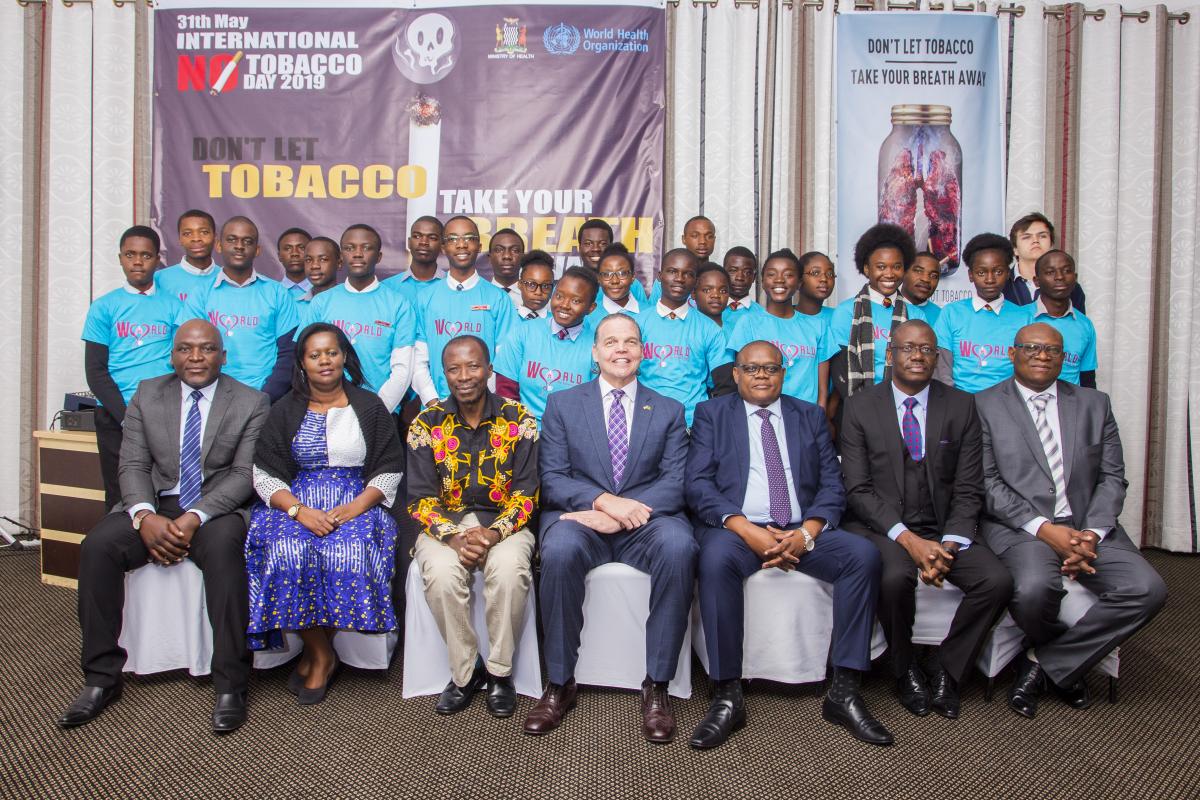
On 11 July 2019, Zambia commemorated the World No Tobacco Day to advocate for effective policies to reduce tobacco consumption and to engage stakeholders across multiple sectors in the tobacco control.
Seychelles engages on ways to redefine bringing health for all at first ‘National Primary Health Care Conference’
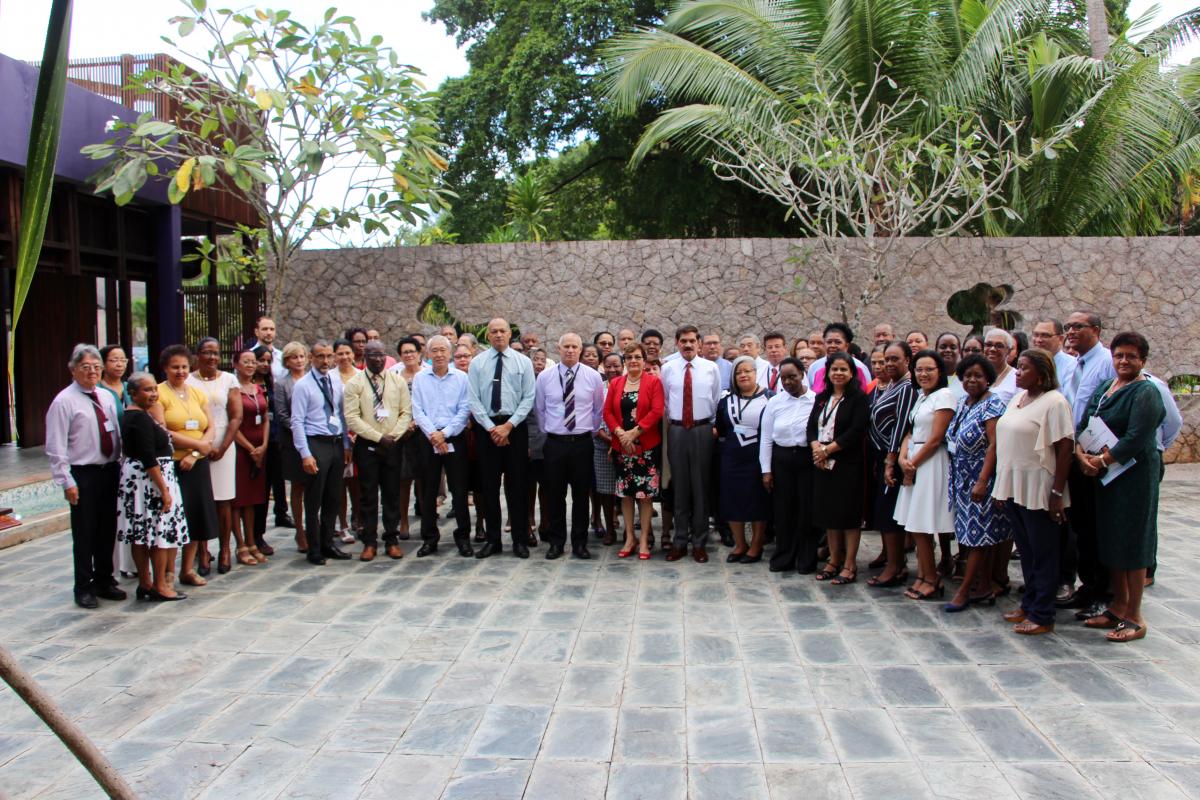
In Seychelles, every Seychellois is entitled to basic health care as enshrined in its Constitution. In the early 1980s, the country adopted the primary health care approach, where all Seychellois, irrespective of their living circumstances, receives primary health services free of charge at the point of use in the public sector. Close to forty years down the line, with the technical support of the World Health Organisation (WHO), the Ministry of Health (MoH) held a national conference to take stock of the country’s primary health care system.
SIDS Pooled Procurement Initiative to Improve Access To Quality Medicines
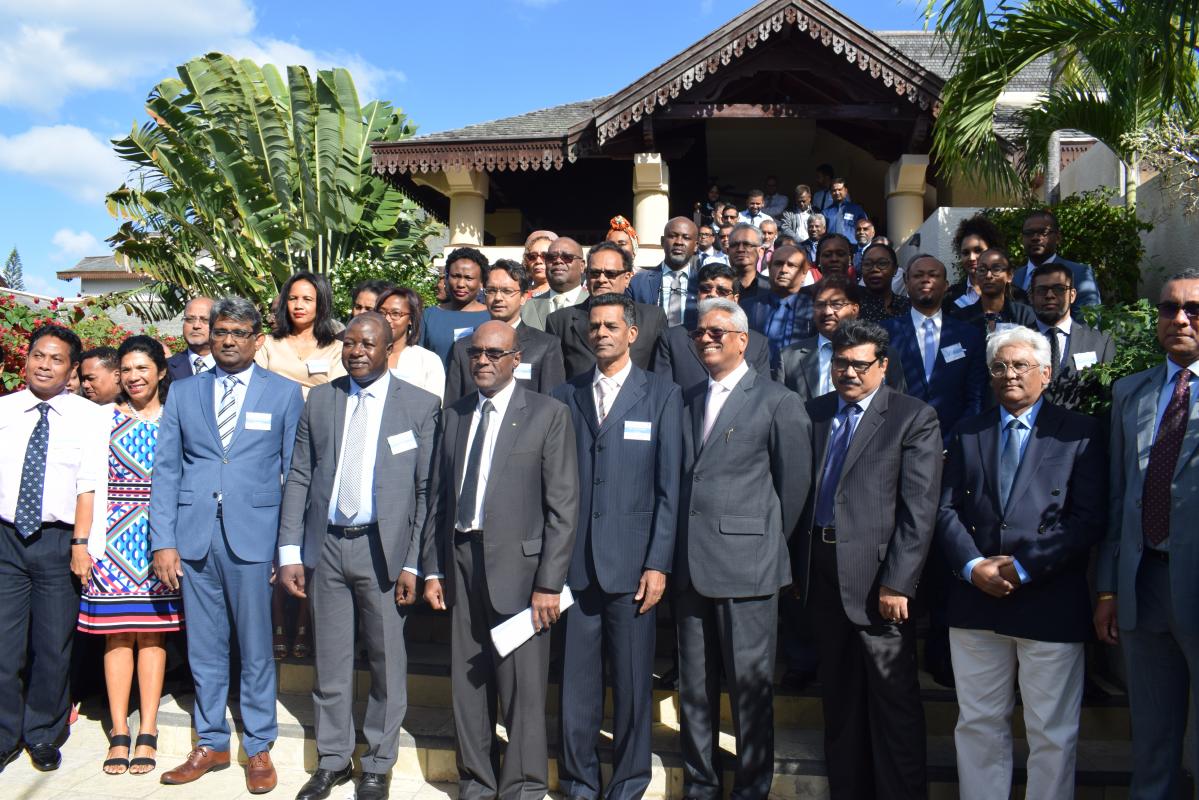
WHO partners NCDC for effective containment of cholera outbreaks
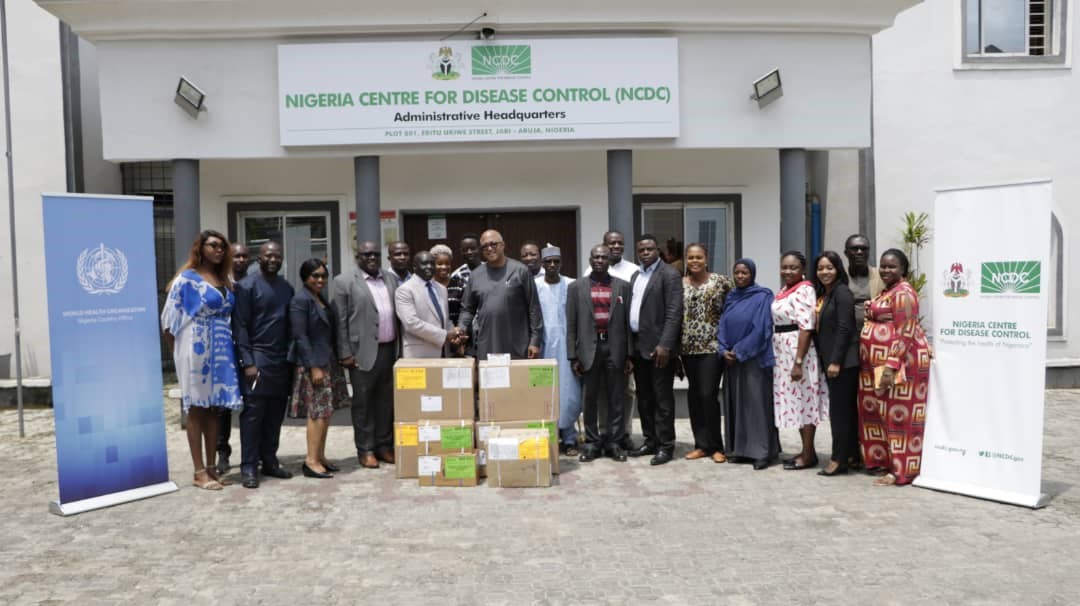
Abuja, 19 July, 2019 - As the rainy season reaches its peak, the World Health Organization (WHO) and the Nigeria Centre for Disease Control (NCDC) are strengthening early warning and reporting mechanisms for prompt detection and containment of cholera outbreaks.
Renewed impetus to achieve universal access to immunization by 2030
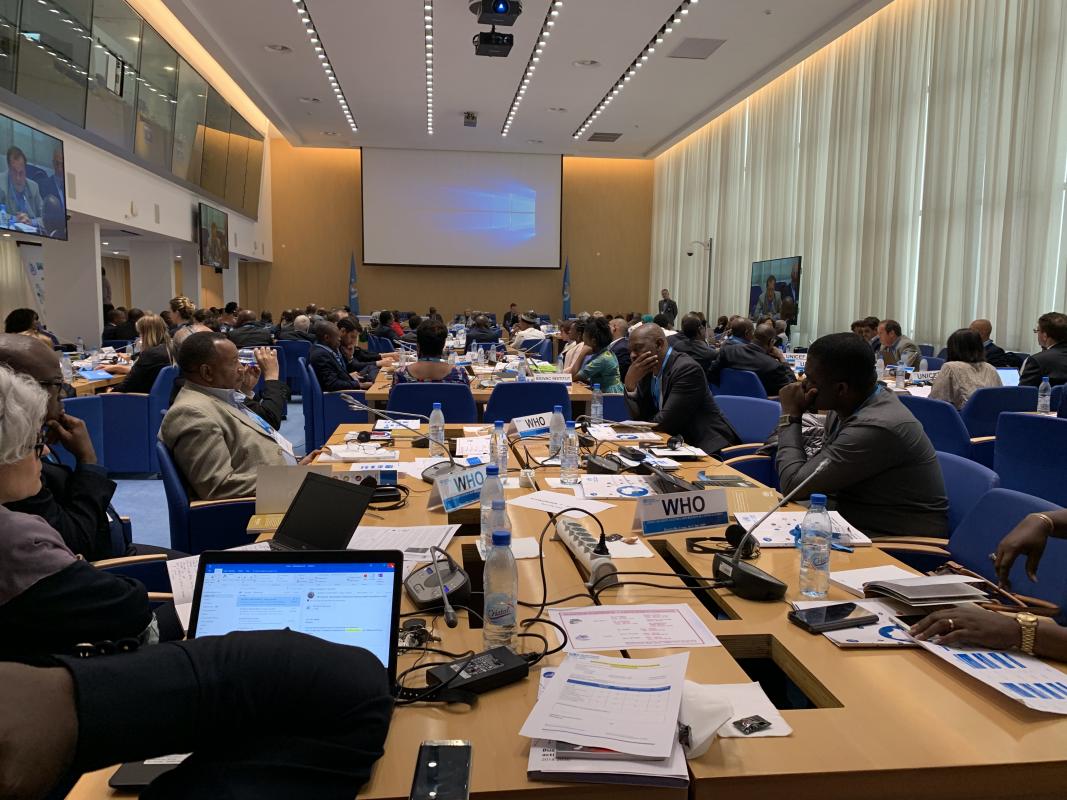
Functional Review Team identifies potential areas for repositioning WHO Nigeria towards achieving sustainable national health goals.
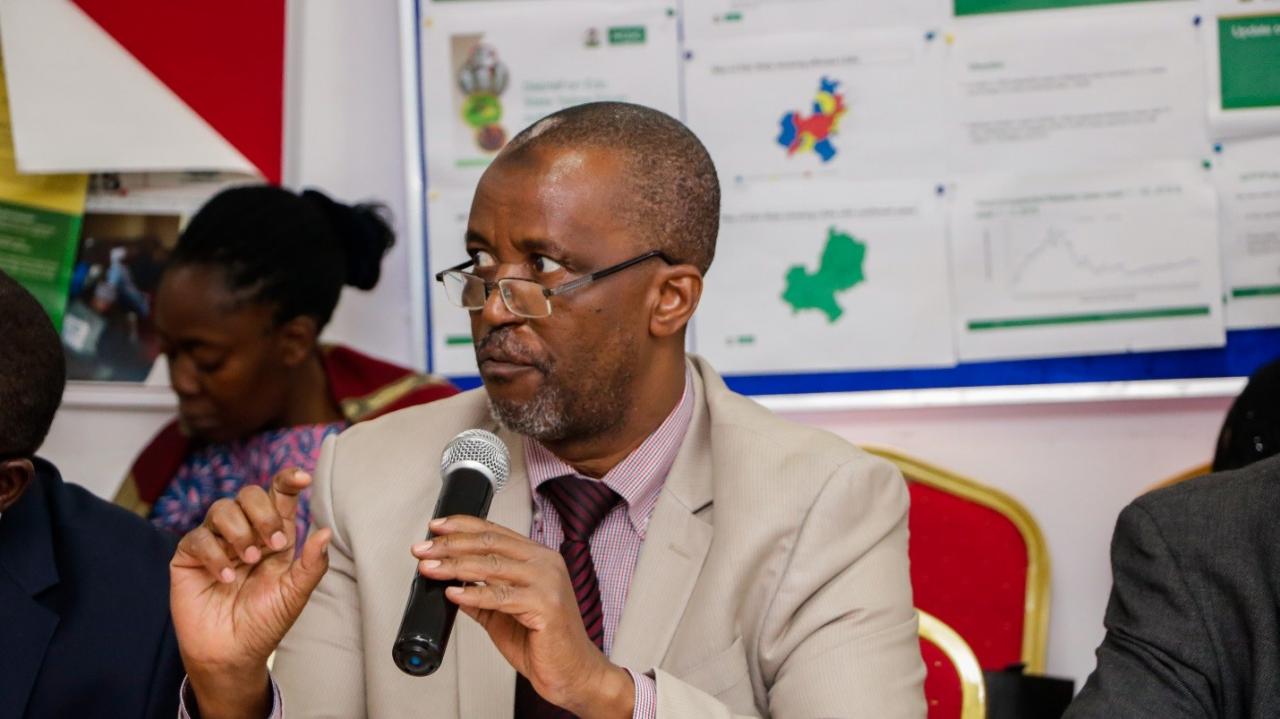
Abuja, 19 July, 2019 - The World Health Organization’s (WHO) Africa Region Functional Review Mission has indicated on 19 July, 2019 that Nigeria Country Office can leverage on successes recorded in Polio eradication for greater national public health impact.
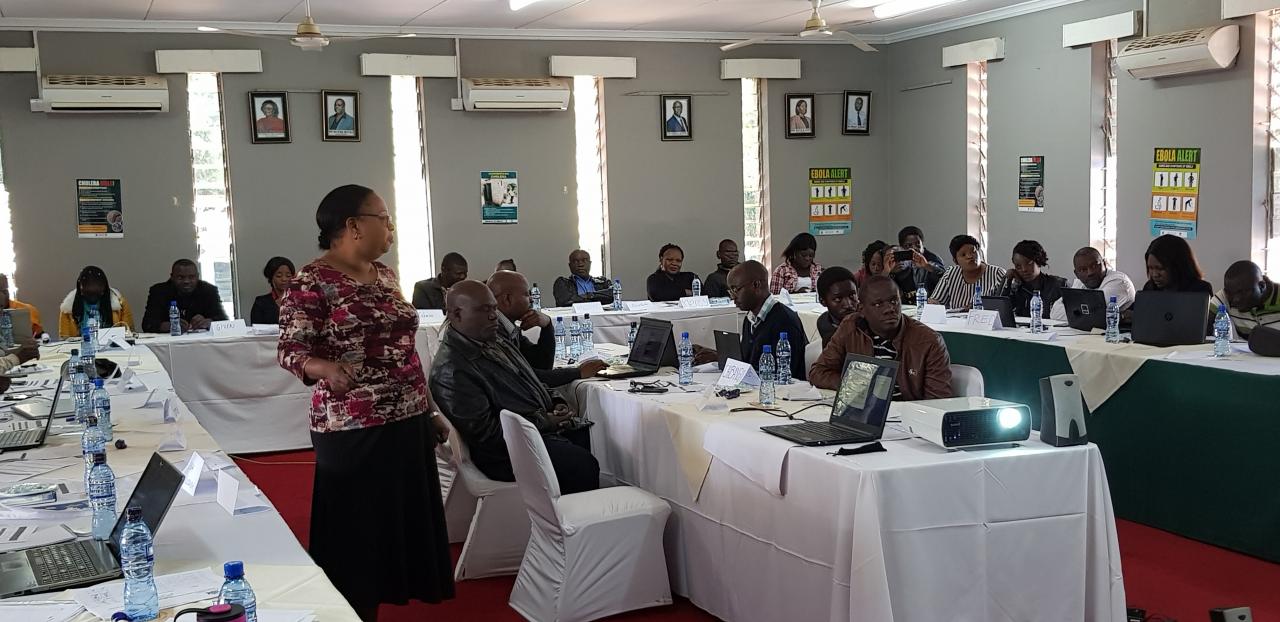
Mixing it with the Motards: understanding the needs and concerns of crucial community communicators
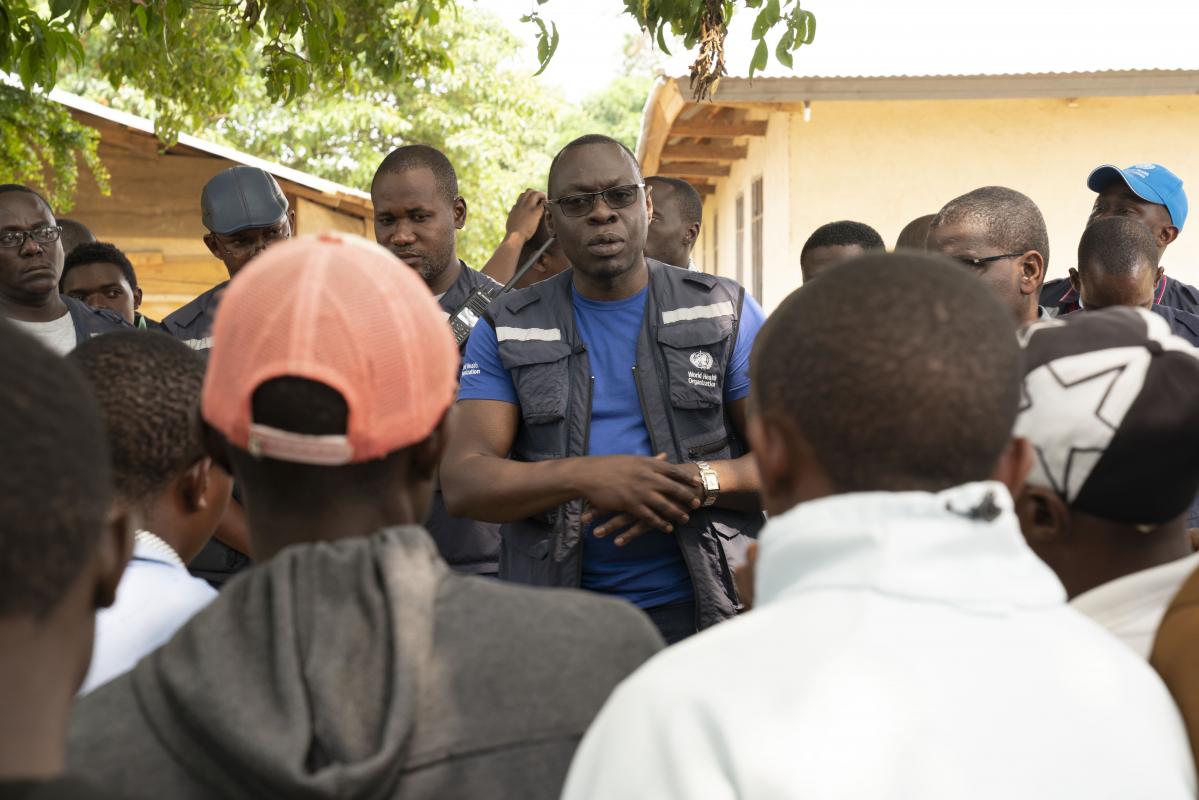
Alloya, a town serving a gold mining district in North Kivu is a town that understands trade and business. It is also a town with deep mistrust of Ebola responders. All too often, the belief that the Ebola response is about ‘business’ rather than saving lives, has taken hold.
In late June, cases of Ebola began to reappear in Alloya, following reintroduction of the virus by an infected person who avoided surveillance and travelled to the area from the then epicentre, Butembo.
Engagement of private sector stakeholders in strengthening disease surveillance and response yields results
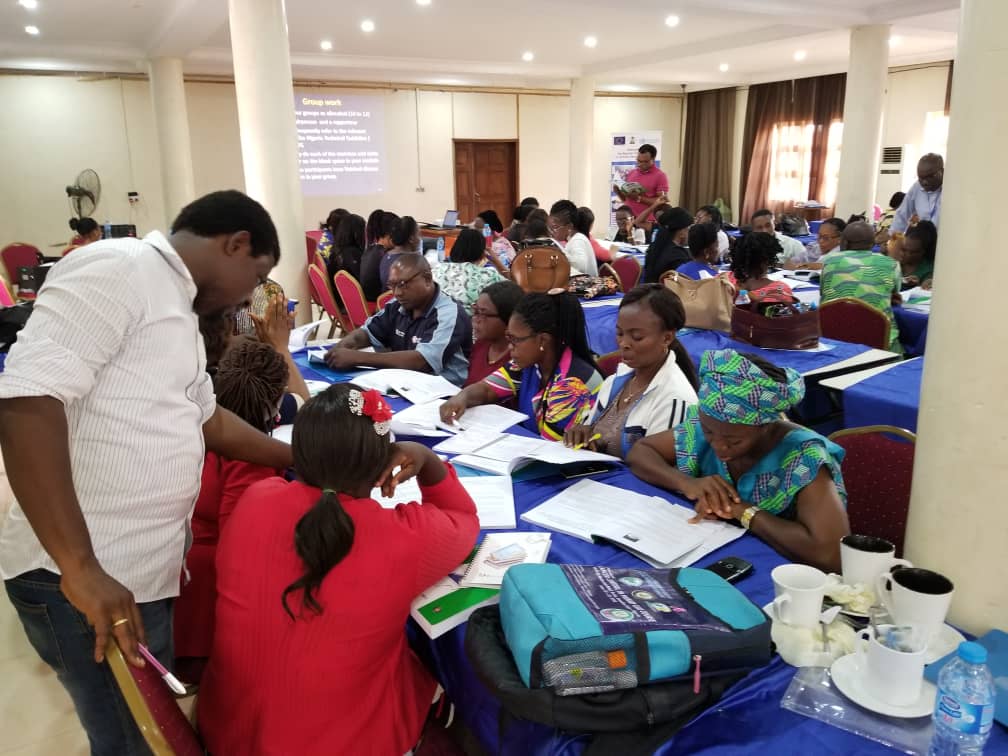
Awka 17 July 2019 - In Anambra State, South East Nigeria, the engagement private sector health practitioners has significantly improved Integrated Disease Surveillance and Response (IDSR).
With a population of over 5million people, Anambra state has a huge private sector investment in health as over 60% of health services are provided by private health facilities (Anambra State Strategic Health Development Plan II, 2018 - 2022), however, there is weak collaboration between the private and public health sector.
Reminder to strengthen measures to prevent the spread of Ebola Virus to Rwanda
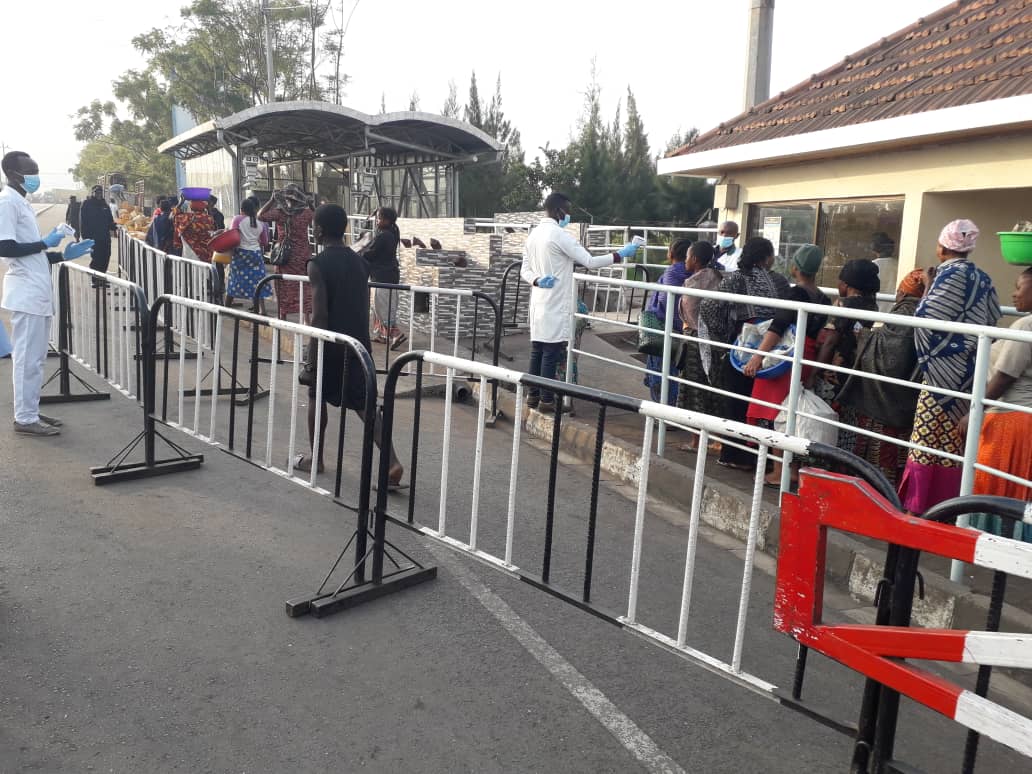
The Ebola Virus Disease was confirmed on July 14, 2019 in Goma, North Kivu Province in the Democratic Republic of Congo by its Ministry of Health.
The Ministry requests the population to remain calm as no single Ebola case has been registered in Rwanda to date. The Country is taking the outbreak in the neighbouring countries seriously and continues to intensify the surveillance at all ports of entry as well at the community level.
However, the Ministry strongly reminds everyone to seriously consider the following preventive measures: