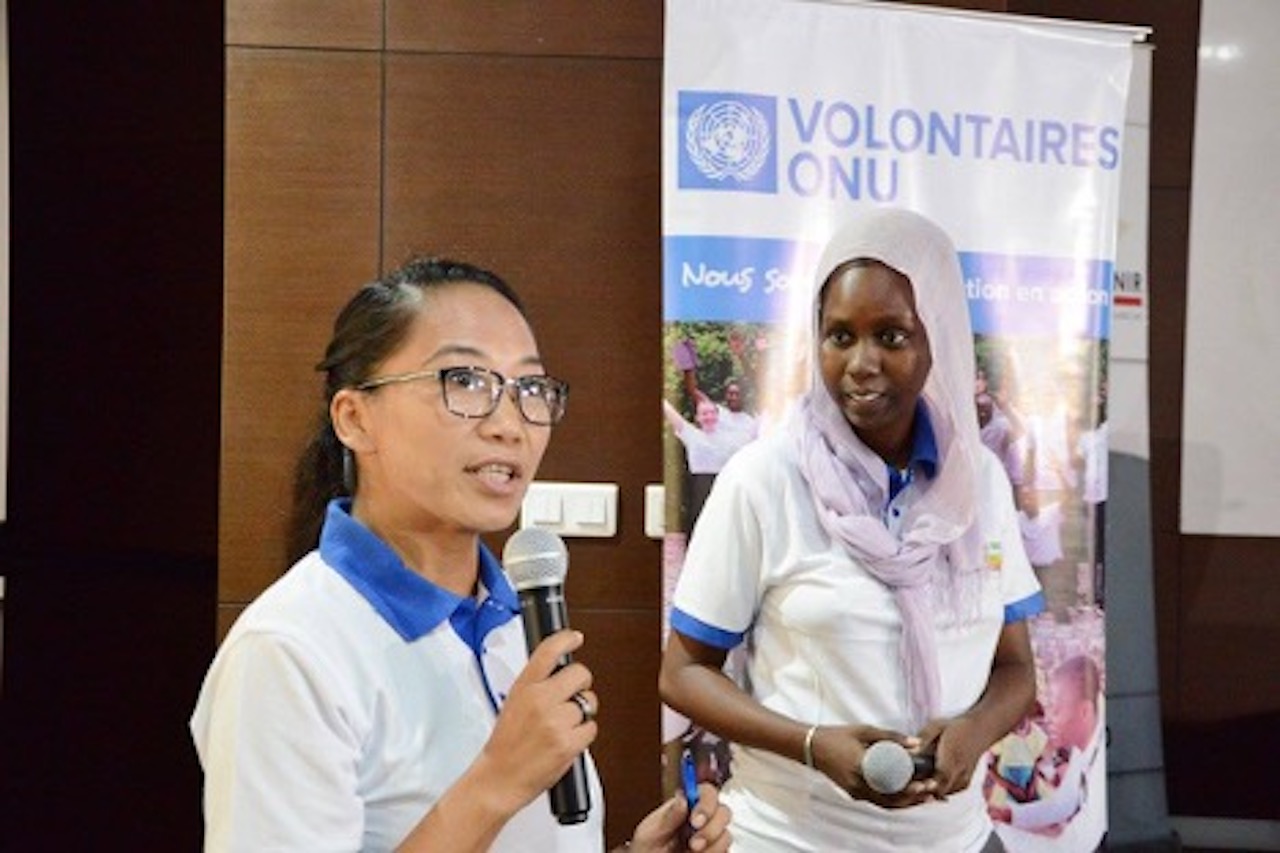
Over 3.4 million persons vaccinated against Yellow Fever in Rivers State

Port Harcourt, 12 March 2020 - “All four members of my family have been vaccinated against yellow fever in this ongoing vaccination campaign,” says Tonma Oruye.
“It’s a good thing that the government is administering this vaccination free of charge, this shows how concerned they are with the people’s health. I made sure everyone in my household got vaccinated, my husband, myself and the children. I encourage others do the same."
Celebrating the Nigerian woman - the epitome of courage, strength and hope
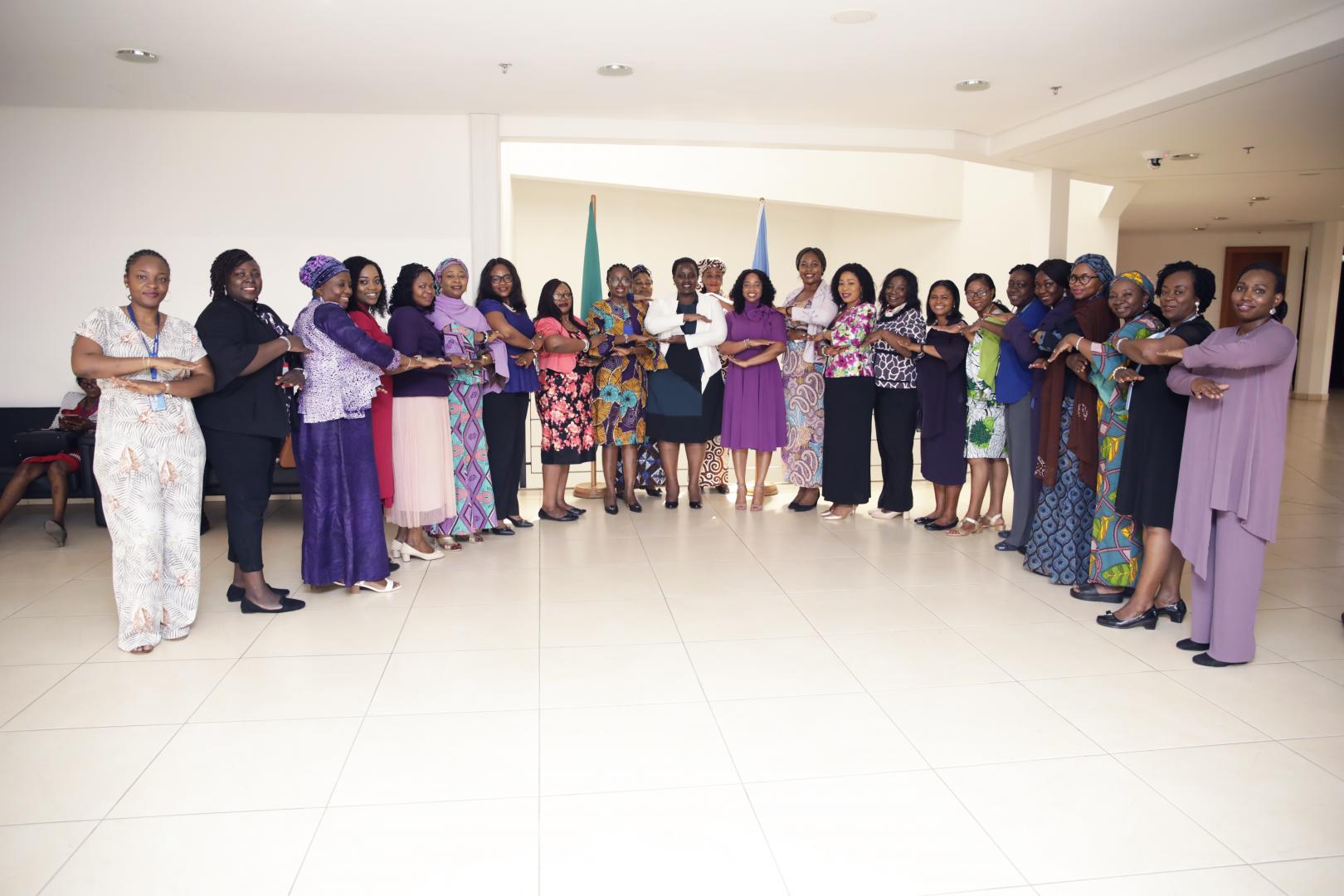
Abuja, 12 March, 2020 - While celebrating women this week, the UN Women Representative in Nigeria Ms Comfort Lamptey defined the Nigerian woman as “a symbol representing – courage, strength, resilience, hope, tenacity and transformational power.”
WHO Representative for Seychelles, Dr. Teniin Gakuruh discusses Seychelles’ preparedness to the global outbreak of corona virus with the Head of State, President Danny Faure
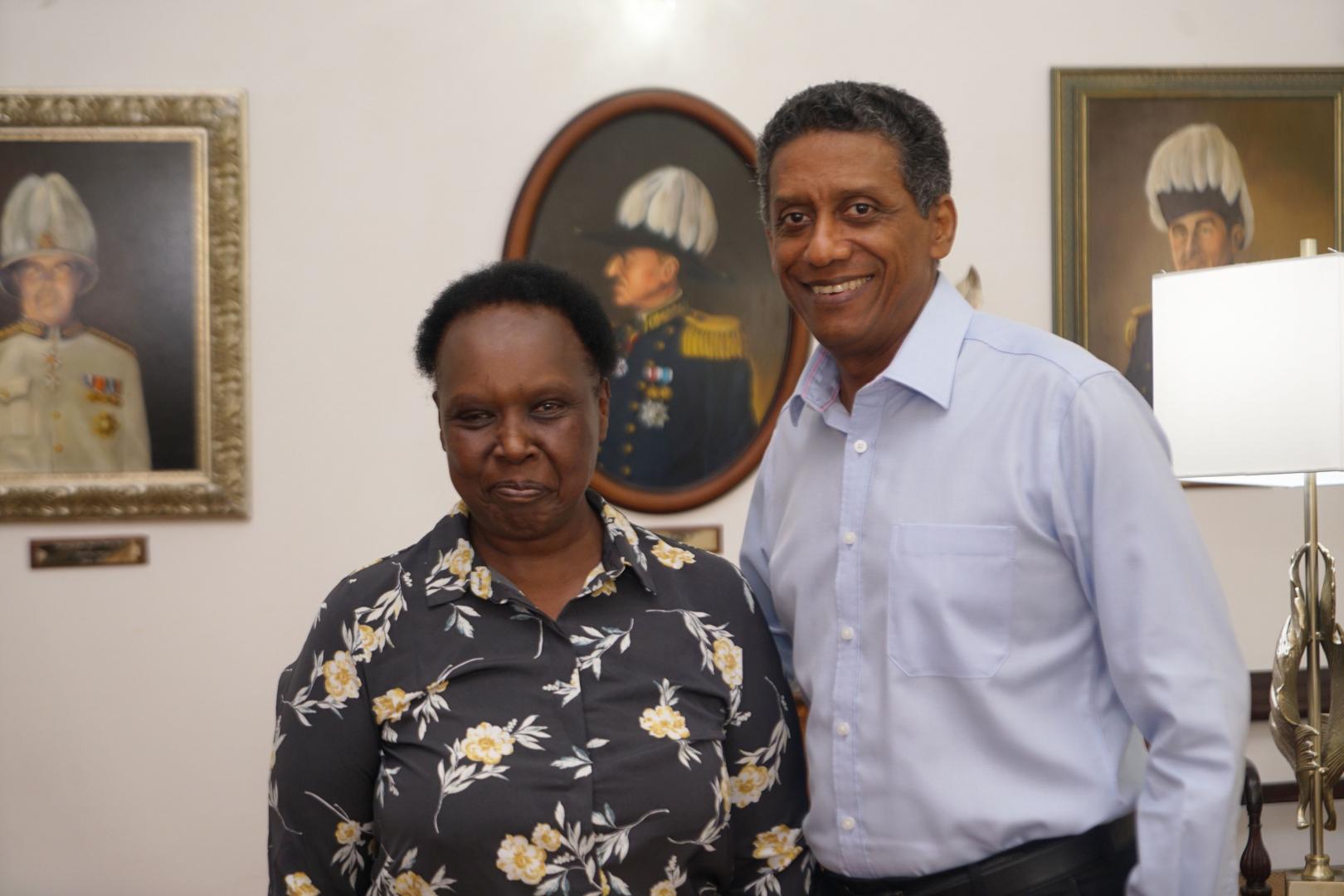
12 March 2020, Seychelles – On Wednesday 10th March 2020, the WHO Representative for Seychelles Dr. Teniin Gakuruh met with the President of the Republic of Seychelles, His Excellency Danny Faure at the State House in Victoria, to discuss Seychelles’ preparedness status for COVID19. This was in the presence of the Secretary of State for the Department of Health (DoH), Ambassador Marie-Pierre Llyod.
Close-marking COVID19 – WHO supports screening activities at Lagos international airport arrivals

Lagos, 11 March, 2020 - Following the successful deployment of ad-hoc Environmental Health Officers by the Lagos State Government aimed at beefing up Point of Entry (PoE) surveillance personnel requirement at the Murtala Mohammed International Airport (MMIA) Lagos, the World Health Organization (WHO) has provided additional coordination and technical expertise to passenger entry screening at both arrival terminals of the international airport to reduce the possibility of importation on COVID-19.
Enhancing capacity of Zimbabwe’s health system to reduce abortion related maternal deaths
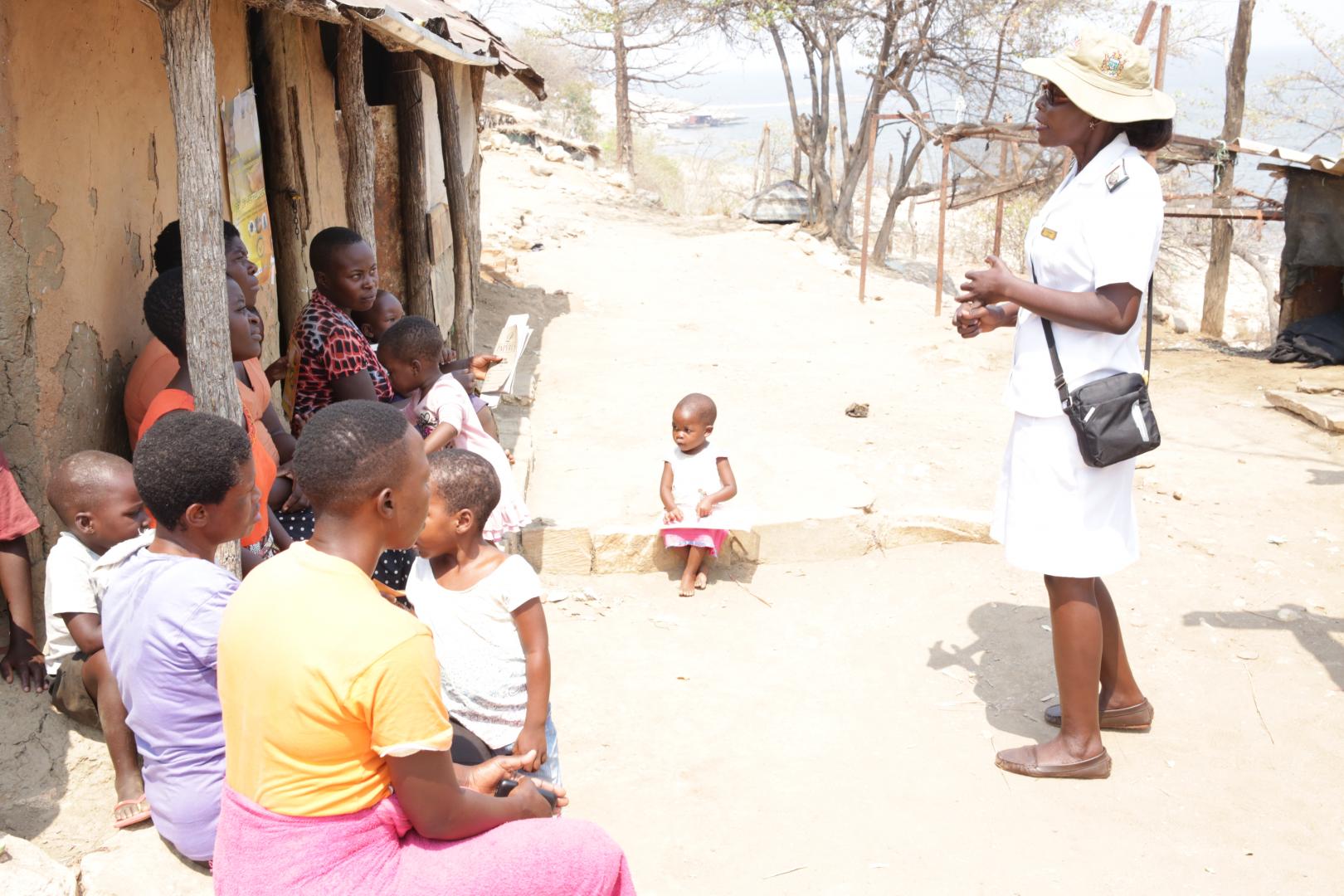
Zimbabwe has made tremendous progress in reducing maternal mortality. The maternal mortality rate reduced from 651 per 100 000 live births (ZDHS 2015) to 462 deaths per 100,000 live births (MICS 2019). Despite the reduction, the maternal mortality rate is still unacceptably high. Abortion is a major contributor to maternal deaths. Health facility data for 2018 has shown that abortion related maternal deaths account for 25% of all maternal deaths.
South African Development Community unites to tackle COVID-19
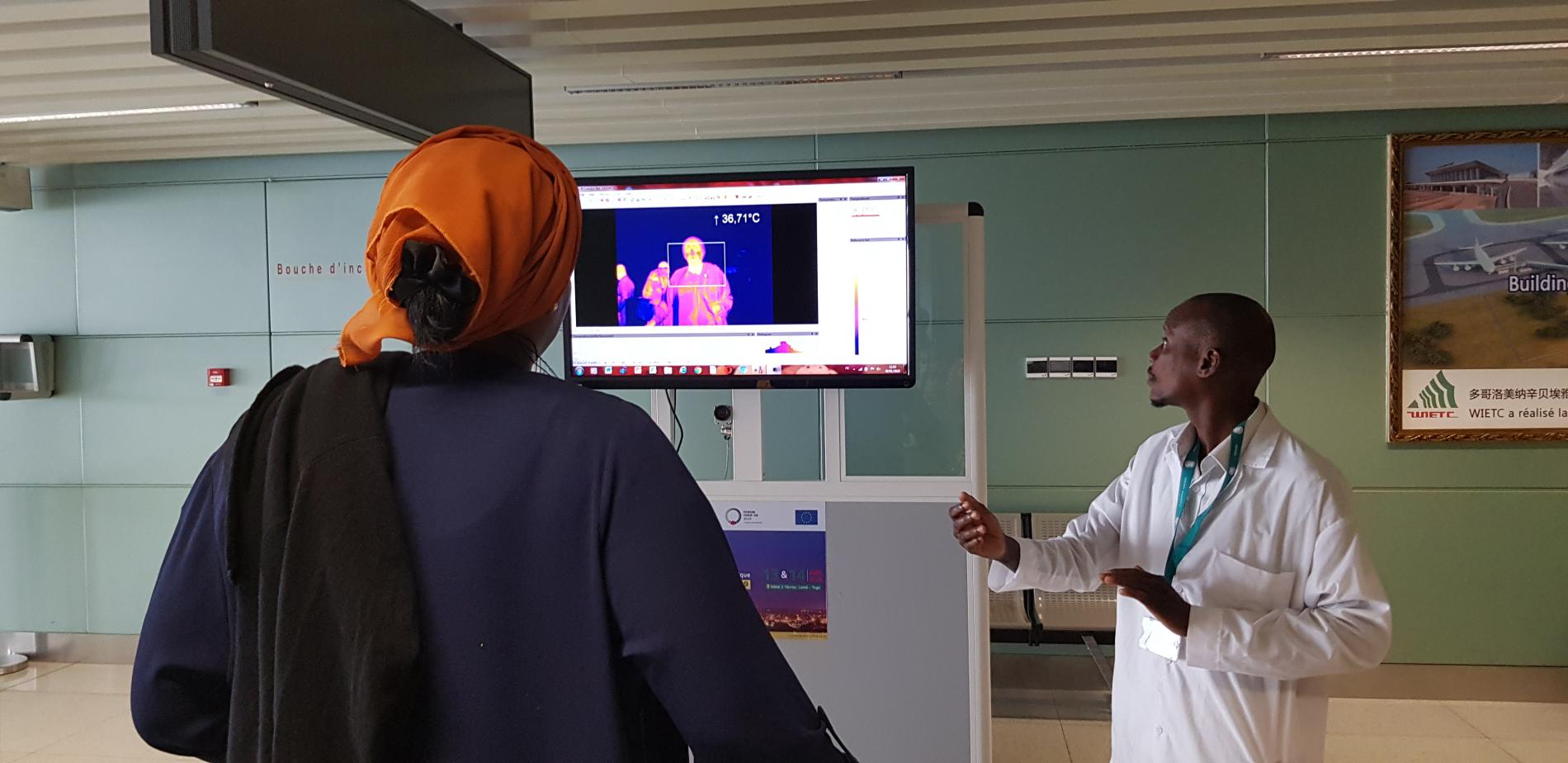
First case of COVID-19 confirmed in the Democratic Republic of the Congo
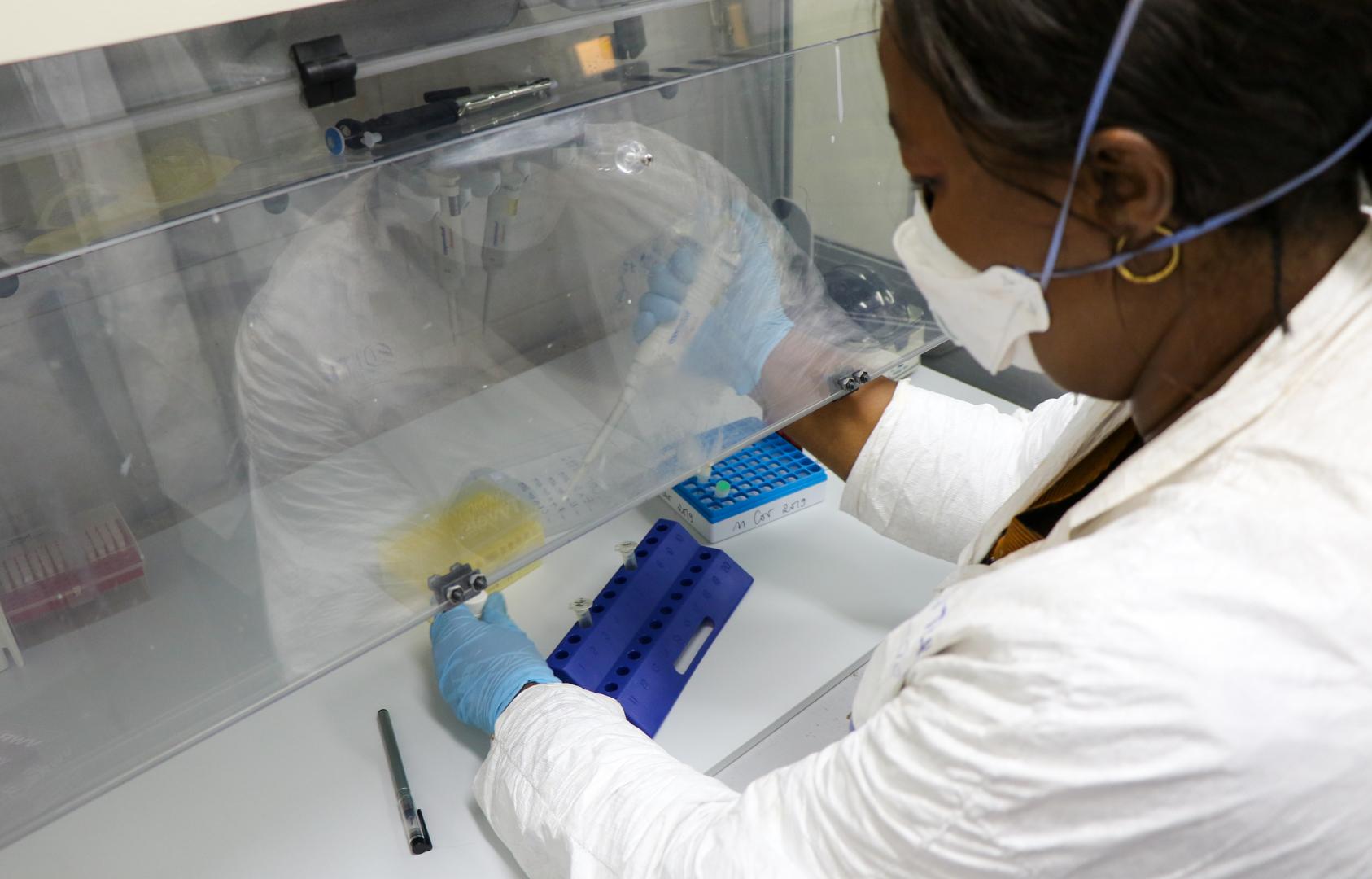
SHEROES of Typhoid
Zimbabwe's Director of Epidemiology and Disease Control in the Ministry of Health and Child Care, Dr Portia Manangazira has been recognised as one of the women leaders who have taken on the fight against typhoid.
Coronavirus disease: What you need to know

Coronaviruses (CoV) are a large family of viruses that cause illness ranging from the common cold to more severe diseases such as Middle East Respiratory Syndrome (MERS-CoV) and Severe Acute Respiratory Syndrome (SARS-CoV). A novel coronavirus (nCoV) is a new strain that has not been previously identified in humans.
Pioneer UN volunteers at WHO Regional Office for Africa