Strengthening schools to ensure safe continuity of education amidst COVID-19
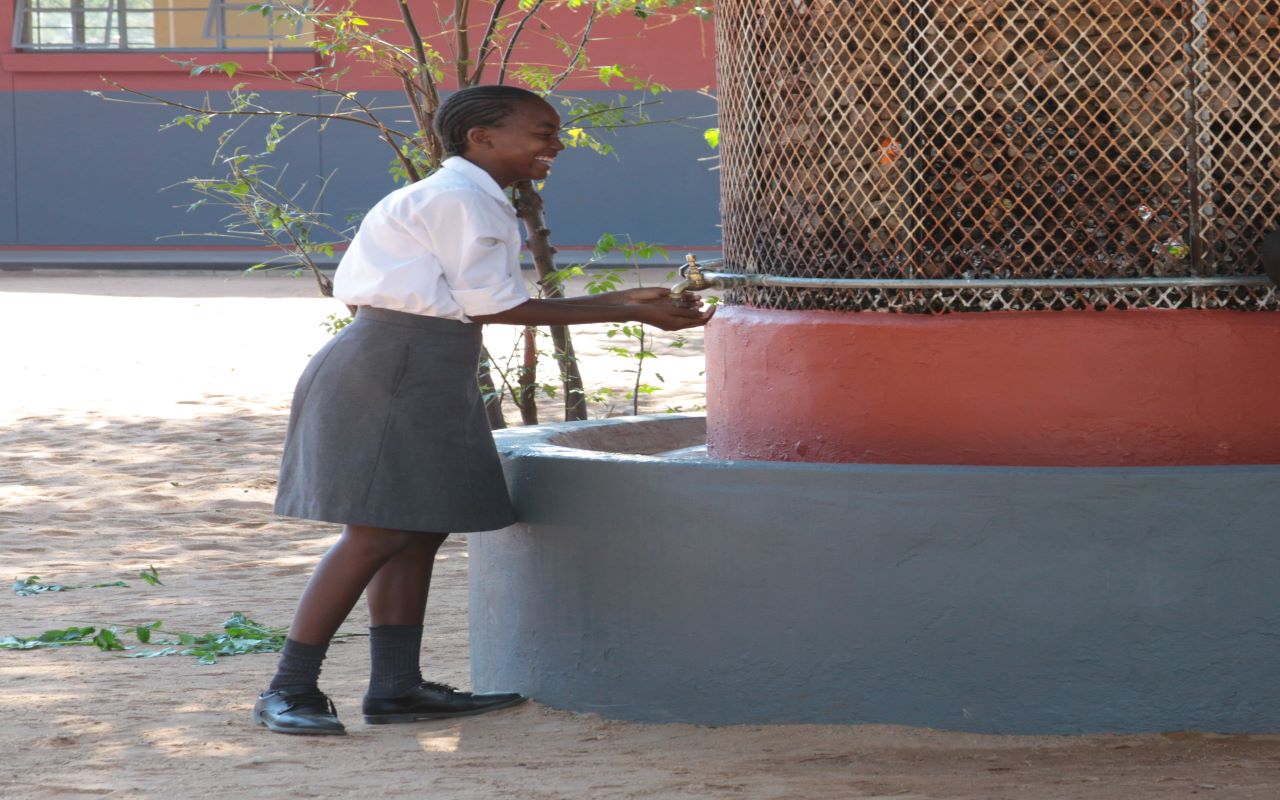
COVID-19 calls for resilient school environment that ensures continuity in education and services beyond academic delivery.
Strengthening Integrated Disease Surveillance and Response (IDSR) capacities in Namibia.
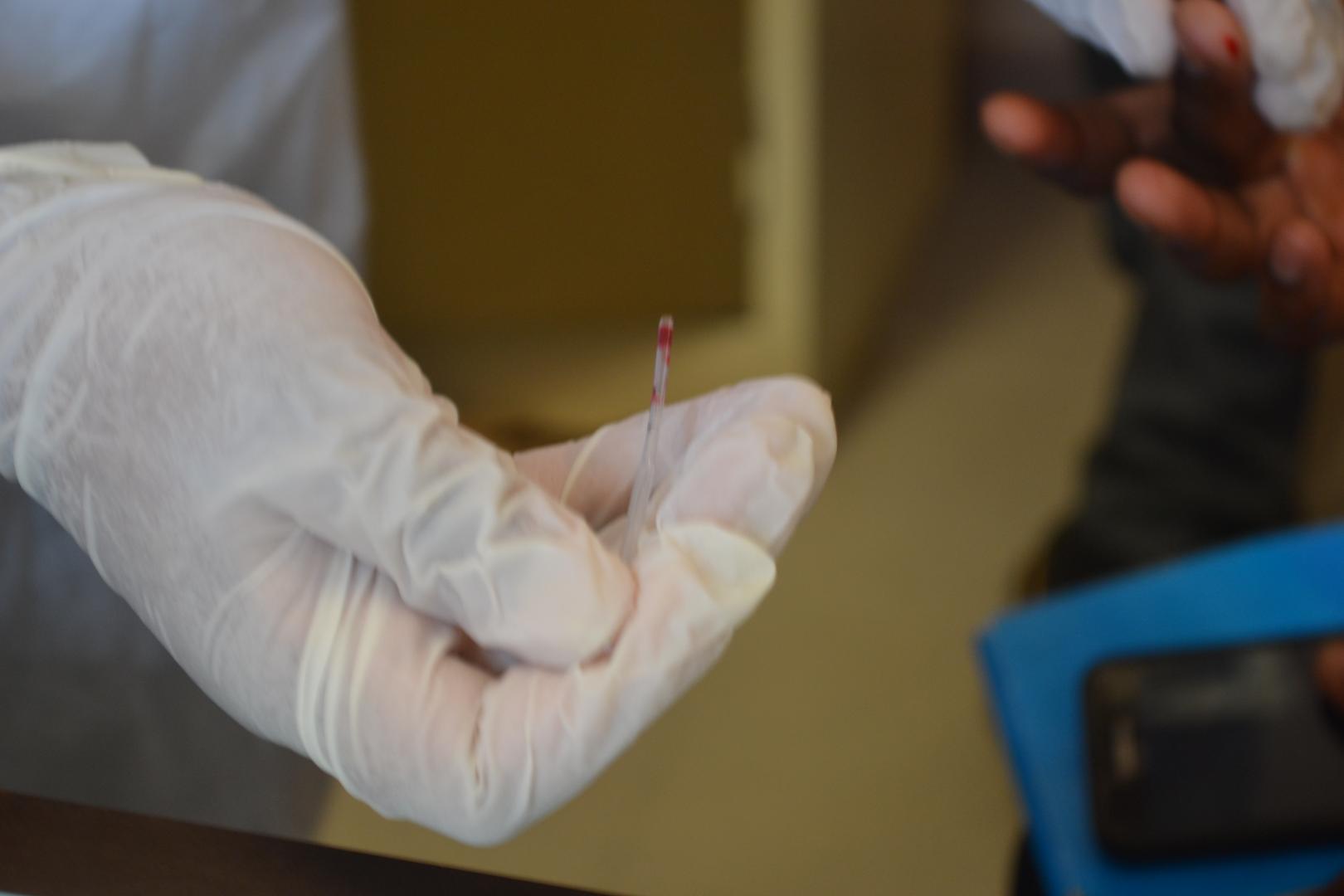
he African Ministers of Health adopted the Regional Strategy for Integrated Diseases Surveillance and Response (IDSR 2020-2030) during the 69th Regional Committee for Africa in Brazzaville, Congo, which mandated all Member States including Namibia, to implement the 3rd Edition IDSR Technical Guidelines. WHO IDSR generic guidelines version 3, was launched in November 2019, and a Training of Trainers (TOT) was conducted, including participants from each AFRO member states, including Namibia.
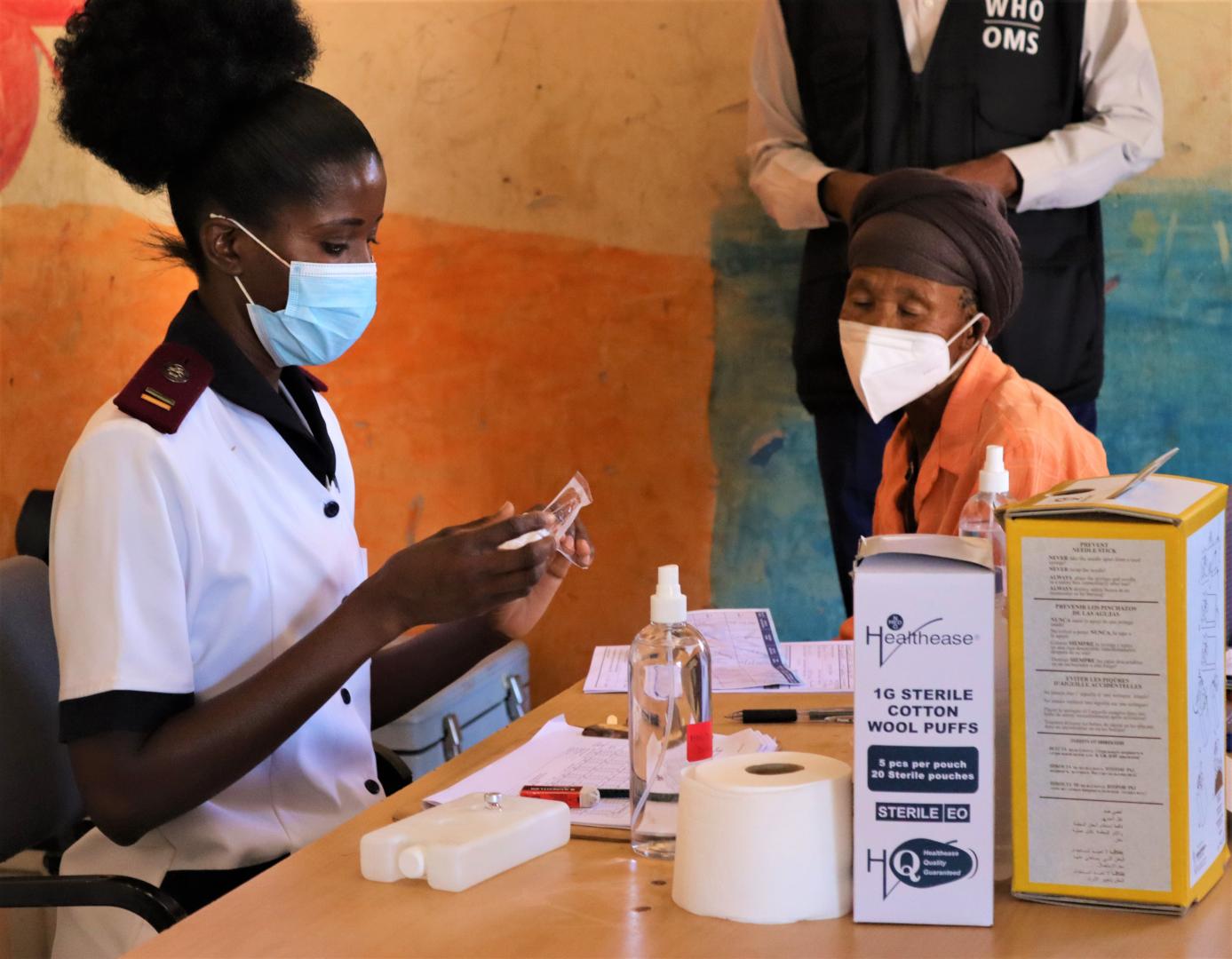
International Health Regulations Focal Point Network in Namibia
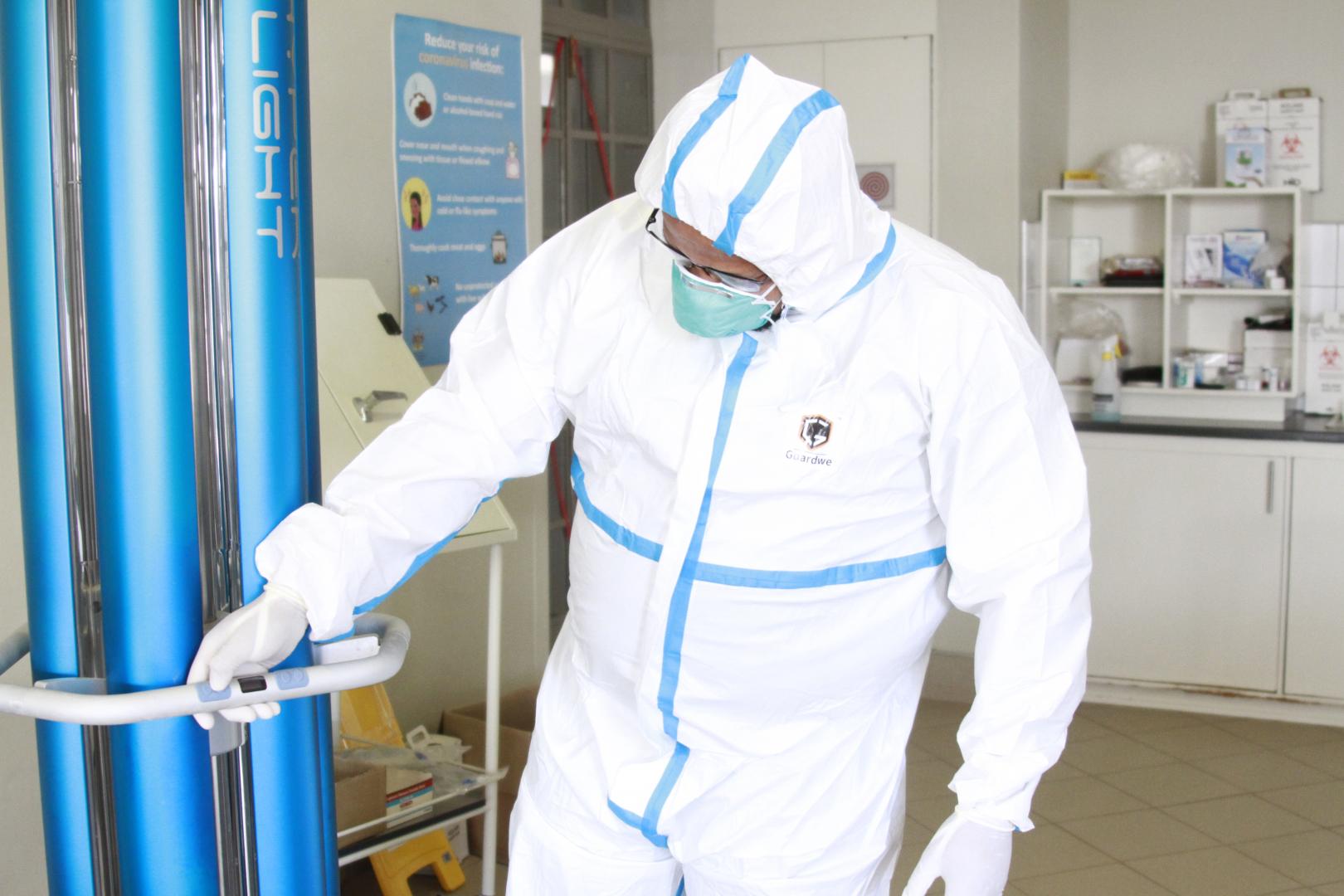
As signatory to the International Health Regulations (IHR), Namibia is required to strengthen its core capacities for health security. Following the Joint External Evaluation (JEE) in 2016, the country invested resources to attend to the recommendations from the JEE report. A National Action Plan for Health Security was also launched in 2020. As part of this process, National IHR Focal Point Network was updated in early 2021 and 15 IHR focal persons were identified from various ministries and agencies using the one health approach.
WHO delivers solar panels to accredited polio laboratory in Borno State
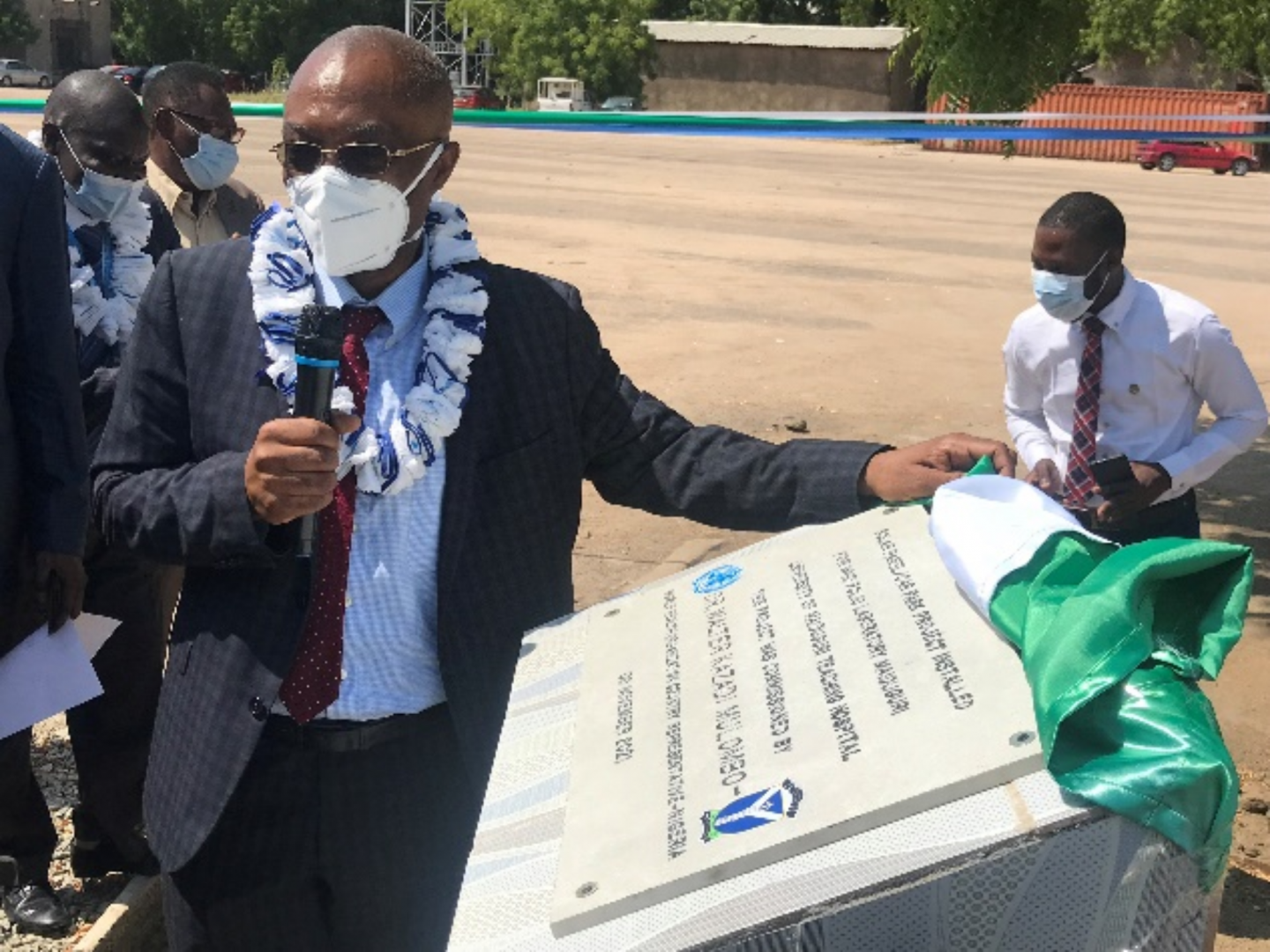
Maiduguri, 12 November, 2021 - In Maiduguri, Borno state, the World Health Organization Country Representative, Dr Walter Kazadi Mulombo, commissioned solar panels at the polio laboratory to support the state government in sustaining the intervention of essential health services.
Namibia's Health Sector responding to violence against women and girls
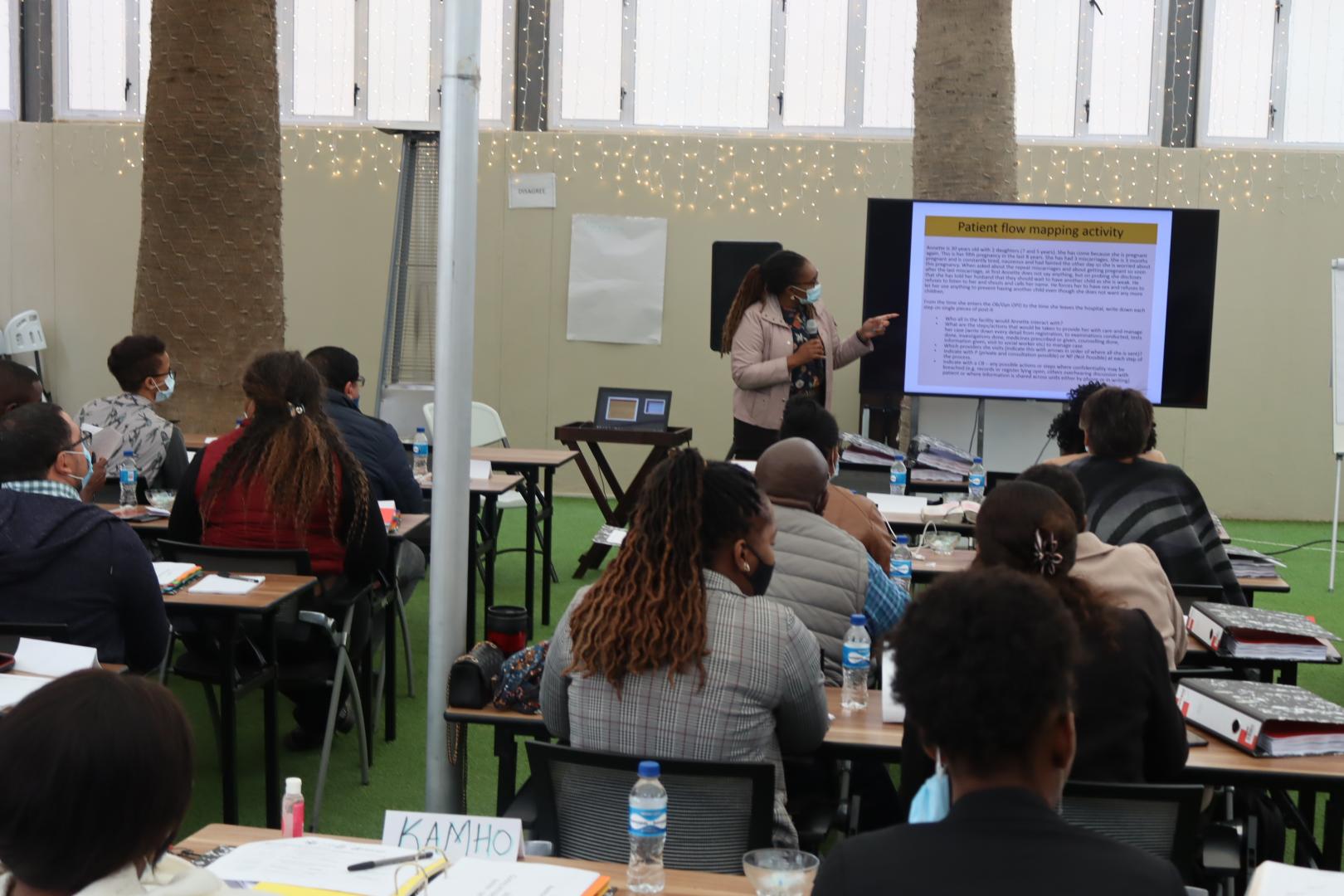
Violence against women and girls is a violation of their human rights and is largely hidden, stigmatized, and unrecognized by health and other service providers. Despite the robust policy and legal framework in Namibia, women and girls are still exposed to violence throughout their lifecycle whether at home, schools or the communities they live in. Globally and in Namibia one in three women experience physical and/ or sexual violence; majority perpetrated by intimate partners.
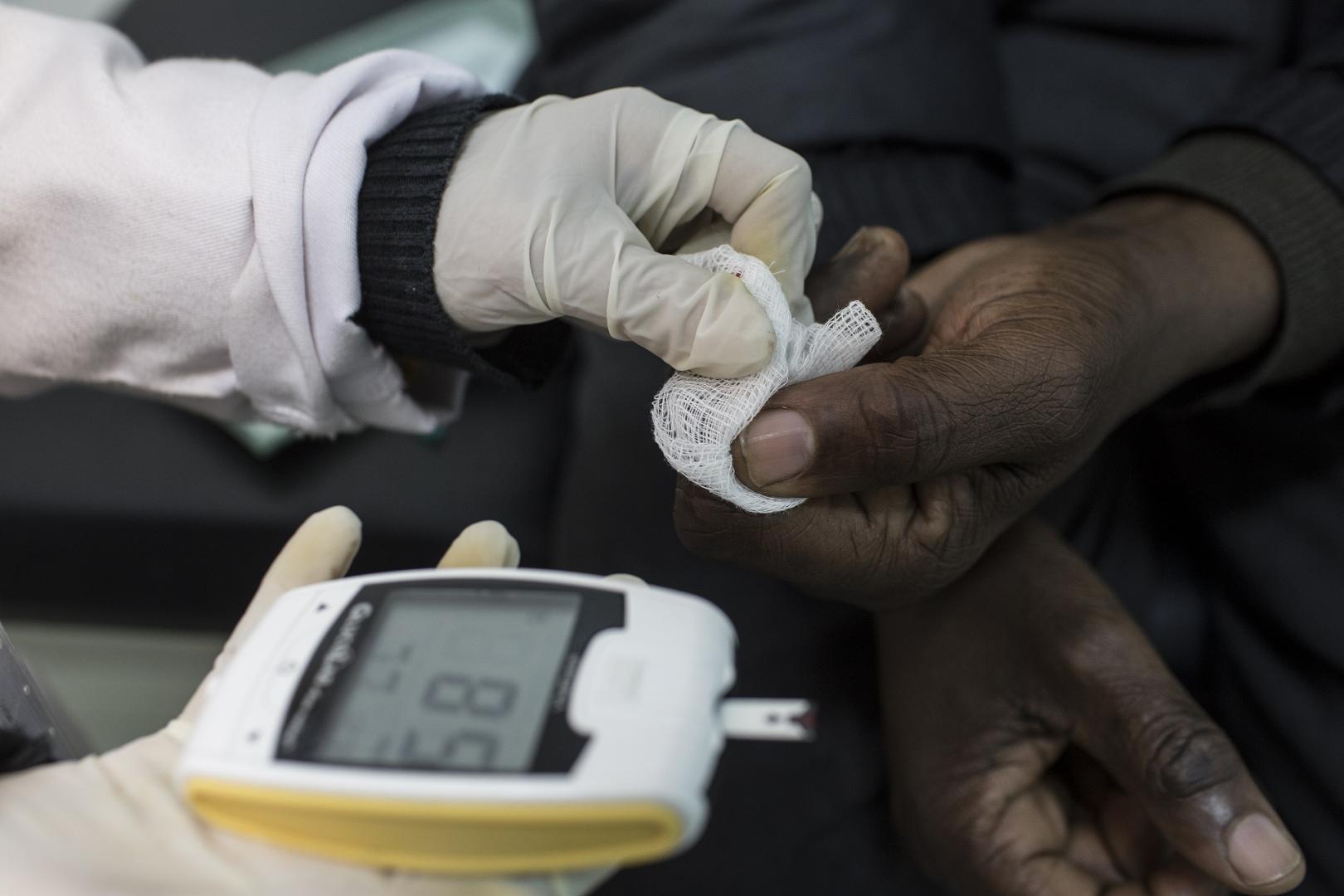
COVID-19 more deadly in Africans with diabetes
Gearing towards a TB free Nigeria- WHO and partners scale up action
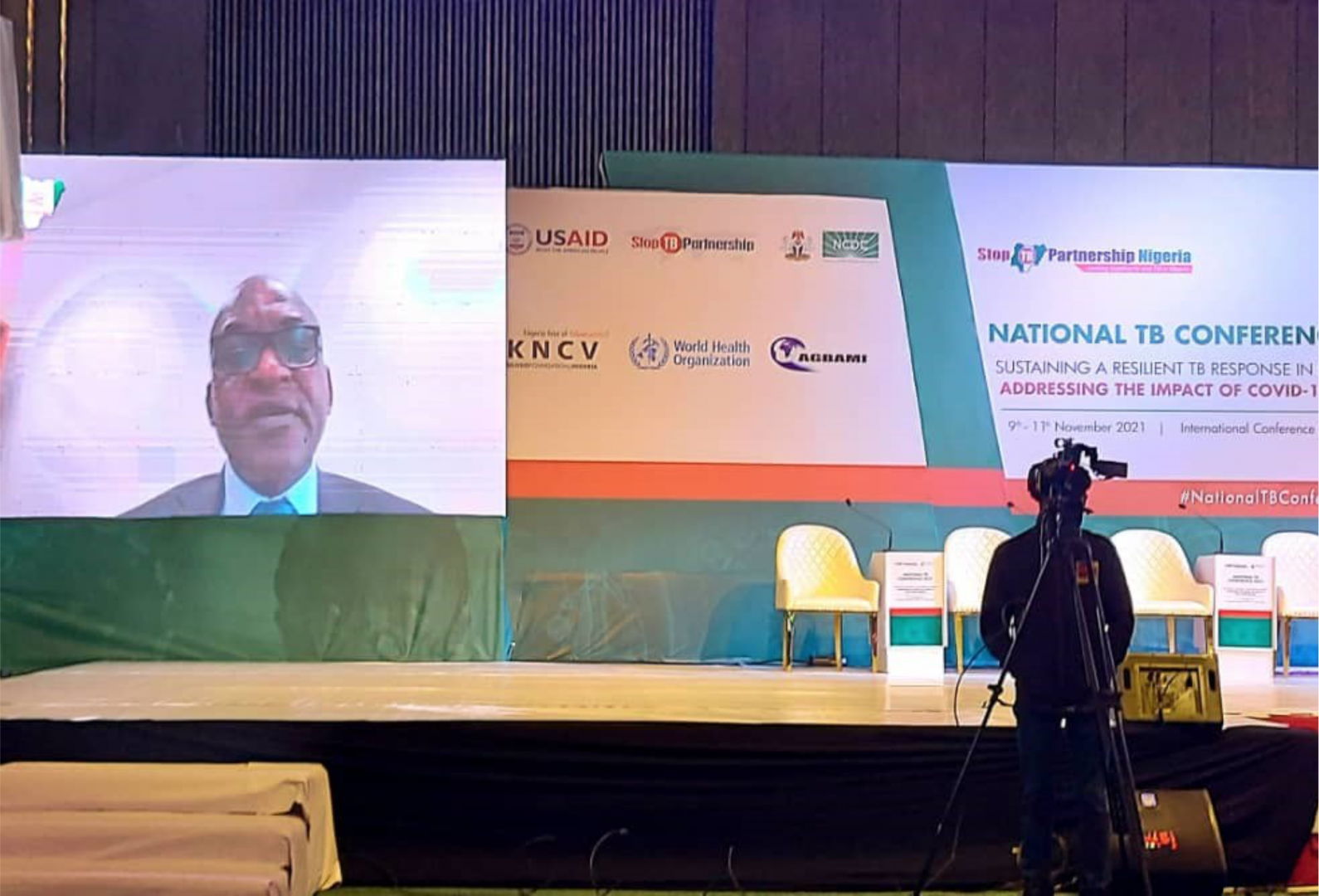
Abuja November 10, 2021- The World Health Organization (WHO) has reaffirmed its commitment to support the country in eradicating Tuberculosis (TB), one of the top infectious killer diseases in the world.
The Deputy Country Representative Mr. Chimbaru Alexander in his goodwill message at the 2021 National TB conference in Abuja on November 09, 2021 said WHO as a technical partner will continue supporting the National TB program at all levels.
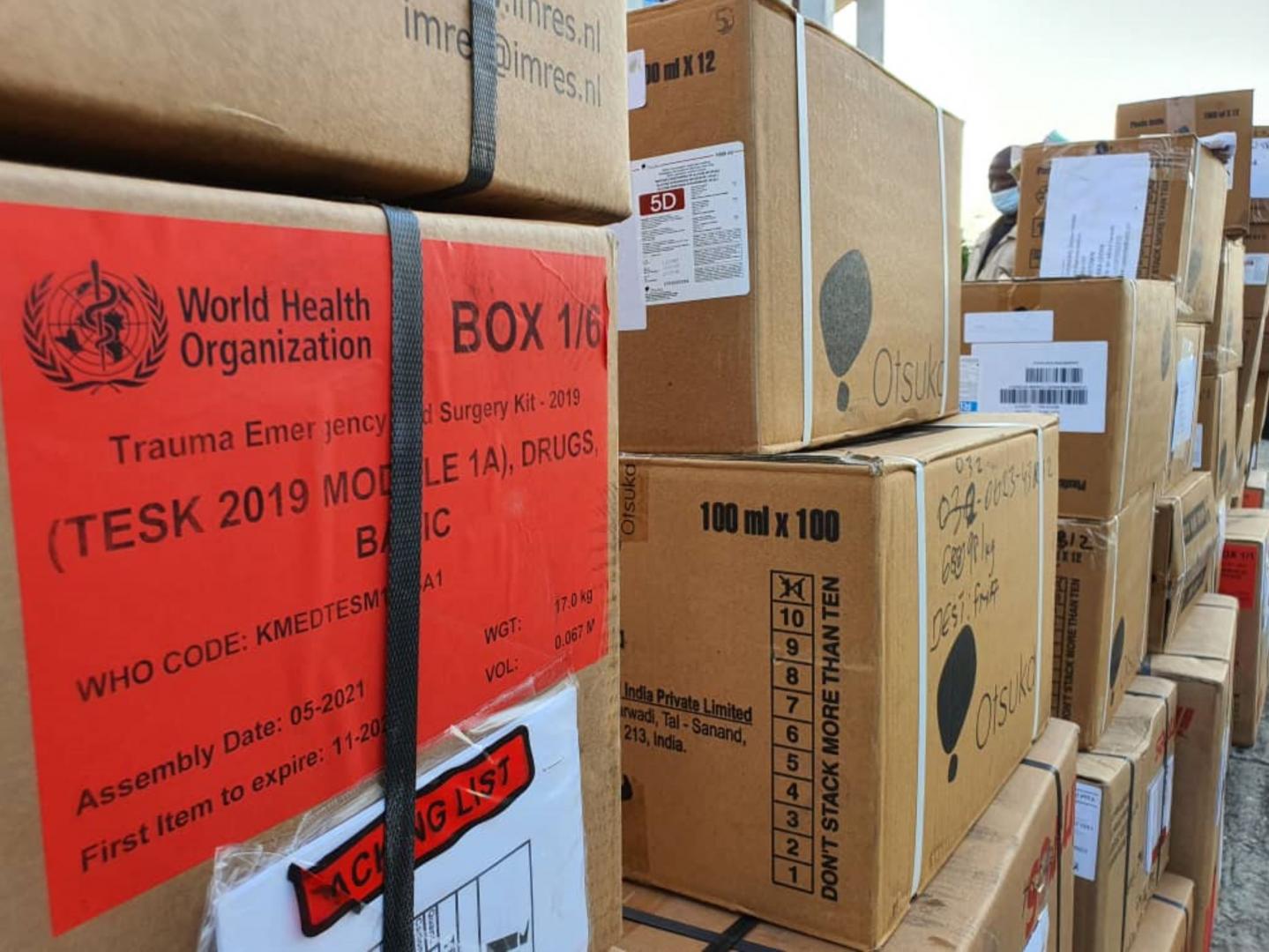
WHO delivers 6.6 tons of emergency medical kits to Sierra Leone following fire disaster
Consensus Building Workshop on Priority Health Research Agenda 2022-2026 November 04, 2021
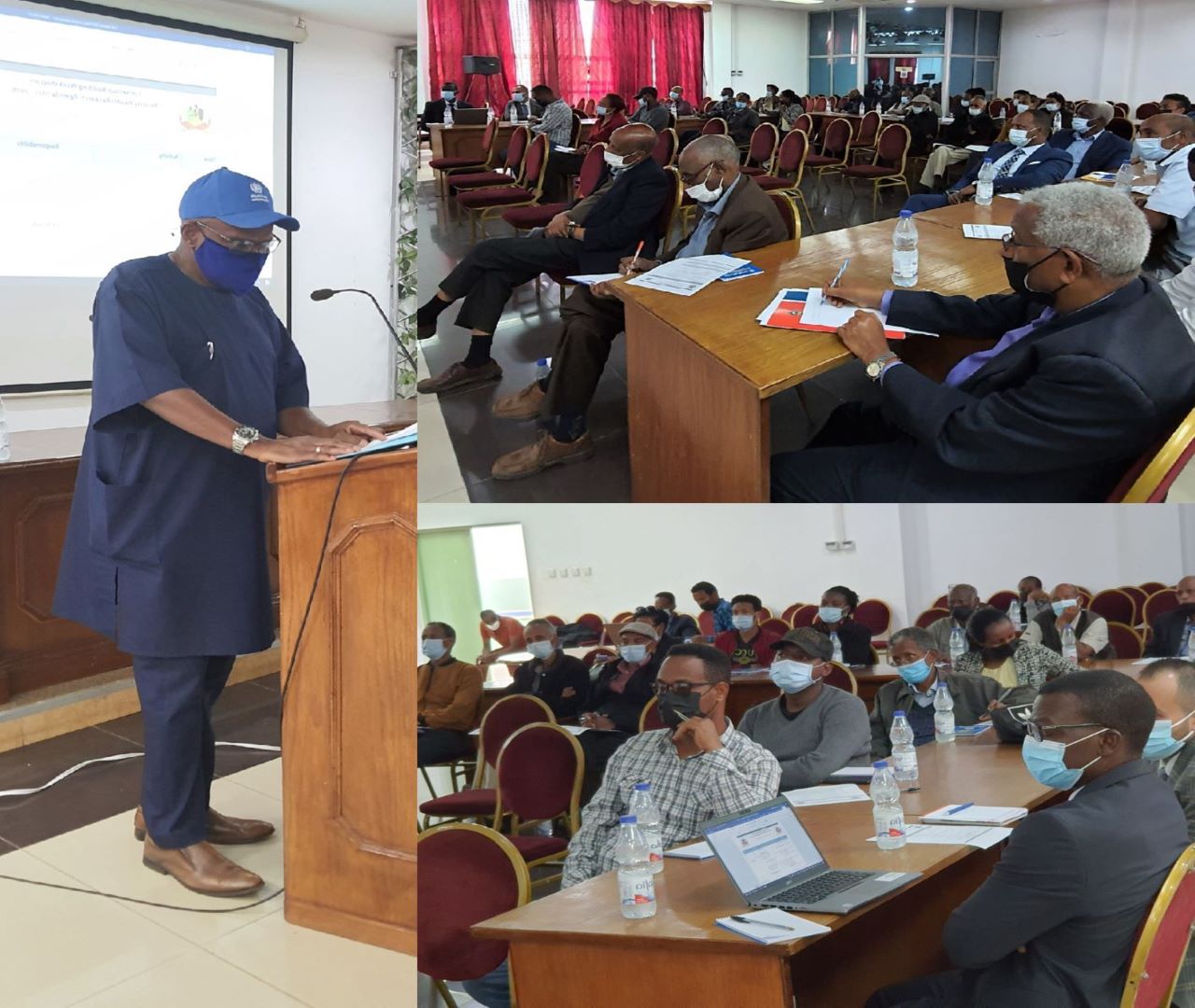
On 4 November 2021, the Ministry of Health, Eritrea, organized a Consensus building workshop for the National Health Research Agenda document which the country has developed. The objective of the priority health agenda consensus workshop was to give all the technical expertise an opportunity to review and further enrich the document before final printing and dissemination. The priority health research agenda is one of the key tools which can help the health sector to identify and implement research based on the need of the country.