Healthy diet and lifestyle modification essential to preventing diabetes
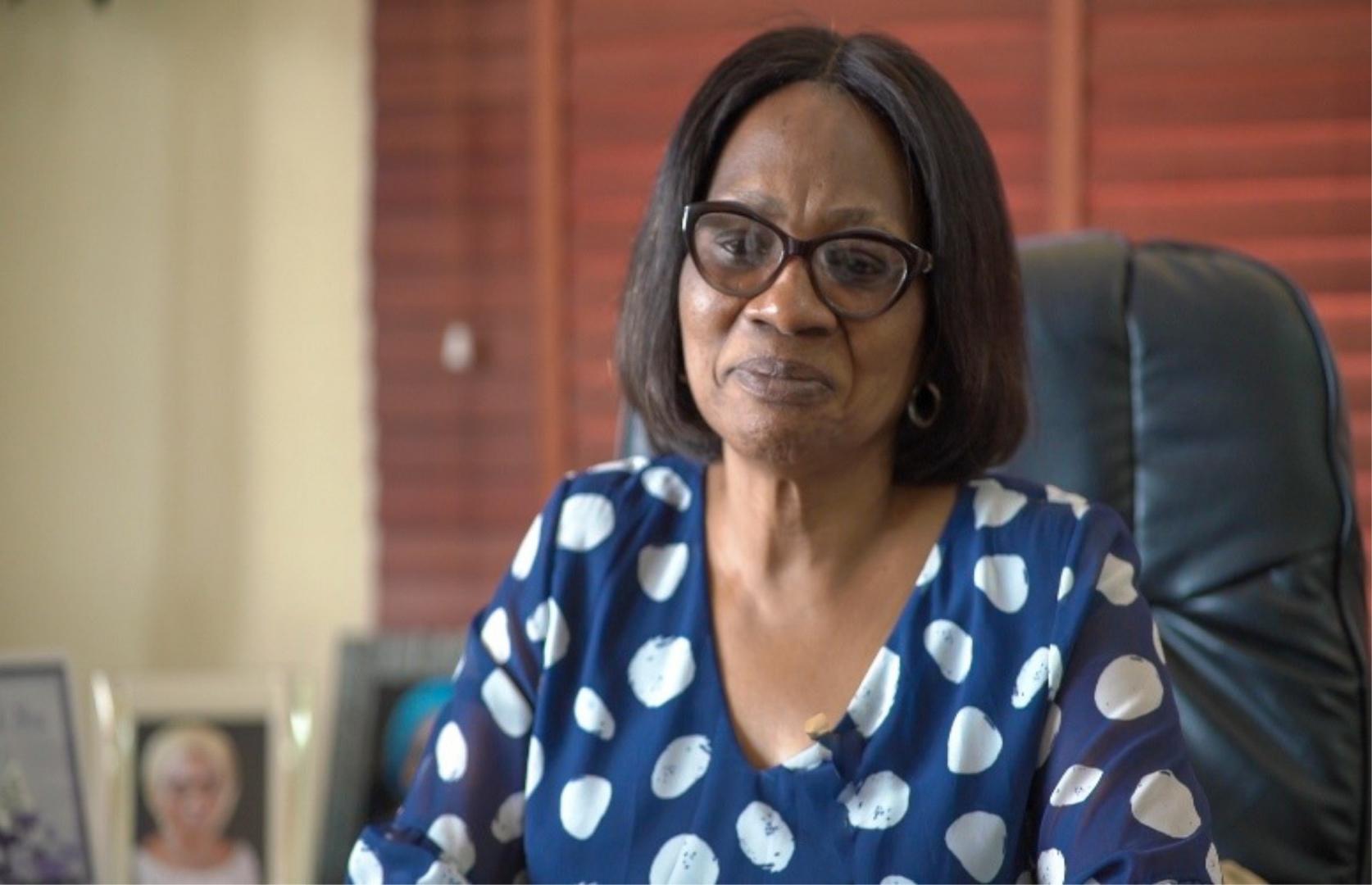
Abuja, 24 November, 2021 - “For diabetes, prevention is the cheaper option. With healthy diet and lifestyle, we can avoid the killer disease” says Dr Felicia Anumah, a Professor of Medicine and Endocrinology, a Diabetologist and the current Dean Faculty of Clinical Sciences University of Abuja, Gwagwalada.
Experts caution Nigerians against indiscriminate use of antibiotics to reduce future health crisis

Abuja, 22 November 2021 - The World Health Organization is supporting the Federal Government in raising awareness among health workers and Nigerians on the need for caution on antibiotics use to prevent a future public health emergency.
Across the world, experts have been warning for years that antibiotic resistance could be one of the biggest threats to humanity, and Nigeria is not left out as WHO describes it as one of the biggest threats to global health, food security, and development today.
South Sudan: Ministry of Health with support from WHO strengthens Ebola Virus Disease preparedness and response readiness in the high-risk counties of Morobo and Yei River, Central Equatoria state
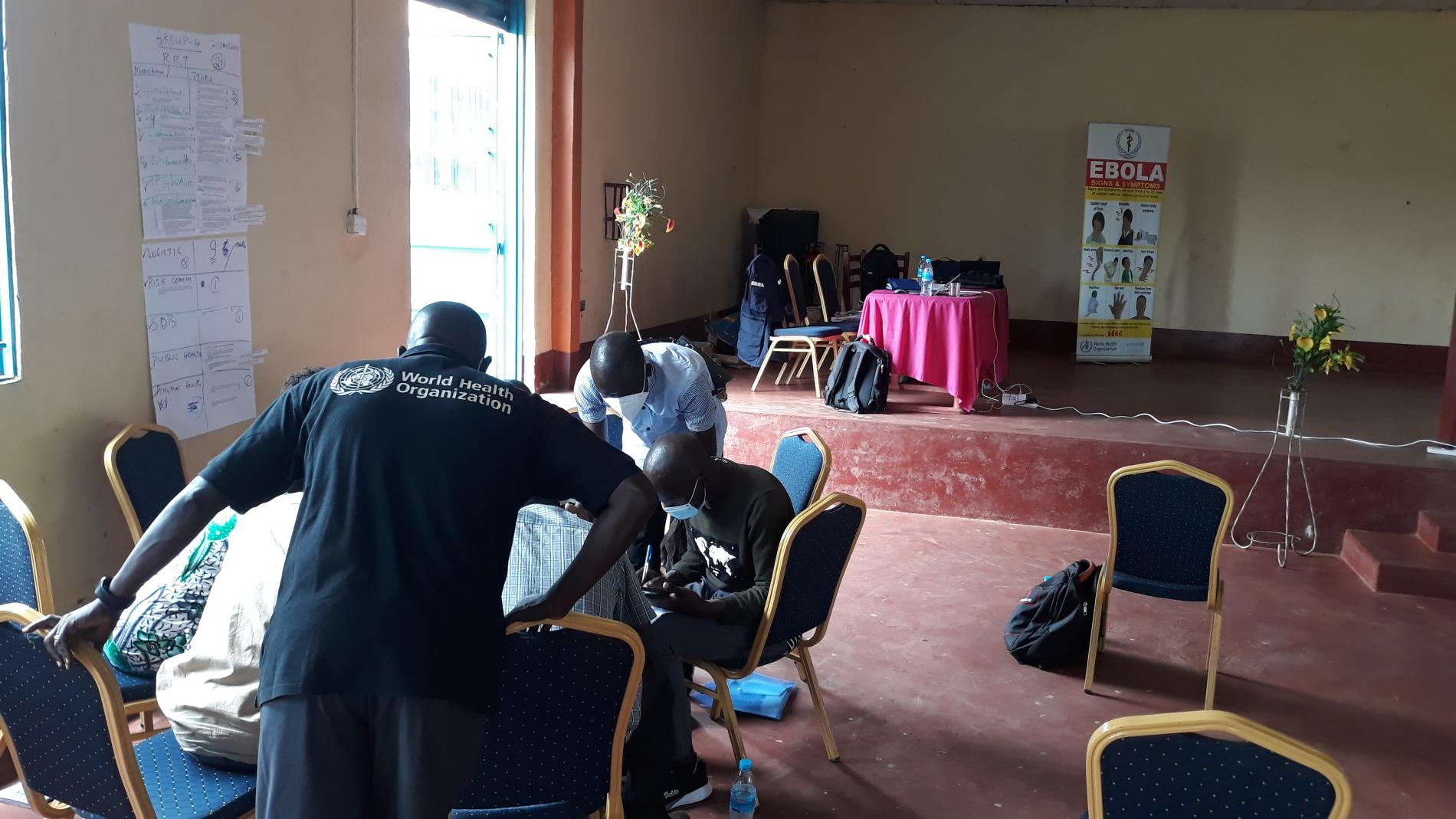
To strengthen the capacities to detect, investigate and respond to suspected Ebola Virus Disease (EVD), WHO supported the Ministry of Health to deploy a multidisciplinary team of epidemiologists, clinicians and infection prevention and control (IPC) officers, and risk communication experts to Morobo and Yei River counties of Central Equatoria State to strengthen coordination, surveillance, IPC, and risk communication activities for prevention, detection, investigation and response to a threat of cross-border spread of the EVD outbreak.
Committing to halve road traffic deaths and injuries in Tanzania
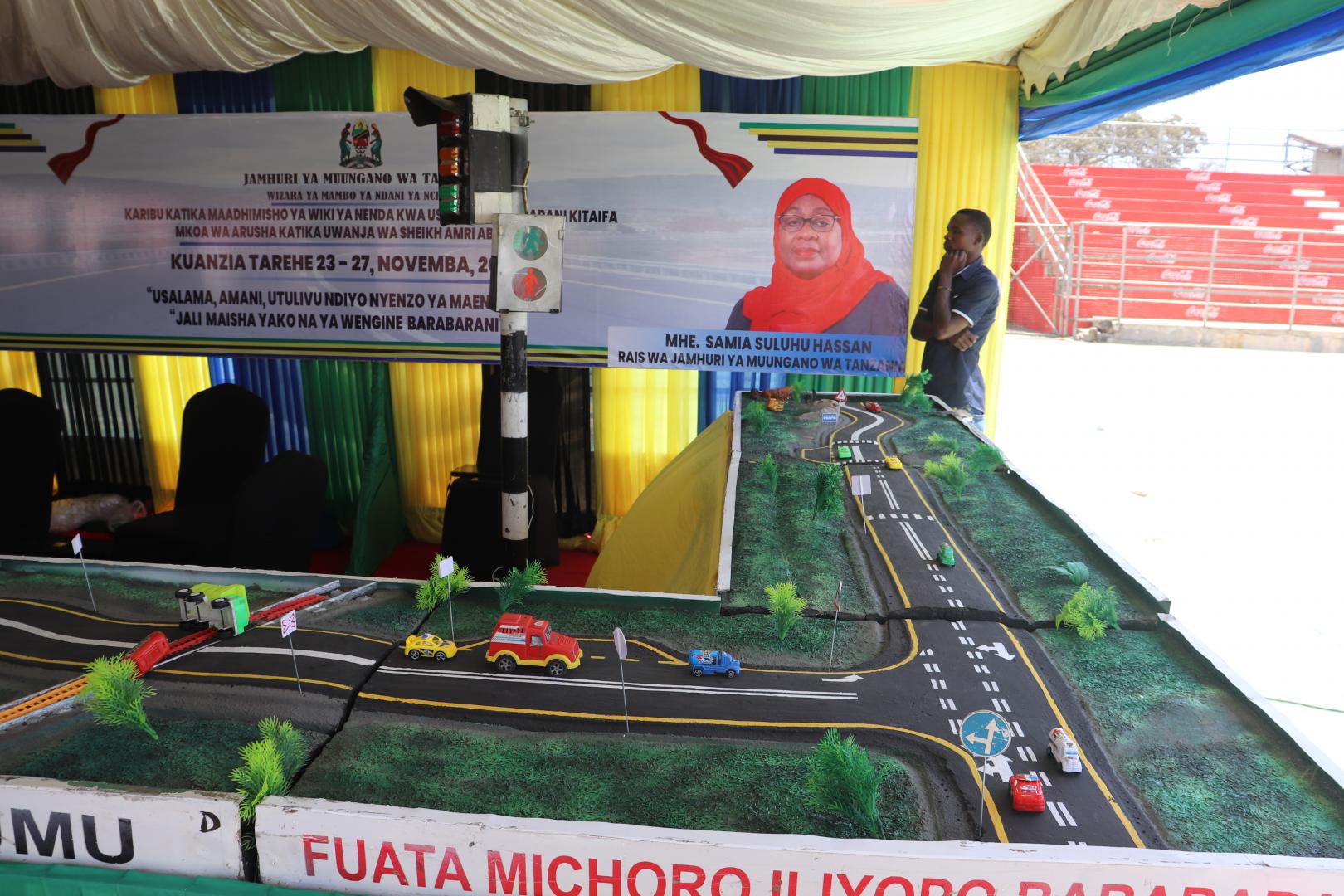
23 November 2021 – Arusha: Globally, over 3500 people die every day on the roads, which amounts to nearly 1.3 million preventable deaths and an estimated 50 million injuries each year – making it the leading killer of children and young people worldwide. As things stand, they are set to cause a further estimated 13 million deaths and 500 million injuries during the next decade, particularly in low- and middle-income countries. These are unacceptable numbers, both in absolute and relative terms.
Breaking the chain of Leprosy through community volunteers
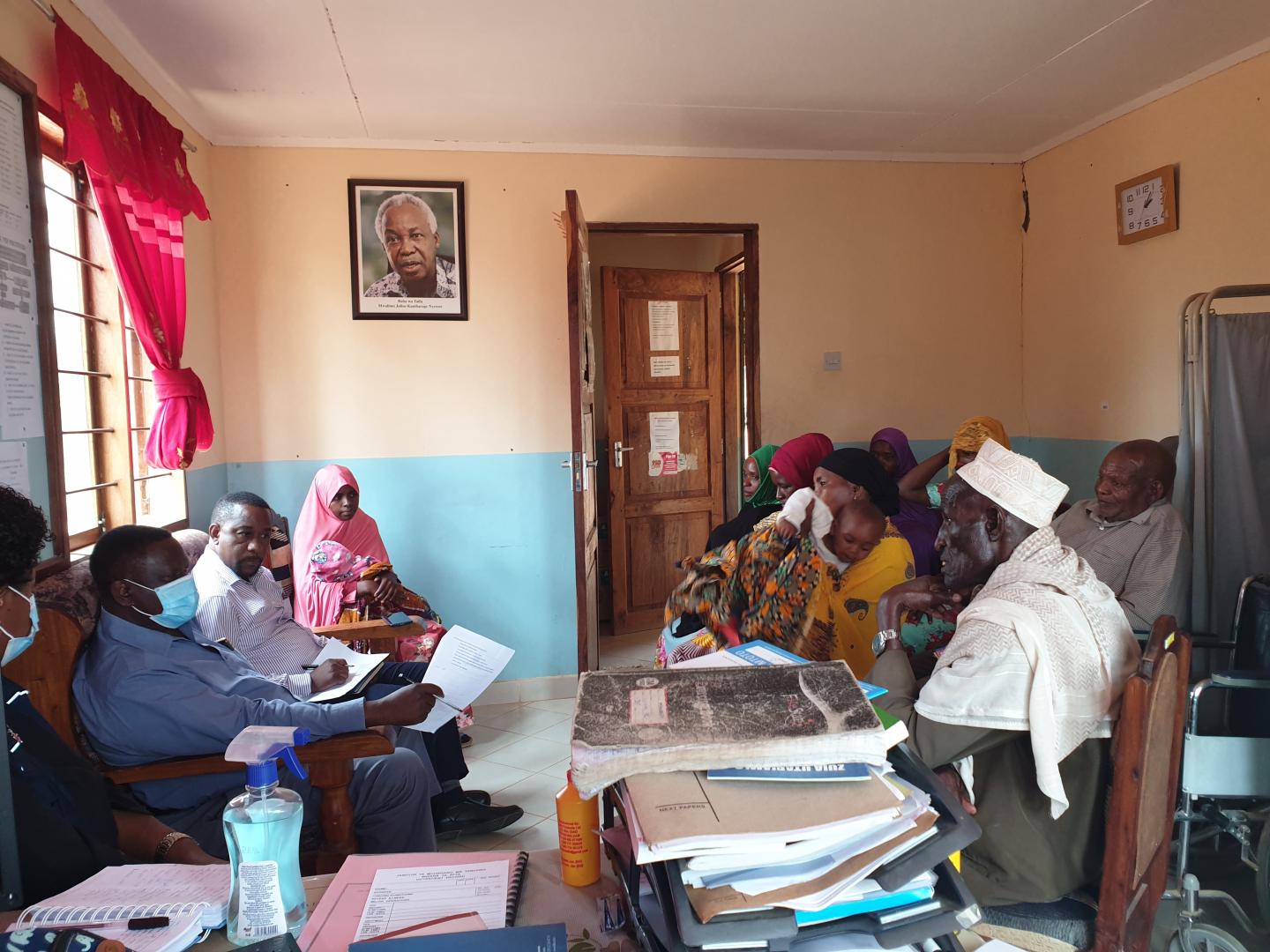
Leprosy is an infectious disease that predominantly affects the skin and peripheral nerves. Untreated, it can cause progressive and permanent damage to the skin, nerves, limbs, and eyes. Leprosy is curable with multidrug therapy (MDT) made available through persistent efforts of national and subnational coordinators, researchers, partners and donors in the country.
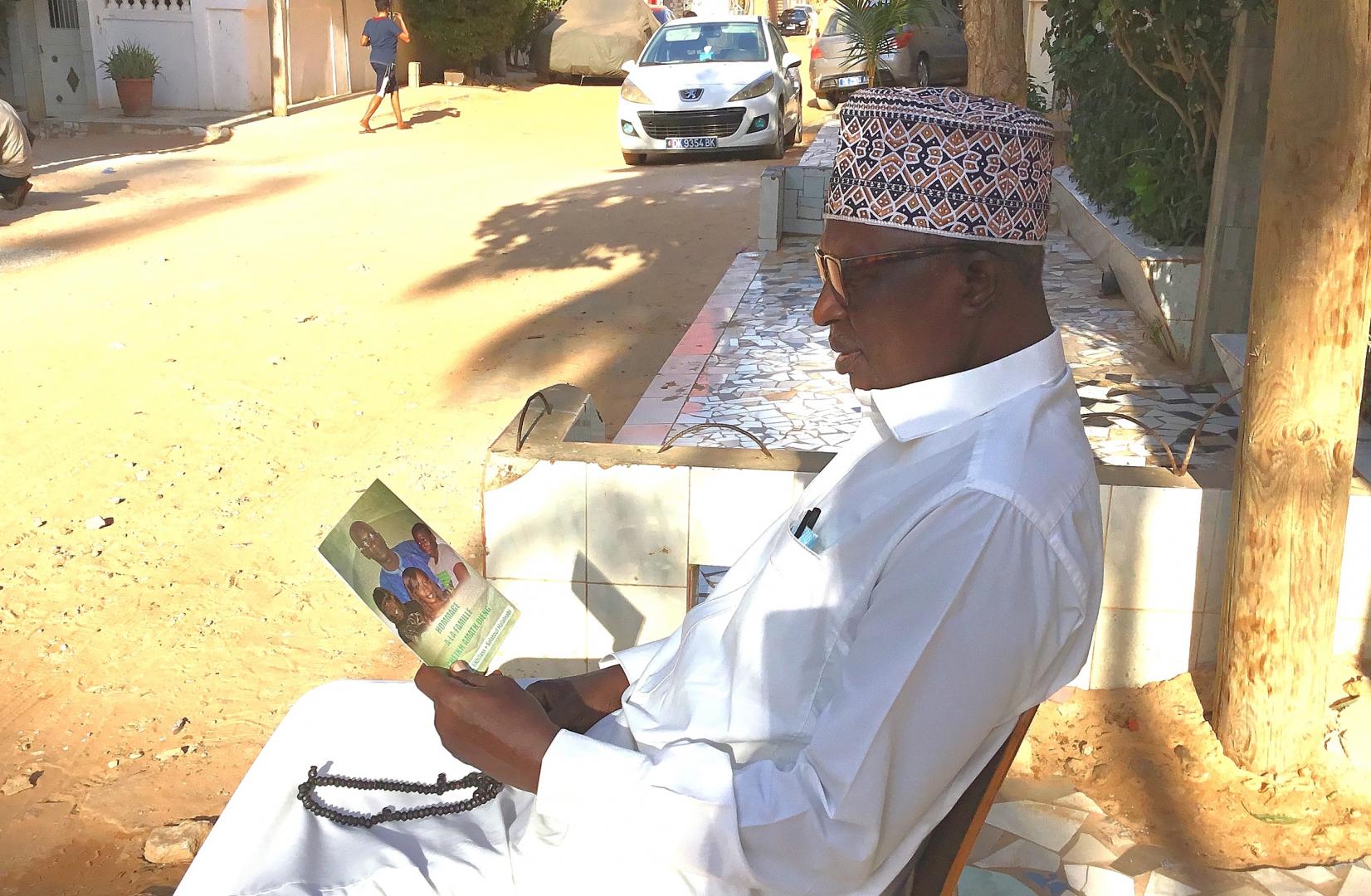
Striving for safer roads in Senegal
WHO advocates for quality of care for women and children
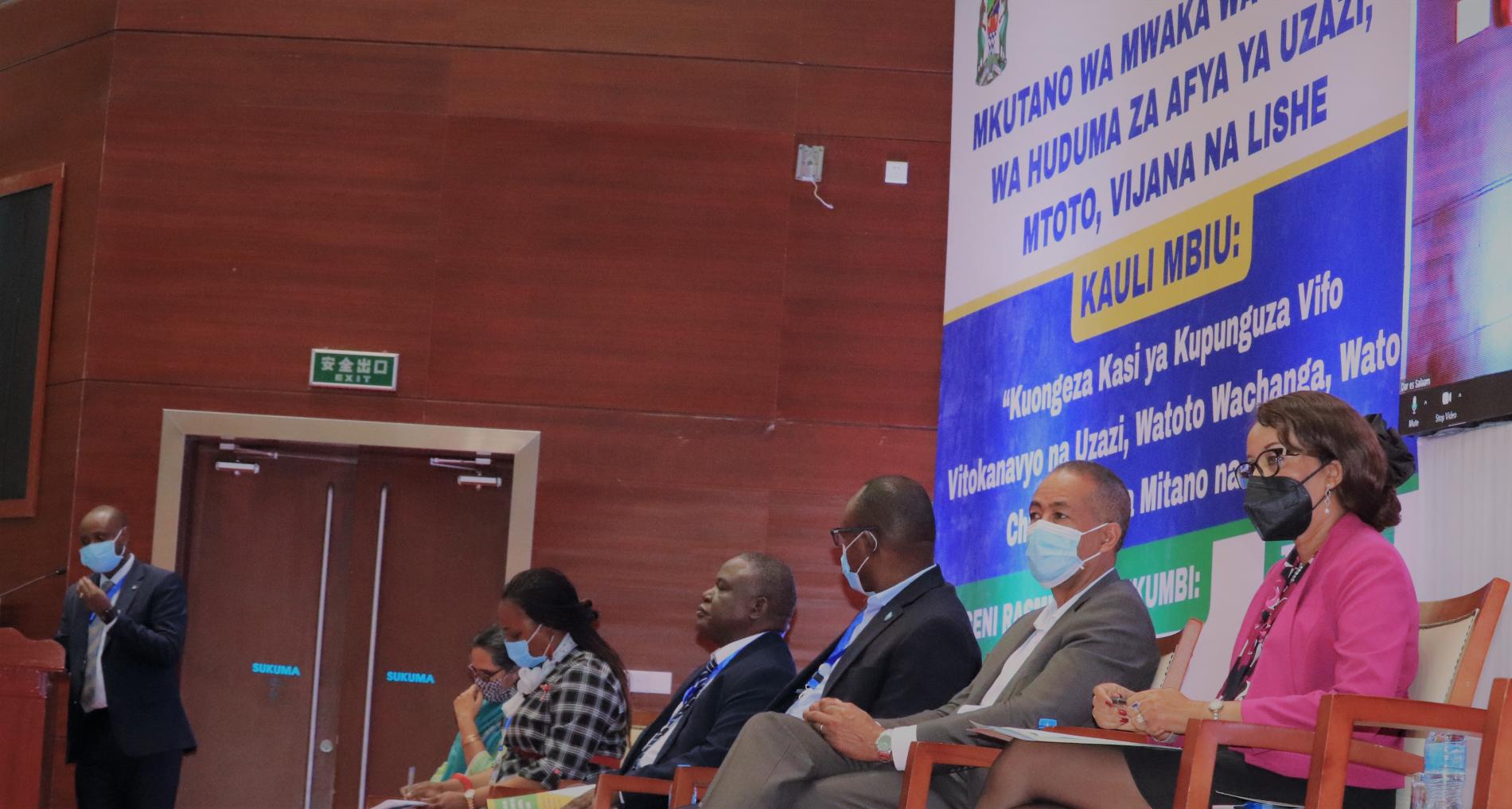
17-19 November 2021, Dar es Salaam – Much progress has been made during the past two decades in coverage of births in health facilities; however, reductions in maternal and neonatal mortality remain slow. With increasing numbers of births in health facilities, attention has shifted to the quality of care, as poor quality of care contributes to morbidity and mortality. The period around childbirth is the most critical for saving the maximum number of maternal and newborn lives and preventing stillbirths.
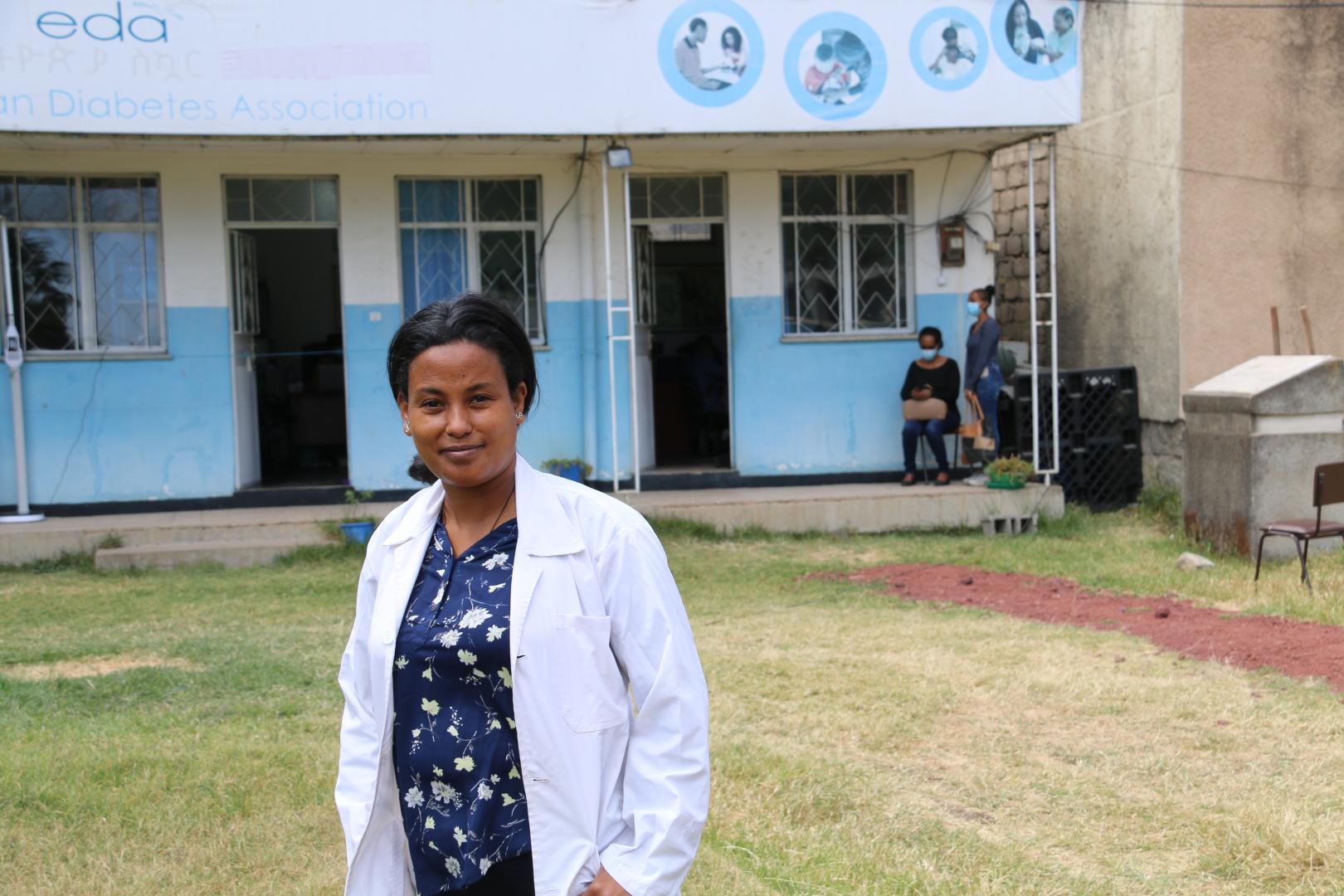
Helping diabetic patients live positively
Para a Sra. Monica, todo o ser humano tem o direito a vida saudável
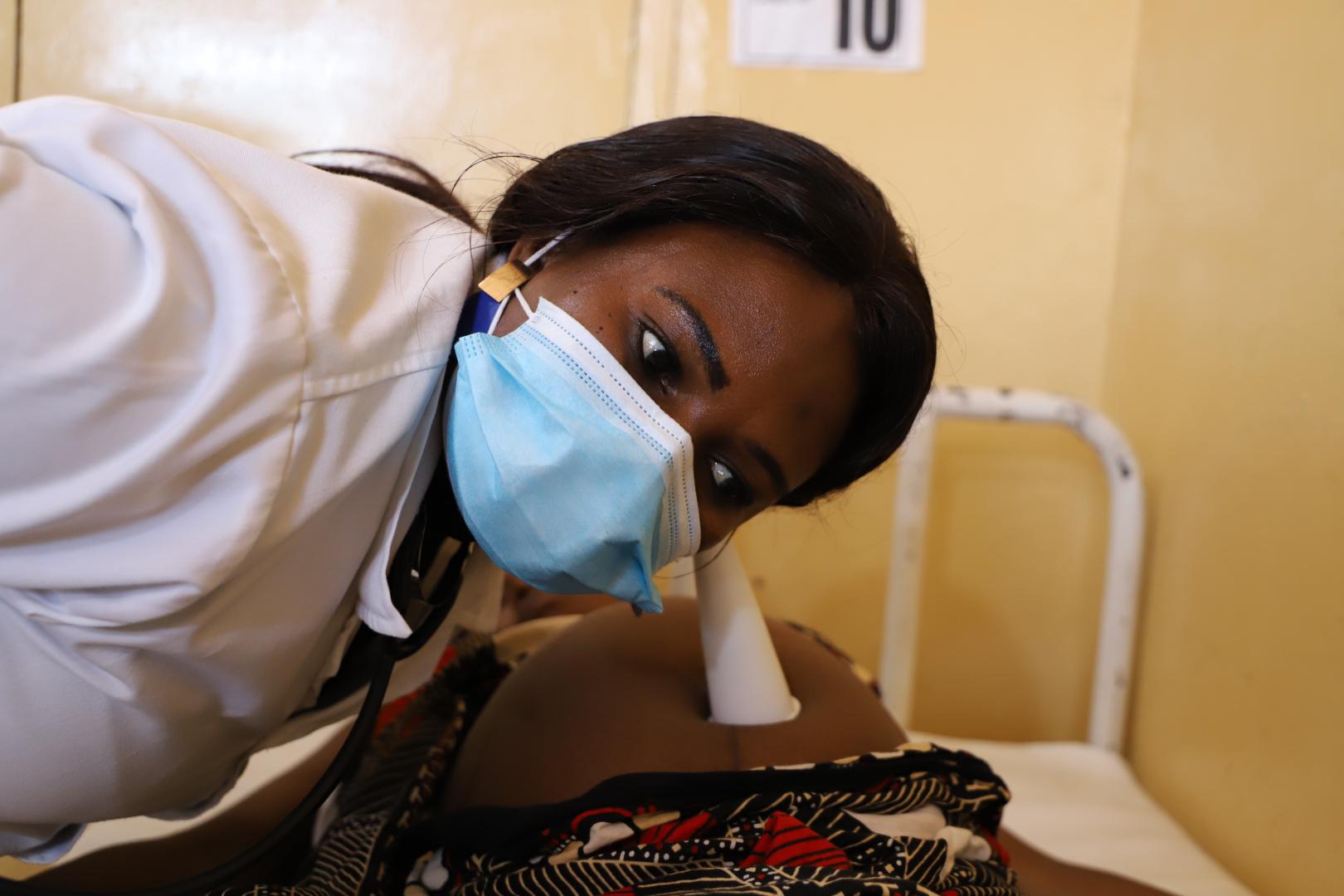
Enquanto mais de 50 países celebram o Dia Mundial da Prematuridade, 17 de Novembro com o objectivo de se levar a consciencialização sobre o parto prematuro e reflectir sobre estratégias para reduzir a taxa de prematuridade, garantir que melhores cuidados sejam oferecidos aos bebés e suas famílias, na província de Cabo Delgado afectada pela situação de insegurança, uma profissional de saúde com mais de 17 anos de carreira, luta para salvar a vida das suas parturientes e reduzir mortes de bebés causadas pela prematuridade.
Stronger governance needed to fight superbugs in Africa: Antimicrobial Resistance threatens Africa’s development
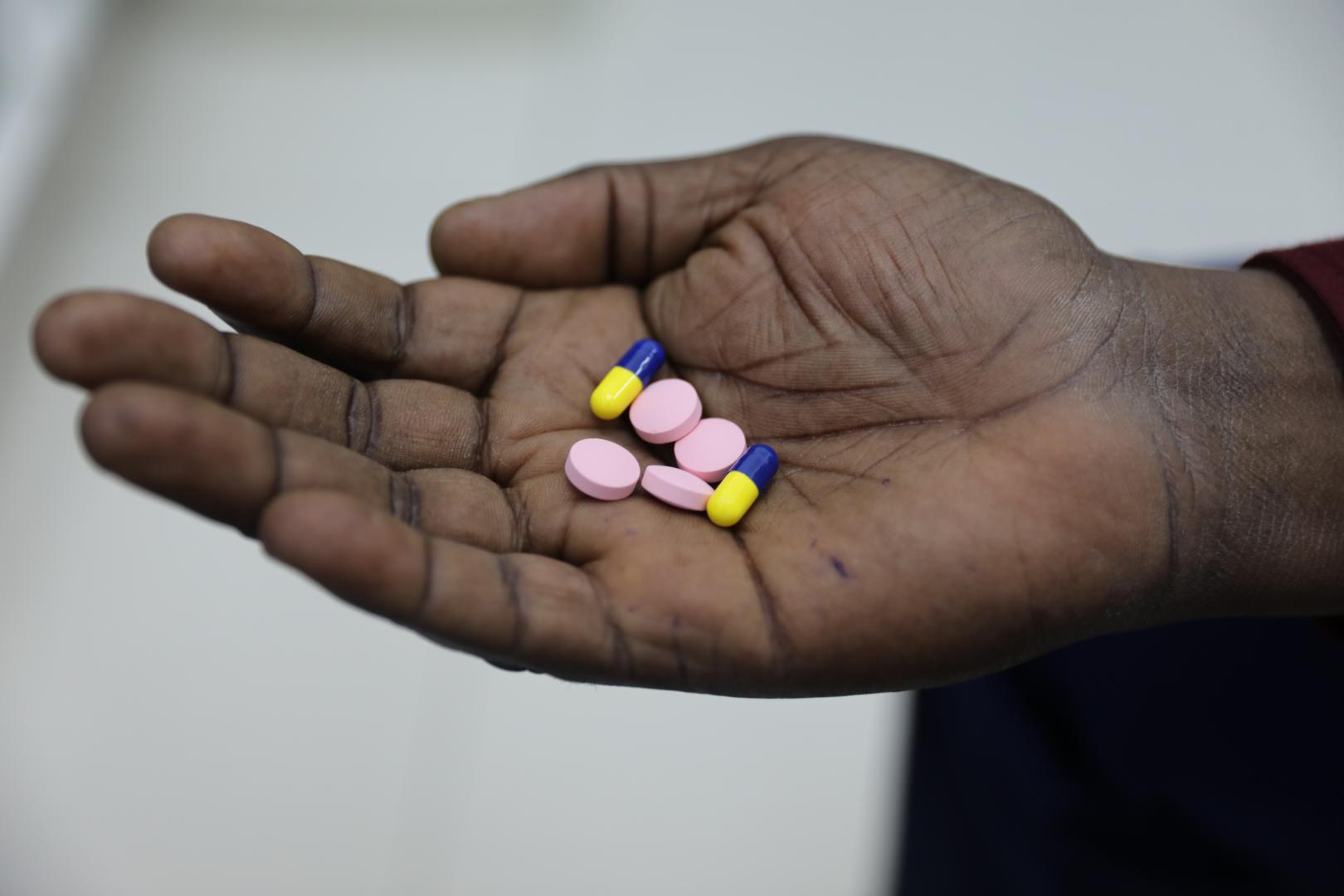
17 November 2021, Accra – The leaders of six regional organizations in Africa are calling for stronger governance to fight antimicrobial resistance, or AMR, on the eve of World Antimicrobial Awareness Week (18-24 November).
The emergence and spread of antimicrobial resistance in Africa – where micro-organisms such as bacteria, viruses, fungi and parasites are resistant to antimicrobial treatment – is complicating the management of many infectious diseases, and endangers animal health and welfare, and food production, safety and security.