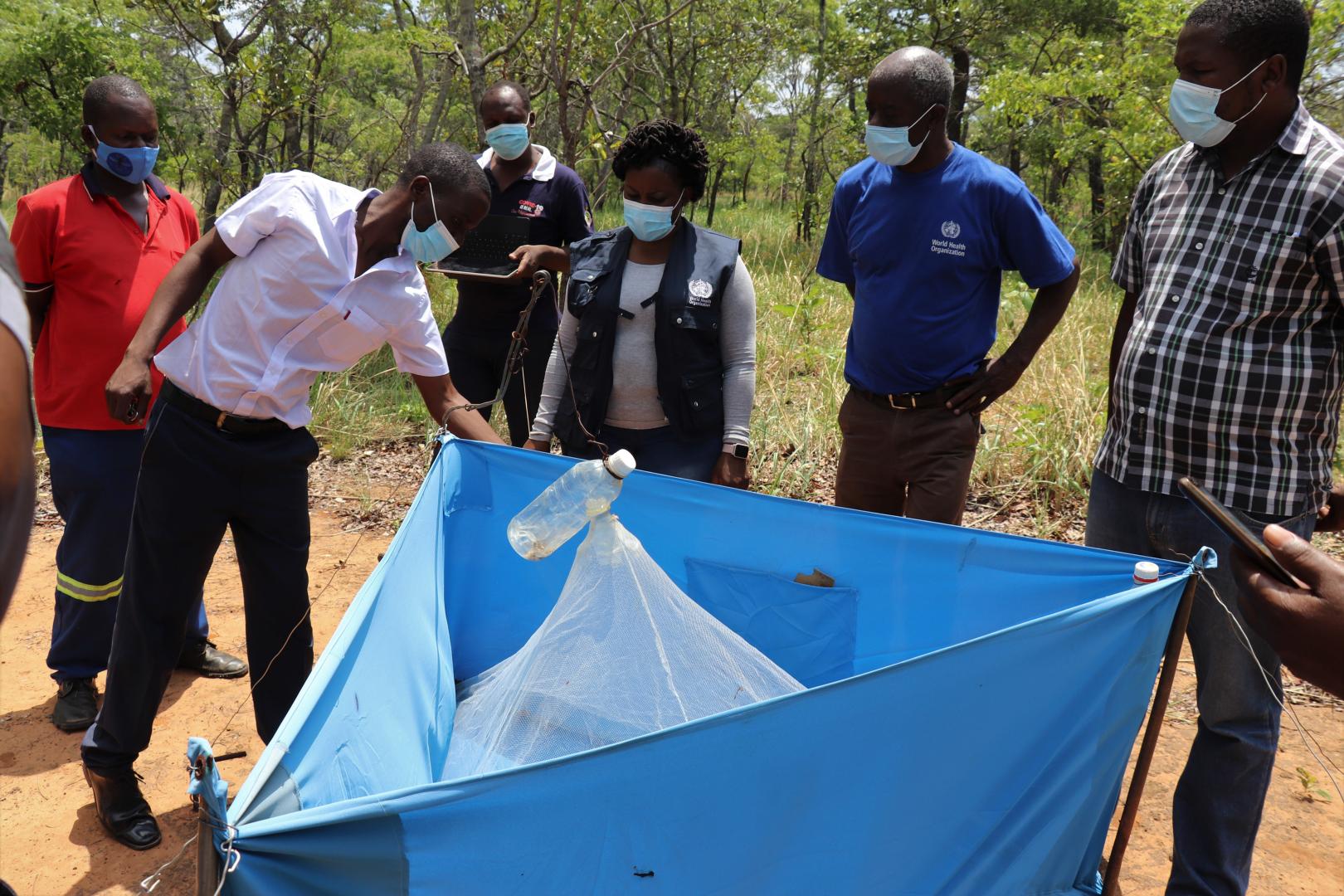
Zimbabwe revives sleeping sickness case detection and management
By Tatenda Chimbwanda
End of the Hepatitis E Virus Outbreak in Namibia
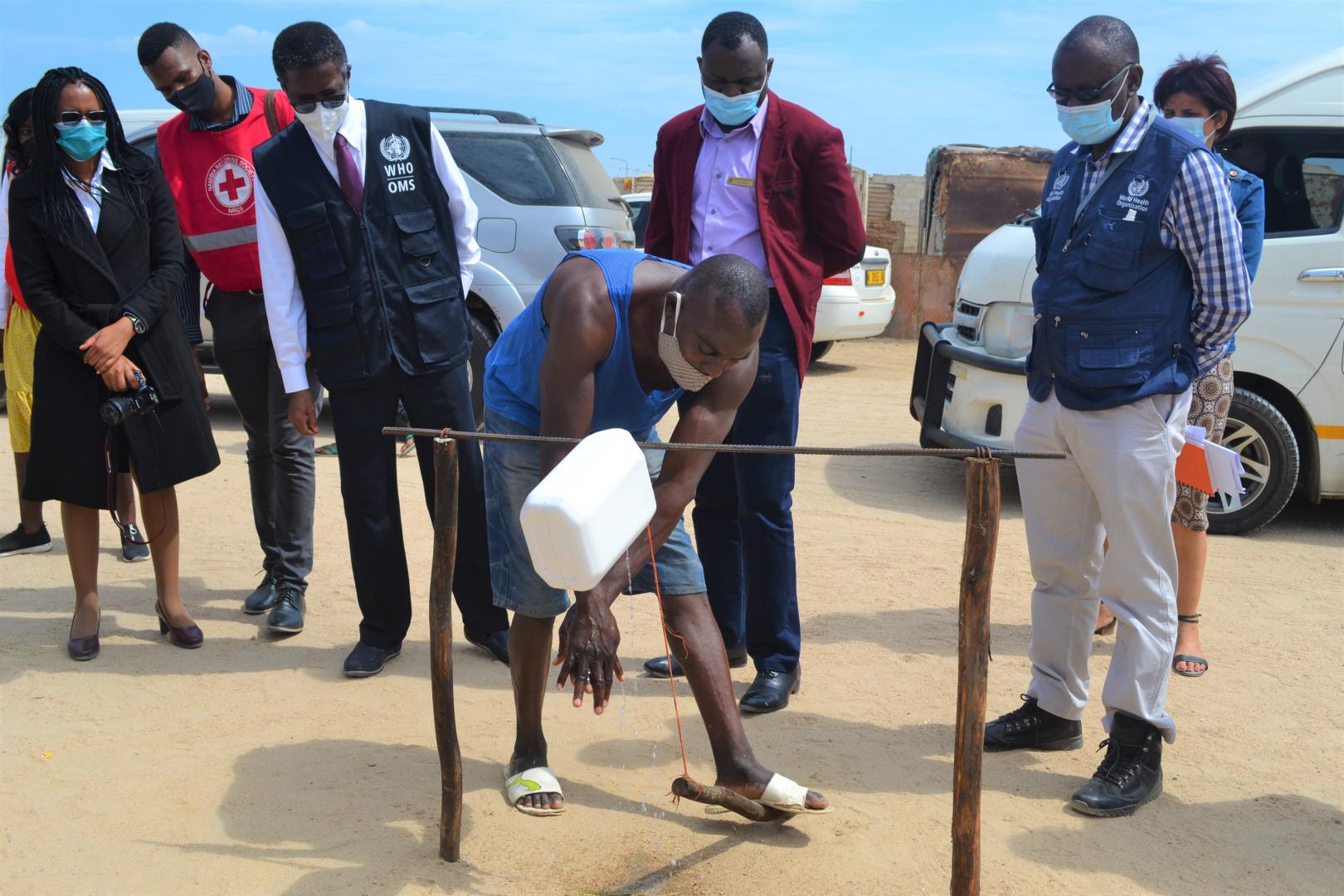
On 2 March 2022 Namibians applauded their government for declaring an end to the Hepatitis E Virus (HEV) outbreak. The 4-year long outbreak affected 13 of the 14 political regions mainly in informal settlements and areas with poor hygiene and sanitation.
WHO urges renewed commitment to interrupt COVID-19 in Tanzania
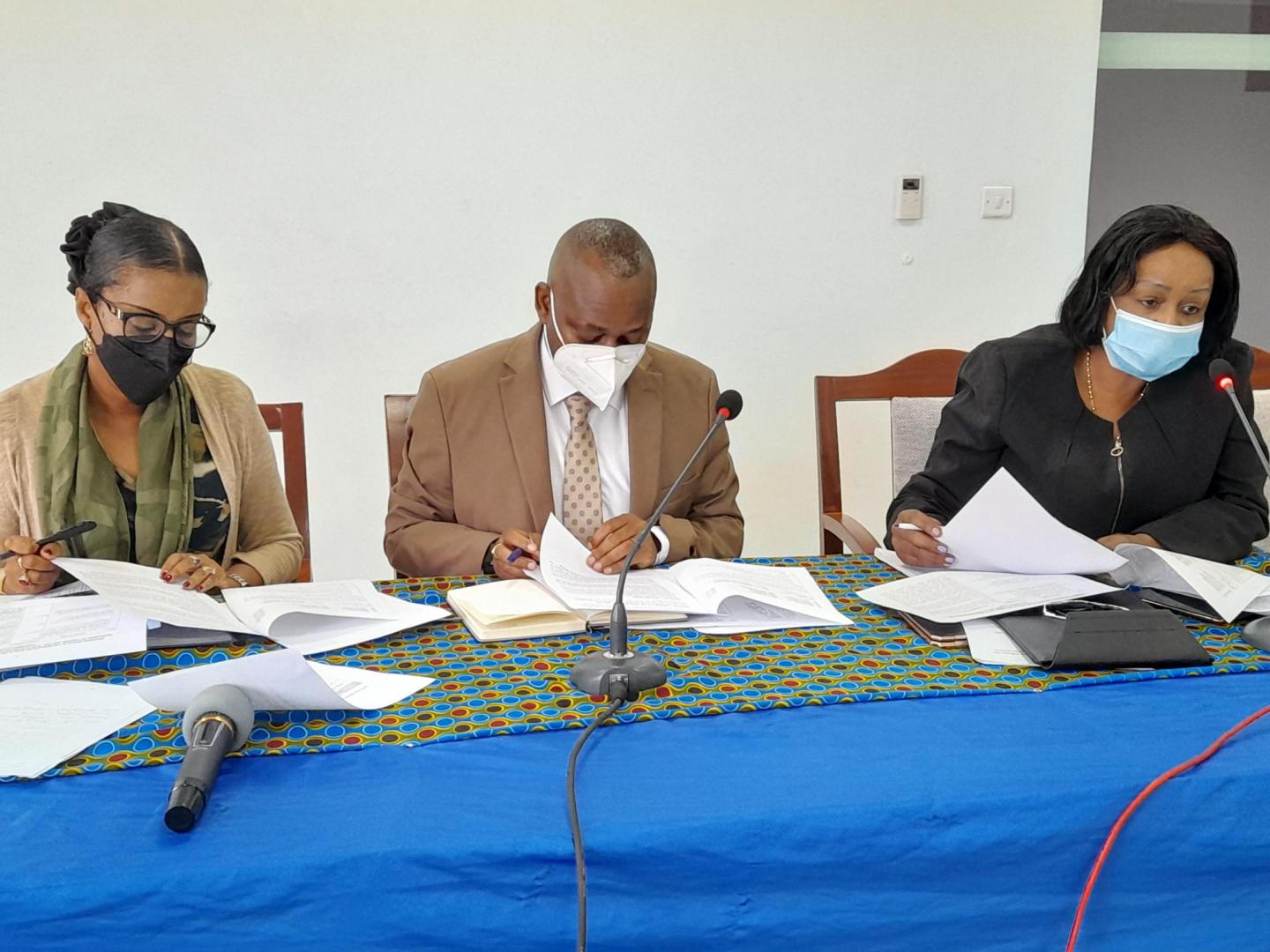
Dodoma - 04 March 2022: With more than 33,000 confirmed cases including 798 deaths due to COVID-19 in the United Republic of Tanzania, the World Health Organization has called on development partners and agencies for a renewed commitment to strengthen the country’s effort to urgently interrupt ongoing transmission. Such a renewed collective commitment among development partners would be a milestone in stepping up response to the pandemic.
Regional Director expresses support for Nigeria’s efforts to bolster health services

Abuja, 4 March, 2022 – The World Health Organization (WHO) Regional Director for Africa, Dr Matshidiso Moeti, has underscored the Organization’s commitment to support Nigeria’s efforts in reinforcing its health system for better access to adequate and quality health services. Dr Moeti made the pledge during a visit to Africa’s most population country from 20 to 25 February 2022.
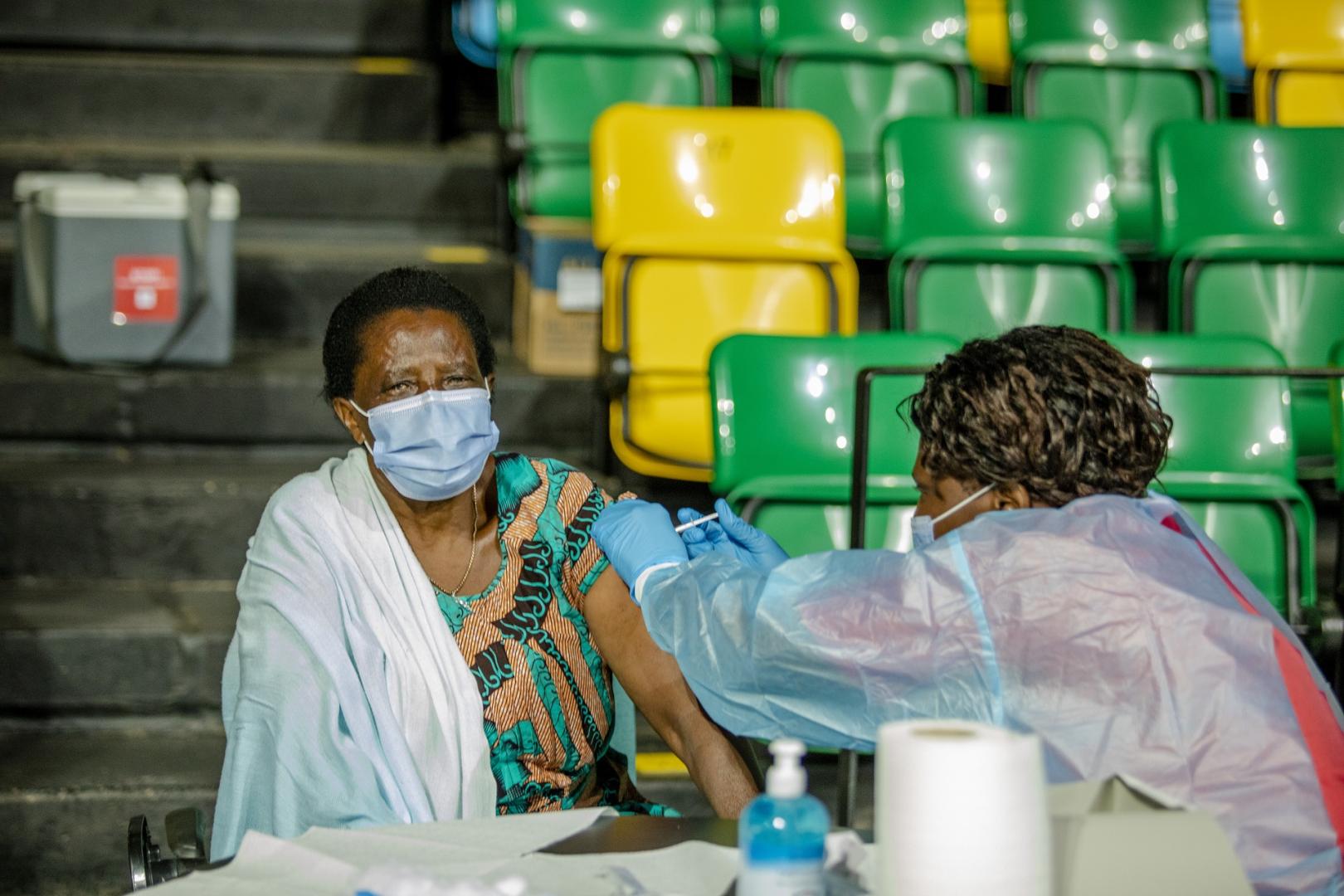
COVID-19 takes a heavy toll on women’s health
Obesity rising in Africa, WHO analysis finds

Enhancing active acute flaccid paralysis surveillance in South Sudan
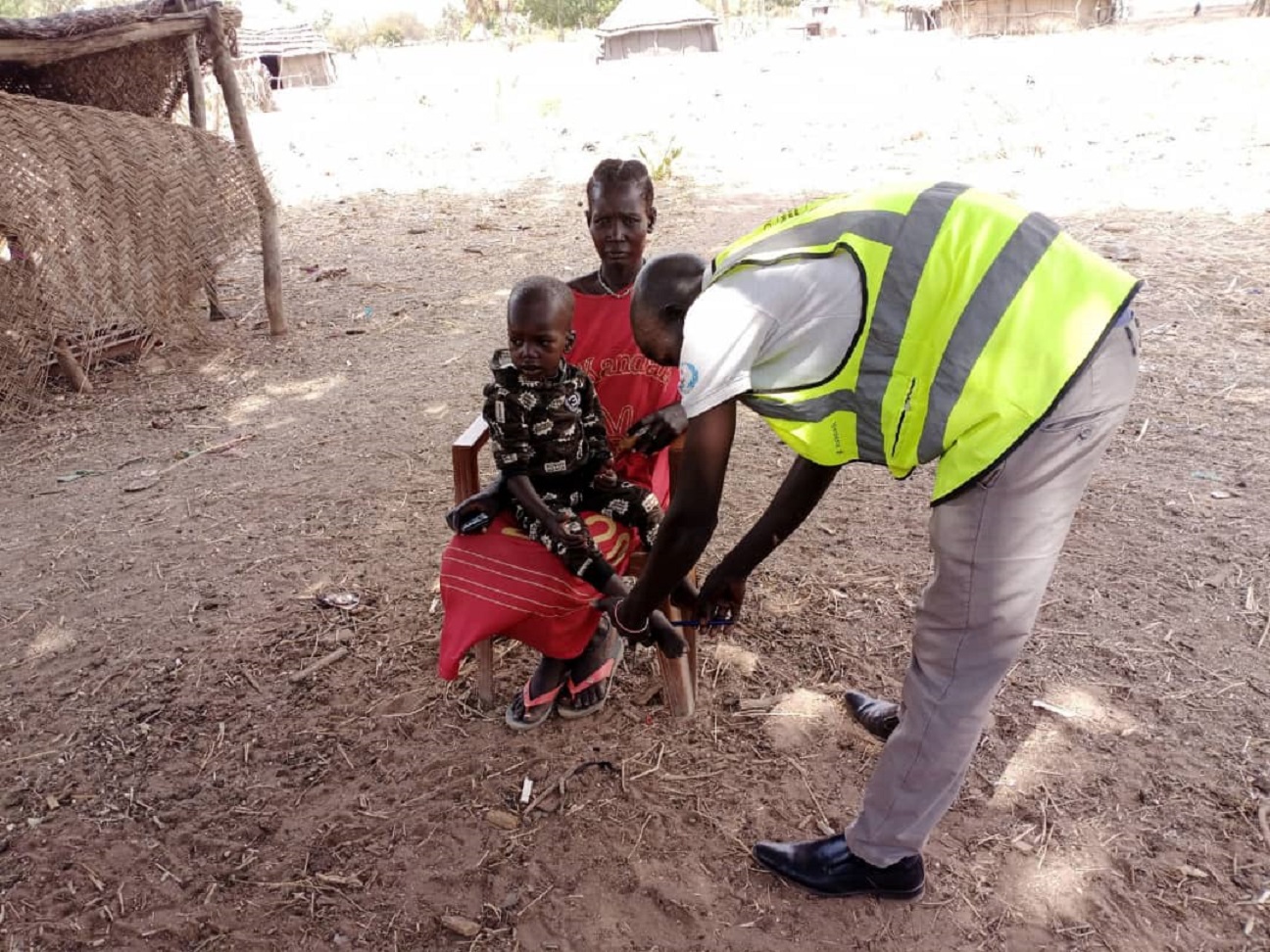
Akol Kuol Magiir is one of the community champion informants in Kuac South Payam, Gogrial West County of Warrap State. Mr Magiir since his involvement as a community informant for Auto-Visual AFP Detection and Reporting (AVADAR) has sent in a countless number of alerts of suspected Acute Flaccid Paralysis (AFP) cases out of which four AFP cases were found to be true AFP cases. When asked, what motivated him to work so enthusiastically, his answer was “I am doing it for the love of my community, and I don’t want to see any child left behind in the fight against polio”.
The Gambia Inaugurates an Ultra-Cold Chain Store for Vaccines
The Ministry of Health recently launched an Ultra-Cold Chain Vaccines that will be used to store Coronavirus vaccines in the fight against Covid-19 in the country.
In an official ceremony, Dr Ahmed Lamin Samateh, Hon. Minister of Health noted that the provision of the Ultra Cold Chain Vaccines is meant to ensure that “we are able to restore vaccines in our collective endeavor against COVID-19.”
Technical Support to upgrade the Microbiology (Bacteriology) Unit of the National Health Laboratory of Eritrea
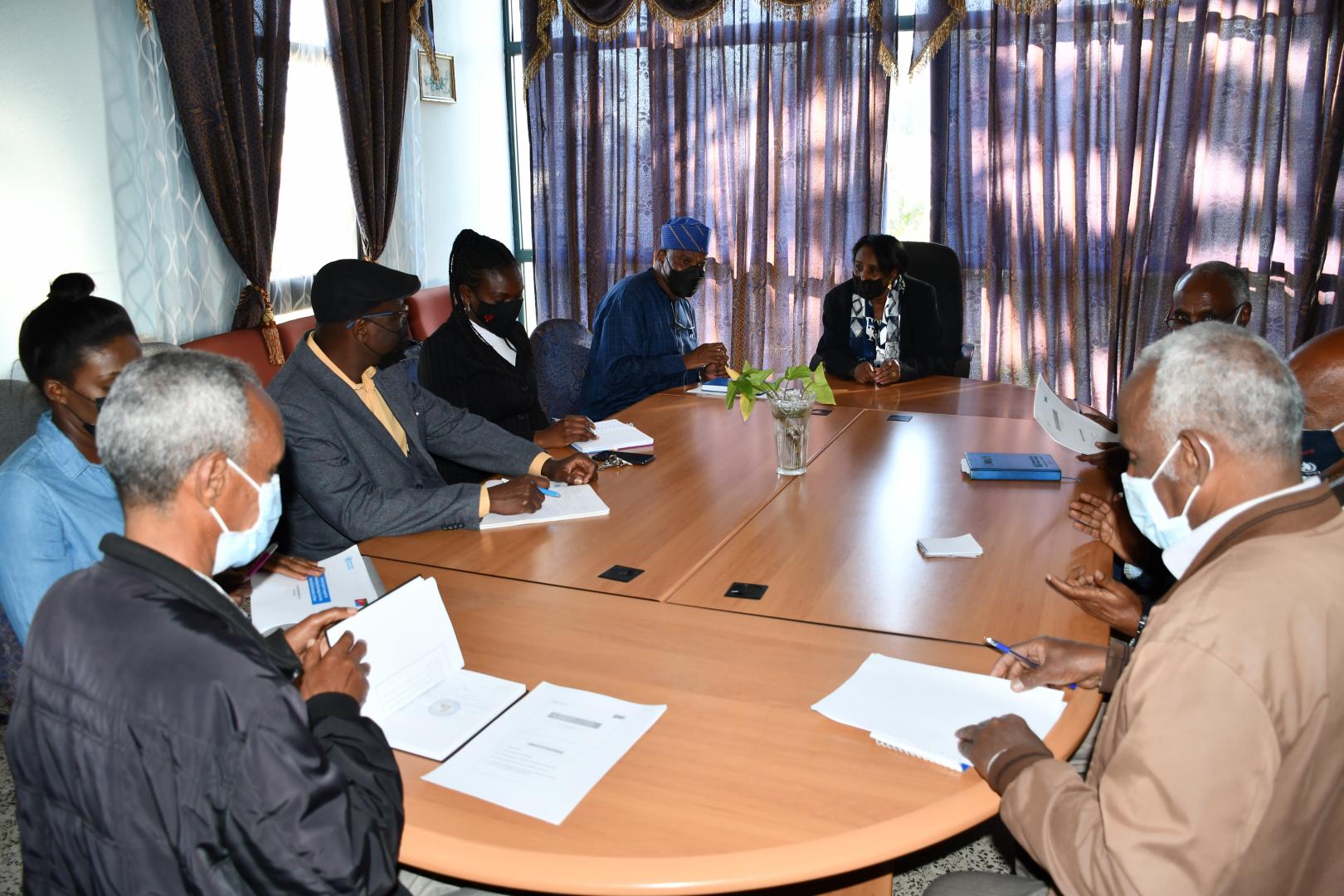
The Ministry of Health Eritrea requested the technical support of WHO to assess the capacities needed to upgrade the microbiology laboratory which is part of the National Health Laboratory (NHL) and to develop the roadmap for the upgrading of the laboratory. In order to undertake this support WHO engaged a consultant for a period of 3 weeks (22 November to 10 December 2021). The consultant was supported by the WHO laboratory expert from WHO/AFRO who was in country from 7-18 December 2021 as well as WHO Country Office staff.
Access to safe drinking water is vital to reduce potential water borne related outbreaks
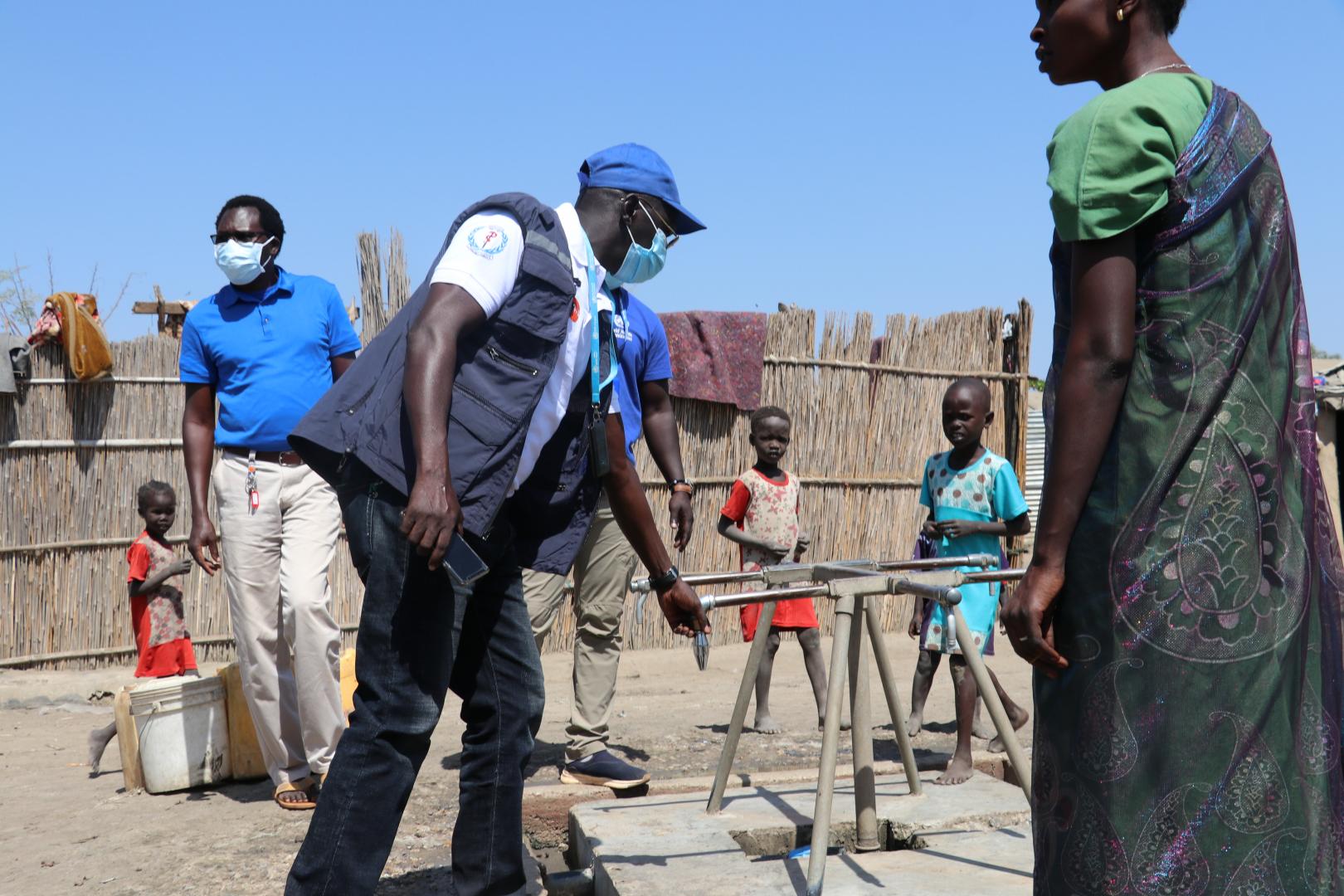
“The majority of our population in the cities and rural areas depend on untreated water points with potentially contaminated water. This puts them at risk of waterborne disease outbreaks like cholera”, said Dr John Rumunu, the Director-General of Preventive Health Services, Ministry of Health.