Health diplomacy in action: WHO convenes ambassadors to accelerate Nigeria’s path to Universal Health Coverage
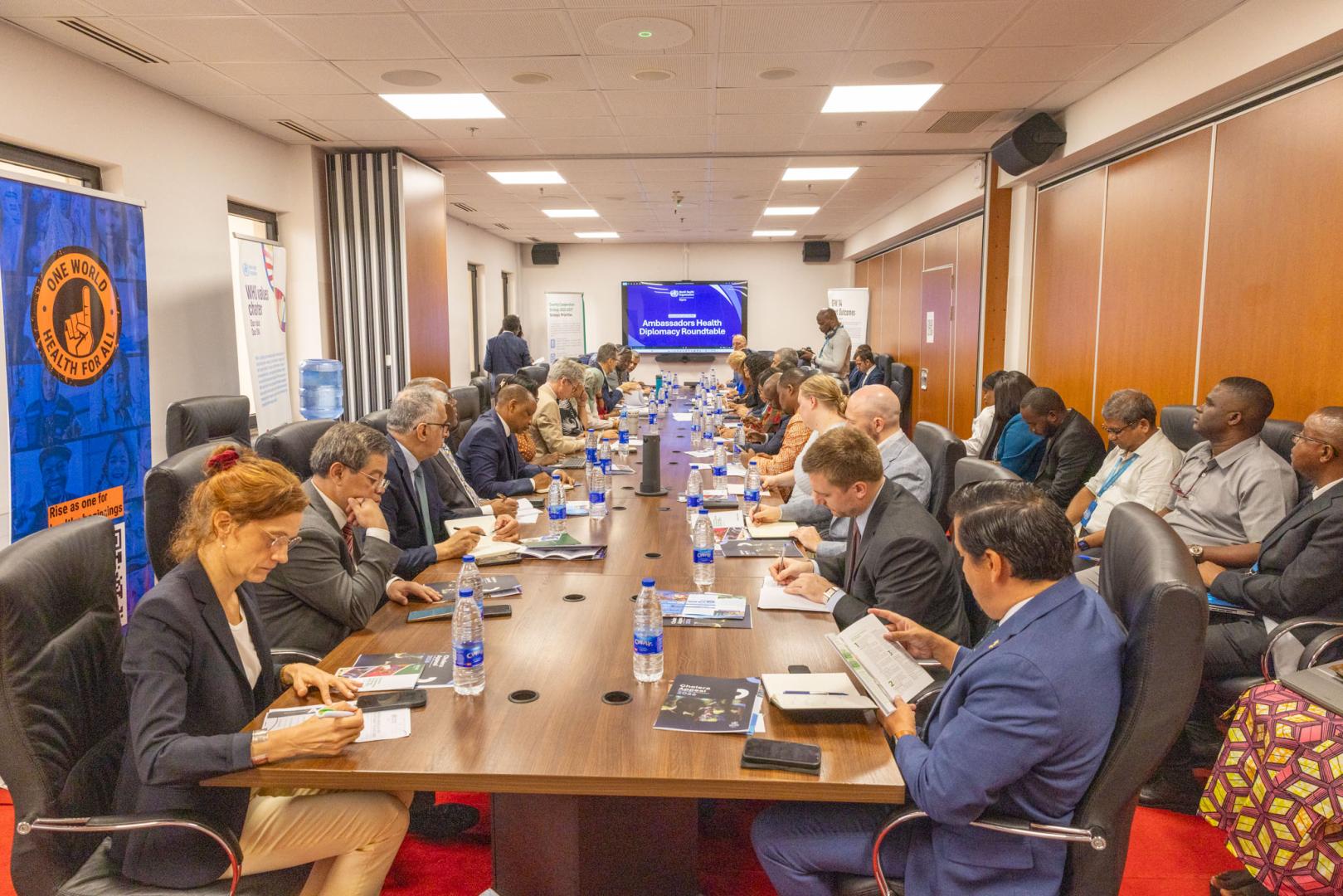
Abuja, In a decisive step to accelerate Universal Health Coverage (UHC), the World Health Organization (WHO) in Nigeria, on 14 April, convened ambassadors and heads of mission for its first Ambassadorial Health Diplomacy Roundtable in Abuja.
The meeting mobilised diplomatic alignment, resources and accountability to support the Government of Nigeria’s health sector reform agenda under the Health Sector Renewal Investment Initiative (NHSRII) and its Sector-Wide Approach, and to deliver measurable health outcomes for all.
Africa Tobacco Control Partners Meet in Windhoek to Accelerate Action Against Tobacco Harm
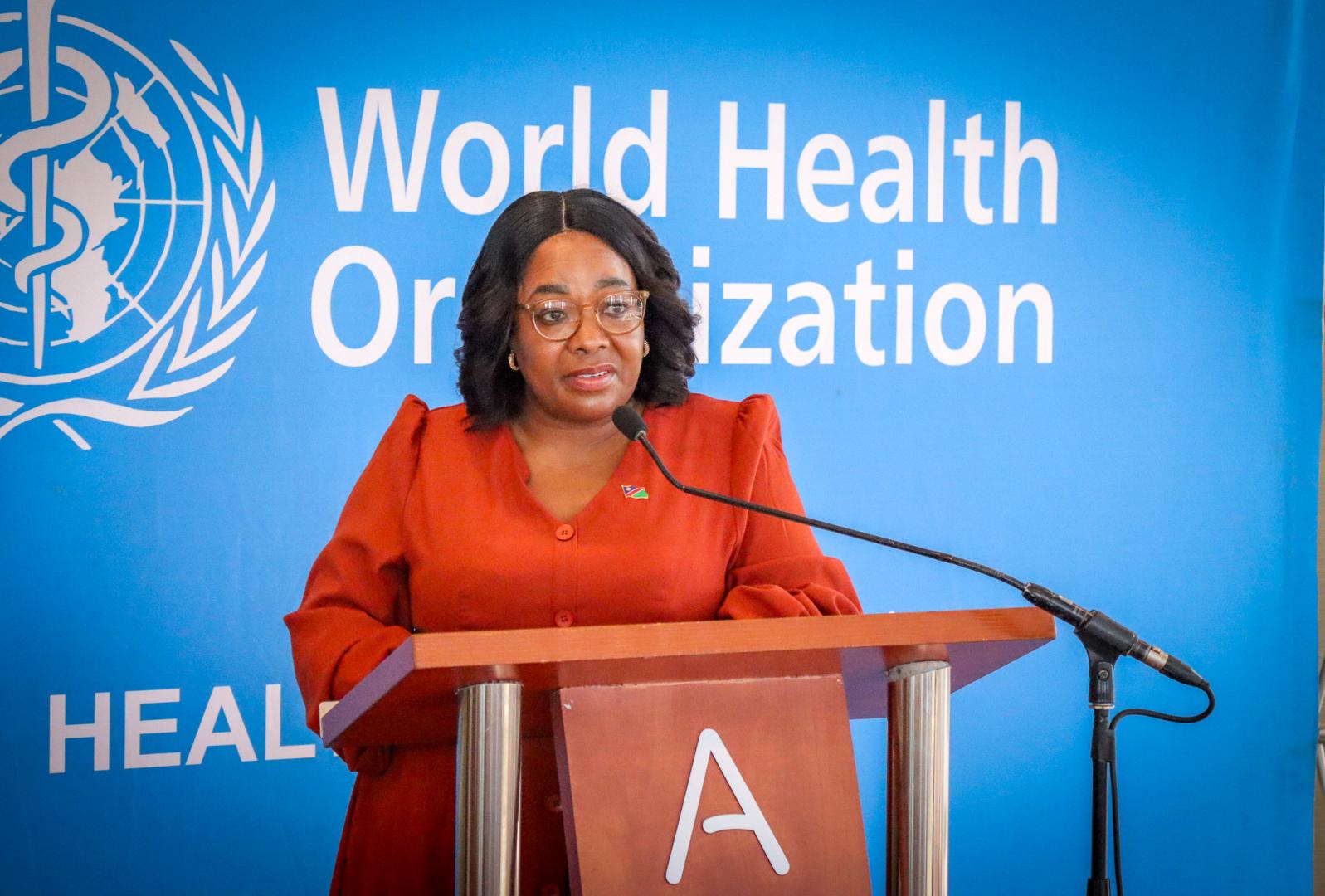
Tobacco control leaders, government representatives, civil society organizations, development partners, and technical experts from across Africa convened in Windhoek this week for the Africa Tobacco Control Core Partners Biannual Coordination Meeting, reaffirming a collective commitment to strengthen tobacco control policies and protect populations from the devastating health and economic consequences of tobacco use.
Standing with people and evidence: How Nigeria marked World Health Day 2026
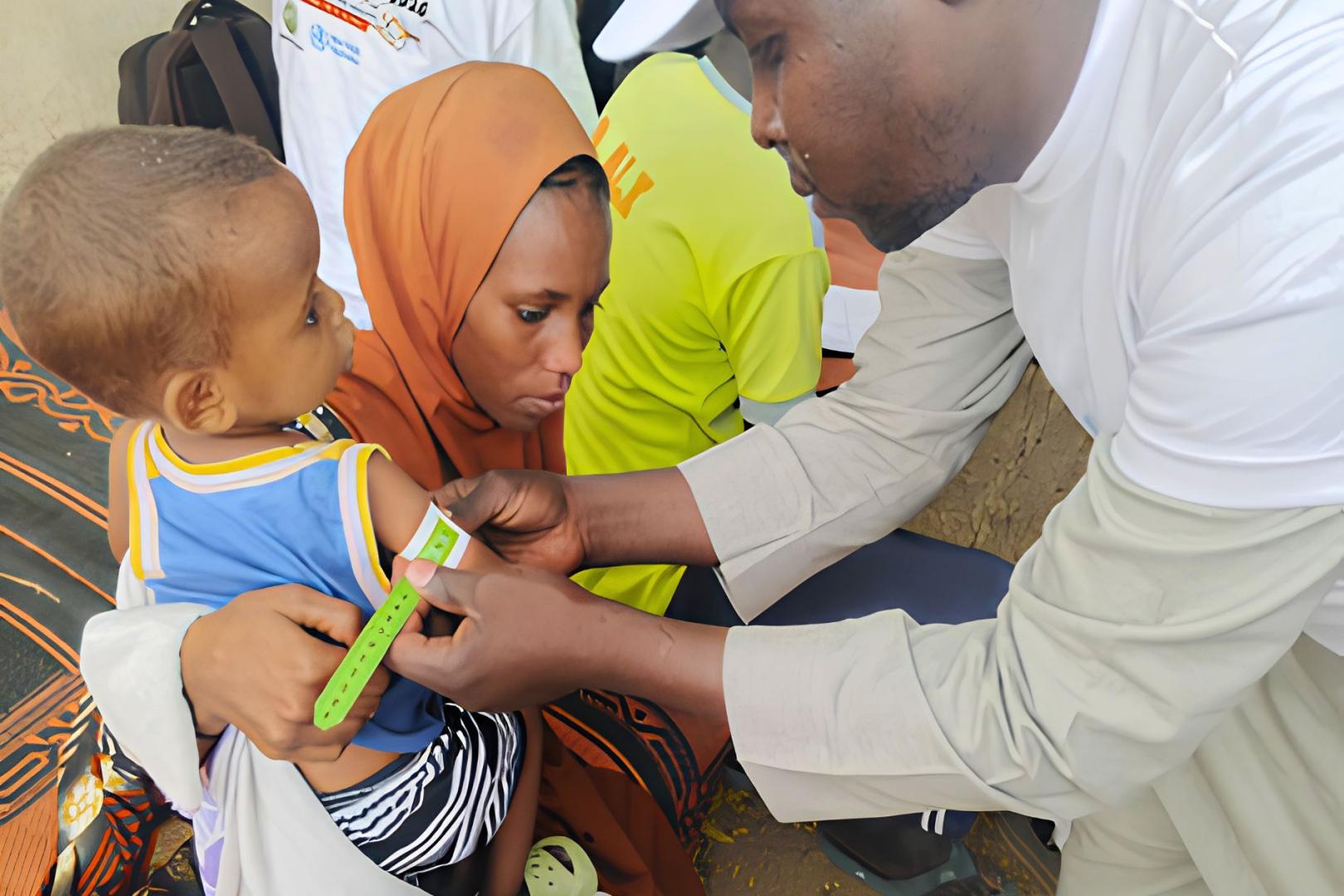
Abuja, Twenty‑seven‑year‑old Godiya Tumba walked several kilometres with her two children to reach a temporary health outreach in Wuro Jabbe, Adamawa State. Neither child had completed routine vaccinations.
“I came because they explained why vaccines matter,” she said. “Nobody had ever told me like this before.”
Her experience reflects a wider reality across Nigeria: science saves lives only when people can access it, understand it, and trust it.
Ghana advances vaccine manufacturing ambition with clinical trials strengthening
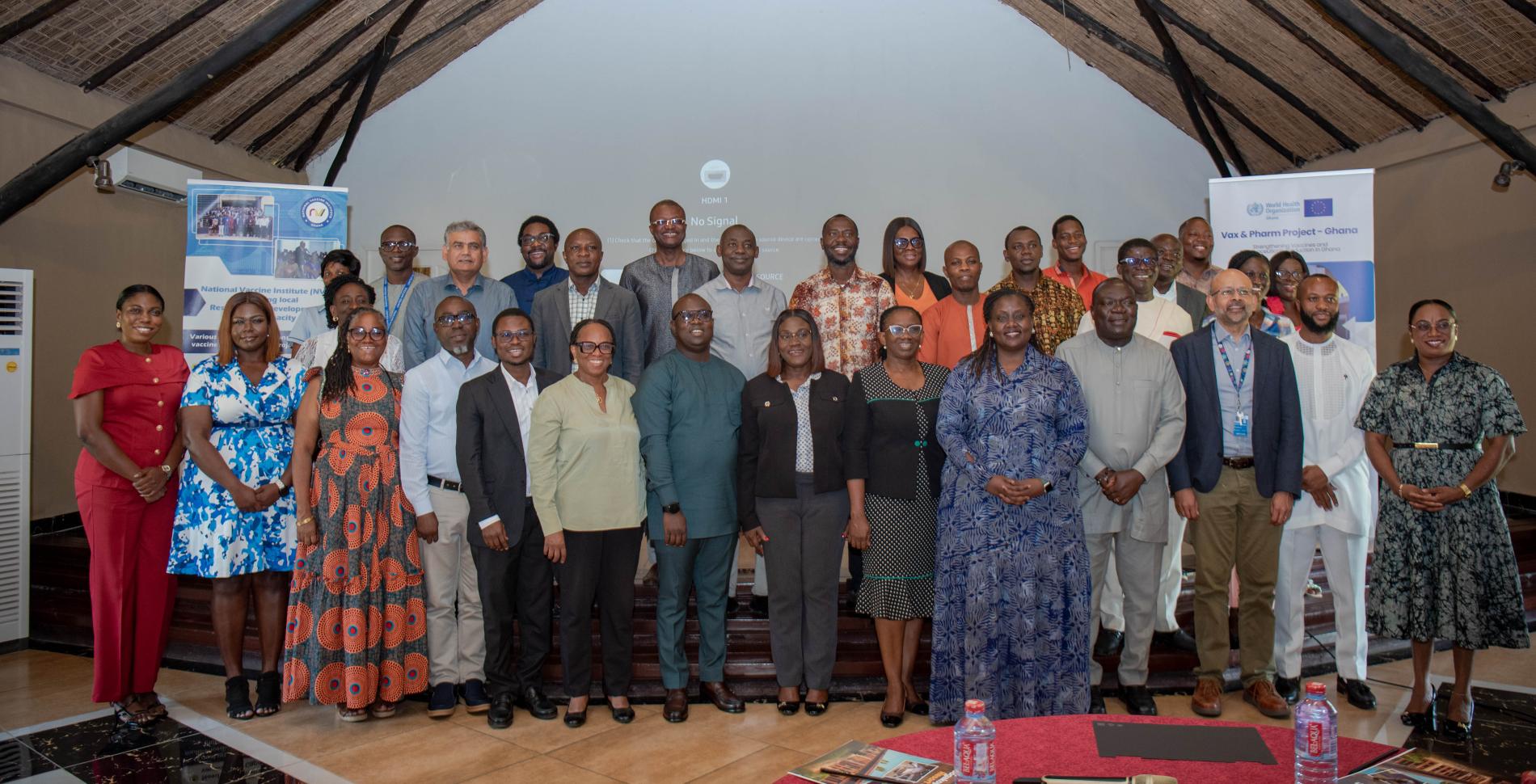
“Strong clinical trials systems are the backbone of credible research and a critical pillar of Ghana’s vaccine production agenda.”
This message from Dr Fiona Braka, World Health Organization (WHO) Representative to Ghana, set the tone for a high-level gathering of policymakers, regulators, and researchers in Sogakope in the Volta Region, at a moment when Ghana is taking deliberate steps to transition from vaccine dependency to self-reliance.
Tanzania strengthens environmental surveillance to detect and prevent health risks with new pollution surveillance systems
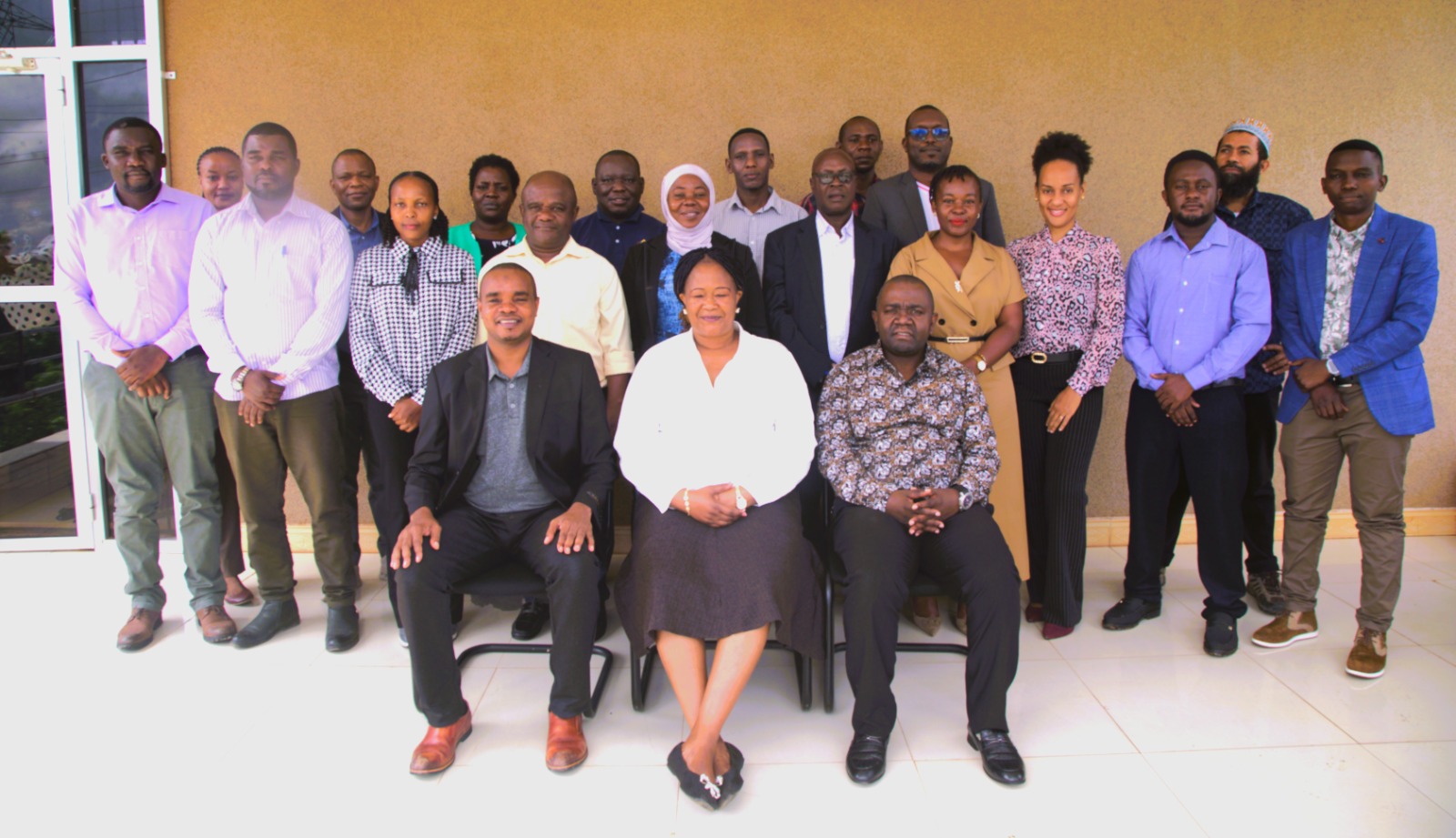
Morogoro — Tanzania is strengthening it’s environmental health surveillance systems to better detect and prevent health risks linked to pollution. In April 2026, public health experts from Mainland Tanzania and Zanzibar convened in Morogoro to develop national guidelines for monitoring environmental pollution indicators that affect public health.
Benue State strengthens Lassa fever response with WHO and partners' support, as focus shifts to protecting frontline workers

Makurdi, At the Lassa fever isolation centre in Makurdi, vigilance defines the standard of care. Every patient presenting with a persistent fever is managed carefully with enhanced infection prevention and control (IPC), not only to ensure timely and effective treatment but also to protect health workers and prevent further transmission.
Signing of the Interministerial Commitment Memorandum Marks Historic Moment for Health in São Tomé and Príncipe
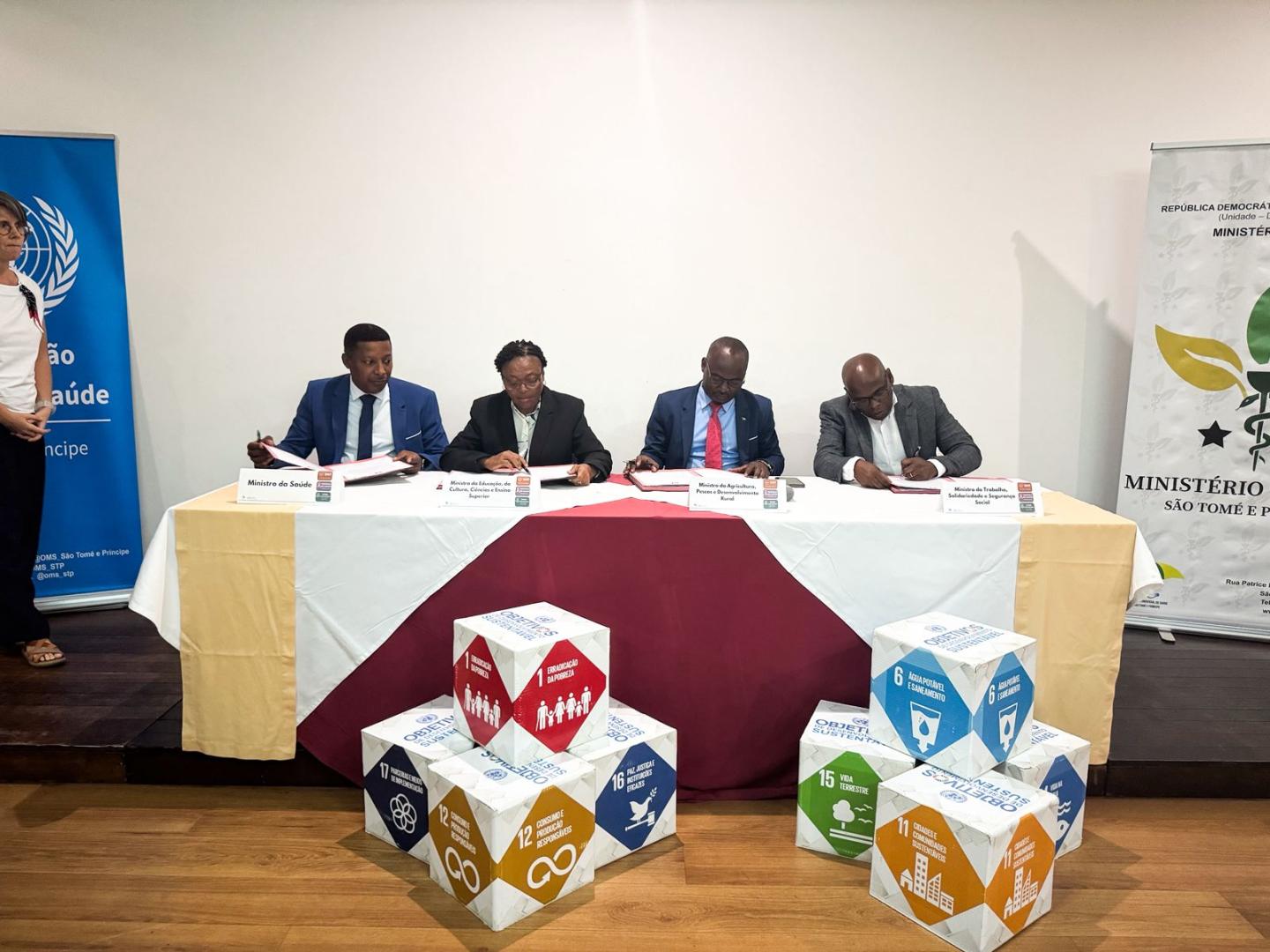
São Tomé,- 15 April, 2026 will be recorded in the history of São Tomé and Príncipe as the moment when health ceased to be an exclusive responsibility of the health sector and became a commitment assumed by the entire Government. During the launch ceremony of the three national health strategies, held at the Pestana Hotel, the Interministerial Commitment Memorandum for Multisectoral Action in Health Promotion and Disease Prevention was signed – a document that puts the principle of "Health in All Policies" into practice.
Nearly 20 million lives saved in Africa through measles vaccinations
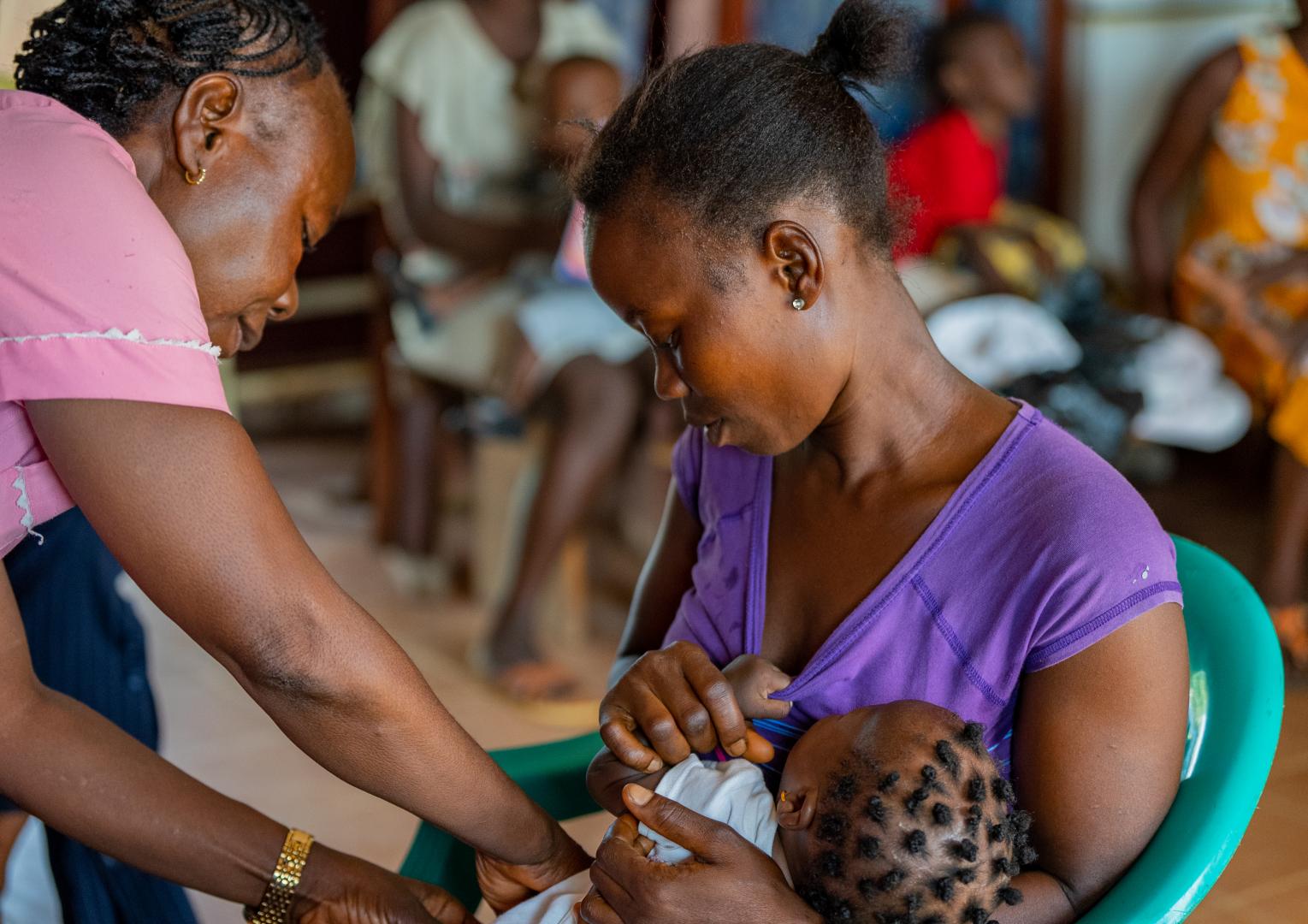
Brazzaville/Geneva—Nearly 20 million measles-related deaths have been averted in Africa since 2000 thanks to increasing vaccination coverage, according to the first-ever detailed analysis of immunization targets on the continent.
São Tomé and Príncipe launches Integrated Strategies to address the rising incidence of Noncommunicable Diseases, with WHO Support
São Tomé, April 15 – Today, the Government of São Tomé and Príncipe launched three national strategic instruments at the Pestana Hotel, marking a turning point in the country's approach to public health. During this important event, placed under the leadership of Prime Minister Américo Ramos three important strategic documents, namely the Multisectoral Strategic Plan for Noncommunicable Diseases (2026–2030), the National Strategic Plan for Cancer Control (2026–2030), and the National Community Health Strategy (2026–2030) were presented.
Anticipating health emergencies through science: An interview with Professor Abdoulaye Touré (Guinea)

Conakry – On World Health Day 2026, held under the theme “Together for health. Stand with science,” the World Health Organization (WHO) spotlights individuals across the African Region who use science to improve people’s lives.