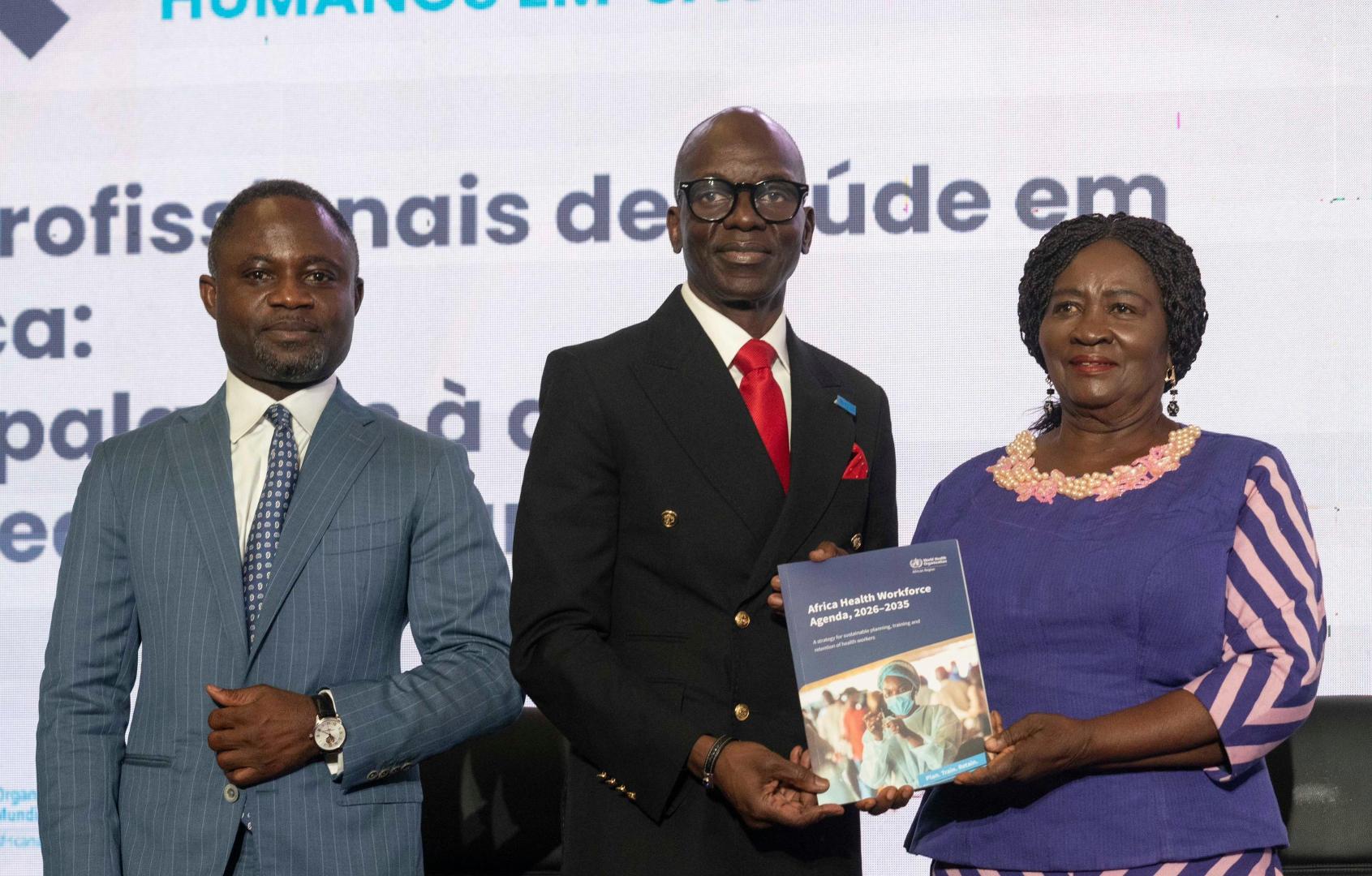
Africa’s health workforce expands but shortages, unemployment and migration intensify: WHO report
Zimbabwe National Polio and Measles Laboratory full accreditation Status renewed
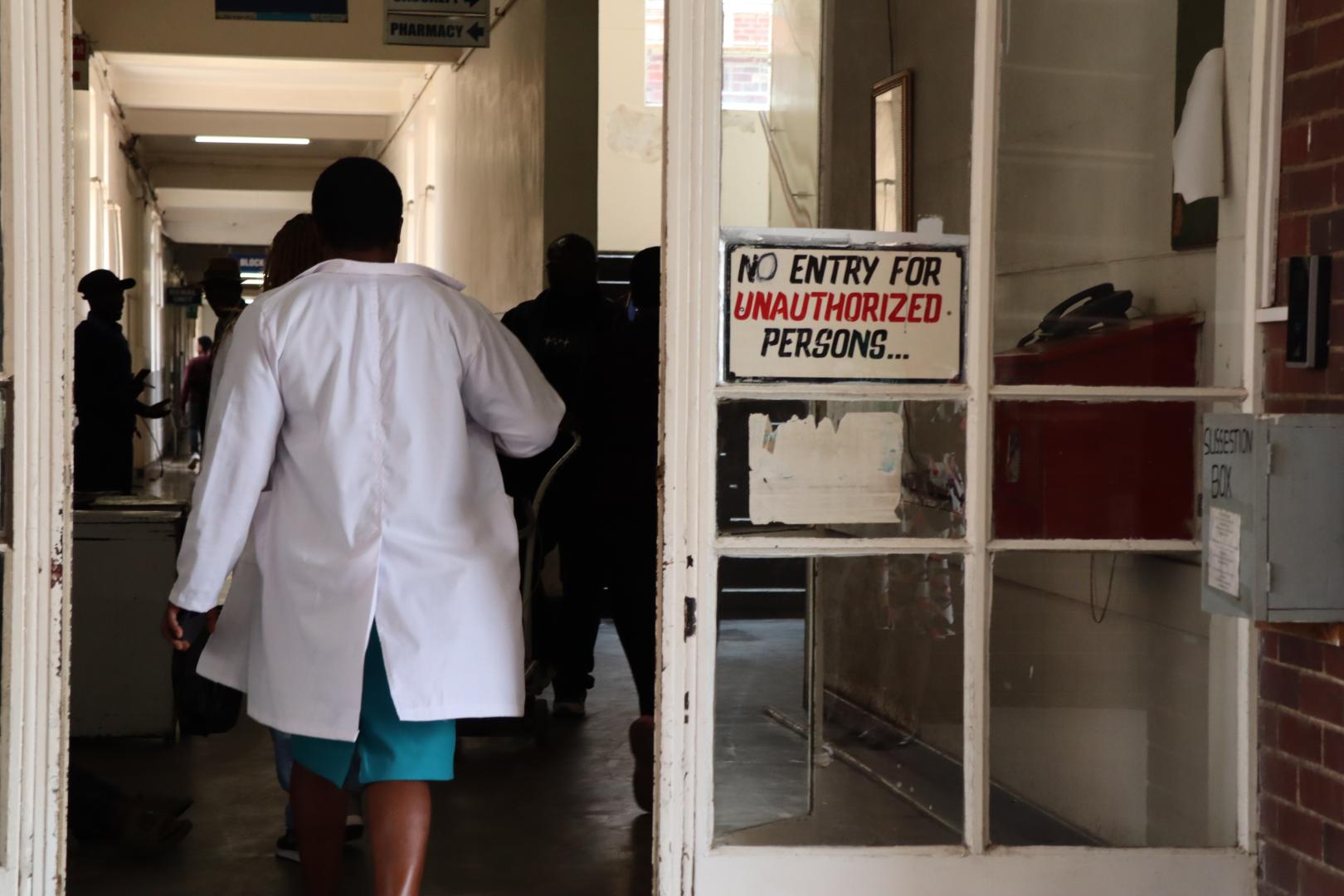
Harare, Zimbabwe - Zimbabwe has reached a significant milestone in sustaining strong disease surveillance systems following the successful Integrated Polio and Measles Accreditation Review of the National Virology Laboratory, conducted according to WHO standards. This achievement highlights the country’s leadership in supporting regional and global health priorities, particularly in polio eradication and measles and rubella elimination.
WHO and Ministry of Health partner with journalists to strengthen evidence-based health reporting
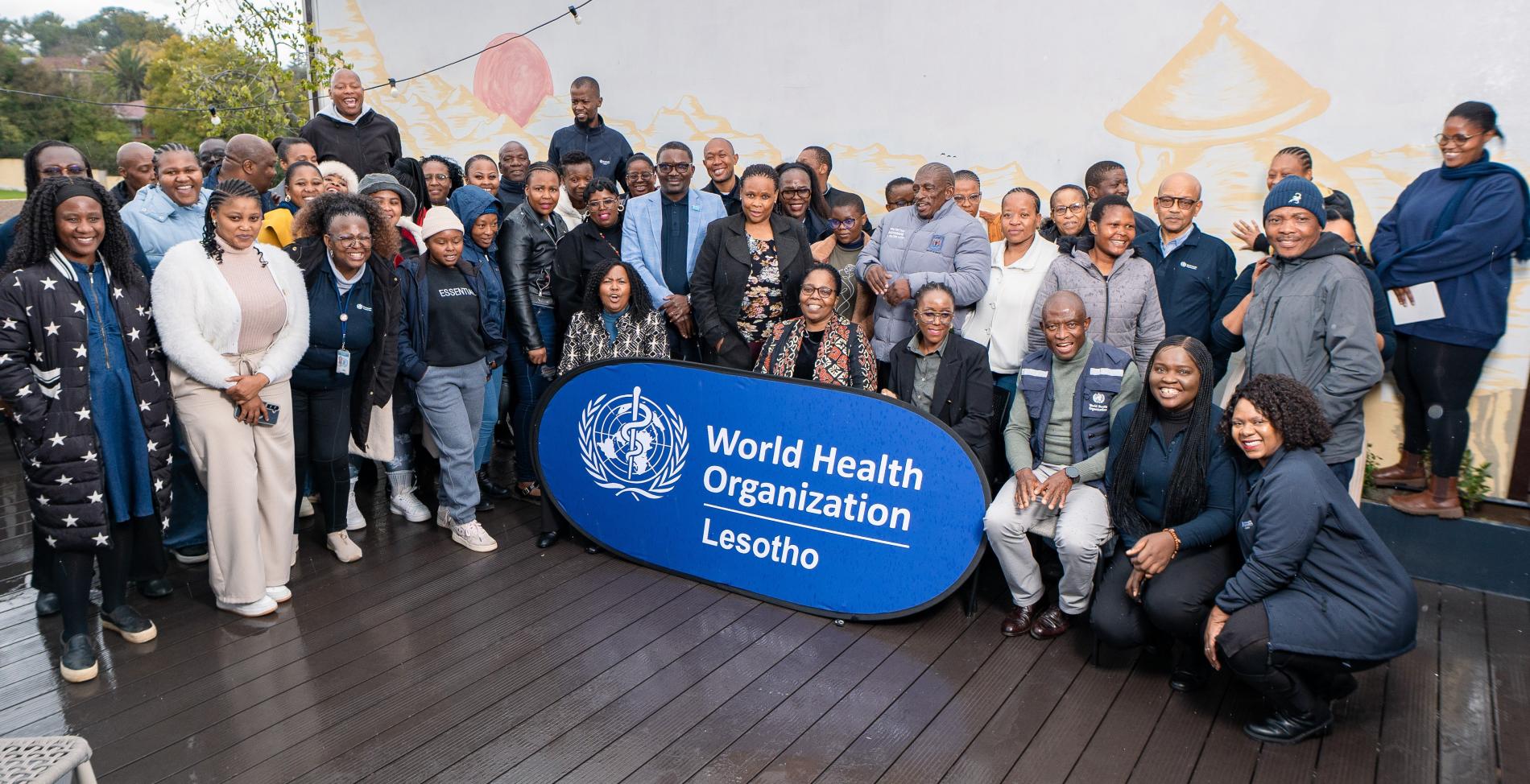
Maseru — The media plays a vital role in shaping public perceptions, influencing community behaviour, and ensuring accountability in health and other sectors. Recognizing this, the World Health Organization (WHO), in collaboration with the Lesotho Ministry of Health, hosted a one-day dialogue with the media in Maseru under the theme “Reporting Health Right: Standing with Science.”
The meeting engaged journalists and key partners to strengthen capacity for accurate, evidence-based, and ethical health reporting.
Raising tobacco taxes is a win-win for governments
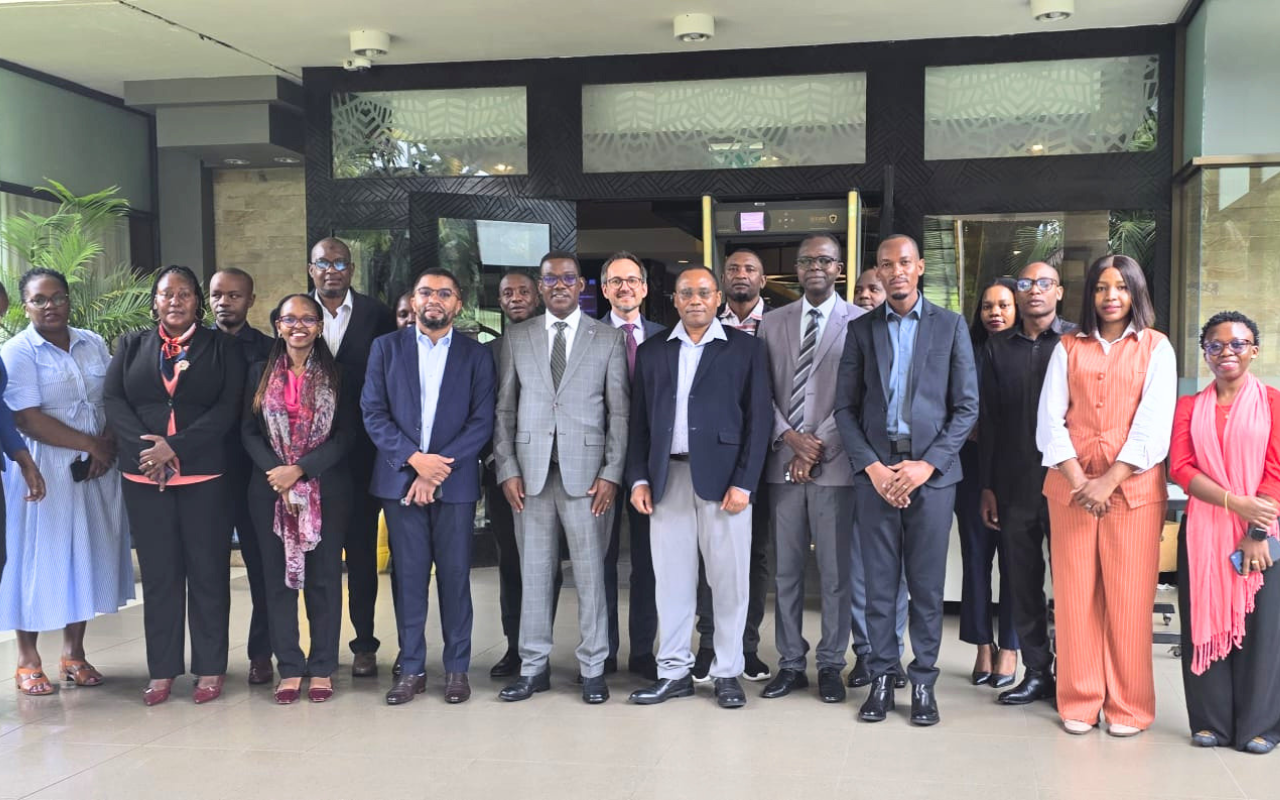
Arusha – The United Republic of Tanzania ratified the World Health Organization Framework Convention on Tobacco Control (WHO FCTC) in 2007, thereby committing to the obligations of this international treaty. The WHO FCTC Article 6 calls on Parties to implement price and tax measures to make tobacco products less affordable, thus protecting the population’s health.
WHO Hands Over Critical Assets to Strengthen Health Systems in Zambia
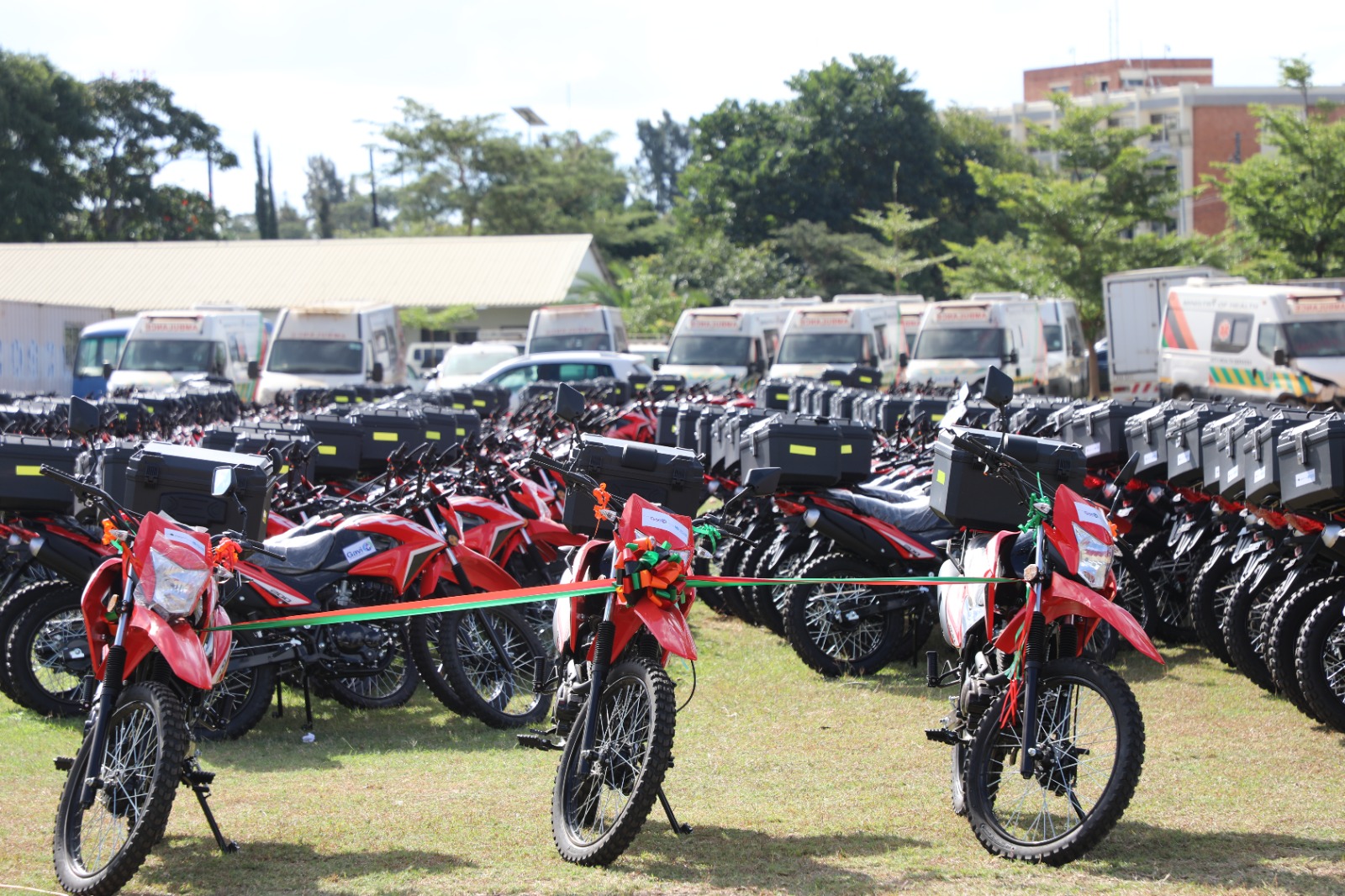
Lusaka, Zambia – The World Health Organization (WHO) Country Office in Zambia has officially handed over essential equipment to the Ministry of Health (MoH) aimed at strengthening national health systems, improving service delivery, and enhancing preparedness and response to public health threats.
The handover included:
MoH and WHO set to strengthen blood transfusion services in South Sudan
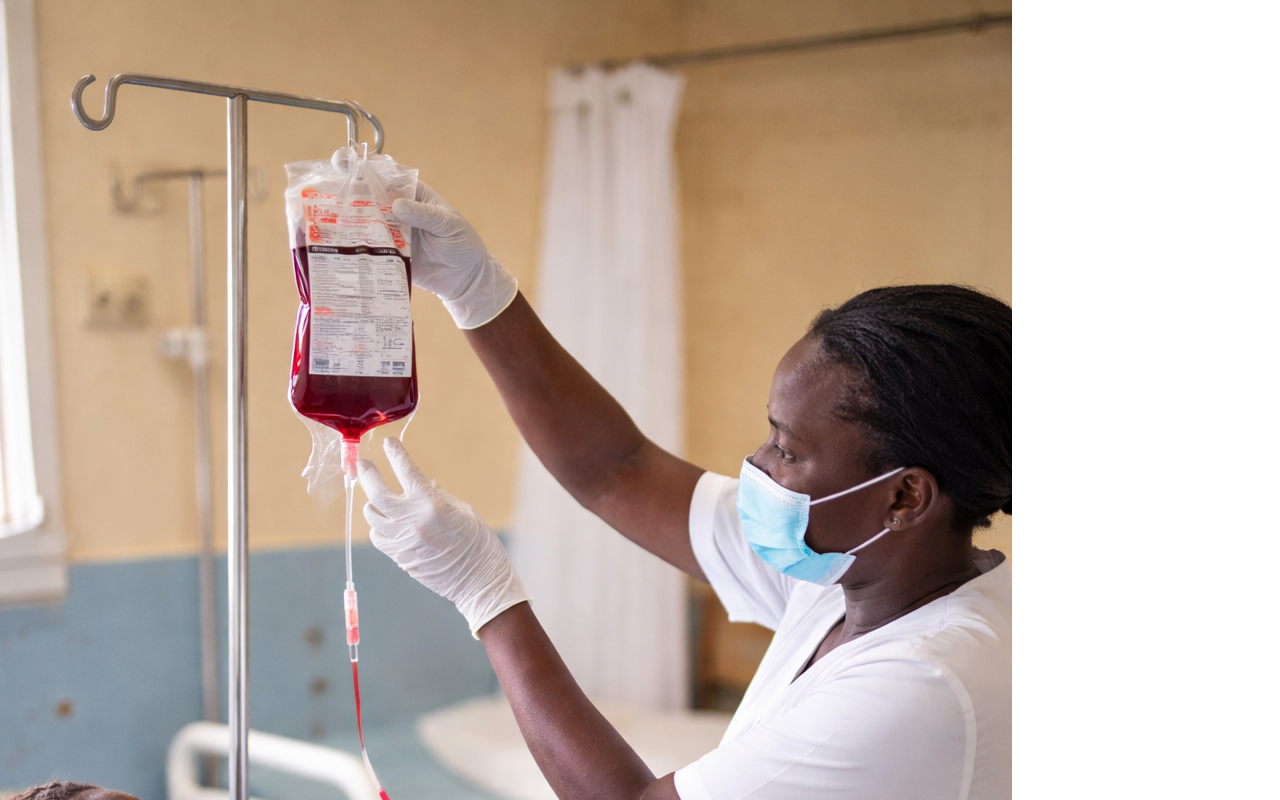
Juba, South Sudan — Every unit of blood carries a story, from the donor who gives, to the National Blood Transfusion Service (NBTS) teams who collect and process it, to the clinicians who use it, and the patient whose life depends on it. For many in South Sudan, that story ends in survival, a mother after childbirth, a child with severe anaemia, or a patient in critical care.
South Sudan marks first-ever national celebration of International Labour Day
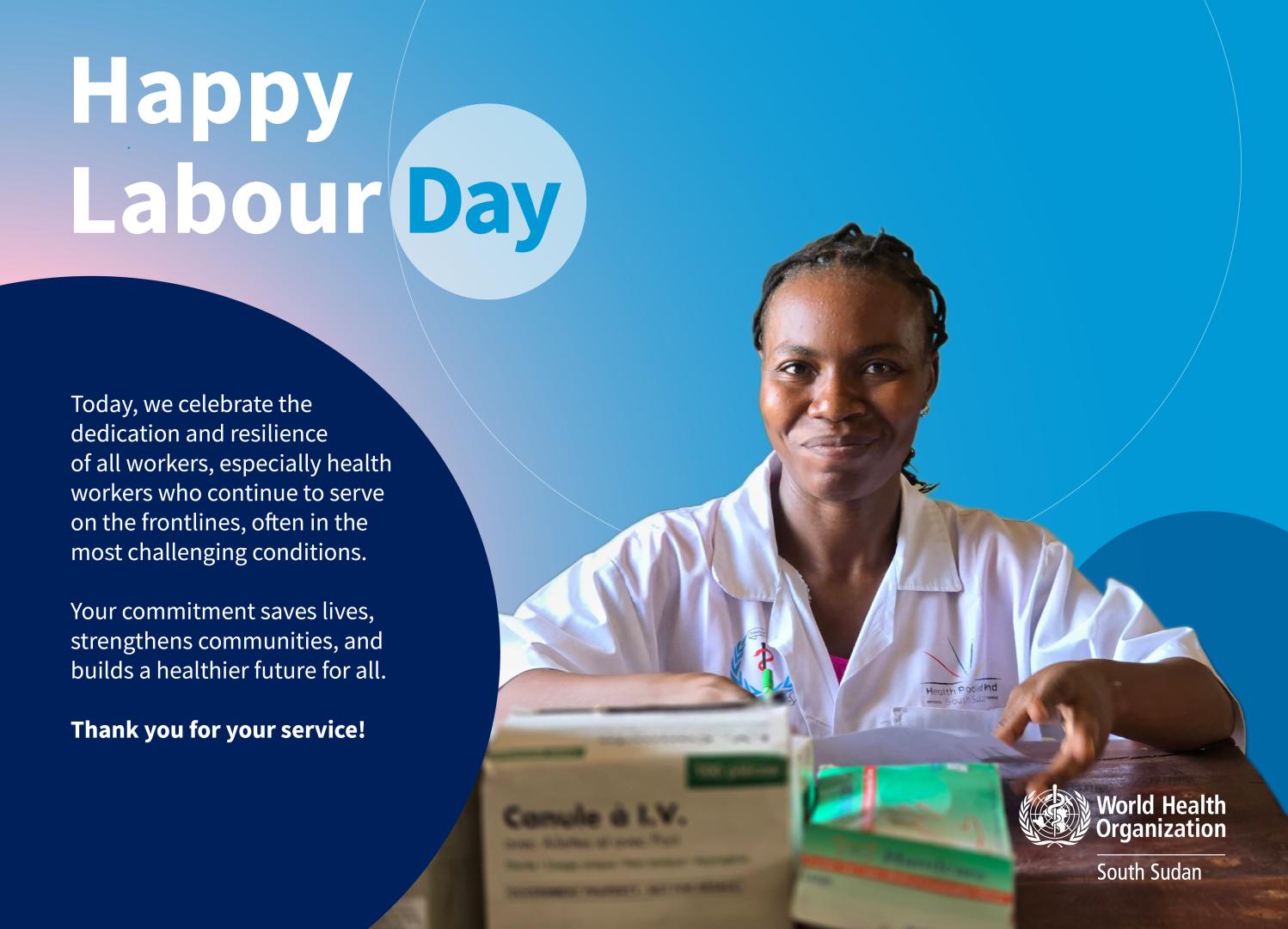
South Sudan today held its first-ever national celebration of International Labour Day, bringing together government leaders, workers, trade unions, and partners at Juba National Stadium.
Observed globally on May 1, Labour Day honors the contributions and rights of workers across all sectors and highlights the importance of safe, fair, and dignified working conditions.
Luanda Hosts “Research for Life” Conference to Strengthen the Impact of Scientific Research in Angola
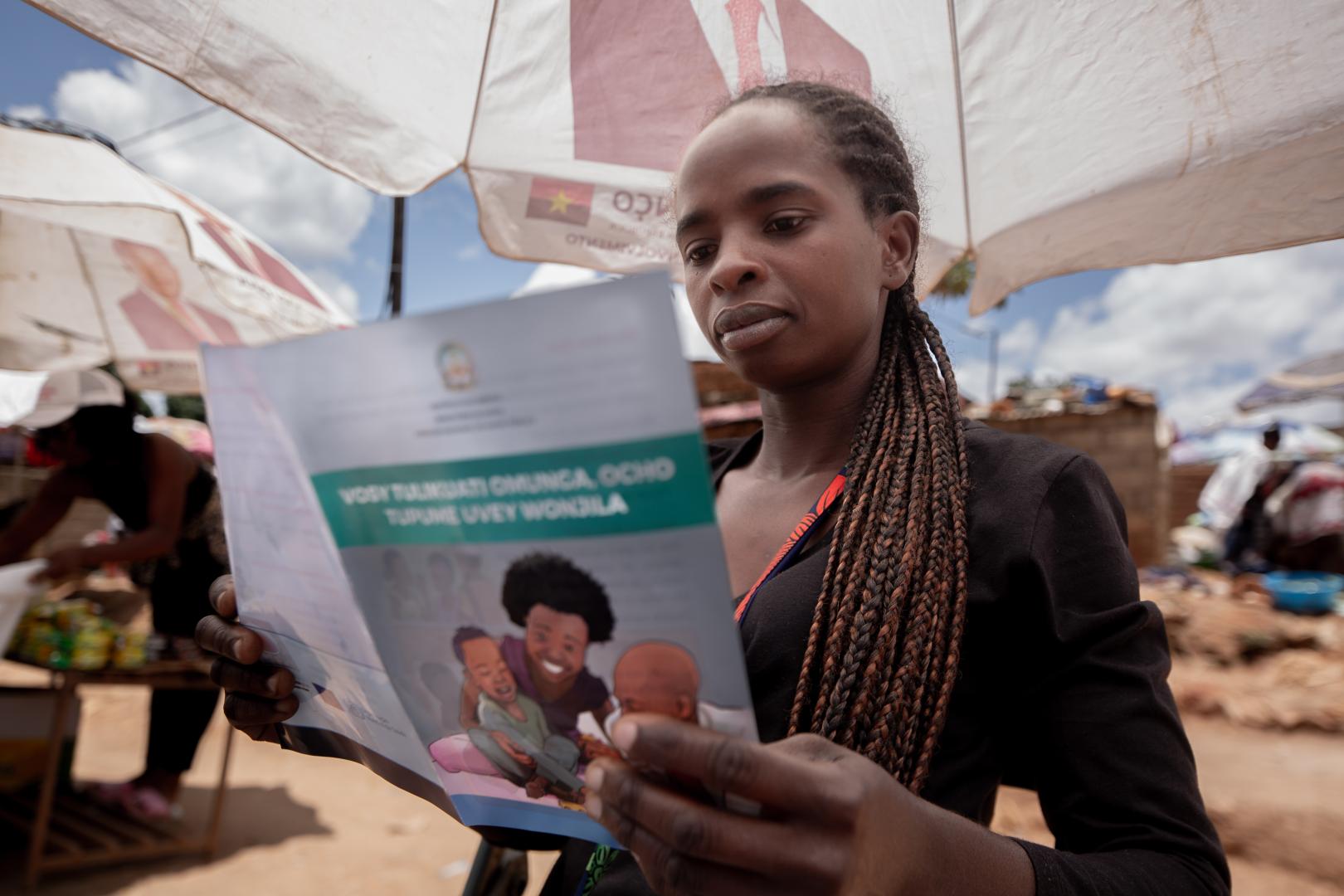
From April 28 to 30, Luanda will host the “Research for Life” conference, a national gathering that highlights the central role of science and research in formulating effective public policies and improving health outcomes.
WHO and partners take part in a public march to mark World No Tobacco Day
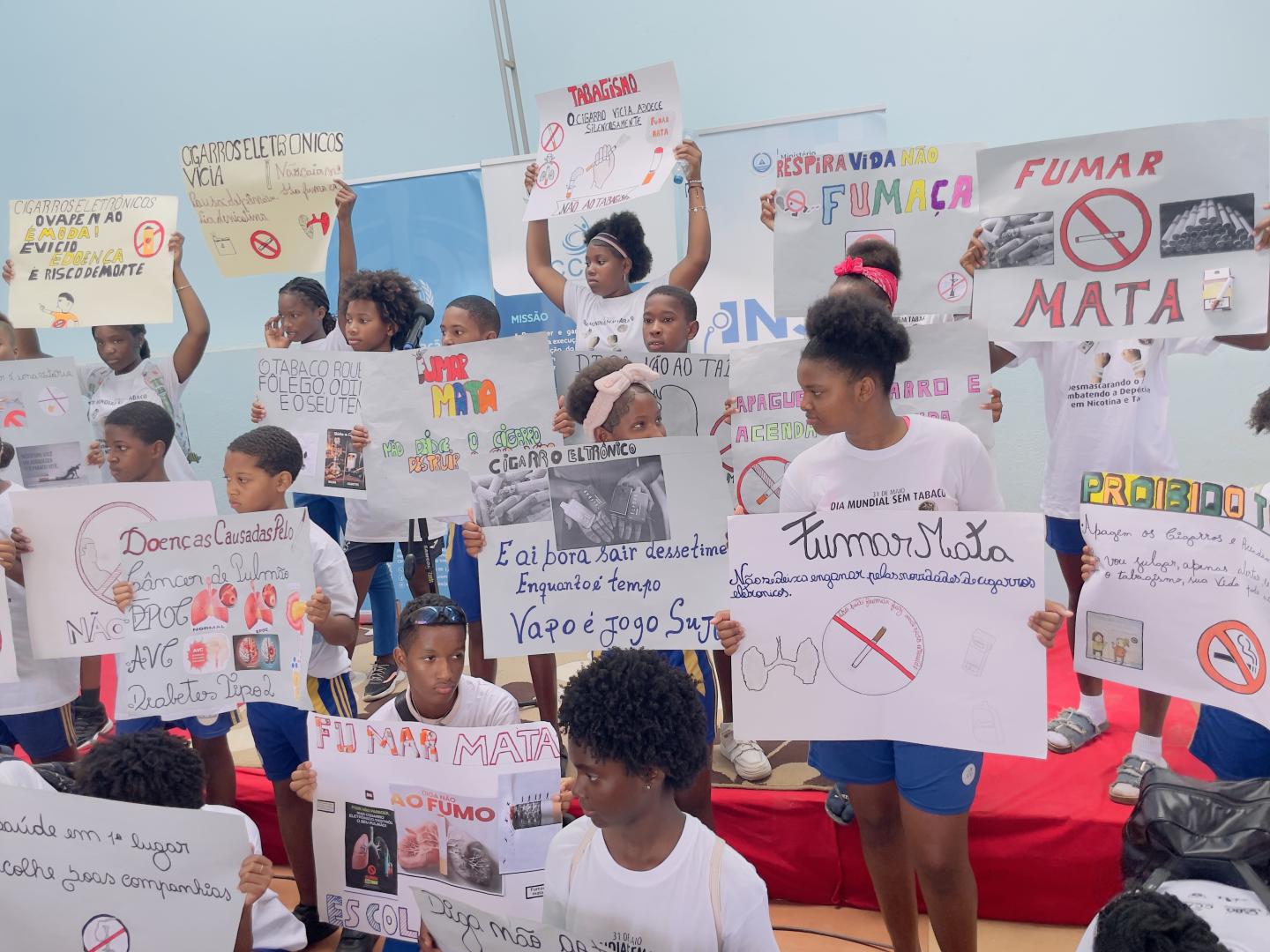
Praia, Cabo Verde. The World Health Organization (WHO), in partnership with the Ministry of Health, through the Coordination Commission on Alcohol and Other Drugs (CCAD), the National Institute of Public Health (INSP) and other partners, took part this Saturday, 30 May, in the civic march marking World No Tobacco Day, observed annually on 31 May. The initiative took place under the slogan “Unmasking the Appeal: Combating Nicotine and Tobacco Addiction”.
Two Friends, Two Drops, One Promise: A Village’s Hope Against Polio
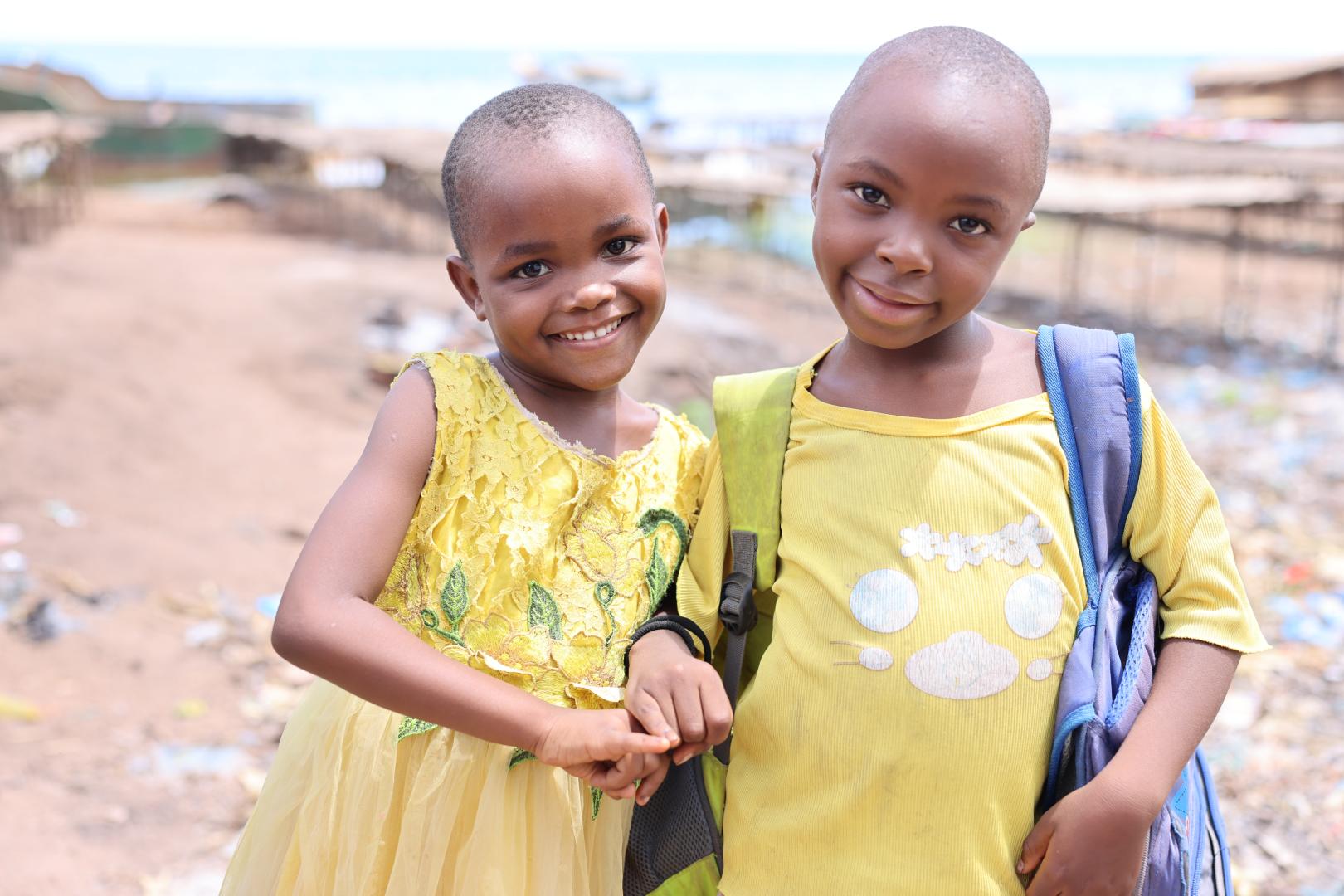
On a warm morning in Chembe Village, along the shimmering shores of Lake Malawi in Cape Maclear, laughter travels faster than the breeze. It belongs to two inseparable friends Caroline and Madalitso—whose bond is as strong as their shared courage.