UK commits £2 million to strengthen health workforce in Nigeria
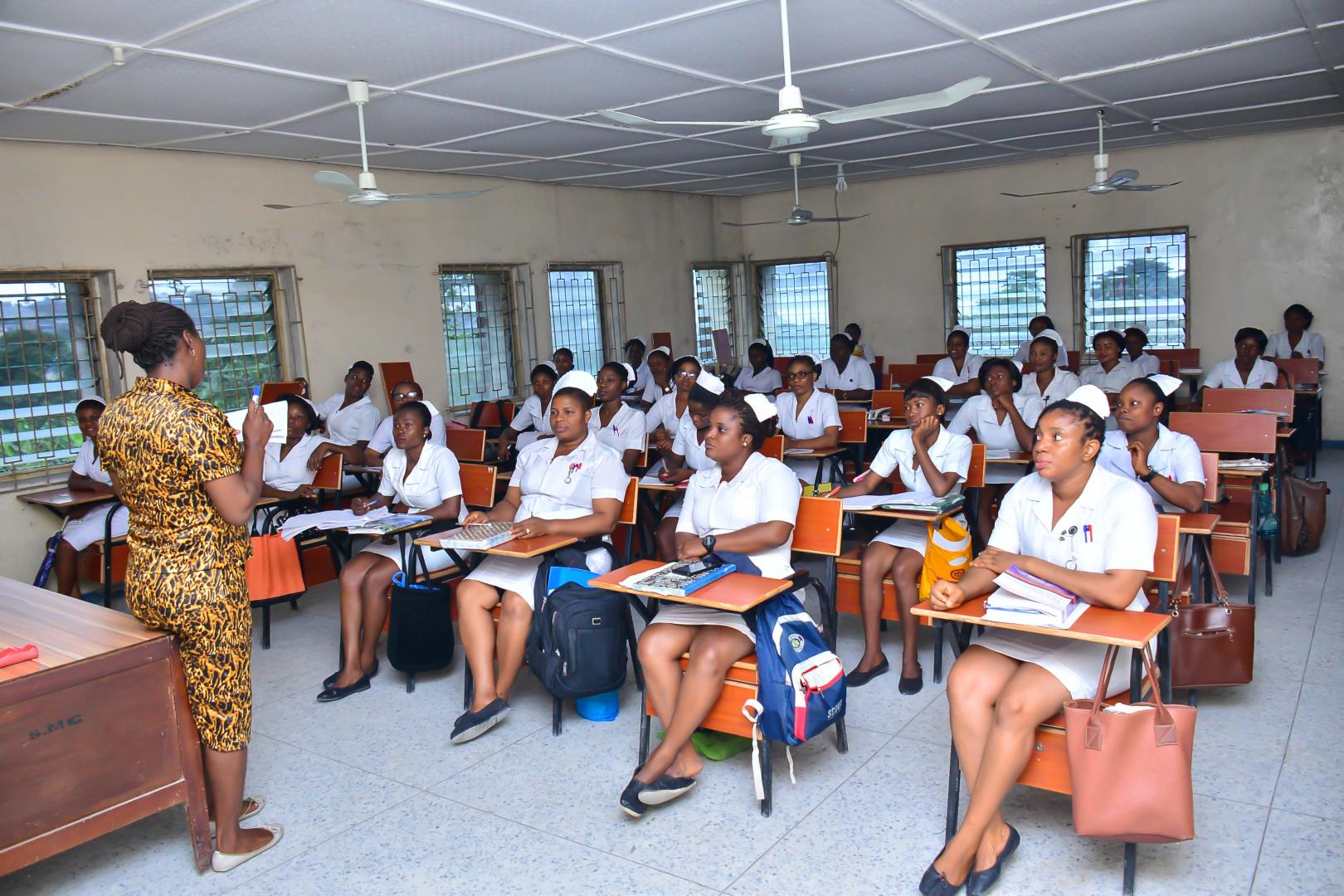
The World Health Organization welcomes a new funding commitment made by the United Kingdom’s Department of Health and Social Care to support Nigeria in strengthening her health workforce in the vision of achieving Universal Health Coverage
The grant amounting to £2 will cover two years period to support the government of Nigeria to optimize the performance, quality, and impact of the health workforce through evidence-informed policies and strategies.
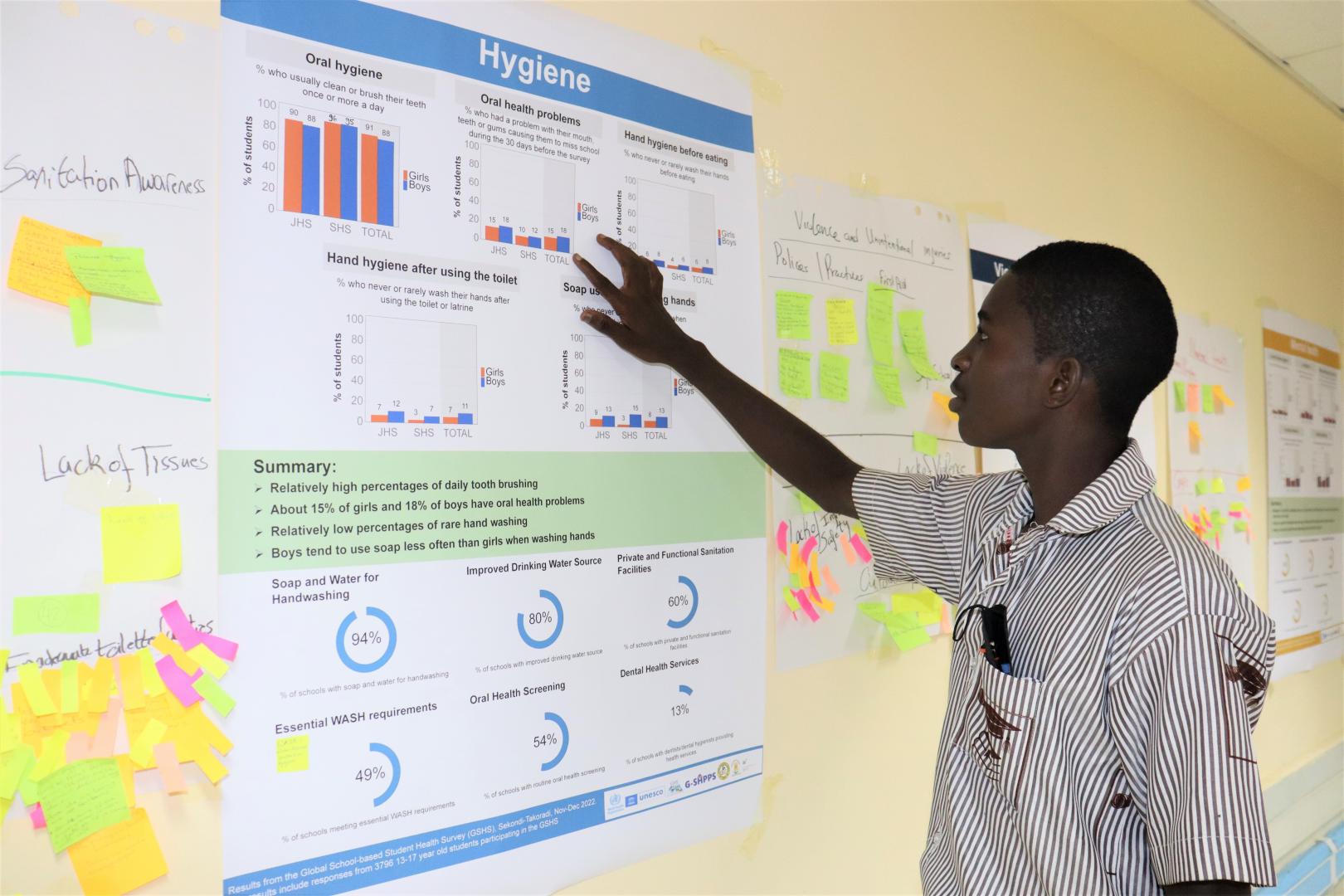
Empowering adolescents to lead change using health data
WHO donates Ambulances to reduce maternal deaths in Tanzania
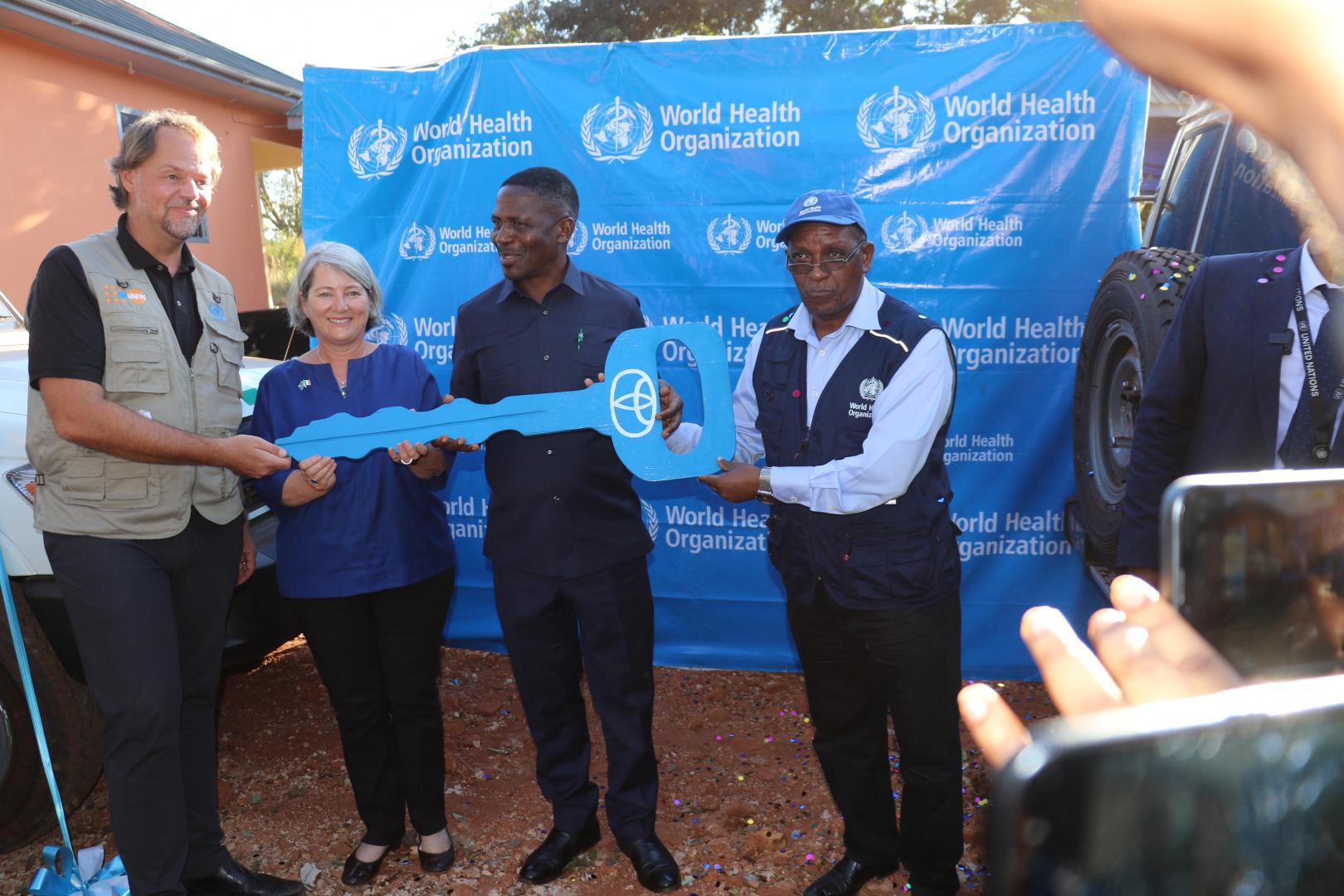
Kigoma Region - In rural areas of Kigoma region in Tanzania, access to quality health services for pregnant women are constrained by distance, cost, unreliable diagnostic equipment, and inadequate transportation to referral hospitals. This has led to high numbers of maternal and perinatal deaths during pregnancy.
Angola strengthens surveillance capacity in outbreak preparedness and response.
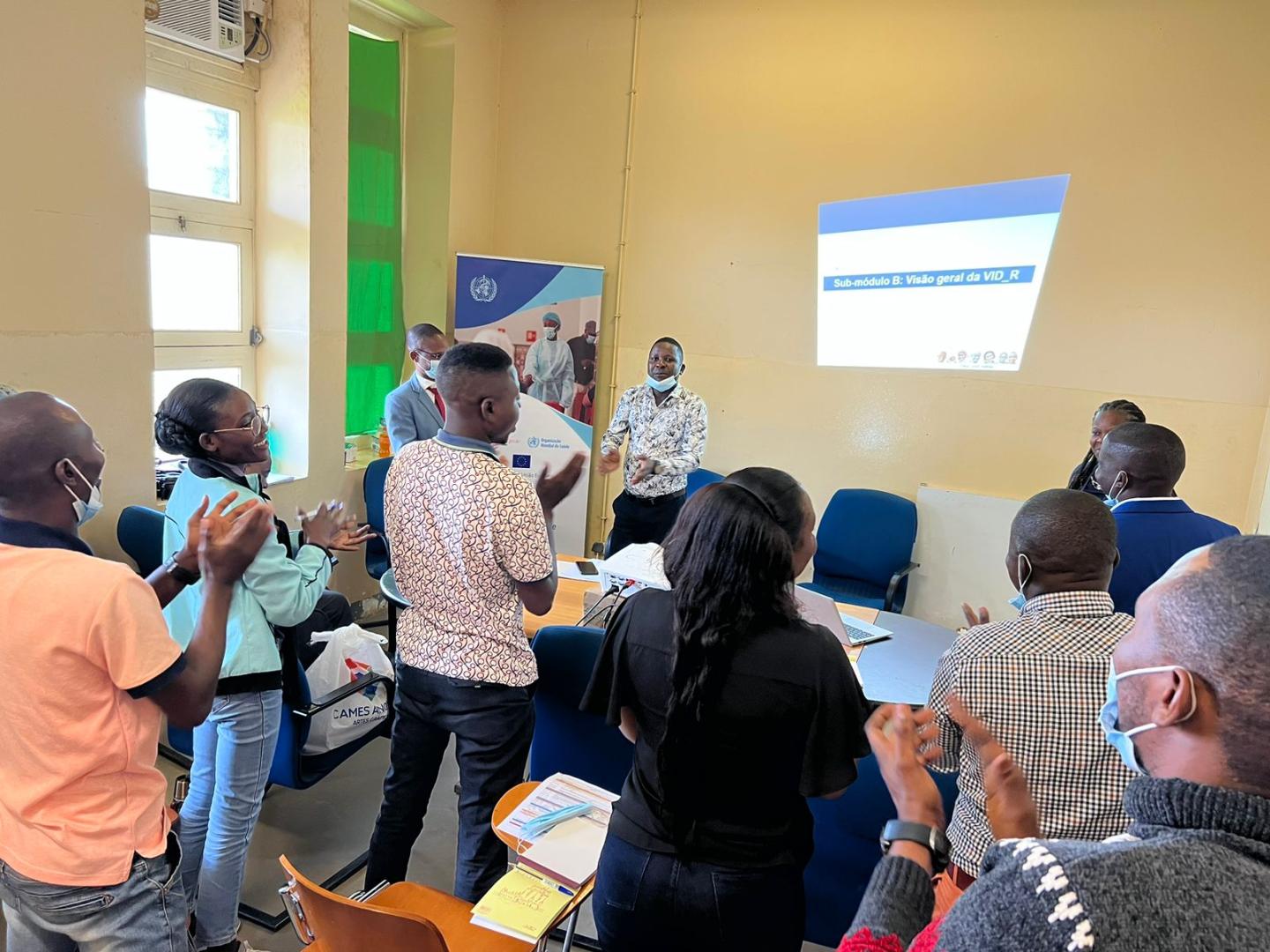
Mbanza-Congo, 3 June 2023: Over the past two years, Angola has seen significant improvements in the Health Information System, an essential mechanism for responding to public health emergencies and protecting the population. However, several challenges still need to be addressed in the epidemiological surveillance and epidemic response system, particularly regarding the capacity for case detection, notification, and investigation.
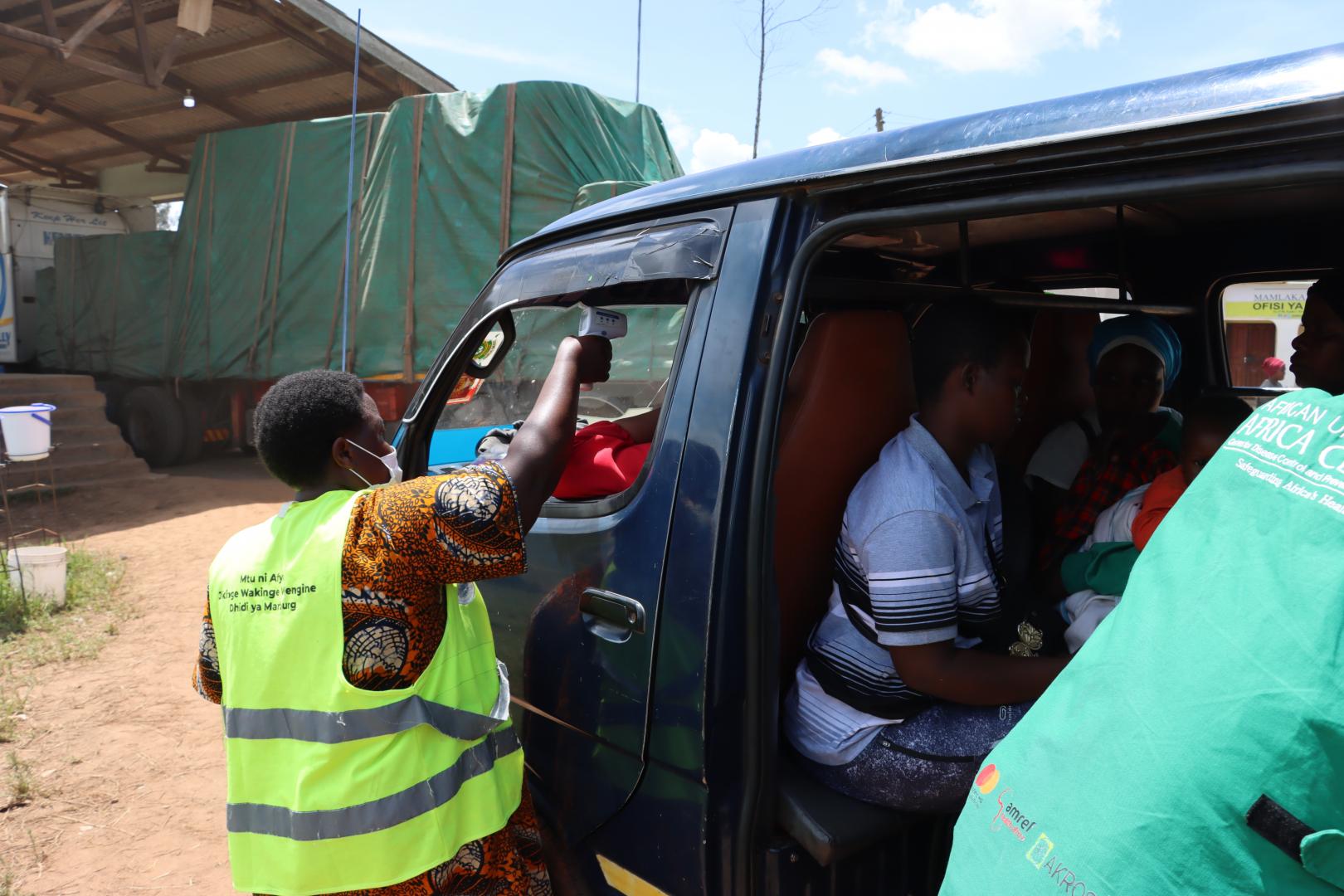
Marburg Virus Disease outbreak in Tanzania declared over
First large-scale campaign in DRC using innovative polio vaccine
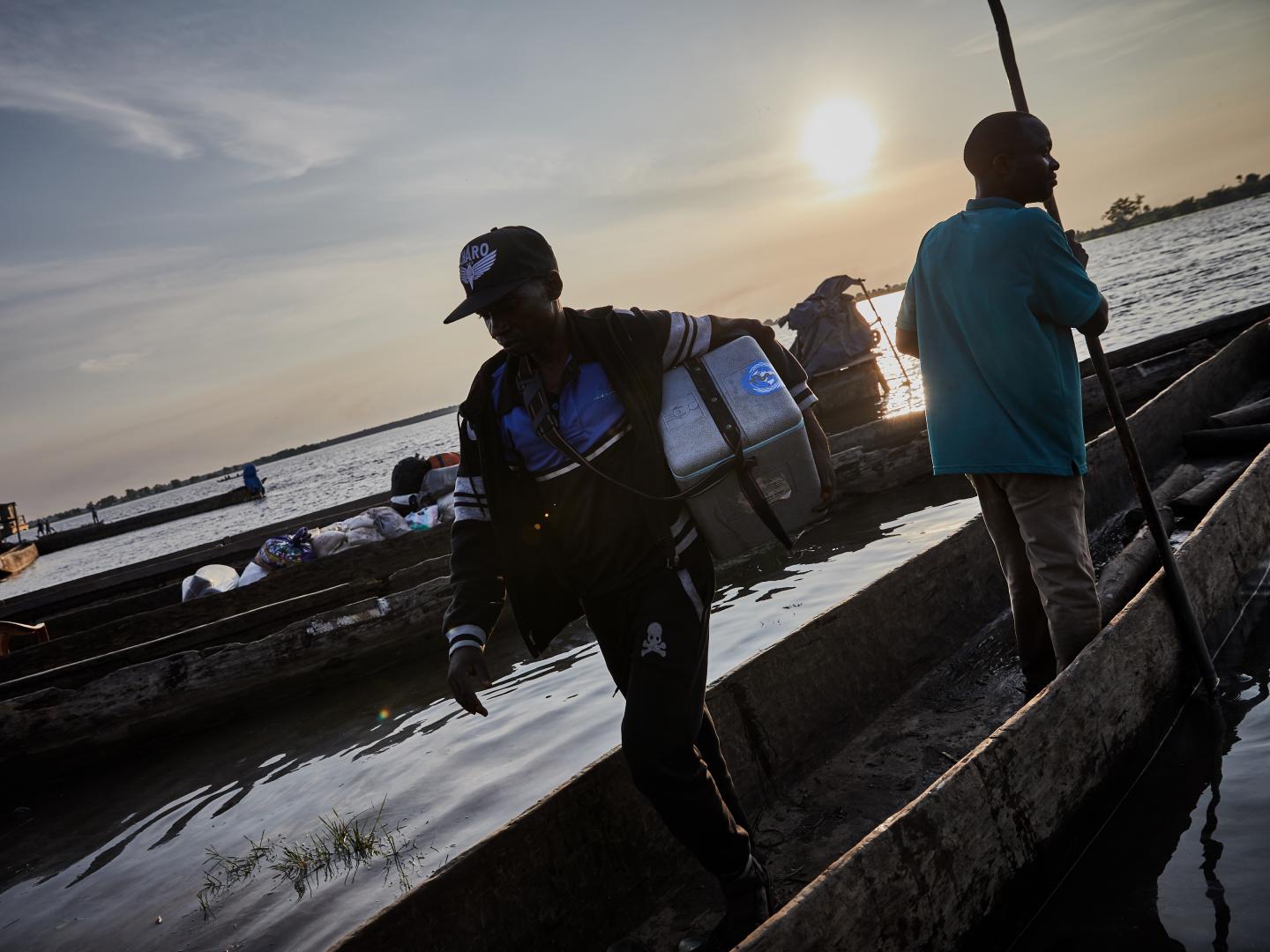
Brazzaville/Kinshasa - The Democratic Republic of the Congo (DRC) today launches its first major immunization campaign using the novel polio vaccine type 2 (nOPV2), to protect children against the devastating consequences of the virus.
Flattening the curve in Tanzania: WHO and AIRA train public health workers to fight Infodemic
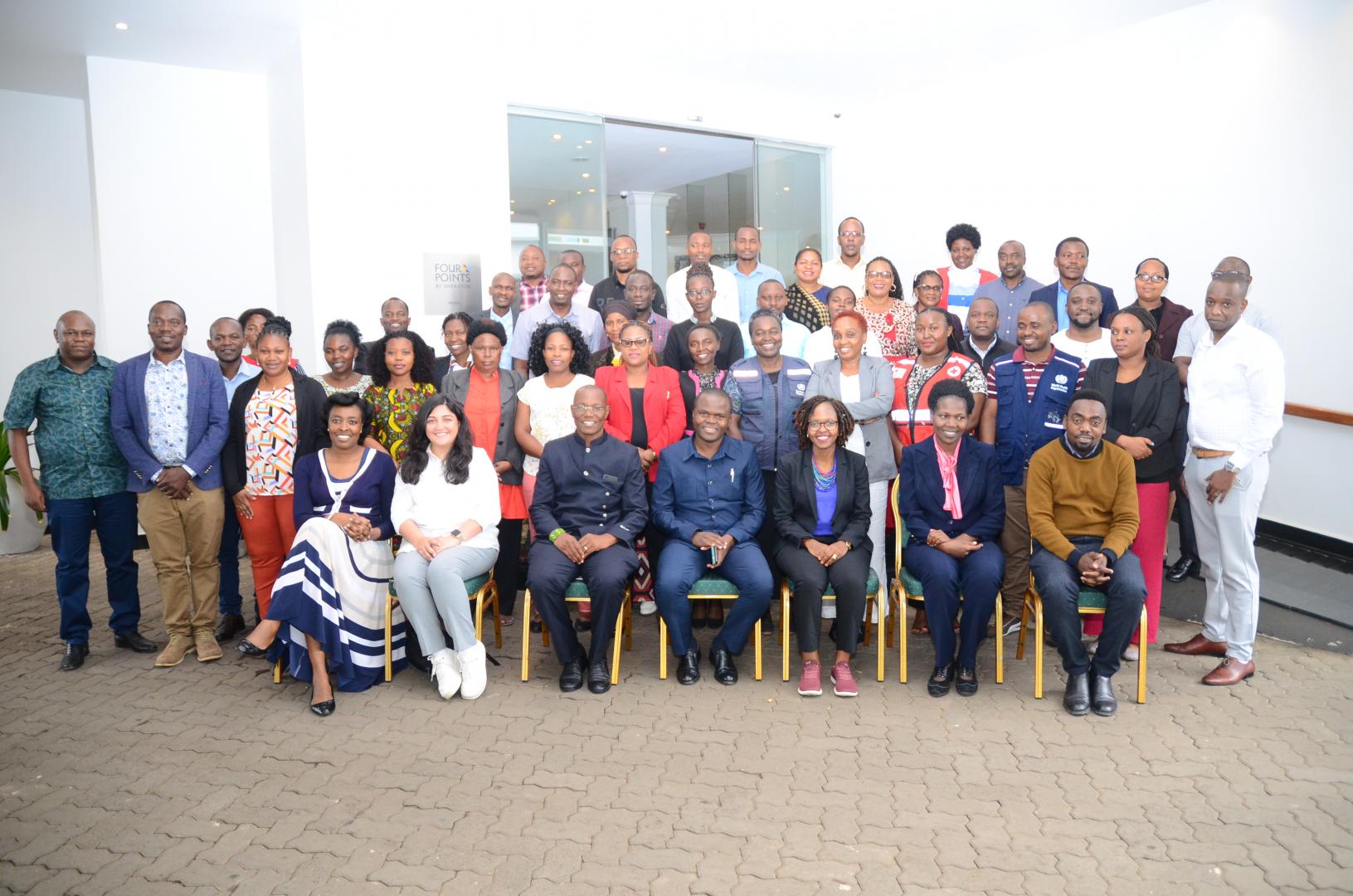
Dar es Salaam - As the World battled the COVID-19 pandemic, communities, individuals and institutions, and national health authorities contended with an overabundance of right and wrong information. This aggravated because of top-notch advancement in information technology.
WHO defines infodemic as an overabundance of accurate and inaccurate information during epidemics which many times led too confusion and ultimately mistrust in governments and public health response.
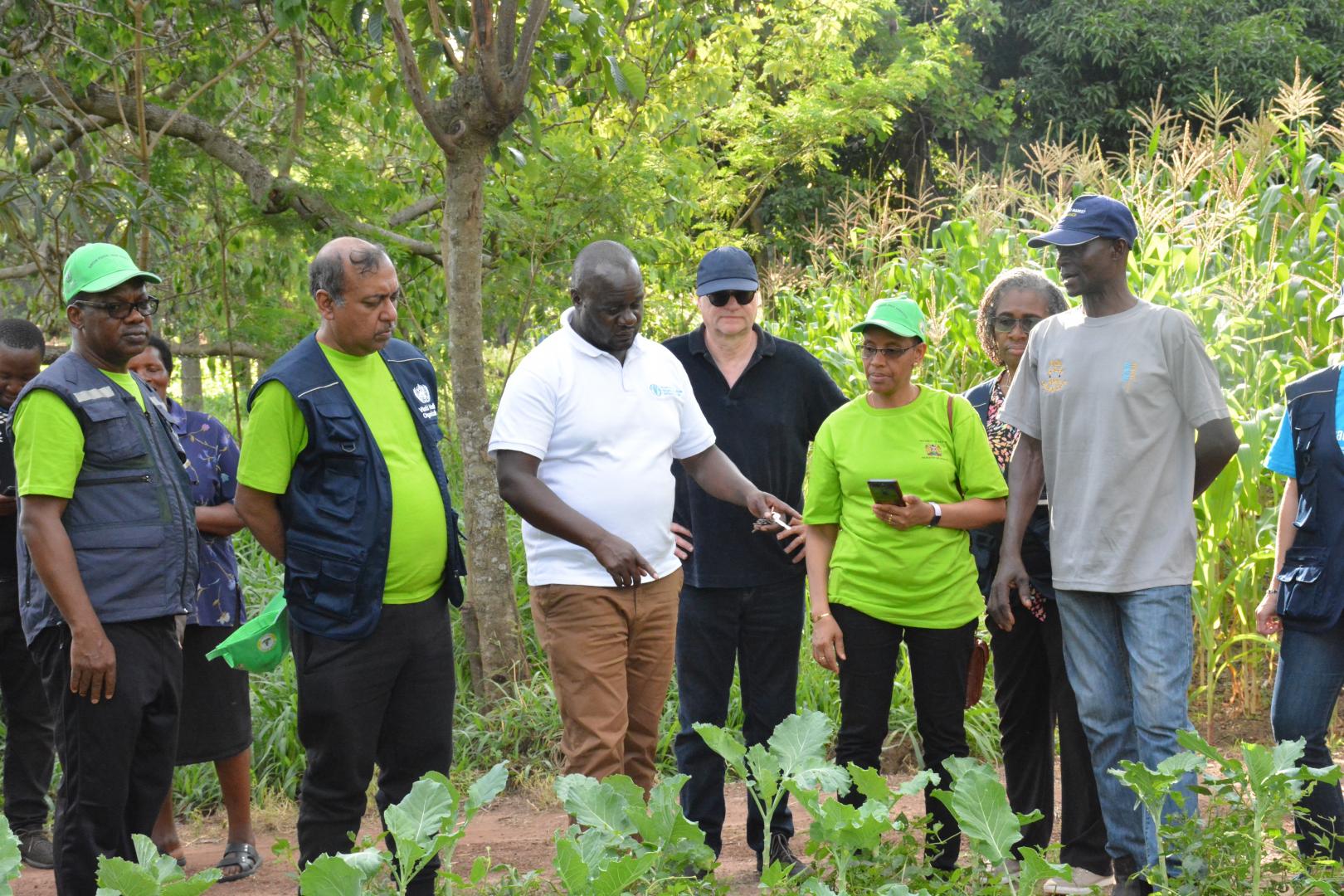
World No Tobacco Day: Grow Food Not Tobacco-WHO
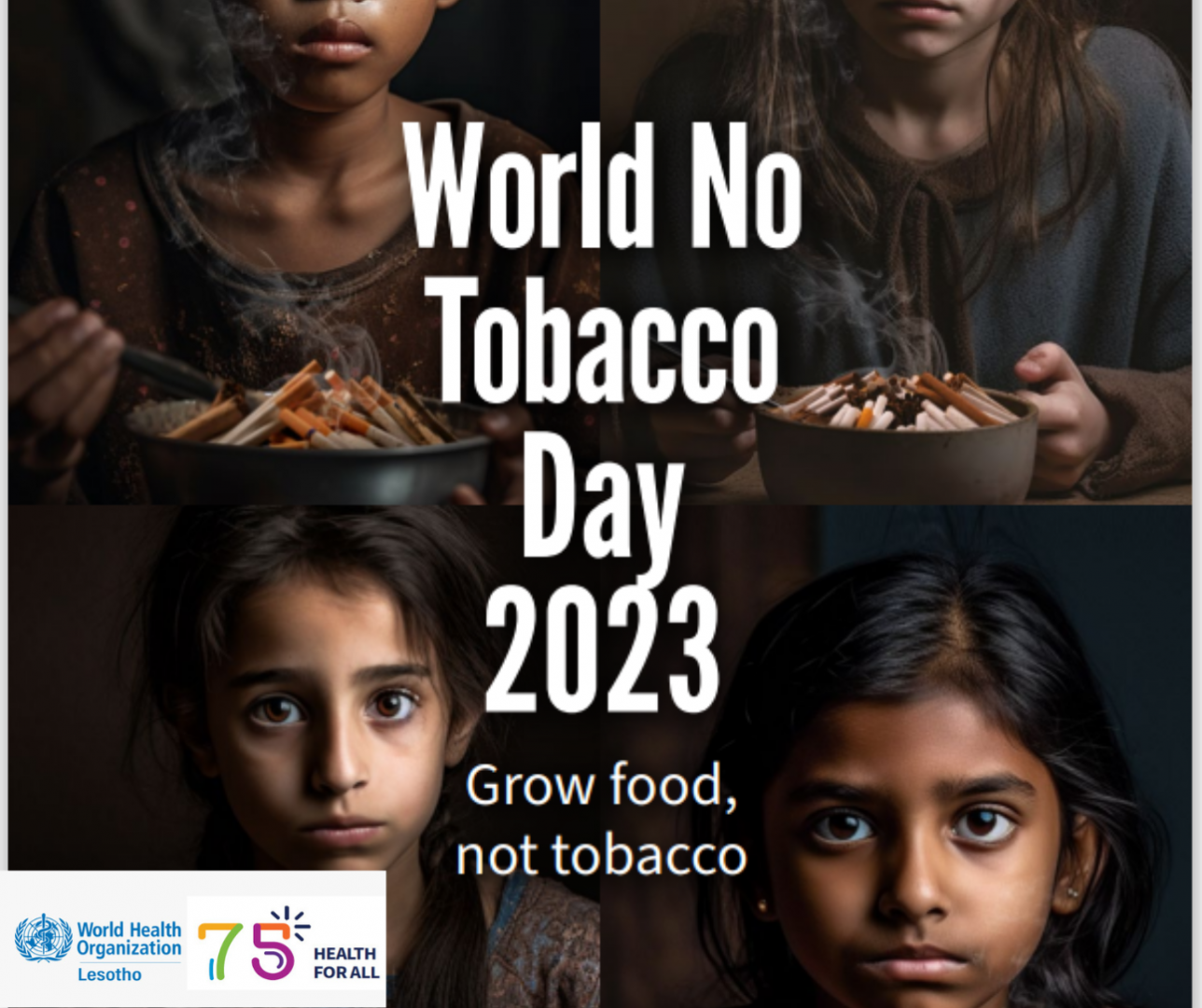
The tobacco epidemic is one of the biggest public health challenges the world has ever faced, killing more than eight million people around the world every year. While the number of people using tobacco products is decreasing in other parts of the world, it is rising in the Africa Region.
Africa steps up access to high-quality laboratory data for polio eradication
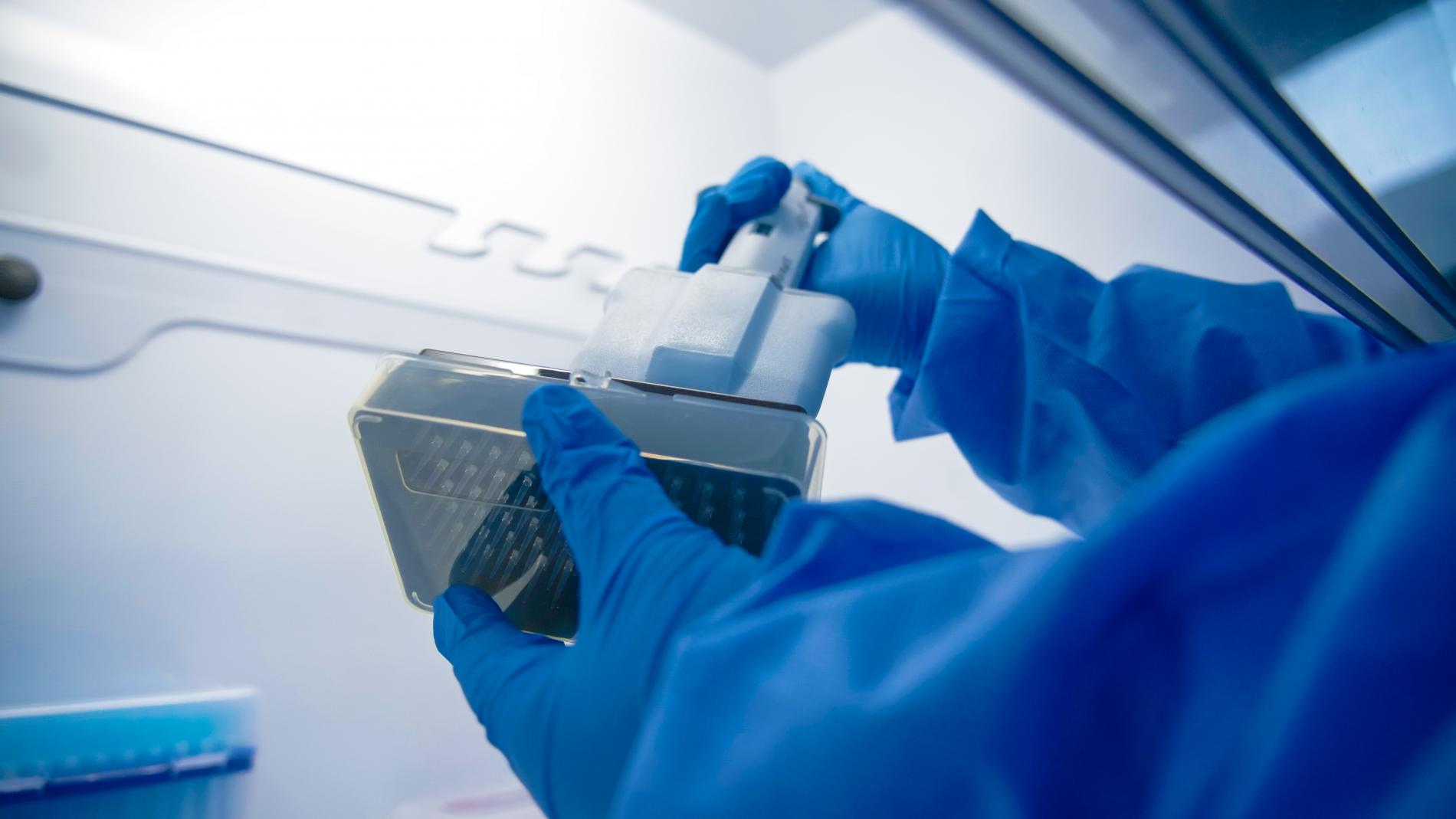
Brazzaville/Accra – While Africa has made significant progress in the fight against polio, the World Health Organization (WHO) is prioritizing the strengthening of in-country laboratory capacity in recognition of the critical role of high-quality data in the detection of poliovirus outbreaks.
In partnership with the Global Polio Laboratory Network (GPLN), WHO is capacitating countries including Cameroon, the Democratic Republic of the Congo, Kenya and Senegal in poliovirus sequencing techniques.
Kenya leads global World NO-Tobacco Event