Protecting nearly 800 000 people from bilharzia in four counties of South Sudan
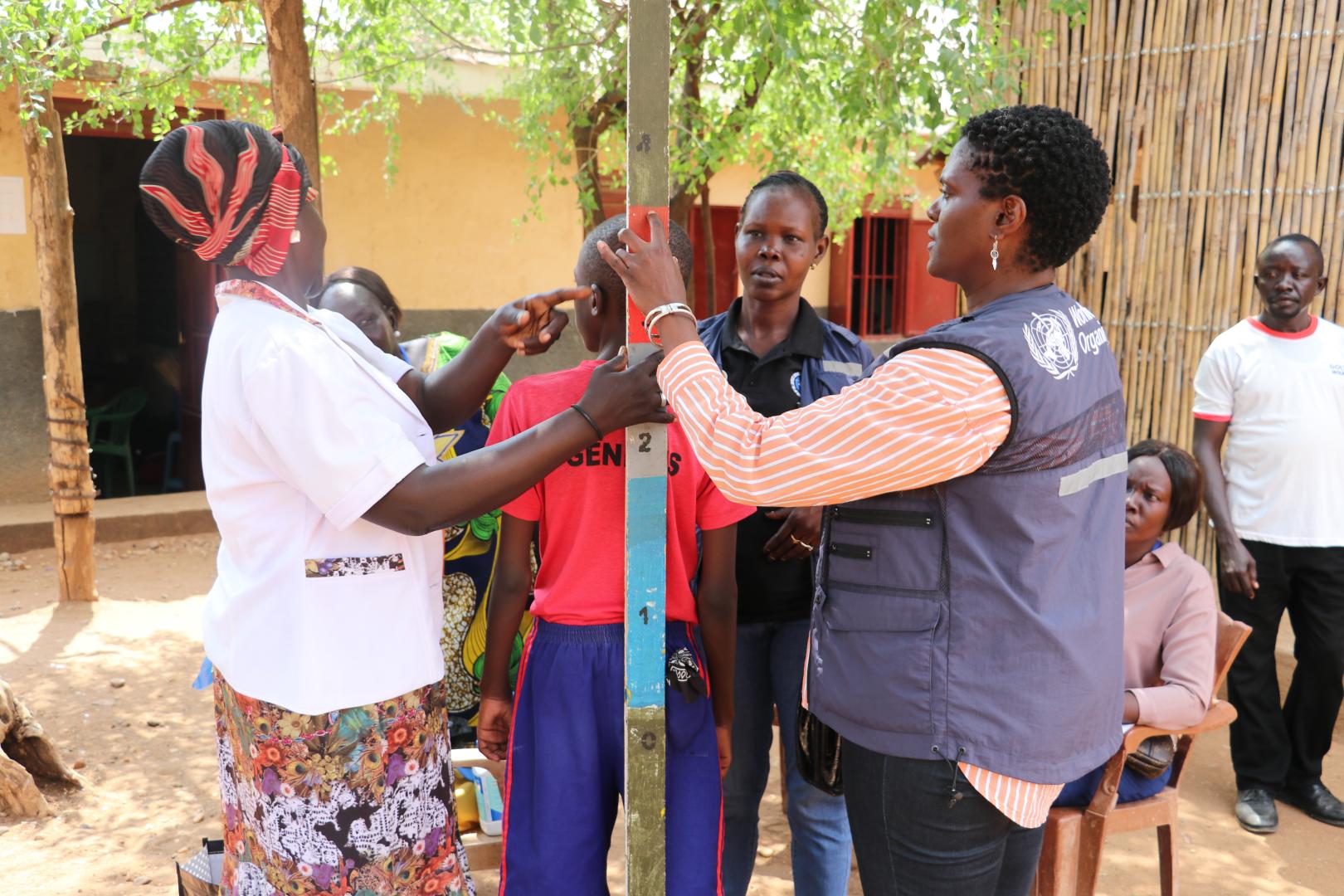
In an effort to protect people at risk of bilharzia in South Sudan, the Ministry of Health, with the support of the World Health Organization (WHO), conducted mass drug administration in four counties.
The aim was to interrupt transmission and protect school-aged children and adults at risk of infection in moderate to high-risk areas of South Sudan.
Bilharzia is a significant public health problem in many countries, and preventive chemotherapy has been demonstrated to benefit affected communities. However, it is still not readily accessible by all.
Engaging private facilities to enhance real time surveillance
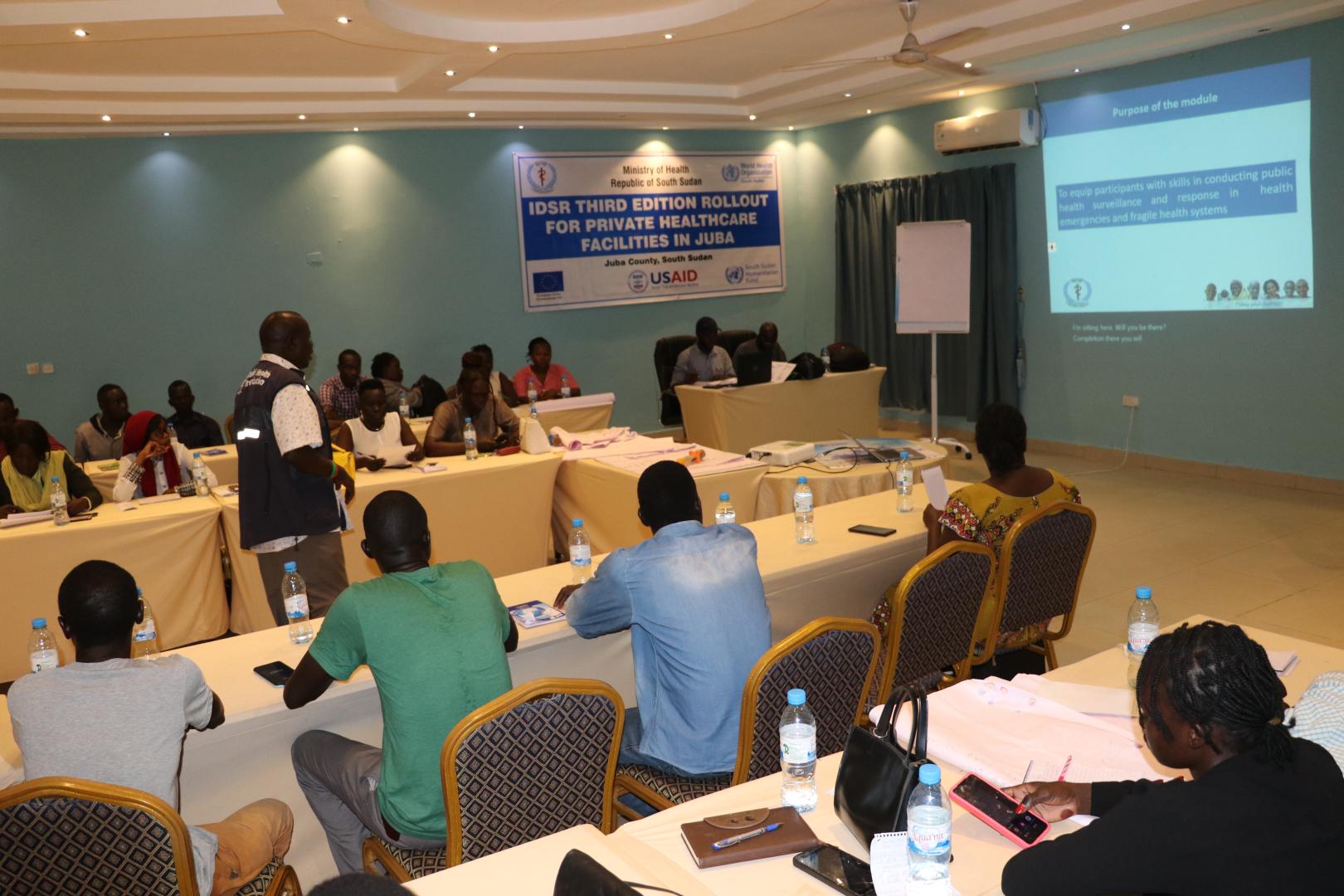
The Ministry of Health in South Sudan, working in partnership with the World Health Organization (WHO), has successfully trained 128 healthcare workers from major private health facilities on the Integrated Disease Surveillance and Response (IDSR) strategy and reporting tools in Juba.
Validation Workshop of the National Health Policy Framework, Namibia
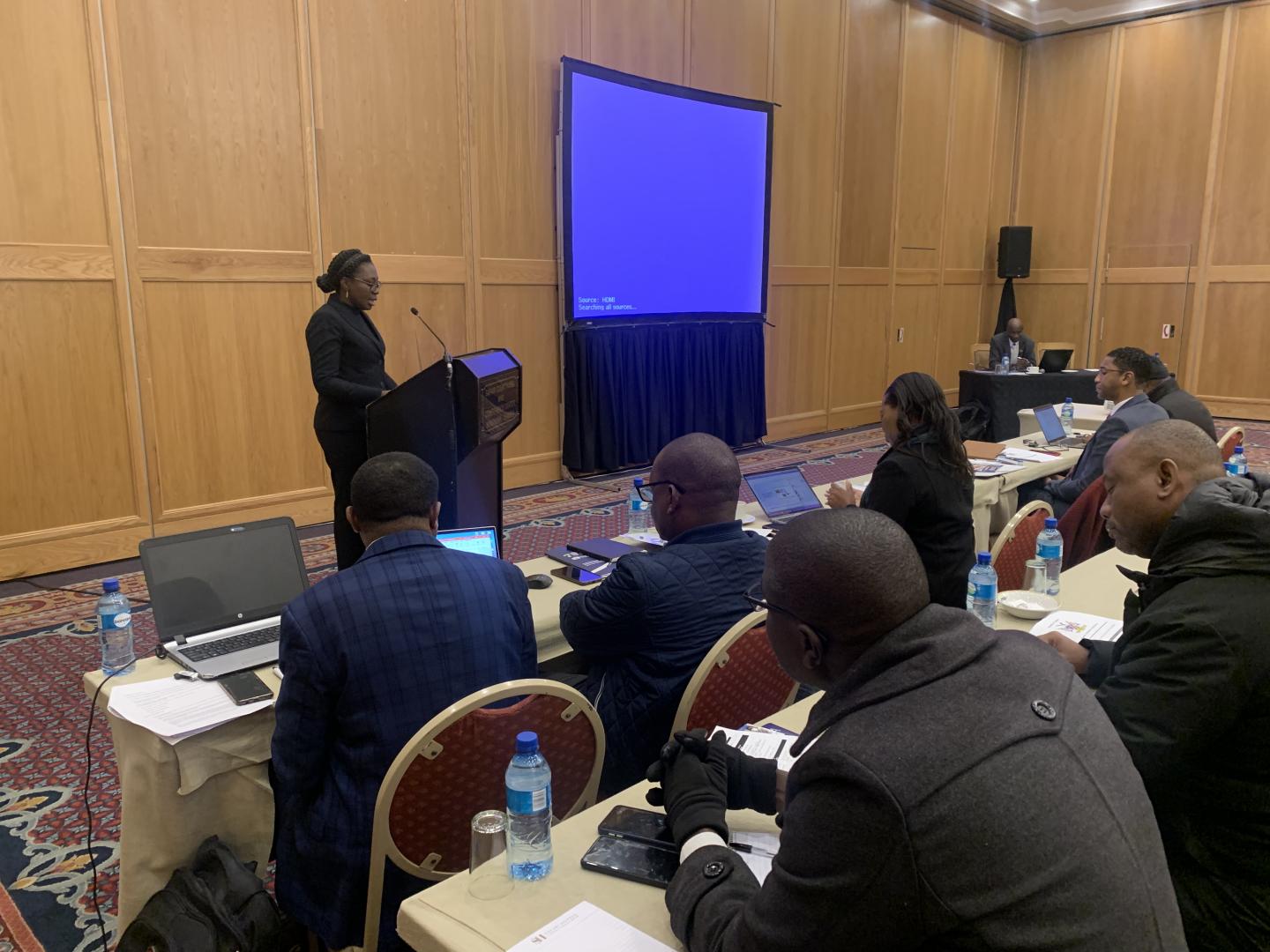
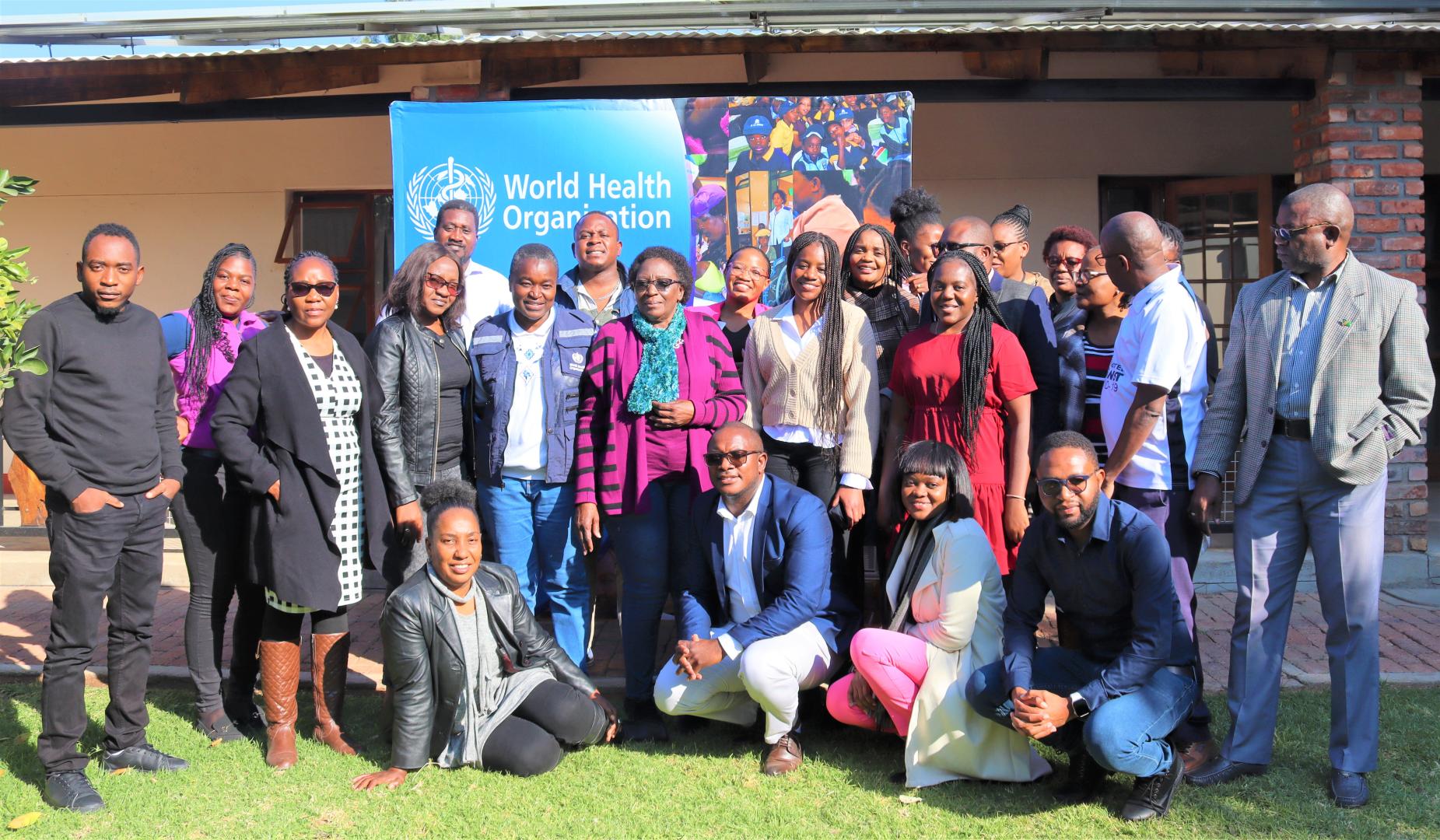
WHO Namibia in collaboration with the Ministry of Health and Social Services (MoHSS) Namibia organized a two-day stakeholder workshop to validate the National Health Policy Framework (NHPF) developed with support of WHO. The health sector strategic agenda in the country has been guided by the National Health Policy Framework (NHPF) 2010-2020 and the MoHSS Strategic Plan 2017/18-2021/22.
Strengthening Namibia’s Risk Communication Systems
The COVID-19 pandemic demonstrated that health is not just a prerequisite to development but is fundamental to economies, societies, national security, and political stability. The emphasis on ‘building back better’ allows governments across the globe to re-think their strategies for emergency preparedness and response to avoid and largely minimize the devasting impact witnessed during the acute phase of the COVID-19 pandemic.
Delivering integrated health response to save lives in food-insecure States of South Sudan
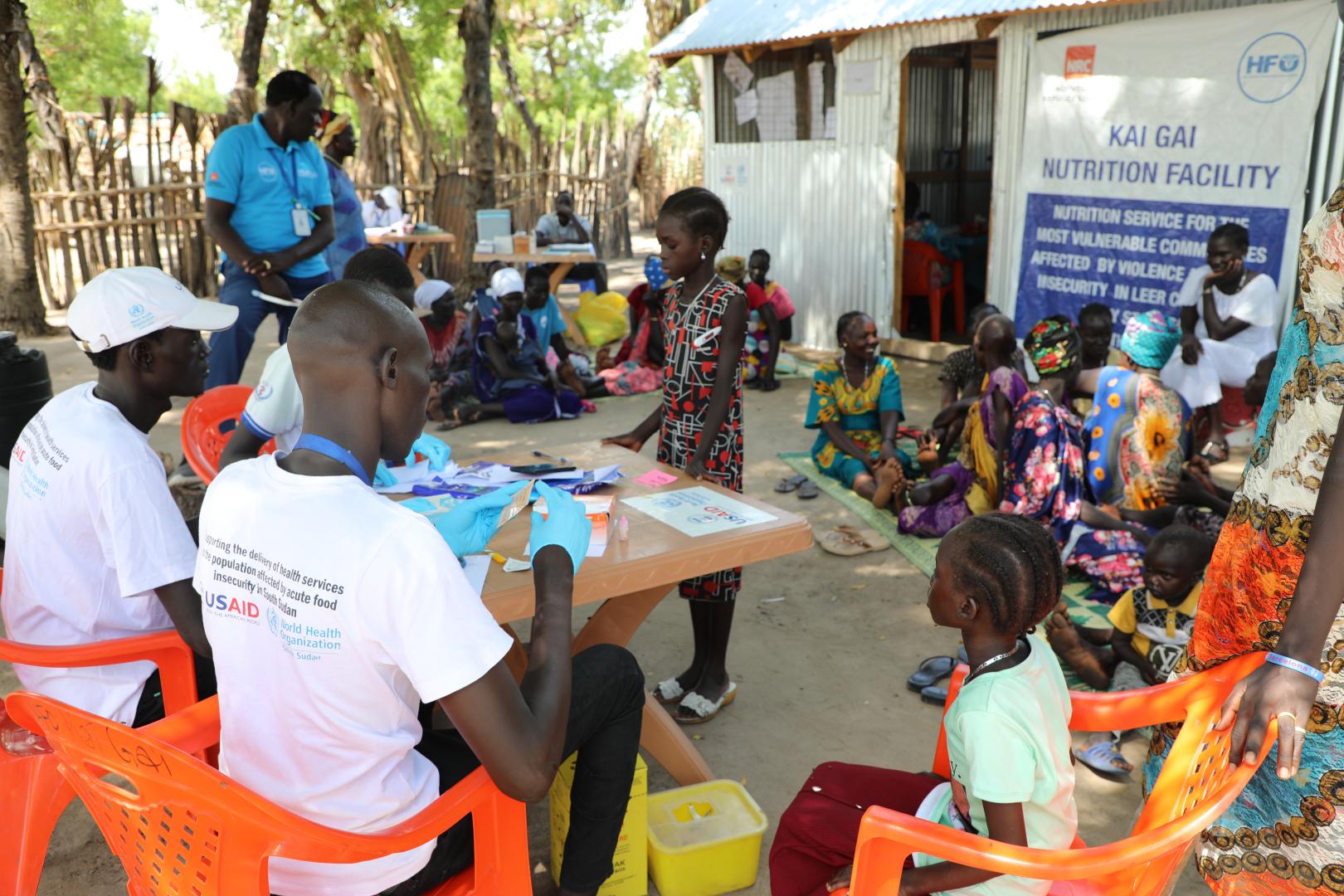
Mrs Nyanaath Gatleel Luoy, a 29-year-old mother of three, and her fellow villagers have been struggling to access healthcare services due to the long distance they need to walk to reach the medical center in Leer, which is several kilometers away.
"I had to walk 10 kilometers from our village in Kai Gai to seek treatment for my children in Leer hospital when they are sick because roads are sometimes impassable," said Mrs Luoy
Annual East and Southern African Immunization Managers Meeting 2023 ends, adopts recommendations.
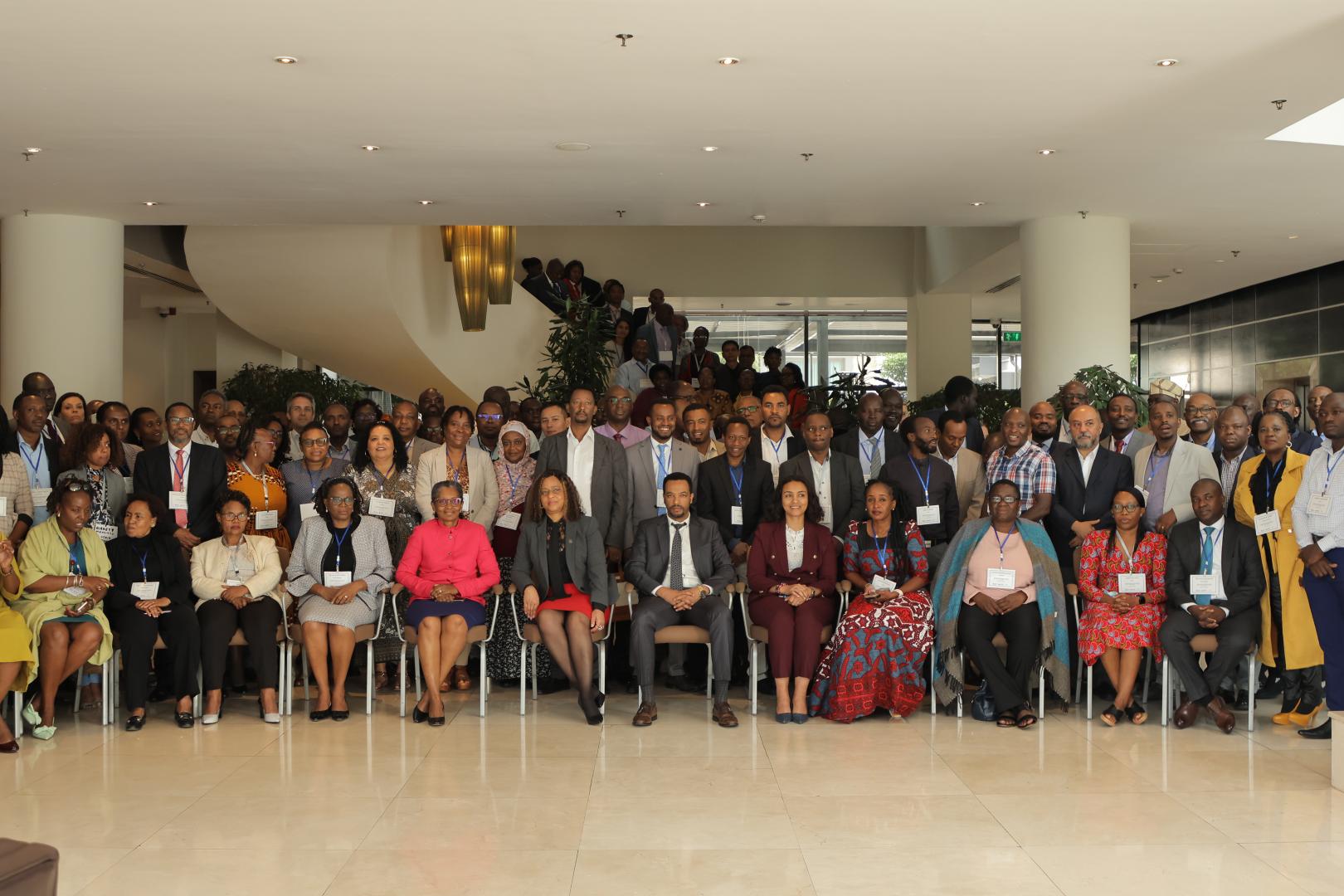
Call on ESA countries to restore immunization progress lost during the pandemic
Democratic Republic of the Congo faces acute health crisis amid rising violence
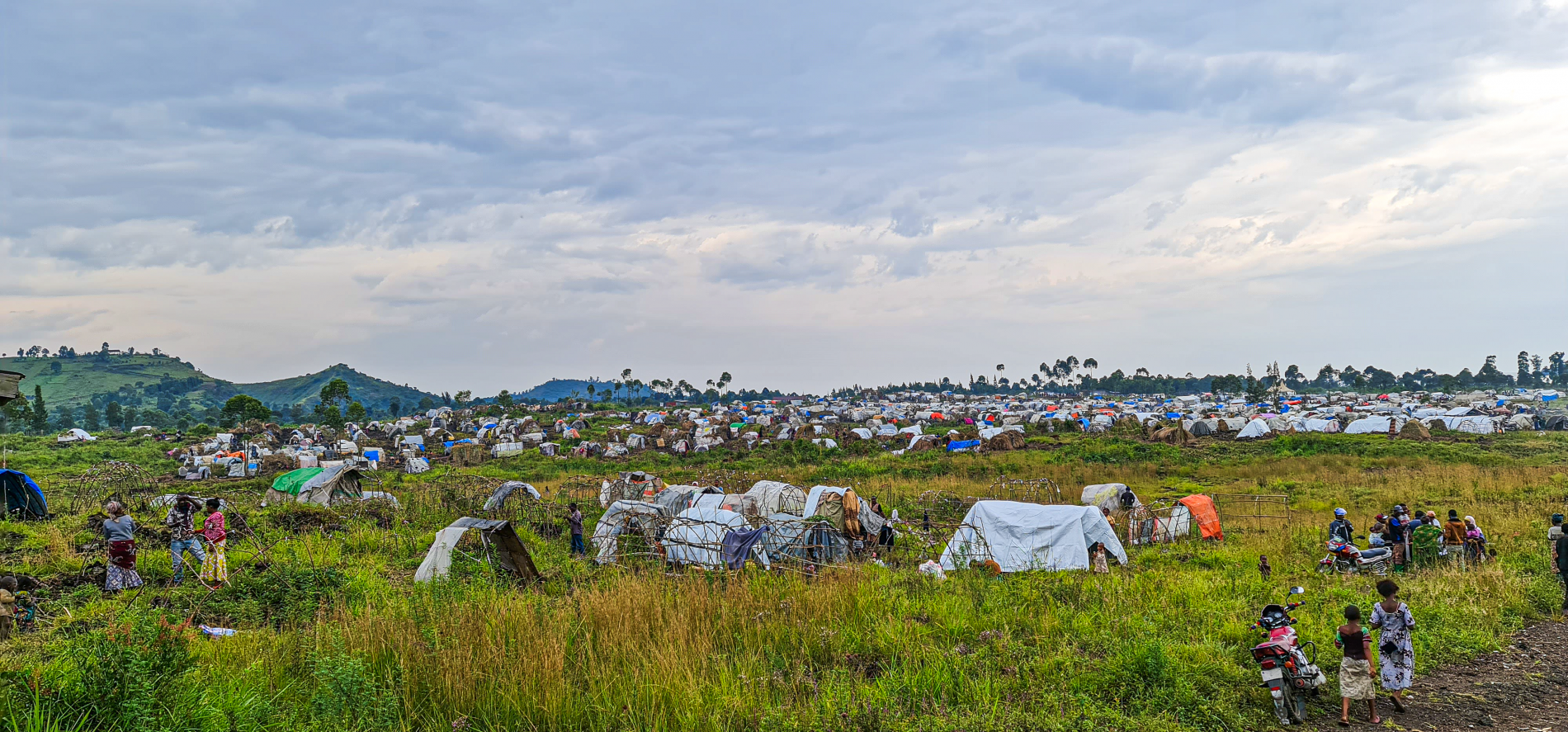
Kinshasa – The number of internally displaced persons in the Democratic Republic of the Congo has more than doubled to 6.3 million since the end of 2022 amid a spike in conflict and insecurity, as well as natural disasters and disease outbreaks that are deepening the plight of millions of people and exponentially heightening health needs.
WHO Uganda Country Office in charity drive
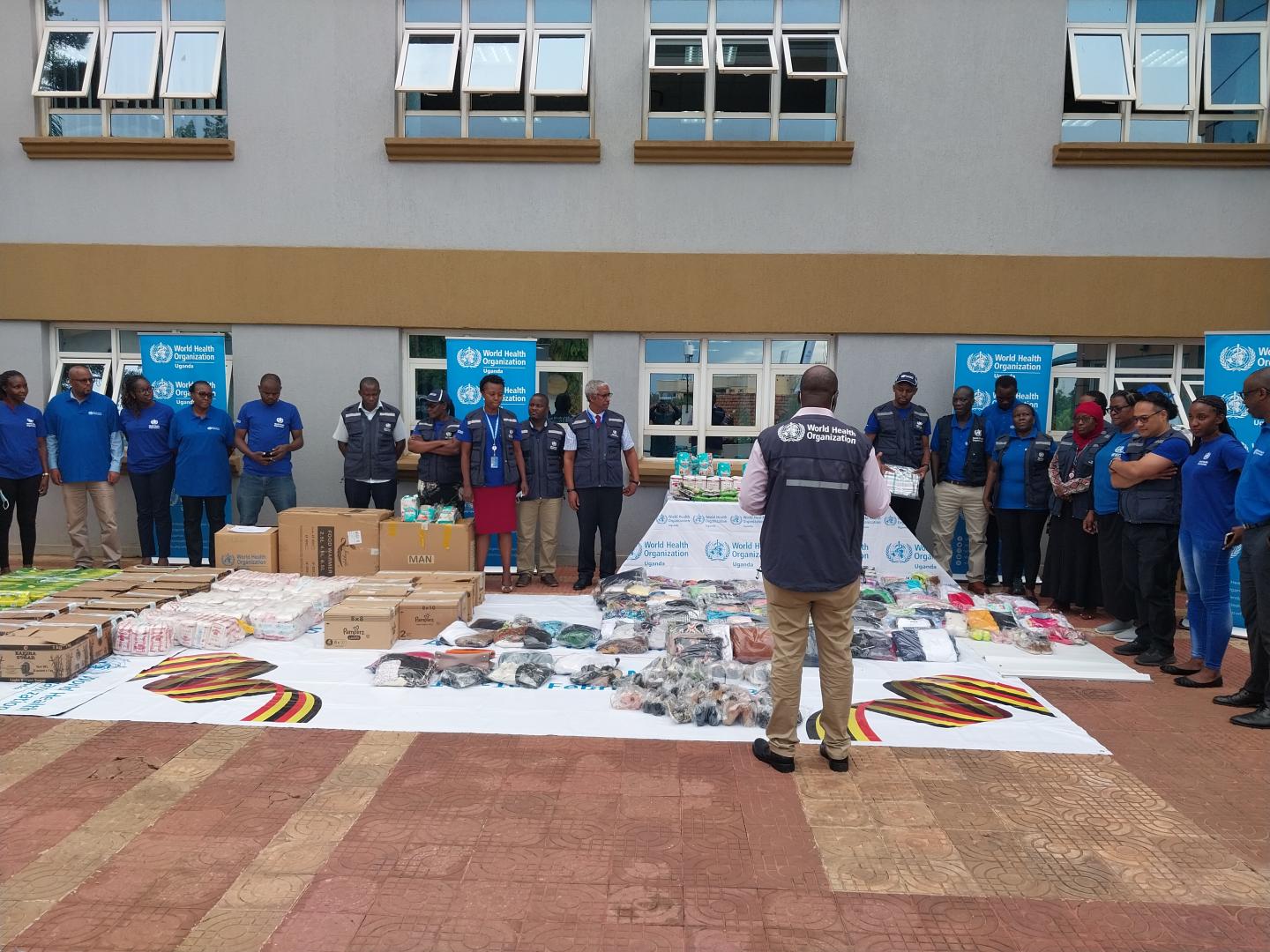
Kampala, Uganda – As part of the yearlong celebrations to mark the 75th anniversary of the World Health Organization (WHO) and commemorate the 2023 World Health Day, staff members at the Uganda Country Office organised a charity drive to support vulnerable children and bring smiles to at least 75 faces.