Botswana advances multisectoral action to strengthen tobacco control
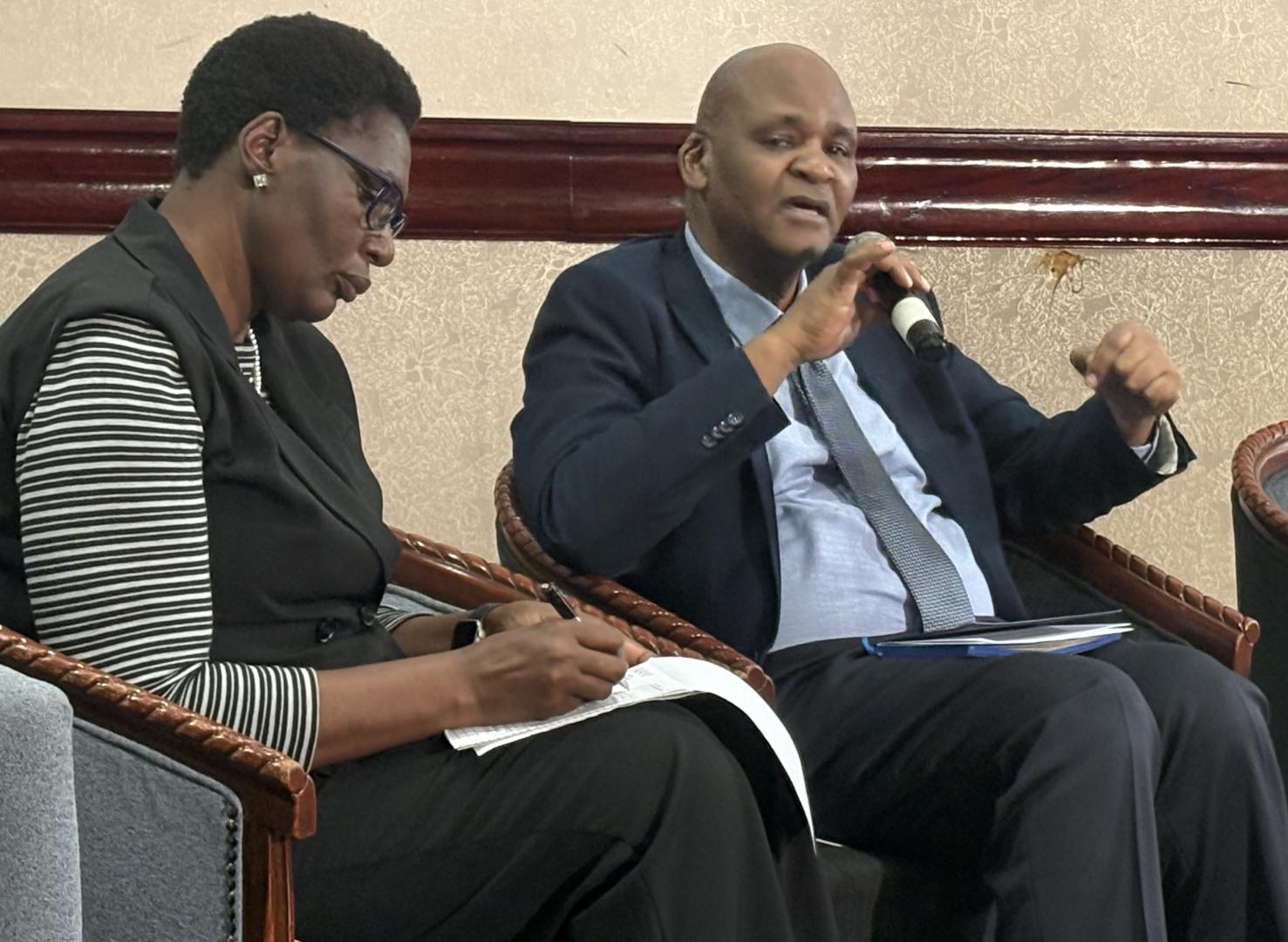
Botswana is reinforcing its commitment to protecting public health through stronger multisectoral collaboration on tobacco control. In May 2026, government institutions, civil society organizations and development partners came together to advance efforts aimed at reducing the health and social impacts of tobacco use and preventing interference from the tobacco industry.
The Knowledge Centre of the Secretariat of the WHO Framework Convention on Tobacco Control is strengthening the skills of national experts in tobacco taxation.

Praia, Cabo Verde. With the aim of creating a learning platform to facilitate the exchange of experiences between countries and partners, gather lessons learnt, and support the development of future strategies to strengthen health fiscal policies, officials from the Ministries of Finance and Health attended a regional workshop entitled “From experience to impact: lessons and innovations in tobacco and other health taxes”. This workshop was organized by the University of Cape Town, a
Botswana strengthens mortality data quality through improved cause of death certification and reporting
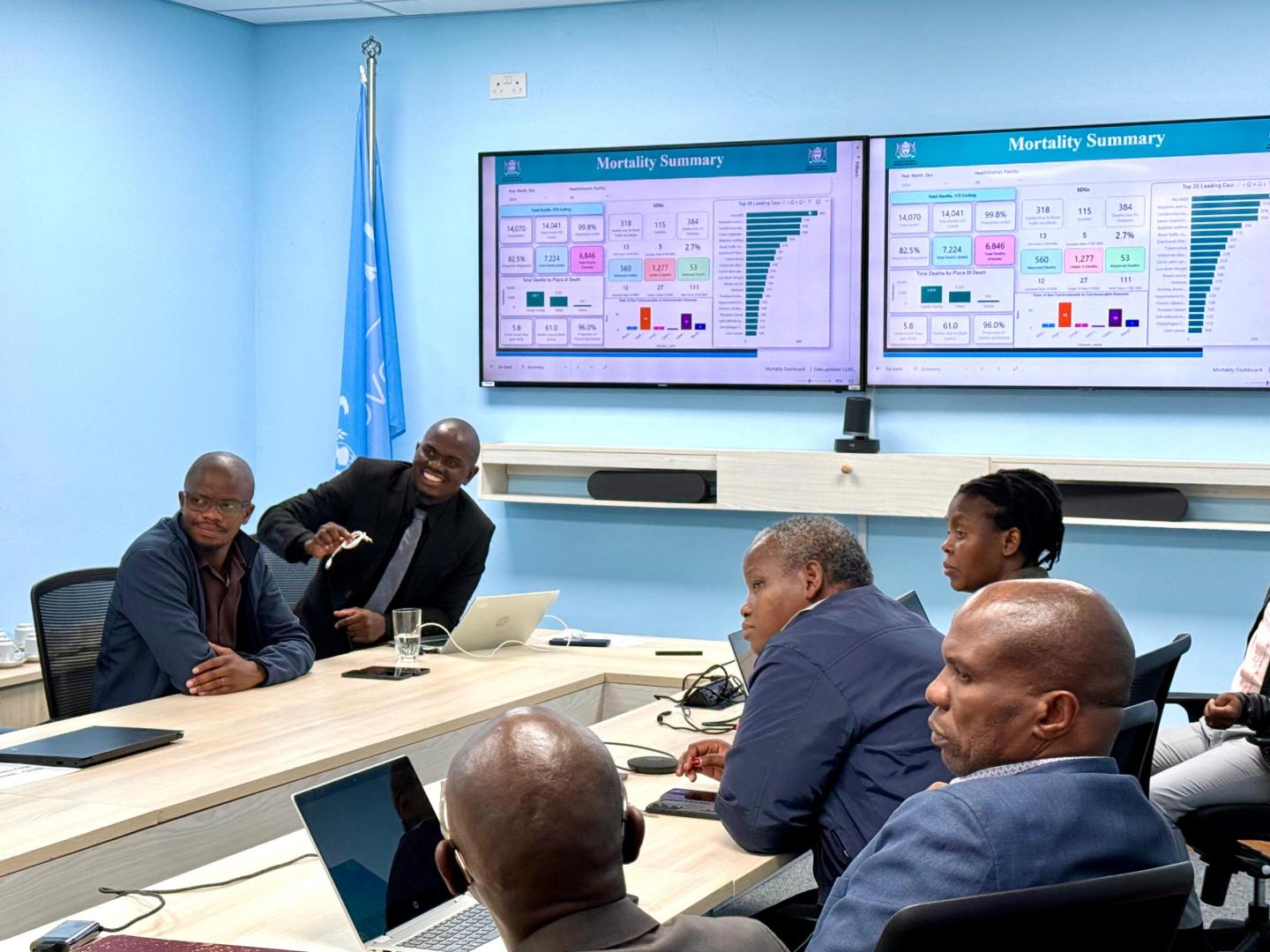
Botswana launched a national initiative focused on improving the coverage and quality of cause-of-death reporting. The initiative forms part of Botswana’s broader efforts to strengthen health information systems and ensure that mortality statistics provide a sound basis for evidence-informed decision-making.
WHO and Pandemic Fund support Sierra Leone’s emergency response with donation of 16 motorbikes
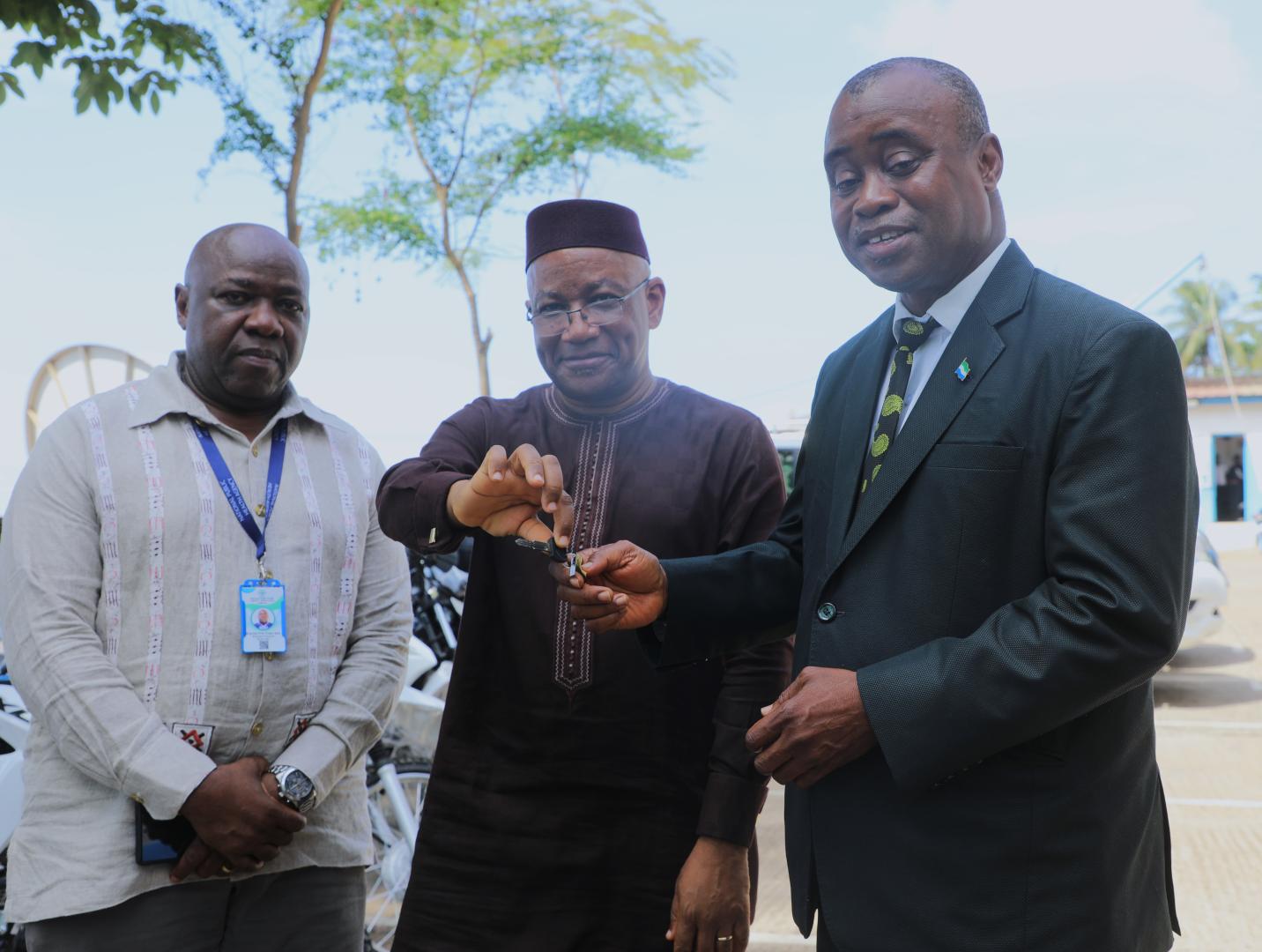
Freetown - The Ministry of Health (MoH) and the National Public Health Agency (NPHA) have received sixteen Honda motorbikes from the World Health Organization (WHO), with support from the Pandemic Fund, to strengthen public health emergency preparedness and response across Sierra Leone.
WHO participates virtually in the 9th International Congress on Ageing and reaffirms its commitment to healthy ageing
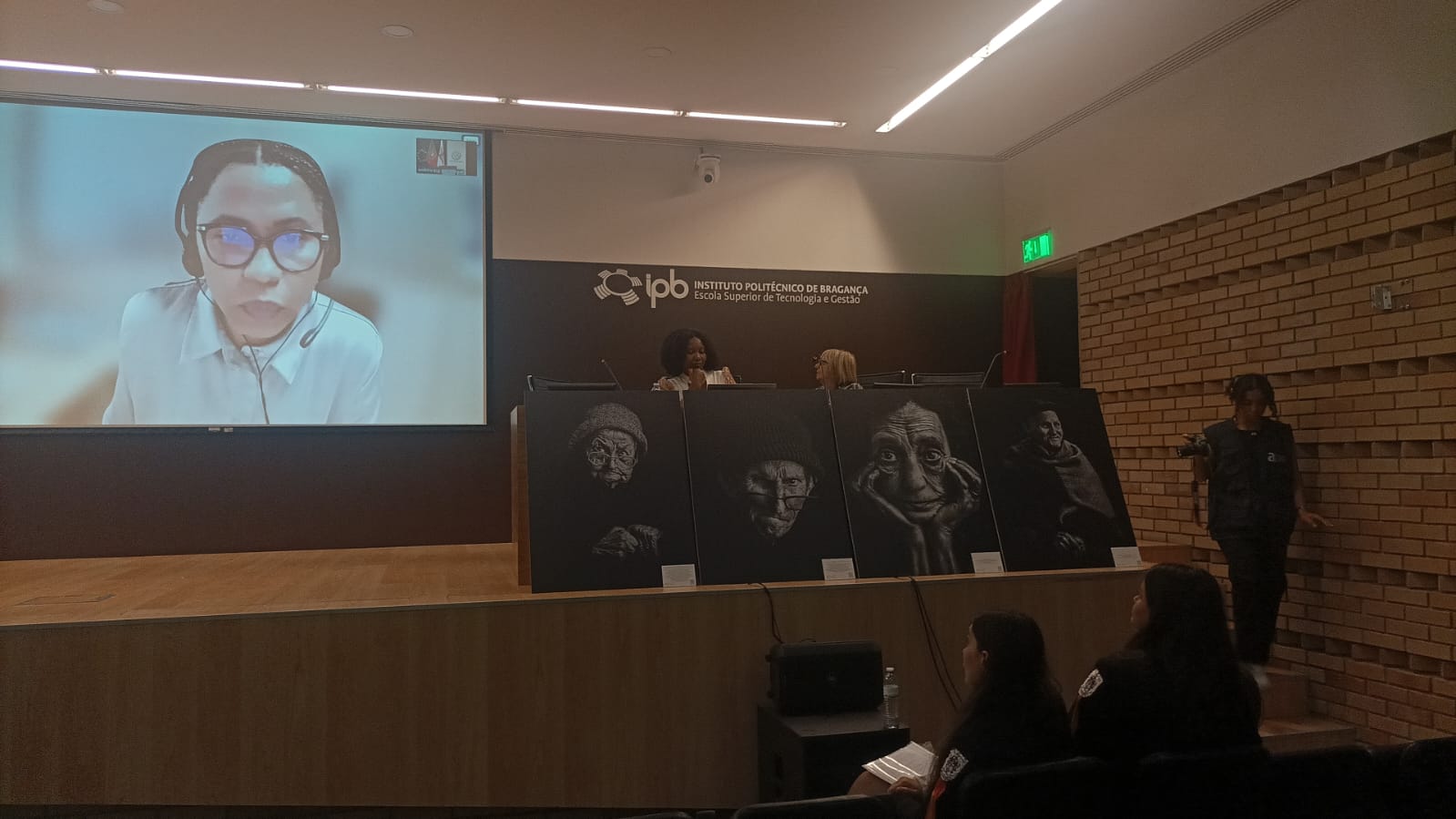
Praia, Cabo Verde. The World Health Organization (WHO) participated virtually in the 9th International Congress on Ageing, held from 18 to 22 May, under the theme “Ageing without growing old”.
Improving hospital care for severe acute malnutrition in children
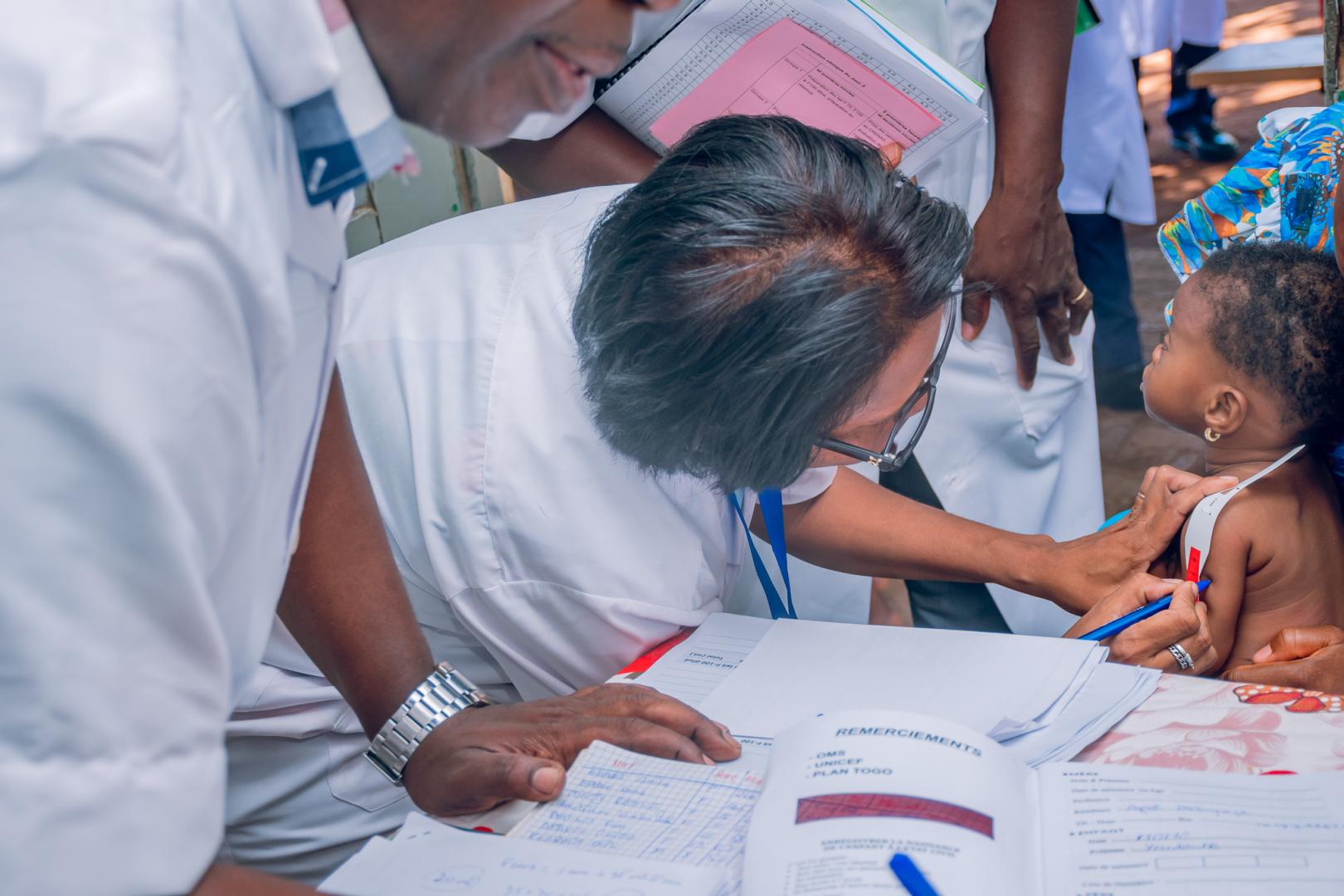
Brazzaville, Kampala, Lomé—The World Health Organization (WHO) Regional Office for Africa, in collaboration with ministries of health, partner hospitals, and with support from Irish Aid, organized a series of regional training-of-trainers sessions to strengthen hospital care for severe acute malnutrition (SAM) with medical complications.
From uncertainty to confidence: How breastfeeding support is transforming care for mothers and newborns in Sierra Leone
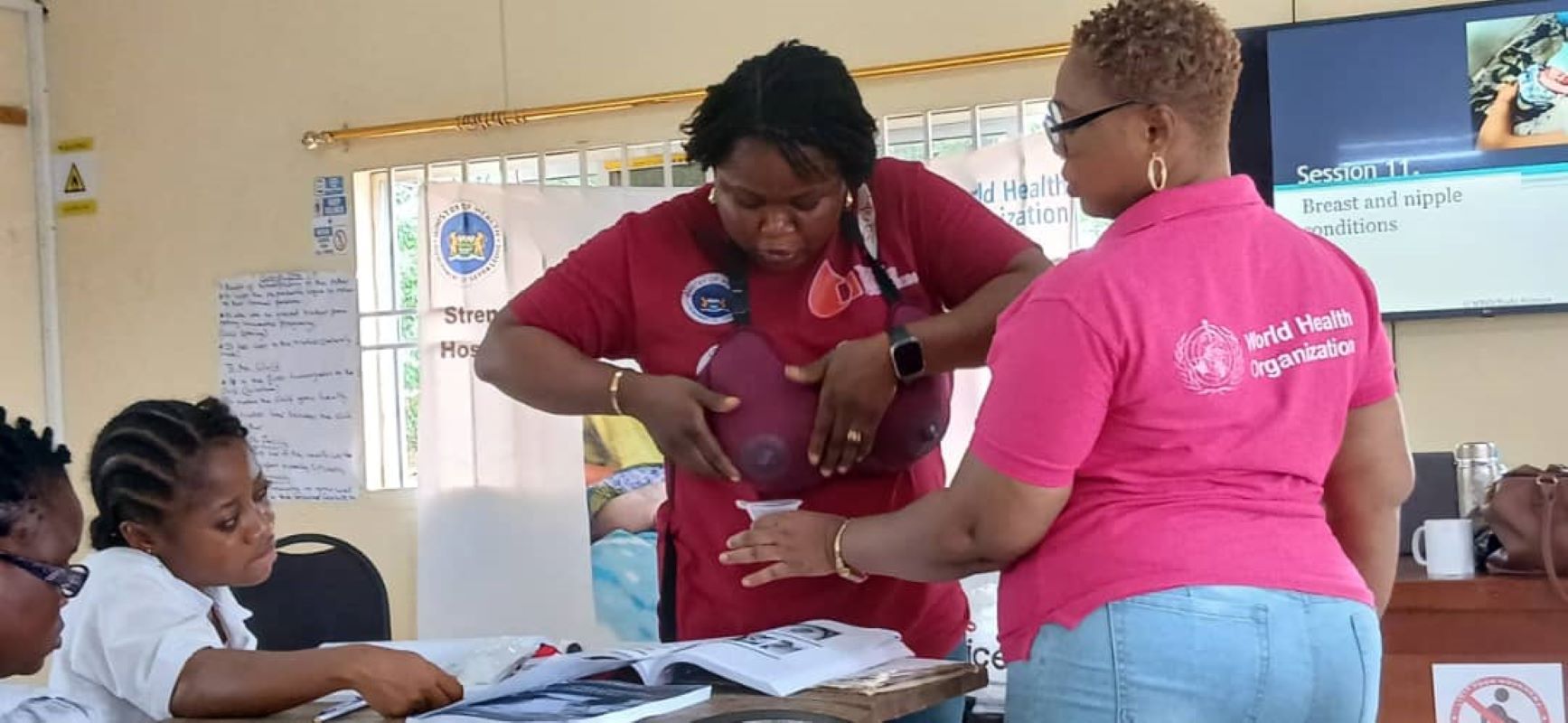
When Mariama Kallon gave birth to her third child at Kailahun Government Hospital in eastern Sierra Leone, she expected the same experience as with her first two deliveries: uncertainty, pain, and the feeling that she was largely on her own once the baby arrived.
Countries in the Horn of Africa and Yemen recommit to ending variant poliovirus
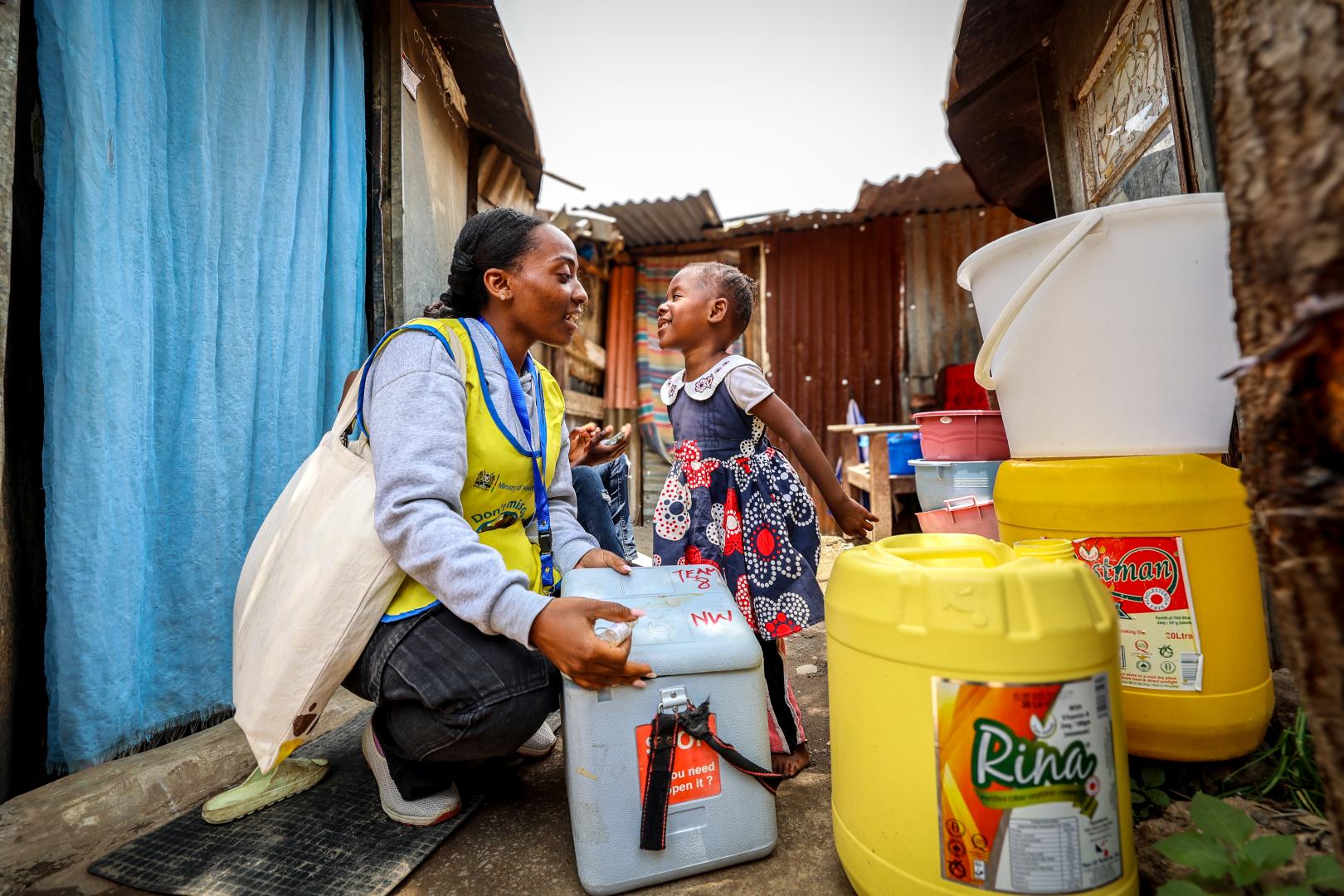
Geneva, Switzerland – During the Interministerial Meeting on Polio in the Horn of Africa and Yemen,
Intensifying cross-border collaboration to curb Ebola outbreak
Kampala — Health ministers, emergency experts and partners from the Democratic Republic of the Congo, Uganda and South Sudan gathered in Kampala this week to strengthen cross-border coordination as efforts are scaled up to respond to the outbreak of Bundibugyo virus disease in the Democratic Republic of the Congo.
WHO Supports Zambia to Strengthen Access to Mental Health and Neurological Medicines and Services
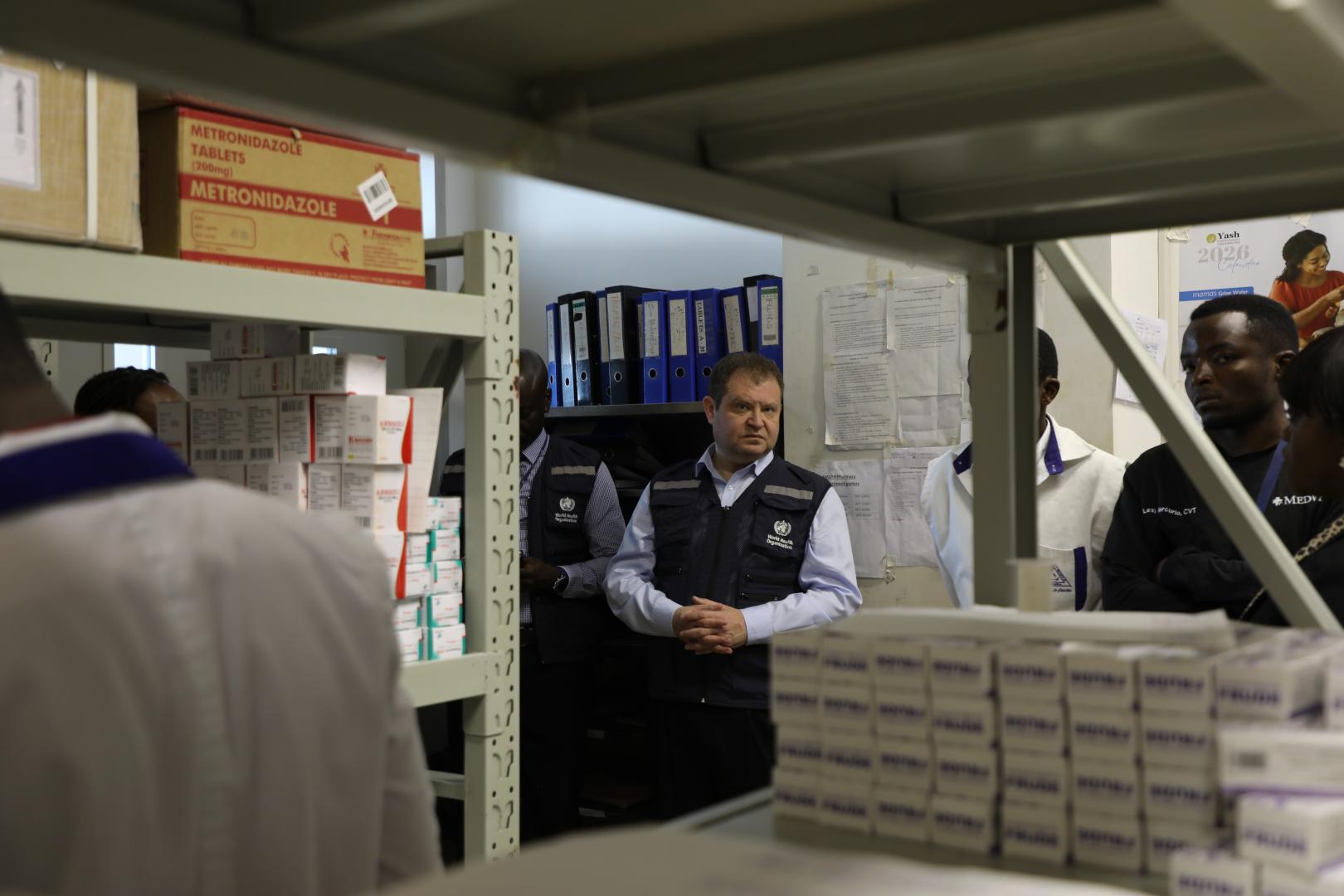
Lusaka, Zambia – The World Health Organization (WHO) in Zambia with assistance from WHO headquarters, and the Regional Office for Africa (AFRO) is supporting preparations for a national survey that will assess health system performance, with a particular focus on the availability and affordability of essential medicines for neurological and mental health conditions.