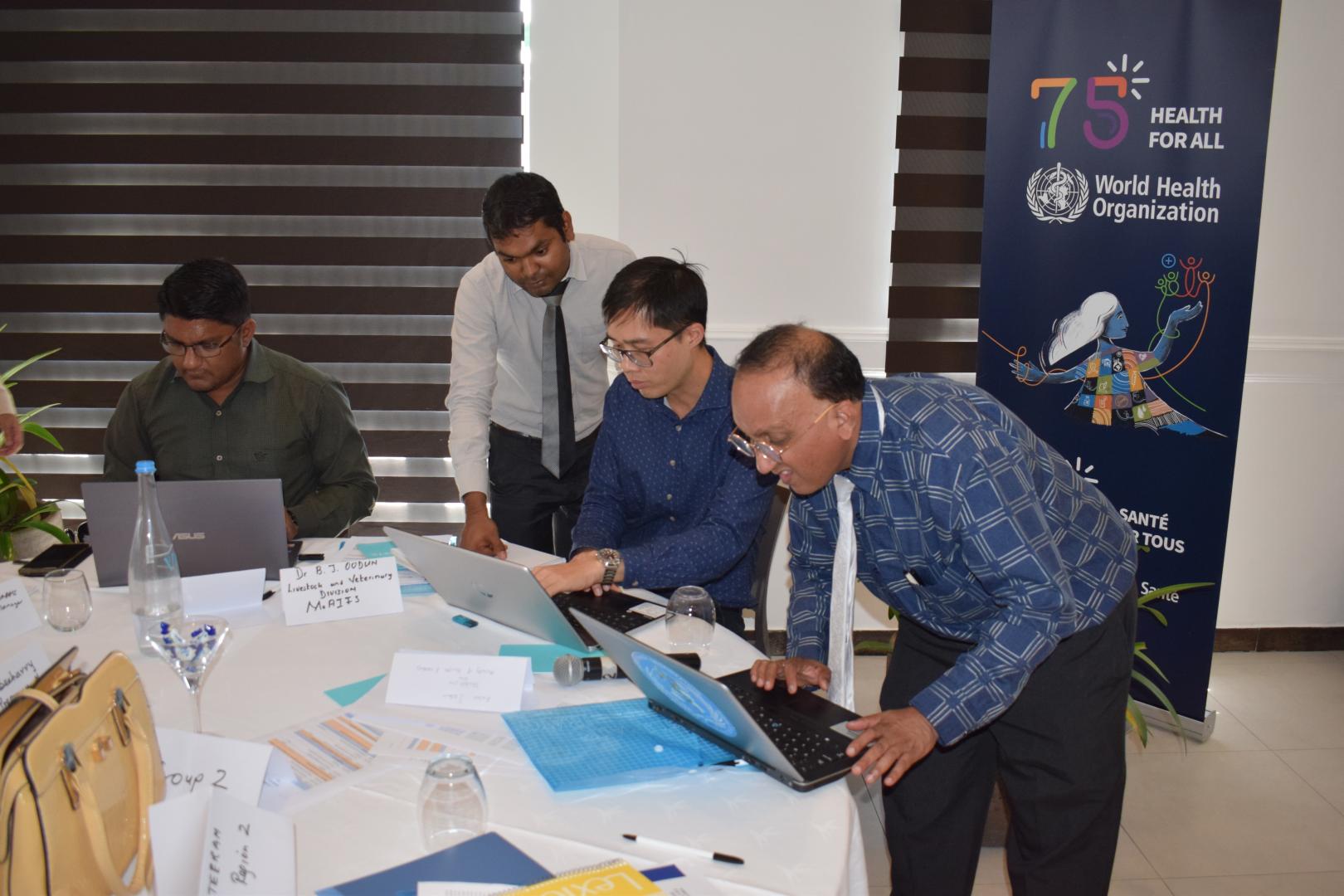
Mauritius upscales Integrated Disease Surveillance and Response
WHO Africa, Bill and Melinda Gates Foundation pursue collaboration to leverage data analytics to fight diseases
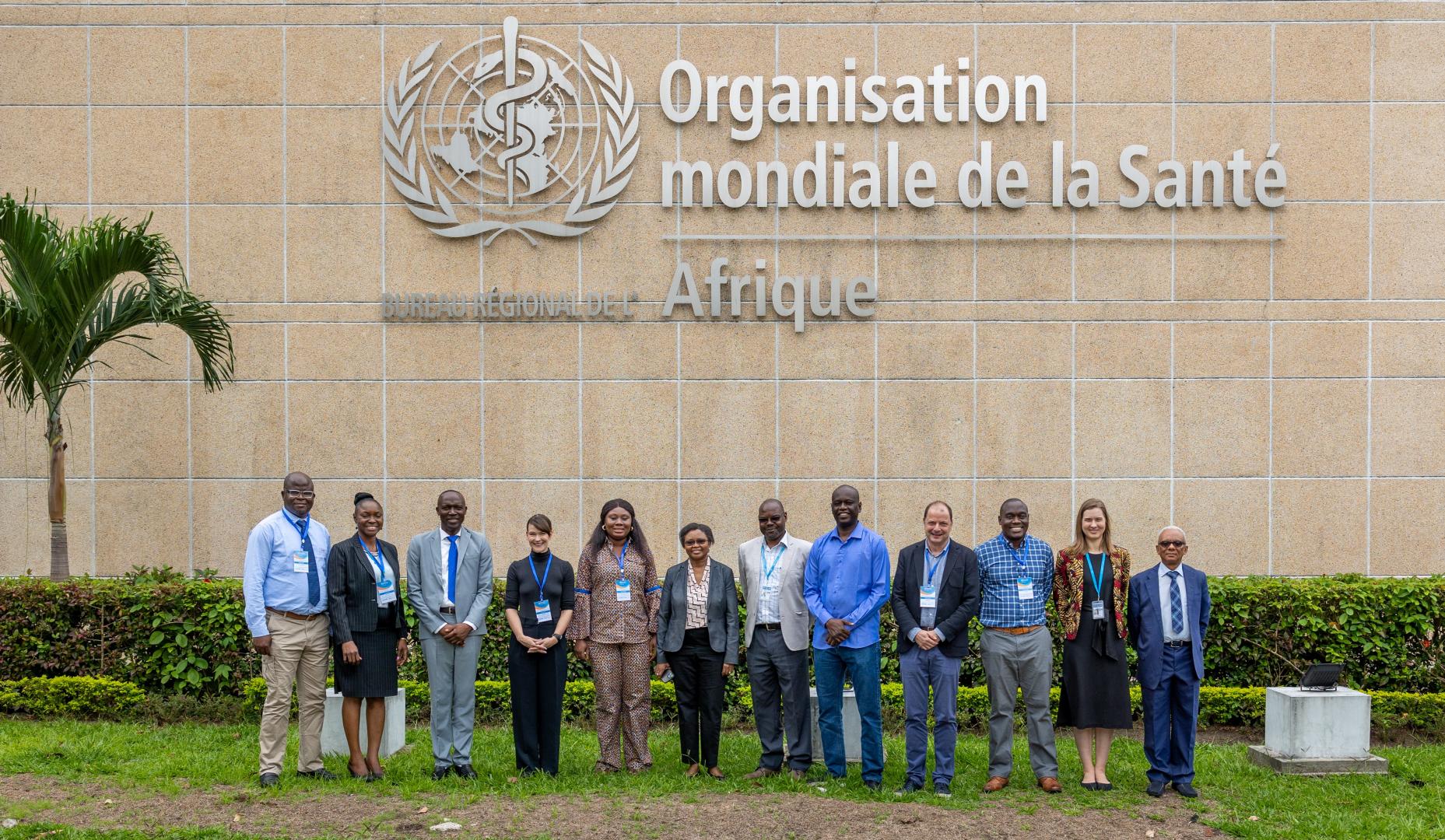
Brazzaville - The World Health Organization (WHO) Regional Office for Africa and the Bill and Melinda Gates Foundation (BMGF) have committed to strengthening collaboration towards the use of data analytics in the fight against diseases in the African region.
The commitment was made during a technical visit to the WHO Africa office in Brazzaville, Congo by a delegation from BMGF led by Jennifer Gardy, Deputy Director, Surveillance, Data, and Epidemiology from 8 to 10 January 2024.
WHO Certifies Cabo Verde as Malaria-Free, Marking a Historic Milestone in the Fight Against Malaria
Enhancing access to and use of Family Planning services and products using Self-care guidelines for Sexual Reproductive Health Rights (SRHR)

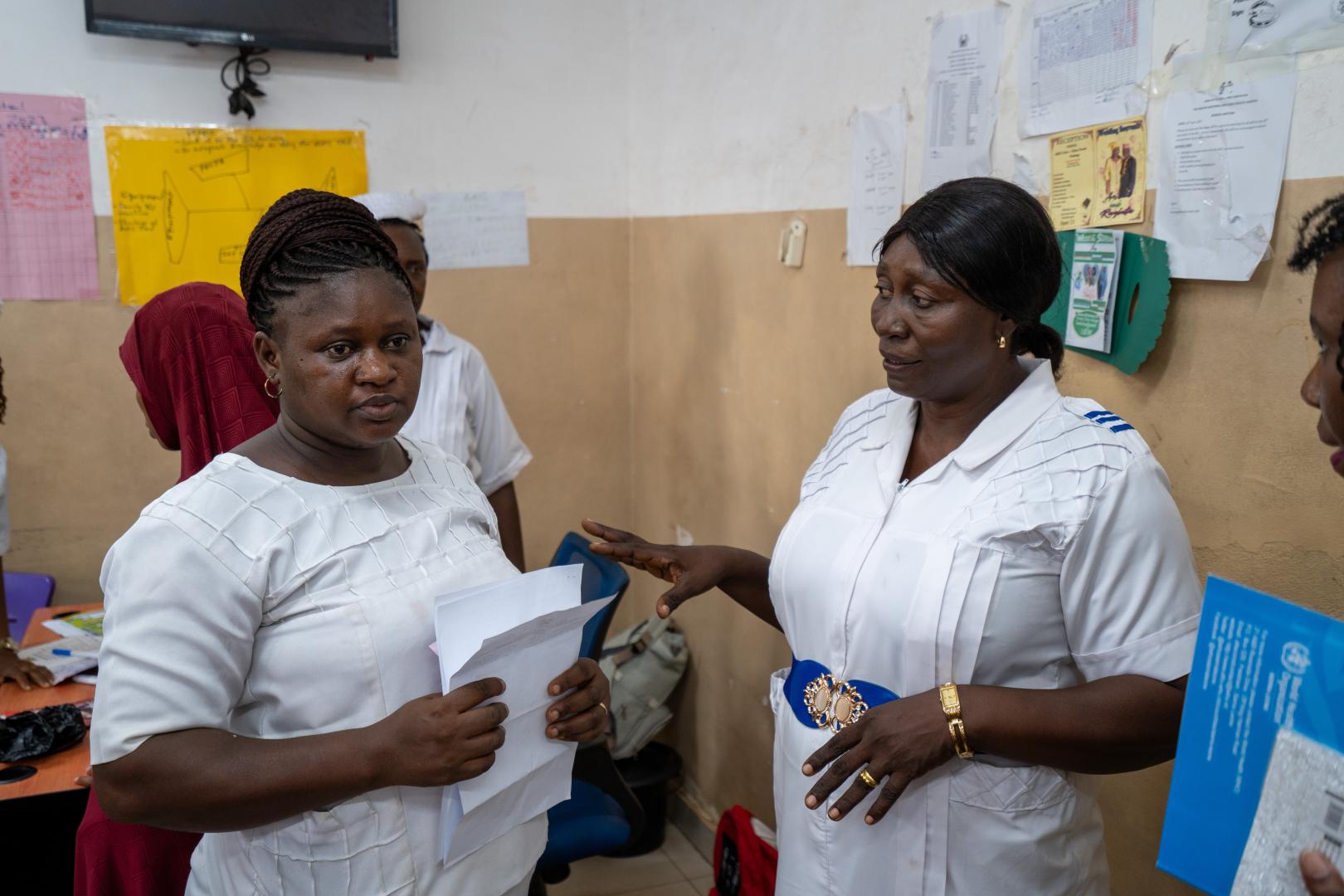
WHO’s capacity building program strengthens health workforce at the Maternal Health Unit in Rokupa Government Hospital.
The Journey of Gobabis Primary School to becoming a Platinum Health Promoting School
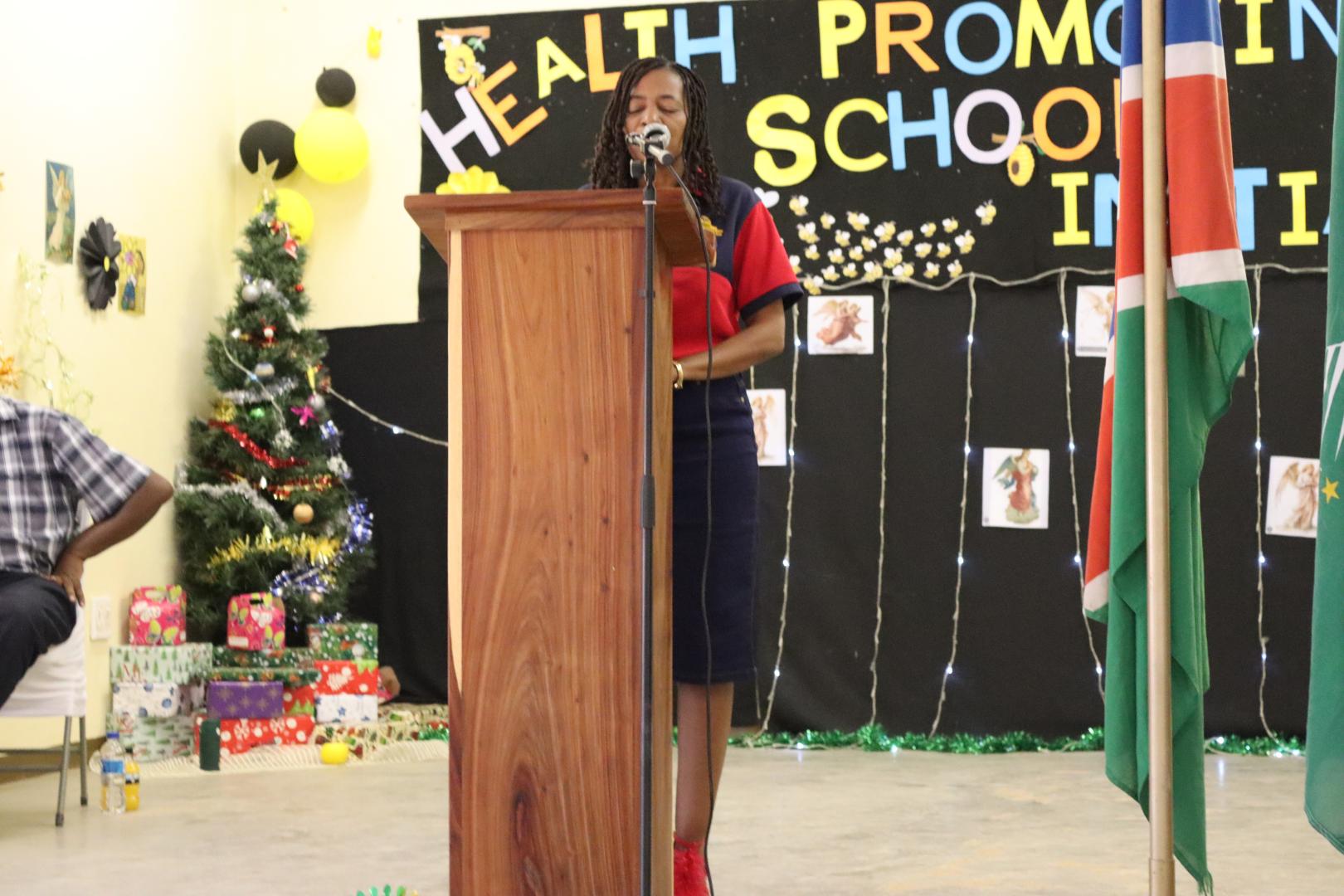
Mrs Regina Diergaardt, school principal of the Gobabis Primary School, shares the story of how her school has remained a health promoting school through the years despite numerous challenges.
“I have realized that if we take HPSI seriously, we will see a change in the behaviour of our learners who in return take what they have learned at school back to the society, and together we can promote good health in our communities.”
Omaheke Region Celebrated its success in implementing the Health Promoting School Initiative
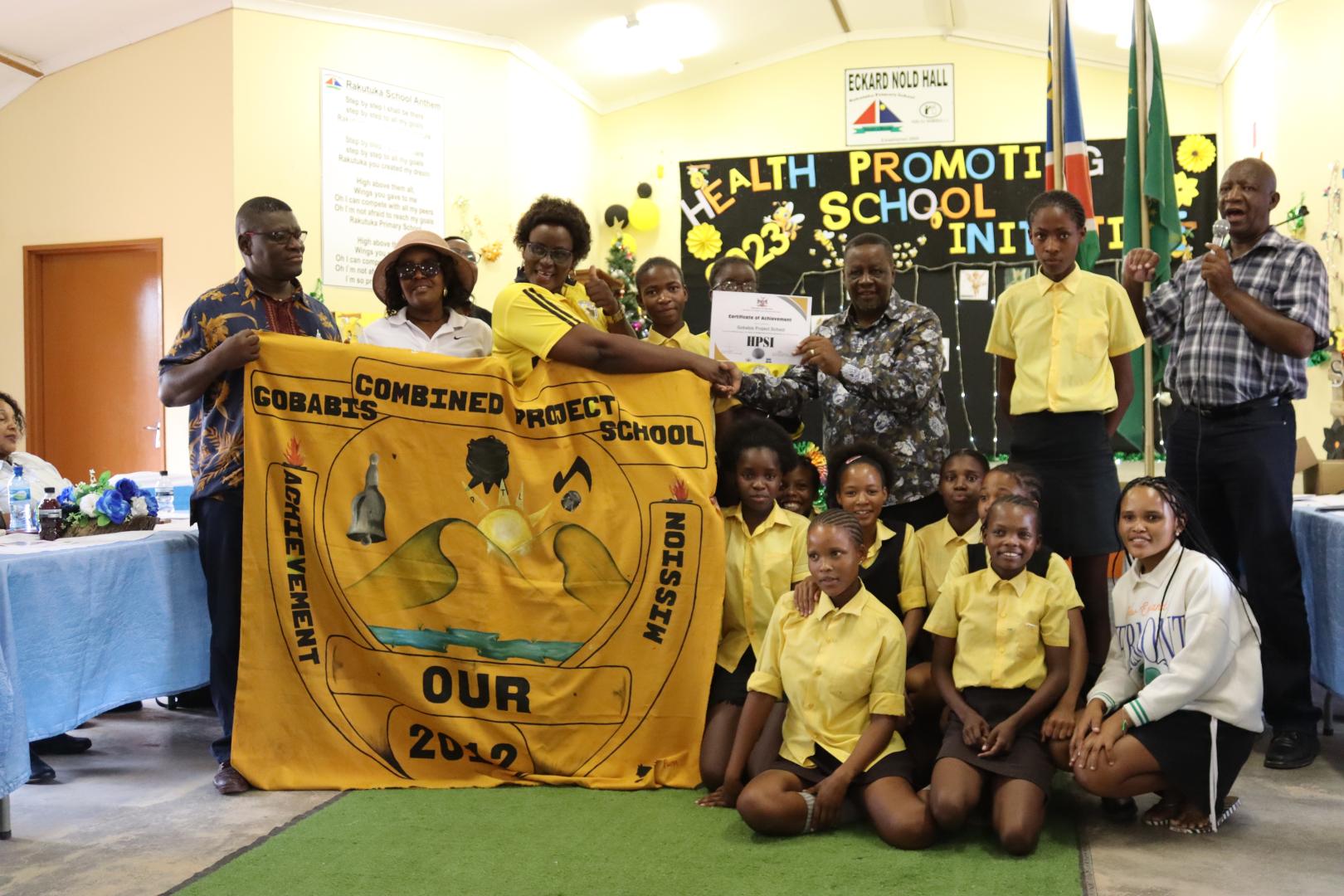
Omaheke Region is known for its agricultural potential especially in cattle raring, but its increasingly becoming popular for its milestone achievement in the Health Promoting School Initiative being the only region that has embraced this initiative in all its 47 schools.
Namibia transition from International Classification of Disease (ICD) 10 to ICD 11
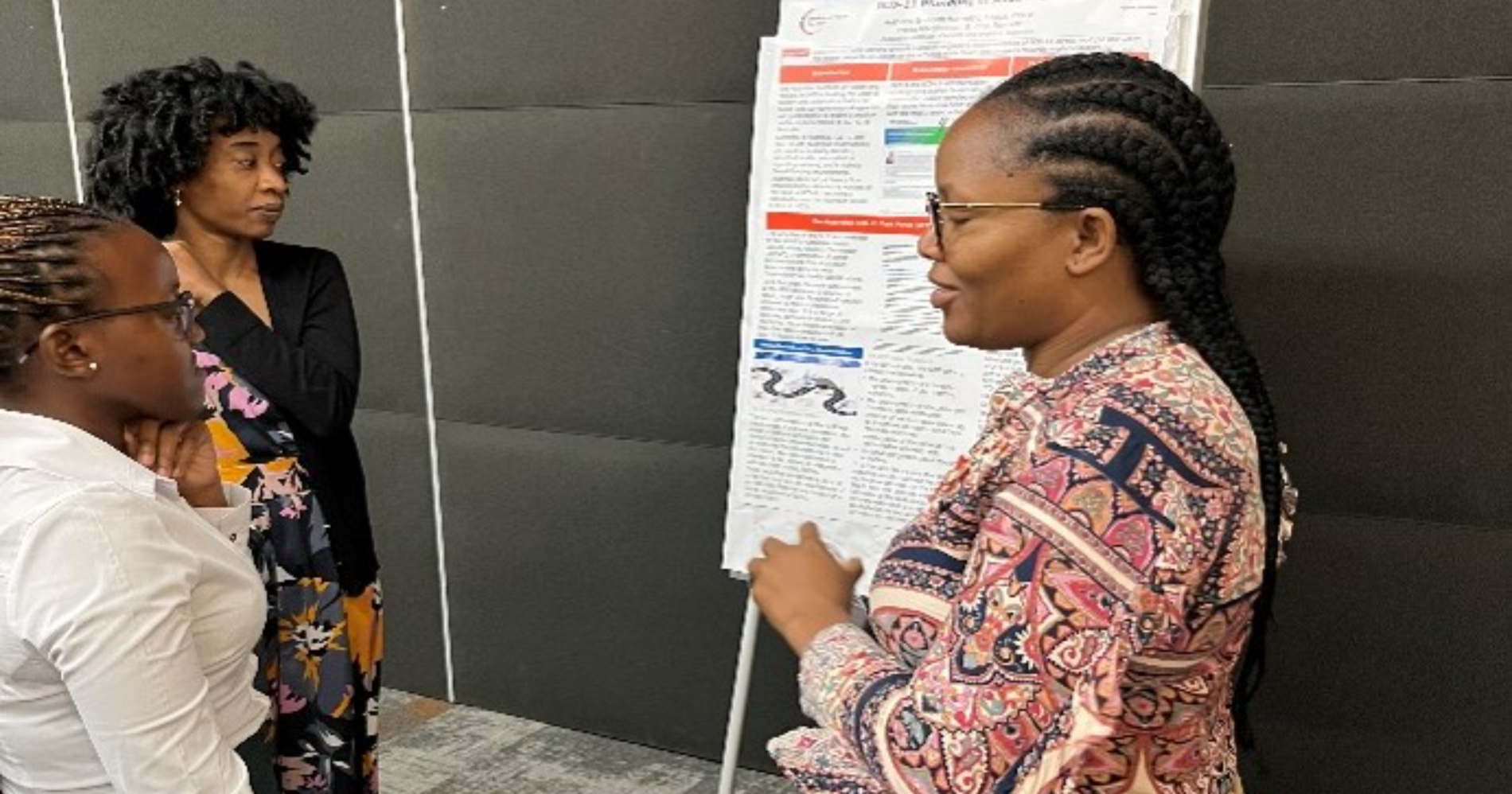
The ICD, since inception a century ago has become an integral part of strategic health information providing comparable data on the extent, causes and consequences of human disease and death. This information is invaluable especially for service planning, provision of quality care and health research.
WHO Namibia strives to enhance capacities for integrating of gender, equity and rights (GER) to ensure gender responsive health systems
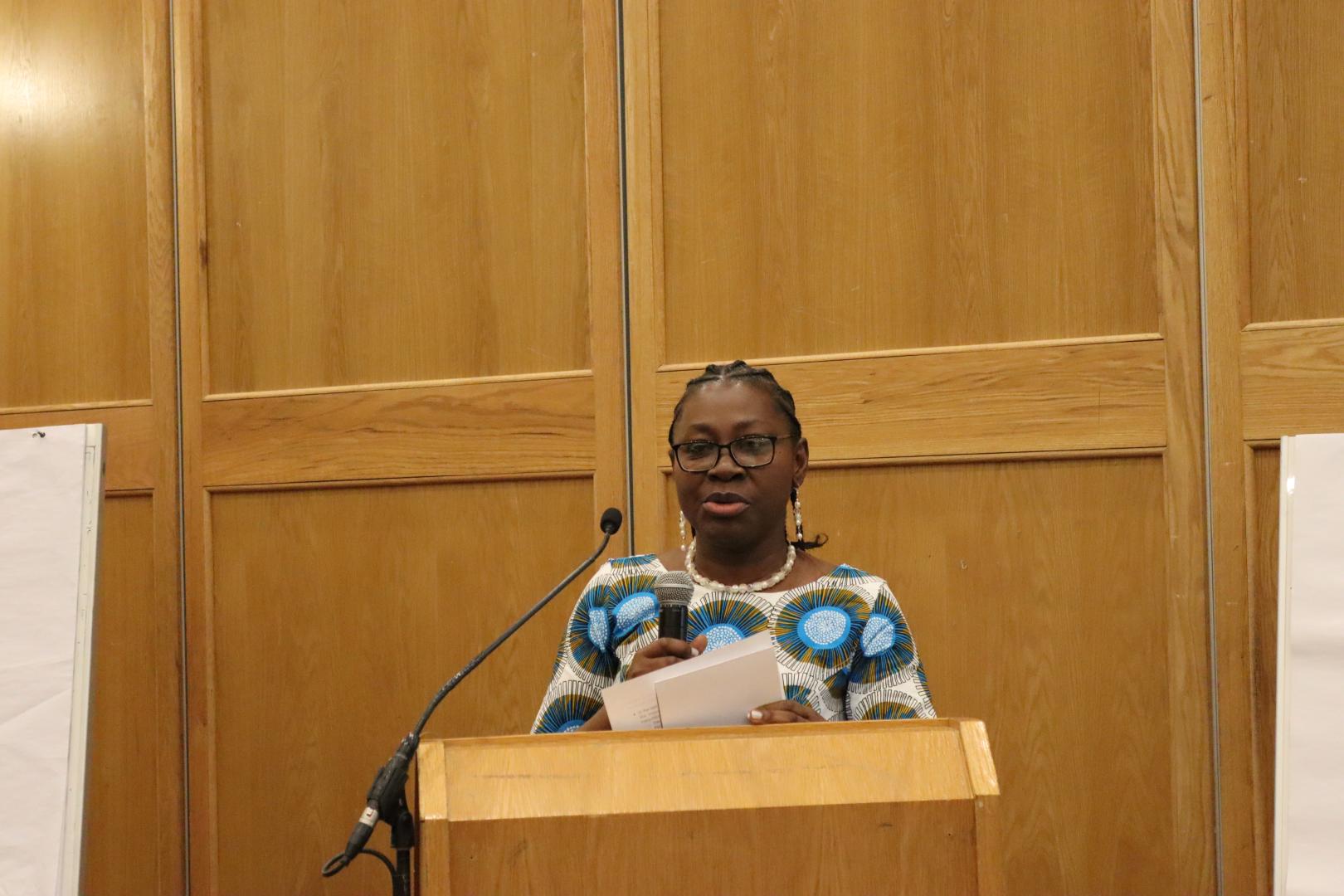
Unless our public health policy, programmes and systems integrate gender, equity, and human rights, realizing the vision of sustainable development goals will be far-fetched. Gender equality must be addressed in its own right and as a catalyst of progress across the SDGs.