Swift and effective response to acute diarrhoea disease in Adigrat, Ethiopia
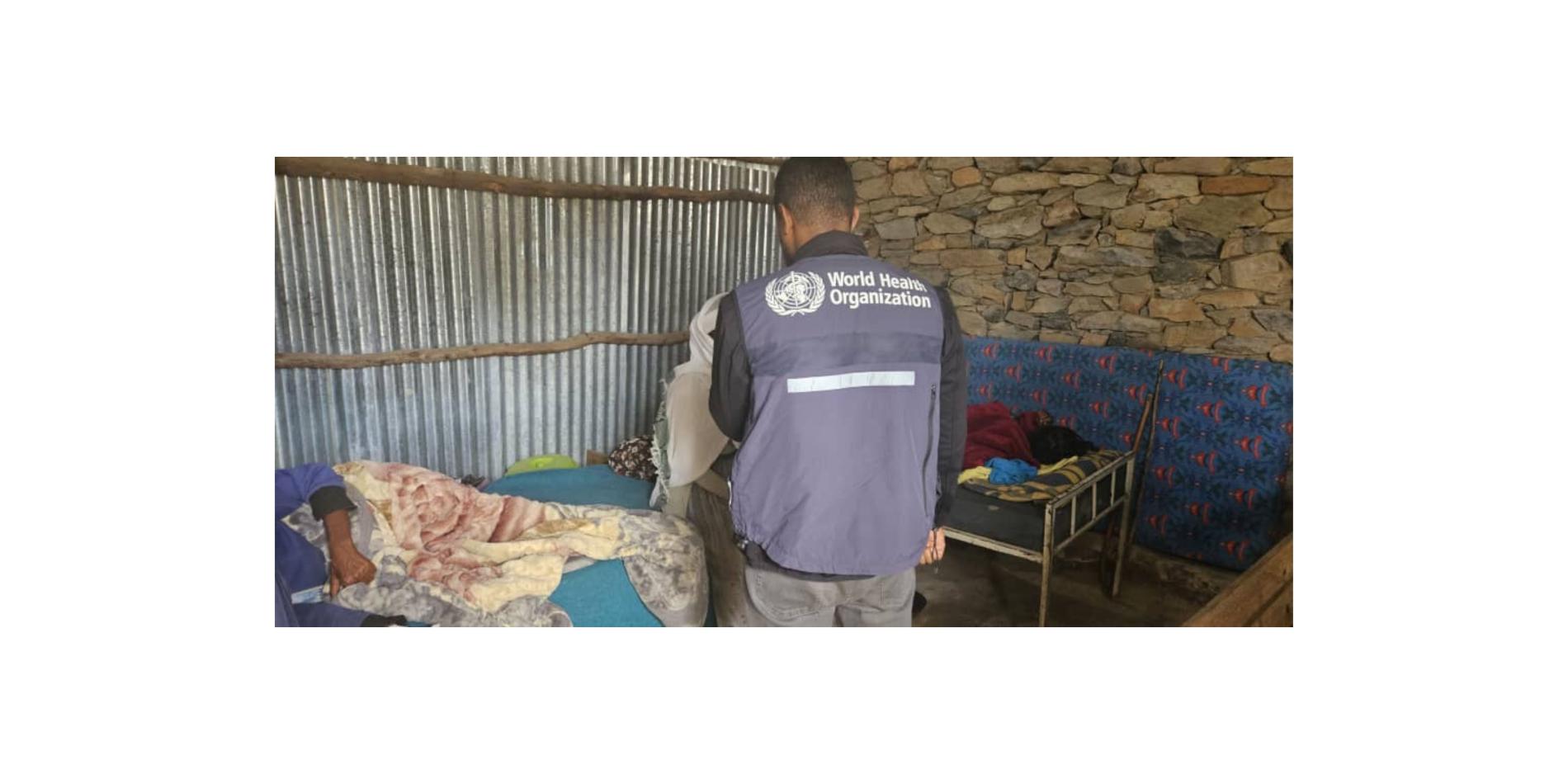
In the face of health crises, timely and coordinated responses are imperative to safeguard communities from the devastating effects of outbreaks. The recent Acute Diarrhoea Disease in Adigrat, Ethiopia, underscored the critical role of proactive measures and collaborative efforts in containing infectious diseases.
Angola aims to vaccinate over 5 million children to ensure a polio-free nation.
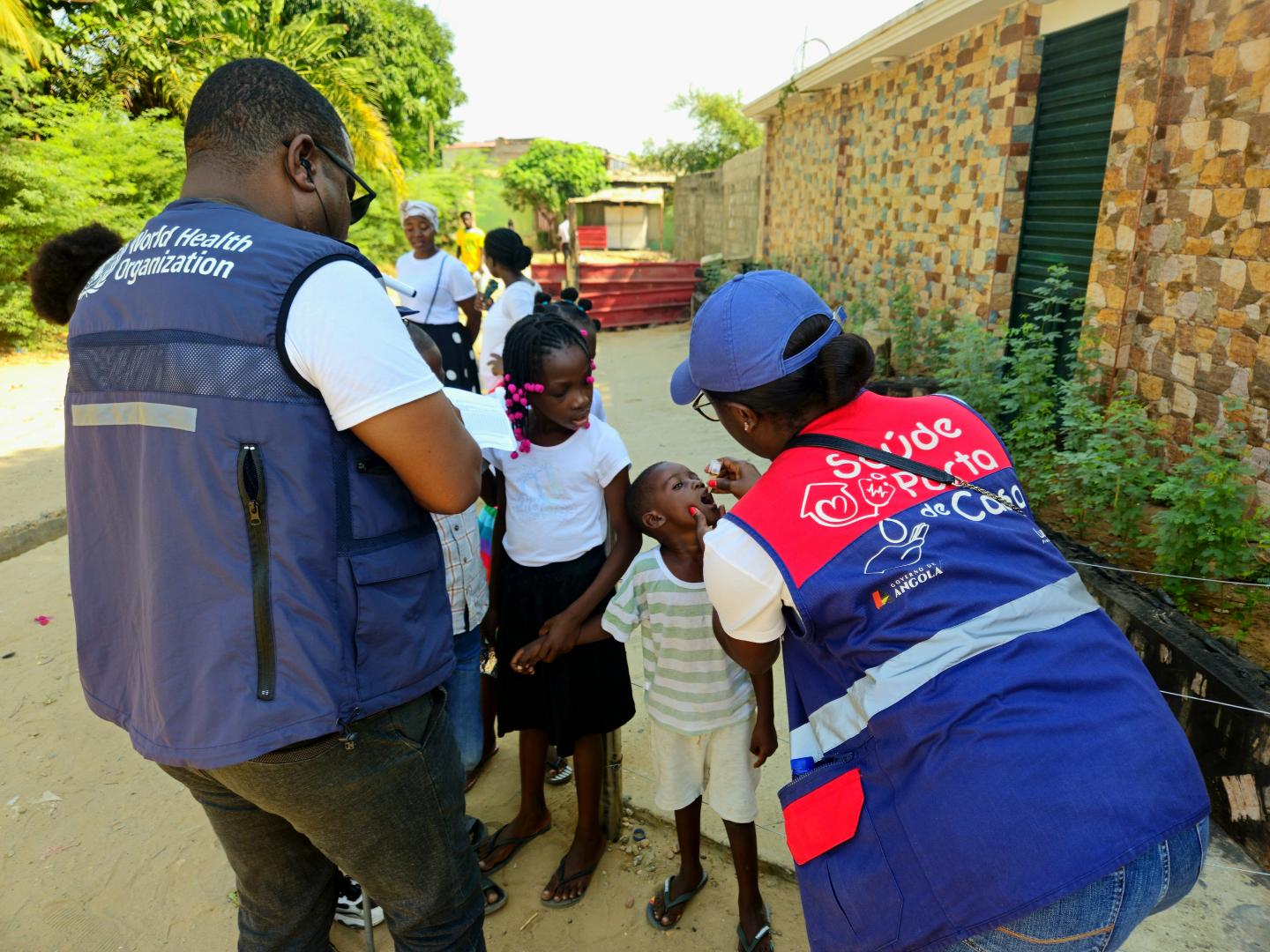
As a result of the commendable work of the Ministry of Health and partners in strengthening immunisation, Angola has been free of wild poliovirus since July 2011 and declared the interruption of polio transmission in November 2015. This milestone demonstrates the government's continued commitment to public health and represents hope for a future free of vaccine-preventable diseases.
Ethiopia Renews Fight Against Malaria on World Malaria Day
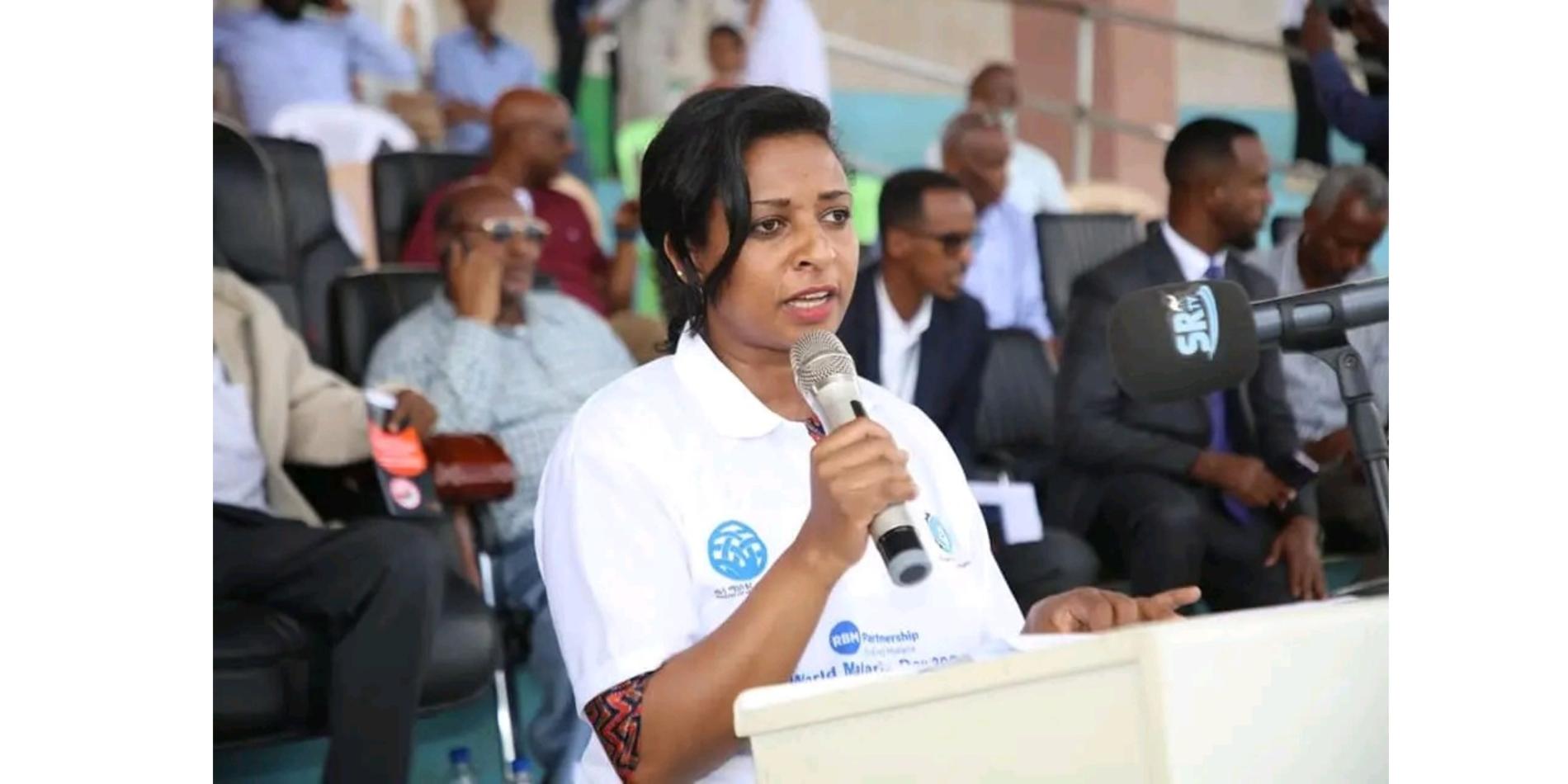
Jigjiga City, Ethiopia - Ethiopia's Ministry of Health (MOH) partnered with the World Health Organization (WHO) to observe World Malaria Day (WMD) in Jigjiga City. The theme for this year was "Accelerating the fight against Malaria for a more equitable world."
The event, held on May 11, 2024, aimed to raise awareness and advocate for intensified efforts against Malaria, a significant health threat in Ethiopia.
Health financing experts discuss needed reforms to ensure high performance and resilient health Systems in Uganda
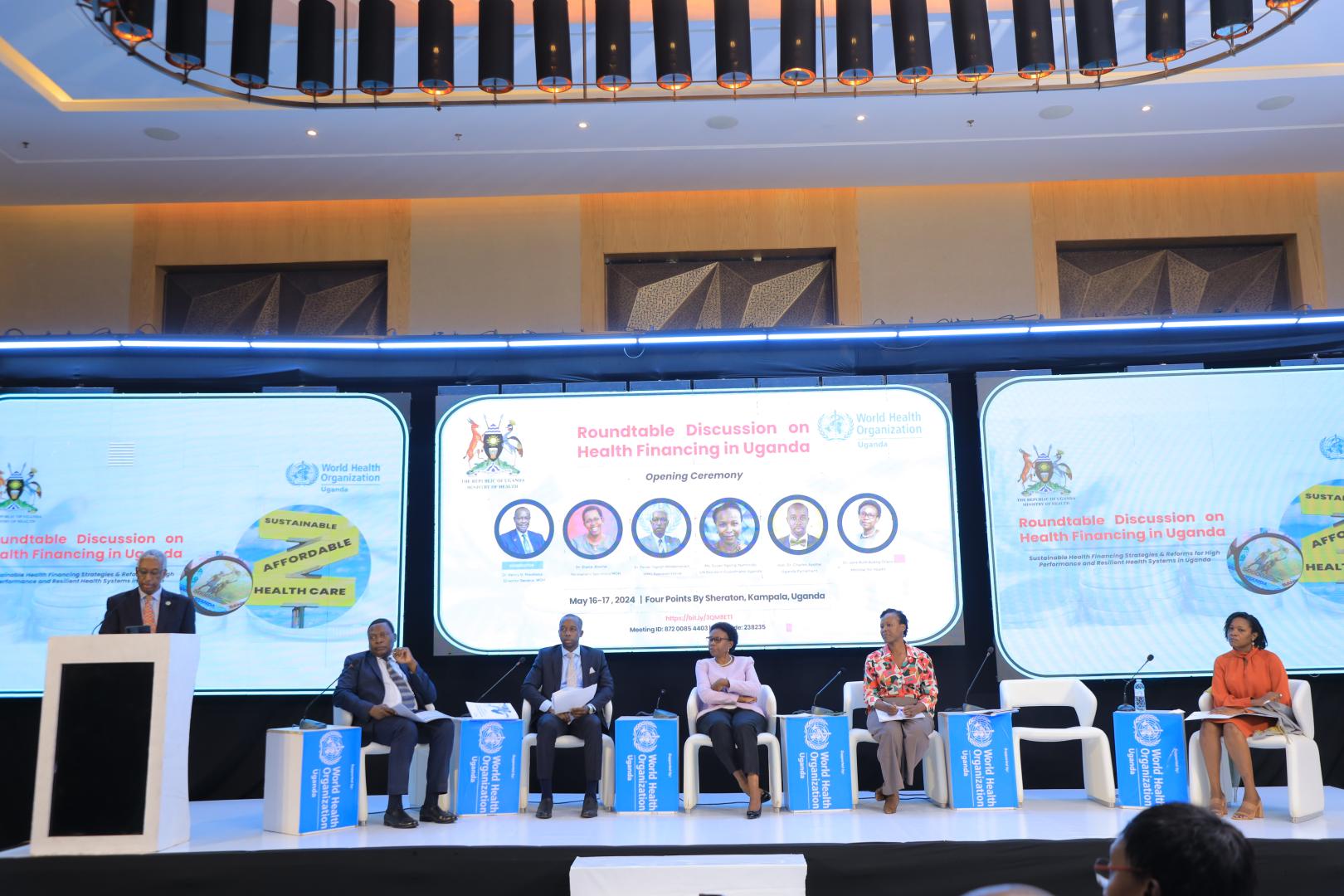
The Ministry of Health, in collaboration with the World Health Organization (WHO), convened a 2-day roundtable discussion to reflect on priority strategies and reforms to accelerate progress towards achieving sustainable and effective financing of health in Uganda.
WHO South Africa Welcomes Signing of National Health Insurance Bill into Law
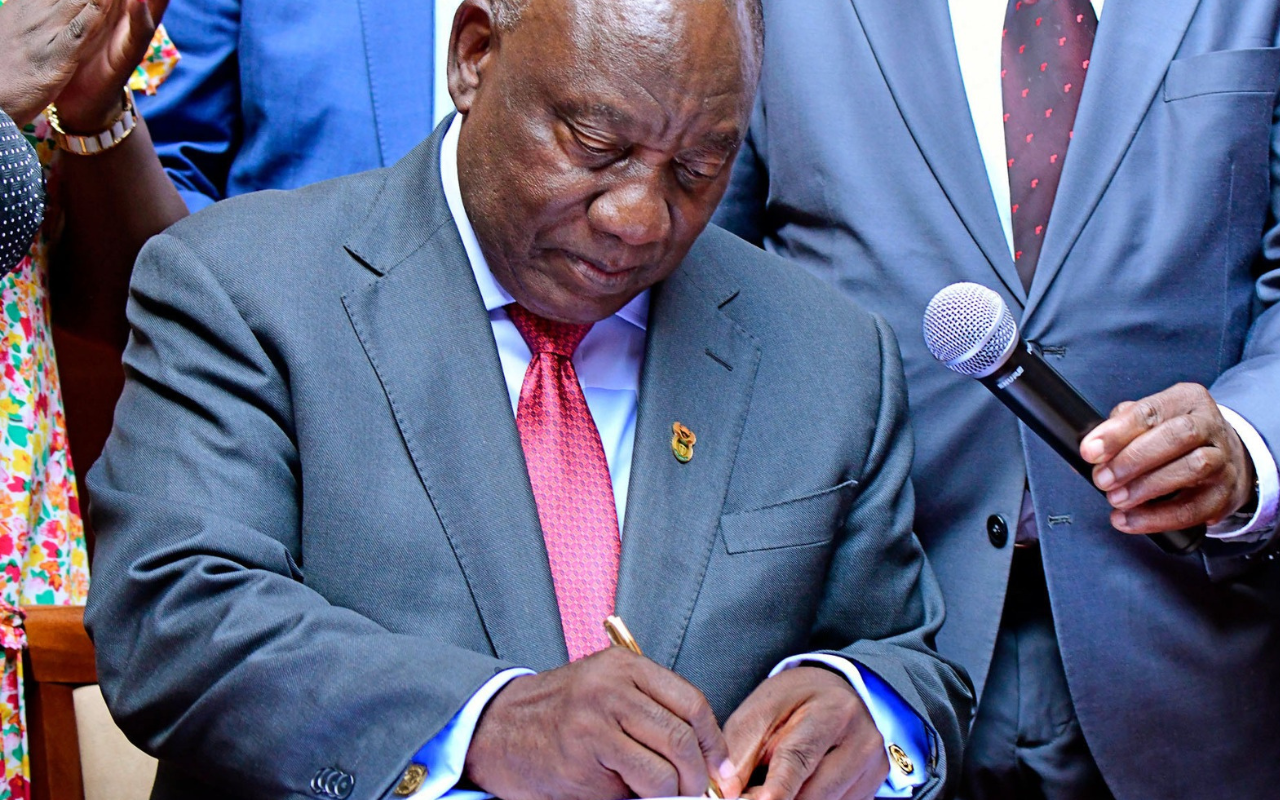
The World Health Organization (WHO) country office in South Africa warmly welcomes the historic signing of the National Health Insurance (NHI) Bill into law by His Excellency President Cyril Ramaphosa, marking a significant milestone in South Africa’s journey toward Universal Health Cover
Working with the communities to fight against meningitis
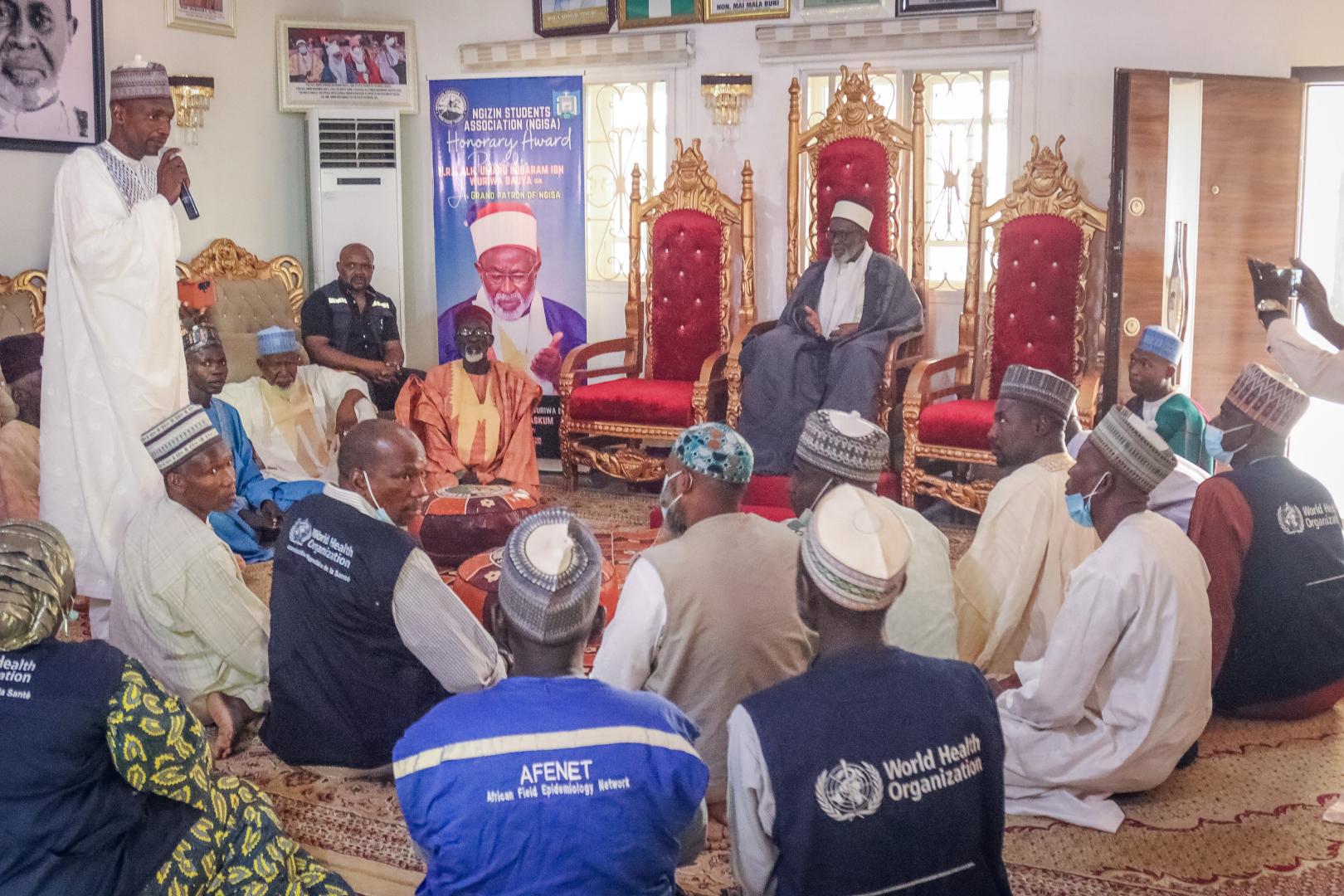
Damaturu, 14 May, 2024 - For yet another year, Nigeria is facing an outbreak of cerebrospinal meningitis strain C. While medical interventions are crucial, an equally vital aspect of the response lies in grassroots engagement to safeguard the health of the public.
Leveraging this, the World Health Organization (WHO collaborated with Yobe State Government to engage local leadership and grassroots participation to drive the community sensitization and awareness campaigns to contain the outbreak.
WHO and 11 Non – State Actors collaborate to advance health services in Tanzania
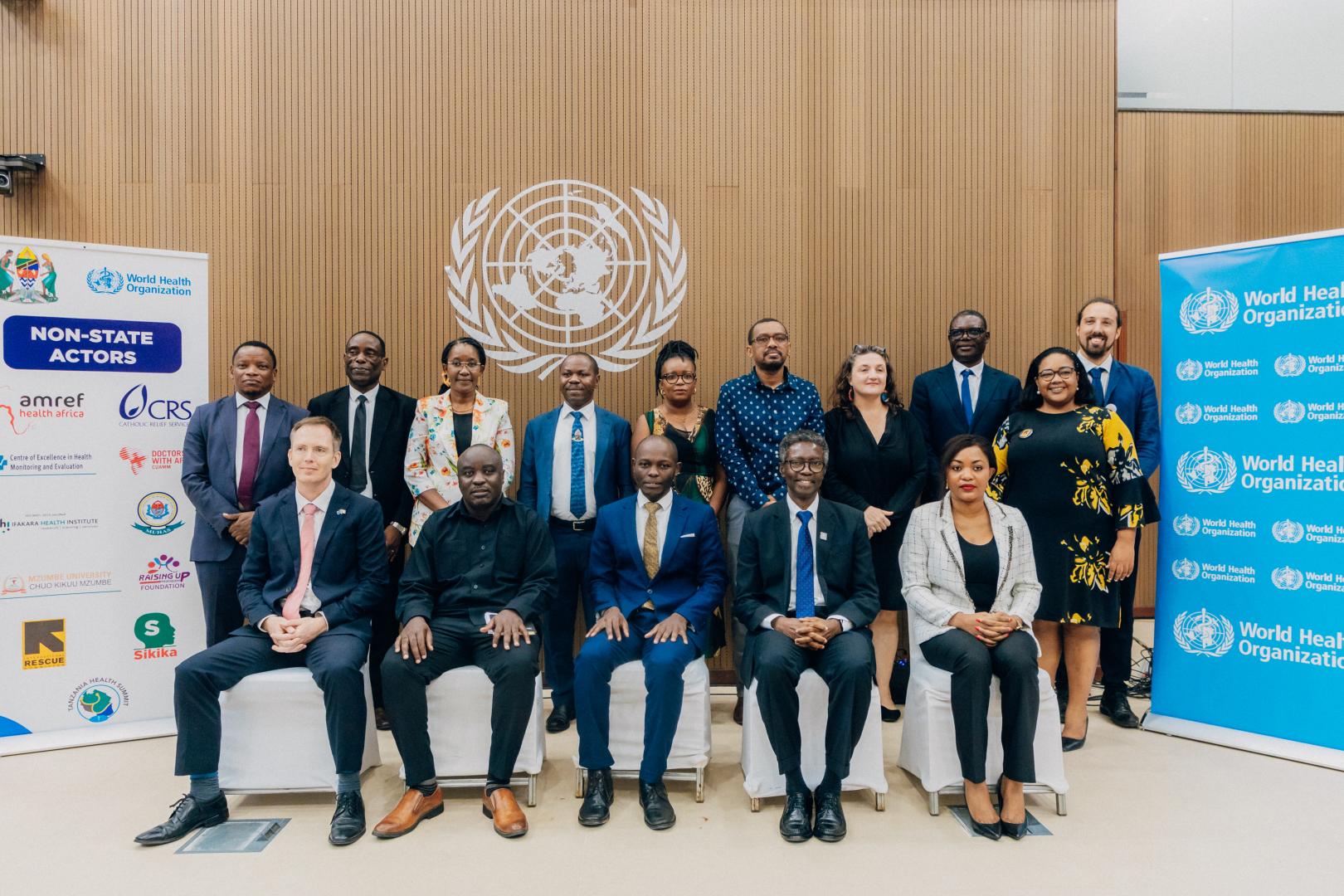
Dar es Salaam : The World Health Organization (WHO) has signed a 2-year long memorandum of understanding (MoU) with eleven non-state actors to advance health services and accelerate the achievement of universal health coverage countrywide.
Timely outbreak response, enhanced surveillance halts wild poliovirus transmission in Southern Africa
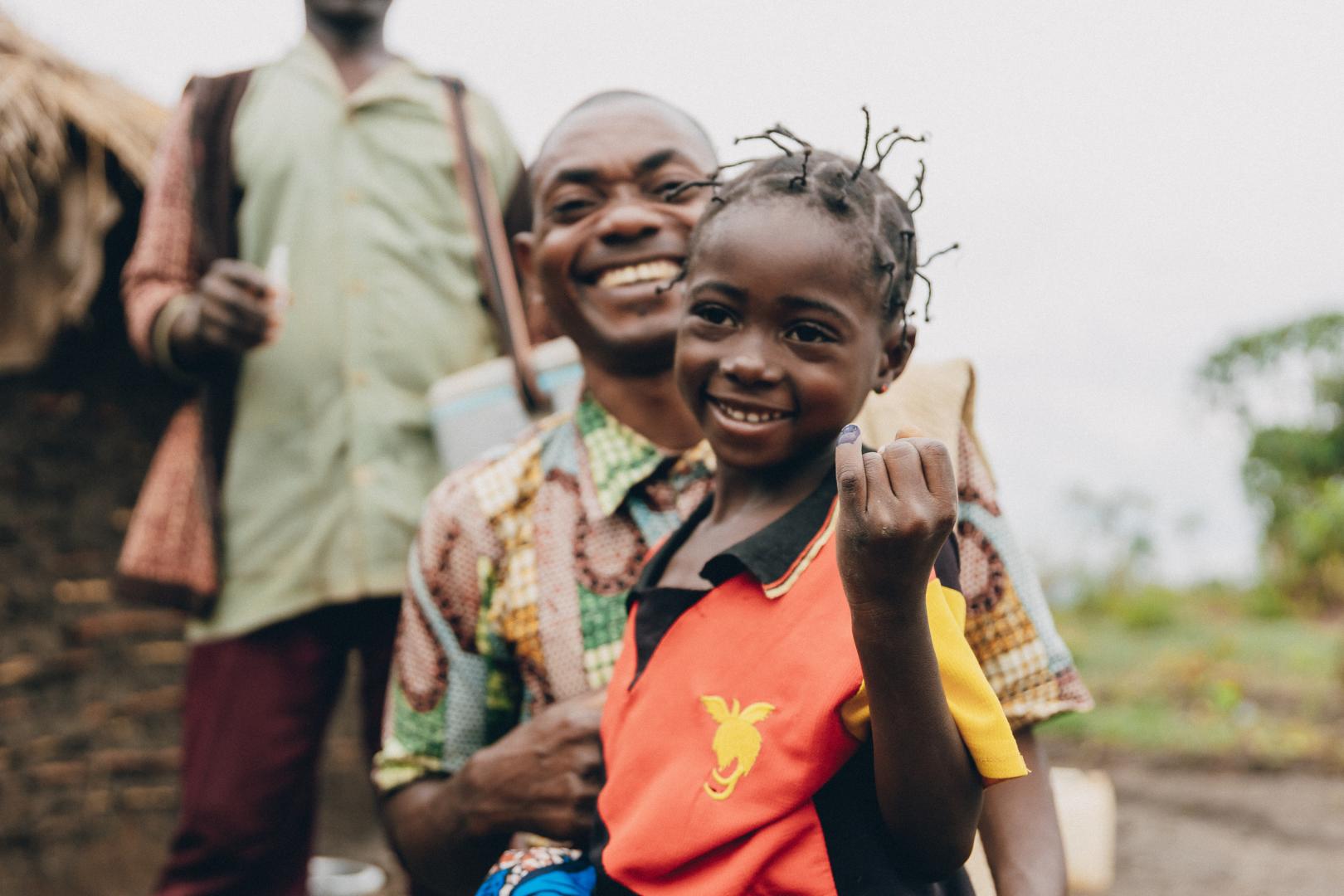
Brazzaville/Lilongwe/Maputo – Following thorough assessments in Malawi and Mozambique, an independent Polio Outbreak Response Assessment Team (OBRA) today recommended the closure of the wild poliovirus type 1 (WPV1) outbreak in Malawi and Mozambique, marking a significant milestone in the fight against polio in the African region.
Saving lives and empowering communities in South Sudan’s remote areas: Akon's journey from despair to hope
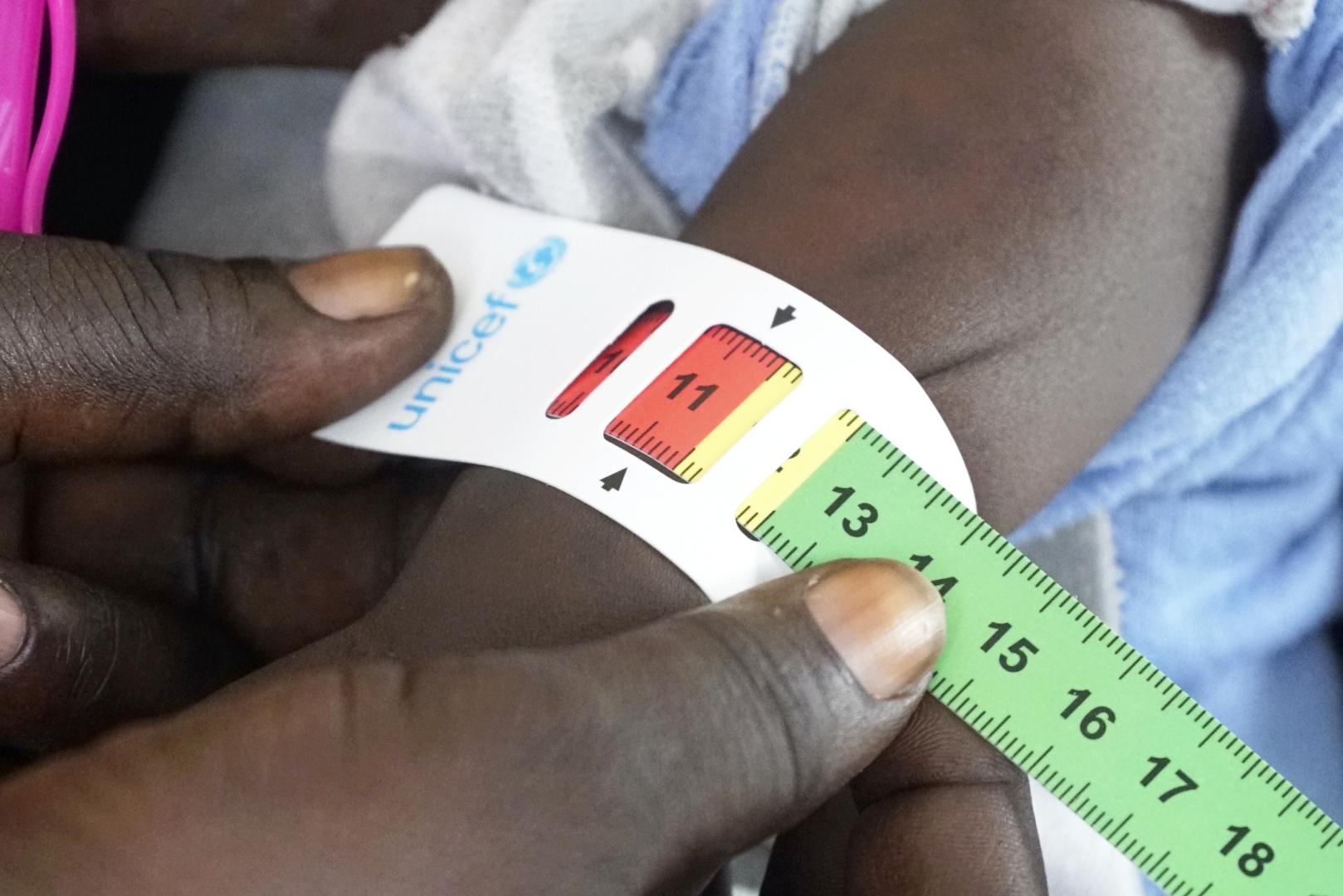
In the dusty outskirts of Nyamlel in Aweil West County, Northern Bahr el Gazal State, a grandmother's desperate plea for her granddaughter's life echoed through the corridors of a stabilization center. Akon Ayom, a 30-month-old girl, lay motionless, her body swollen from malnutrition, her spirit fading with each passing day.
Workshop Highlights the Sustainability of the National Health System in Angola
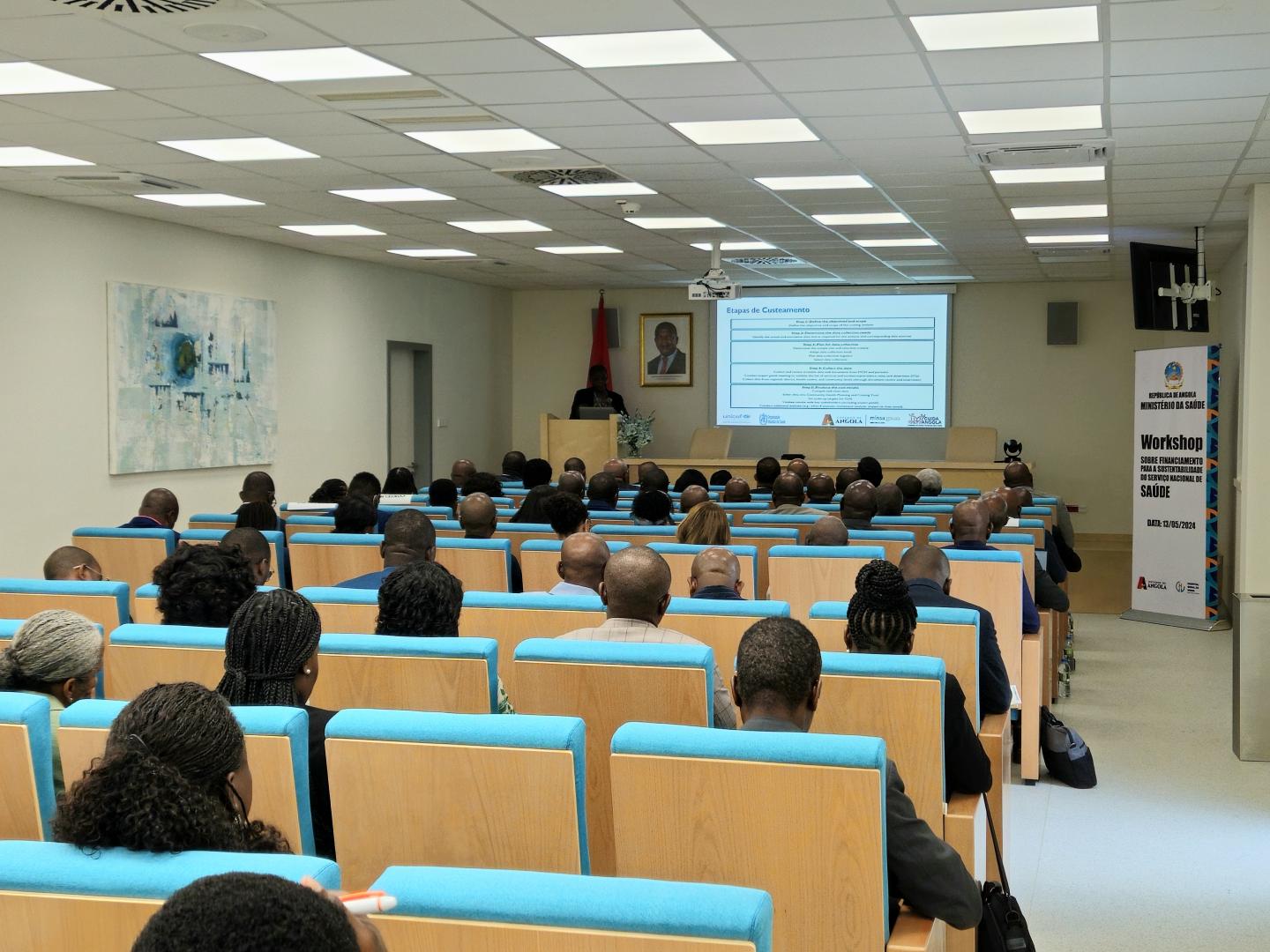
Luanda, 13 May 2024– The World Health Organization (WHO) participated in a workshop on Financing for the Sustainability of the National Health Service. The event was organised by the Angolan Ministry of Health (MINSA) and saw the participation of senior officials and technicians from MINSA, hospital managers, technical staff from the Ministry of Finance, and academics from the Faculty of Economics.