WHO supported the 2024 African vaccination week celebrated with a motto “Attention to zero doze and under vaccinated children”
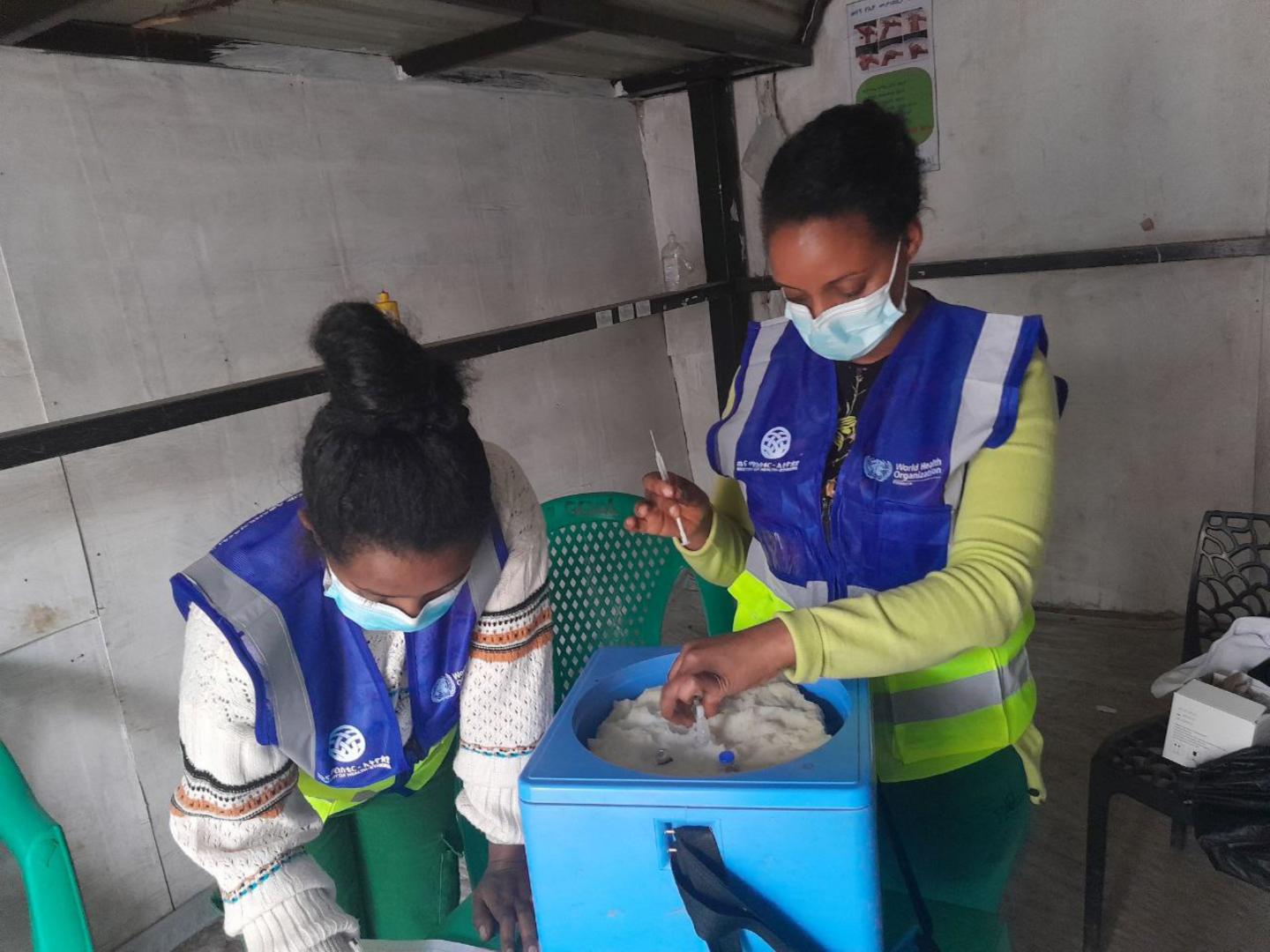
World Health Organization (WHO) Ethiopia Office supported the catchup activities as part of the 2024 African Vaccination Week (AVW) implementation with a motto “Attention to zero doze and under vaccinated children”. Nearly an estimated 194,246 zero dose children were identified from the IDPs community in five regions of Ethiopia including Amhara, Tigray, Somali, Oromia and Afar region.
Success story –Breastfeeding - gains momentum in Sierra Leone
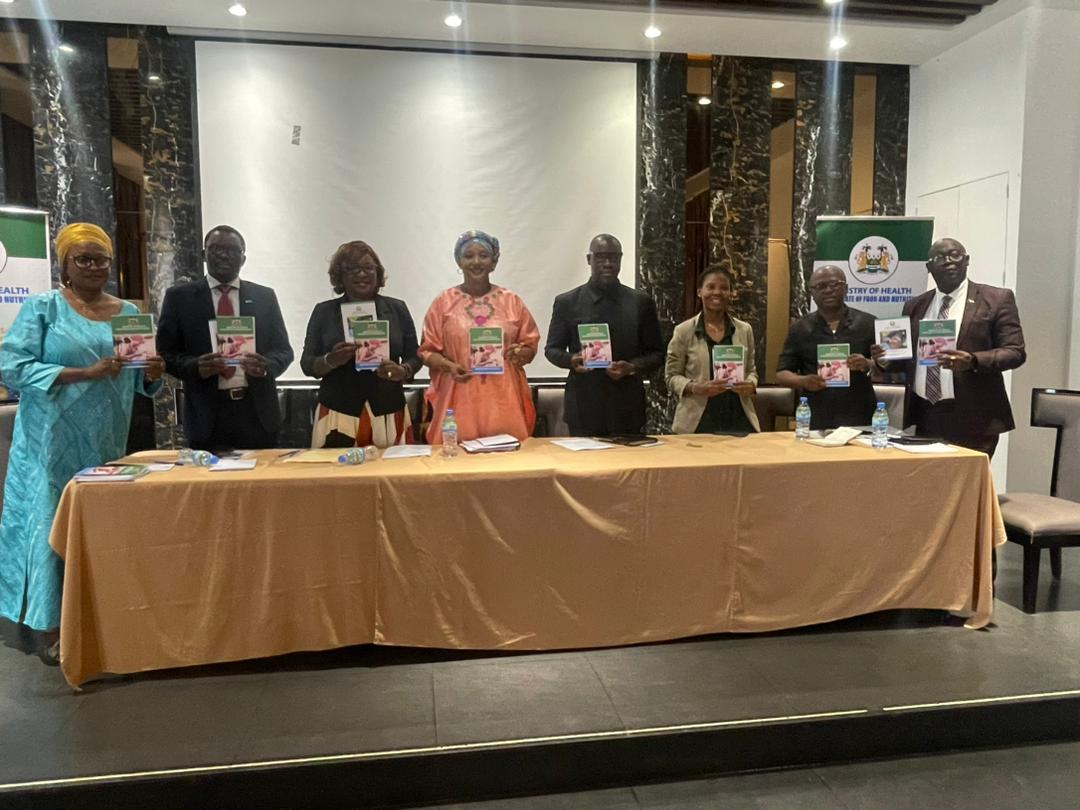
Sierra Leone has made tremendous strides in breastfeeding and has not only reached but surpassed the 2025 WHO global target of 50% for exclusive breastfeeding. According to the 2021 Sierra Leone National Nutrition Survey, the exclusive breastfeeding rate stands at 52.7%.
Angola Aims to Vaccinate Over 3.7 million Children in the Second Round of the Polio Vaccination Campaign
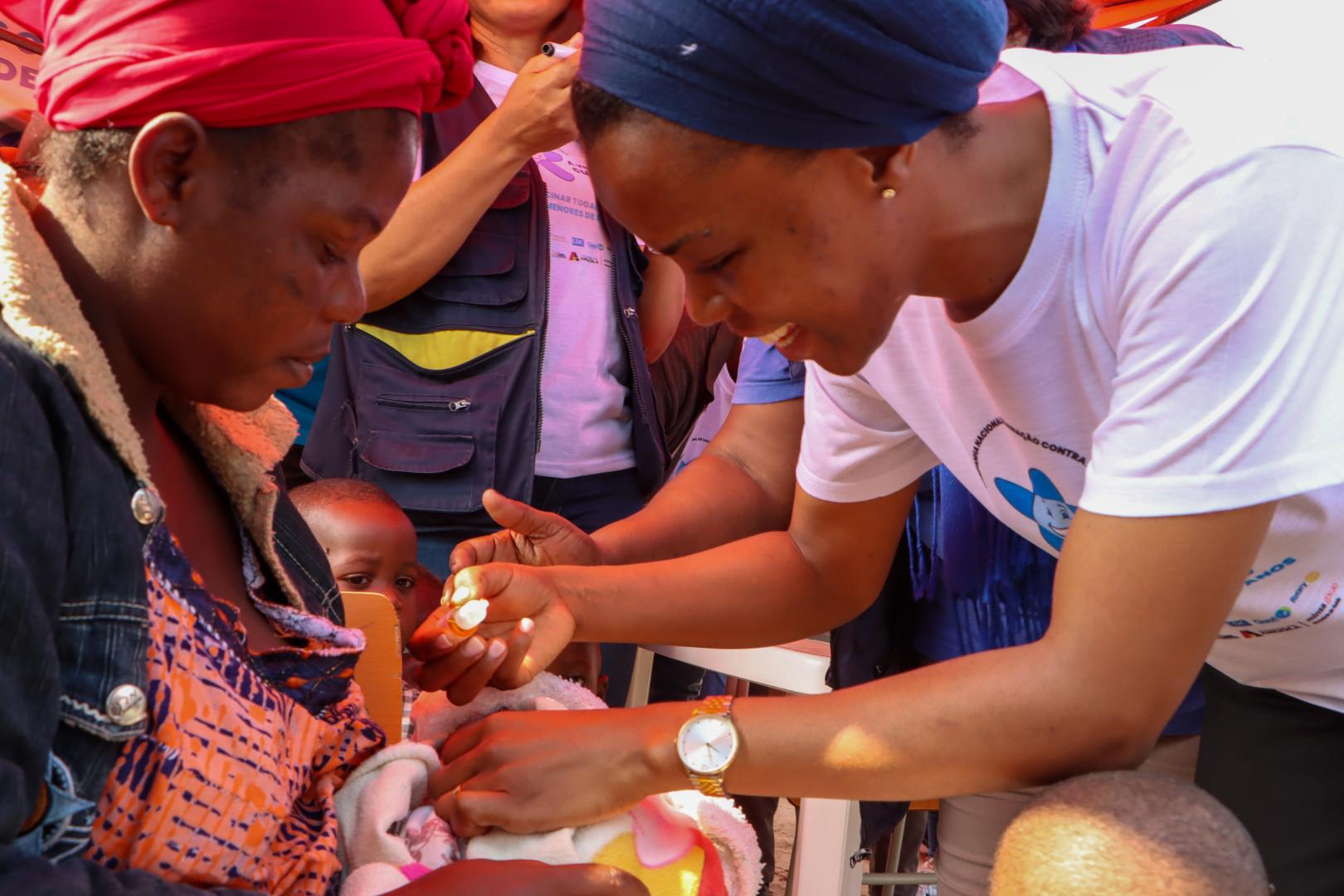
To interrupt the ongoing poliovirus transmission and protect children from childhood paralysis, the Ministry of Health, with the support of the World Health Organization (WHO), UNICEF, GAVI, CDC, BMG, Rotary International, and other strategic partners in the fight against polio, is conducting the second round of the polio vaccination campaign from June 28 to 30, 2024.
Health experts discuss work force investments and optimization in Uganda
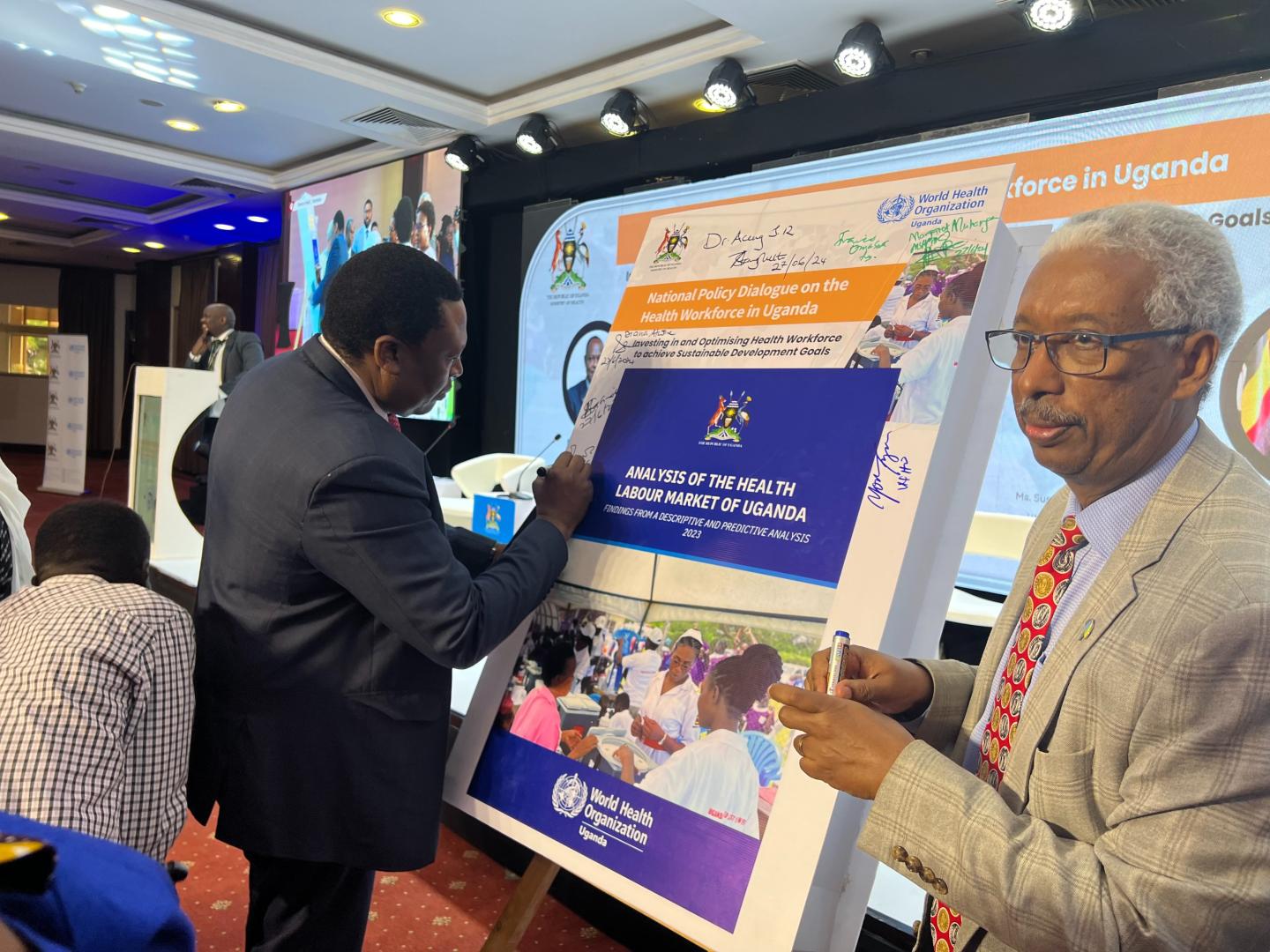
The Uganda Ministry of Health, in collaboration with the World Health Organization (WHO), convened a two-day National Policy dialogue on investing in and optimizing the health workforce to achieve Sustainable Development Goals (SDGs) in Uganda.
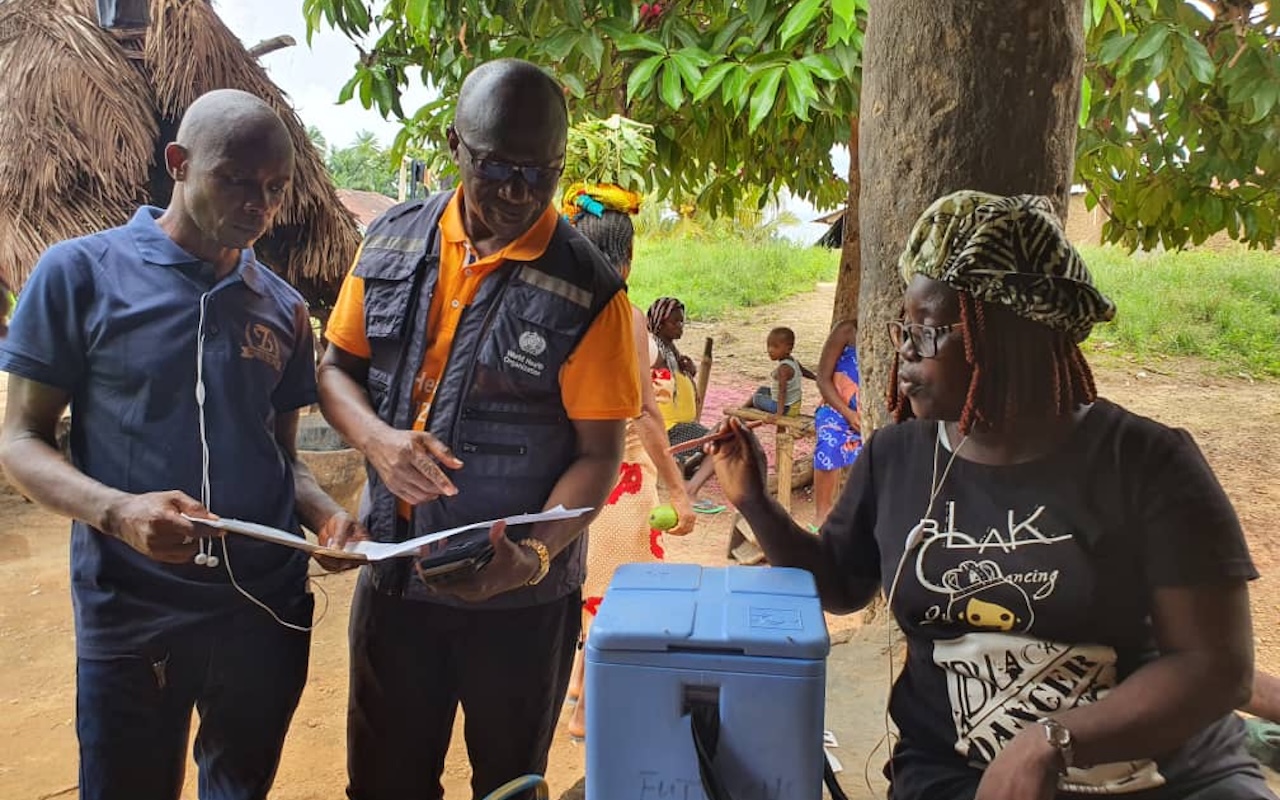
Sierra Leone’s dedicated polio vaccinators hit roads to reach millions of children: Ensuring every child in Pujehun is safe and free from polio
WHO hands over emergency and infection prevention control equipment to strengthen health systems in Kigoma Region
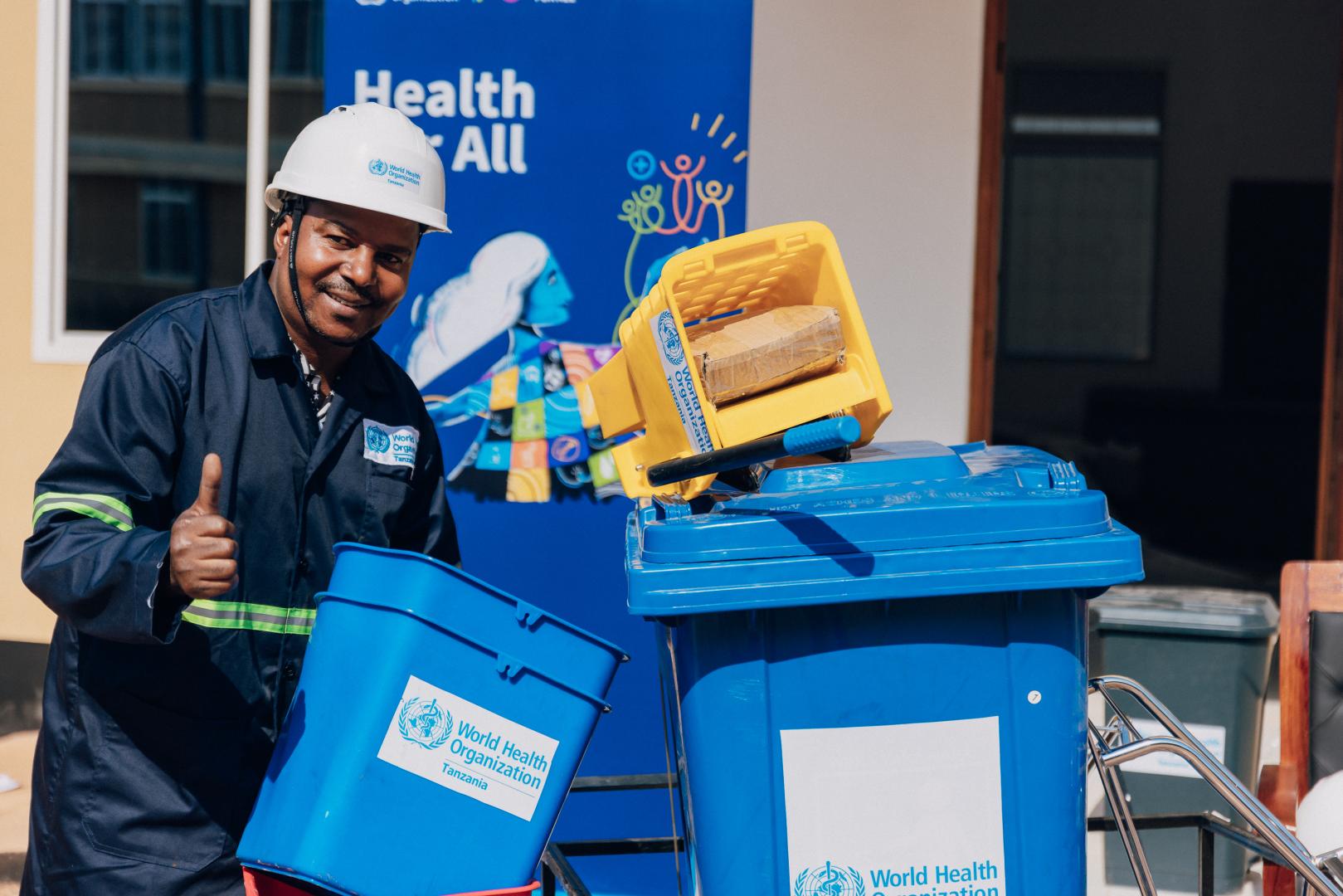
Kigoma - In the Kigoma Region of Tanzania, the World Health Organization (WHO) with funding from the UN Multi-Partner Trust Fund Office has donated equipment and supplies to strengthen infection prevention control(IPC) and WASH in health facilities, and preparedness and response against epidemics .
This is part of the United Nations Kigoma Joint Programme's efforts to work collaboratively with regional and local government authorities, communities, and other stakeholders in the region to bolster human health security in Kigoma.
South Sudan's fight against COVID-19 and efforts to safeguard the community from vaccine-preventable diseases
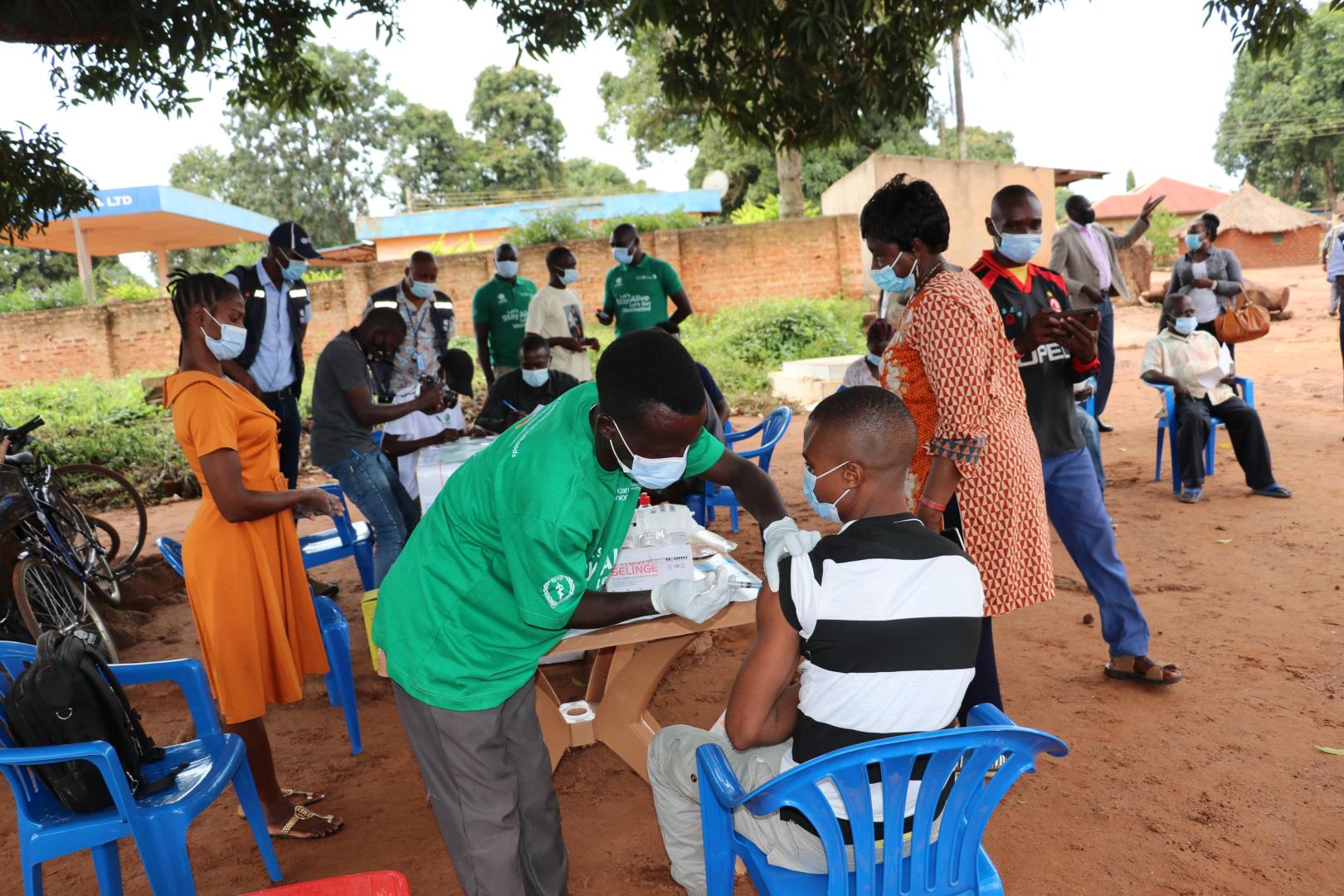
On 5 May 2023, the World Health Organization (WHO) declared the end of the COVID-19 global health emergency, but efforts to fight the virus continue worldwide.
In South Sudan, the Ministry of Health set an ambitious goal to vaccinate over 80% of the population aged 18 and above by the end of 2024. To achieve this, the Ministry of Health included COVID-19 vaccination as part of regular healthcare services. This strategic move ensured that COVID-19 vaccines were readily accessible across various centers, increasing the chances of reaching a broad population.
Government of Japan Supports Mental Health Gap Action Programme (mhGAP) Training in Amhara Region, Ethiopia
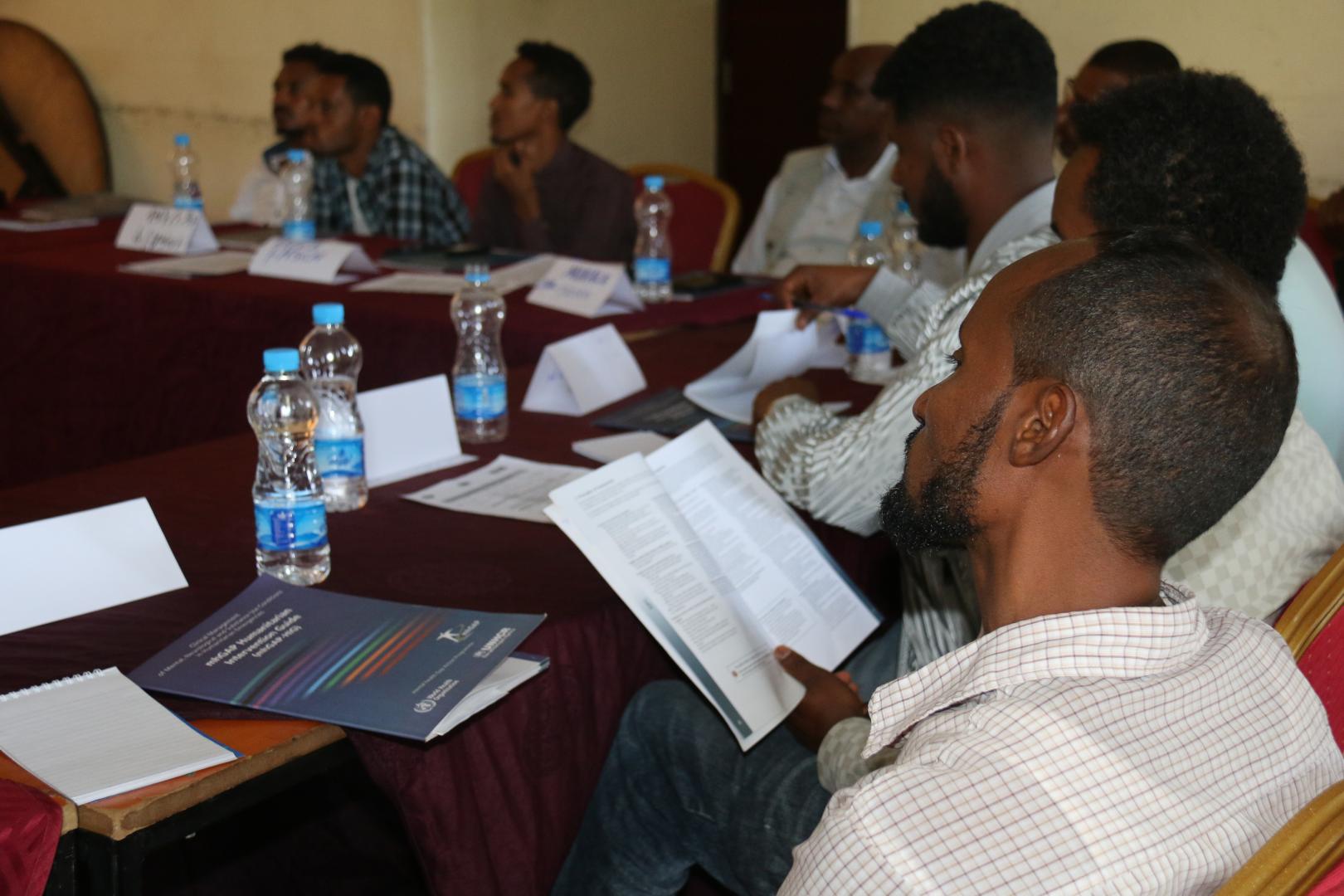
In response to the pressing mental health needs caused by the ongoing conflict and drought in Northern Ethiopia, the Government of Japan, in collaboration with the World Health Organization (WHO), supported task shifting mental health service provision capacity building training for primary care workers. The Government of Japan has generously supported the mhGAP Humanitarian Intervention Guide (HIG) Training of Trainers (TOT) program held in Bahir Dar, Amhara Region, from June 3-7, 2024.
Strengthening Namibia’s Healthcare: A Collaborative Approach to Quality Measurement
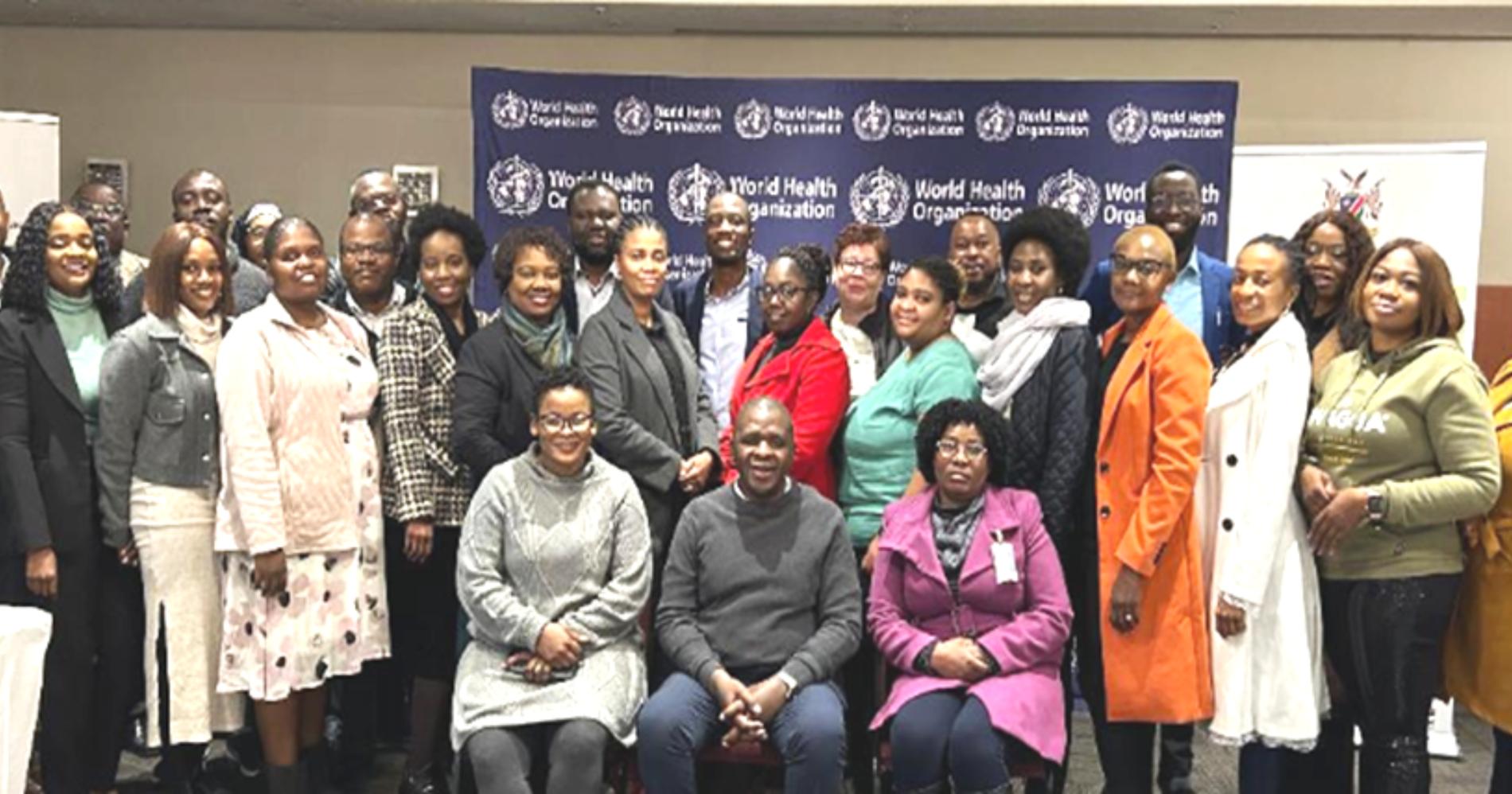
In a concerted effort to enhance the quality of healthcare services in Namibia, the Ministry of Health and Social Services (MoHSS), supported by the World Health Organization (WHO) and other key stakeholders, has made significant steps in the development, launching and dissemination of the National Quality Policy and Strategy (NQPS) in 2022. The NQPS aimed at ensuring that the provision of quality healthcare services is a fundamental principle of the healthcare delivery system in Namibia.
Transforming the Life of Leprosy Patients in Uganda
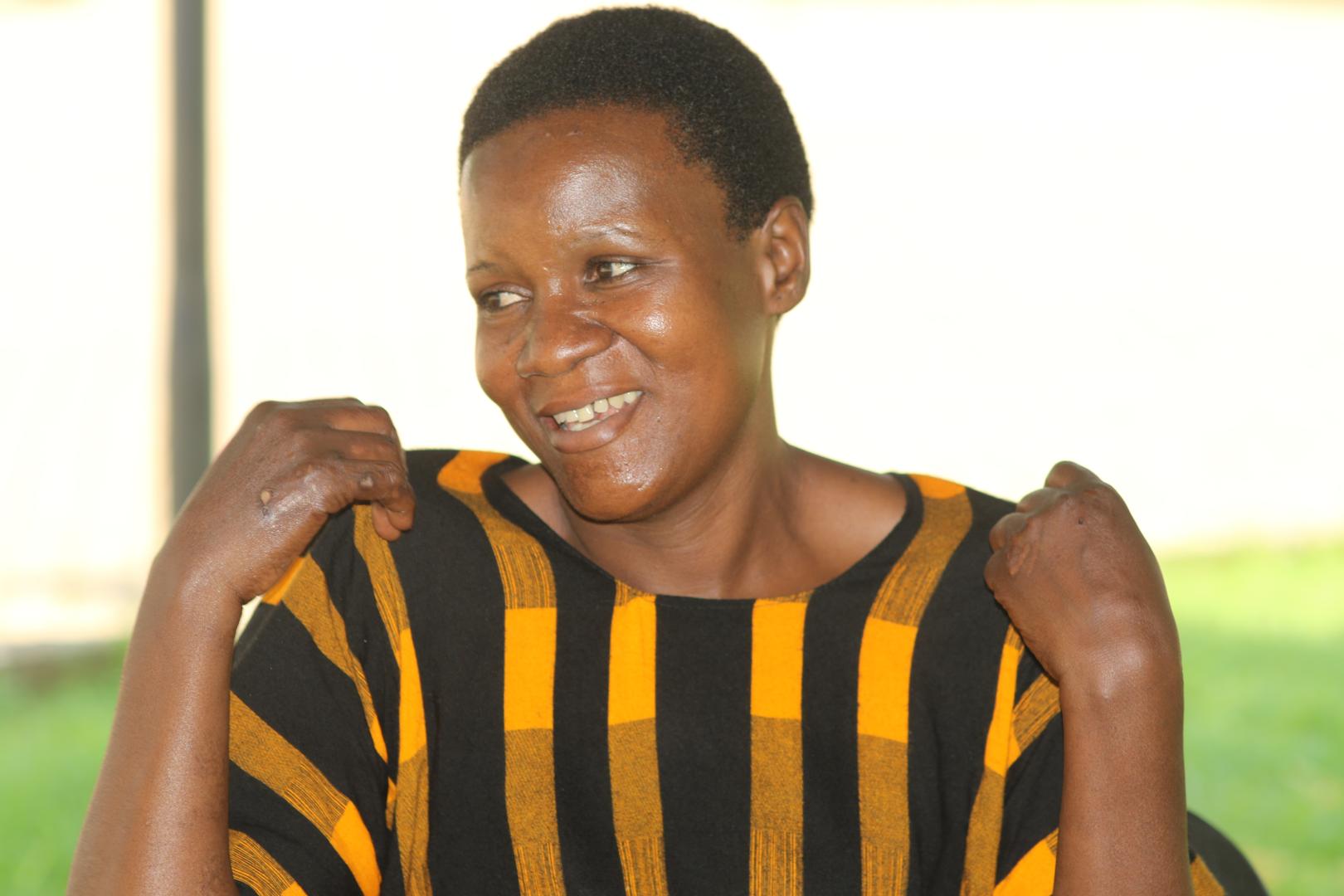
Uganda eliminated leprosy as a public health problem in 1994, a result of combined efforts by health authorities in the country. However, over the years, registered cases of this neglected tropical disease have gradually increased from 121 cases in 2017 to 518 cases reported in 2022.
Recognizing this increment, the stigma and discrimination associated with the disease, Uganda developed and launched a Zero Leprosy roadmap in October 2023, an initiative to integrate comprehensive care for leprosy into existing healthcare services.