United against polio: Zimbabwe strengthens regional immunity through synchronized vaccination
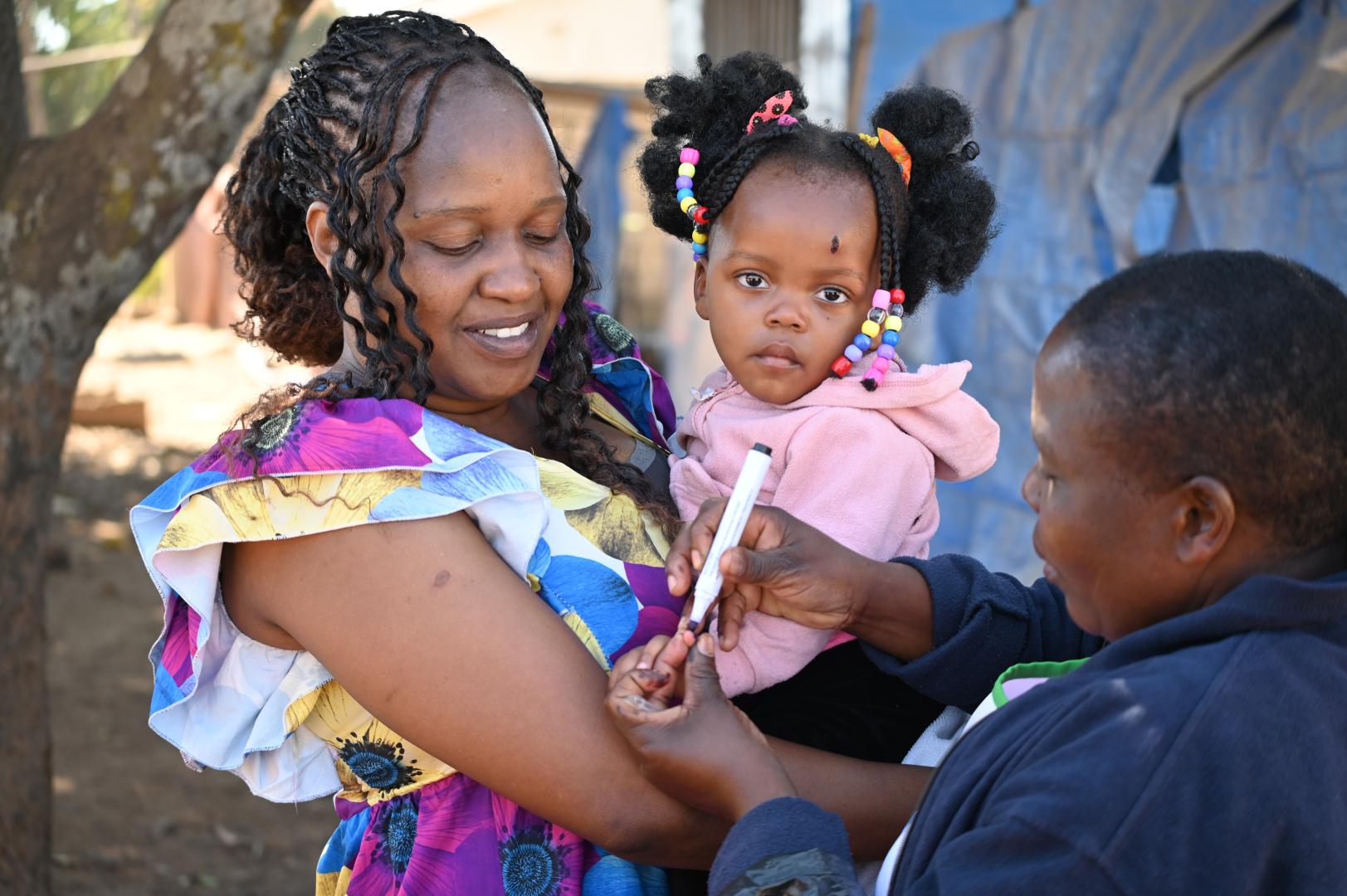
Harare, Zimbabwe – July 2026 – Zimbabwe has successfully completed three rounds of synchronized vaccination campaigns using the novel oral polio vaccine type 2 (nOPV2) as part of a coordinated Southern African response to prevent the re-establishment of circulating vaccine-derived poliovirus type 2 (cVDPV2).
Women football stars team up to kick polio out of Africa
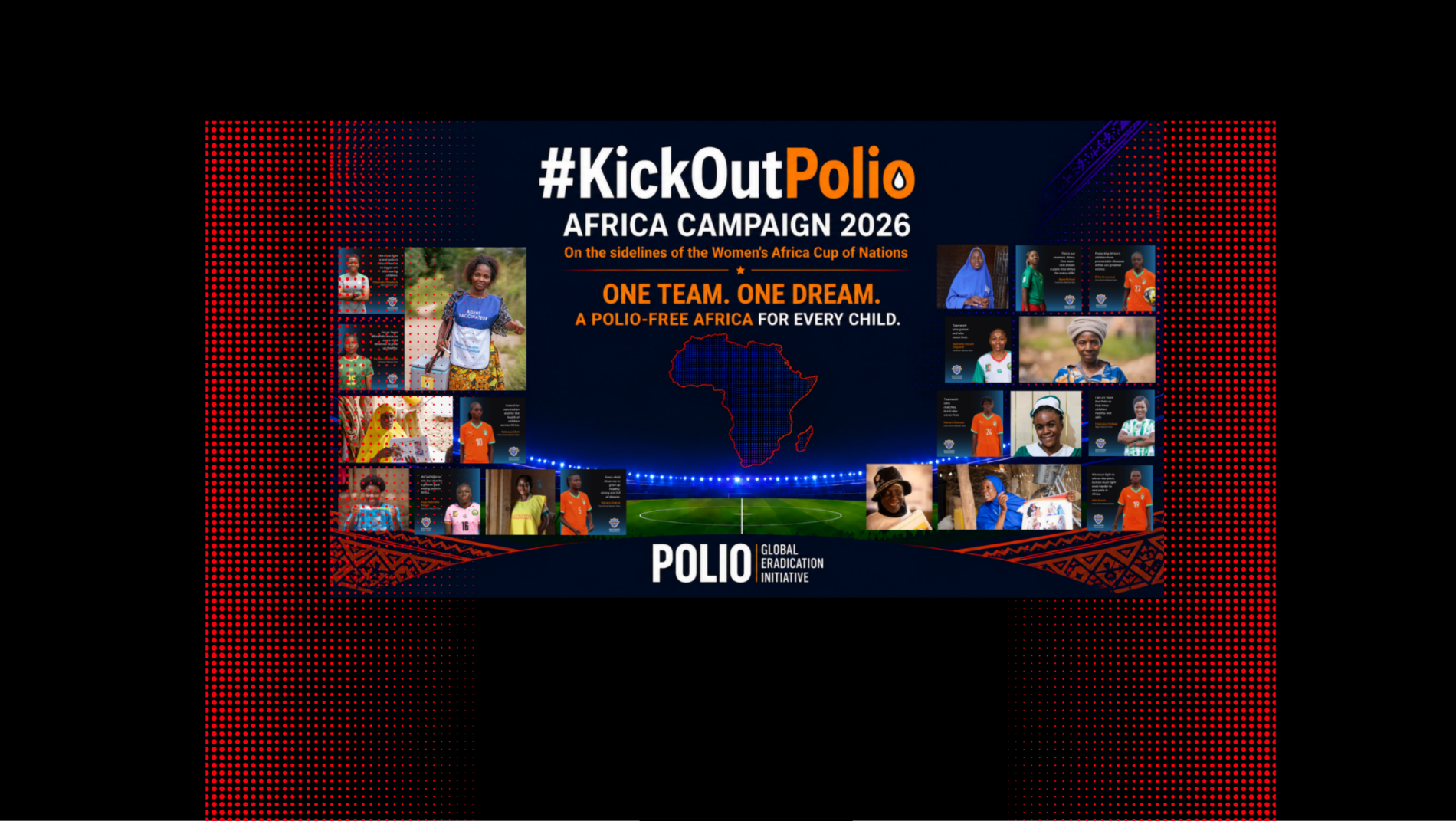
Brazzaville, 22 July 2026 - Just days before the Women’s Africa Cup of Nations (WAFCON) kicks off, African women footballers are calling on leaders across the continent to renew their political commitment, sustain investment and take collective action to protect every child from polio and other vaccine-preventable diseases.
Mozambique launches Action Plan for Child Survival and reaffirms its commitment to reduce child mortality
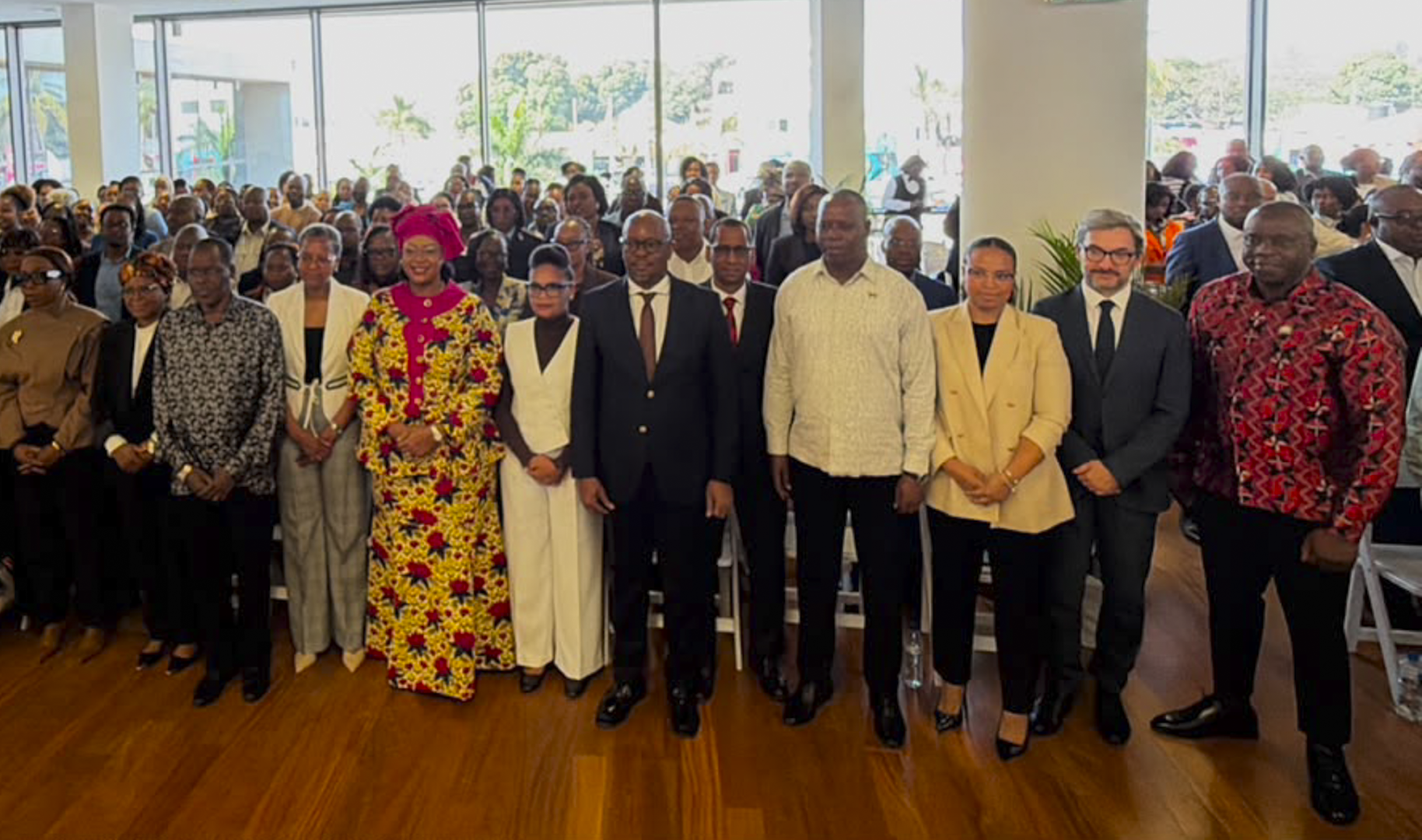
Maputo – The Government of Mozambique, through the Ministry of Health, launched the Action Plan for Child Survival 2026–2030, launched on Monday 20 July 2026, in Maputo Province, a strategic instrument aimed at accelerating the reduction of child mortality and ensuring that all children have the opportunity to survive, grow and develop to their full potential.
Communicating to protect

By: Olívio Gambo, WHO Angola Communication Officer
In a world increasingly affected by outbreaks, epidemics, extreme weather events, and other public health challenges, the question is no longer whether new crises will arise, but rather how well prepared we will be to tackle them. Preparedness for crises does not depend solely on hospitals, medicines, or the availability of healthcare professionals; it also depends on something less visible, yet equally crucial: the trust of communities.
Access to care for severe chronic diseases in Africa growing: new report
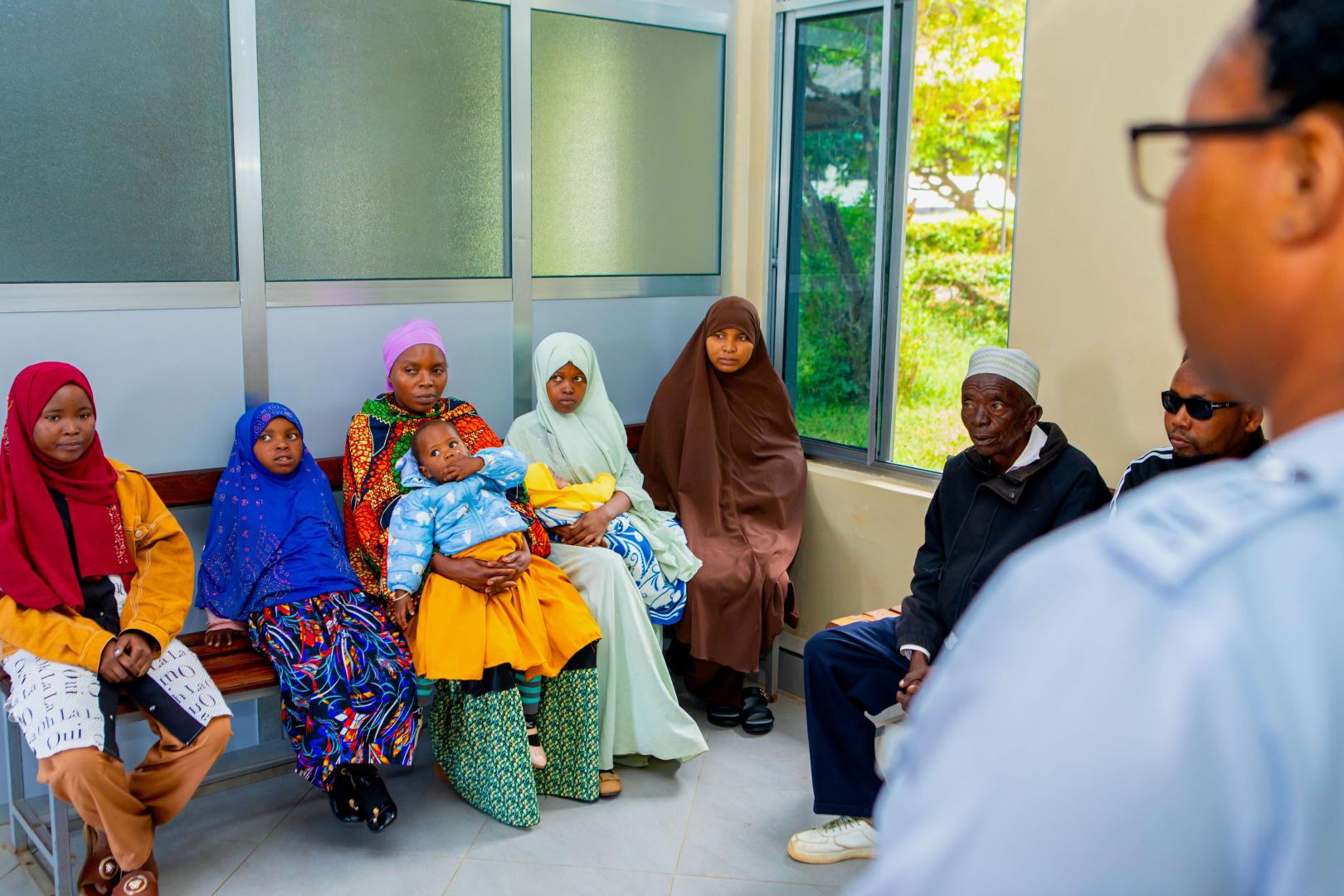
Angola has completed a strategic process to enhance the impact of vaccination
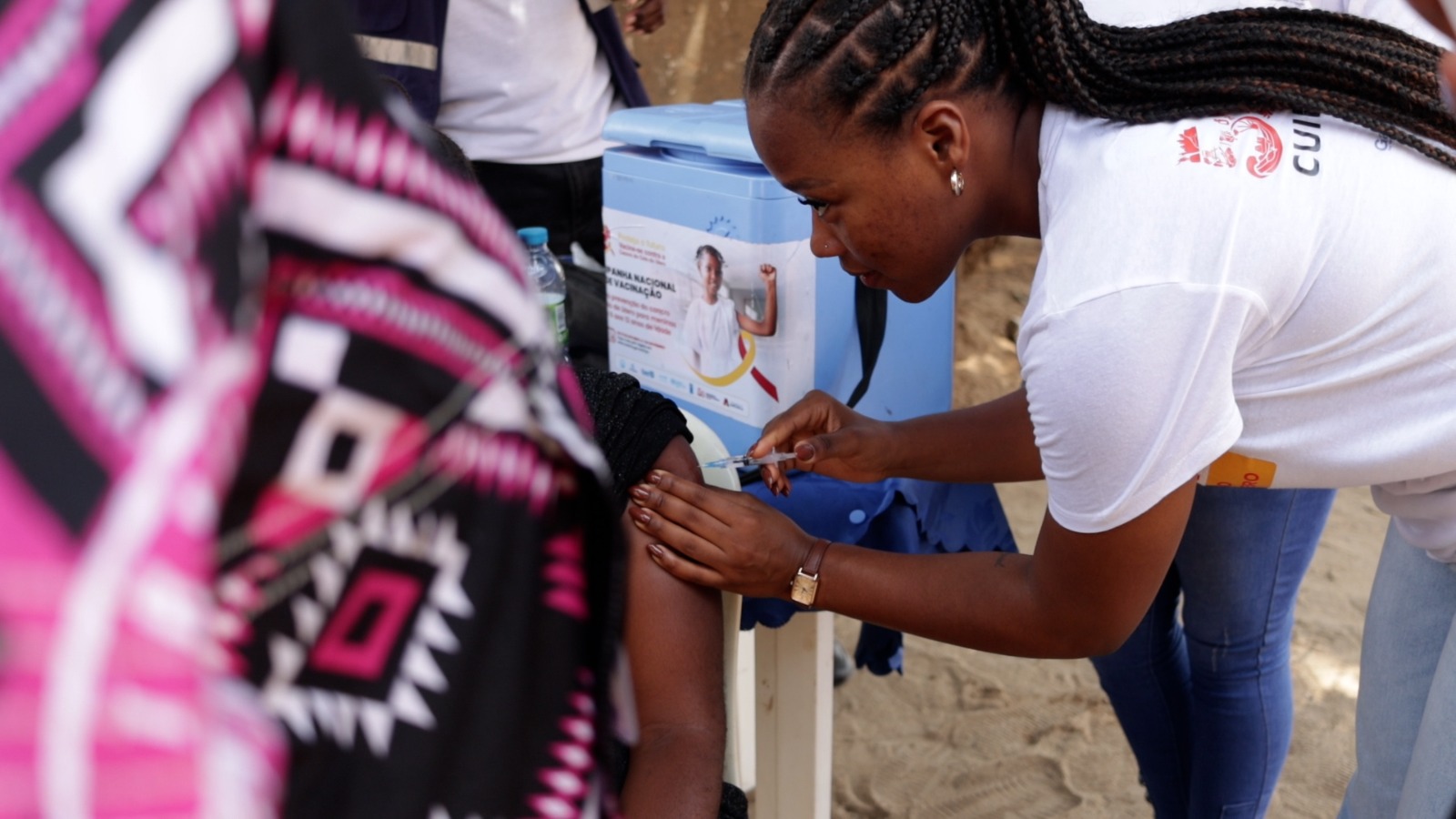
Angola has concluded the first Meeting on the Prioritization and Optimization of the Vaccine Portfolio. This strategic exercise brought together national experts, health officials, and technical partners to define priorities and strengthen evidence-based decision-making within the framework of the National Immunization Strategy for 2026 to 2030.
Zambia Launches Final Round of Polio Vaccination Campaign Targeting 3.9 Million Children
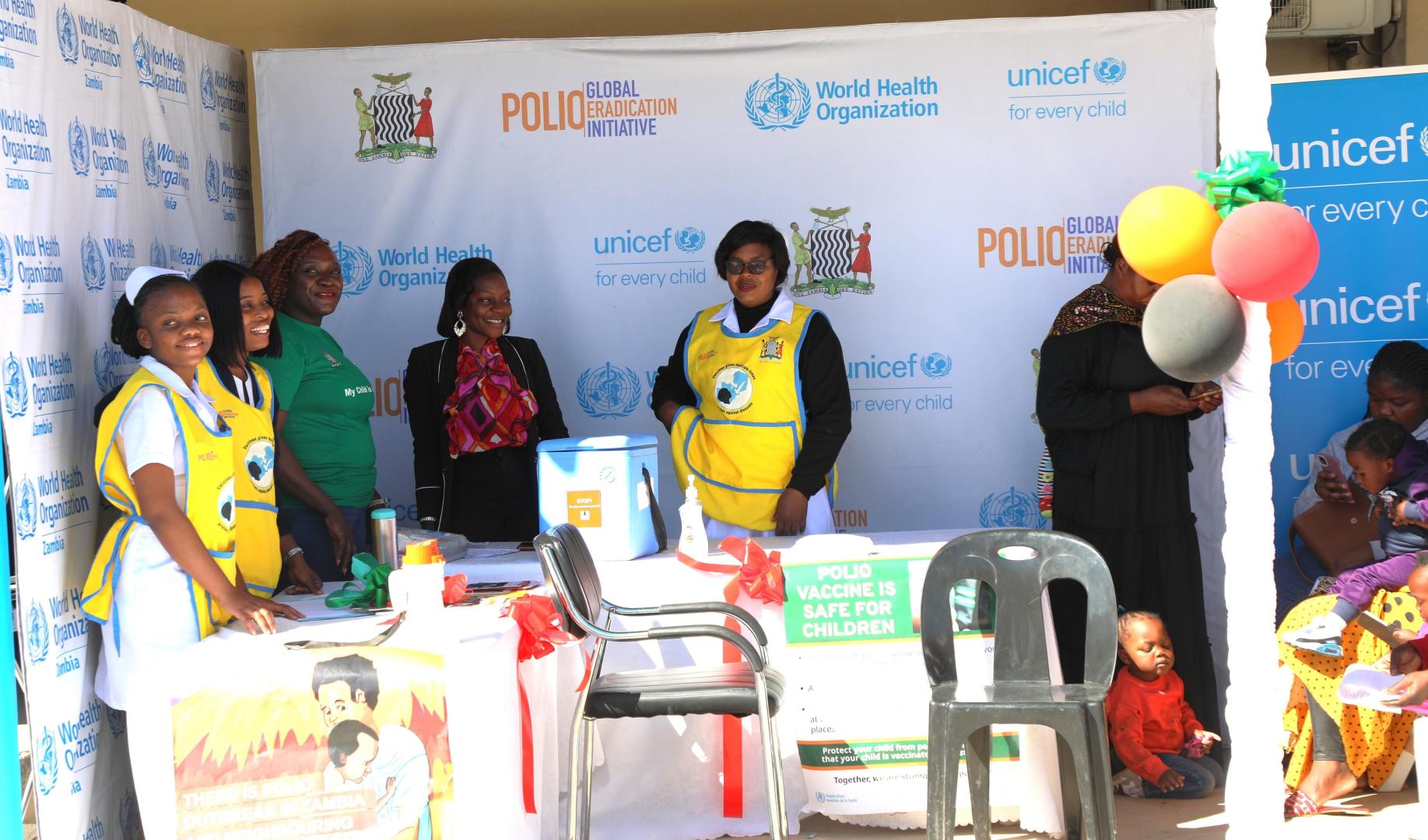
19 July 2026 – LUSAKA, Zambia. The Government of the Republic of Zambia, through the Ministry of Health, in partnership with the World Health Organization (WHO), Rotary International, UNICEF and other partners of the Global Polio Eradication Initiative (GPEI), has launched the final round of the Sub-National Immunization Activities (SIA) polio campaign targeting about 3.9 million children under the age of five.
Genomic sequencing strengthens public health in Eritrea
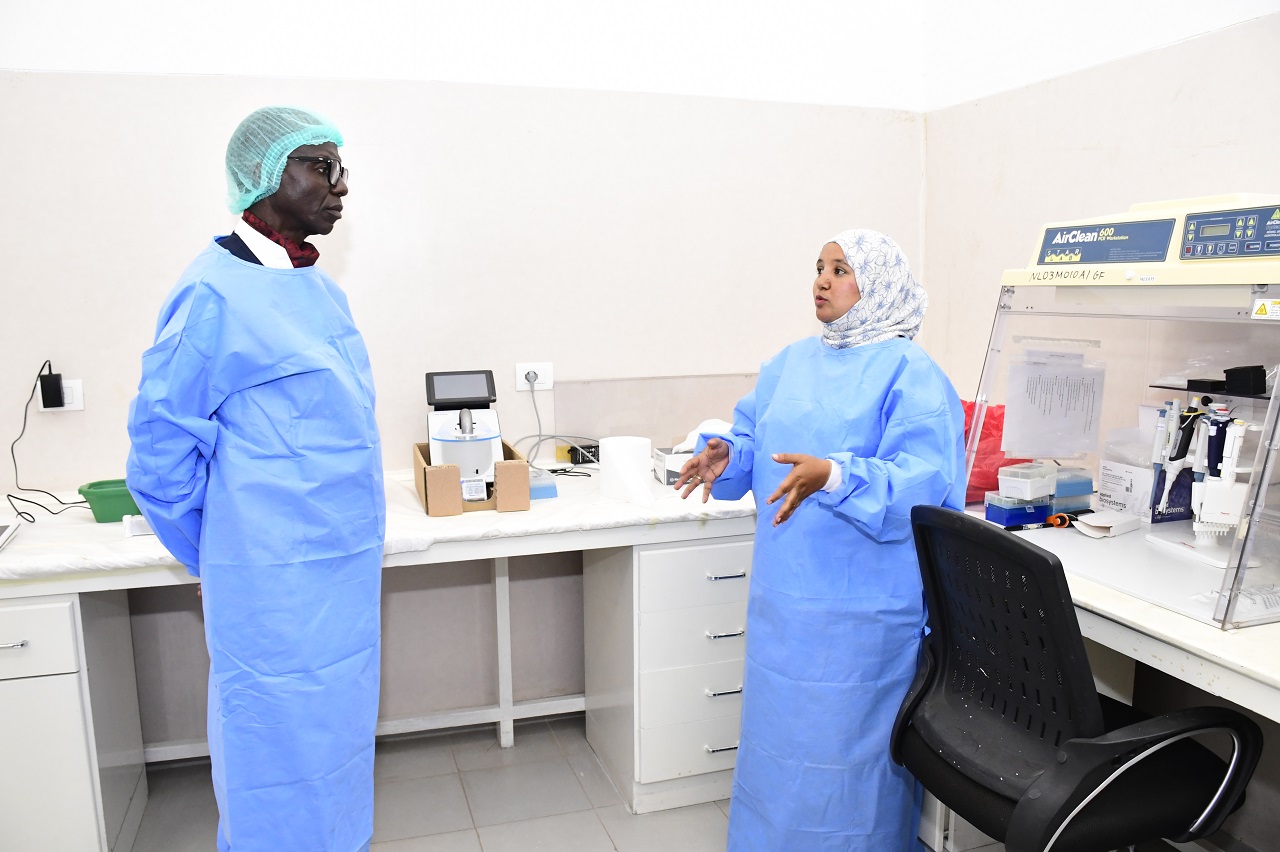
Asmara—Eritrea’s National Health Laboratory is strengthening its genomic sequencing capacity to improve disease surveillance and generate critical scientific data for public health. This technology enables scientists to analyse viruses, bacteria and parasites in depth, helping them better understand how pathogens evolve, detect antimicrobial and drug resistance, and guide public health interventions more effectively.
Together for Every Child: Malawi's Journey Toward a Polio-Free Future
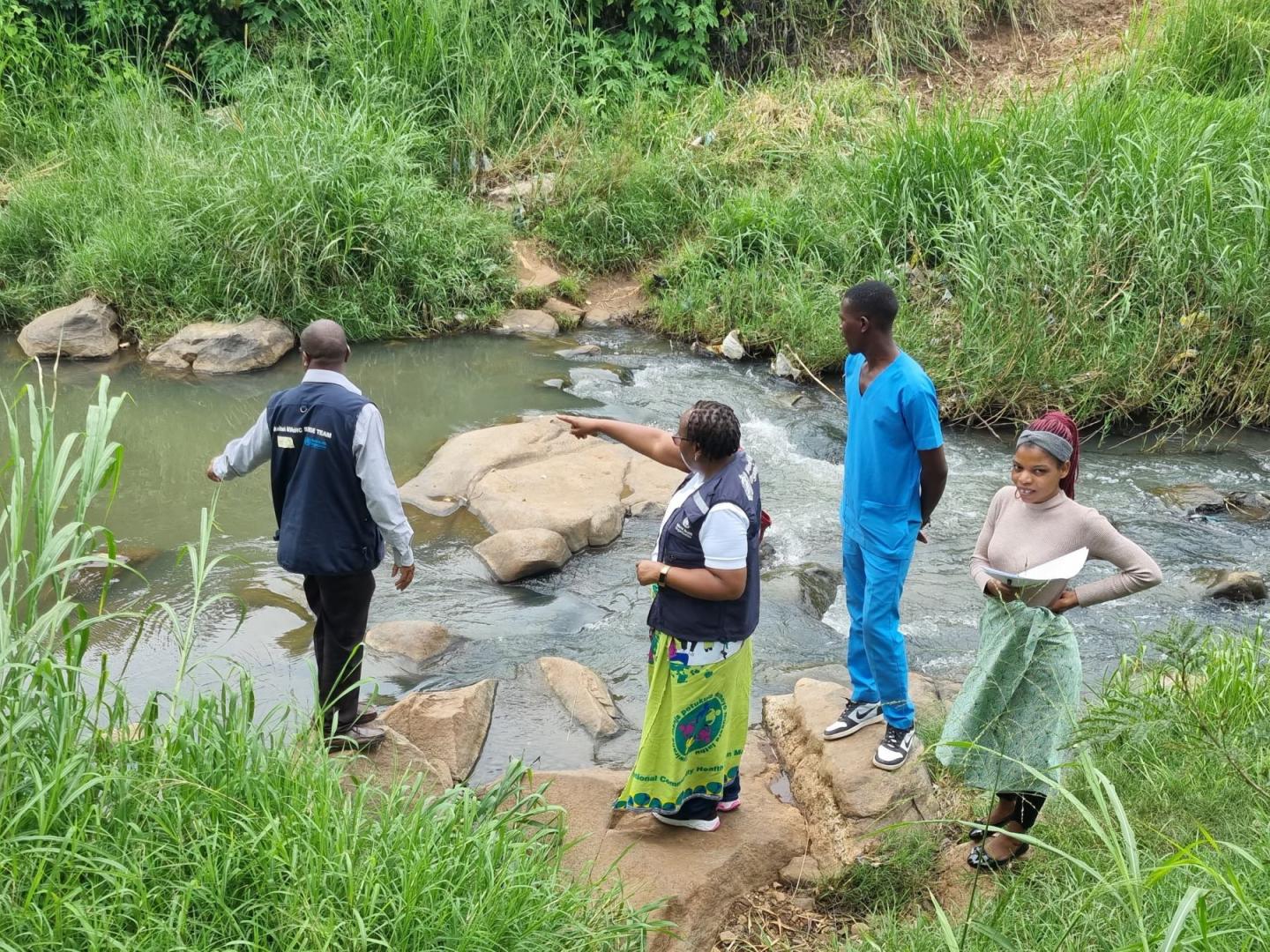
Following the detection of circulating vaccine-derived poliovirus type 2 (cVDPV2) in environmental surveillance samples in Blantyre, and its subsequent confirmation among children in the community, Malawi rapidly activated a comprehensive outbreak response. The Ministry of Health, with support from the World Health Organization (WHO), the Global Polio Eradication Initiative (GPEI), and partners, launched a nationwide response with one clear objective: protect every child and stop the virus before it spreads.
Barefoot doctors bring health care closer to communities in Eritrea
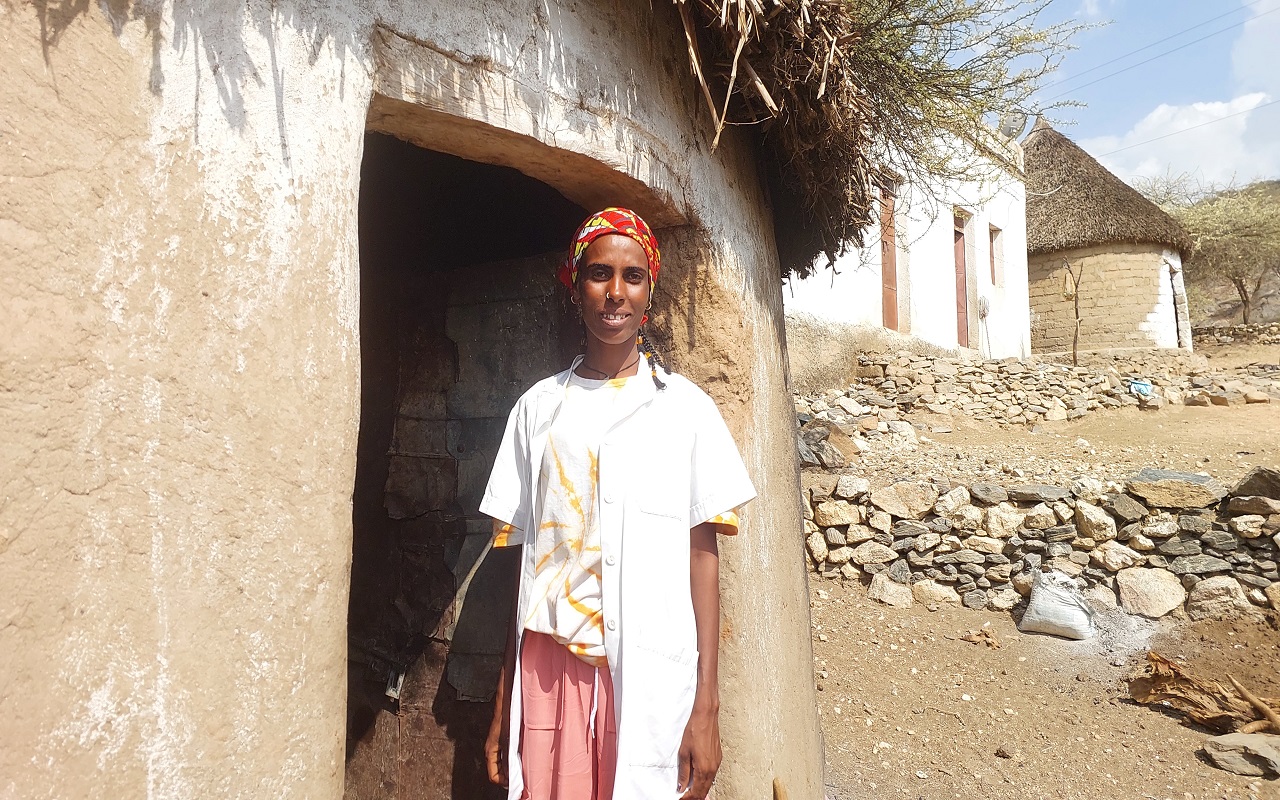
Keren, Eritrea—Every morning, 28-year-old Amatazgi Gumbot opens her small health consultation point in the village of Shasharama in Keren, the capital of Anseba Region in northern Eritrea, before heading out to meet residents in neighbouring villages. Amatazgi is one of Eritrea’s barefoot doctors, bringing health services closer to people living in some of the country’s most remote areas.