Preventive treatment for tuberculosis reaches more people in Mozambique
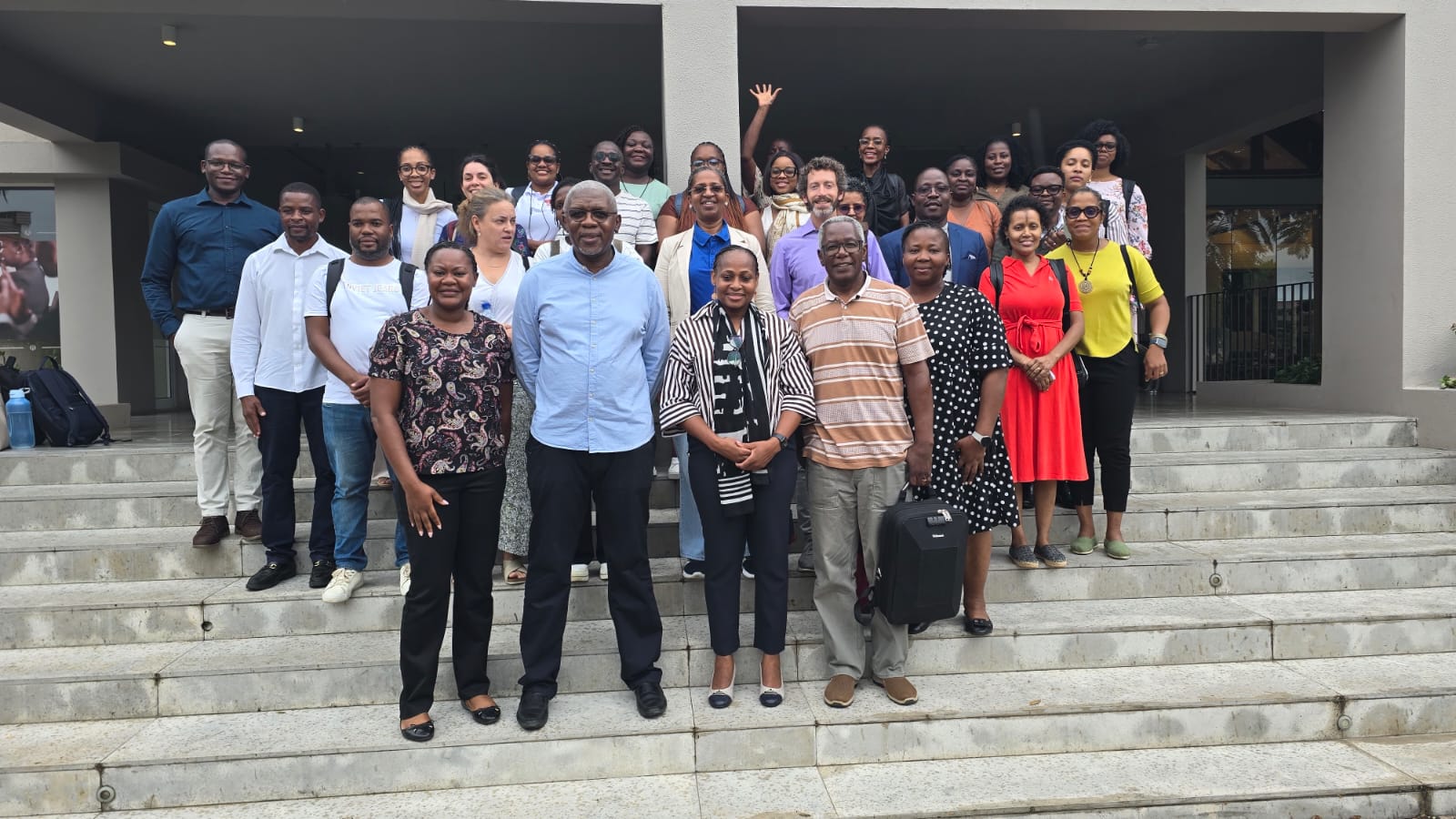
Maputo – The World Health Organisation, through its Regional Office for Africa (WHO/AFRO), led an external mission to evaluate the National Tuberculosis Control Programme (PNCT) in Mozambique.
The Programme Review is a standardised WHO methodology that enables the systematic assessment of progress made, the identification of gaps in implementation, and the analysis of the effectiveness of interventions across the entire care pathway, from prevention and early detection to treatment and patient follow-up. This process offers the country an opportunity for strategic adjustment, based on recent evidence and expert recommendations, thereby strengthening national capacity for planning and decision-making.
At the meeting to present the review’s findings to national authorities, led by the Ministry of Health’s National Directorate of Public Health, Dr Jean Louis Abena Foe, a tuberculosis (TB) specialist from the WHO/AFRO Department of Disease Prevention and Control and leader of the review mission, acknowledged the progress made in Mozambique. With regard to the expansion of preventive TB treatment for people living with HIV (PLHIV), there was an increase from 41% to 89% during the period analysed, as well as the maintenance of high treatment success rates (92% in 2024) among patients presenting at health facilities and a reduction of over 75% in tuberculosis deaths between 2015 and 2024, one of the key targets set by the End TB Strategy. These results demonstrate the country’s ongoing commitment to strengthening the national TB response, making consistent progress in combating the disease and reducing its impact on the population.
Despite the progress, it was emphasised that Mozambique remains among the 10 countries with the highest burden of tuberculosis, including multidrug-resistant TB and HIV-associated TB, in the world, with estimates suggesting that one person contracts TB in the country every four minutes, highlighting the persistence of the challenge.
The mission presented a set of priority recommendations to accelerate progress and achieve national and global targets. Among these, the following stand out:
Step up active case finding in districts with the highest burden;
Reduce the gap in the detection of MDR-TB by ensuring universal antibiotic susceptibility testing and testing for a new mutation (rpoB I491F), which has already been reported as a concern in the neighbouring Kingdom of Eswatini;
Strengthen Infection Prevention and Control (IPC) in all healthcare facilities;
Establish a social support package based on social determinants for people affected by TB.
The team recommended using these findings as the basis for developing the Acceleration Plan to end TB in Mozambique, the funding proposal to the Global Fund, and an advocacy strategy aimed at strengthening domestic funding. These actions should also reinforce the national commitment to a people-centred response, underpinned by evidence and aligned with global targets.
External Relations Officer
Rua Beijo da Mulata, 73, Sommerschield, Maputo
P.O. Box 377, Maputo, Mozambique
Telephone: (+258) 21 491 990
Email: erbf [at] who.int (erbf[at]who[dot]int)