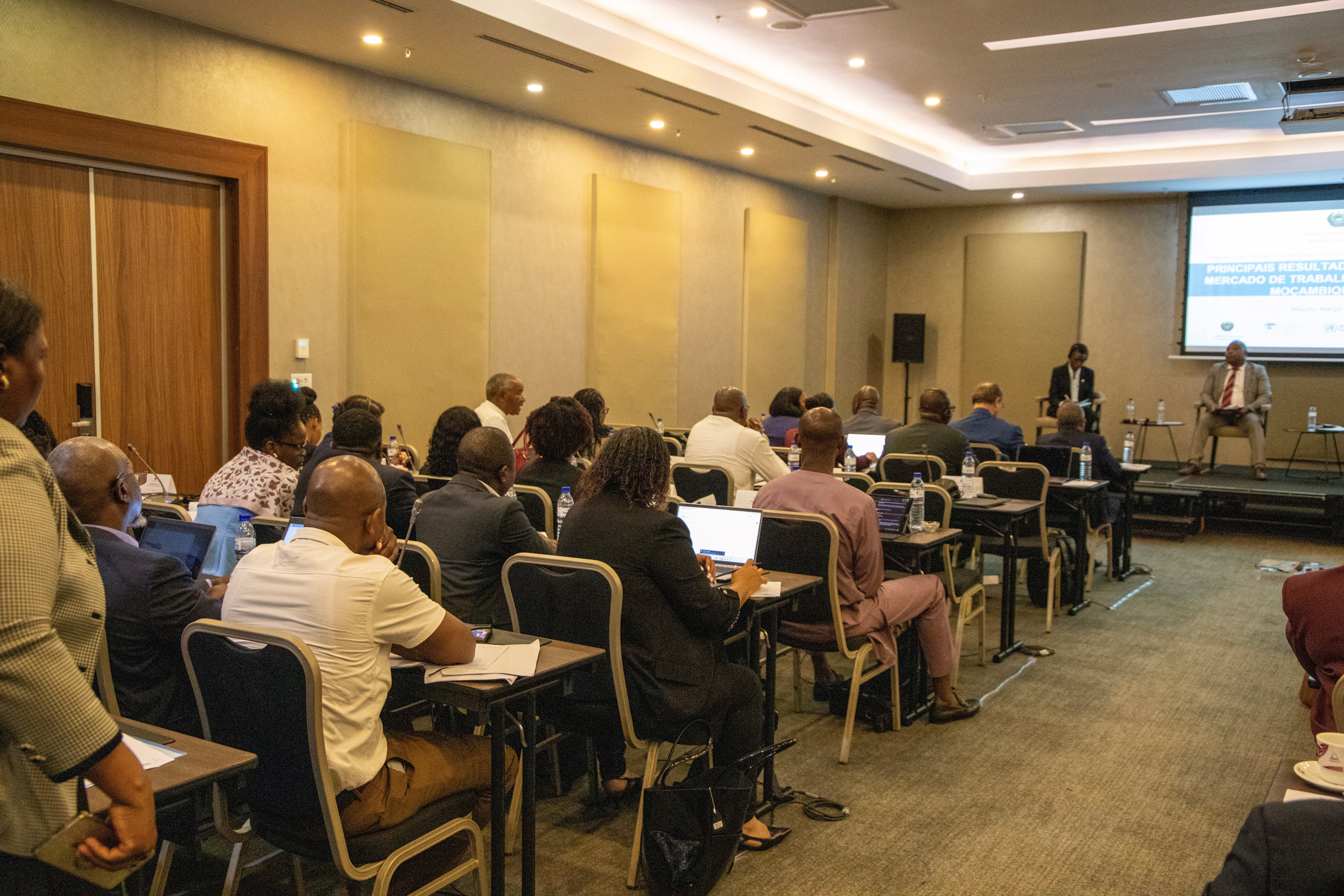
Maputo – On Thursday 19 March, the National Dialogue on Policies and Investment in the Healthcare Workforce concluded in Maputo, bringing together policy-makers, cooperation partners, the private sector and professional bodies to discuss solutions to one of the main challenges facing the healthcare system: the shortage and uneven distribution of healthcare professionals.
@ WHO / Tatiana Daniel
The two-day event was organised by the Ministry of Health, in partnership with the World Health Organisation (WHO), reinforcing their joint commitment to strengthening the health system in Mozambique.
@ WHO / Tatiana Daniel
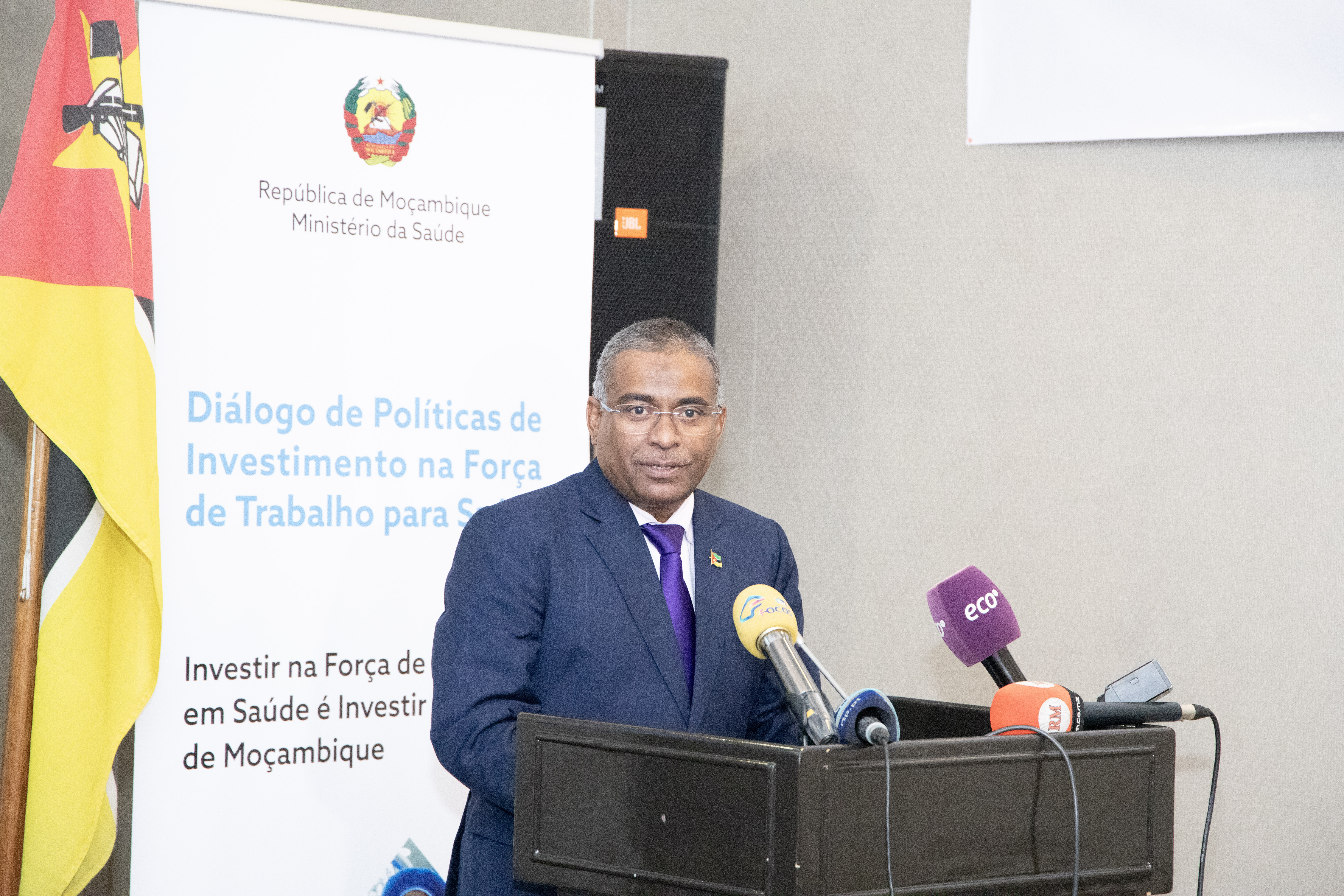
At the opening session, the Minister of Health highlighted the need to turn evidence into concrete action. “This dialogue represents a strategic opportunity to align policies and investments that respond, in a sustainable manner, to the needs of our people, ensuring a better-prepared, more evenly distributed and resilient health workforce,” said the minister, Dr Ussene Hilário Isse.
@ WHO / Tatiana Daniel
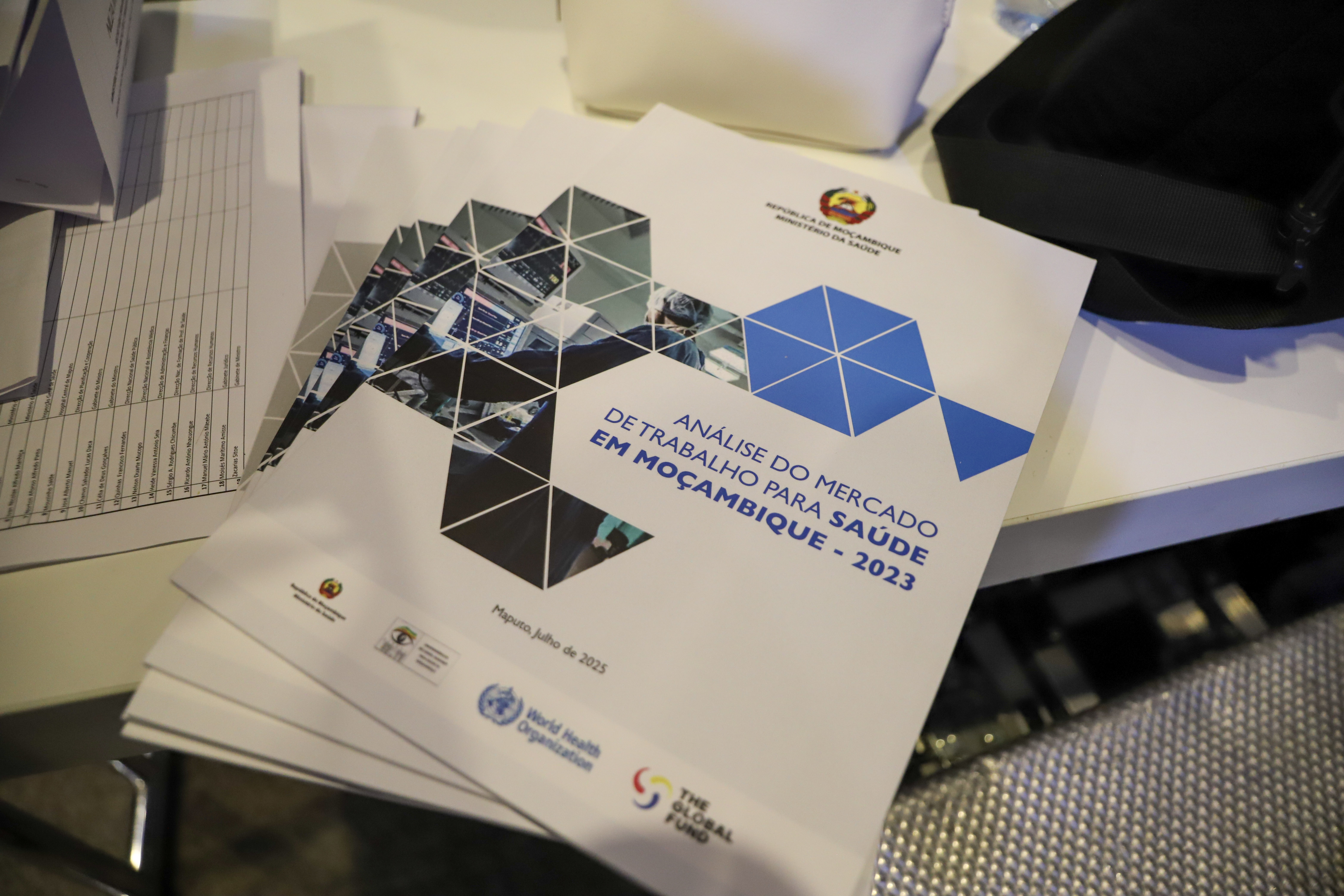
To guide the discussion, the key findings of the 2023 Health Workforce Analysis (HWA) were presented, highlighting not only the shortage of professionals but also challenges relating to funding, retention and training capacity. With support from WHO, The Global Fund and a contribution from the Mozambique Observatory on Human Resources for Health, the analysis reveals that the country has around 18.5 health professionals per 10,000 inhabitants, well below the threshold required to achieve Universal Health Coverage.
Currently, the workforce meets only 44% of the population’s needs and, if current trends continue, this figure could rise by 2030. Significant inequalities in distribution also persist, with 64% of professionals concentrated in urban areas, whilst the majority of communities are in rural areas.
Currently, the workforce meets only 44% of the population’s needs and, if current trends continue, this figure could rise by 2030. Significant inequalities in distribution also persist, with 64% of professionals concentrated in urban areas, whilst the majority of communities are in rural areas.
@ WHO / Tatiana Daniel
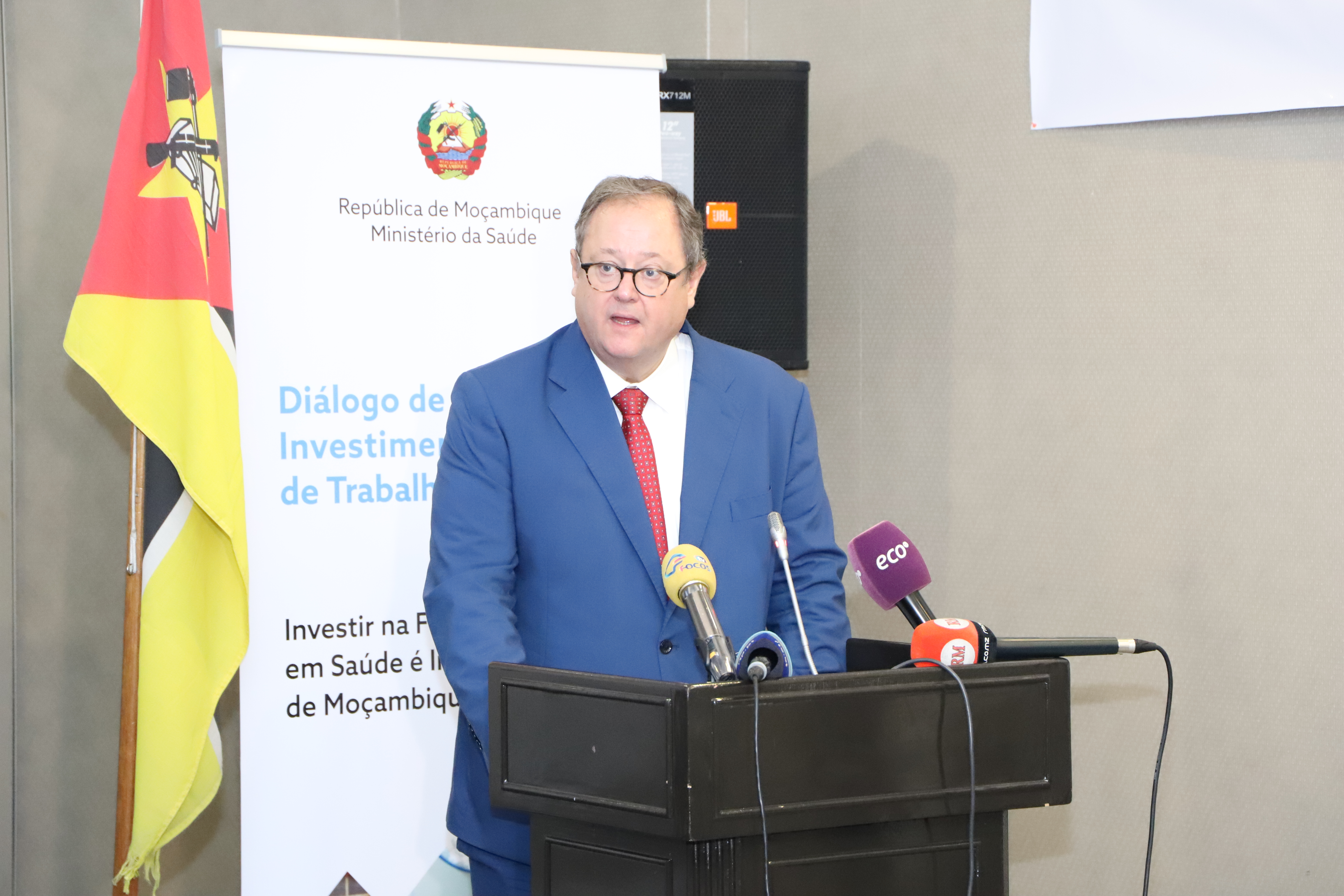
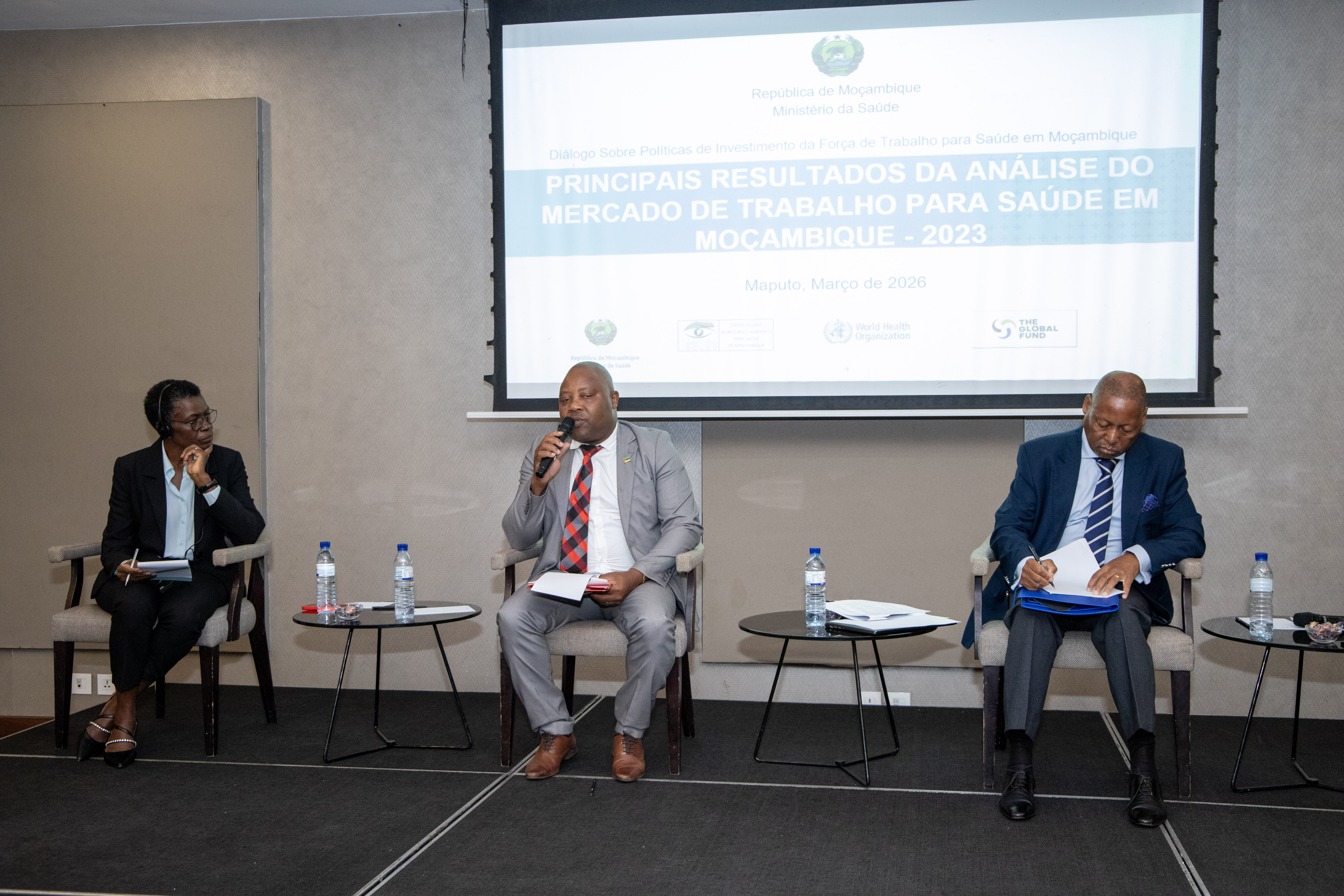
In his address, the WHO Representative in Mozambique emphasised that the challenges identified require an integrated and coordinated response across different sectors. “The findings show that the challenges facing the health workforce go beyond training and are closely linked to funding, recruitment and retention. Addressing these gaps requires an integrated approach and concerted action by the whole Government and partners,” Dr Severin Von Xylander
@ WHO / Tatiana Daniel
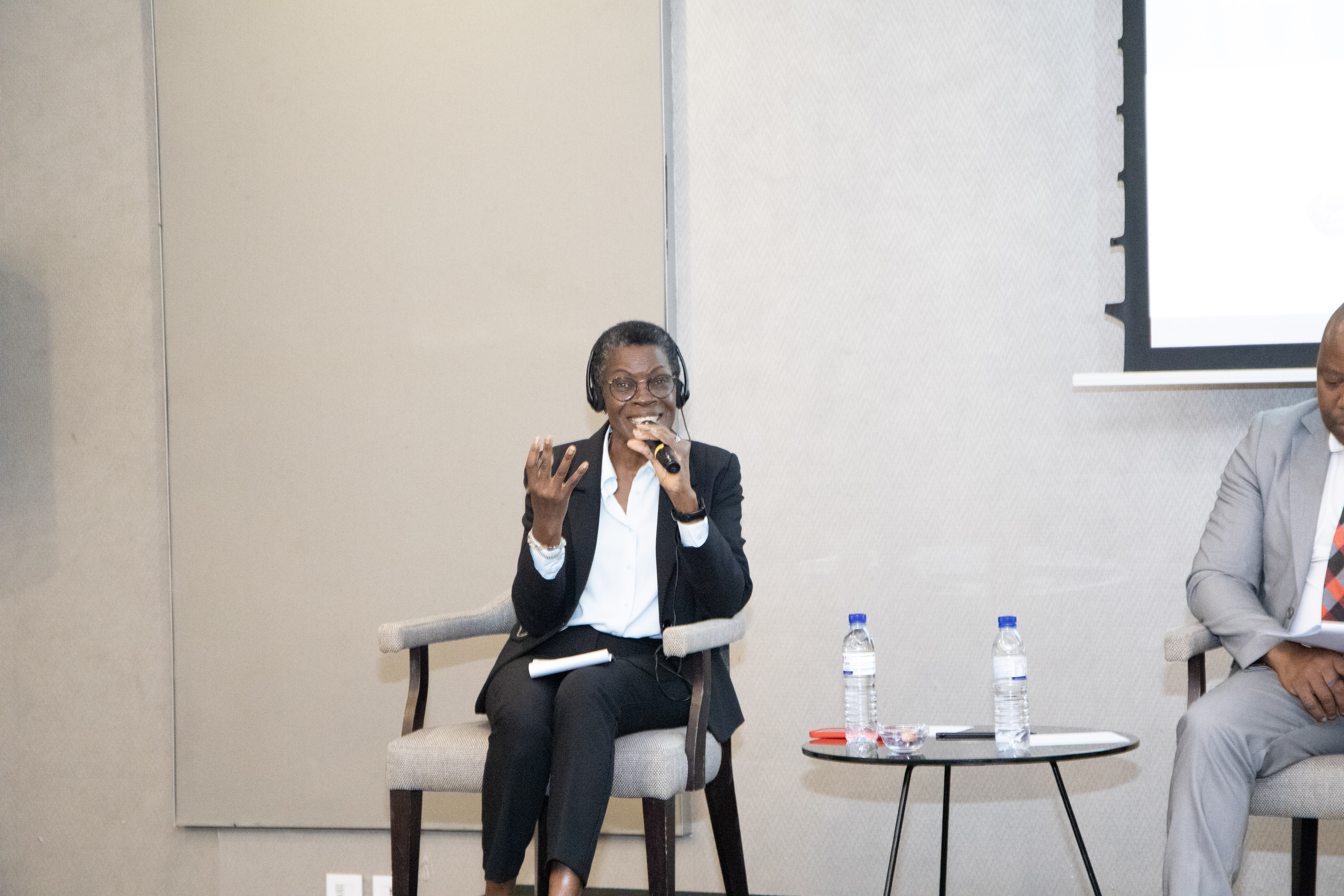
The discussion that followed featured Adelheid Onyango, Director of the WHO Health Systems and Services Cluster for the African Region, who provided a regional perspective on the challenges and opportunities.
@ WHO / Tatiana Daniel
“Investing in the healthcare workforce is not only a national priority, but an imperative for achieving Universal Health Coverage by 2030. This requires strategic decisions that align training, employment and funding, with the involvement of the private sector and partners,” reinforced Dr Adelheid Onyango
@ WHO / Tatiana Daniel
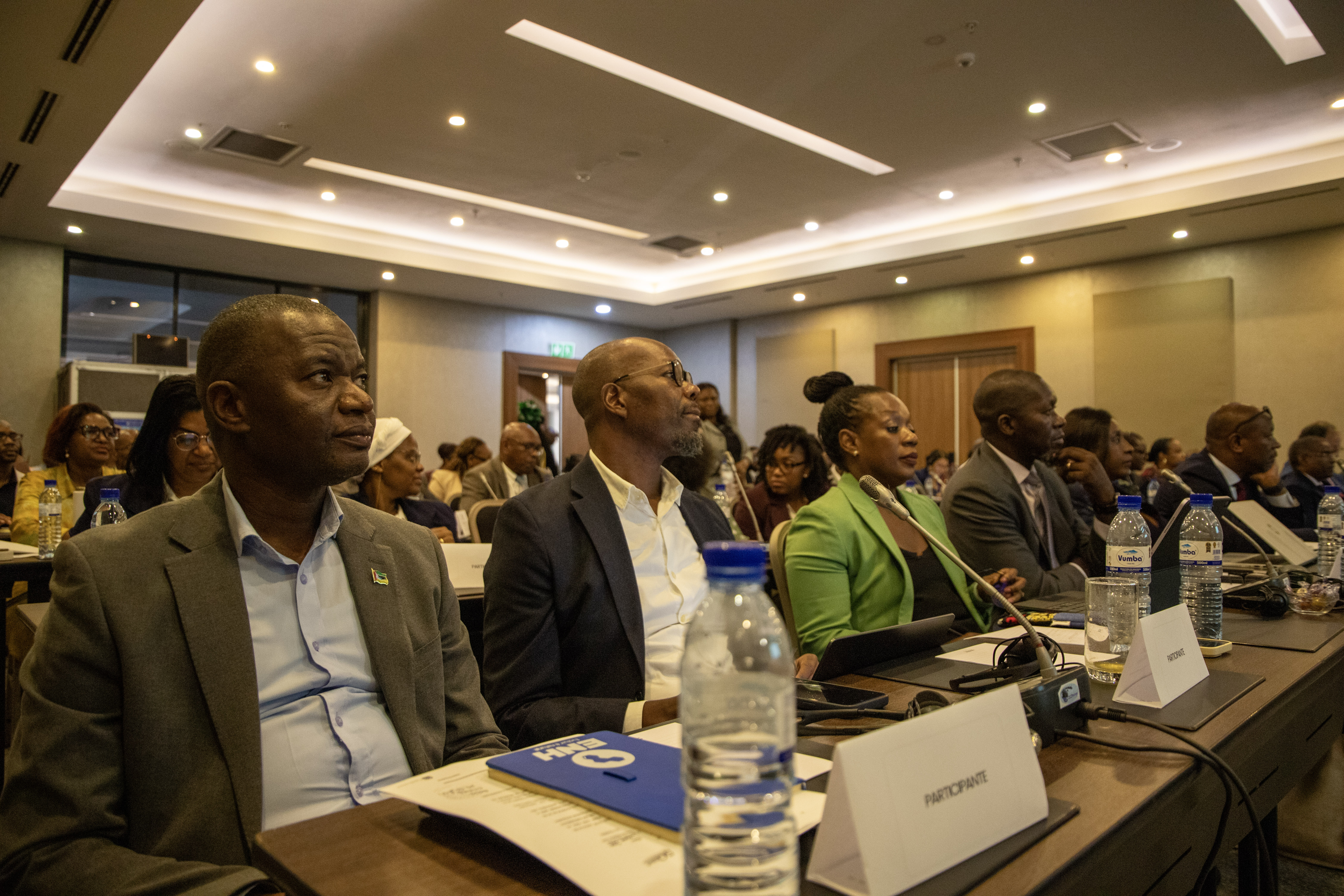
The dialogue is expected to contribute to building a multi-sectoral consensus and to the development of a National Investment Plan for the Health Workforce, in line with the country’s priorities and global commitments.
@ WHO / Tatiana Daniel
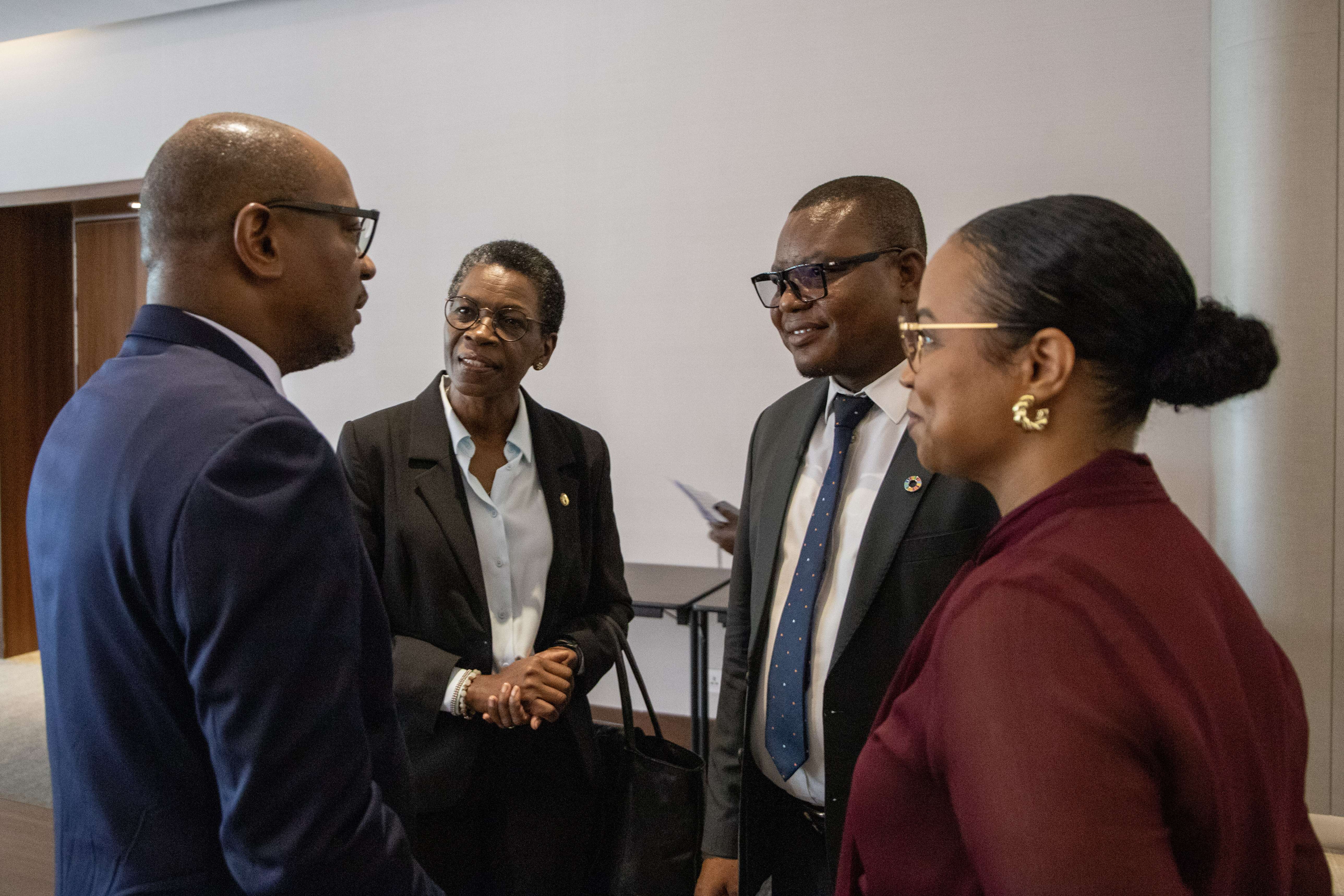
More than just a technical meeting, this initiative represents a decisive step towards ensuring that Mozambique has sufficient, qualified and equitably distributed health professionals, an essential condition for guaranteeing universal access to healthcare.
Pour plus d'informations ou pour demander des interviews, veuillez contacter :
Florence Erb
External Relations Officer
Rua Beijo da Mulata, 73, Sommerschield, Maputo
P.O. Box 377, Maputo, Mozambique
Telephone: (+258) 21 491 990
Email: erbf [at] who.int (erbf[at]who[dot]int)