The end of Ebola outbreak in Uganda demonstrates WHO’s value in controlling and stopping diseases
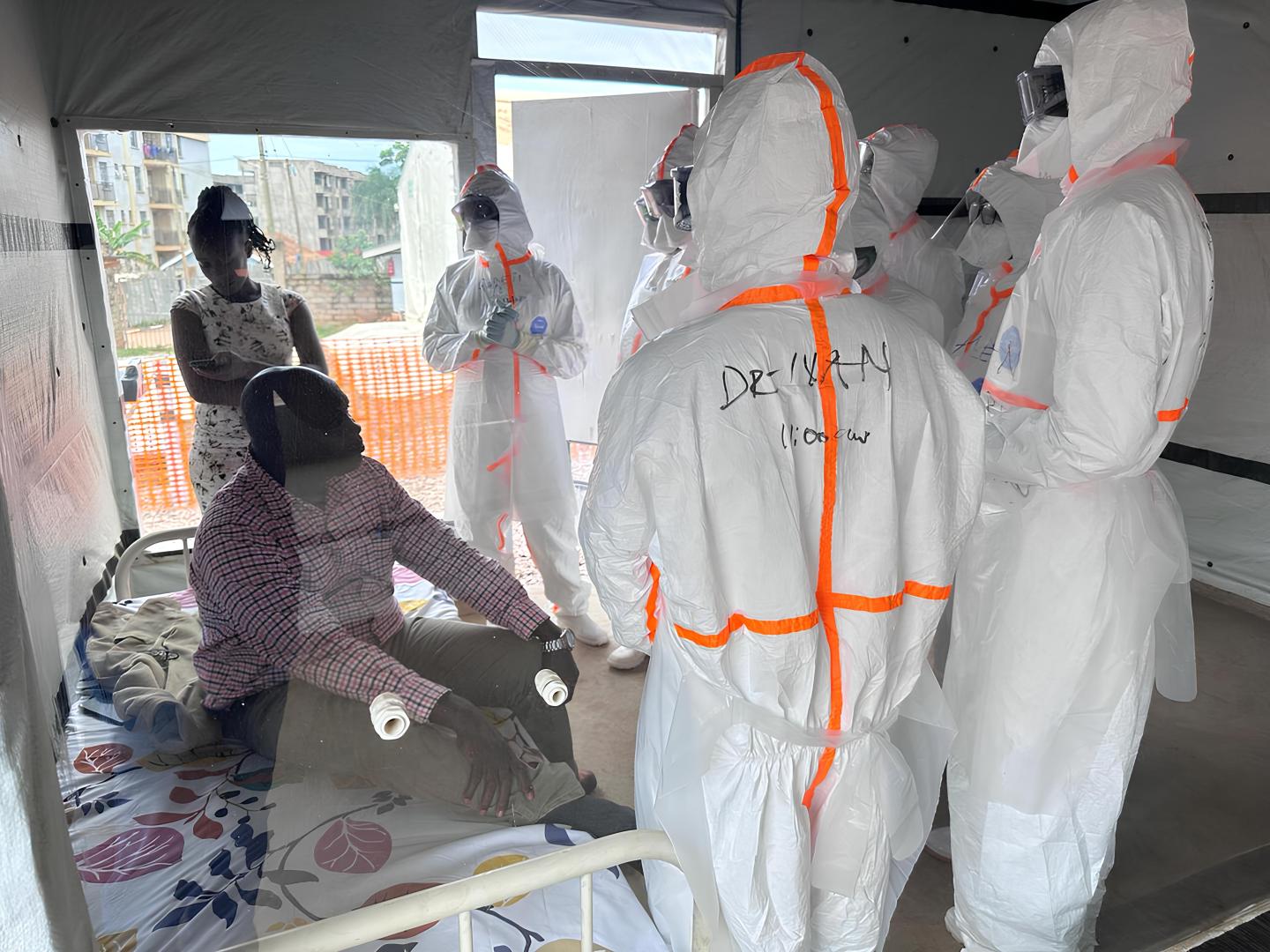
Kampala. Uganda has officially declared the end of the Ebola disease outbreak, which was confirmed on 30 January 2025 by Uganda’s Ministry of Health. The outbreak infected 14 people, two of whom were probable (not confirmed by laboratory tests) and caused four deaths (including two probable).
Uganda declares end of Ebola outbreak
World Malaria Day: 25 April 2025
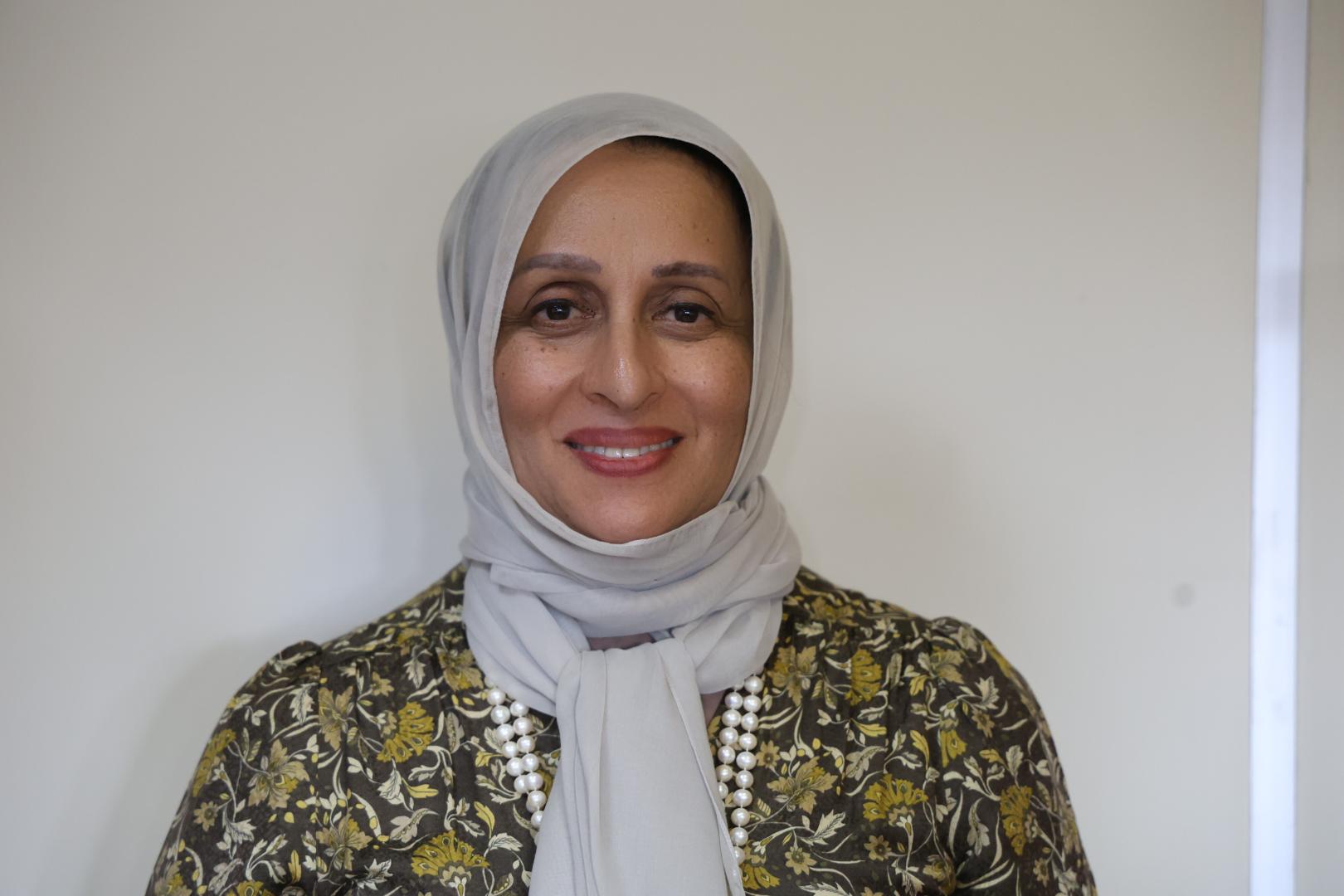
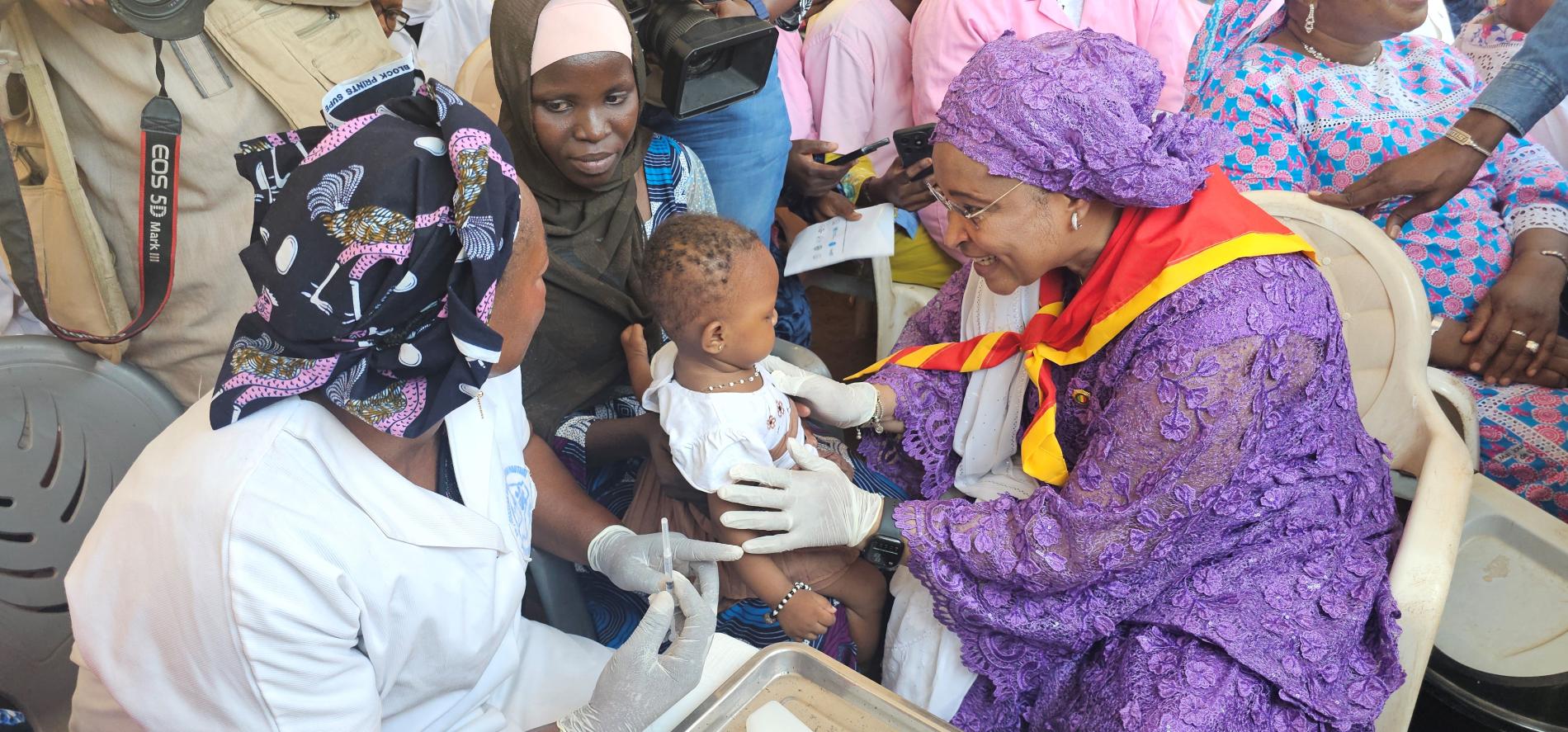
Mali pioneers novel hybrid vaccine delivery approach to combat malaria
Angola Observes World Malaria Day with Focus on Renewed Commitment
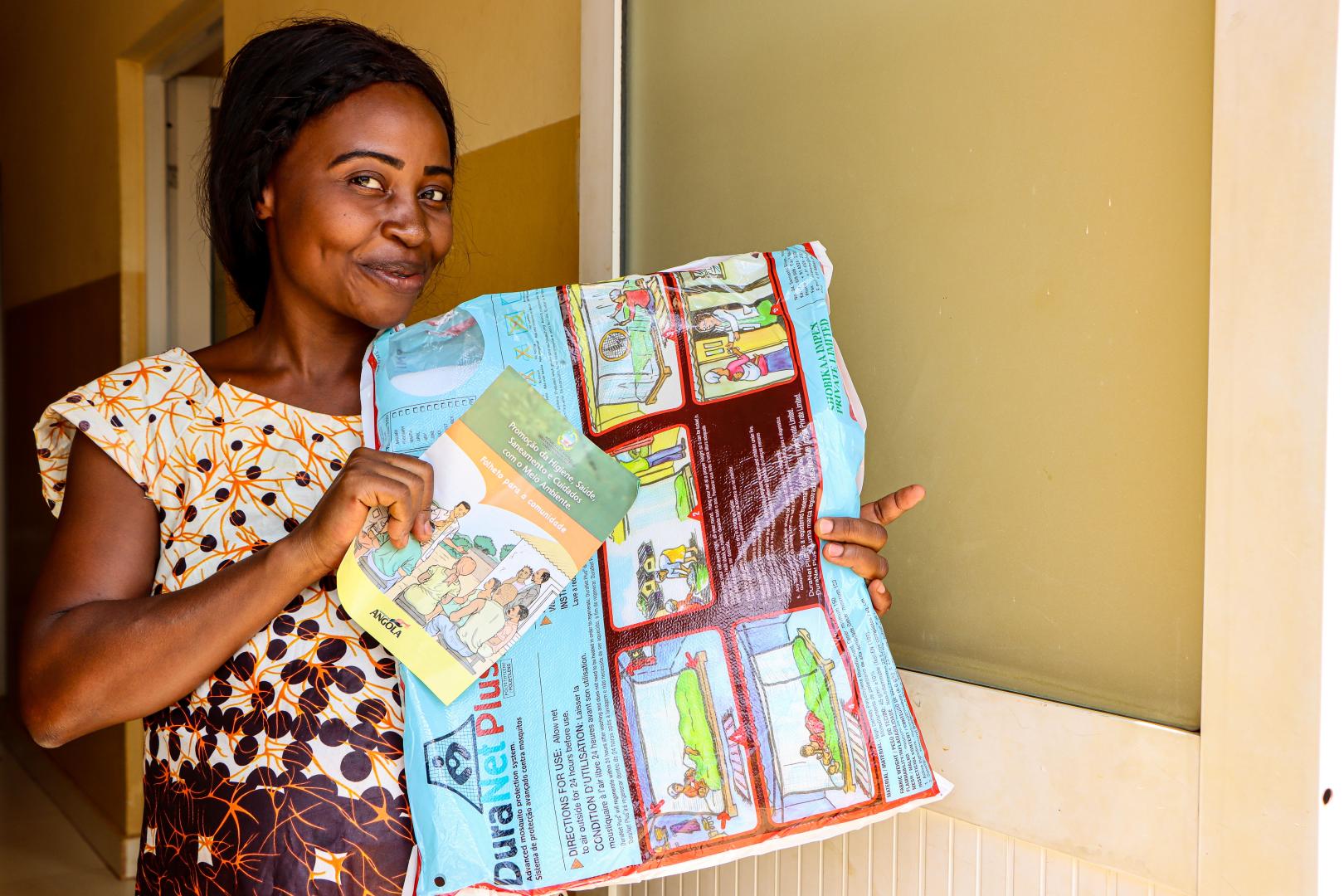
Under the global theme “Reinvest, Reimagine, Reignite,” Angola observed World Malaria Day with a ceremony held at the Private University of Angola (UPRA) in Luanda. The event reaffirmed the country’s ongoing efforts toward reducing the malaria burden and working toward the goal of elimination by 2030, in line with the World Health Organization (WHO)’s global strategy.
WHO Botswana welcomes Dr. Fabian Ndenzako as new country Representative
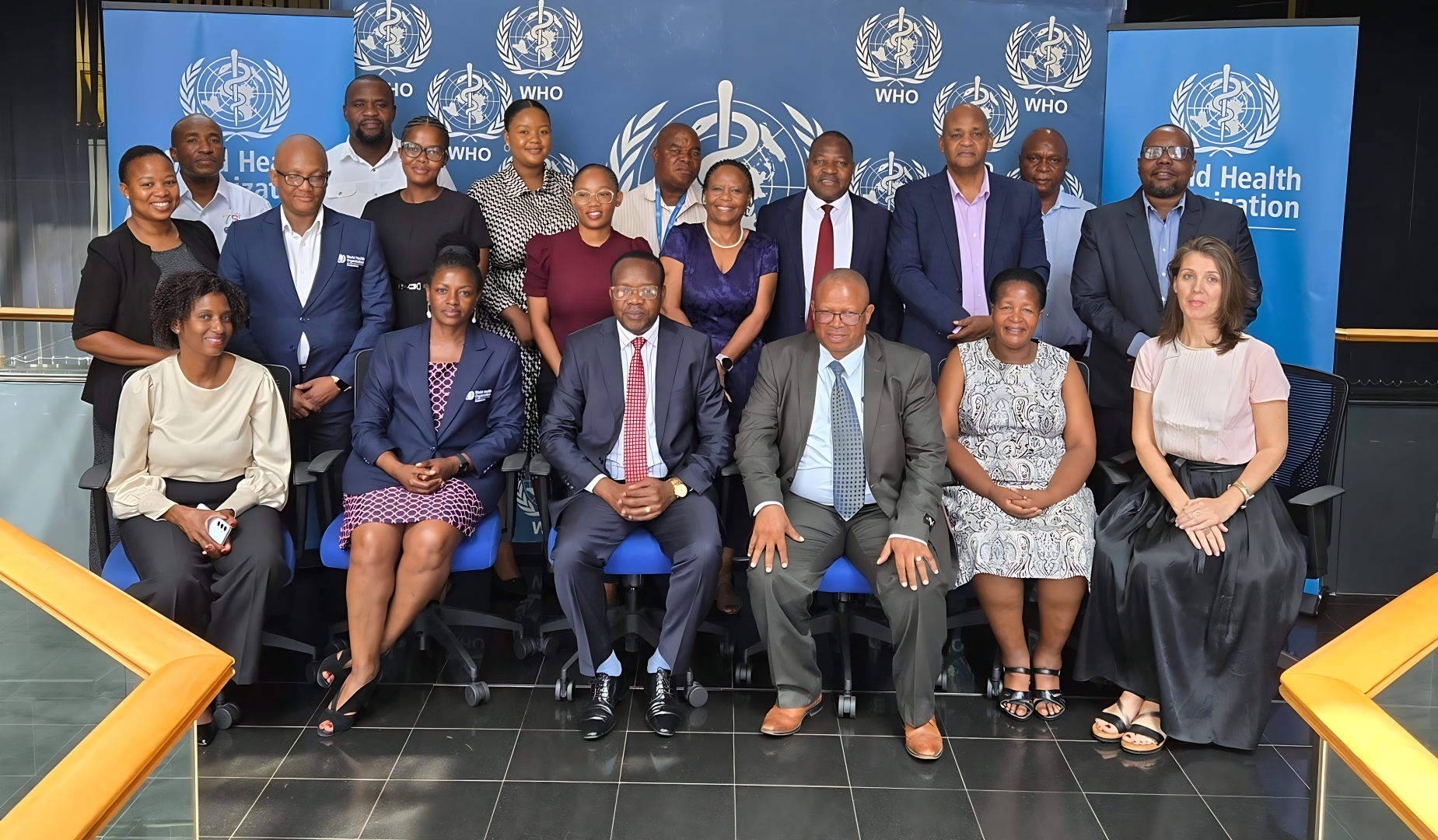
WHO Co-Leads Pandemic Fund Prioritization Meeting in Angola
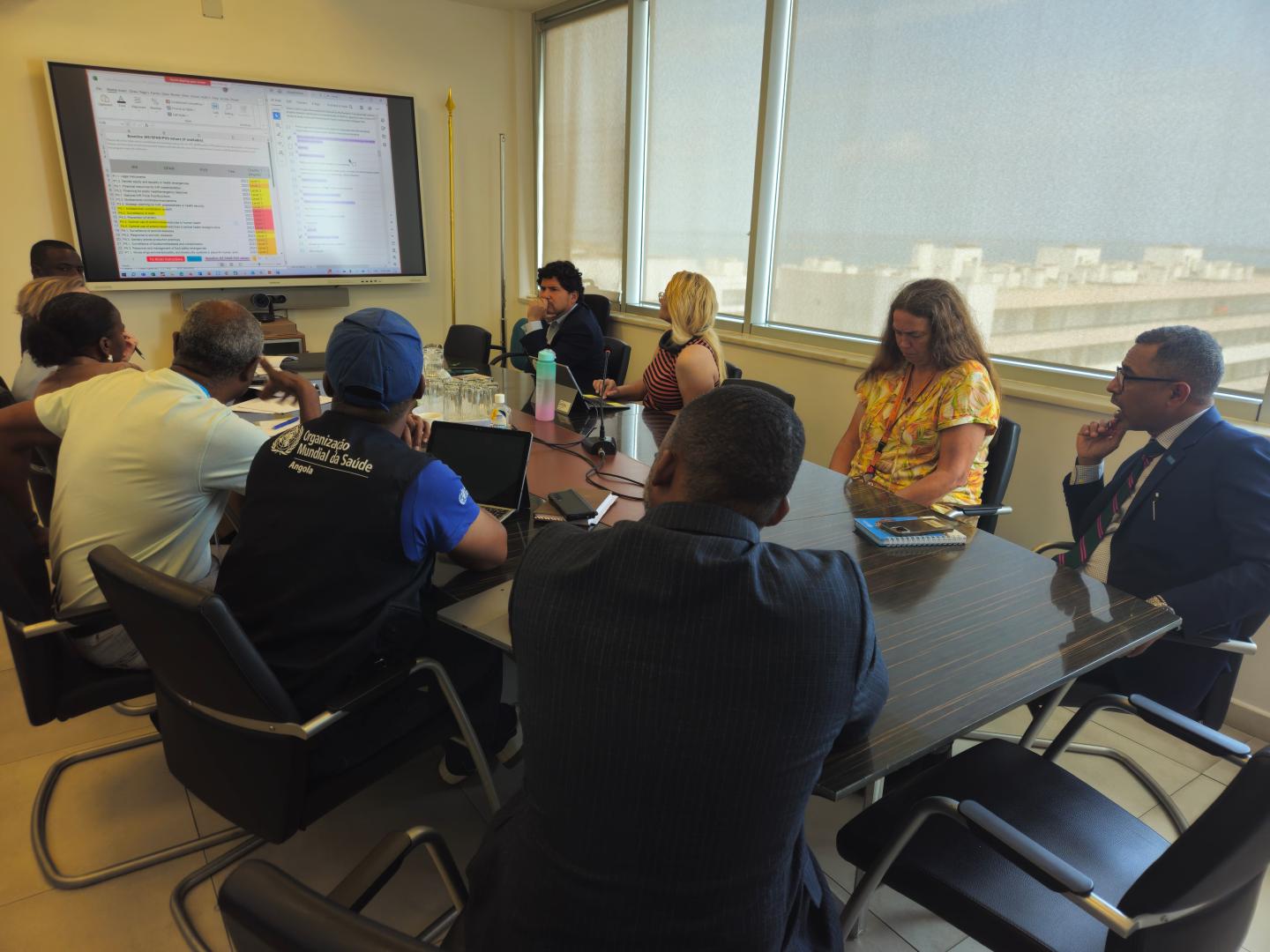
Today on 25 April, the World Health Organization (WHO) in Angola co-led an important prioritization meeting for the single-country Pandemic Fund proposal, in partnership with the Ministry of Health. The session brought together a broad group of national and international stakeholders, including the Ministry of Environment, the World Bank, UNICEF, FAO, the Red Cross, UNDP, the Private University of Angola, and Population Services International.
New WHO Botswana Representative presents credentials
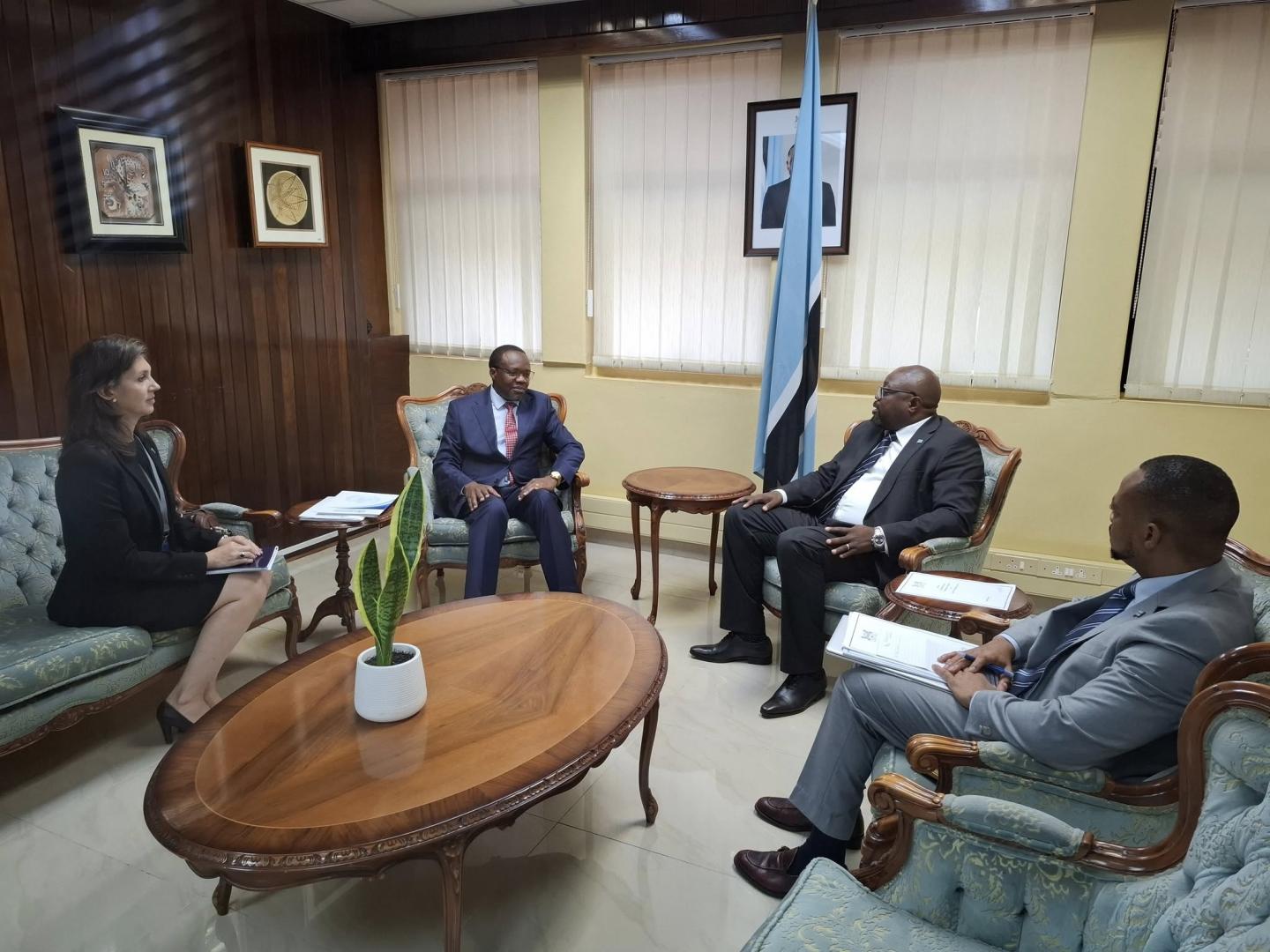
The newly appointed World Health Organization (WHO) Representative to Botswana and SADC, Dr. Fabian Ndenzako, officially presented his credentials to the Ministry of International Relations today. In his remarks, Dr. Ndenzako expressed his deep honour in taking on the role and reaffirmed WHO’s unwavering commitment to supporting Botswana’s health sector.
World malaria day 2025: malaria ends with us
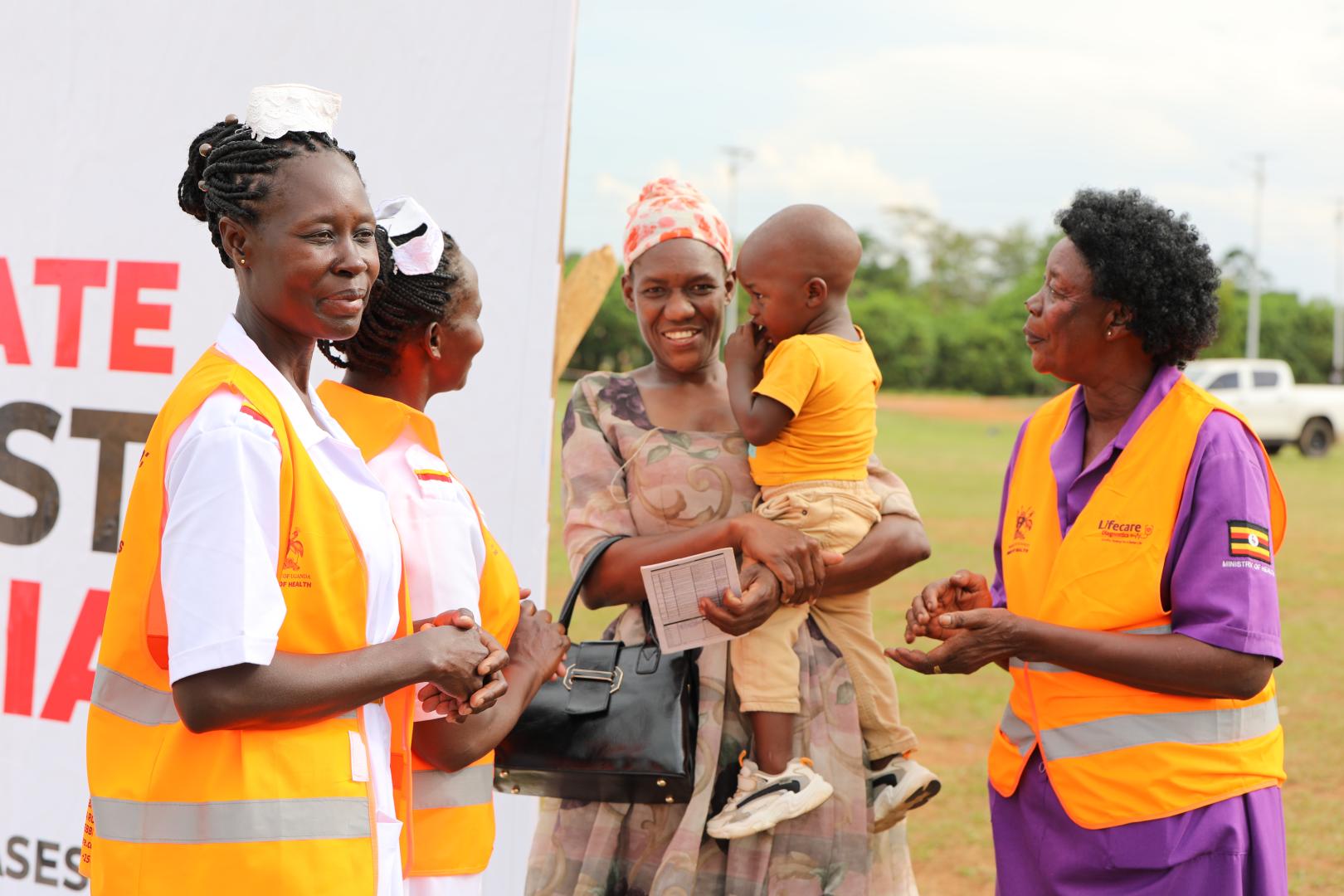
Today, as Uganda commemorates World Malaria Day in Gulu District, we are reminded of both a solemn truth and a powerful opportunity: malaria remains one of the deadliest diseases in Uganda, but it is also a disease we have the power to end if we choose to reinvest, reimagine, and reignite our collective efforts.
Botswana conducts Global Fund grant closeout missions ahead of next funding cycle