
Uganda's 24,2 hours initiative: A game changer in malaria mortality reduction
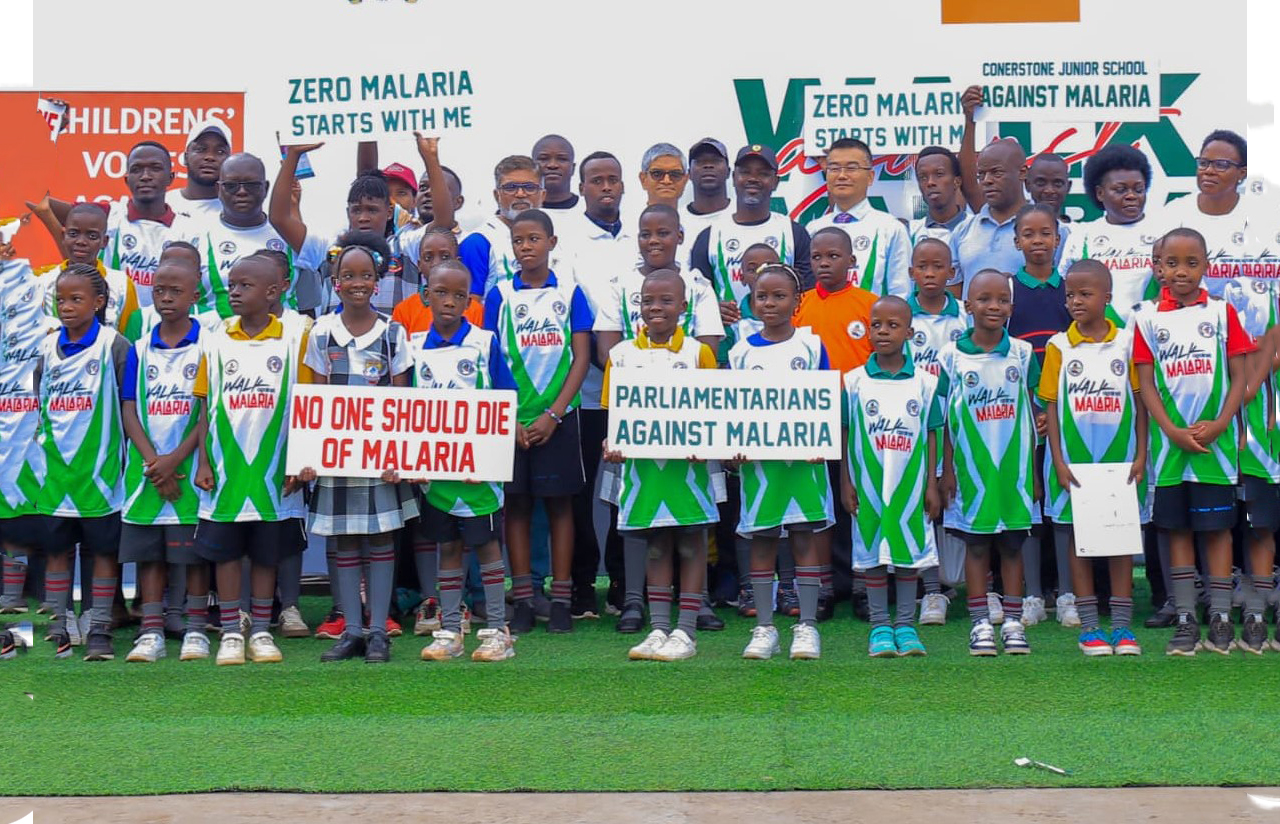
In Uganda, a country that shoulders the third-highest burden of malaria cases globally, time has become both the enemy and the solution. Every hour a patient goes untreated, the risk of complications and death grows exponentially. Recognizing this, the Ministry of Health, with technical support from World Health Organization (WHO), launched the “24.2 hours initiative” on 25 April 2025. This is a transformative malaria strategy designed to save lives by racing against the clock.
Ghana Strengthens New Vaccine Rollout with Strategic Communication Guidelines

As Ghana prepares to introduce the Human Papillomavirus (HPV) and Hepatitis B birth dose (HepB-BD) vaccines into its routine immunization schedule by the end of 2025, efforts are underway to ensure the public is not only informed but also confident in these life-saving interventions.
WHO Botswana visits NBTS to explore support for stronger blood system

Recently, the WHO Botswana team led by the WHO Representative, Dr Fabian Ndenzako, paid a visit to the National Blood Transfusion Service (NBTS) Laboratory in Gaborone. The purpose of the visit was to better understand the current operations, strengths, and challenges faced by NBTS, and to explore areas where WHO can offer technical support to strengthen the country’s blood transfusion system.
Borno State, with WHO and EU Support, Expands Monguno Hospital to Strengthen Health Services in Conflict-Affected Areas
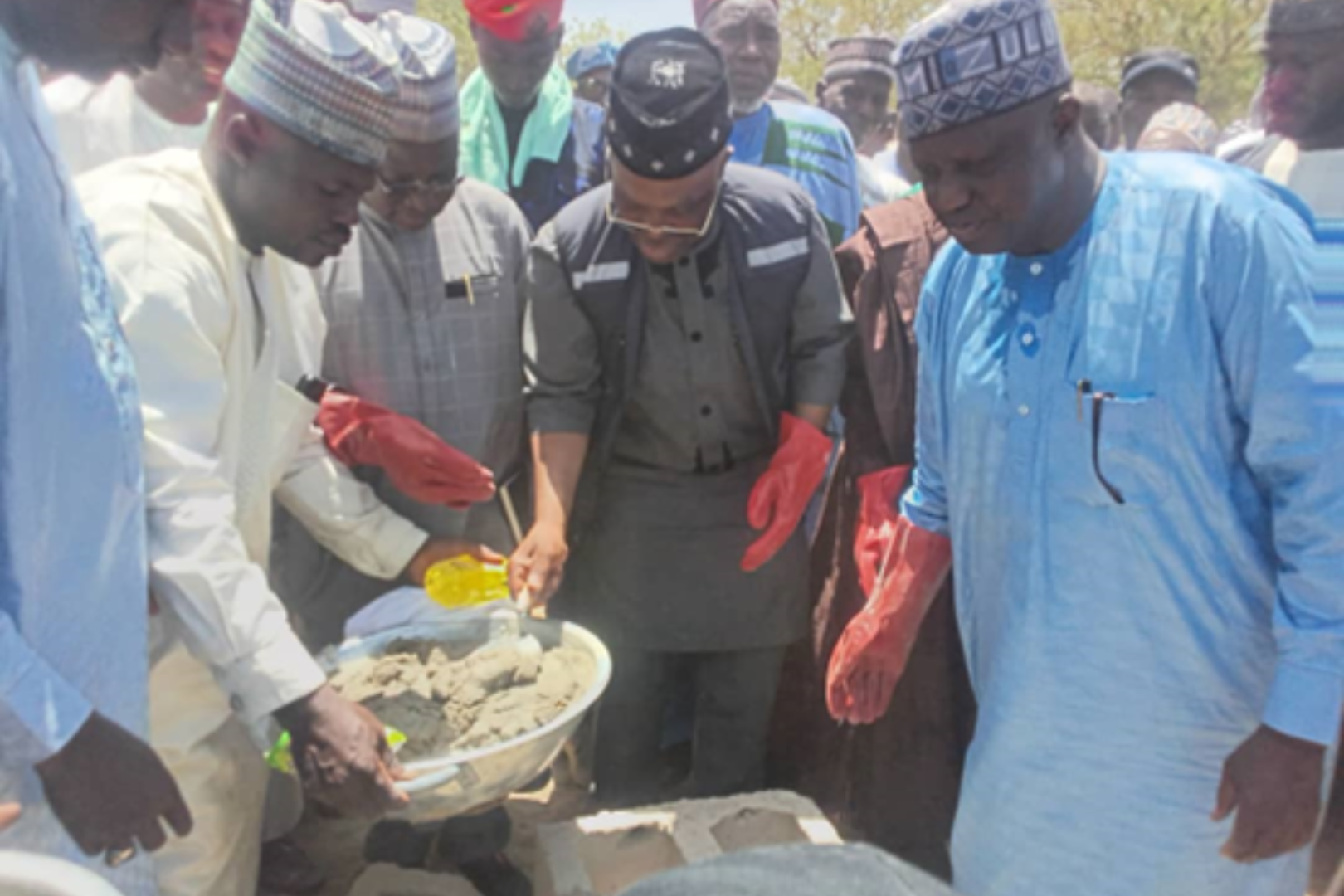
Maiduguri, To strengthen health infrastructure in conflict-affected areas of Borno State, the Government of Borno, in collaboration with the World Health Organization (WHO) and with funding support from the European Union (EU), has launched the expansion of Monguno Specialist Hospital.
Acting WHO Regional Director for Africa visits South Sudan to strengthen health support

Juba, 14 May – Acting WHO Regional Director for Africa, Dr Chikwe Ihekweazu, arrived in South Sudan for an official one-day-visit to meet key stakeholders in an effort to ramp up support for health assistance amid the ongoing emergencies.
Dr Ihekweazu met with the Acting Minister of Health, Honorable James Hoth Mai, humanitarian partners represented by Marie Helene Verney, Acting UN Humanitarian Coordinator, as well as Timo Olkkonen, European Union Ambassador to South Sudan.
Namibia Observes World Hand Hygiene Day: Reinforcing Clean Hands for Safer Care
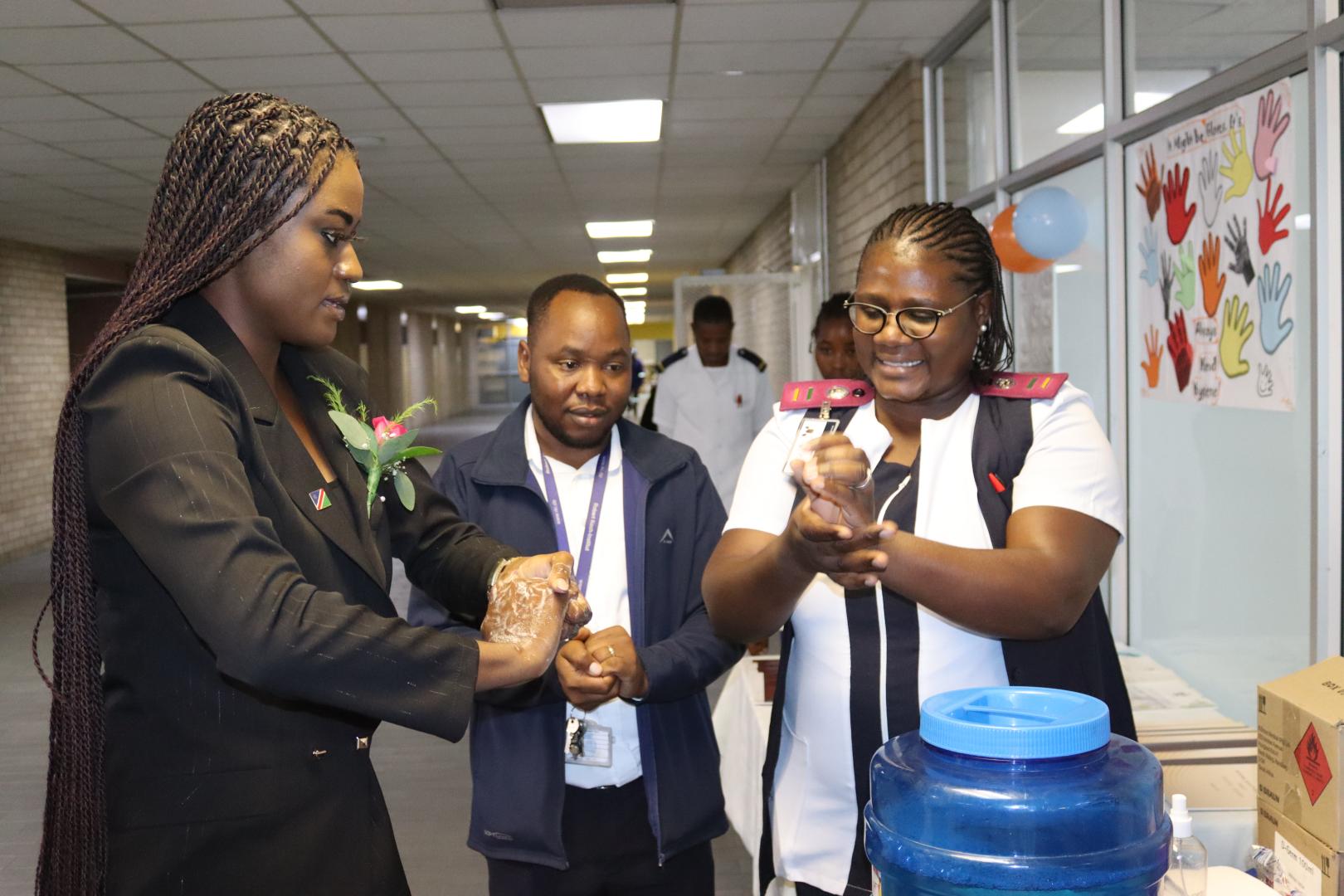
To reaffirm shared commitment to the SAVE LIVES: Clean Your Hands campaign and raise awareness about hand hygiene in healthcare settings, Namibia commemorated the World Hand Hygiene Day at Windhoek Central Hospital on 08 May 2025. The event served as a reminder of the importance of reducing healthcare-associated infections (HAIs) and combating antimicrobial resistance through the Infection Prevention and Control (IPC) programme.
Botswana joins the rest of the world in launching the 8th UN Global Road Safety Week
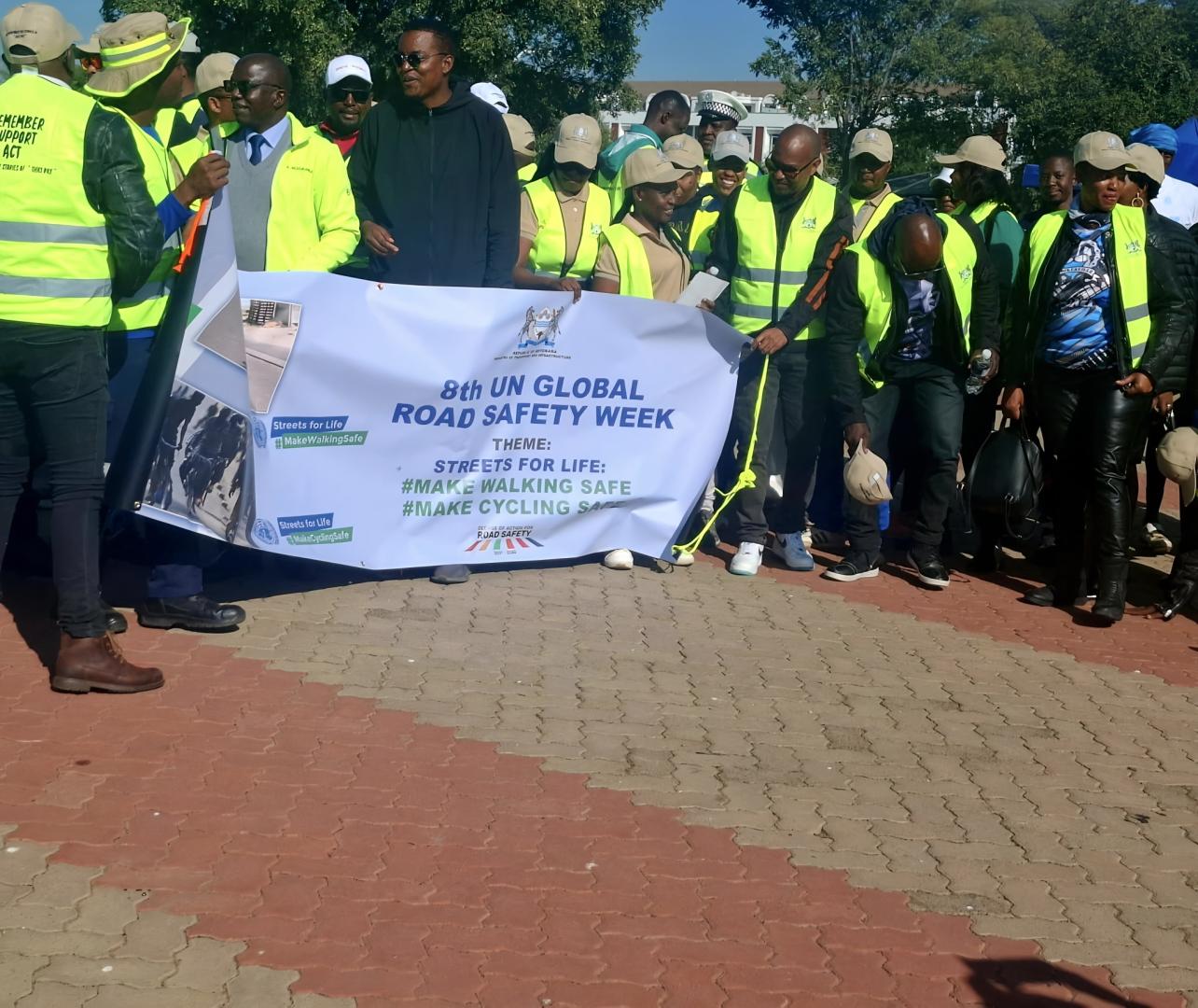
This week, Botswana joins the rest of the world in launching the 8th UN Global Road Safety Week under the theme “Streets for Life: #MakingWalkingAndCyclingSafe.”
Ghana Advances Climate Change and Health Vulnerability Assessment
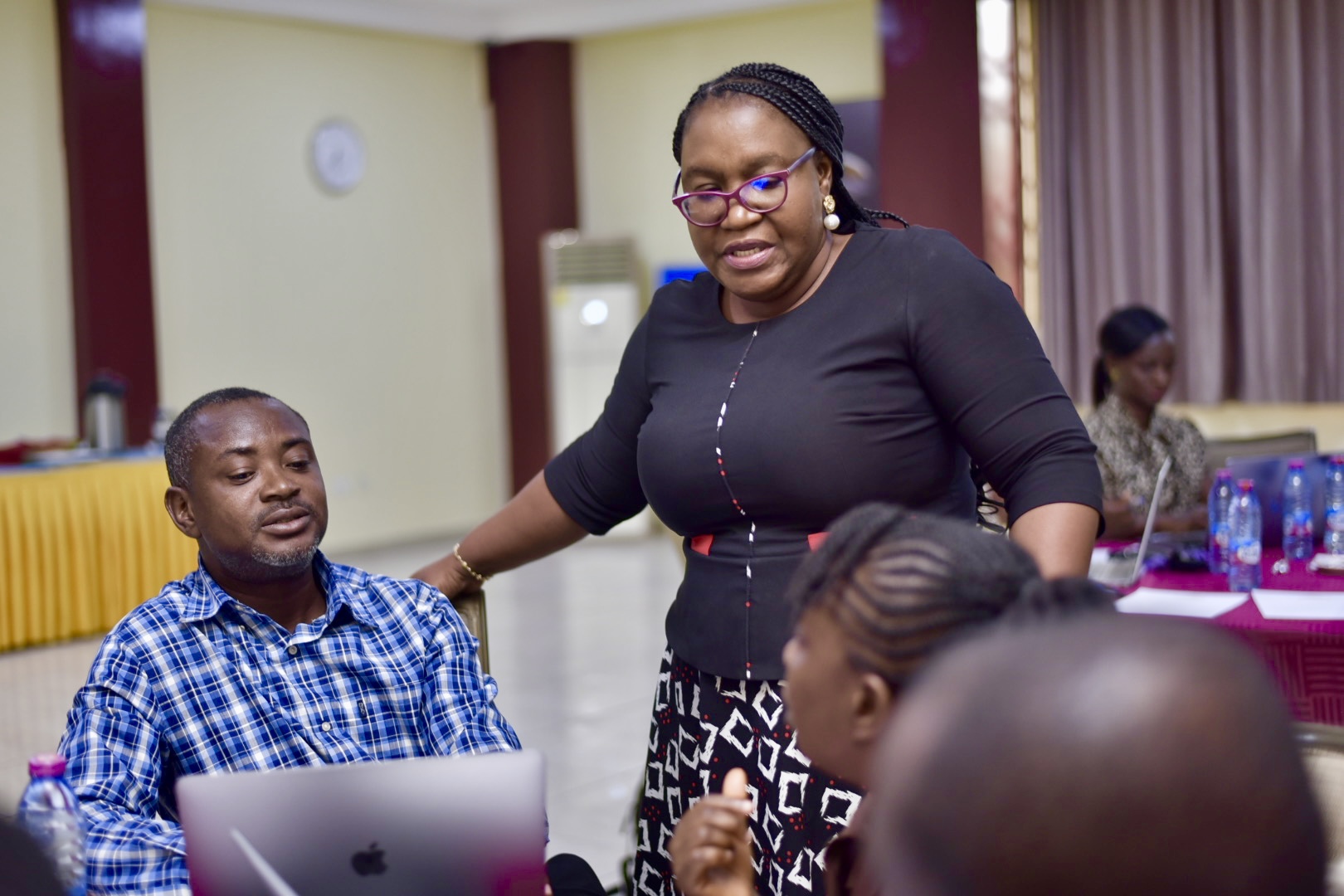
Climate change is increasingly recognized as one of the greatest health threats of the 21st century. Climate risks are increasing, and Ghana is no exception. From deadly heatwaves, erratic rainfall, flooding to rising cases of climate-sensitive diseases, the climate crisis will exert additional pressures on the country’s health and social care systems.
Walking and cycling should not be a risk, but a right
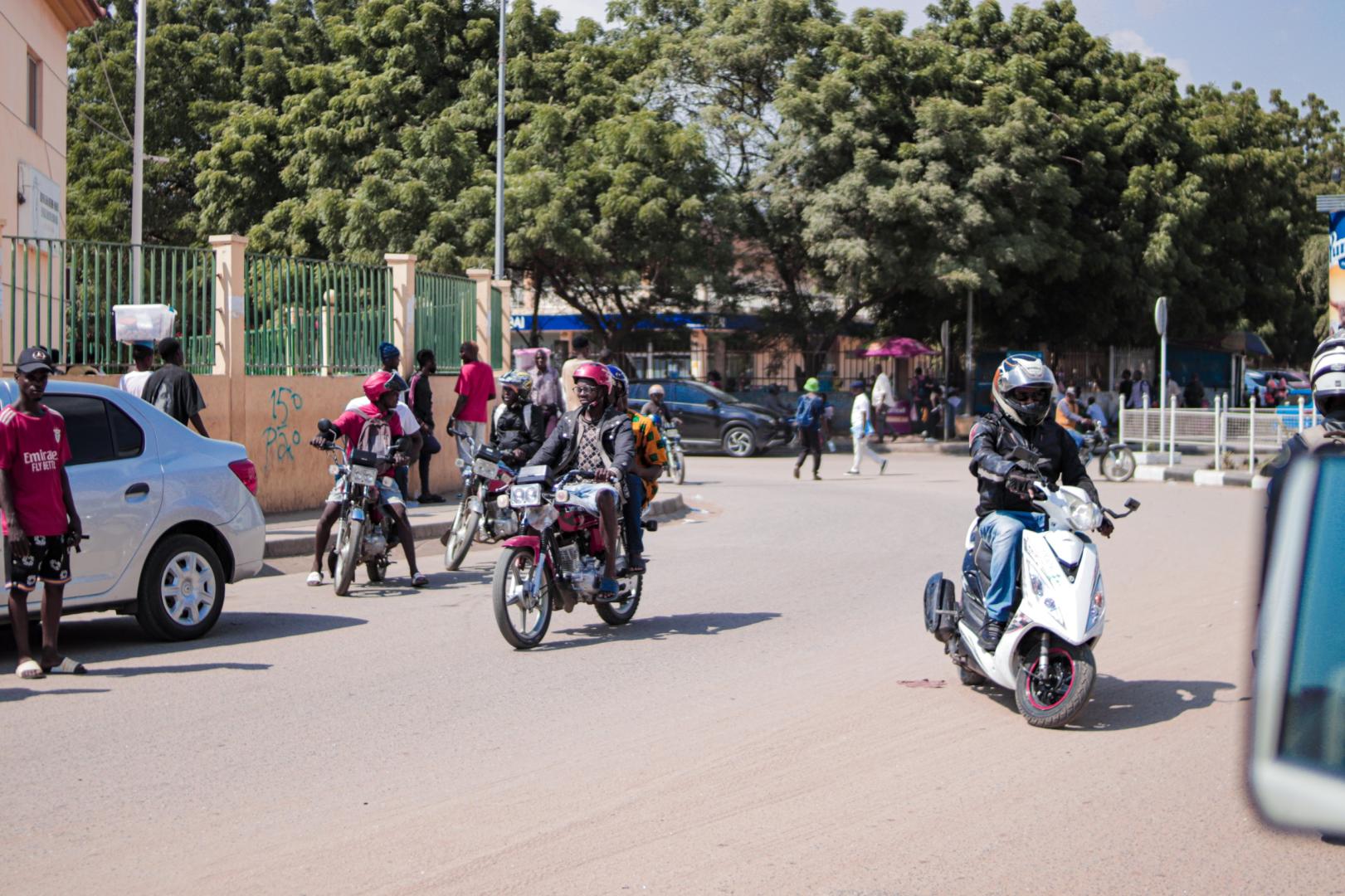
By: Dr. Indrajit Hazarika, WHO Representative in Angola.
This week marks the 8th UN Global Road Safety Week, a time to reflect on a simple truth: the most basic and sustainable forms of transportation, walking and cycling, should never pose a threat to life. Yet every day, 3,200 people die on the world’s roads, almost one in four of whom are pedestrians or cyclists.
Promoting Hand Hygiene to Save Lives: WHO and Ministry of Health Mark 2025 World Hand Hygiene Day
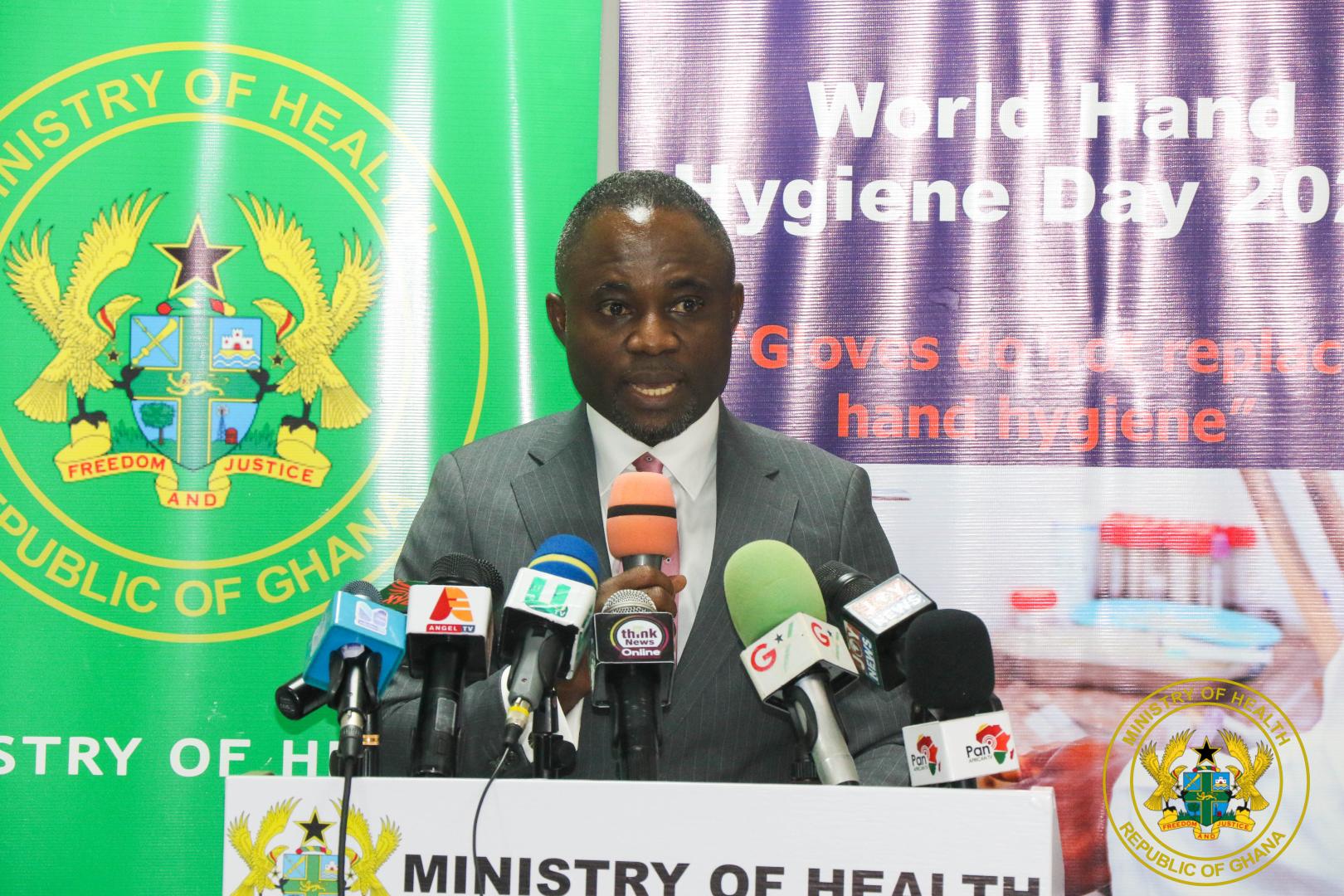
The World Health Organization joined the Ministry of Health (MoH) and partners to commemorate World Hand Hygiene Day (WHHD), reinforcing the critical role of hand hygiene in preventing infections and ensuring patient safety within healthcare settings.
This year’s theme “It may be gloves, it is always hand hygiene” highlights the ongoing need for proper hand hygiene practices—even when gloves are used.