WHO, SEEG, and Partners Support Angola’s Drive to Strengthen Health Systems
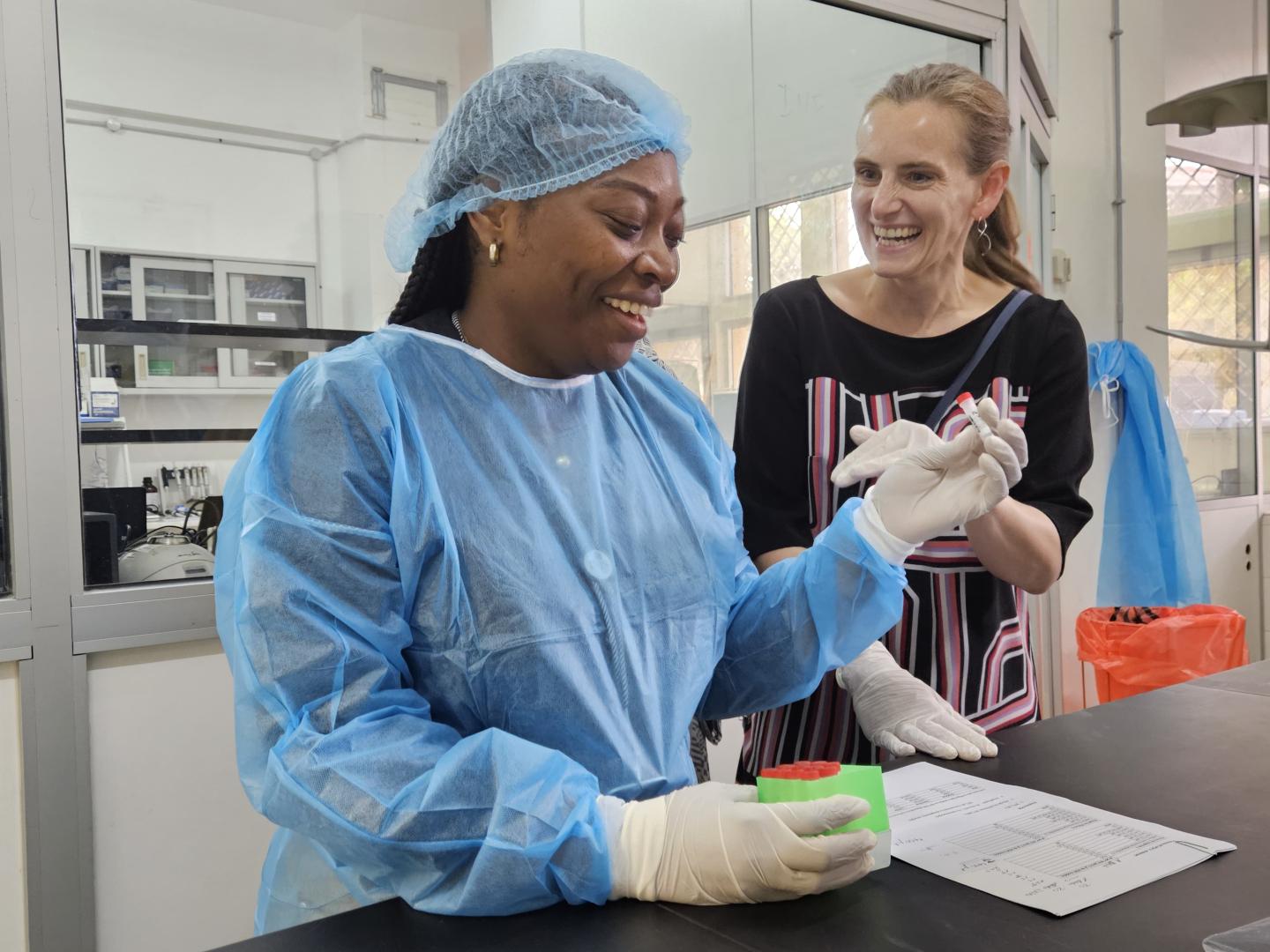
Luanda, 28 July 2025 – In response to Angola’s ongoing cholera outbreak, a two-week training programme has brought together national and international expertise to strengthen the country’s capacity in laboratory diagnostics and epidemiological surveillance. The initiative was led by the German Epidemic Preparedness Team (SEEG) in collaboration with the World Health Organization (WHO) and the Ministry of Health.
Outbreak in Uselu: How Swift Action Saved Lives from Dengue’s Silent Threat
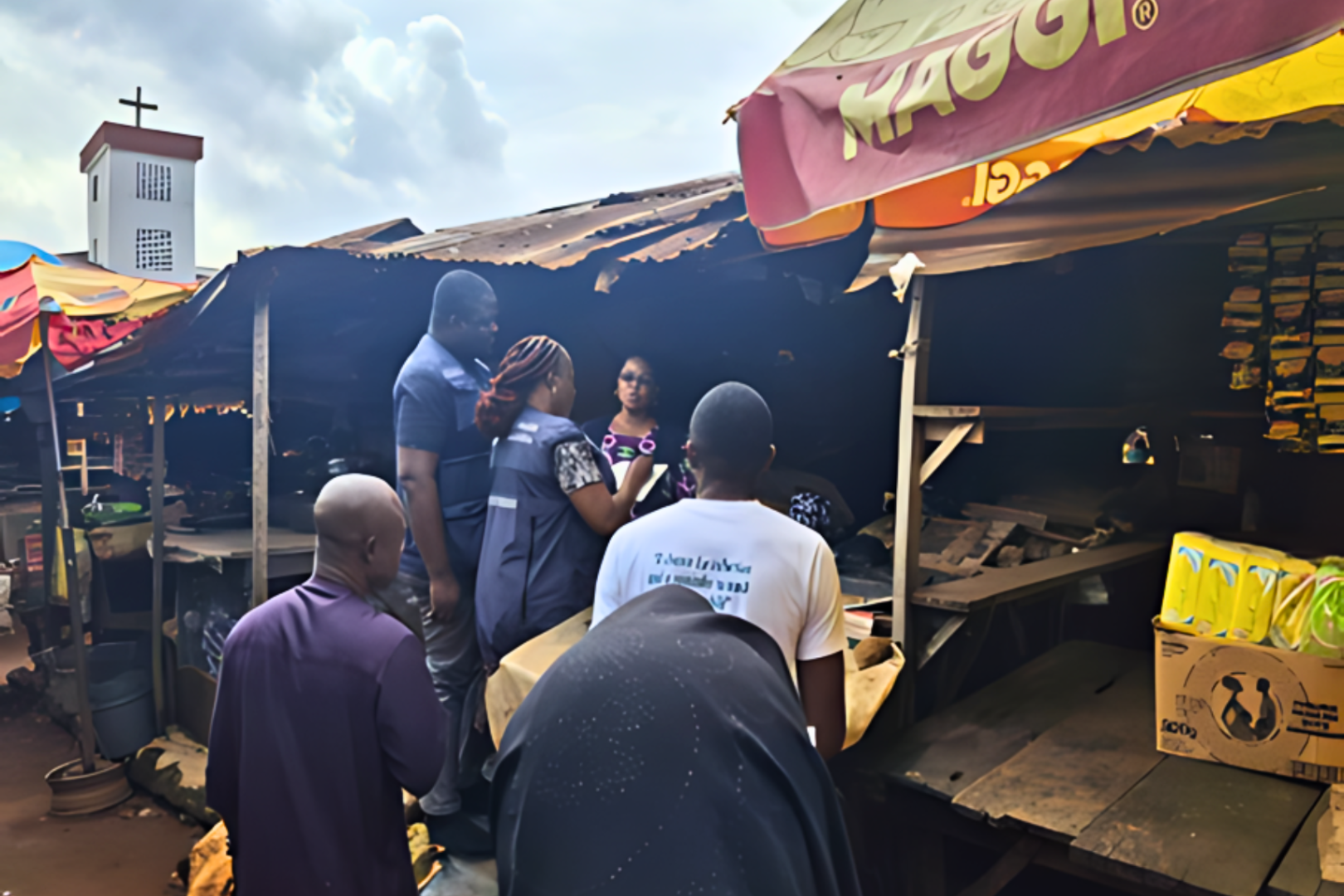
Benin City, – A deadly fever gripped Uselu’s markets in June 2025, revealing dengue fever’s threat. By July 10, 192 suspected cases, 93 confirmed, and one tragic death among the suspected cases spurred a swift response from the Nigeria Centre for Disease Control (NCDC), and the Edo State Ministry of Health, supported by the World Health Organization (WHO)
Using health taxes to promote improved health outcomes
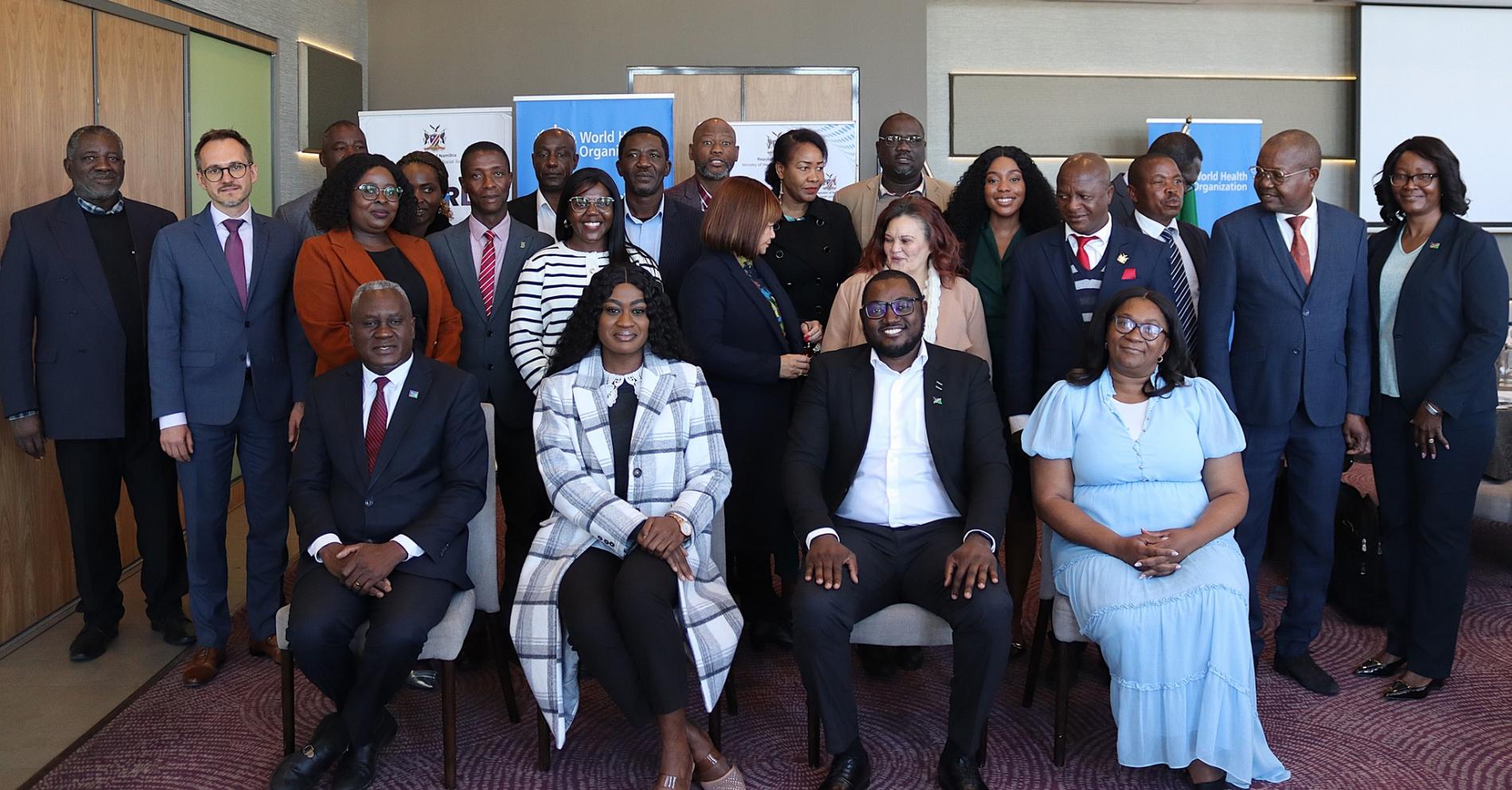
Tobacco use and excessive alcohol consumption are major causes of death and illness in low- and middle-income countries (LMICs). They significantly contribute to non-communicable diseases such as cancer, heart disease, and liver conditions. Tobacco use in Namibia is estimated to be 13.2% in 2025 for people aged 15 years and older, a slight decline from 14.9% in 2022, against a global average of 19.8%.
WHO mobilizes digital influencers to combat diseases in Angola
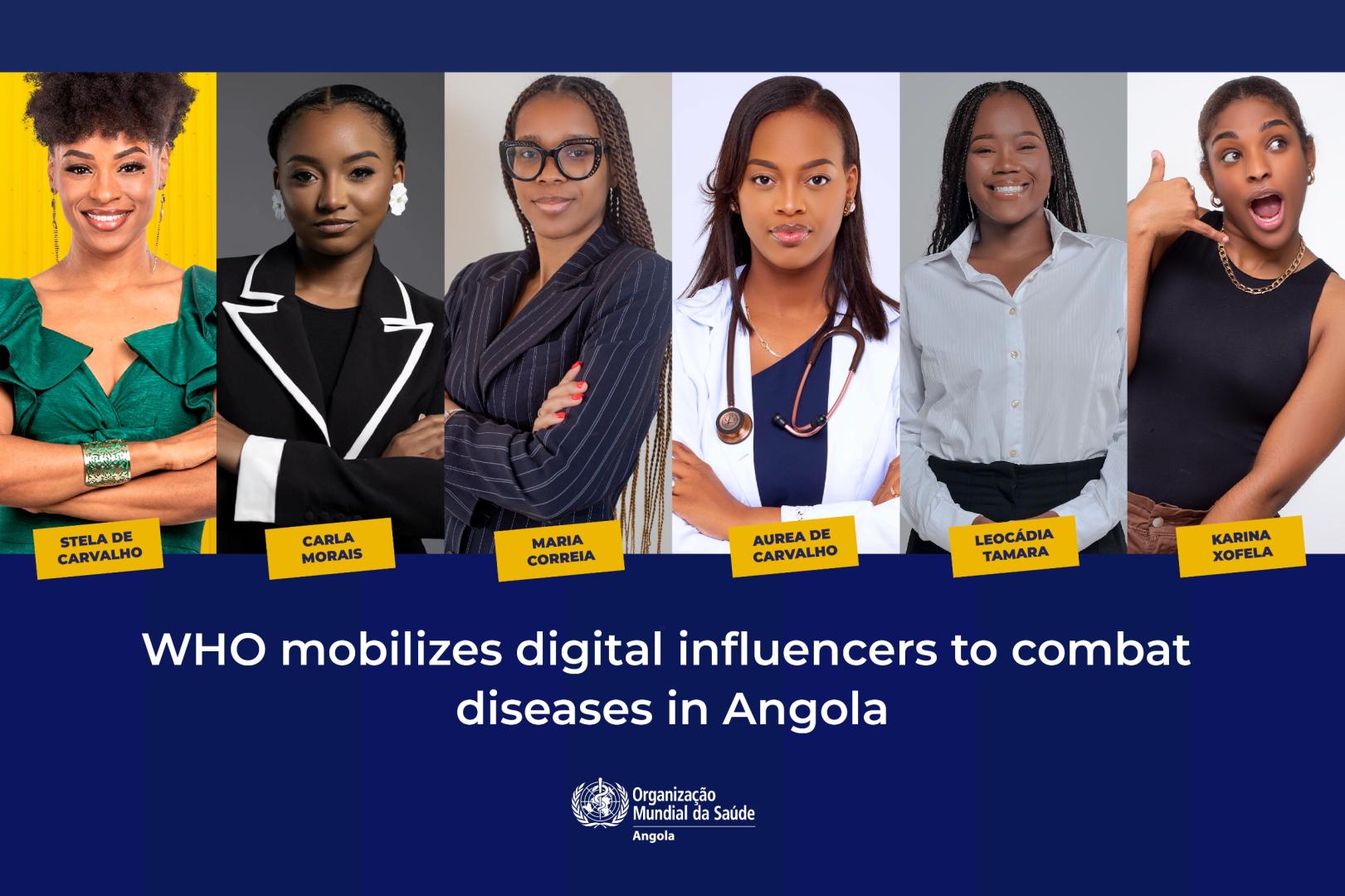
Luanda, Angola - The World Health Organization (WHO) is betting on an innovative approach to stop preventable diseases: engaging digital influencers to directly convey prevention messages to the public through social media.
Rainy season increases cholera threat in South Sudan
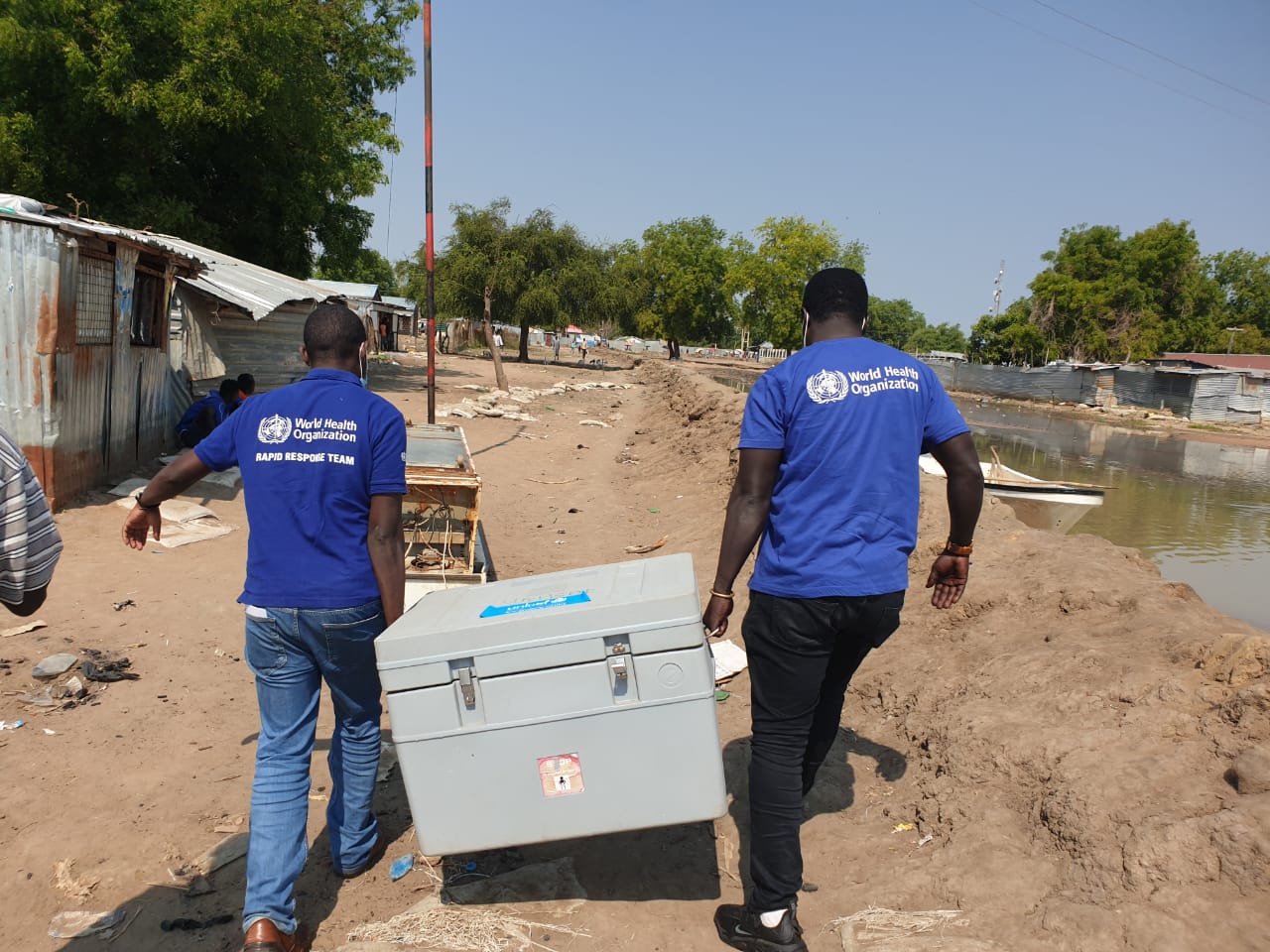
Juba—The ongoing rainy season in South Sudan is slowing cholera response efforts in some locations, raising concerns about further transmission and undermining progress the country has made so far in combating the outbreak.
The Cotonou Declaration charts a new roadmap for sustainable health financing in Benin
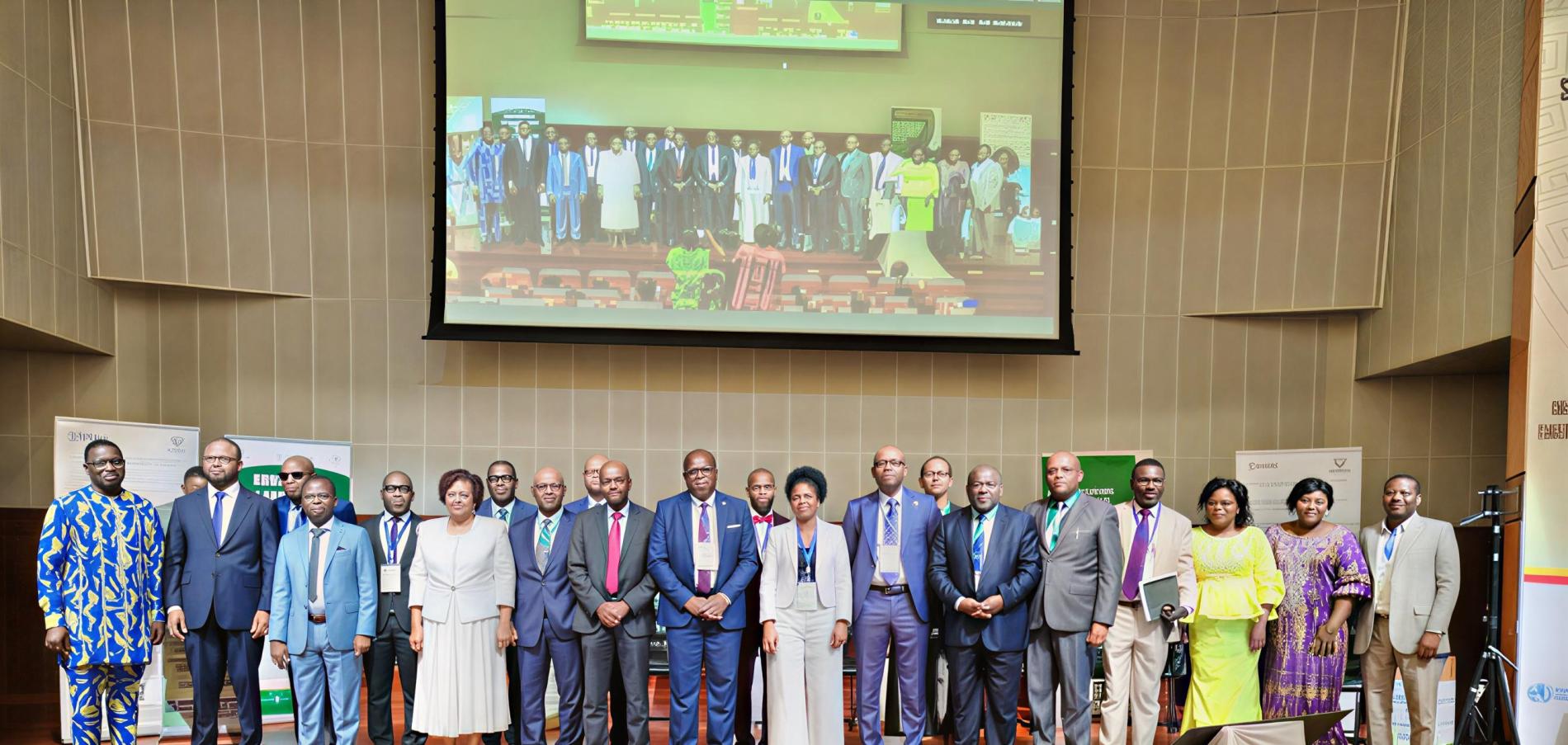
The Beninese capital hosted a pivotal moment for the future of health financing. At the end of two days of intensive discussions held from 10 to 11 July 2025 at the Palais des Congrès, public authorities, the private sector, technical and financial partners adopted the Cotonou Declaration, an ambitious roadmap designed to sustainably transform the financing of the health system in Benin and across the sub-region.
Sierra Leone enhances national polio certification capacity through who-led training for committee members
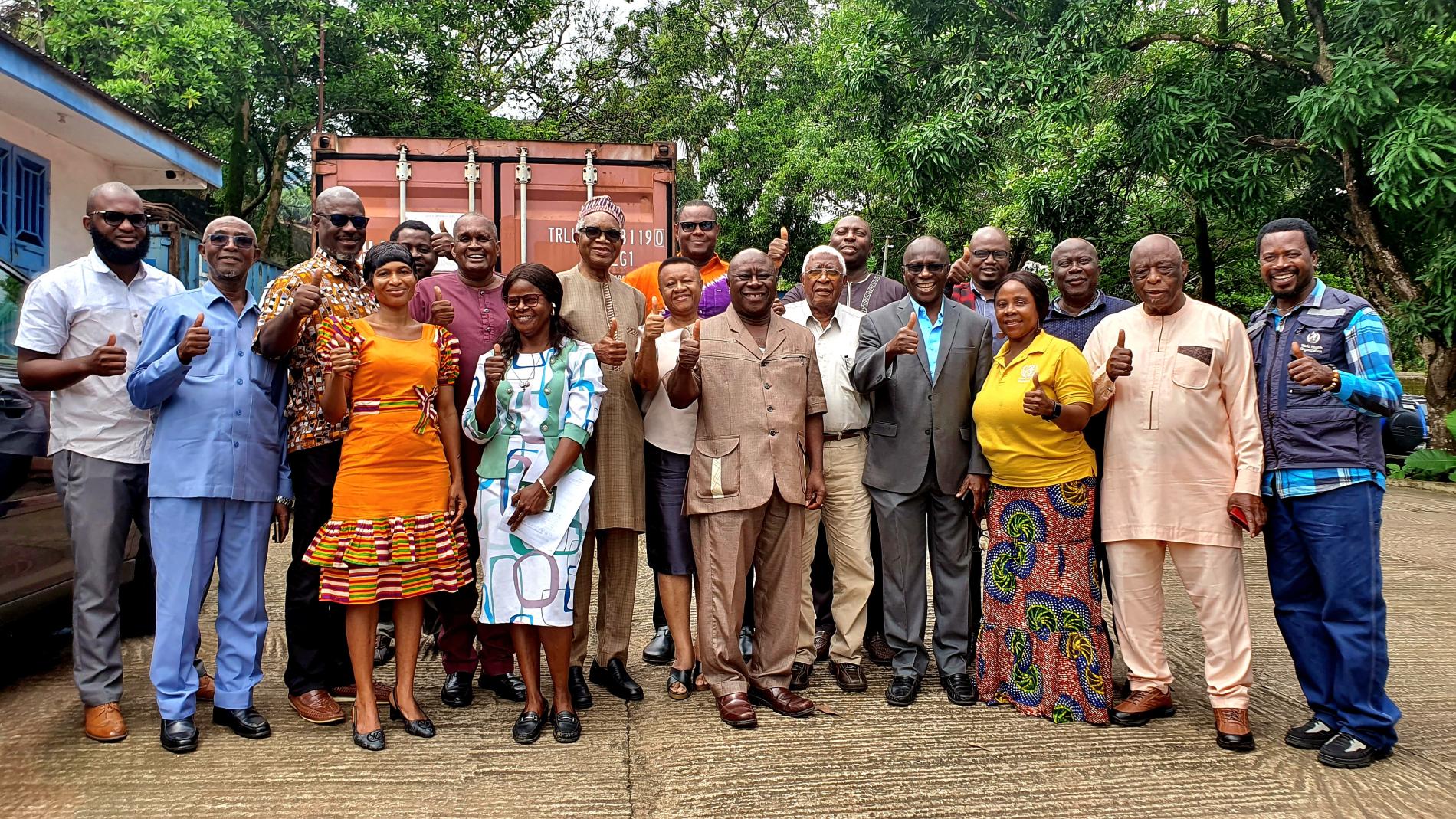
Freetown, 24 July 2025 – Sierra Leone has concluded a two-day virtual training aimed at strengthening the capacity of its national polio committees, as part of a wider regional effort spearheaded by the World Health Organization (WHO) Regional Office for Africa. The training, which ended today, targeted members of the National Certification Committee (NCC), National Polio Expert Committee (NPEC), National Task Force (NTF), and their secretariat.
South Africa launches Pandemic Fund project to strengthen health emergency preparedness and response
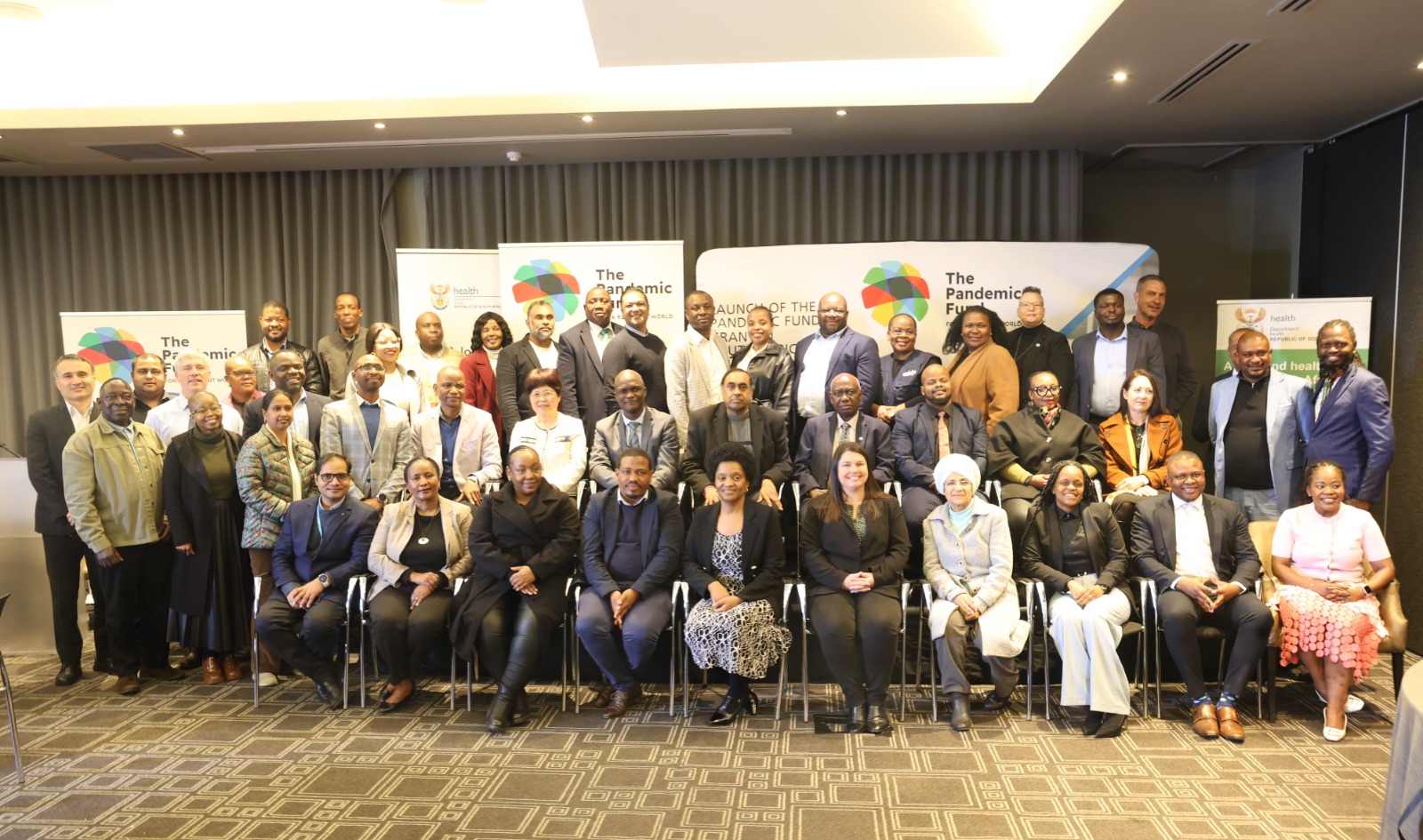
Pretoria—The National Department of Health (NDoH) of the Republic of South Africa, in collaboration with the World Health Organization (WHO), the United Nations Children’s Fund (UNICEF), and the Food and Agriculture Organization (FAO), today officially launched the Pandemic Fund Project at the Protea Fire & Ice, Menlyn in Pretoria, South Africa. This milestone initiative is supported by catalytic funding from the Pandemic Fund and seeks to bolster South Africa’s capacity to prevent, prepare for, and respond to future health emergencies and pandemics.
Uganda hosts Ebola accountability forum to reflect on 2025 outbreak and strengthen future preparedness
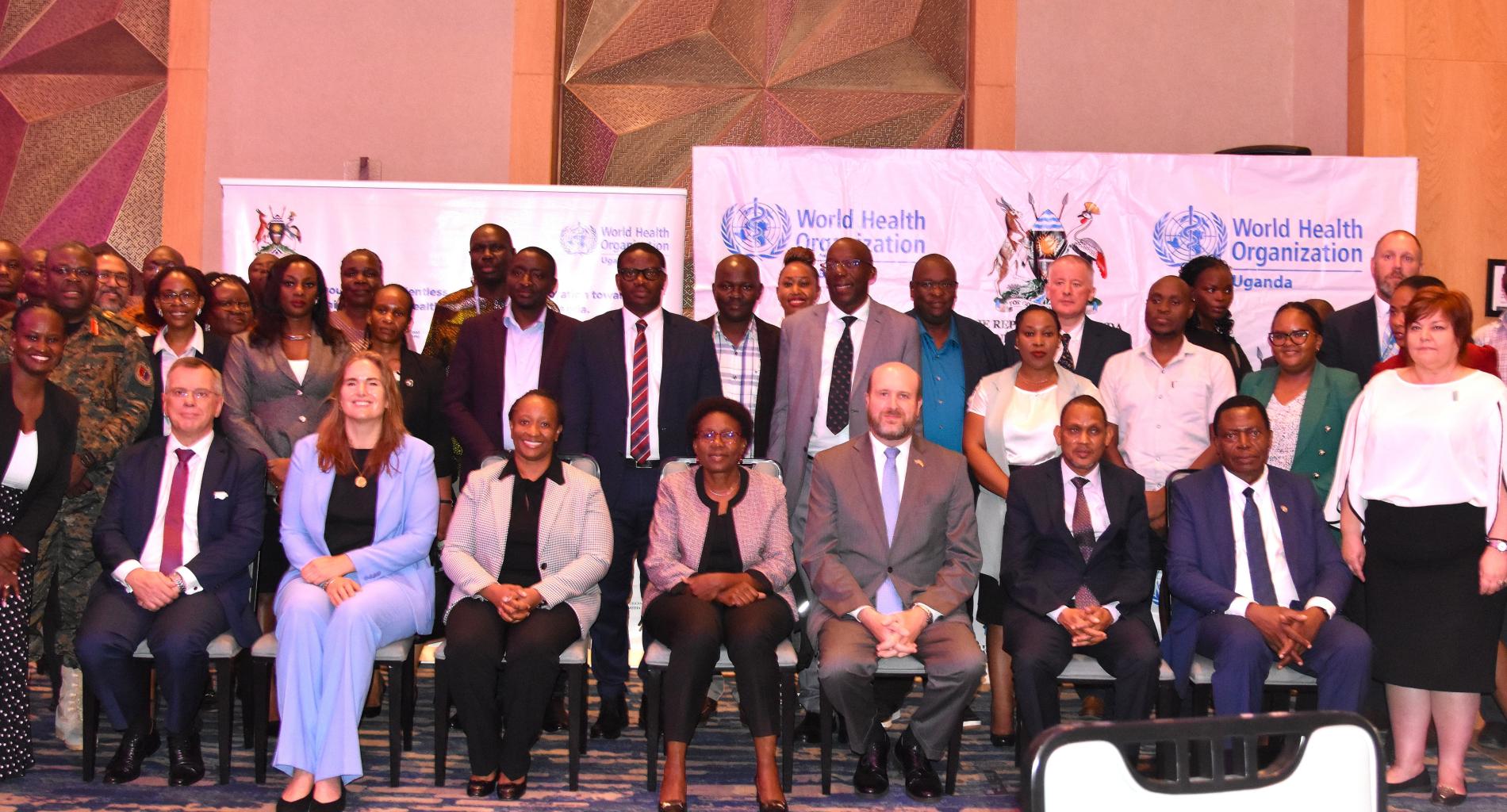
The Ministry of Health, in collaboration with the World Health Organization (WHO) and partners, convened a national Ebola Accountability Forum on 24 July 2025 to reflect on Uganda’s response to the 2025 Ebola outbreak and to strengthen future preparedness efforts.
WHO hands over supplies to Al Sabbah Children Hospital, South Sudan’s only children hospital
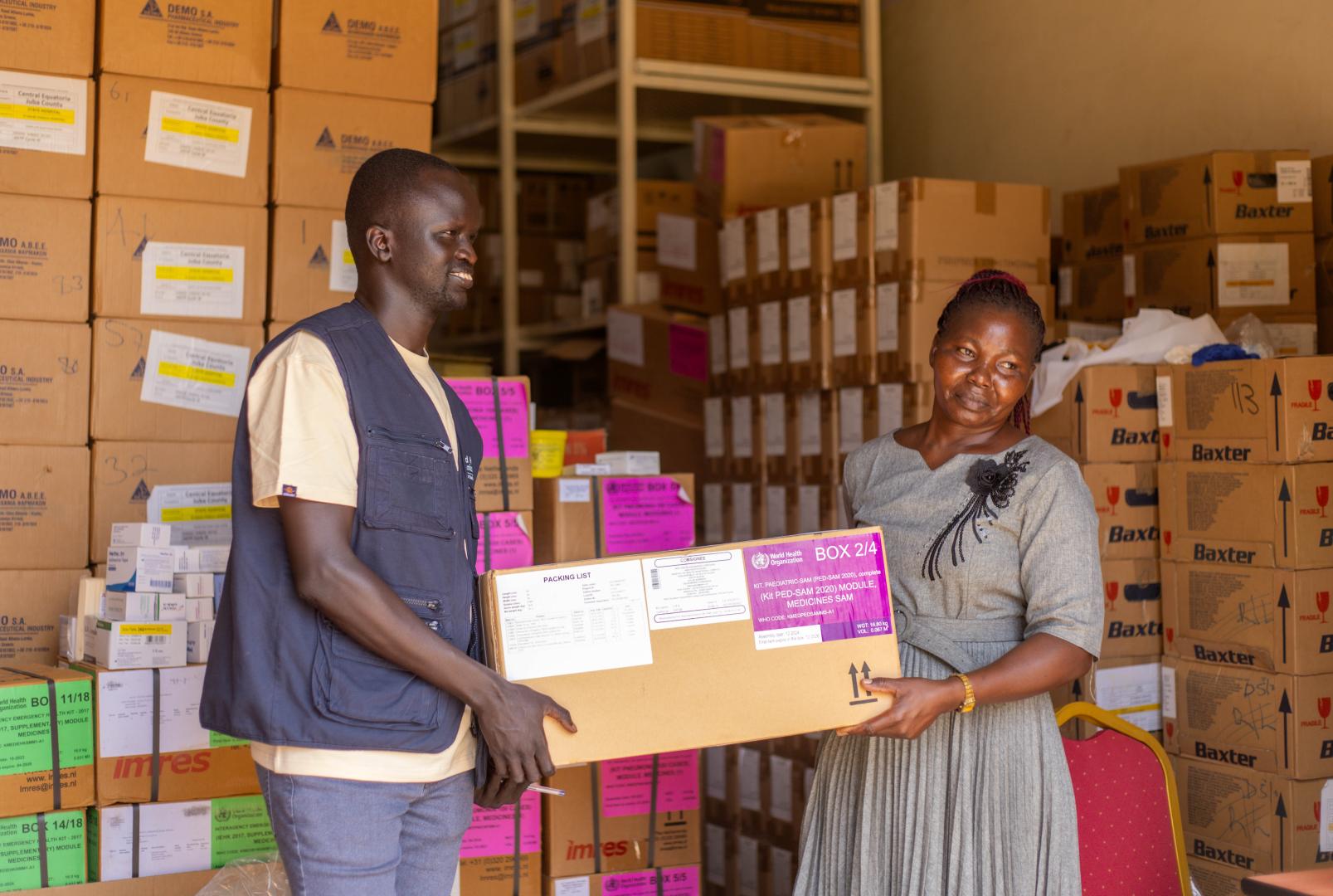
Al Sabbah children hospital is the only tertiary referral children’s hospital in South Sudan with a stabilization center receiving children with severe acute malnutrition from all parts of the country. This translates into the high demand for medical supplies and equipment for the hospital to be able to tend to the one thousand children coming to the center each month.