A safe space to nourish: WHO Uganda champions breastfeeding at the workplace
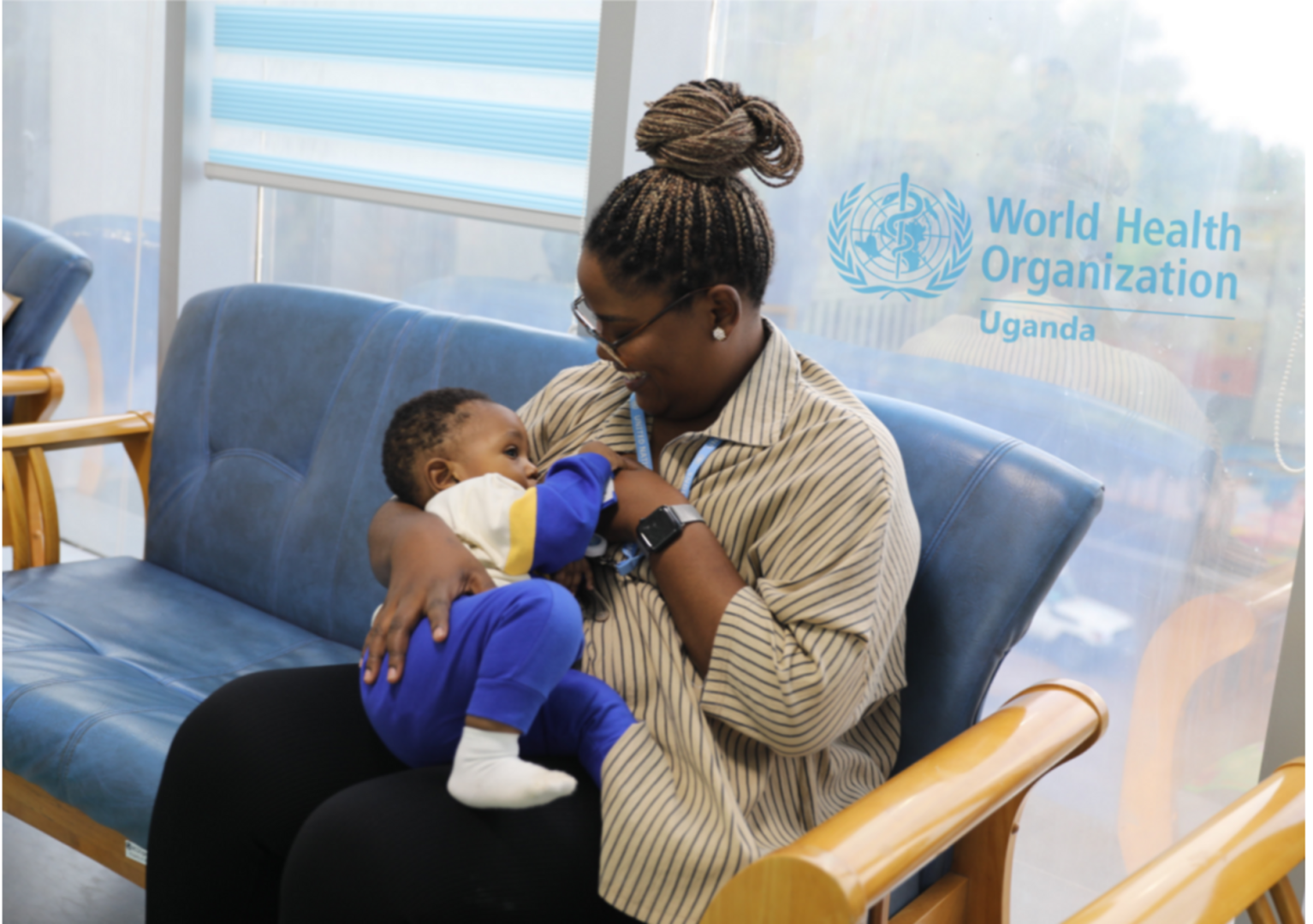
Invest in breastfeeding, invest in the future!
Breastfeeding isn’t just a personal choice—it’s a public health investment. Breast milk nurtures stronger immune systems, reduces childhood illnesses and supports lifelong health, that reduces burdens on health systems. By supporting breastfeeding at work, we are building healthier families, communities, and workforces.
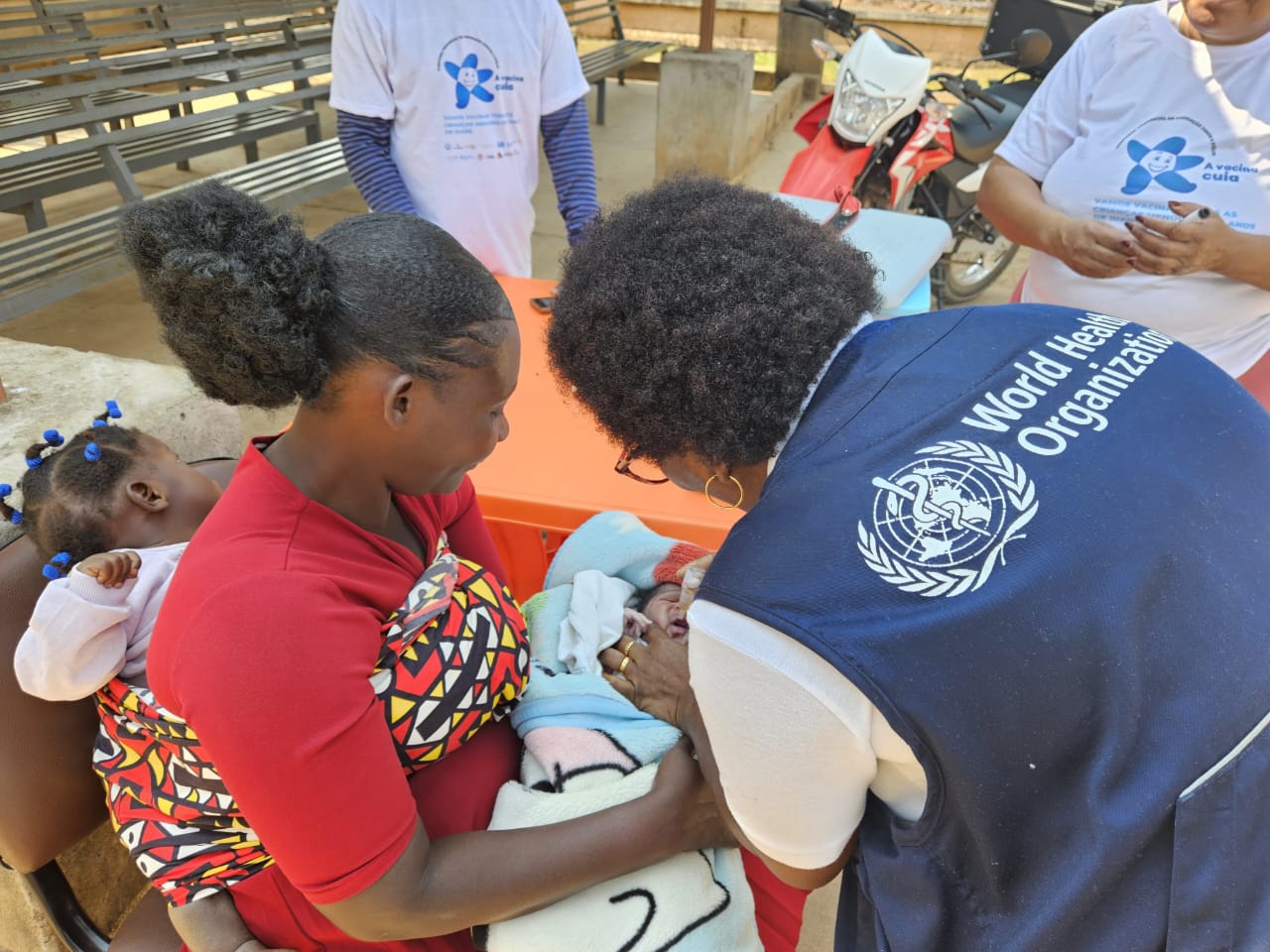
Communication that saves lives: A call to action in Angola

This opinion piece was first published in Jornal de Angola, a copy of which can be found here: https://www.jornaldeangola.ao/noticias/9/opini%C3%A3o/644879/comunica%C3%A7%C3%A3o-que-salva-vidas:-um-apelo-%C3%A0-ac%C3%A7%C3%A3o-em-angola
By Olívio Gambo, WHO Angola Communication Officer
Botswana bets on the digital future: health transformation at the core of economic diversification
Botswana is charting a bold new course, firmly positioning itself as a digitally empowered, innovation-driven nation. Central to this ambitious shift from commodity-led growth is the transformation of the country's health sector.
This strategic direction was the highlight of the Botswana Technology Summit and Expo (Gaborone, 12-13 August 2025), where national and global leaders underscored the vital link between digital public infrastructure and national prosperity.
Digital Health as a Strategic Imperative
South Africa launches national drive to eliminate schistosomiasis and intestinal worm infections in children
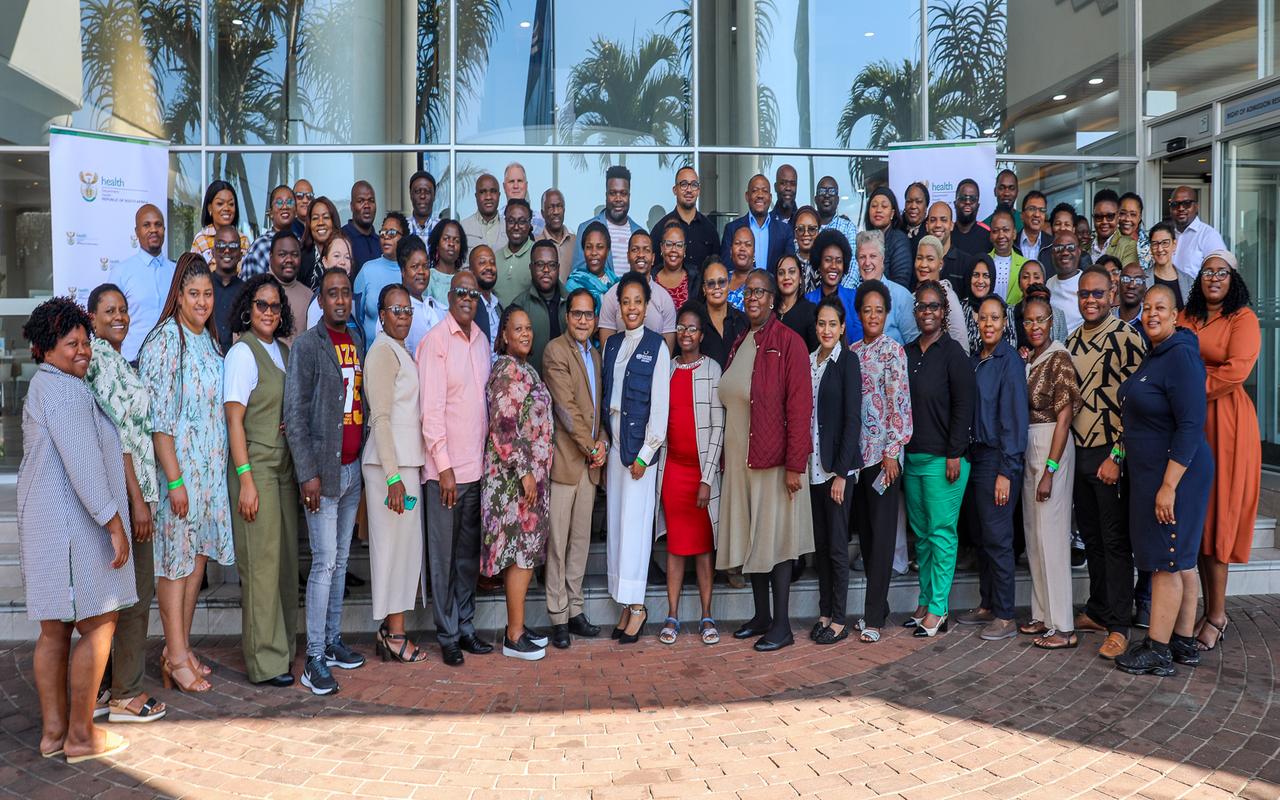
Durban—In a major milestone for child health, South Africa has launched a nationwide initiative to eliminate two of the country’s most neglected tropical diseases (NTDs) — schistosomiasis (also known as bilharzia) and soil-transmitted helminths (intestinal worms) — with the support of the World Health Organization (WHO) and other key partners. Schistosomiasis, like soil-transmitted helminthiasis, rabies snake bites and leprosy, make up the four NTDs that are endemic in South Africa and are of public health concerns.
Protecting the future: annual review meeting of Ethiopia’s EPPR project
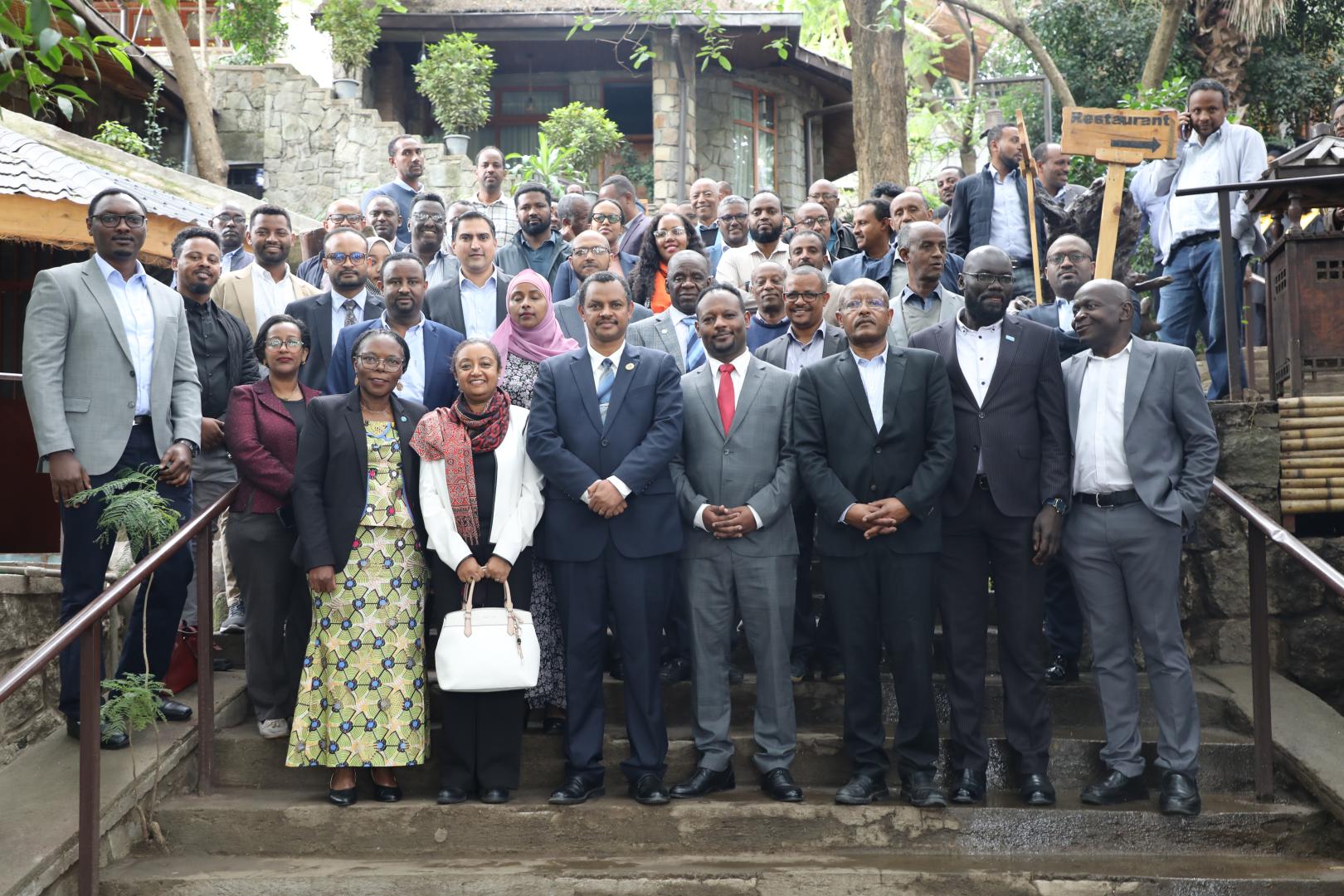
The Ethio-Pandemic Prevention, Preparedness and Response (EPPR) Project held its first Annual Review Meeting from 9 to 11 July 2025 in Bishoftu, Ethiopia. The review brought together high-level government officials, technical experts, UN representatives, and other partners committed to advancing Ethiopia’s pandemic preparedness through a unified One Health approach.
Preparing for yellow fever epidemics in urban areas: Cameroon develops its strategic plan for the next three years
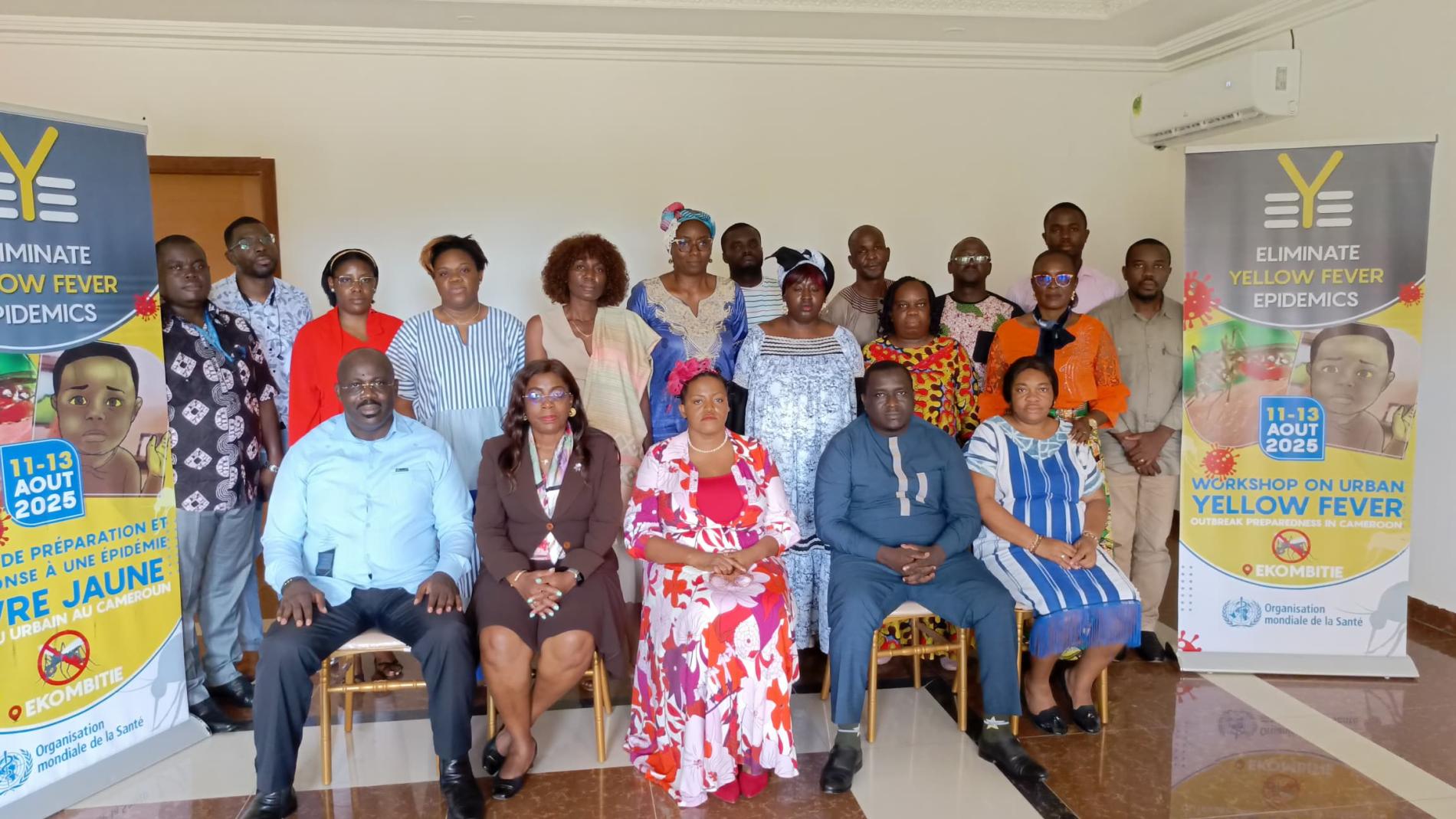
Mbalmayo, August 11, 2025 – The Ministry of Public Health of Cameroon (MINSANTE) convened a high-level strategic workshop from August 11 to 13, 2025, at the Mbalmayo International Conference Center. The objective was to develop the National Plan for Preparedness and Response to Yellow Fever Epidemics in Urban Areas for the period 2025-2028.
Sustaining efforts to end mpox outbreaks in Africa

South Sudan introduces the second dose of the Measles-Containing Vaccine (MCV2)
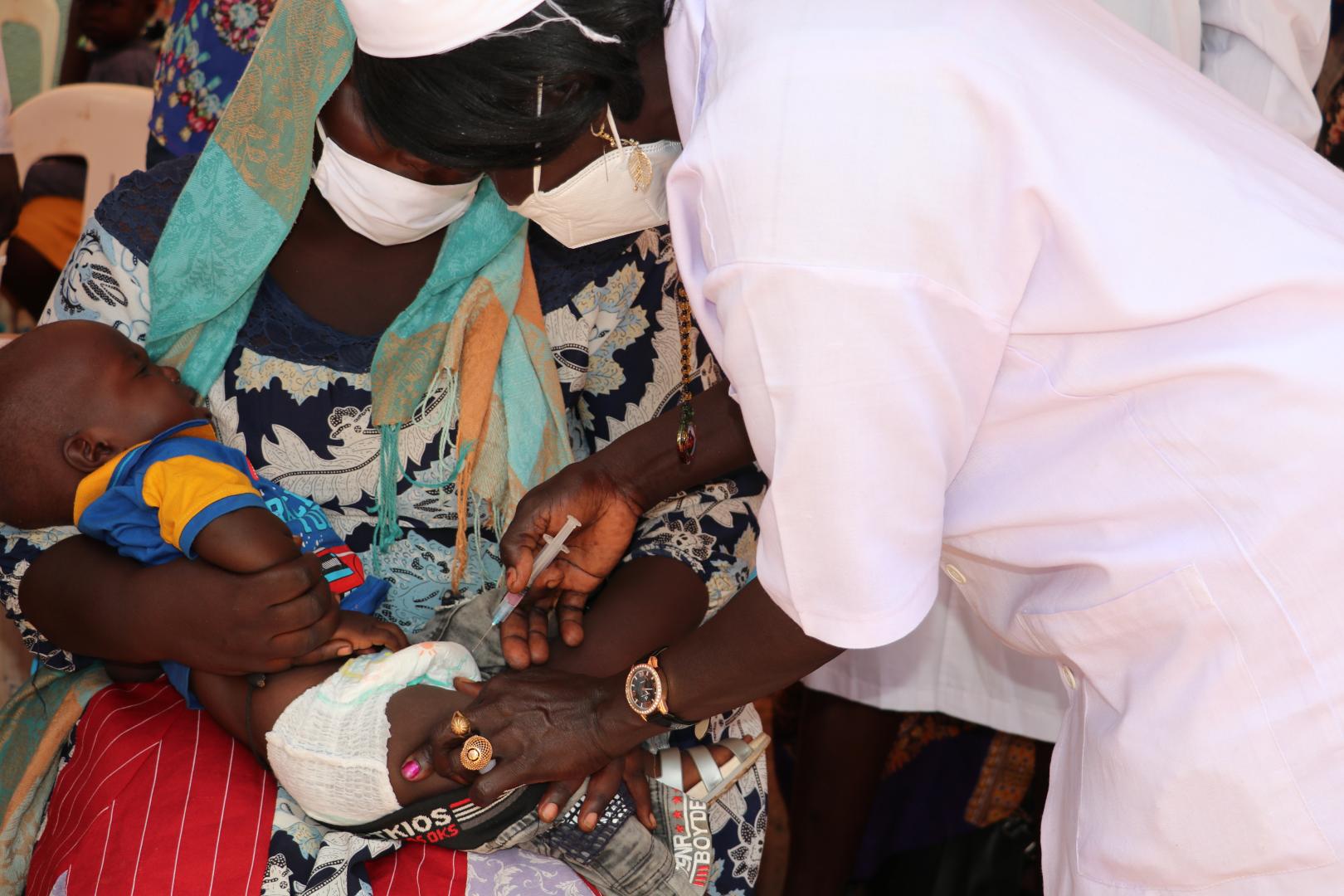
Juba – South Sudan is taking a significant step forward in protecting its children from Measles with the nationwide introduction of the second dose of the Measles Containing Vaccine (MCV2) into the routine immunisation schedule. The two-dose regimen is part of the 2017 recommendations by the World Health Organisation to all countries. As of 12 August 2025, South Sudan will be the 45th country in the African Region to introduce MCV2.
Ethiopia launches groundbreaking UN initiative to prevent child wasting
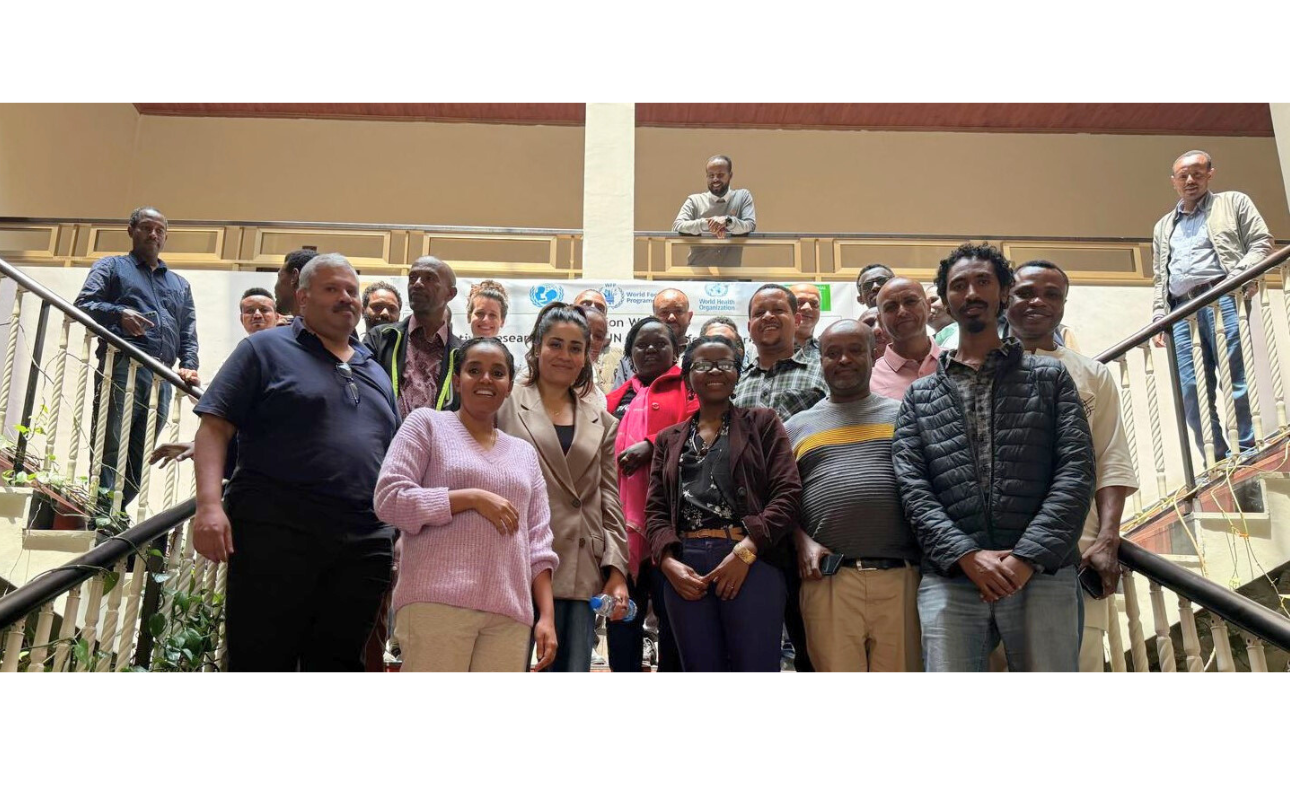
The Federal Ministry of Health, in partnership with the World Health Organization (WHO), United Nations Children's Fund (UNICEF) and World Food Programme (WFP), officially launched the Joint UN Initiative for the Prevention of Wasting (JUNIPr) in Ethiopia. The initiative aims to accelerate national efforts to prevent child wasting—a severe and life-threatening form of malnutrition that affects more than 11% of Ethiopian children under five.