Nigeria intensifies surveillance to sustain progress toward polio eradication
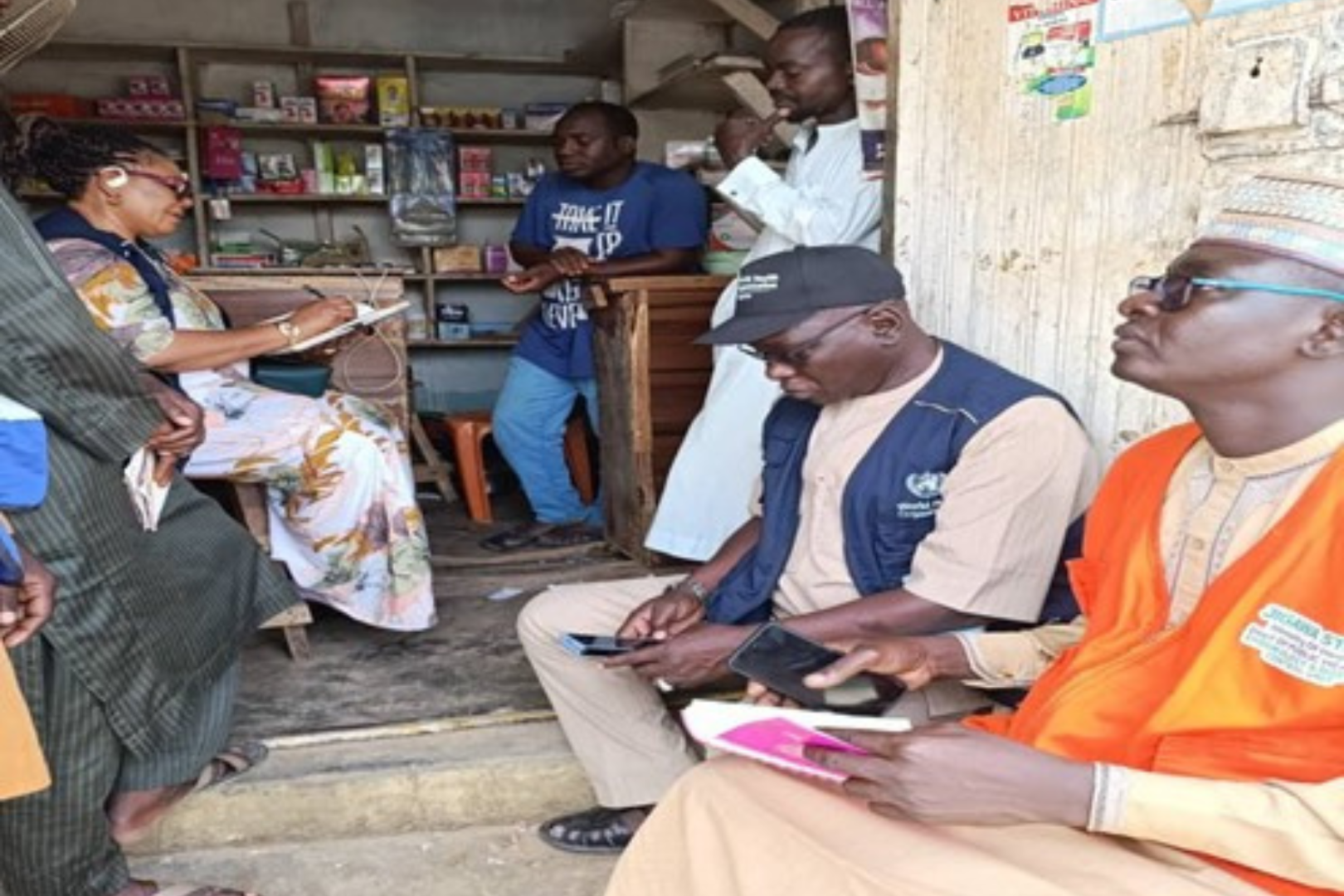
Abuja, Nigeria is intensifying its efforts to end all forms of poliovirus by the end of 2025. With technical support from the World Health Organization (WHO) and partners, the Government, through the National Emergency Operations Center (NEOC), has launched rapid surveillance assessments to enhance the capacity to detect suspected cases as rapidly as possible and guide vaccination responses.
Lesotho gears up for Measles-Rubella vaccination campaign
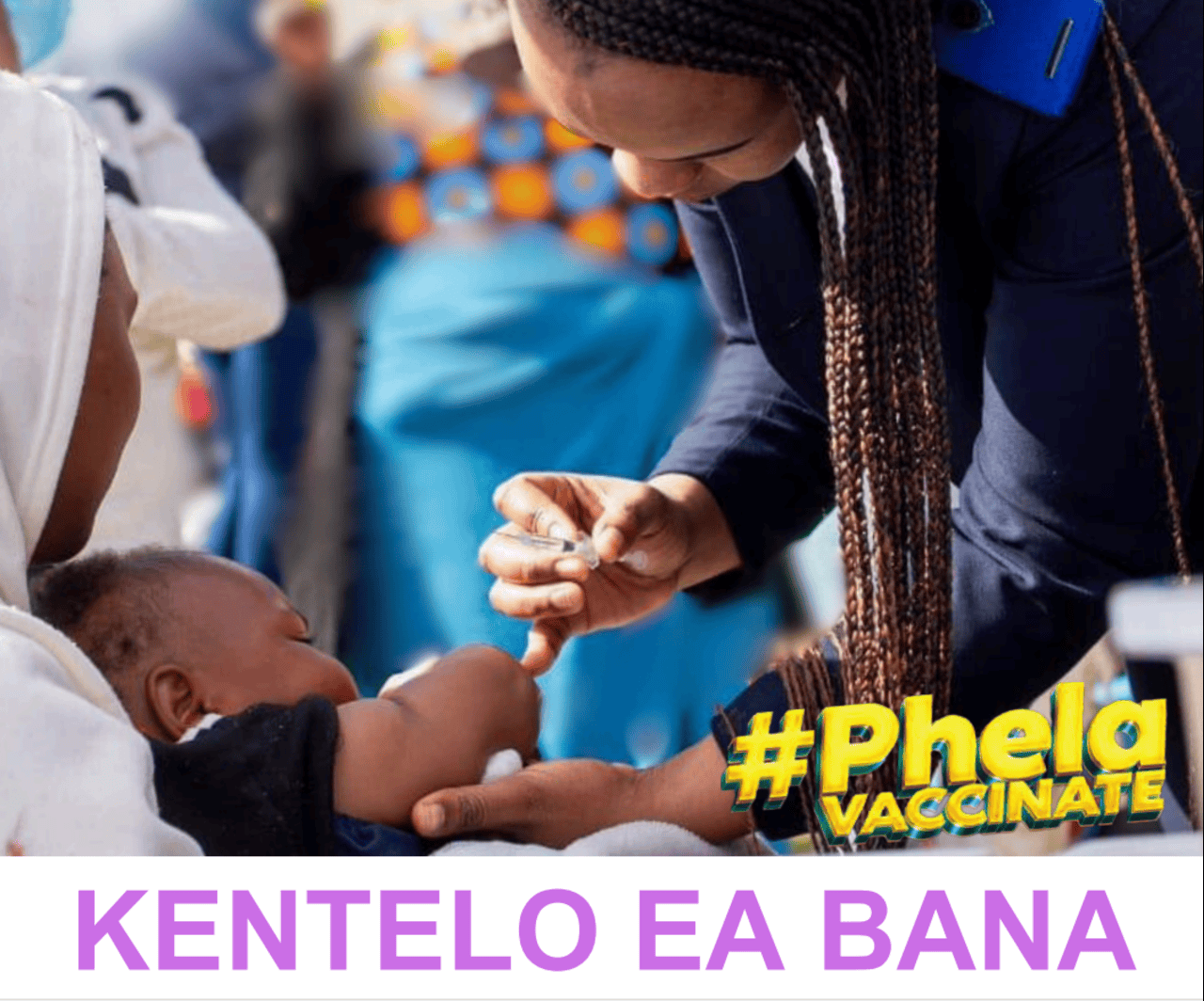
Berea—Preparations for Lesotho’s upcoming Measles-Rubella Supplementary Immunization Activities (MR SIAs) are in full swing, with a key Training of Trainers (TOT) session recently completed in Berea District. The nationwide vaccination campaign will run from 20–24 October 2025, followed by mop-up efforts from 25–27 October in areas with low coverage.
Zamfara State leads cholera vaccination campaign with WHO support
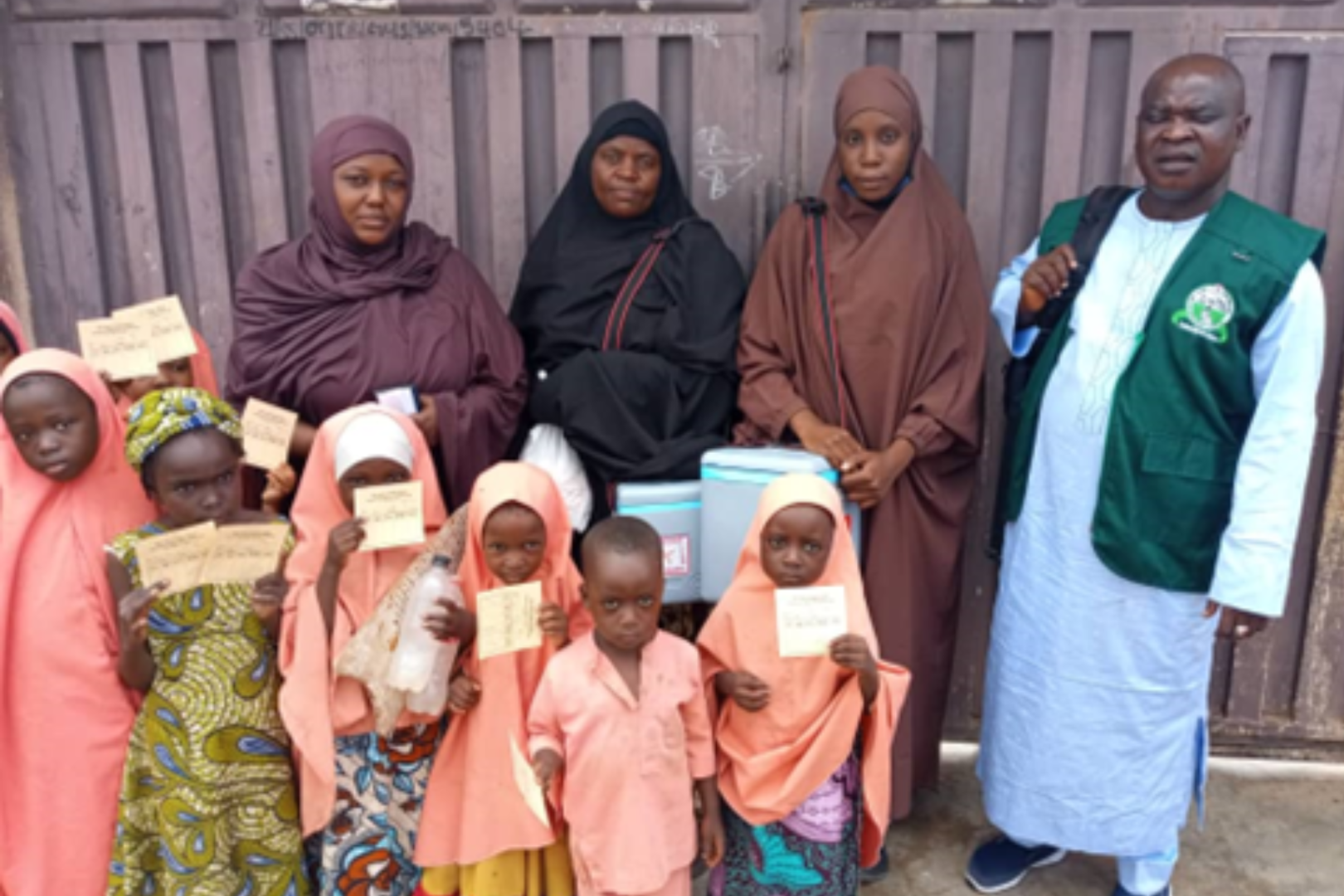
Gusau, To contain the cholera outbreak in Zamfara State, the state government- supported by the National Primary Health Care Development Agency (NPHCDA), World Health Organisation (WHO), UNICEF, and other partners—conducted a reactive oral cholera vaccination (OCV) campaign in six high-burden Local Government Areas (LGAs).
Bridging gender gaps in healthcare to improve men’s access to care
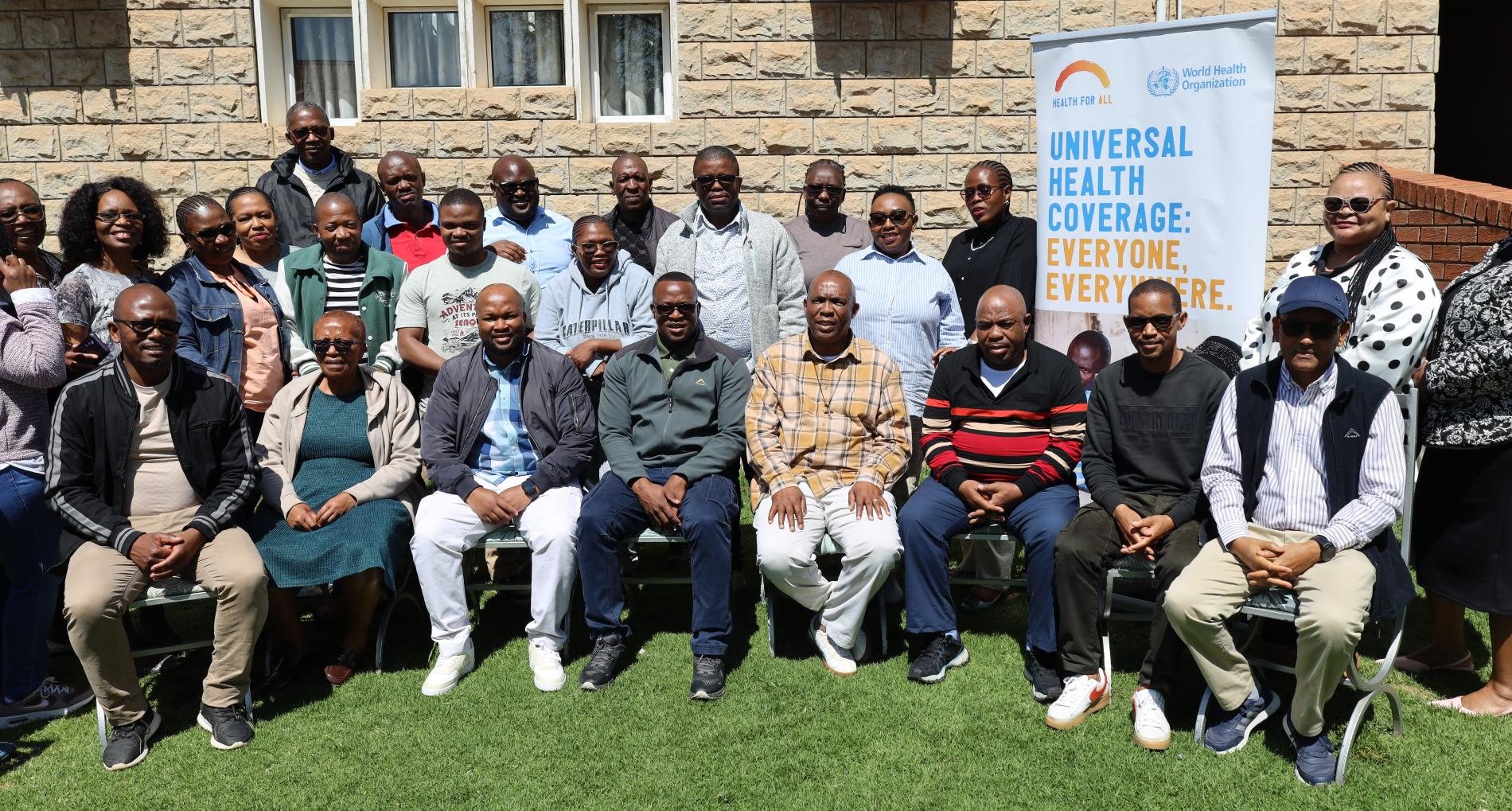
Leribe—In Lesotho, most men face silent struggles regarding their health. They are less likely to seek medical help, get tested for Human Immunodeficiency Virus (HIV), or stay on treatment, often due to stigma, harmful gender norms, and limited access to male-friendly services. These barriers have left men behind in key health outcomes, putting their lives and the well-being of their families at risk.
Angola joins global call to put newborn and child safety at the heart of health systems
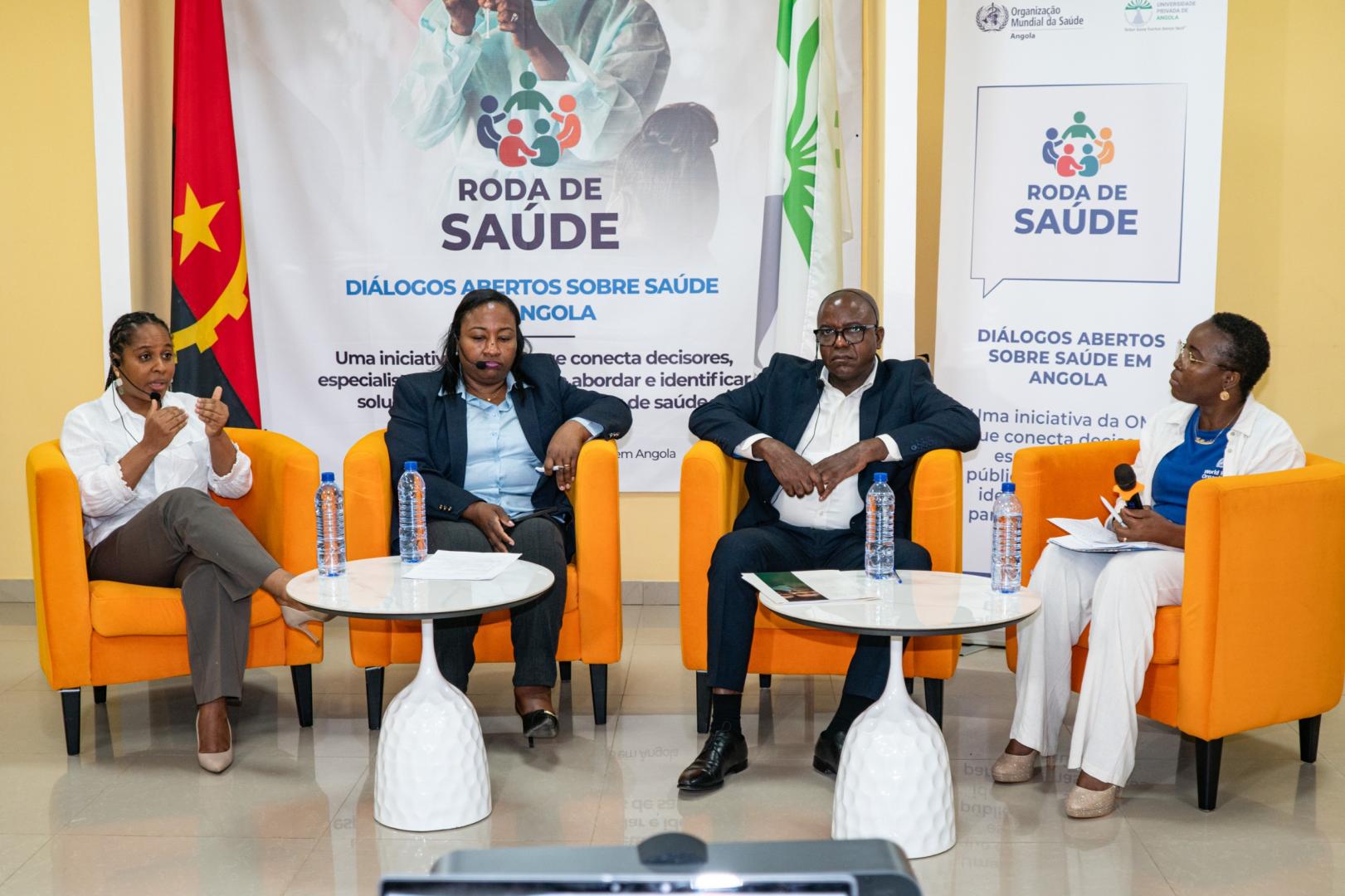
When she was just 9 years old, Rossana Francisco lost her mother, a nurse by profession. It was a painful moment that changed her life forever. That day, she promised to follow in her mother’s footsteps and dedicate her life to caring for others.
Malawi’s Measles-Rubella Campaign: A United Front Against Outbreak
In the wake of sporadic measles outbreaks that gripped Malawi from late 2024 into mid-2025, the country mounted a swift and coordinated response. Declared a Grade 2 public health event in November 2024, the outbreak spread across ten districts, with six districts remaining actively affected by April 2025.
Momentous step for One Health initiative in Botswana
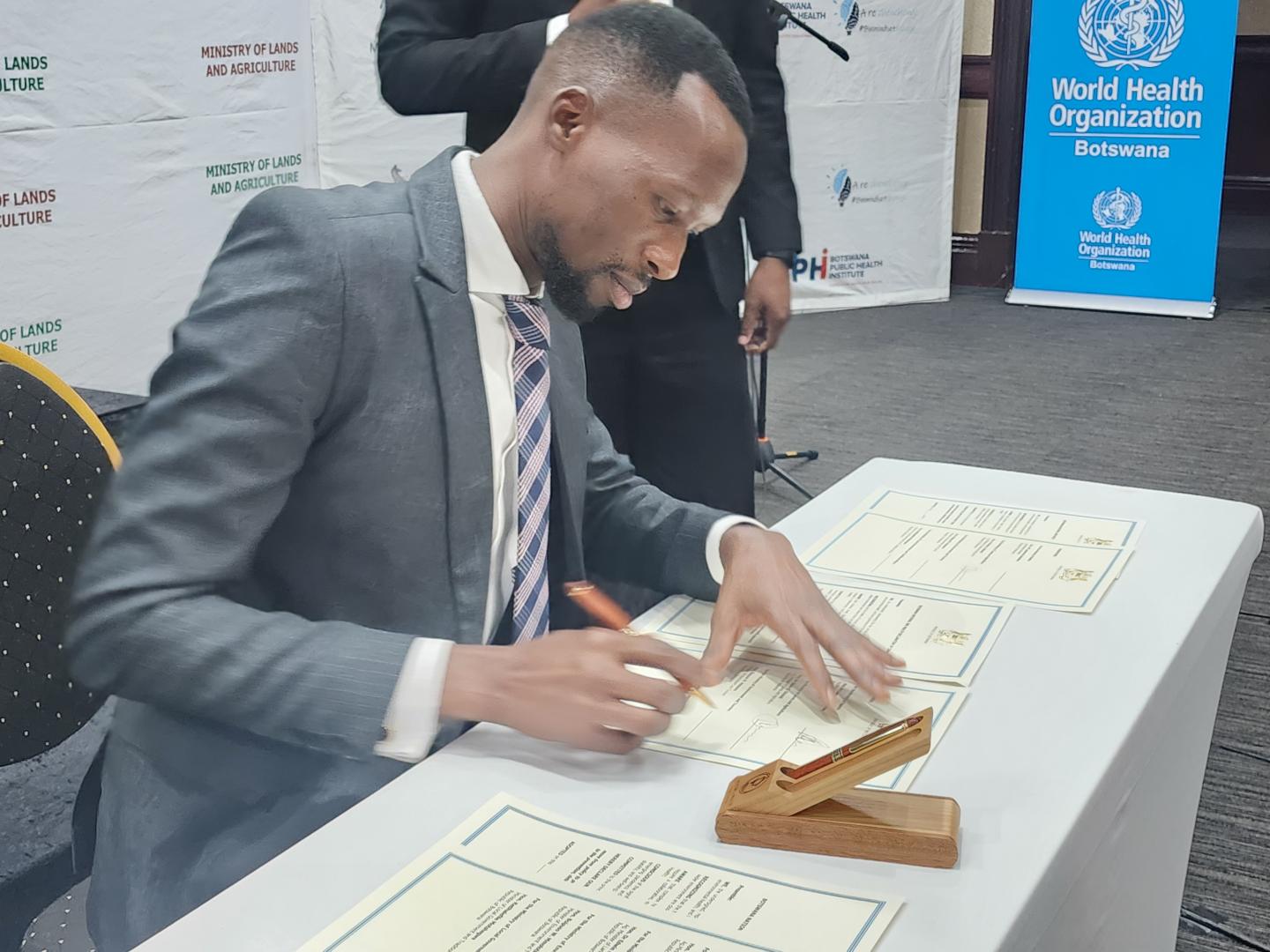
Gaborone—Botswana reaches a significant milestone in fostering the multi-sectoral collaboration to strengthen the One Health approach for health security and resilience.
WHO and China Explore Strengthened Collaboration Through the African Union Health Architecture
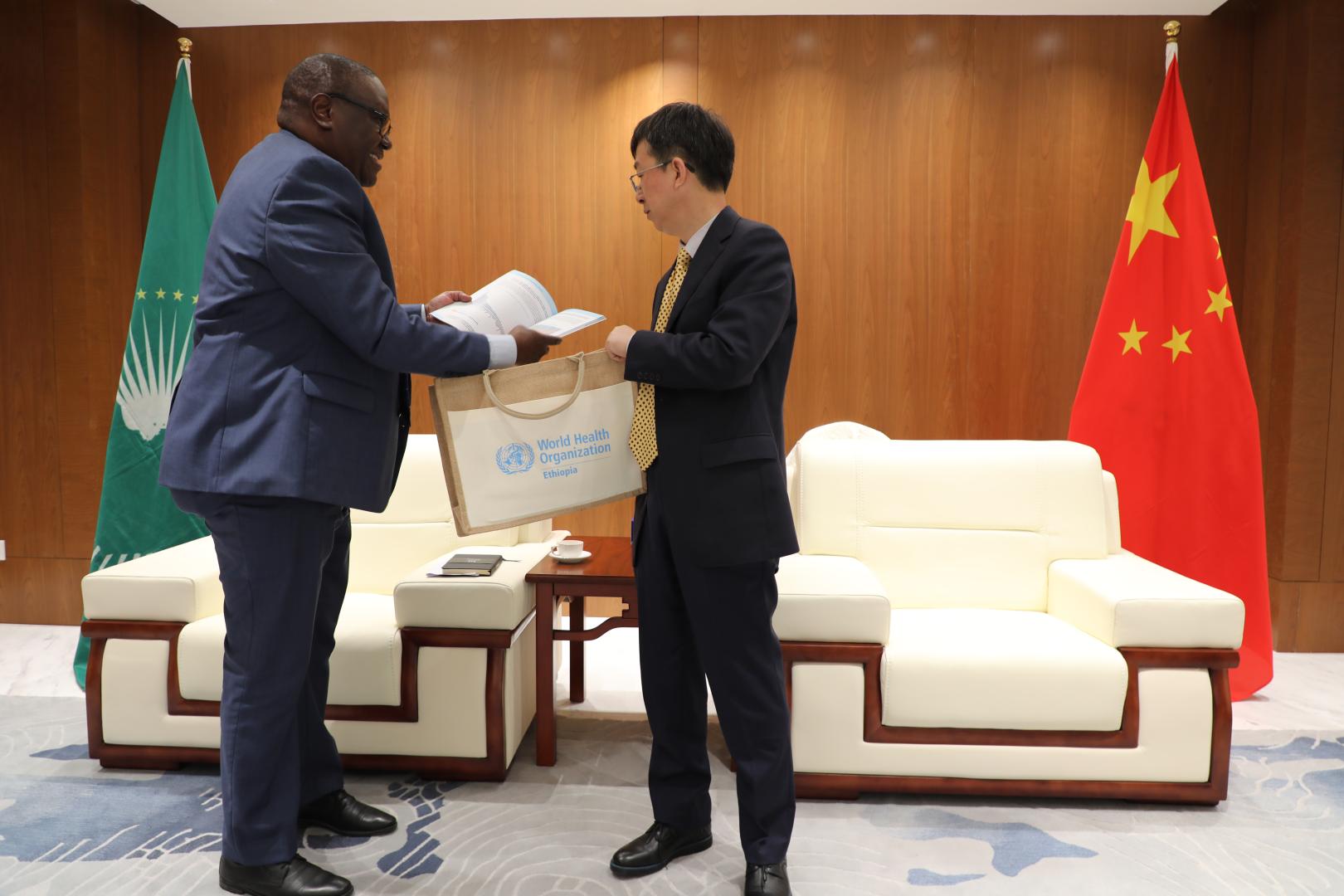
Addis Ababa, 23 September 2025 — Professor Francis Kasolo, WHO Representative a.i. to Ethiopia and the African Union (AU), paid a courtesy visit to H.E. Ambassador Jiang Feng, Head of Mission of the People’s Republic of China to the AU. The meeting reaffirmed the longstanding partnership between WHO and China in advancing public health in Africa and explored opportunities for deeper cooperation through the AU’s health architecture.
Sierra Leone concludes inaugural workshop on institutionalizing medical certification of cause of death and ICD-11
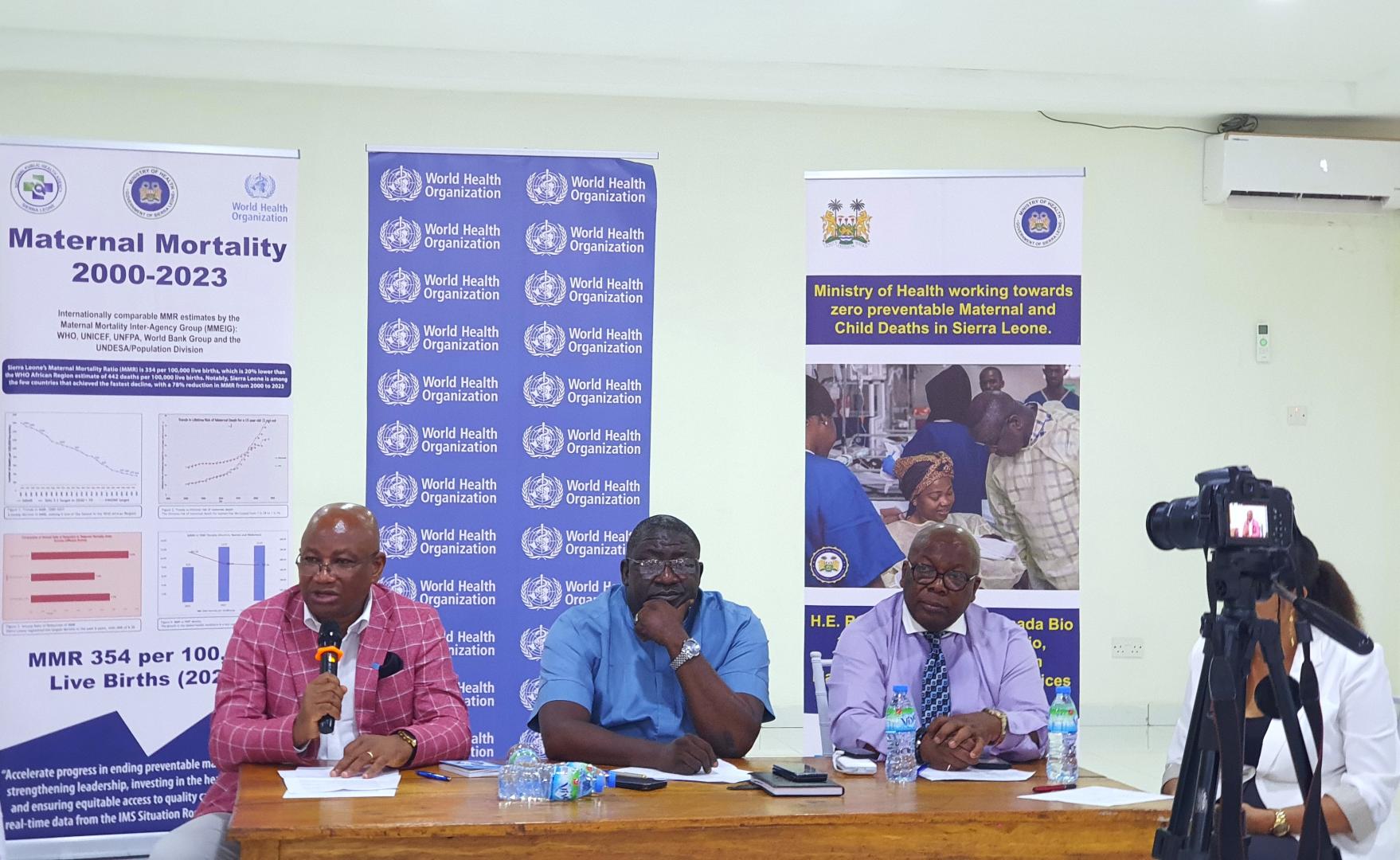
Freetown, 25 September 2025 – The Ministry of Health (MoH) and the National Civil Registration Authority (NCRA), in collaboration with the World Health Organization (WHO), have concluded a two-day inaugural meeting of the death reporting sub-committee, bringing together health professionals, civil registration experts, academia, and partners.
Lesotho advances noncommunicable disease response with PEN-Plus
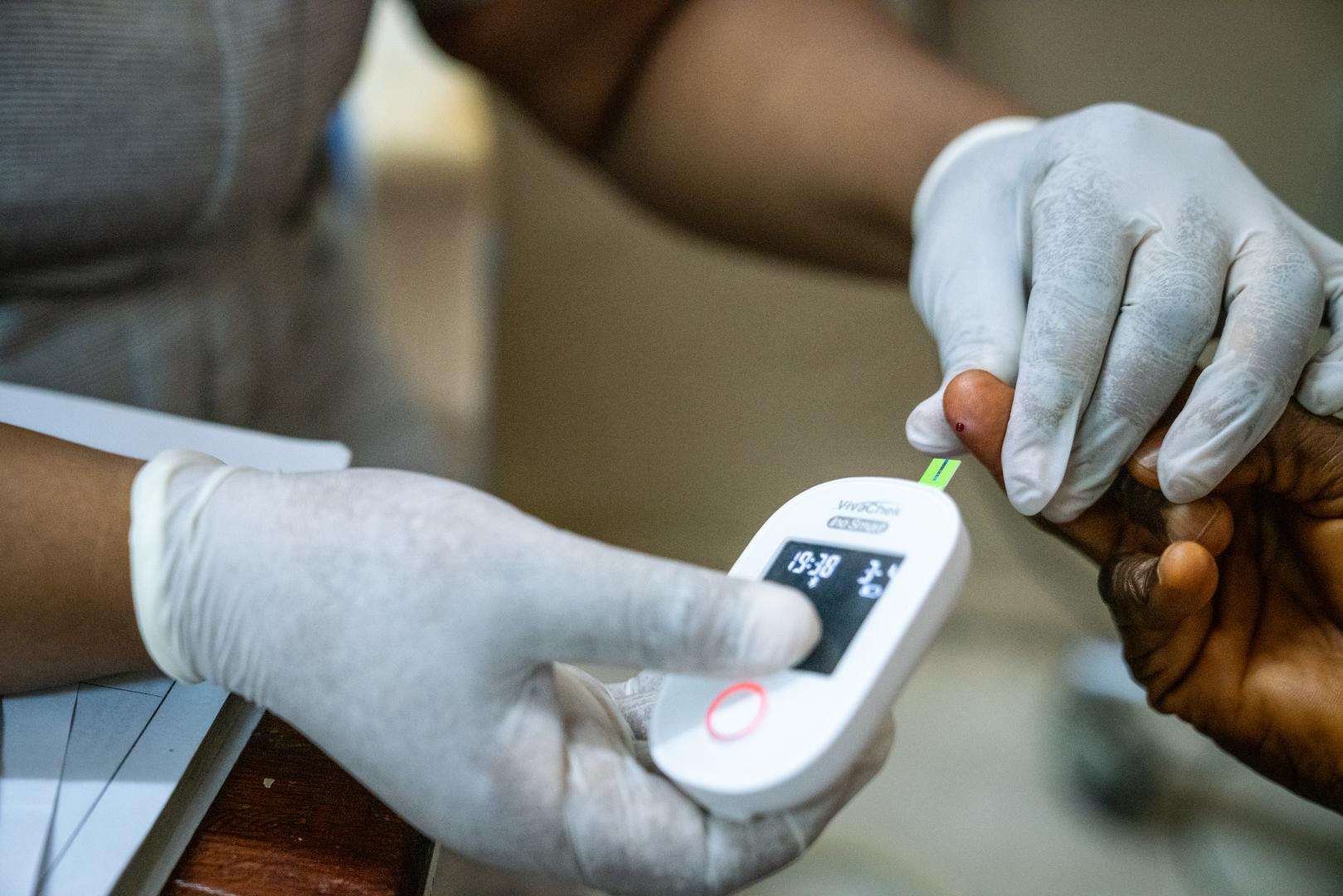
Maseru—Lesotho is taking decisive steps to confront a growing health challenge, the rise of non-communicable diseases (NCDs).