Ebola transmission in Liberia over. Nation enters 90-day intensive surveillance period
Today, 3 September 2015, WHO declares Liberia free of Ebola virus transmission in the human population. Forty-two days have passed since the second negative test on 22 July 2015 of the last laboratory-confirmed case. Liberia now enters a 90-day period of heightened surveillance.
Malaria Strategic Plan 2012-2018: Mid-term Review
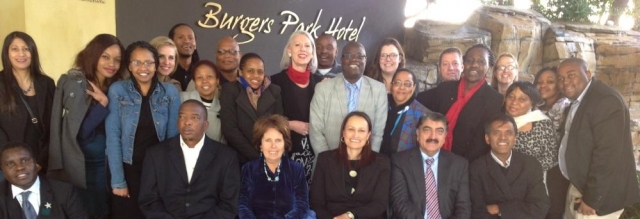
Pretoria, August 2015 - WHO has called on the global health community to urgently address gaps in prevention, diagnosis and treatment of malaria. South Africa has a Malaria Elimination Strategic Plan (MSP) which aims to achieve zero local malaria transmission in South Africa by 2018. With WHO country office assistance, the Mid-Term Review was held to assess the implementation of the interventions, strategies and activities in the three year period 2012/13-2014/15 of the current MSP and to propose changes required to achieve elimination of malaria in South Africa by 2018.
Training on the orientation on National Adherence Strategy on Chronic Diseases (HIV, TB & NCDs), North West Province, 19-21 August 2015
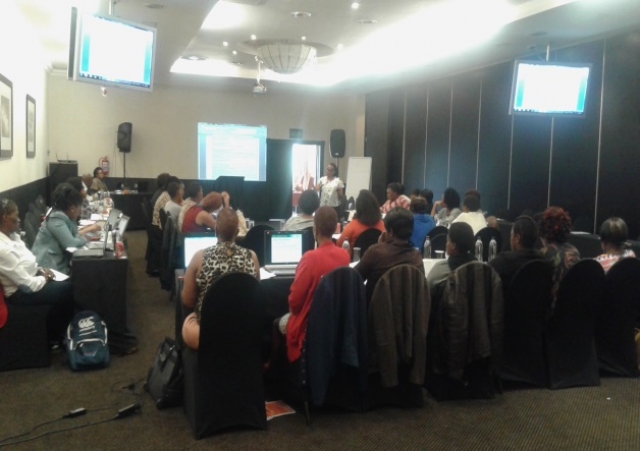
North West Province, 19-21 August 2015 - The WHO country office has been supporting the NDOH in developing and finalising the National Adherence Strategy on Chronic Diseases (HIV, TB & Non-Communicable Diseases (NCDs). The strategy has been finalised and will be reviewed by the National Health Council in September. It was thus decided to work on a pilot implementation of this strategy. To this end, it was decided that orientation training was needed in some sites. Four provinces were identified with sites and controls in each of these relevant districts.
Promising results from INSPIRE Project, a Midterm Review Findings reveal
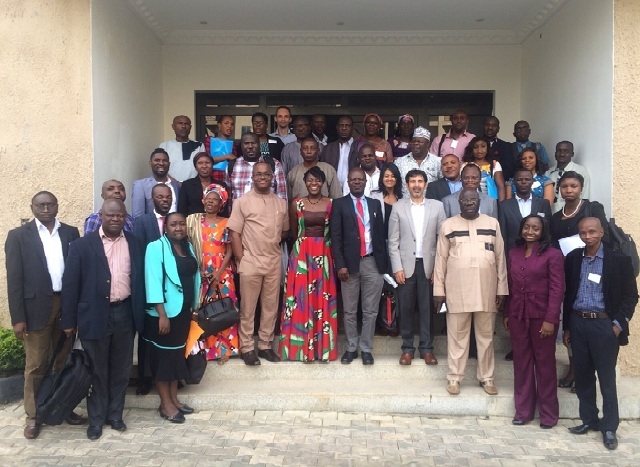
Abuja, 02 September 2015: A midterm review to assess the performance of two implementation research projects supported by WHO in Nigeria and implemented by the Centre for Integrated Health Program (CIHP) and Institute of Human Virology, Nigeria (IHVN) has ended in Nigeria’s capital Abuja with promising results.
Policy review: Initiatives to reduce malpractice in obstetrics
Medical malpractice is becoming costly, with litigation costs ranging from 2%-10% of total healthcare spending. Obstetrics is under particular scrutiny as amongst the highest litigation settlements. Specialists perceived as being under higher liability risks are likely to practice ‘defensive’ medicine, leading to an increase in unnecessary clinical procedures.
Training medical doctors on Voluntary Medical Male Circumcision (VMMC) to strengthen NHI districts in South Africa
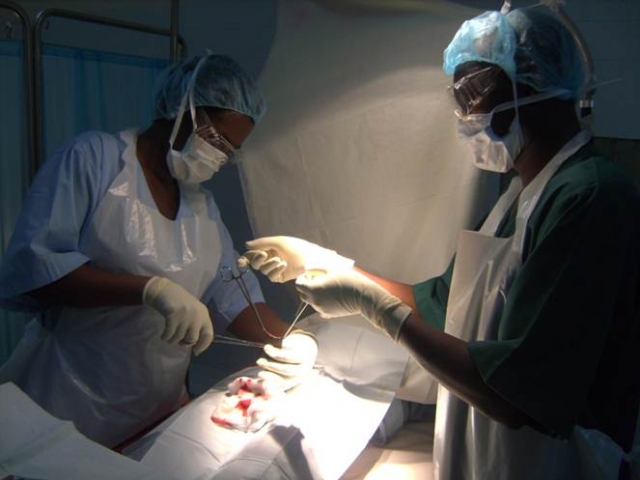
Pretoria, August 2015 - The WHO Country Office is providing technical support to the National Department of Health on various aspects of VMMC with support from the US Government through PEPFAR to be able to meet the ambitious Medical Male Circumcision (MMC) targets by 2016.
WHO Donates drugs to Ministry of Health for deworming campaign against soil transmitted helminthes in Children
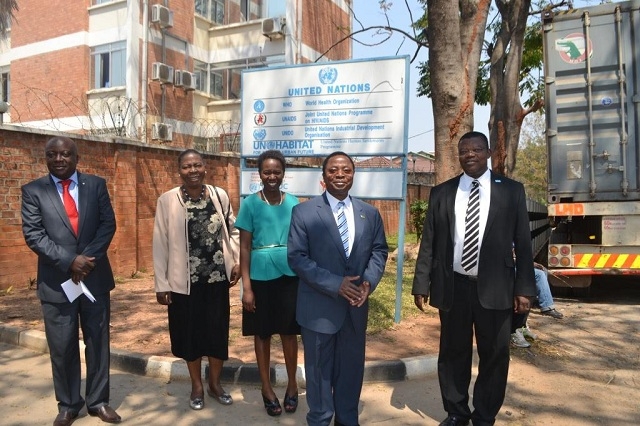
Lusaka, 31t August, 2015 - The WHO Representative, Dr. Jacob Mufunda made a donation of 11, 297, 000 tablets of Albendazole 400mg tablets worth K2million to the Ministry of Health for deworming against soil transmitted helminthes in Children.
Kenya launches Polio Round Two in Migori County
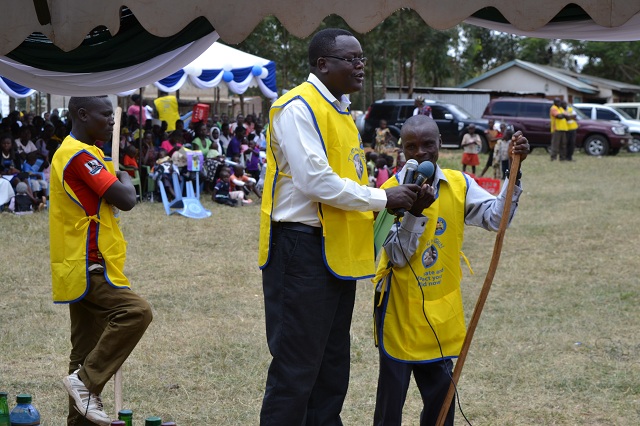
The launch for the Polio Second Round campaign in Kenya kicked off this weekend with a passionate appeal to parents and care-givers to open their doors for Polio teams so children could be vaccinated.
The campaign targets 11 counties most at risk including Migori, Garissa, Wajir, Turkana, Marsabit, Tana River, Lamu, Mandera, Narok, Homa Bay and Siaya
How can the quality of medical care be improved ?
To support the National Department of Health’s policy development, the WHO Country Office commissioned a review of policies and programs used to improve the quality of medical care and reduce practice variation. The review found that quality of care is measurable, and variations in practice have been documented in most countries. Variations in the use of cost‐effective health procedures have important implications for efficacy and cost, and health outcomes.
Development of the District Implementation Plan in line with the 90-90-90 targets for HIV and TB
WHO and other development partners are assisting the National Department of Health (NDOH) to develop a District Implementation Plan that responds to interventions to ensure that South Africa reaches the HIV and TB 90-90-90 targets. Robust plans are required at district level which need to be integrated with the district planning process and linked to district health plans. Several Country Office professional officers are members of the NDOH Technical Working Group and are facilitating the process at provincial level.