Status and challenges of ART adherence in SA: How the UN can help
UN agencies have agreed to develop a joint work plan on antiretroviral (ART) adherence after the WHO in South Africa presented the current status and challenges of ART adherence to UN agencies. This followed a request by the UN Resident Coordinator on how UN agencies could contribute to improving adherence rates.
ART adherence is particularly important in South Africa which has the largest treatment program in the world and is rapidly expanding ART to over 3 million people and introducing new policies for earlier treatment initiation.
Malaria Case Investigators Training
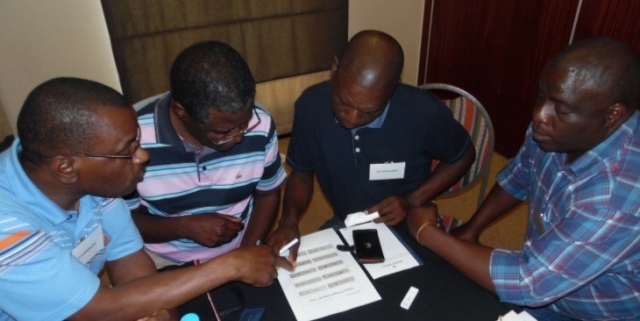
Mpumalanga, September 2015 - The World Health Organization with South Africa’s National Department of Health and partners including the Clinton Health Access Initiative and the National Institute for Communicable Diseases have begun training Malaria Case Investigators to strengthen malaria surveillance efforts for the 2015/2016 malaria season. The training is being held to ensure that case investigators are able to classify all malaria cases.
Progress on the strategic actions to make better health and well-being a reality for Africans
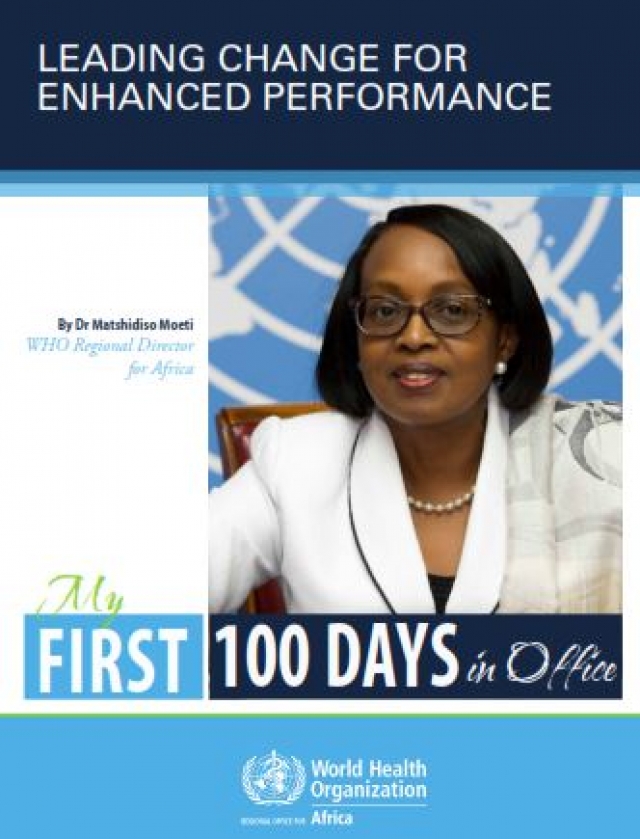 A new report highlighting progress made on the strategic actions initiated by Dr Moeti Matshidiso, the WHO Regional Director for Africa to make better health and well-being a reality for Africans has been released.
Treat all people living with HIV, offer antiretrovirals as additional prevention choice for people at "substantial" risk
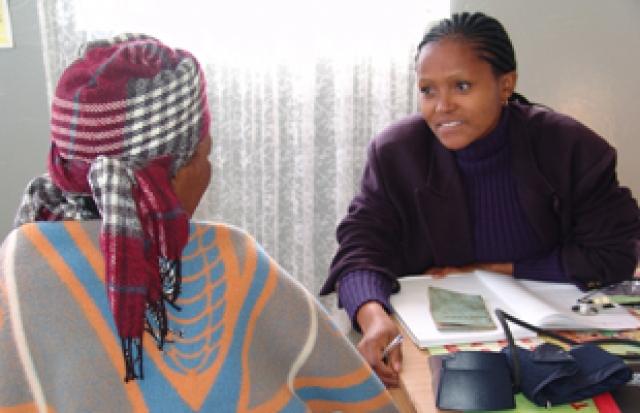
30 September 2015, Geneva - Anyone infected with HIV should begin antiretroviral treatment as soon after diagnosis as possible, WHO announced Wednesday. With its "treat-all" recommendation, WHO removes all limitations on eligibility for antiretroviral therapy (ART) among people living with HIV; all populations and age groups are now eligible for treatment.
WHO strengthens the Ministry of Health supply chain management system
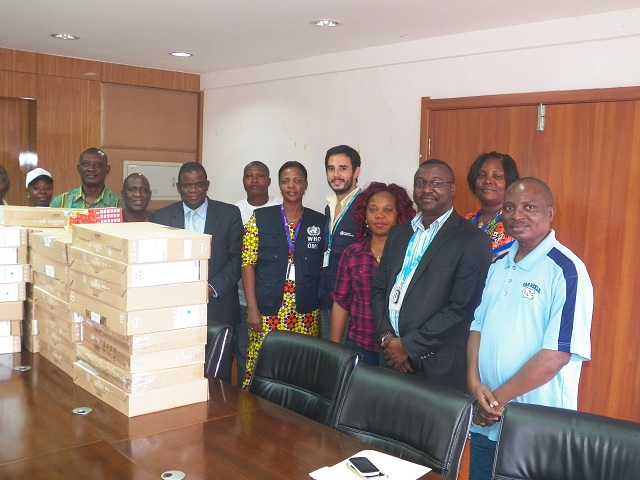
30th September 2015, Monrovia - The Liberian Ministry of Health is working to strengthen the supply chain management system, a key strategic area of theInvestment Plan for Building a Resilient Health System (2015- 2021). This is to ensure accessibility and availability of drugs and medical supplies at all levels to reduce wastage. To build the county health teams supply chain management system, 15 County Pharmacists and 17 Supply Chain Coordinators have been recruited and deployed by the Ministry of Health.
Meeting of International Climate and Health Experts in Africa 30 Sept - 2 Oct 2015
Johannesburg, 30 September 2015 - Climate change is a major global health threat, posing immediate and long-term threats to human health and survival. Nowhere is this anticipated to have greater impact than in Africa, where social, political, environmental and economic conditions already create serious health vulnerabilities for many communities.
Ethiopia | High Level Mission to Gambella - WHO Intensifies Support to Region's Emergency Preparedness
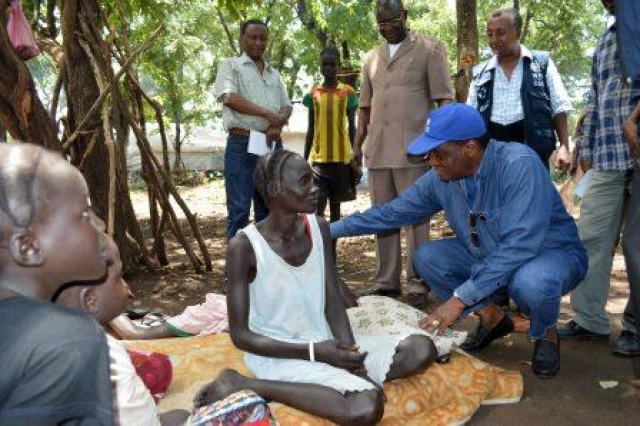
A joint WHO mission composed of Ethiopia Country Office, the Africa Regional Office and the Horn of Africa Office for Polio Response Coordination visited health facilities and refugee communities in Gambella Regional State on 5 and 6 August 2015. The mission aimed to strengthen support to the refugee emergency response in the Region.
Partners Sensitized on the ENGAGE-TB Approach
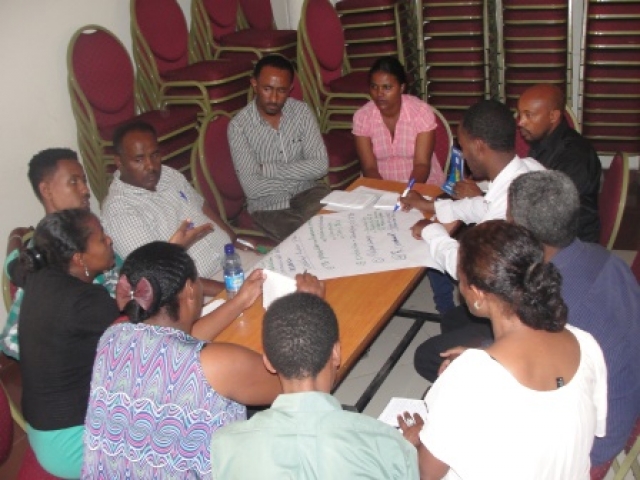
Non-Governmental Organizations (NGOs) and Civil Society (CSOs) members expressed their interest to integrate Tuberculosis (TB) in their respective program areas to contribute to the fight against Tuberculosis and contribute to the reduction of incidence, prevalence and death related to TB. This was during a one-day sensitization workshop on the ENGAGE-TBapproach held on 27 August 2015 in Adama, bringing together 30 participants from NGOs and CSOs working in different programmatic areas, including HIV/AIDS, Maternal Health, Child Health and other community-based programs.
International Training on Malaria Control Underway in Addis Ababa
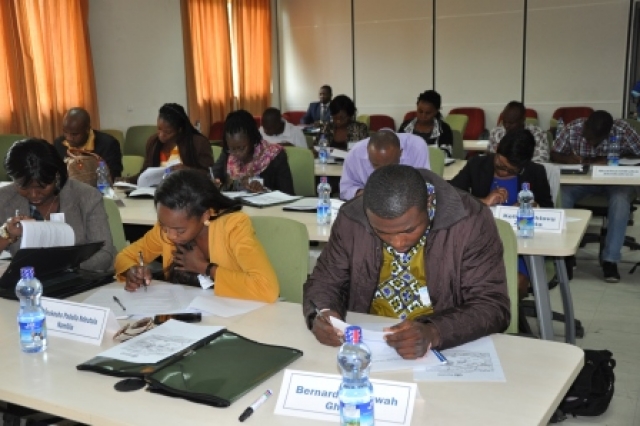
Malaria has put an estimated 3.3 billion people – 40% of the world population – at risk, killing 584,000 people worldwide, 90% these in Africa.
Country Representative consolidates on polio eradication gains, meets stakeholders
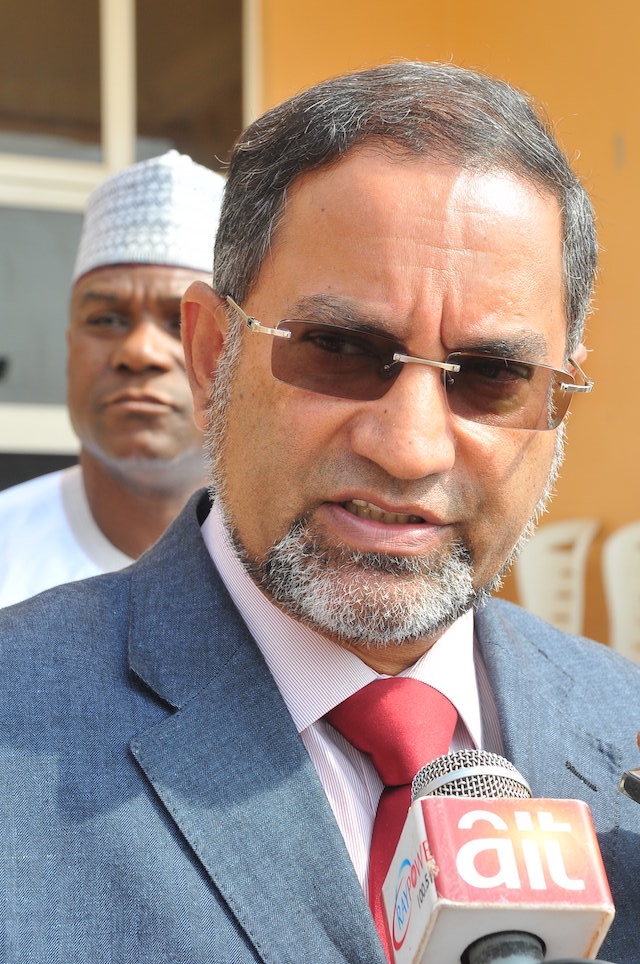
Kaduna, 29 September 2015 - With Nigeria at a defining moment of polio eradication, the World Health Organization (WHO) Country Representative (WR), Dr Rui Gama Vaz has embarked on townhall meetings with major stakeholders to consolidate on gains recorded.