“FIFA 11 for Health” programme launched in Sierra Leone to promote healthy lifestyles among young people
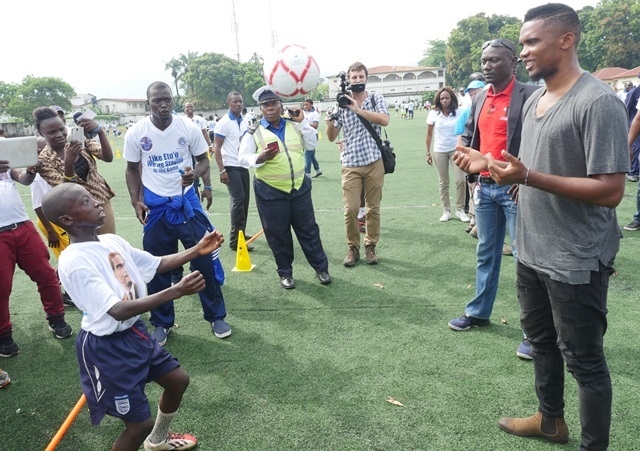
FIFA in collaboration with the Sierra Leone Football Association, United Nations agencies (WHO and UNICEF) on 1 November launched the ‘FIFA 11 for Health’ programme in Freetown aimed at promoting healthier lifestyles among young people. The programme was launched by a delegation of FIFA officials led by the football legend Samuel Eto’o Fils.
Inaugurating the Hydrotherapy Facility for Polio Rehabilitation – the first of its kind in Ethiopia
The Hydrotherapy Center established at the Cheshire Services Ethiopia, and which is the first in its kind in Ethiopia was inaugurated in the presence of WHO Representative, Dr. Pierre M'Pele-Kilebou, donors and contributors to the center, guest Rotarians from the USA and Canada, and other polio partners on Monday, 5 October 2015. Unveiling was done by W/ro Mintwab Abebe, widow of Mr Nahusenay Araya, former District Governor (DG) of Rotary Club.
Costing health care reforms to move towards Universal Health Coverage (UHC): Considerations for National Health Insurance in South Africa
To contribute to the debate about costing Universal Health Coverage (UHC), the WHO Country Office in collaboration with WHO HQ developed the attached brief to help think through the implications. “How much will the reform cost?” is a common and sensible-sounding question in planning any major health reform. Indeed, it is a question that national finance authorities have to ask. Unfortunately, the answer is complicated – although the expectation is that it is simple and straightforward.
Training on Health Financing, Bilene, 26-30 October 2015
The World Health Organization (WHO) in Mozambique is conducting in collaboration with the Institute of Hygiene and Tropical Medicine of the University of Lisbon, a short course on health financing funded under the Partnership between the European Union and WHO for policy dialogue to achieve Universal Health Coverage.
Malaria Consortium disseminates a mid-term evaluation report on a UNITAID supported project "Use of Quality assured malaria Rapid Diagnostic Tests (mRDTs) in the Private sector"
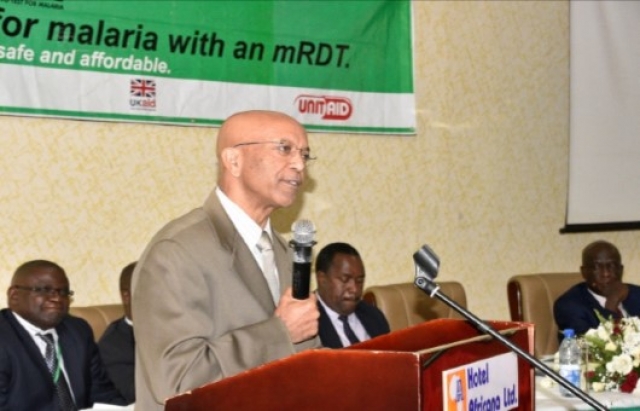
Kampala, 27thst October 2015:- Malaria Consortium organized a meeting to share lessons and challenges in implementing the UNITAID project that encourages using malaria Rapid Diagnostic Test (mRDTs) in the private sector including drug shops and pharmacies in order to increase the number of malaria patients who get treatment after a confirmatory test at Hotel Africana.
WHO formally announces removal of Nigeria from polio-endemic list
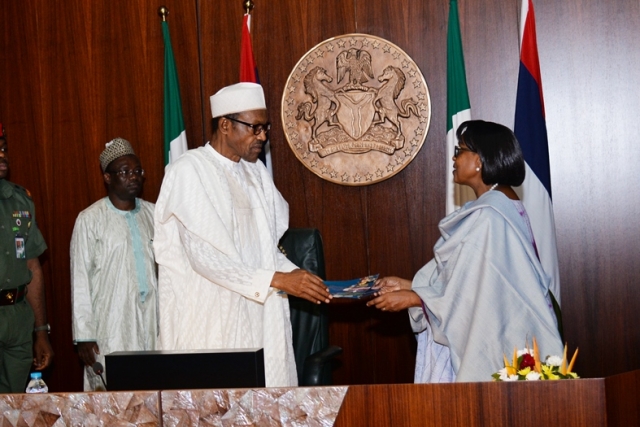
Abuja, 26 October 2015 – Today, the World Health Organization (WHO) formally removes Nigeria from the list of polio-endemic countries. The announcement comes after the historic achievement of the country in interrupting the transmission of wild poliovirus for a period of 15 months, which exceeds WHO’s target for interruption. Only 2 countries (Afghanistan and Pakistan) remain polio-endemic, down from more than 125 in 1988.
WHO-Rotary-UNICEF Joint Statement on World Polio Day 2015
ADDIS ABABA, 23 October 2015 | Marking the occasion of World Polio Day 2015, the World Health Organization, UNICEF and Rotary International, jointly reaffirm their commitment to ensure Ethiopia joins all countries in a polio-free world by 2018 – the global target for polio eradication world-wide.
WHO Hosts Epic UN at 70 Event
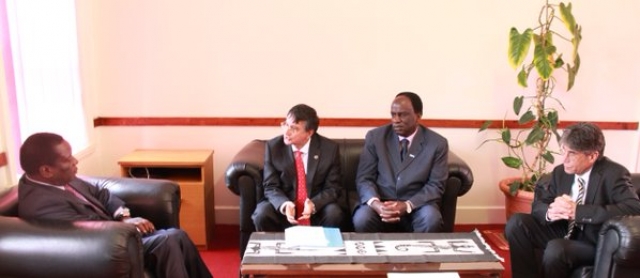
Harare, 23 Oct. 2015 - This was the final in a series of events to mark UN@70. The main commemorative function hosted by WHO at the Highlands compound, was attended by various UN agencies staff led by their respective Heads of Agencies, senior Government Officials, bilateral partners and a wide range of Ambassadors and Heads of Missions accredited to Zimbabwe.
Donor report: More than 400 000 people need health care in the Central African Republic where the security situation worsens
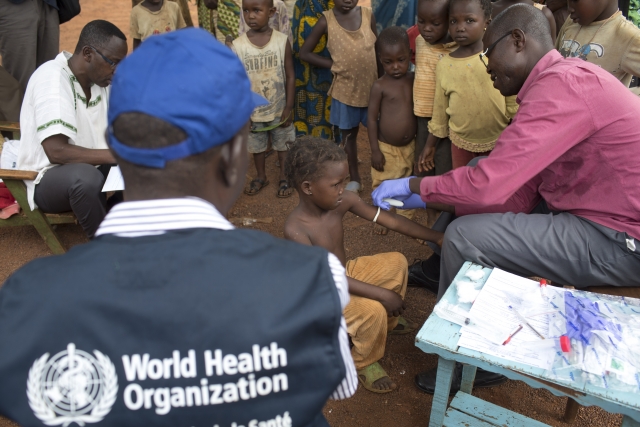
The security situation continues to be precarious across the Central African Republic. State institutions, rule of law and public services barely function. Since January, sporadic attacks were recorded in Bangui, Bambari, Baboua, Kabo, Batangafo, Markounda, Paoua, Amadagaza, Kouango, Alindao, Mbrès, Bria and Dékoa. These attacks displaced tens of thousands of people, and led to the temporary withdrawal of some NGOs due to increased insecurity and attacks on their vehicles and staff.
WHO Representative, Dr Abdulmumini Usman presents letter of credence to the Ministry of Foreign Affairs & International Corporation - South Sudan
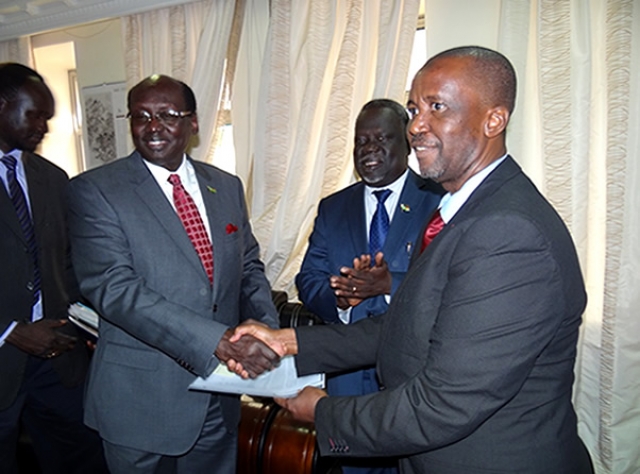
Pledges continued support to the Ministry of Health and the people of South of Sudan
Juba, 23 October 2015 - On 22nd October 2015, the newly appointed WHO Representative (WR) to South Sudan, Dr. Abdulmumini Usman presented letter of credence in the capacity as the World Health Organization Representative to South Sudan.