WHO multi-country survey reveals widespread public misunderstanding about antibiotic resistance
16 November 2015 ǀ GENEVA – As the World Health Organization (WHO) ramps up its fight against antibiotic resistance, a new multi-country survey shows people are confused about this major threat to public health and do not understand how to prevent it from growing.
WHO warns climate change to threaten human health in Nigeria
Abuja, 16 November 2015: Climate change is threatening to worsen health problems in Nigeria, the World Health Organization warns in a new Climate and Health Country Profile 2015, published today. Increased temperatures, intense heatwaves, more extreme rainfall and floods are expected to intensify existing challenges of communicable diseases, food insecurity and poverty, if action is not taken.
Endgame strategy: WHO positions field staff to leverage on interruption of wild polio virus towards certification in 2017.
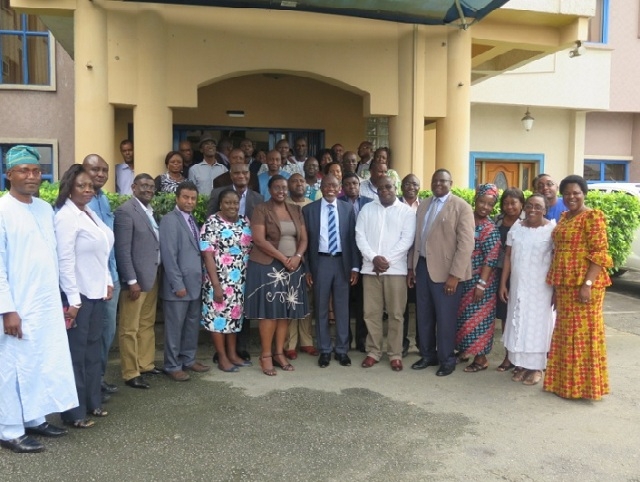
Abuja, 14 November, 2015: The recent removal of Nigeria from the list of polio endemic countries notwithstanding, the Immunization, Vaccines and Emergencies (IVE) cluster of the World Health Organization (WHO) is re-strategizing for the final push to eradicate polio in Nigeria. In its latest strategy, the cluster plans to leverage on the recorded gains in interruption of WPV towards certification in 2017.
Measles outbreak triggers immunization campaigns targeting over 12 000 children in Juba, South Sudan
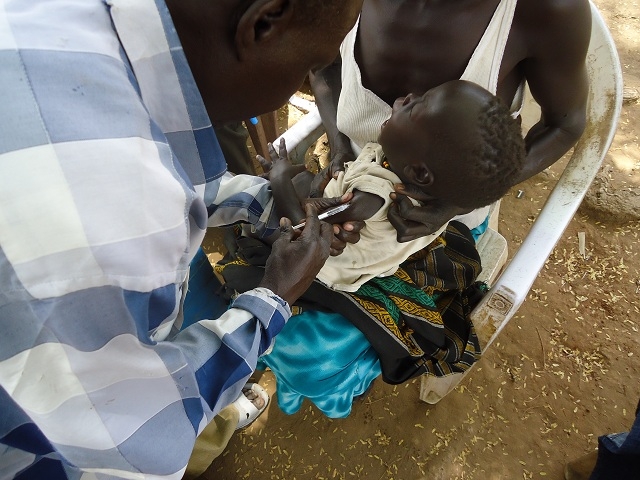
Juba, 13 November 2015 - The World Health Organization (WHO), Ministry of Health (MoH), and health partners are rapidly responding to a new measles outbreak and have vaccinated over 12 000 children at the protection-of-civilians (PoC) sites and surrounding host communities.
Network of Public Health Emergency Operation Centers established to protect lives
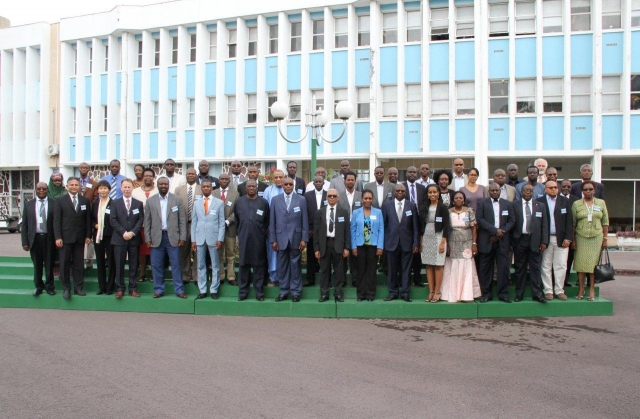 12 November 2015, Brazzaville - The need for each African country to have functional Public Health Emergency Operation Centers (PHEOCs ) that should serve as a hub to coordinate the preparedness for and response to public health emergencies to save lives, was one of the key issues discussed at a three-day meeting held in Brazzaville from 9 to 11 November 20
Health Ministers to discuss strategies and actions to tackle public health challenges in the African Region
Brazzaville, 12 November 2015 – Delegates from the 47 countries in the WHO African Region will meet in N’Djamena, Chad from 23-27 November 2015, for the annual session of the WHO Regional Committee. The week-long meeting is hosted by the Chadian government.
Community Engagement Key to Ending the TB Epidemic
ADDIS ABABA, 11 November 2015 | Nearly 90 communities, non-governmental (NGOs) and civil society organizations (CSOs) are meeting for a landmark consultation in Addis Ababa today to ramp up efforts to end tuberculosis (TB) - the leading infectious disease killer worldwide along with HIV.
Promoting family planning in rural communities
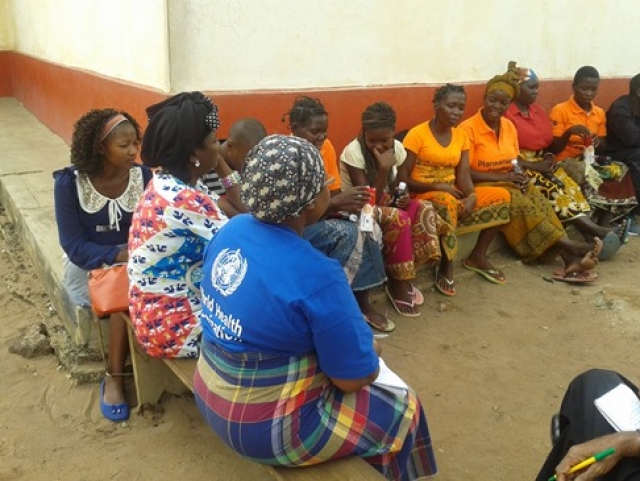
In Cabo Delgado, only 2.9% of women between 15-49 years are using a family planning method, according to the Demographic Health Survey 2011.
Measles vaccination has saved an estimated 17.1 million lives since 2000
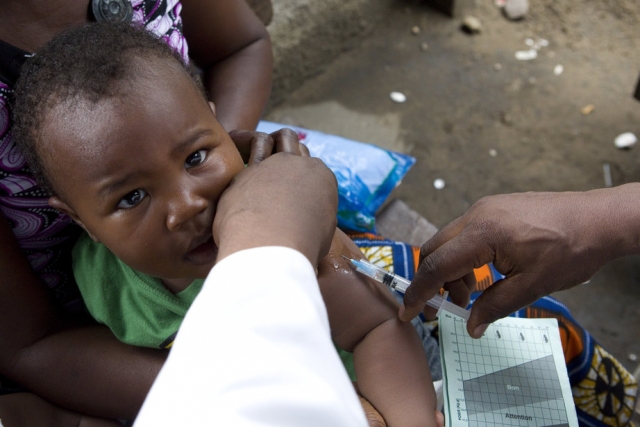 12 November 2015, Geneva - The number of measles-related deaths has decreased 79% from 546 800 at the beginning of the century to 114 900 in 2014. New data released by WHO for the Measles & Rubella Initiative, estimates that 17.1 million lives have been saved since 2000, largely due to increased vaccination coverage against this highly contagious viral disease.
UN Task Force on NCDs : A call for joint action across the UN system to support Mozambique tackle non-communicable diseases
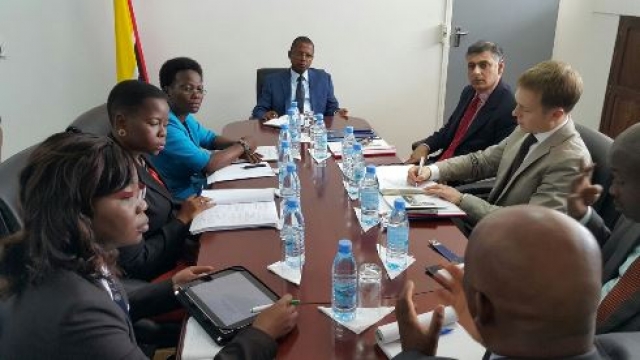
Maputo, 6 November 2015 – A joint mission of the United Nations Interagency Task Force on the Prevention and Control of Non-communicable Diseases (NCDs) visited Mozambique from 2-6 November to support the UN Country Team in providing technical assistance to the government in tackling NCDs - principally cardiovascular diseases, diabetes, cancers, and chronic respiratory diseases. In Mozambique, NCDs cause 23% of all deaths and nearly 1 in 5 people die prematurely from NCDs and are having an increasing adverse socioeconomic impact on the country.