WHO supports the Ministry of Health Ghana in response to meningitis outbreak
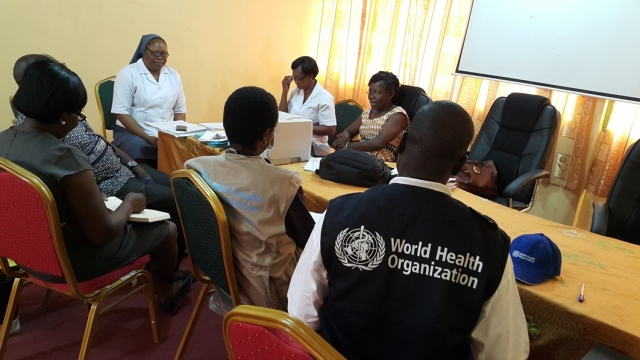
Accra, 04 February2016 – In response to the ongoing meningitis outbreak in Ghana, WHO has supported the Ministry of Health with rapid diagnostic testing kits (Pastorex), other laboratory reagents and technical support community and facility surveillance, sensitization and case management.
Dr Moeti urges vigilance amid spread of Zika virus
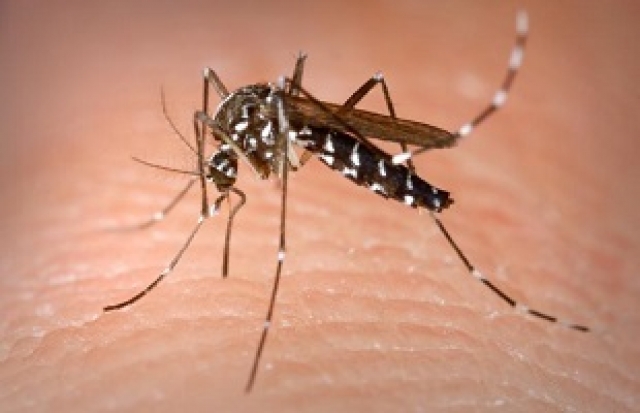
Brazzaville, 4 February 2016 - Countries from the WHO African Region have been urged to be watchful and prepare to tackle any signs of the Zika virus disease. The call was made by Dr Matshidiso Moeti, the WHO Regional Director for Africa.
Delegates adopted recommendations on Exchange of Best Practices to Reaching Every District/Community, equity and integration of child survival interventions in ESA
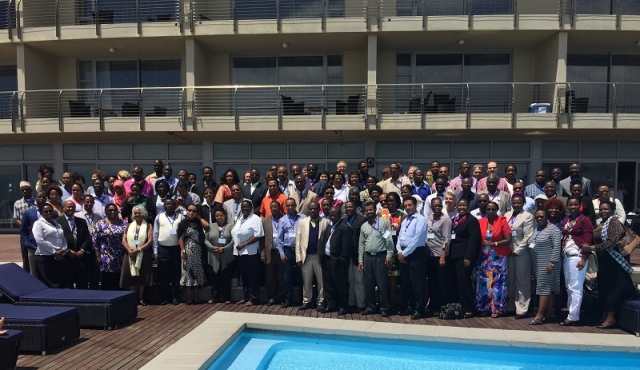 Cape Town, 29 January 2016 - The first ever workshop on Exchange of Best Practices to Reaching Every District/Community (RED/REC), equity and integration of child survival interventions in East and Southern African (ESA) jointly organized by WHO, UNICEF and JSI, MCSP/USAID, ended with delegates agreeing on recommendations to address inequities in cove
Former President Jimmy Carter to address British parliament on dracunculiasis eradication
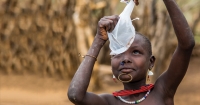
23 September 2016 | Geneva | New Delhi | Beijing − The World Health Organization (WHO) is piloting new approaches to overturn the “slow decline” of new leprosy cases almost 16 years after the disease was “eliminated as a global public health problem”. These new approaches, part of WHO’s Global Leprosy Strategy 2016–2020, aim to reinvigorate control efforts and avert disabilities, especially among children affected by the disease in endemic countries.
Angola starts massive campaign to contain Yellow Fever Outbreak
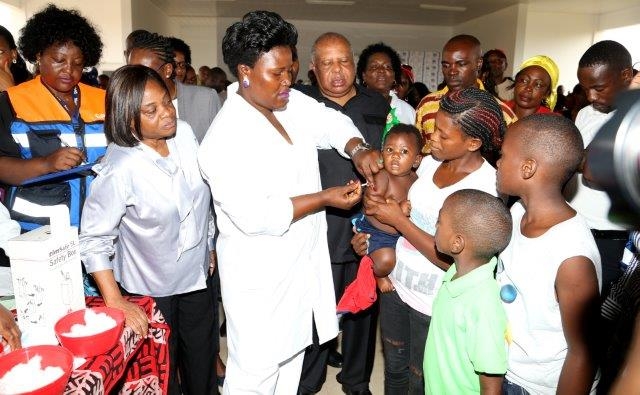 3 February 2016, Luanda - Angolan authorities started Tuesday a multisectoral massive campaign with the aim of to stop the current yellow fever outbreak in the province of Luanda, whose balance as of today is of 96 suspected cases and 26 deaths.
Journalists join fight against Lassa fever in security compromised North eastern Nigeria
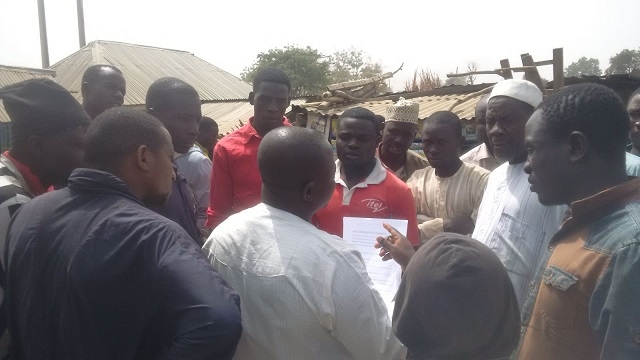
Abuja, 02 February, 2016 - As part of ongoing efforts to contain the spread of Lassa fever, the World Health Organization (WHO) in collaboration with the Journalists’ Initiative Against Polio (JAP), has taken the campaign on personal and environmental hygiene to both urban and rural communities in the North East Zone (NEZ) with emphasis on infected states of Bauchi, Gombe and Taraba.
National Electronic Health Management Information System Stakeholders meeting held in Entebbe
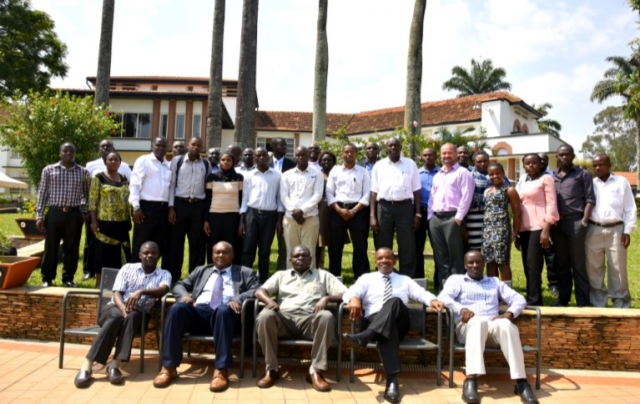
Entebbe, 3rd February 2016 - The Quarterly National Electronic Health Management Information System, (eHMIS) Stakeholders Meeting took place at the Lake Victoria Hotel (LAICO).
20% of Zimbabwean students using tobacco products
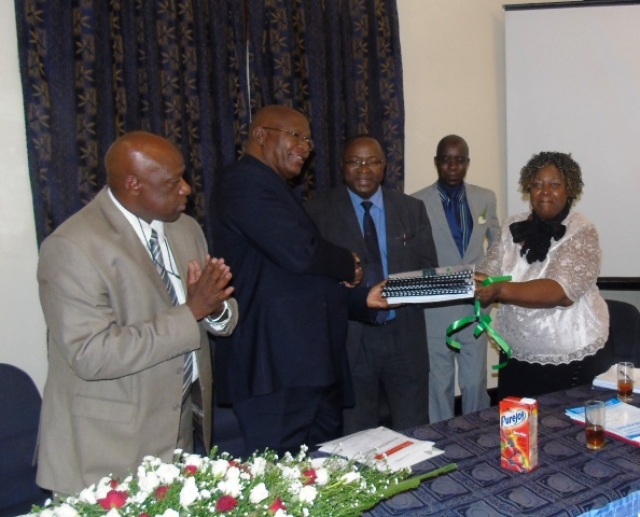
Harare, 28 January 2016 - This was revealed in the summary report of the Global Youth Tobacco Survey (GYTS) country report for Zimbabwe which was launched on Wednesday 27th January in Harare. The GYTS was conducted in 2014, and involved a representative sample of grade 7 pupils and forms 1—3 students aged 13 –15 years. It was a questionnaire based survey that consisted of 6,427 eligible students drawn from randomly selected classes from 100 sampled schools with a response rate of 70.4%.
Plans to establish a Public Health Institute in Liberia continue
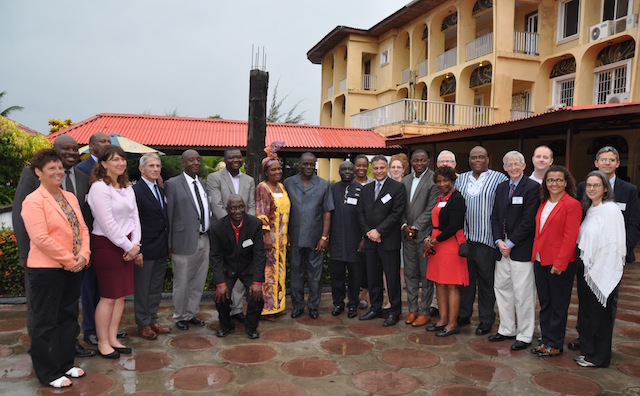
Monrovia, 28 January 2016 - During a high-level meeting held on 18-20 January, the Ministry of Health of Liberia moved a step forward with plans for the establishment of a national public health institute (PHI). This is one of the priority components of the Liberia plan for building a resilient health system 2015-2021.
WHO Donates Minilabs to Strengthen Control of SSFFC
Substandard, spurious, falsely labelled, falsified and counterfeit (SSFFC) medical products pose an unacceptable risk to public health. SSFFC medical products affect every region of the world, and all major therapeutic categories of medicines, including vaccines and diagnostics. They harm patients and undermine confidence in medical products, healthcare professionals and health systems.