Polio Eradication Expert Review Committee warns of a hard road to the finish line.
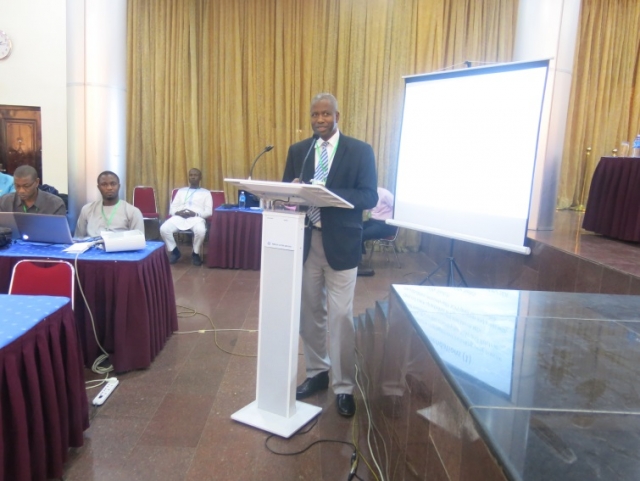
Abuja, 11 February, 2015 - The 31st session of the Expert Review Committee (ERC) on Polio Eradication and Routine immunization (ERC), warns that the perception of a “job done” coupled with risks of waning political commitment and accountability at each level, funding gaps and delays, access to children in North-East and pockets of low population immunity, could be bottlenecks to achieving certification in 2017.
WHO, UNHCR and UNICEF conduct 2nd joint field visit to Mahama Refugee camp in Rwanda to monitor the on-going Typhoid Fever control measures
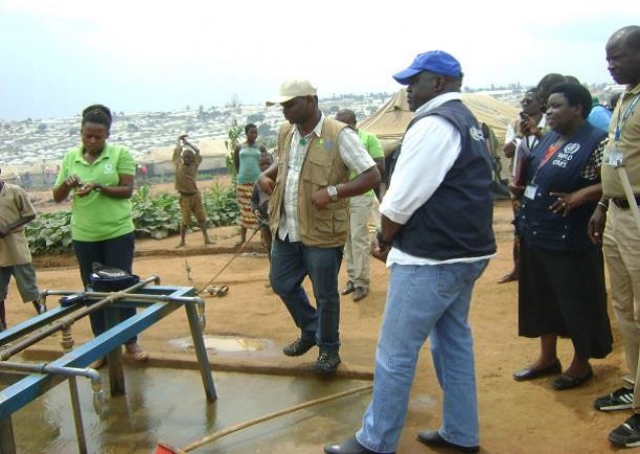
11 February 2016 - Since late April 2015, nearly 234,606 Burundians fled to neighbouring countries as a result of the on-going political crisis in the country. As of 20th January 2016 Rwanda registered 71,881 refugees and a total 45,460 are hosted in Mahama camp in Kirehe District, Eastern Province.
Engaging Mara Regional Health Team in finding local solutions to curb Cholera
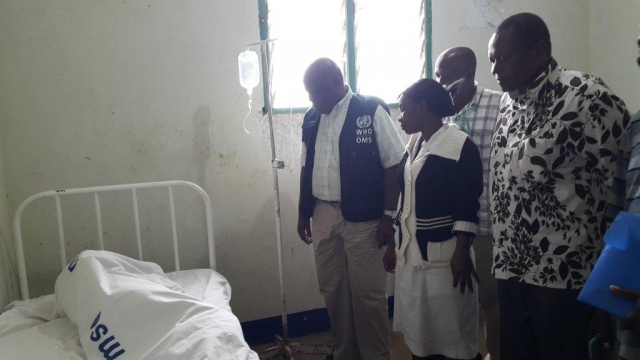
Mara, 11 February 2016 -- Mara Region is among the 23 Regions affected by the on-going cholera outbreak in Tanzania. As of 11 February, the Region has reported 1,307 cases cumulatively with 44 deaths.
Despite the on-going outbreak control efforts put in place by the Region, cholera transmission continues. WHO Representative, Dr. Rufaro Chatora, visited the Region to take stock of the situation and discuss with the Regional Health Team possible solutions to address the critical challenges faced by the Region.
WHO Representative gears up to tackle Cholera in the Lake zone Regions
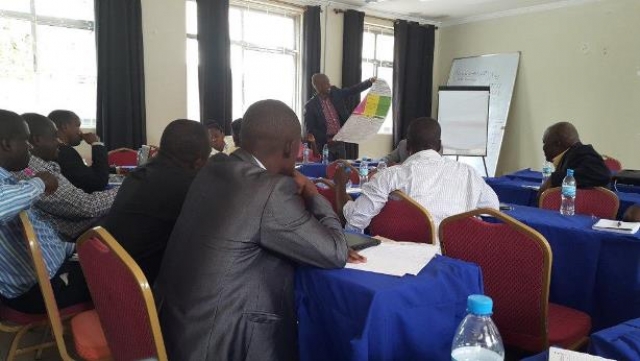
Mwanza, 10 February 2016 —The on-going cholera outbreak in Tanzania has affected more than 15,000 people and claimed over 230 lives from 23 Regions. Seven out of the 23 affected Regions from the Lake Zone namely: Mwanza, Mara, Kagera, Kigoma, Geita, Tabora and Shinyanga, have contributed 51% of the reported cases and 62% of the reported deaths.
WHO and Ministry of Health conduct mass drug administration against river blindness in South Sudan
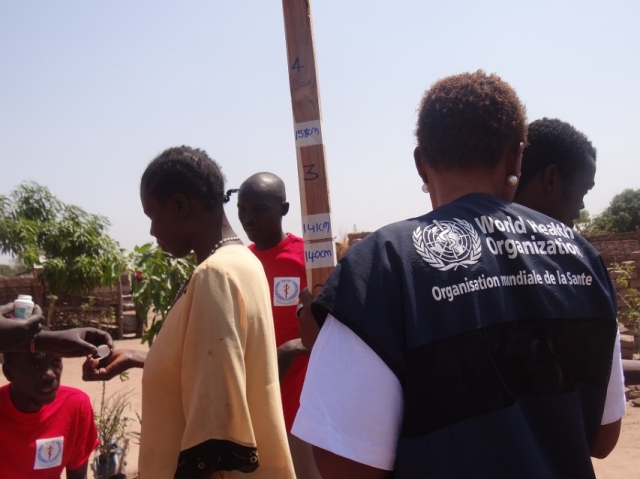
Juba, 10 February 2016 -- To accelerate the elimination of onchocerciasis (river blindness) in South Sudan, WHO and the Ministry of Health (MoH) are conducting community-based mass drug administration (MDA) with ivermectin, to targeted population in endemic counties of South Sudan.
River blindness is the world's second leading infectious cause of blindness. It is a parasitic disease caused by Onchocerciasis volvulus (OV) and transmitted by blackfly, an insect that breeds along fast flowing rivers.
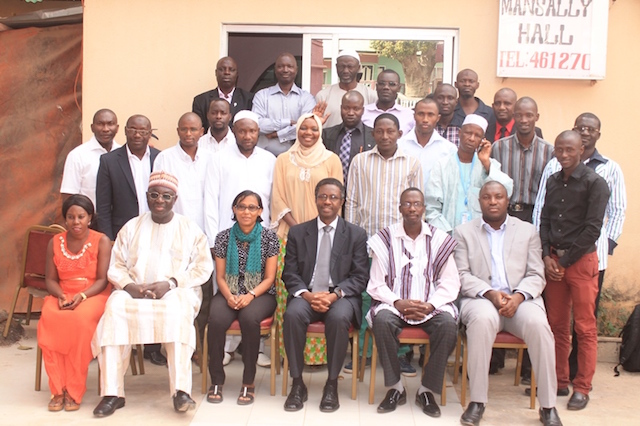
Rwanda WHO Country Office staff urged to embrace change and become an even more effective team
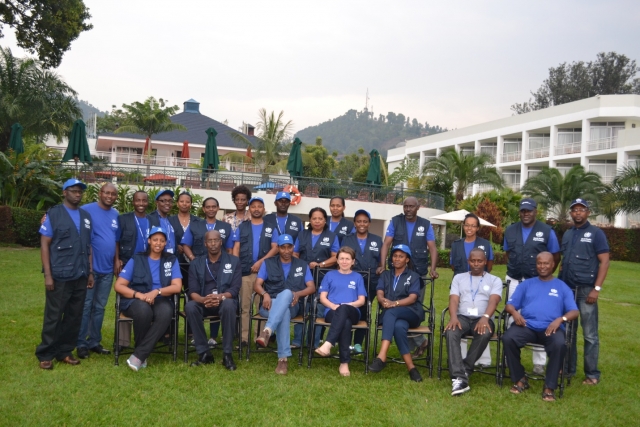
The World Health Organization (WHO) Country Office in Rwanda committed to embracing change for even more effective delivery of results at the just ended staff retreat which was held in Rubavu, Rwanda from 3 to 6 February 2016.
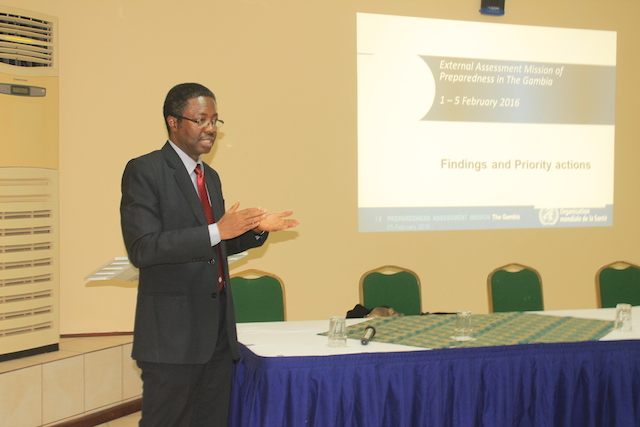
Statement by WHO Sierra Leone to the media on the discharge of contacts from monitoring and follow up delivered by the WHO Representative, Dr Anders Nordström.
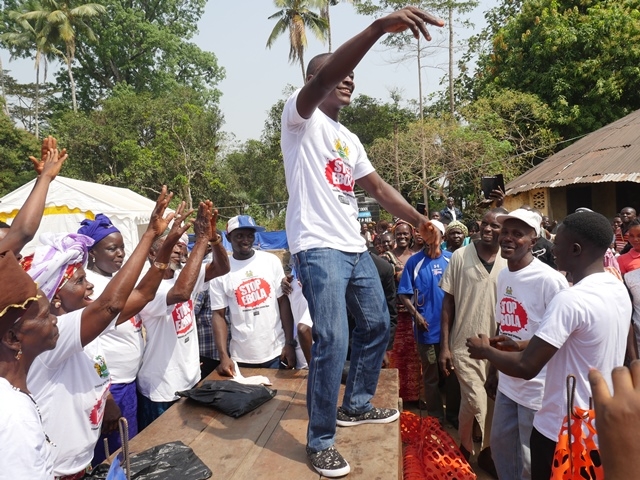
On 3 February 33 contacts were discharge from quarantine following the Ebola event that began on 14 January of this year. Their discharge after only three weeks from the confirmation of the index case on 14 January proves that this response did exactly what it was supposed to do – the rapid containment of infection to prevent further spread. The rapid identification and monitoring of contacts in quarantine was key. Four people remain in quarantine in Tonkolili until 11 February.
WHO with funding from the Government of Canada to build maternity complexes in Torit, Kuajok and Awiel
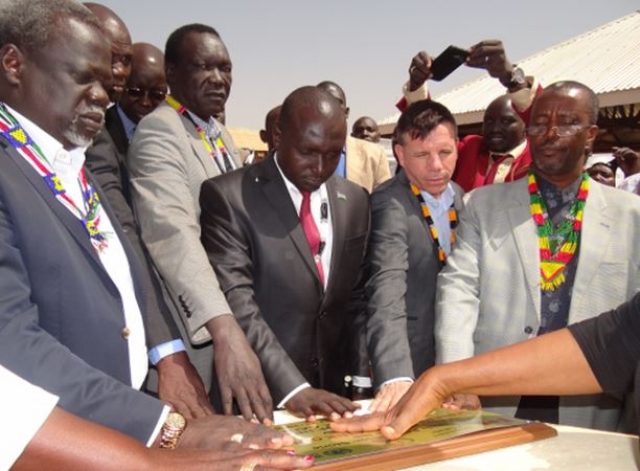
As part of the efforts to reduce maternal mortality in South Sudan, the WHO with support from the Government of Canada is to build maternity complexes in Torit, Kuajok and Awiel.. This is the second phase of the 19.4 million Canadian Dollars project that comprises of infrastructure, equipment’s and training of health personnel.