IGAD regional cancer center resource mobilization conference held in Addis Ababa, Ethiopia
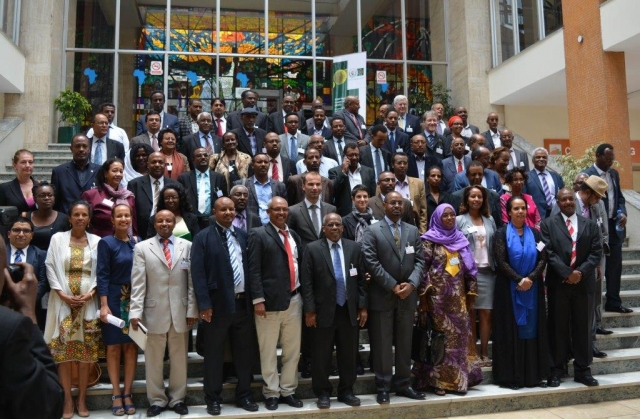
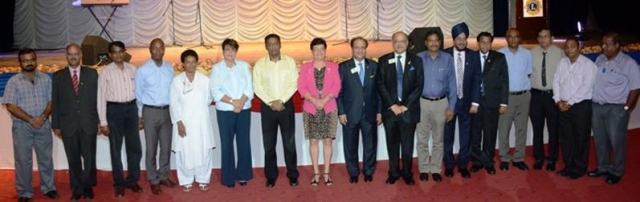
The Inter-governmental Authority on Development (IGAD) has held a resource mobilization conference for the establishment of a regional cancer center of excellence in Addis Ababa to strengthen and enhance cancer services in its member states has been held at the UN-ECA Africa hall in Ethiopia on 20-21 April, 2016.
Immunization financing in Seychelles
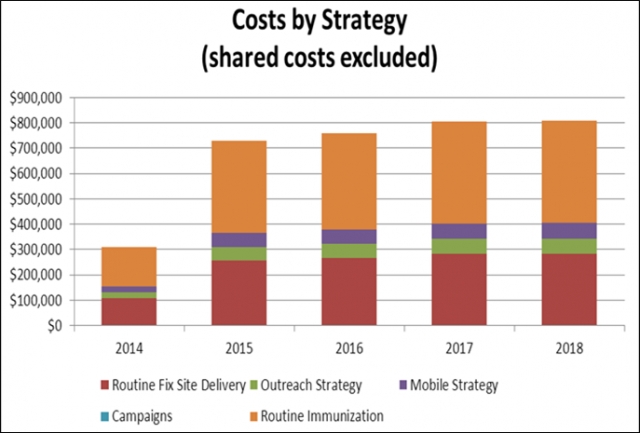
Victoria, Seychelles, 29th April 2016 - Equitable and sustainable health financing is a key component of any health system and disease-specific preventive programmes. In the Seychelles, primary health care is free at the point of use for all citizens. To efficiently deliver this service, health care is financed almost entirely through general taxation and social security contributions. The Ministry of Health (MoH) receives one of highest budgetary allocations every year. In 2014 for example MoH received Rs535,400,00.
New WHO Guidelines Make All Persons Living with HIV Eligible for Antiretroviral Treatment
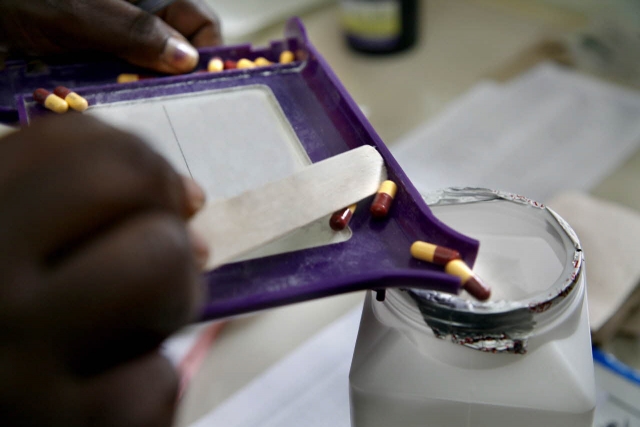
Johannesburg, 29 April 2016 – According to the new World Health Organization (WHO) guidelines for the prevention, treatment and care of HIV and Hepatitis, all 26 million people currently living with HIV in the African Region are now eligible for antiretroviral treatment (ART). This is more than double the number of the current 11 million on treatment.
Seychelles on track to introduce Rotavirus vaccine later in the year
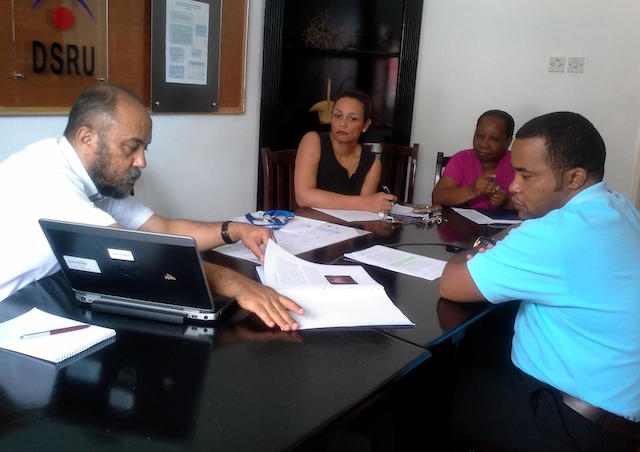
Rotavirus causes severe diarrhea and is often fatal in children before the age of five years. It is a public health concern in developing countries, and the Seychelles is not an exception. The first infection is usually most severe with subsequent infections being milder. An effective vaccine administered to infants could therefore save many lives. However before introducing the vaccine, the knowledge of disease burden and of circulating genotypes is essential and can only be done through a network of effective supervision.
Annual African Vaccination Week (AVW) 2016
A Call to Close the Immunization Gap
Windhoek, 28 April 2016 – The sixth African Vaccination Week (AVW) has been launched in Ganta, Nimba County of Liberia, on 25 April 2016 in the presence of high level officials and respected community leaders. The AVW is commemorated by African Countries during the week of 24–30 April 2016 with the theme, “Close the Immunization Gap. Stay Polio Free.”
HPV vaccine introduced into Seychelles routine immunization schedule
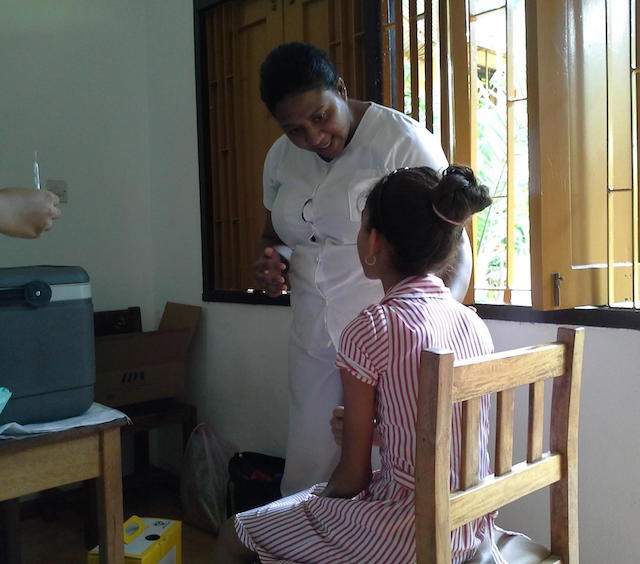
Seychelles has joined many other countries in the world in strengthening its efforts to prevent cervical cancer and other Human Papilloma Virus (HPV)-related diseases amongst its population. This is being done in an effort to reduce girls’ risk of developing HPV related cancers by as much as 80%. Since May 2014, the Ministry of Health has introduced the HPV vaccine into its routine immunization schedule.
The African Vaccination Week integrated in the mother and child health week in Rwanda
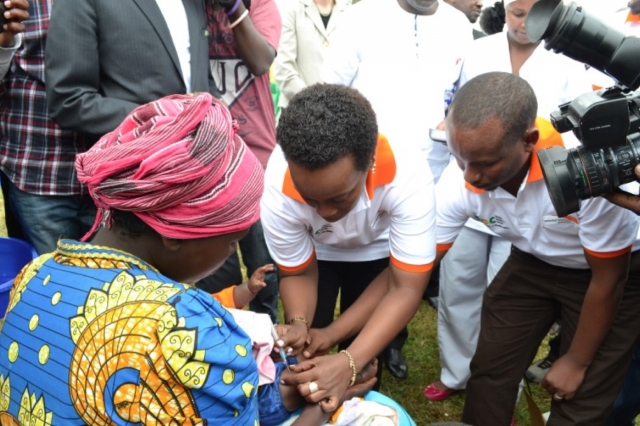
Rwanda organized its biannual Integrated Mother and Child Health Week from 26th to 29th April 2016. The Mother and Child week is organized twice a year and serves as an opportunity to scalehealth services provision, particularly to the hard-to-reach, the unreached and the most vulnerable populations. The Mother and Child Health Week was combined with the African Vaccination Week.
Towards a Polio Free World: Seychelles introduces Inactivated Polio Vaccine

Victoria, Seychelles, 29th April 2016 - Following its commitment to implement the Global Polio Eradication Strategy, on the 1st of September 2015 Seychelles joined the global effort to introduce the Inactivated Polio Vaccine (IPV) into its routine immunization schedule. The vaccine is being administered to all children at the age of four months along with their second dose of DPT-HepB-Hib and oral polio vaccine (OPV2).
Seychelles develops ‘Strategic plan for Measles Elimination 2015-2020’
Measles is a highly infectious viral disease caused by a Morbillivirus. It only affects humans and rapidly spreads among individuals who have not been vaccinated. It is also the leading cause of vaccine-preventable deaths among children worldwide.
National cholera prevention campaign launched in Ghana
Accra, 28 April 2016 - The national cholera prevention campaign was launched on 28 April 2016 at Agbogbloshie in Greater Accra Region of Ghana. The Prevention Campaign supported by WHO, USAID/Global Communities, UNICEF and the Ministry of Health targets to reach all people and communities across the country.