World Health Organization (WHO) scales up emergency health and nutrition response to meet increasing needs of families affected by crisis in South Sudan
Nairobi, 18 July 2016 – As the impact of the recent fighting in South Sudan continues, more families are being driven out of their homes in search of safety every day. Over 100 000 people have been displaced since a new round of intense fighting erupted in late June 2016 in South Sudan. The latest fighting has affected even the Equatoria regions further south of Juba, a hitherto peaceful part of the country.
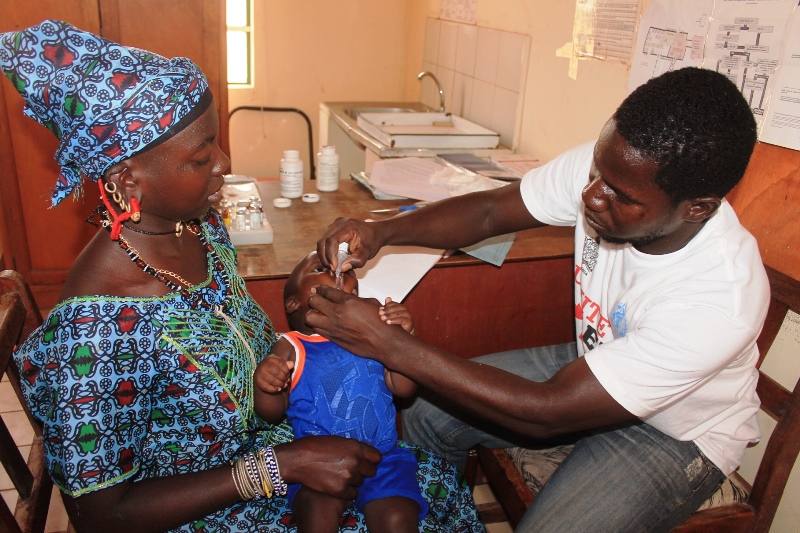
WHO celebrates more than 40 years of success in the control of onchocerciasis or "river blindness"
Ouagadougou, 15 July 2016 – WHO celebrates, from 14 to 15 July 2016, more than 40 years of success in the control of onchocerciasis or "river blindness", a parasitic disease whose vector is an insect that reproduces itself in water.
WHO Gambia engages local Church on NCDs
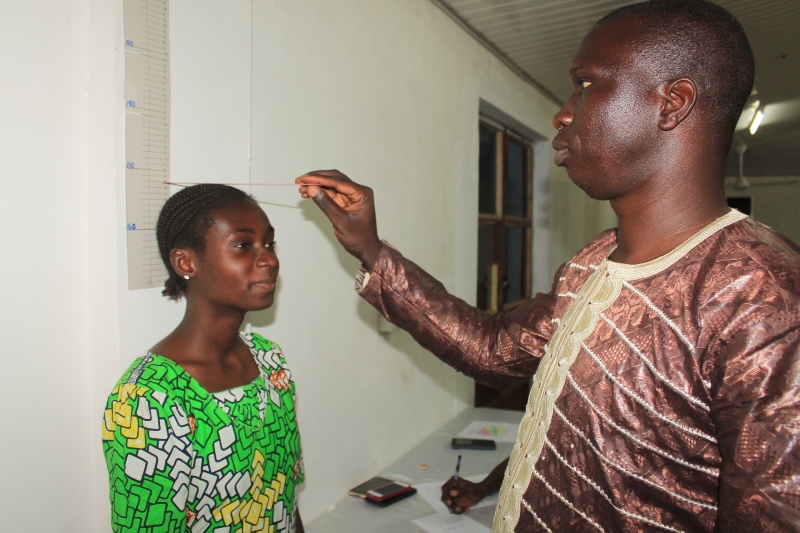
Banjul, 15 July 2016 - As part of its advocacy efforts to promote and strengthen partnership for health development, WHO Gambia Country Office in collaboration with the Ministry of Health recently engaged a local Church to discuss noncommunicable diseases (NCDs) and their risk actors.
Nigeria commissions WHO-accredited National Polio laboratory in Maiduguri, Borno State
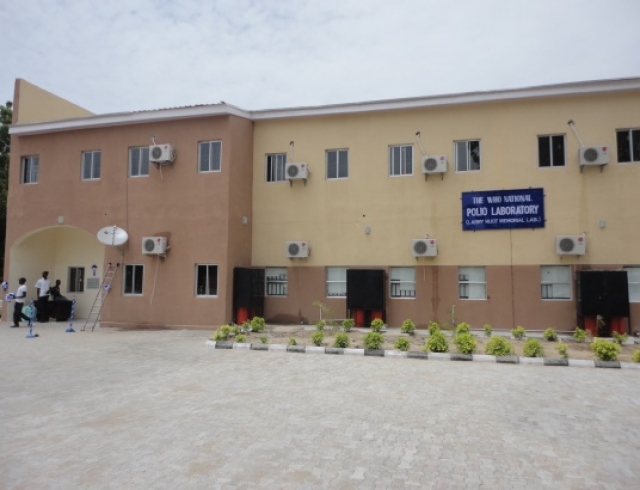
Maiduguri, 15 July, 2016 - A WHO-accredited Polio laboratory with the capacity to handle 15,000 stool samples per year within the polio eradication initiative from 10 states in the north of the country has been commissioned at the University of Maiduguri Teaching hospital (UMTH) on 14 July, 2016.
Strong political commitment, equitable access, and active engagement of communities key to sustaining immunization gains in Africa
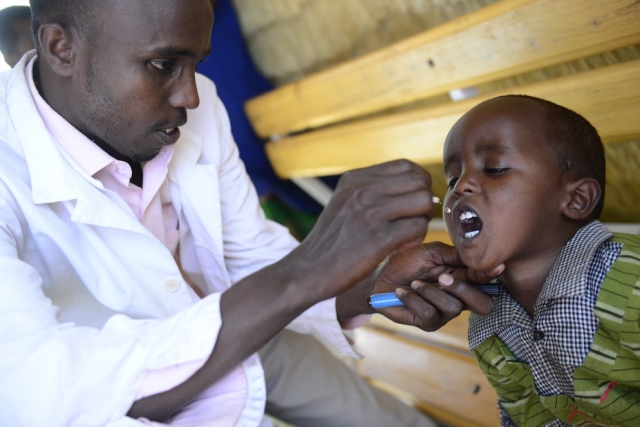 Brazzaville, 14 July 2016 -- Sustaining the gains that have been made in the drastic reduction of vaccine preventable diseases in the Region, strengthening immunization systems, and ensuring that everyone has access to immunization were some of the issues discussed at the Regional Immunization Technical Advisory Group (RITAG) meeting which ended last week i
World Health Organization steps up response to rising health needs of internally displaced persons in Juba City, South Sudan
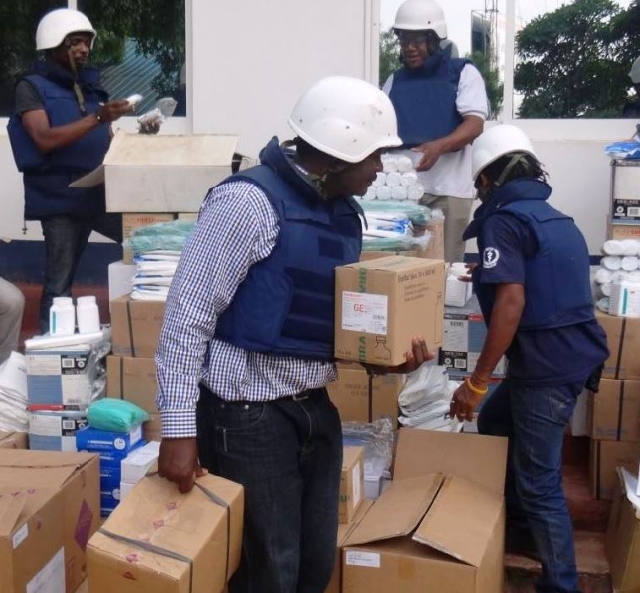
Juba, 14 July 2016 - In response to the growing humanitarian crisis that has caused deaths, high numbers of civilian injuries in Juba City and the displacement of thousands of residents fleeing from the conflict, WHO has donated to Juba Teaching Hospital accident and emergency unit trauma kits sufficient to conduct 500 surgeries and various intravenous infusions to save the lives of the increasing number of injured patients. In addition, WHO has provided 100 body bags and personal protective equipment (PPE) for dead body management.
The many challenges to fighting yellow fever in Democratic Republic of the Congo
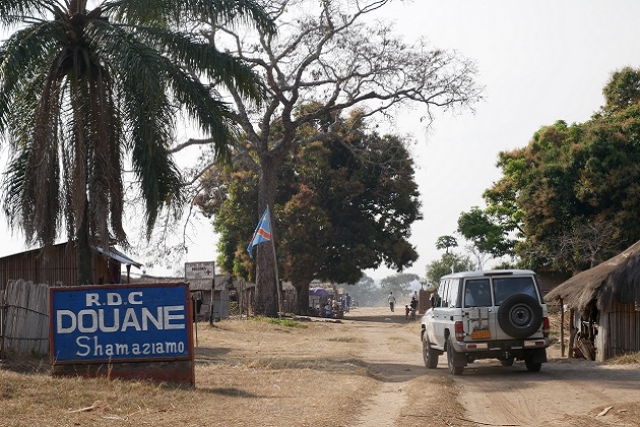 The Democratic Republic of the Congo faces many challenges in responding to the yellow fever outbreak. Access to areas along the Angolan border is extremely difficult and there is a lack of essential resources, such as fuel to run electricity generators.
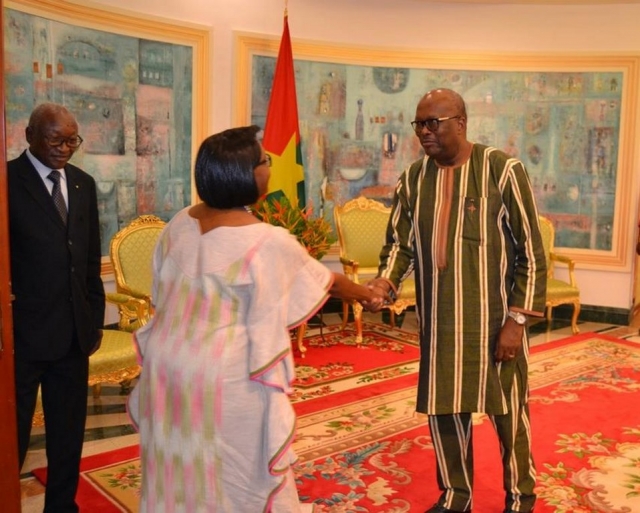
President Buhari and WHO Regional Director agree on the need to increase domestic funding for health
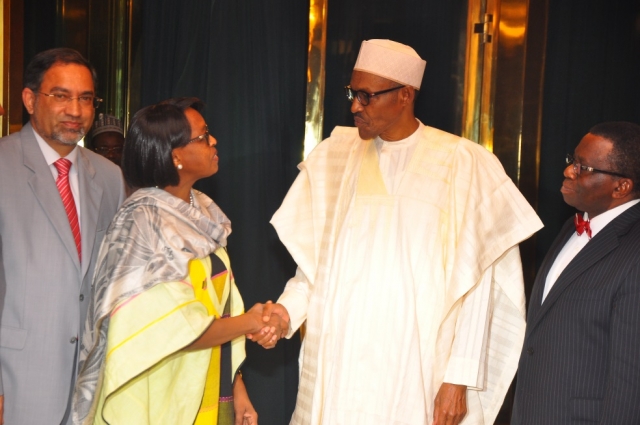
Abuja, 13 July 2016 - His Excellency, President Muhammadu Buhari has agreed with Dr Matshidiso Moeti, the World Health Organization (WHO) Regional Director (RD) for Africa, on the need for increasing domestic funding for health in Nigeria.
The President told Dr Moeti, who was accompanied by Nigeria’s Minister of Health, Professor Isaac Adewole, Minister of State for Health, Dr Osagie Ehanire, Minister of State for Foreign Affairs and WHO Country Representative, Dr Rui Gama Vaz; that his administration will continue to prioritize the health sector for government funding.
Ministers assure WHO Regional Director that health is a key priority for Nigeria

Abuja, 12 July 2016 - Nigeria’s Minister of Budget and Planning and his counterpart in the Ministry of Finance on 11 July, 2016 in Abuja, separately assured the visiting WHO Regional Director (RD) for Africa, Dr Matshidiso Moeti, that health remains a key priority of government.
Both ministers gave the RD their commitments towards increasing federal budgetary allocation for the health sector in 2017 in order to help the sector implement government's priority of revitalizing primary health care (PHC) and putting it at the base of health services delivery pyramid.