SSI trains WHO Uganda staff in scientific writing
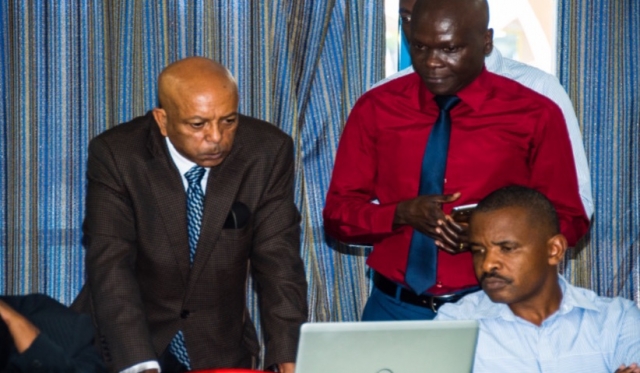
Kampala 22 August 2016 - The World Health Organization (WHO) country office in Uganda organized a 5-day training workshop to build capacity of staff in Scientific writing at Hotel Africana in Kampala, in collaboration with Sustainable Sciences Institute (SSI) which trained the staff.
Ministry of Health conducts a training workshop on the National District Information System (DHIS2) for WHO Country Office staff
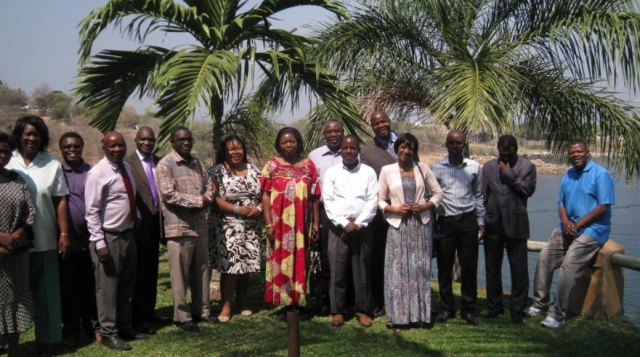
Lusaka, 24th August 2016 - WHO Country Office staff are undergoing a training course on the National District Health Information System from 22-27 August 2016. The training which is facilitated by trainers from the Directorate of Policy and Planning at the Ministry of Health is intended to equip the WHO staff with skills on how to use the web-based health facility database called District Health Information System (DHIS2) and to provide access rights for using the facility.
By 2030, viral hepatitis to be eliminated from the African Region

Addis Ababa, Ethiopia, 21 August 2016 – By 2030, the African Region wants to eliminate viral hepatitis as a major public health threat. With the launch of the document “Prevention, Care and Treatment of viral hepatitis in the African Region: Framework for action 2016–2020”, WHO provides guidance to Member States in the Region on how to implement the first-ever Global Health Sector Strategy on viral hepatitis, which was adopted last May at the World Health Assembly.
Malaria is no longer leading cause of death among children in sub-Saharan Africa

21 August 2016, Addis Ababa, Ethiopia – Today, all forty-seven WHO Member States in the African Region adopted unanimously a new malaria framework for Africa. This framework aims to guide African countries on how to implement the Global Technical Strategy for malaria in the Region. It proposes specific priority interventions and actions to be implemented by Member States to reach “an African Region free of malaria”.
Protecting people from disease outbreaks and other health emergencies in Africa and beyond
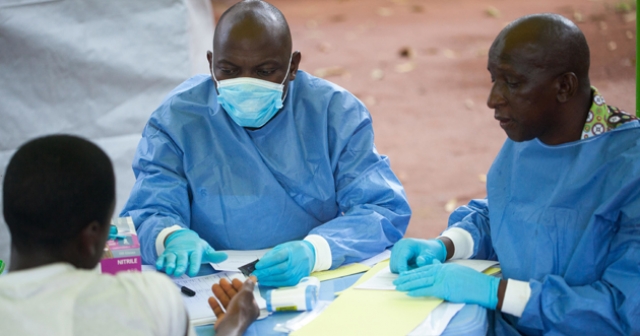 Addis Ababa, 20 August 2016 – With more than 100 public health emergencies occurring each year in the African Region, Health Ministers have agreed to implement some key actions to ensure that people in Africa and beyond are better protected from disease outbreaks and other health emergencies.
Ministers of health commit to make Africa a region in which everyone can live a long, healthy and productive life
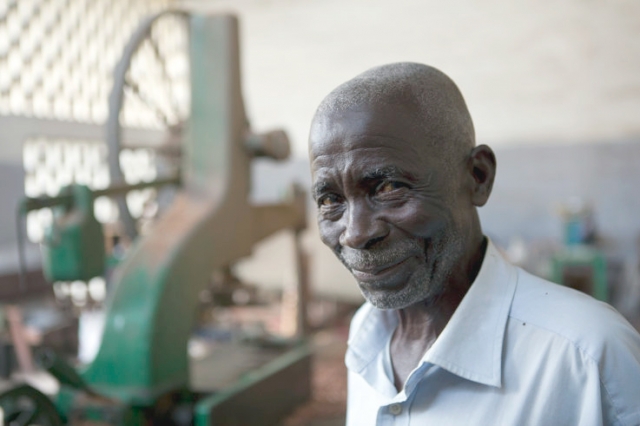 Addis Ababa, 20 August 2016 – In a bid to ensure healthy and dignified ageing in the Region, African Ministers of Health endorsed an implementation framework for the Global Strategy and Plan of Action on Ageing and Health.
Ethiopia conference to consider $106.8M strategy for WHO to tackle disease outbreaks and other health emergencies in Africa
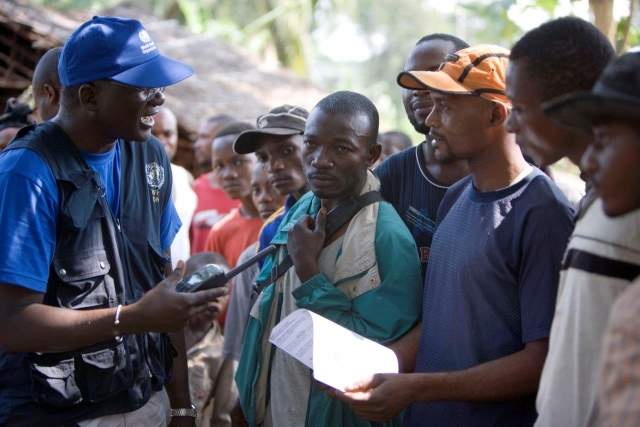 Addis Ababa, 18 August 2016 – With more than 100 public health emergencies occurring each year in the African Region, Health Ministers attending the 66th session of the WHO Regional Committee for Africa will consider a $106.8M strategy to tackle the public health emergencies that threaten everyone in Africa and disrupt the regional economy.
African health ministers to endorse regional oral health strategy for 2016-2025
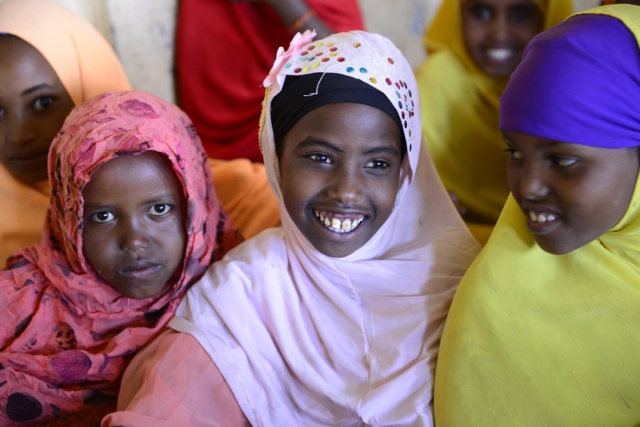 Addis Ababa, 20 August 2016 – Today, health ministers of the WHO African Region will endorse a strategy for Member States to improve oral health and enhance control of non-communicable diseases in general.
Yellow fever vaccination campaign starts in Kinshasa, Democratic Republic of the Congo
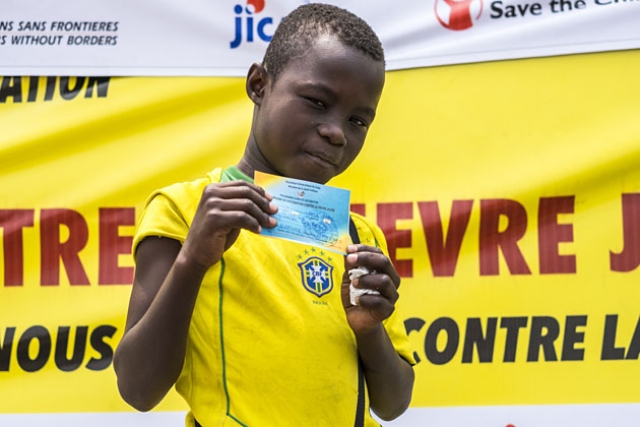 The biggest emergency yellow fever vaccination campaign ever held in Africa was launched in the city of Kinshasa in Democratic Republic of the Congo this week.
African governments urged to prioritise health in their development efforts
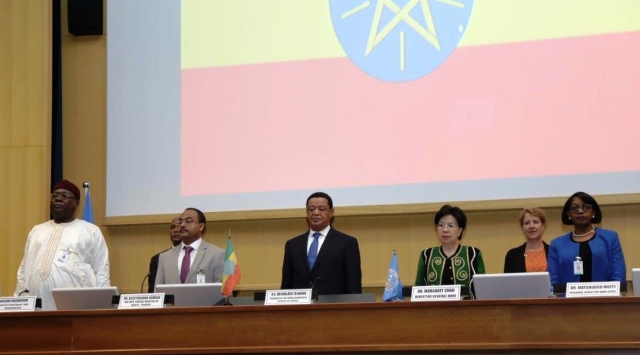 Addis Ababa, 19 August 2016 – Health ministers from the World Health Organization’s (WHO) African Region have begun a five-day meeting to discuss some key health issues affecting the Region. Addressing the opening session in Addis Ababa, the President of Federal Democratic Republic of Ethiopia, His Excellency, Dr Mulatu Teshome, observed that in the c