Six World Health Organization staff in Sierra Leone honoured
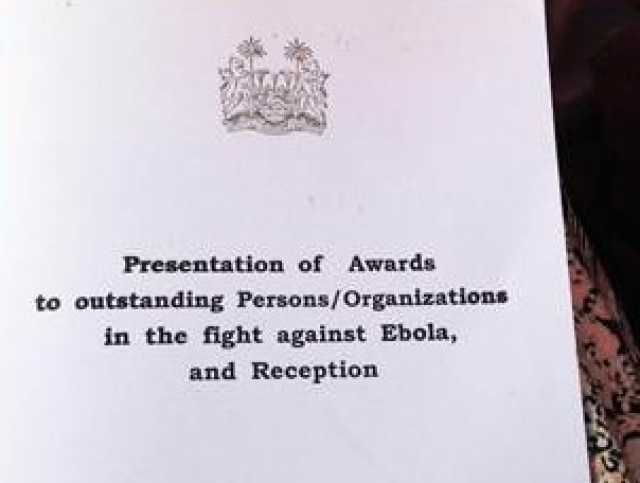 On 18th December HE the President of Sierra Leone recognized individuals who made an exceptional contribution in the fight against Ebola in Sierra Leone. The following 6 WHO staff members were among those on the honour roll
Gold Medal:
WHO hosts UN @ 71 commemorations
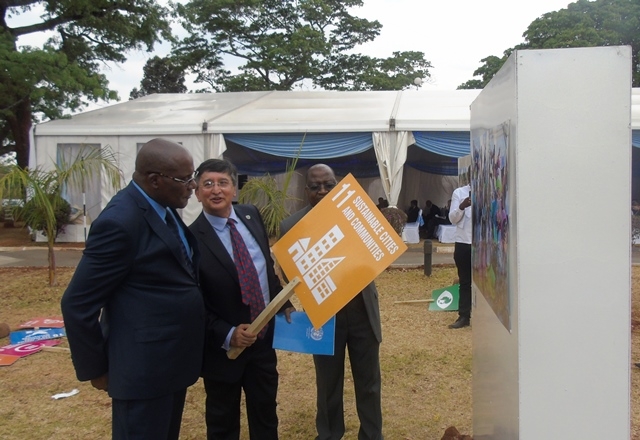
Harare, 25 October 2016 - In an event that has been described by many as hugely successful, WHO hosted this year’s colorful UN Day Celebrations at their Highlands compound. The Zimbabwe UN Country Team (UNCT) marked the 71st birthday of the UN under the theme #UN71: Make SDGs a reality for all.
Zimbabwe scores big on HIV control
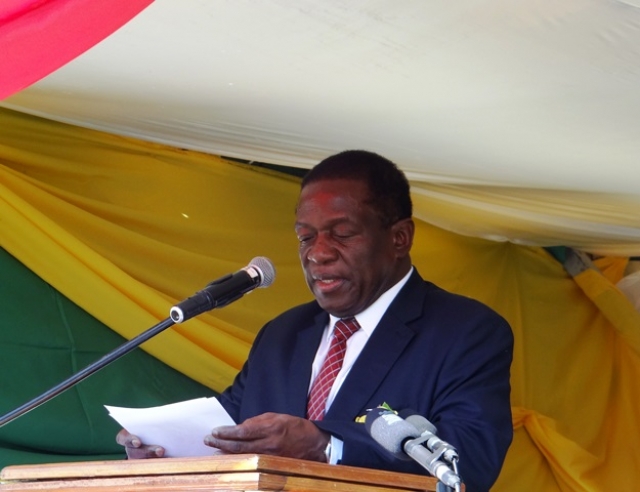
Kwekwe, 1 December 2016 - This was said by the Honorable E.D. Mnangagwa, Vice President of the Republic of Zimbabwe and Minister of Justice, Legal and Parliamentary Affairs, during the commemoration of World AIDS Day in Kwekwe under the theme Closing the tap of new infections. The government has disclosed the fall of new HIV infections in the country by 50% in the last 7 years. Presenting his statement at the commemoration, Hon.
New WHO Country Representative Formally Assumes Duties in Nigeria
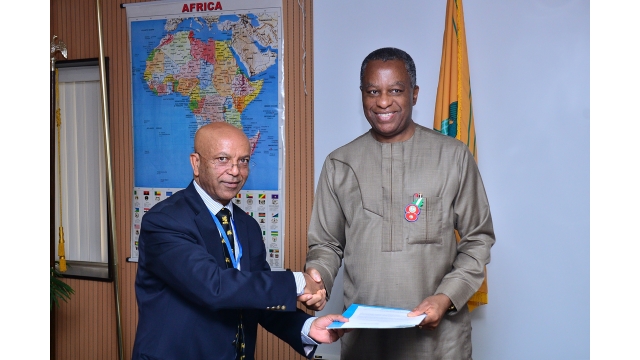
Abuja, 15 December 2016 - The new World Health Organization (WHO) Country Representative(WR), Dr Wondimagegnehu Alemu formally assumes duties on 15 December, 2016 with the presentation of his Letters of Commission to Nigeria’s Minister of Foreign Affairs, Honorable Geoffrey Onyeama. The presentation which took place in Abuja, was witnessed by dignitaries from the ministry and WHO country office.
Full impact of devastated health services in north-eastern Nigeria revealed by WHO report
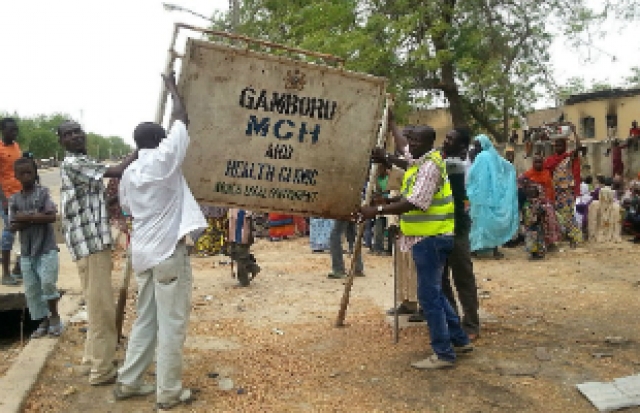
14 December 2016 | GENEVA - One third of more than 700 health facilities in Borno State, north-eastern Nigeria, have been completely destroyed, according to a report released today by WHO. Of those facilities remaining, one third are not functioning at all.
"High insecurity, difficult terrain and lack of health workers, medicines, equipment and basic amenities such as safe water are making access to essential, lifesaving health care extremely difficult for people in this conflict-affected area," says Dr Wondi Alemu, WHO Representative in Nigeria.
Tackling malaria in Sierra Leone
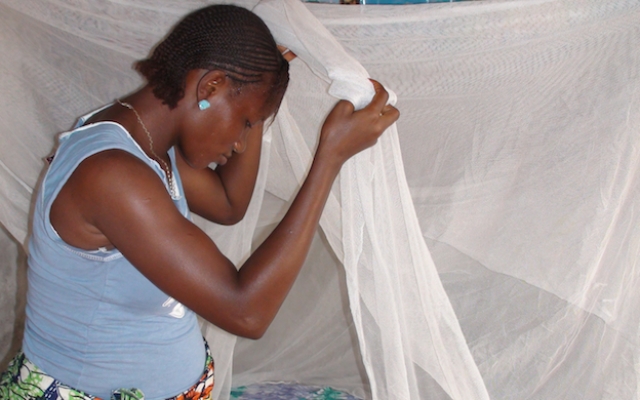
Sierra Leone has one of the highest burdens of malaria in the world. The country's entire population is at risk of the disease and it is one of Sierra Leone’s leading causes of death and illness. Our photo essay explores progress in reducing malaria cases and impacts in the West African country.
Malaria control vastly improves in Sierra Leone, but collective action needed to ‘tap’ the disease
FREETOWN, SIERRA LEONE, 13 December 2016 - The World Health Organization’s (WHO) World Malaria Report 2016 reveals that Sierra Leone has one of the world’s highest burdens of malaria cases, but has experienced significant progress in reducing malaria deaths and transmission.
The African Region to initiate action towards the attainment of the Health SDGs by strengthening health systems
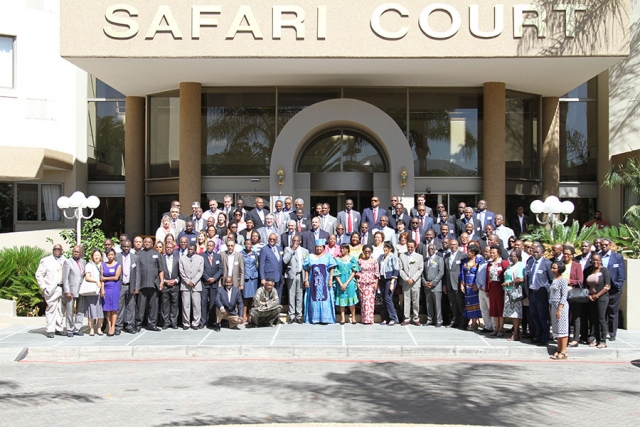 12 December 2016, Windhoek, Namibia/Brazzaville, Congo – The First Regional Forum on Strengthening Health Systems for the Sustainable Development Goals (SDGs) and Universal Health Coverage (UHC) opened today in Windhoek, Namibia with the theme Healthy Systems, Healthy People: Making Universal Health Coverage Work for Africa. The Forum, organized by th
Zambian government places multi-sectoral control and prevention of Non-communicable Diseases (NCDs) on centre stage following the 5-9 December 2016 visit of UN Inter-Agency Task Force on NCDs.
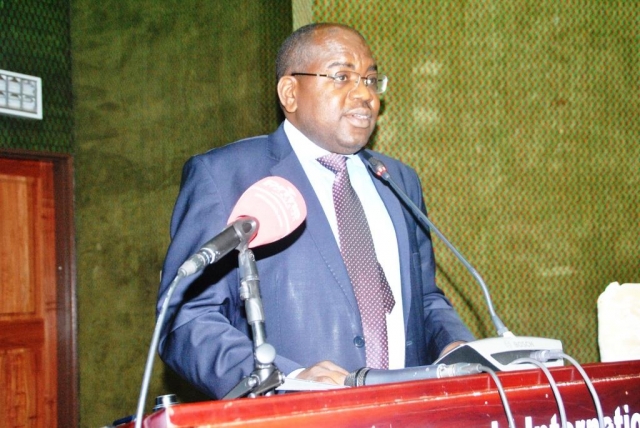
Lusaka, 12 December 2016 - The Zambian Government was honoured as the fourth country in Africa to host the Joint Mission of the United Nations Inter-Agency Task Force on the Prevention and Control of Non-Communicable Diseases (UNIATF) from 5-9 December 2016. The objective of the visit by the UNIATF to Zambia was to support the UN Country Team and the Government to scale up the national multi-sectoral response to NCDs in line with the WHO Global NCD Action Plan 2013-2020 and relevant regional WHO action plans.
Uganda hosts African Regional Workshop on understanding and tracking the TB epidemic for policy and programmatic action
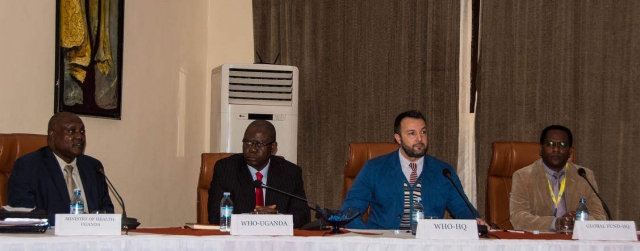
Uganda hosted five-day African Region Workshop on understanding and tracking the Tuberculosis (TB) epidemic for policy and programmatic action. The workshop was organized to build capacity of countries to understand and track the TB epidemic using routine surveillance data and the use of findings to inform policy and programmatic action at global, national and subnational levels.