Liberia Launches 5 Year Mental Health Policy and Strategic Plan
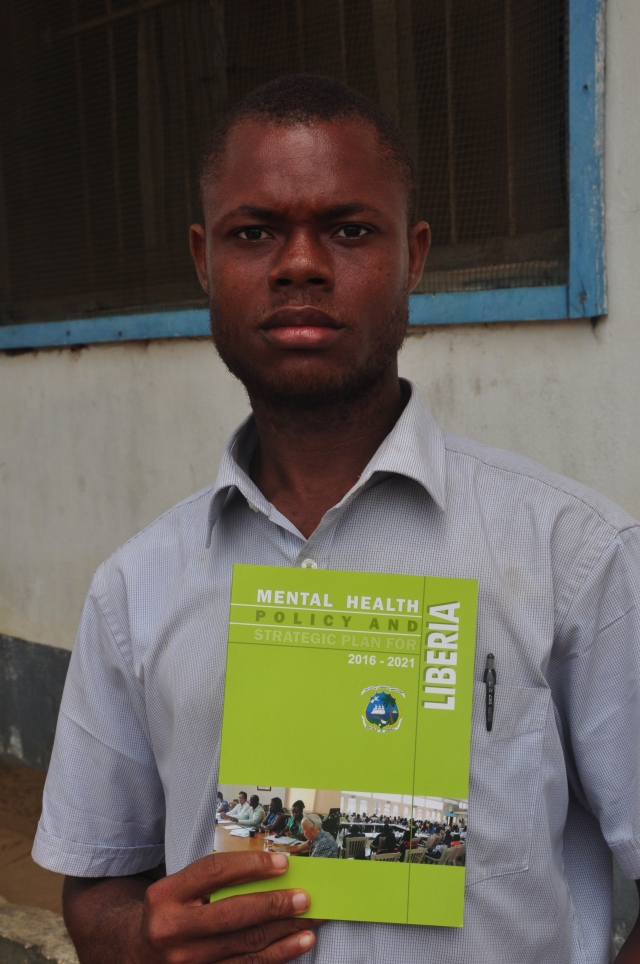
Monrovia 9th March 2017: The Ministry of Health of Liberia is making progress in mental health care in the face of considerable challenges. To address the severe shortage of mental health clinicians and social workers, the Ministry of Health with support from the Carter Center, International Rescue Committee (IRC), Partners in Health (PIH), United Nations Agency for International Development (USAID), and the World Health Organization (WHO), undertook training of front-line health workers to care for people with mental illness.
Liberia Achieves 95% Coverage During Polio Campaigns
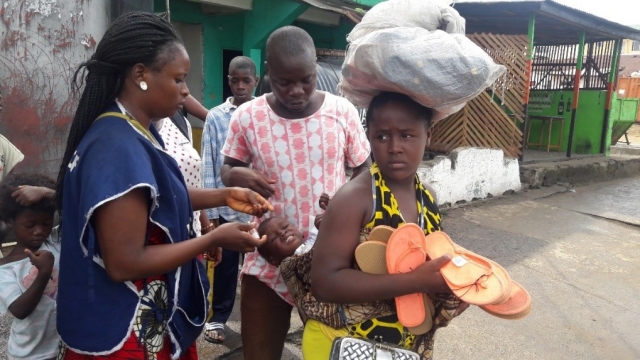
Monrovia, 7th March, 2017 - The Ministry of Health with support from the US Centers for Disease Control and Prevention (CDC), United Nations Children’s Fund (UNICEF), World Health Organization and other partners has concluded a four- day polio immunization campaign from February 24th – 27th targeting a total of 945,464 children 0 – 59 months. The post- campaign independent monitoring data indicates that Liberia has achieved over 95 percent national coverage in each of the last five consecutive polio campaigns.
WHO Conducts assessment of Blood and Blood Products Regulation at the Zambia Medicines Regulatory Authority and Zambia National Blood Transfusion Services
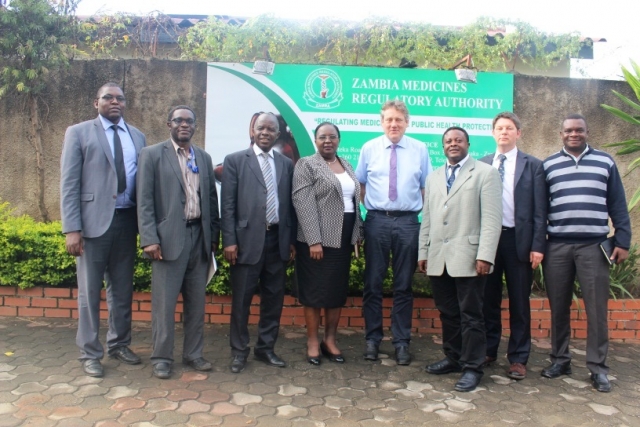
Lusaka, 8 March 2017 - Blood transfusion is a potentially life-saving medical intervention. Blood products such as clotting factors and immunoglobulins are designated by WHO as essential medicines. The World Health Assembly (WHA) 63.12 resolution of 2010 highlighted concerns about the unequal access to blood products, especially plasma-derived products, which may result in needy patients, including those with severe congenital and acquired disorders, failing to have access to quality and safe transfusion services.
Vaccination campaigns changing lives of Nigerian women
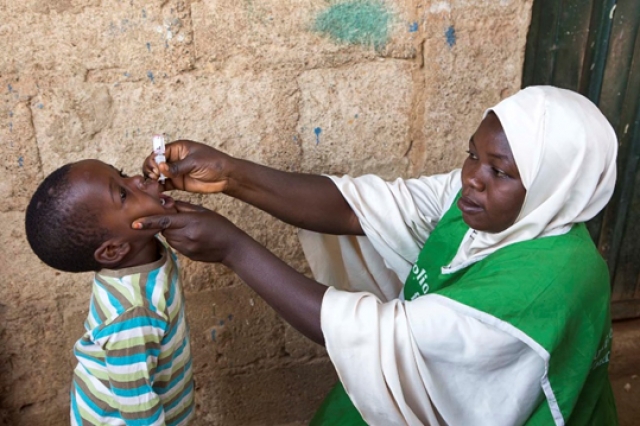
Abuja, 08 March 2017 - Over the years, the Polio Eradication Initiative has been a vehicle for the empowerment of Nigerian women economically and socially. In recent times, this positive development has gained more impact with the timely and direct disbursement of funds for payment of vaccination personnel allowances down to grassroots level.
Building the skills of health workers to save women's lives
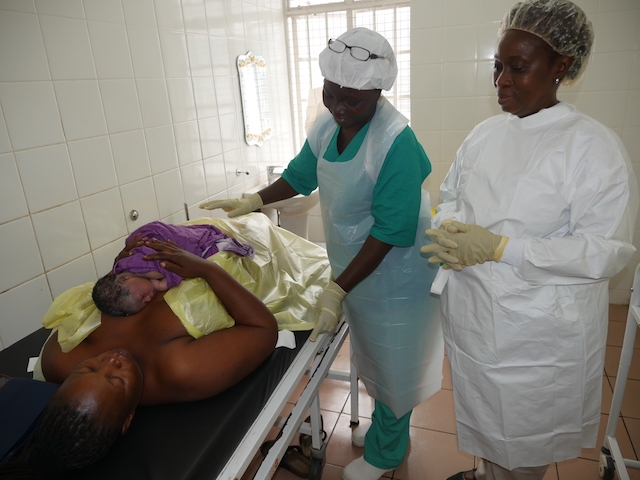
Tackling maternal mortality is among the most critical priorities for Sierra Leone. Today, much is being done to improve the quality of healthcare before, during and after women give birth.
Taking data from 2015, it is estimated that every day, the equivalent of eight women lose their lives during pregnancy and childbirth. This is an immense tragedy for families, for communities, and for the nation as a whole.
RD calls for renewed approaches to health in Nairobi
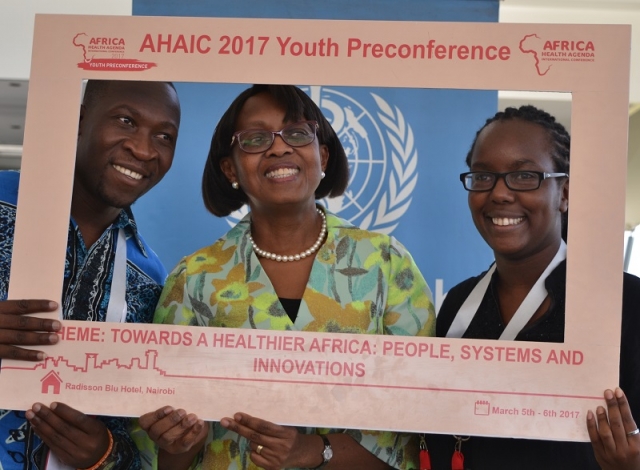
Nairobi, March 7, 2017 - The African Health Agenda International Conference, AHAIC, in Nairobi set off to an enthused start with calls for realistic and holistic solutions that are informed by research and evidence, strengthening of health systems, commitment of governments through financing of health and engagement of youth and other actors to address the disease burden in the continent.
Parliament of Uganda pledges support towards tackling Malaria in Uganda
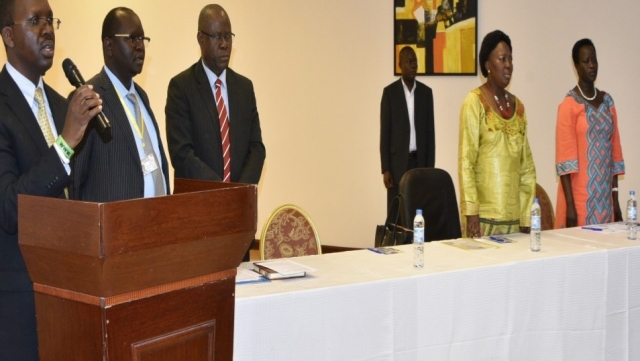
Members of the Parliamentary forum on Malaria and those from the Health Committee of the Parliament agreed to support the ongoing Long Lasting Insecticide Treated Net (LLIN) campaign through increased advocacy and sensitization of the masses. In addition, they agreed to follow up discussions on tax waivers on medical devices such as malaria rapid diagnostic tests, lobbying for increased financial resources for health and enforcing accountability in parliament.
Japan and WHO donate essential equipment to South Sudan’s National Blood Transfusion Services and announces plan for Public Health Emergency Operations Centre
06 March 2017, Juba, South Sudan – The Government of Japan and the World Health Organization (WHO) delivered three all-terrain vehicles for the three regional Blood Transfusion Centres in Juba, Wau and Malakal, at the end of their USD 2 million project for boosting blood donation. The three vehicles are a shot in the arm for the Regional Blood Transfusion Centres to collect more contributions through mobile blood donation drives.
WHO Committed to Strengthen Tobacco Control in Ethiopia
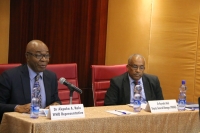
Addis Ababa, 15 February 2017 – The World Health Organization Country Office in Ethiopia in collaboration with the Food, Medicine and Health Care Administration and Control Authority of Ethiopia (FMHACA), organized a two-day policy dialogue on Intersectoral Action for strengthening Tobacco Control.
Amid multiple health challenges and famine, WHO and partners strive to immunize over 3 million children against polio
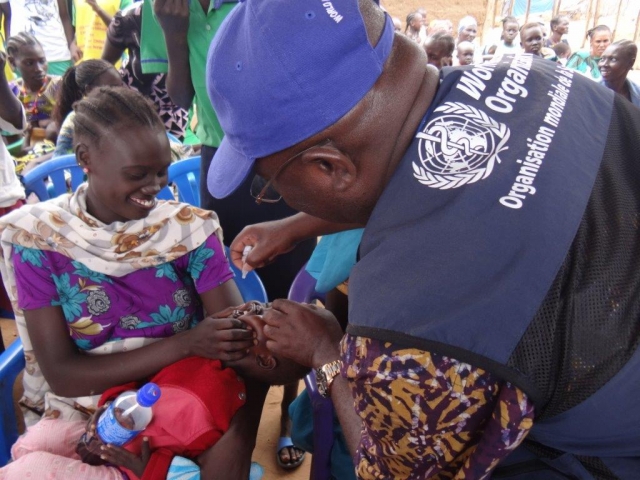
03 March 2017, Juba, South Sudan – Despite multiple humanitarian crises, including famine, the first round of the National Immunization Days of 2017 is underway throughout South Sudan aiming to reach over three million children under 5 with two drops of polio vaccine.