From the ground up: rebuilding health systems in the wake of Ebola
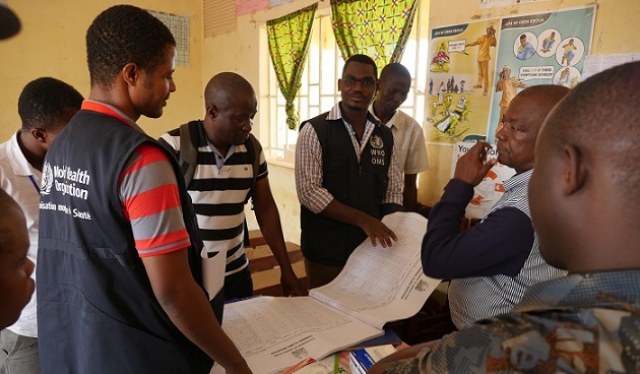
As the emergency phase of the response to the Ebola outbreak winds down in Guinea, Liberia and Sierra Leone, the 3 countries face an equally urgent and formidable task: building health systems capable of preventing, detecting and responding to outbreaks.
When Ebola first started spreading in West Africa, the early-warning systems that should have sounded the alarm bell failed to detect the outbreak until it was too late. That allowed the virus to spread rapidly, unhindered by fragile health systems that collapsed under its onslaught.
In equatorial Congo, WHO and its partners respond to an Ebola outbreak
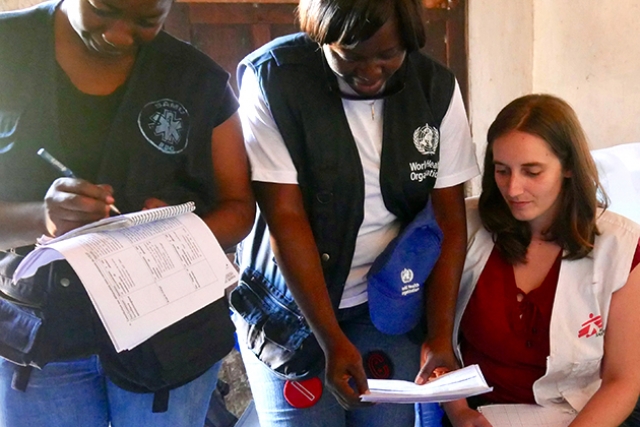
In the tiny village of Gukpale, deep in the equatorial forests of Bas-Uele province in the north-east of the Democratic Republic of the Congo, a doctor from the Ministry of Health talks to a young man who has fallen ill.
Read more about: In equatorial Congo, WHO and its partners respond to an Ebola outbreak
WHO coordinating vaccination of contacts to contain Ebola flare-up in Guinea
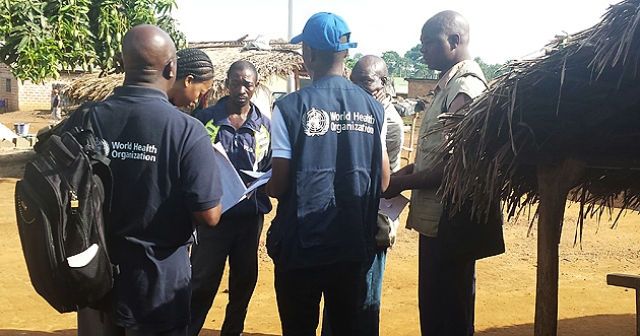
Hundreds of people who may have been in contact with 8 individuals infected with Ebola virus in Guinea’s southern prefectures of Nzérékoré and Macenta have been vaccinated with the experimental Ebola vaccine in a bid to contain the latest flare-up of Ebola.
WHO’s office in Guinea says more than 1,000 contacts have been identified and placed under medical observation. Nearly 800 have been vaccinated over the past week, including 182 who are considered to be high-risk contacts.
In the Democratic Republic of the Congo, WHO and partners rapidly and effectively coordinate the response to Ebola
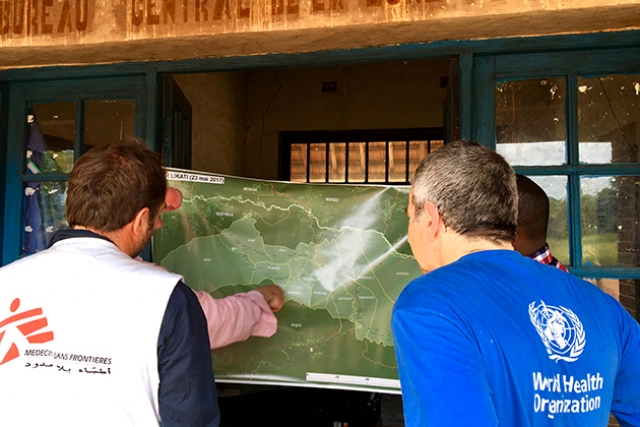
Multidisciplinary teams in the Democratic Republic of the Congo are faced with numerous challenges as they respond to an outbreak of Ebola virus disease in the remote, forested regions in the northern part of the country. WHO and other partner agencies led by the Ministry of Health have secured and set up a base to coordinate their work and end the outbreak as quickly and as safely as possible.
Monaco et l’OMS aux côtés des pays du Sahel pour éliminer le paludisme
Jeudi 1er juin 2017, Mme Isabelle Rosabrunetto, Directreur Général des Relations Extérieures et de la Coopération, a ouvert la réunion organisée par l’Organisation Mondiale de la Santé sur l’élimination du paludisme au Sahel, en présence du Dr Magda Robalo, Directrice du groupe des maladies transmissibles au Bureau régional de l'OMS en Afriqueet du Dr Kesete Admasu, Directeur exécutif du Secrétariat du partenariat « Roll Back Malaria ».
WHO declares the end of the most recent Ebola virus disease outbreak in Liberia
Liberia, 9 June 2016 – Today the World Health Organization (WHO) declares the end of the most recent outbreak of Ebola virus disease in Liberia. This announcement comes 42 days (two 21-day incubation cycles of the virus) after the last confirmed Ebola patient in Liberia tested negative for the disease for the second time. Liberia now enters a 90-day period of heightened surveillance to ensure that any new cases are identified quickly and contained before spreading.
Liberia and Guinea step up coordination to stem new cases of Ebola
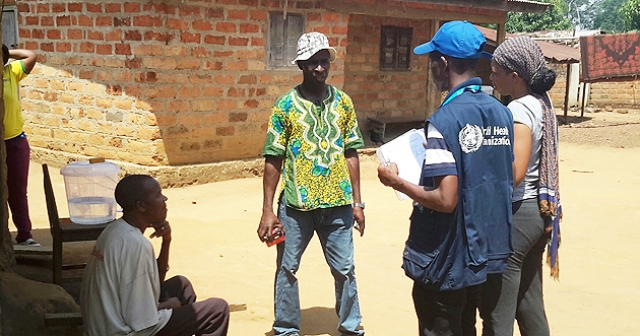
WHO and Ministry of Health teams in Guinea and Liberia have established epidemiological links between new Ebola cases in Liberia and a current flare-up of Ebola in neighbouring Guinea following intensified case investigations and contact tracing.
Staying at zero: Keeping Liberia Ebola free
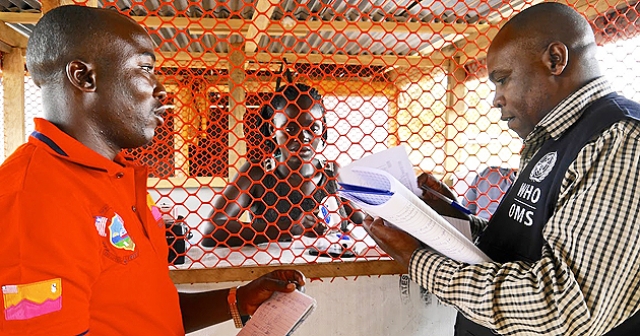
Over a month has passed since Ebola transmission ceased in Liberia. This hard-fought achievement is still being celebrated across the country, where nearly 11,000 people became infected with the virus and 4,800 died. Liberia is still urging communities not to let their guard down until Ebola is gone from the region. They are working closely with WHO and other partners to keep Ebola from re-emerging.
New technology allows for rapid diagnosis of Ebola in Democratic Republic of the Congo
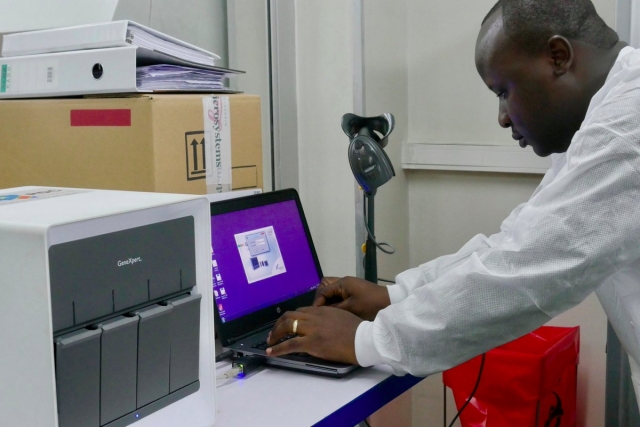
Laboratory testing of samples is essential to rapidly assess the scope and spread of any Ebola outbreak. Since the major outbreak in West Africa in 2014, an increasing number of diagnostic tools have become available to perform rapid initial testing of samples. The Democratic Republic of the Congo is using these new tools, as well as classic ones, to respond to an ongoing outbreak of the virus in a very remote area of the north east of the country.
CSM outbreak response-WHO facilitates upgrade of laboratory in Zamfara State
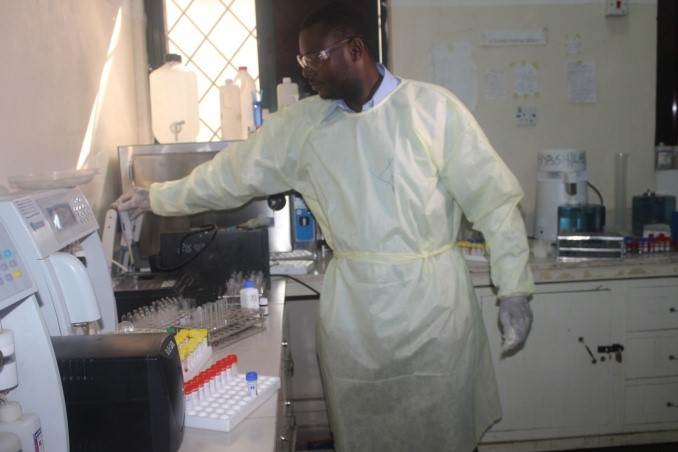
Abuja, 09 June 2017 - With the outbreak of cerebrospinal meningitis (CSM) in the northwestern states of Katsina, Kebbi, Sokoto and Zamfara, the World Health Organization (WHO) through its collaborative networks, has developed the capacity of the existing laboratory in Ahmed Sani Yeriman Bakura specialist hospital Gusau, Zamfara state to a standard public health laboratory. The upgraded facility is now capable of meningitis diagnosis and isolation of meningitis organisms, thus enabling meningitis diagnosis.