
Photo story: Looking back on Sierra Leone’s biggest ever bed net campaign
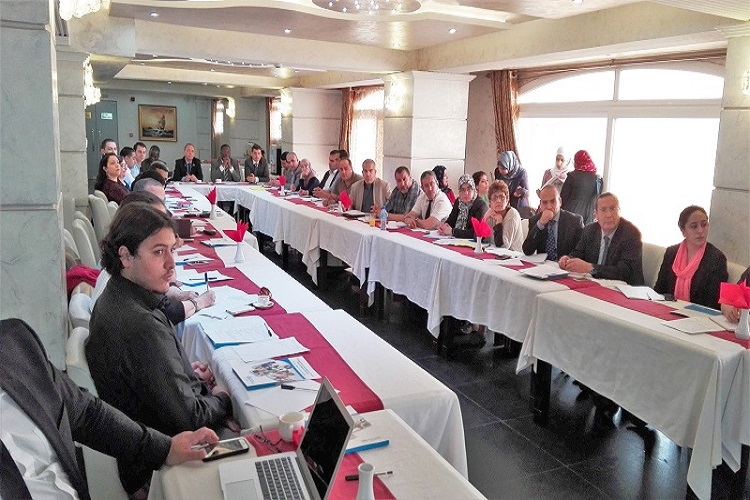
Government and Partners Review Northeast Health and Nutrition Emergency Response Project
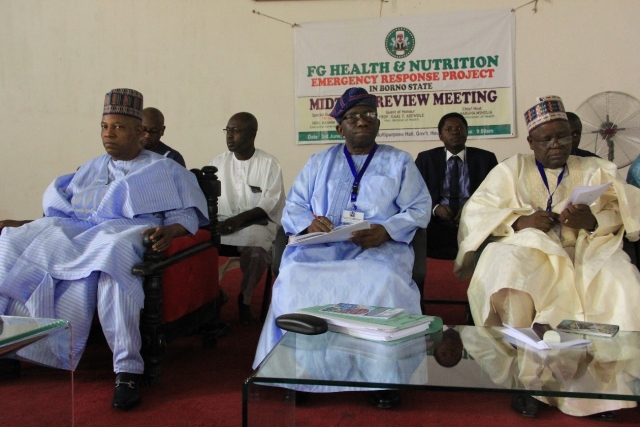
Maiduguri, 14 June 2017 - The Federal Ministry of Health (FMOH) in collaboration with Borno state government, WHO and 20 health sector partners have jointly conducted a mid-term review of the northeast health and nutrition emergency response project (HNERP) launched by the FMOH launched in January 2017.
WHO, NAMBTS and MOHSS celebrate World Blood Donor Day
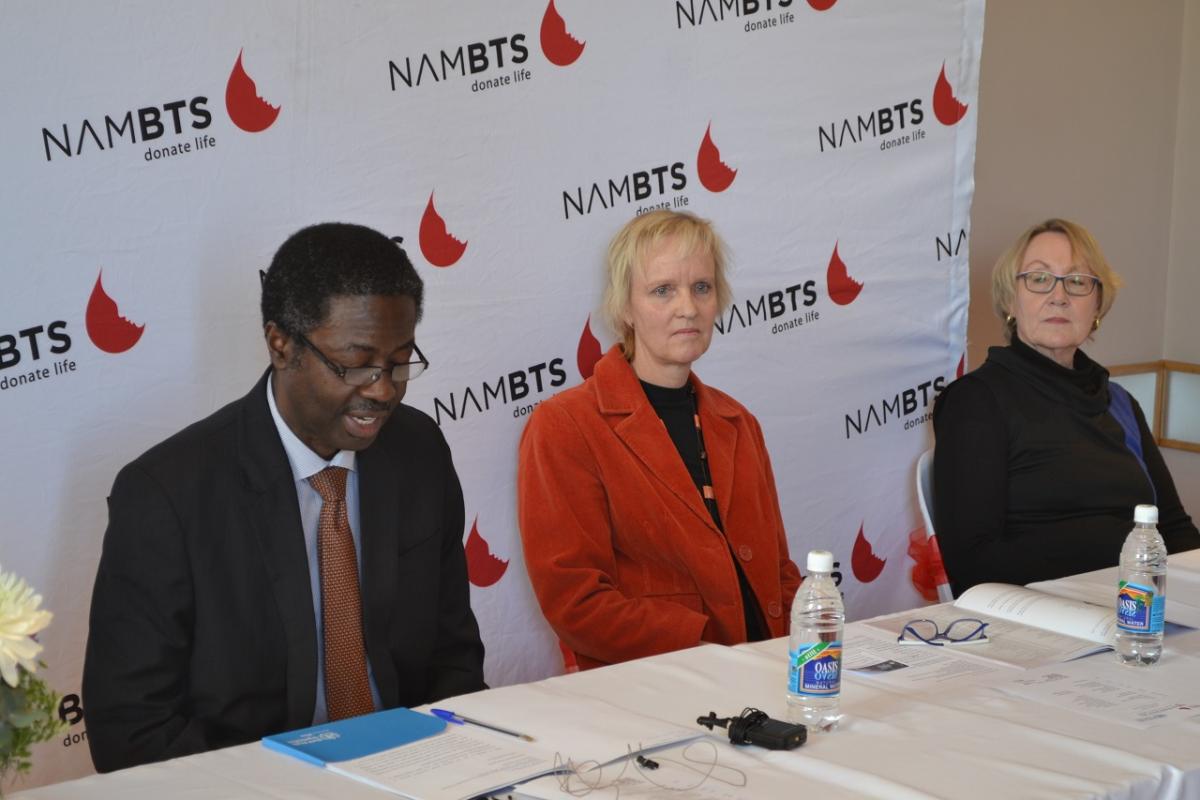
Windhoek, 14 June 2017 – The World Health Organization Namibia country office in partnership with the Ministry of Health and Social Services (MOHSS) and the Namibia Blood Transfusion Services (NAMBTS) on 14 June commemorated the World Blood Donor Day. The event, which serves to raise awareness of the need for safe blood and blood products and to thank blood donors for their life-saving gifts of blood, saw blood recipients giving testimonies and donors being honoured with certificates. The commemoration was held at the NAMBTS office premises.
South Sudan Marks World Blood Donor Day 2017 Under the Theme: What can you do? Give blood. Give now. Give often
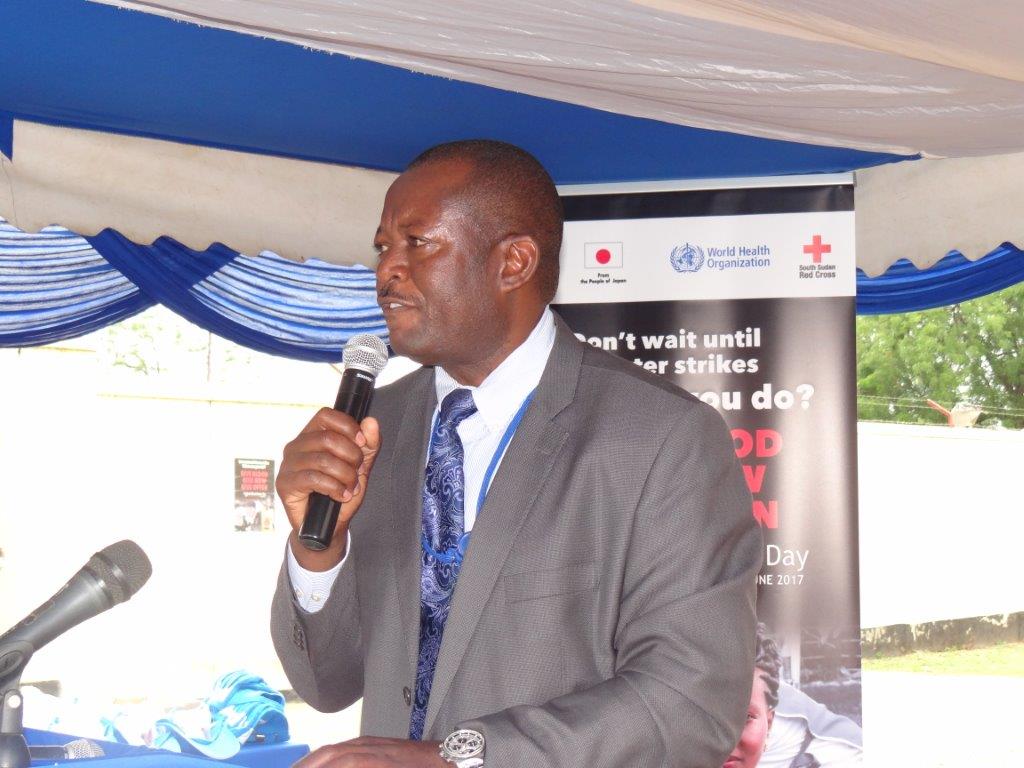
Juba, 14 June 2017– South Sudan on 14 June 2017 joined the rest of the world in marking the World Blood Donor Day under the theme: “What can you do? Give blood. Give now. Give often” to emphasize the significance of voluntary and regular blood donation and maintain adequate supplies and achieve a national self-sufficiency of blood; strengthen the emergency preparedness of health services in the community by donating blood and thank individuals who donate blood regularly and encourage young people to become new donors.
Dr Moeti’s BBC interview: Ending the Ebola outbreak and strengthening WHO's capacity to respond to outbreaks
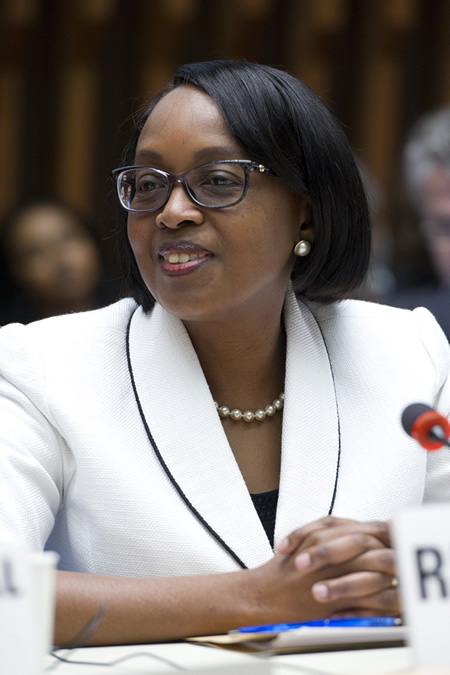
WHO Regional Director for Africa, Dr Matshidiso Moeti highlights the importance of ending the Ebola outbreak and strengthening WHO's capacity to respond to outbreaks. She also underscores the importance of strong health systems to better respond to future emergencies in both affected and non-affected countries.
Engendering stronger partnership- Taraba State Governor visits WHO office in Nigeria
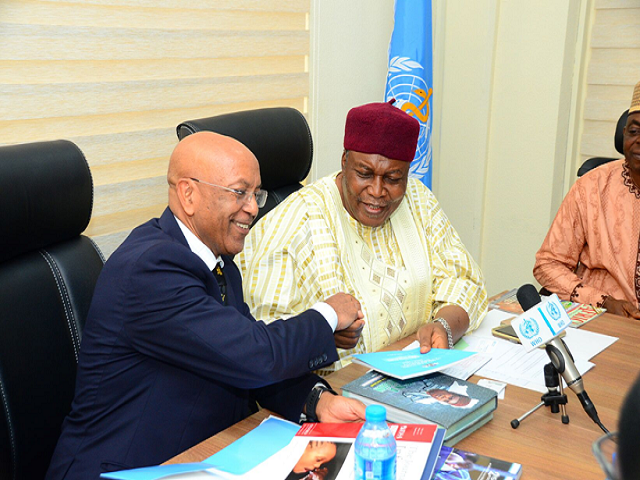
Abuja, 13 June 2017 - The Taraba State Governor, His Excellency Darius Dickson Ishaku is seeking greater collaboration with the World Health Organization (WHO) in meeting the health needs of the his people. To show his commitment, the Governor paid an advocacy visit to the WHO country Representative (WR) Dr Wondimagegnehu Alemu, in his office in Abuja on 09 June 2017.
Staying at zero: Keeping Liberia Ebola free
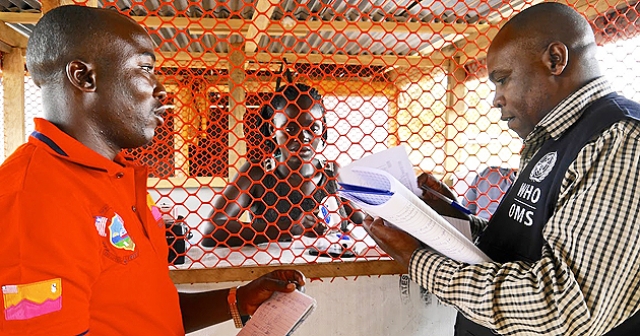
Over a month has passed since Ebola transmission ceased in Liberia. This hard-fought achievement is still being celebrated across the country, where nearly 11,000 people became infected with the virus and 4,800 died. Liberia is still urging communities not to let their guard down until Ebola is gone from the region. They are working closely with WHO and other partners to keep Ebola from re-emerging.
New technology allows for rapid diagnosis of Ebola in Democratic Republic of the Congo
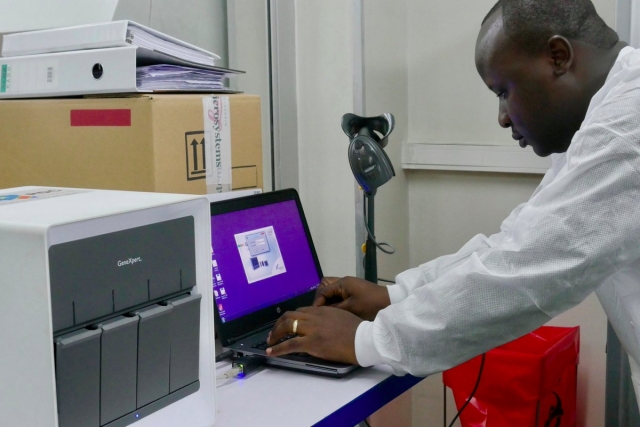
Laboratory testing of samples is essential to rapidly assess the scope and spread of any Ebola outbreak. Since the major outbreak in West Africa in 2014, an increasing number of diagnostic tools have become available to perform rapid initial testing of samples. The Democratic Republic of the Congo is using these new tools, as well as classic ones, to respond to an ongoing outbreak of the virus in a very remote area of the north east of the country.
DRC: Response to The Ebola Virus Disease Outbreak in Bas-Uele
LIKATI: First joint visit of the Minister of Health and the WHO Representative to the epicentre of the Ebola virus disease outbreak.
KINSHASA, 17 May 2017: From 17 to 18 May 2017, Dr Oly Ilunga Kalenga, Minister of Public Health, and Dr Allarangar Yokouidé, WHO Representative in the DRC, will carry out a first visit to assess the Ebola outbreak that has been reported in Nambwa, epicentre of the disease, in the Likati health district, Bas-Uélé Province, located over 1400 km from Kinshasa, to the north of the DRC.
What is early recovery?
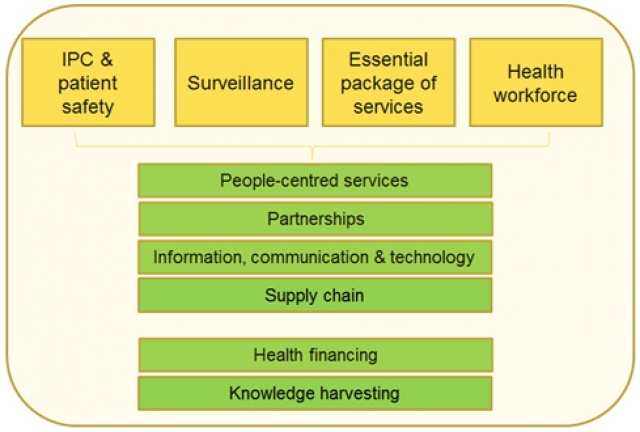
WHO is working with the Ebola-affected countries in developing plans and strategies for the safe reactivation of essential health services and longer term health system functions.
The 2014 Ebola outbreak shone a light on fragile health systems in West Africa. The severity of the outbreak was caused in large part by the weakness of the health systems, which were stretched to function well beyond their limited capacity. The delivery of services was severely disrupted. In Liberia, the epidemic contributed to a 61% decline in outpatient visits.