
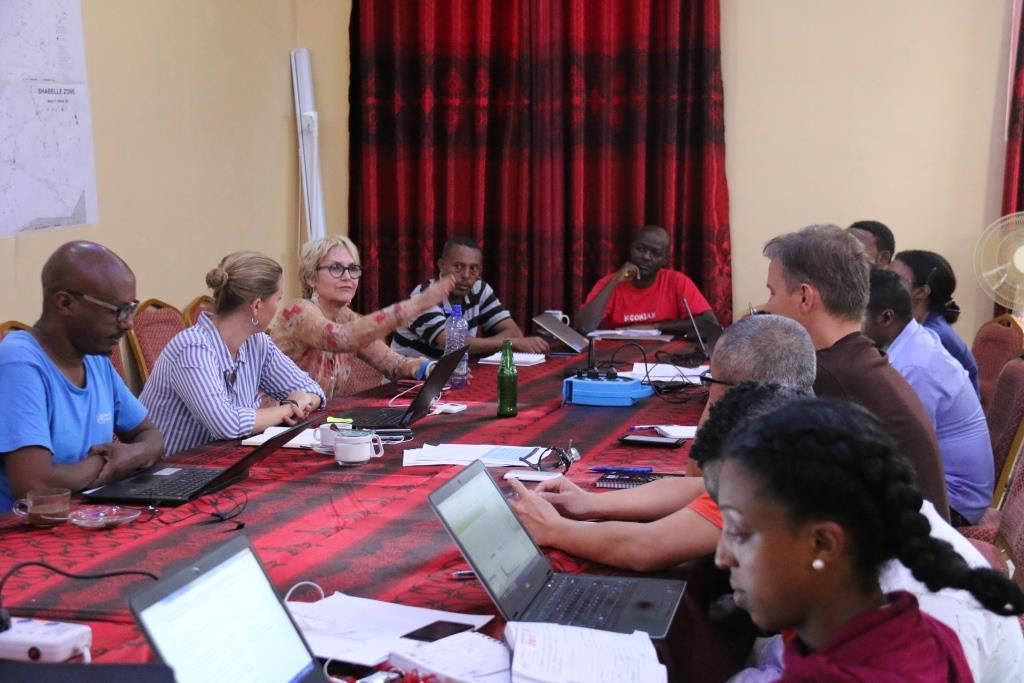
WHO’s support to the response of the acute watery diarrhoea outbreak in Ethiopia’s Somali Region
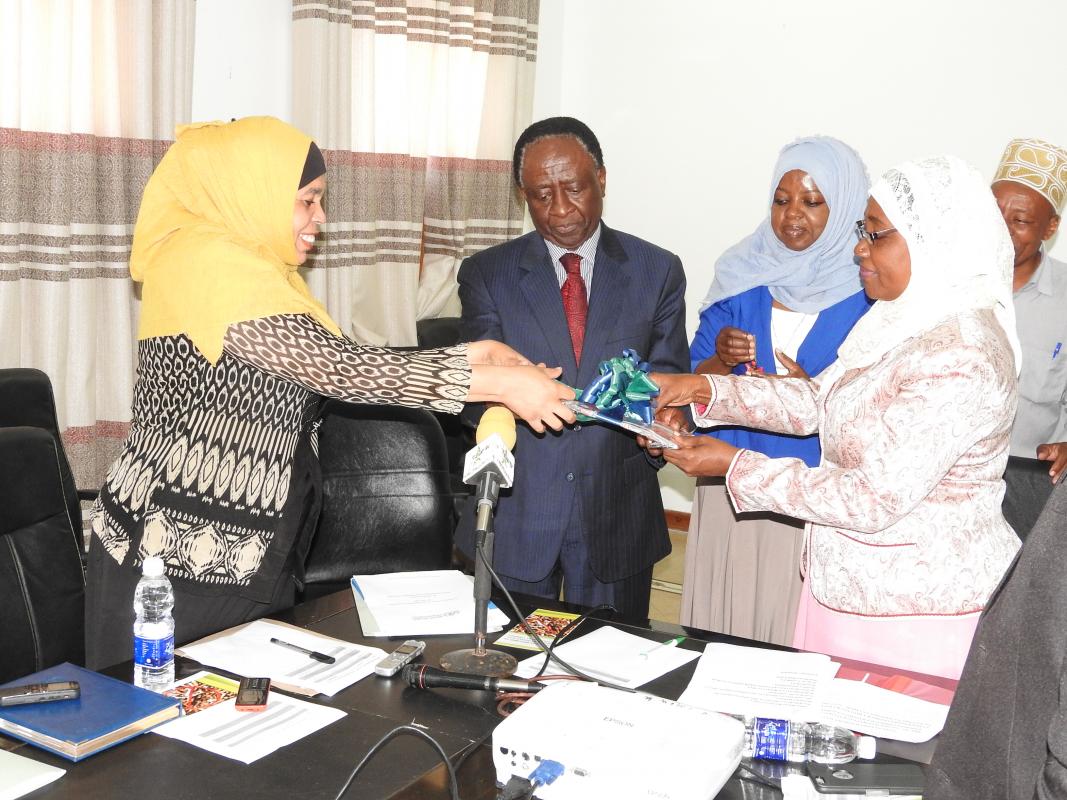
Zanzibar launches the tobacco control regulations
Extending health coverage in the Democratic Republic of Congo
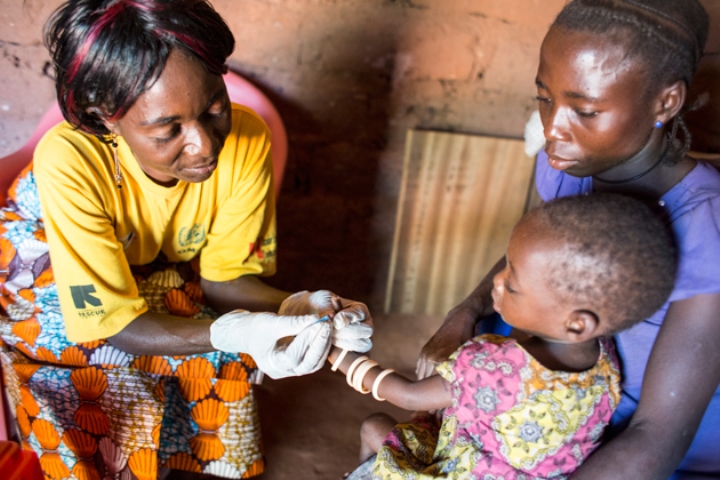
13 July 2017 – In the Tanganyika province of the Democratic Republic of the Congo, going to a health centre often means traveling long distances over poor roads, while carrying a sick child and supplies. WHO’s Rapid Access Expansion Programme (RAcE) is bringing diagnosis and treatment for malaria, pneumonia, and diarrhoea – the three deadliest childhood diseases – into remote communities.
Gambia launches National Tobacco Control Act 2016 whilst WHO honours national tobacco control champions for 2017
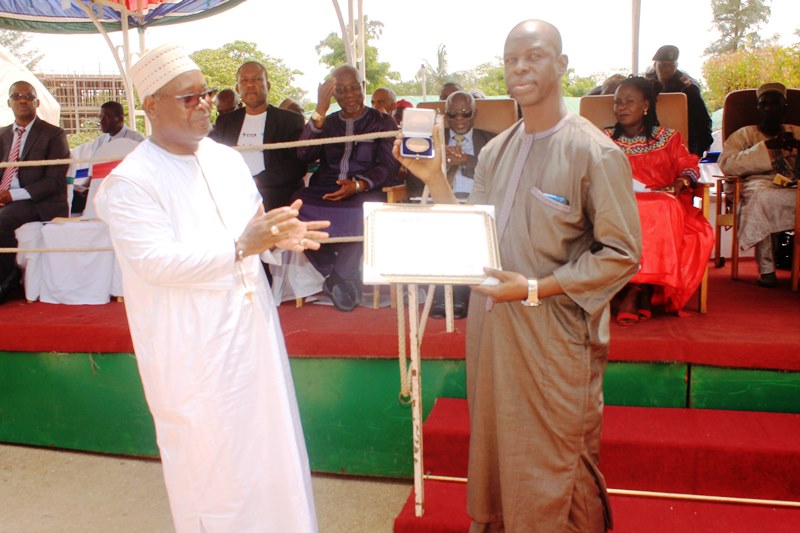
20 July 2017, Banjul | Today marks two important milestones in tobacco control in the Gambia – the official launch by the Honorable of Minister of Health and Social Welfare, Hon. Saffie Lowe-Ceesay, of the National Tobacco Control Act 2016 and presentation by the WHO Country Representative a.i., Prof. Jean-Marie Dangou, of the World No-Tobacco Day Award 2017 to the respective winners –The Ministry of Finance and Economic Affairs and the National Assembly.
WHO report finds dramatic increase in life-saving tobacco control policies in last decade
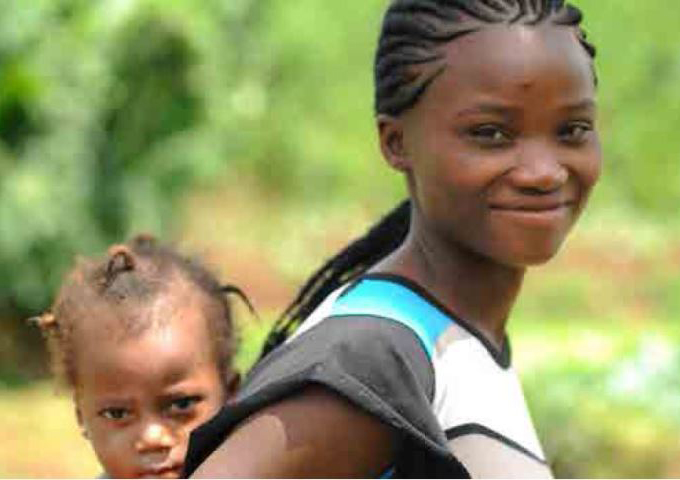
19 July 2017 – In a new report published today, WHO finds that about 4.7 billion people, or 63% of the world’s population, are covered by at least one comprehensive tobacco control measure. Strategies such as graphic pack warnings, advertising bans, and no smoking areas have saved millions of people from early death – yet the tobacco industry continues to hamper government interventions.
WHO scales up cholera response with 500 000 doses of oral cholera vaccine for vaccination campaign in South Sudan
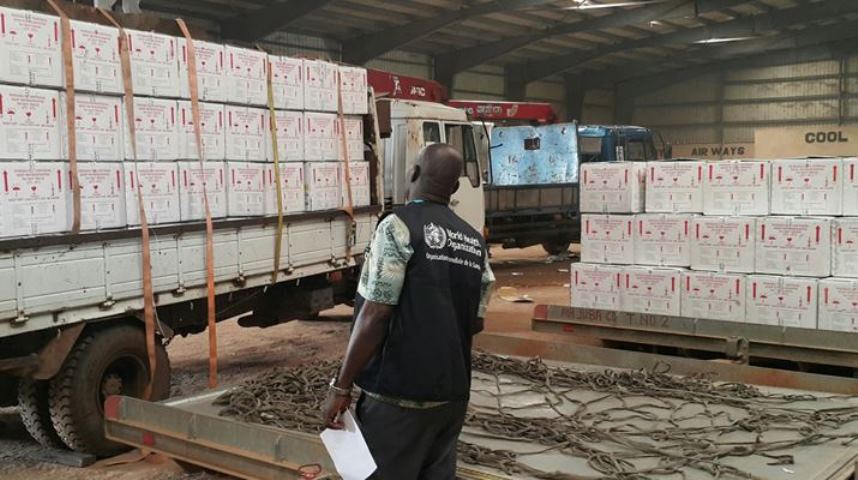
Juba, South Sudan, 19 July 2017: The World Health Organization (WHO) received 500 000 doses of oral cholera vaccine (OCV) on 17 July 2017. WHO is working with the Republic of South Sudan’s Ministry of Health and partners to scale up cholera vaccination campaign from 28 July to 3 August 2017.
Cumulatively, a total of 17 785 cholera cases including 320 (CFR 1.8%) deaths have been reported from 24 counties in South Sudan since the outbreak in June 2106.
Un rapport de l’OMS conclut à une extension spectaculaire en 10 ans des politiques de lutte antitabac qui sauvent des vies
Zambia hosts the Eastern and Southern Africa (ESA) review meetings on the status of implementation of immunisation and surveillance plans and the WHO performance accountability framework

Mobile teams deliver healthcare to more than 400 000 in remote areas of north-eastern Nigeria
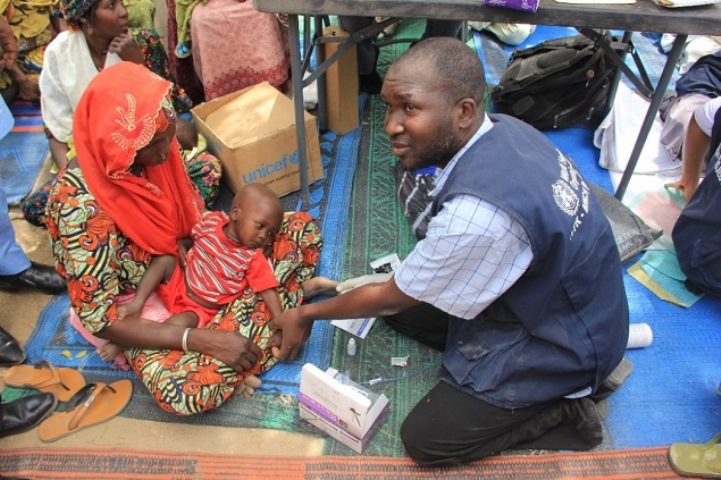
Among many women who brought their children to the WHO-supported mobile team for free healthcare services was Aisha, a 29-year-old mother of 6. Keeping her children healthy is a top priority. However, she lives in Ngandu, a remote village located in Kaga, Borno state, Nigeria, which for several years was cut off from regular health services due to conflict.
5 places where WHO needs more emergencies funding to help people now
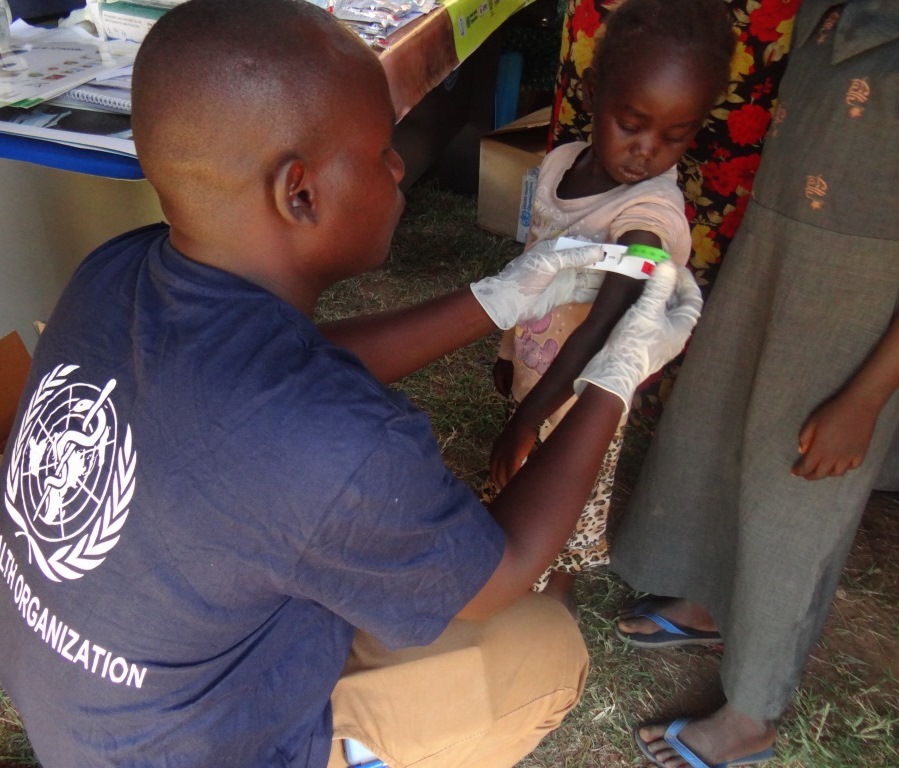
To help people living in some of the world’s most dire emergency situations, WHO relies on funding from Member States. In 2017, WHO has asked for US$ 547 million to deliver health services to more than 66 million people in 28 countries. However, to date, WHO has received less than a quarter of the funds required. Without a significant increase in funding, the health of millions of people will be neglected and many will die needlessly.