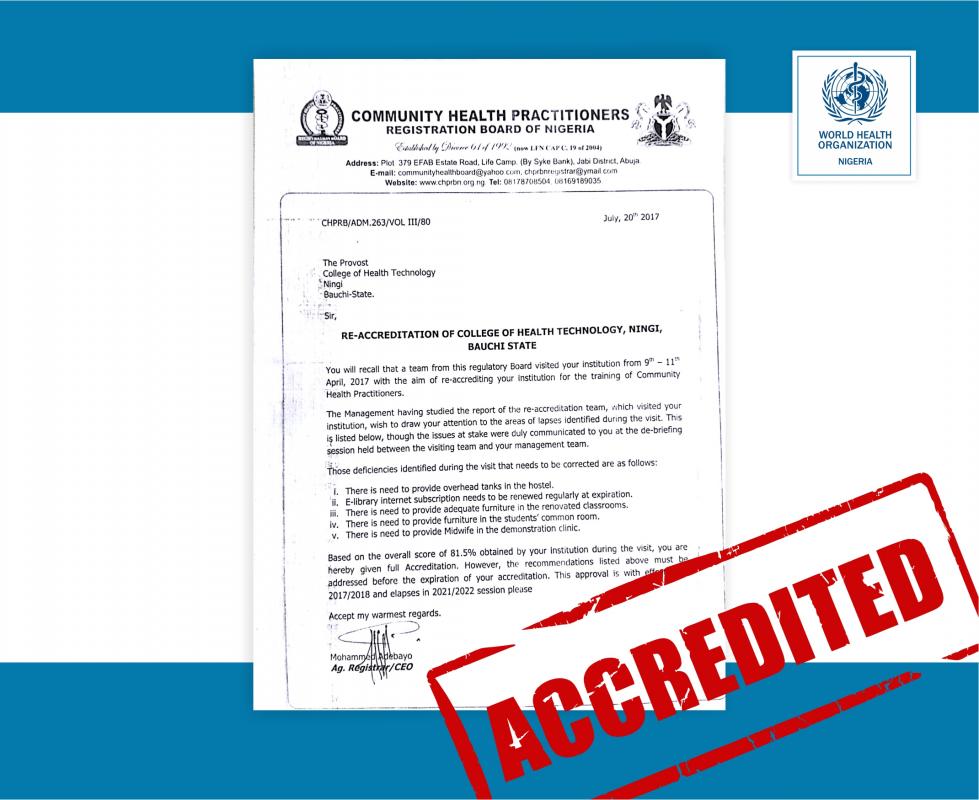
Nigeria Closes Gaps in Human Resource for Health as Another Institution Gets Full Accreditation
Primary Health Care Revitalization- Nigeria’s Solution to Achieving Universal Health Coverage.
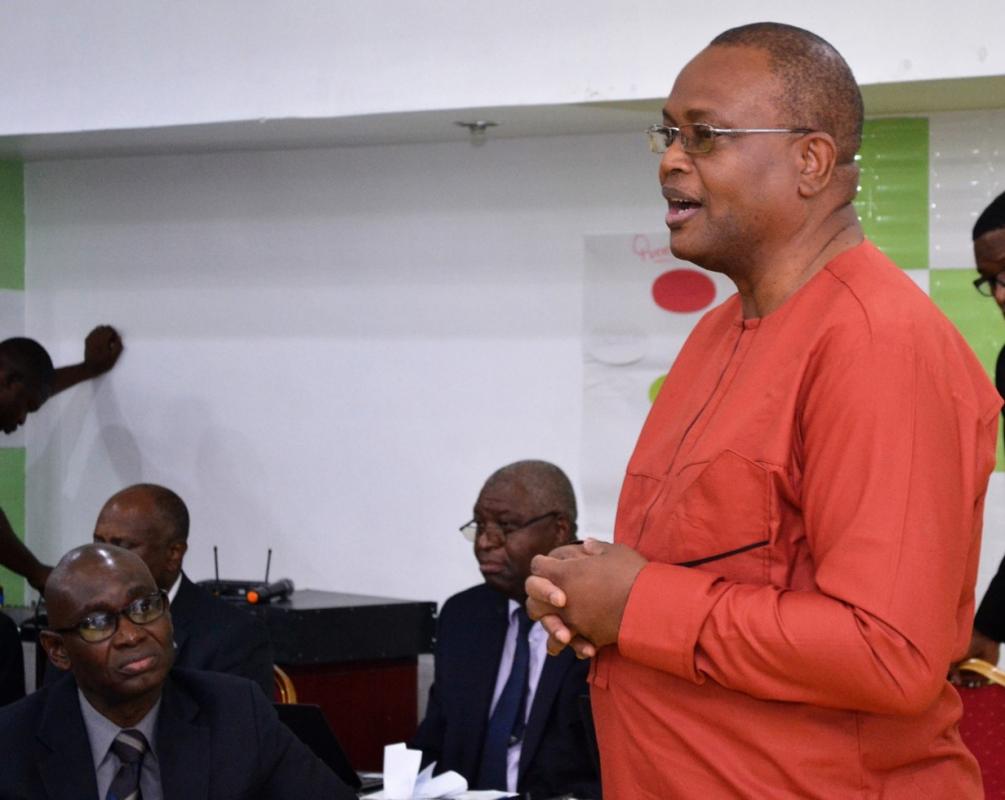
Abuja, 04 August 2017-With the Primary Health Care (PHC) revitalization programme of the Federal Ministry of Health (FMOH) Nigeria has the potential to achieve universal health coverage (UHC). Even though progress has been slow, it is believed that the country has an effective strategy to achieve UHC and hence, key health related Sustainable Development Goals (SDGs).
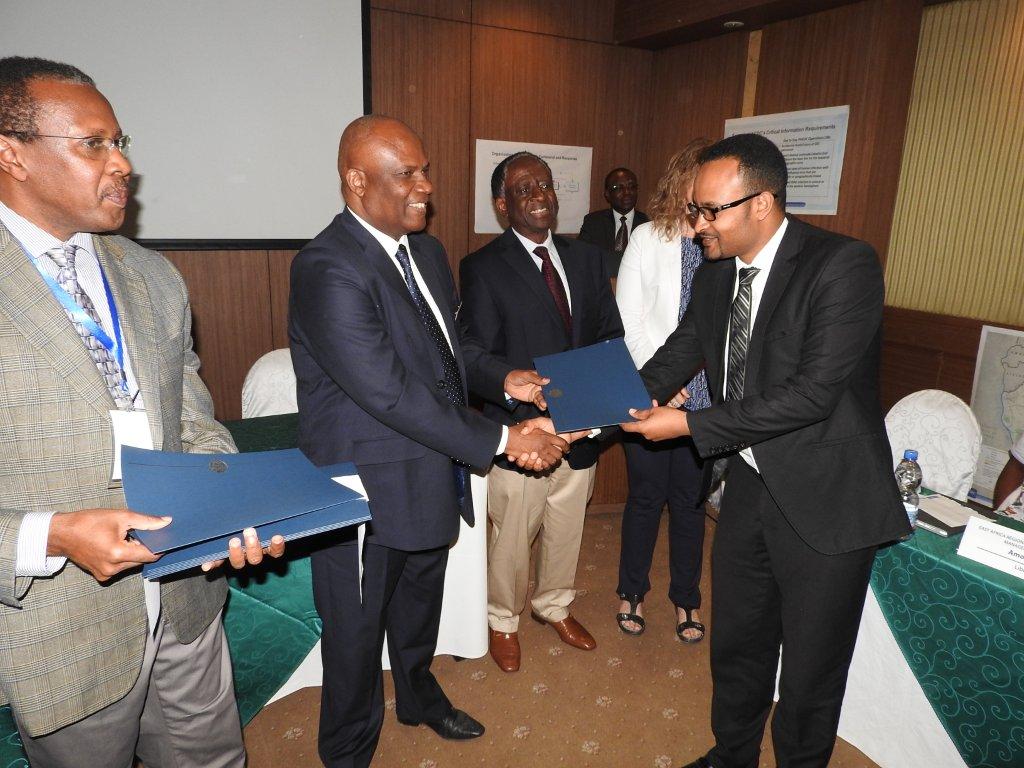
Countries Agree To Work towards Strengthening their Public Health Emergency Operations Centre
Nigeria Employs Numerous Strategies to Create Awareness on Viral Hepatitis Nationwide
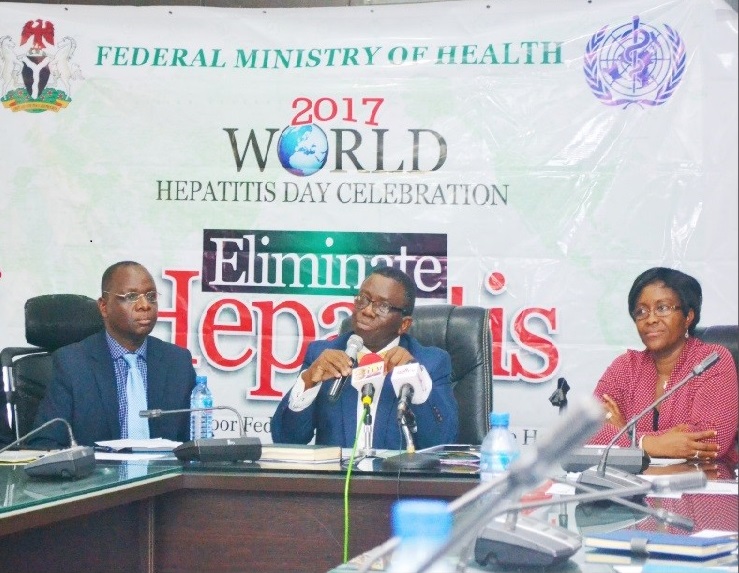
Abuja,03 August 2017-The Federal Ministry of Health (FMOH) and World Health Organization (WHO) are leading other stakeholders to create more awareness on viral hepatitis and give nationwide visibility to eliminate the deadly disease in Nigeria.
Improving emergency care for sick children
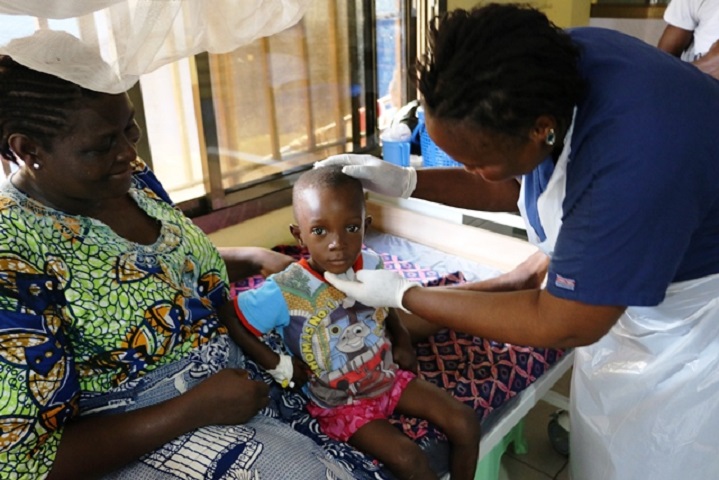
Ebie Williams brings her grandchild, Moses, to the main government hospital in Kenema. She enters the hospital barefoot, having rushed from her home, in tears. She tells how the child fell into terrifying convulsions before finally losing consciousness.
Community engagement contributes to control of acute watery diarrhea in Ethiopia’s Somali region
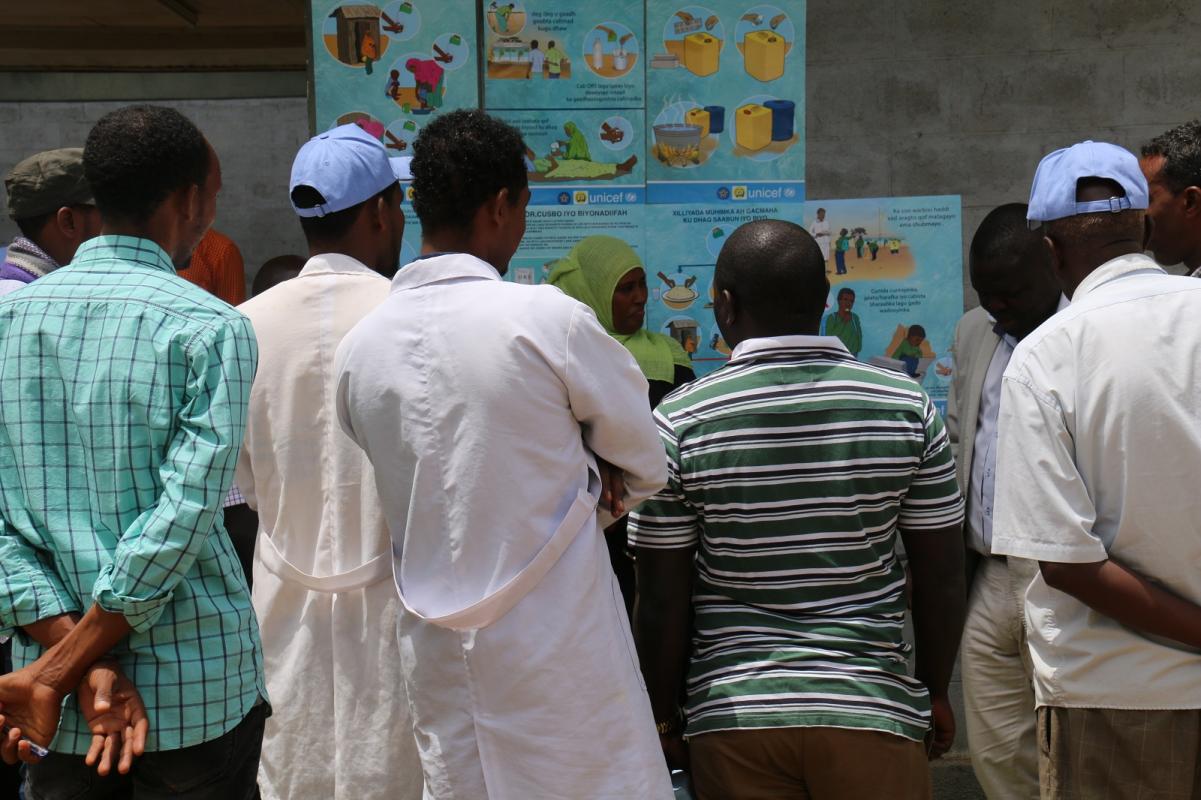
After months of prevention and response activities by the Government of Ethiopia, the World Health Organization (WHO) and other partners, the acute watery diarrhea (AWD) outbreak in Somali Region is showing signs of decline. Intensified risk communication, effective surveillance, and improvements in water, sanitation and hygiene (WASH) and case management contributed to the decline.
The East African Regional Public Health Emergency Operations Centre and Incident Management Training Workshop kicks off in Tanzania
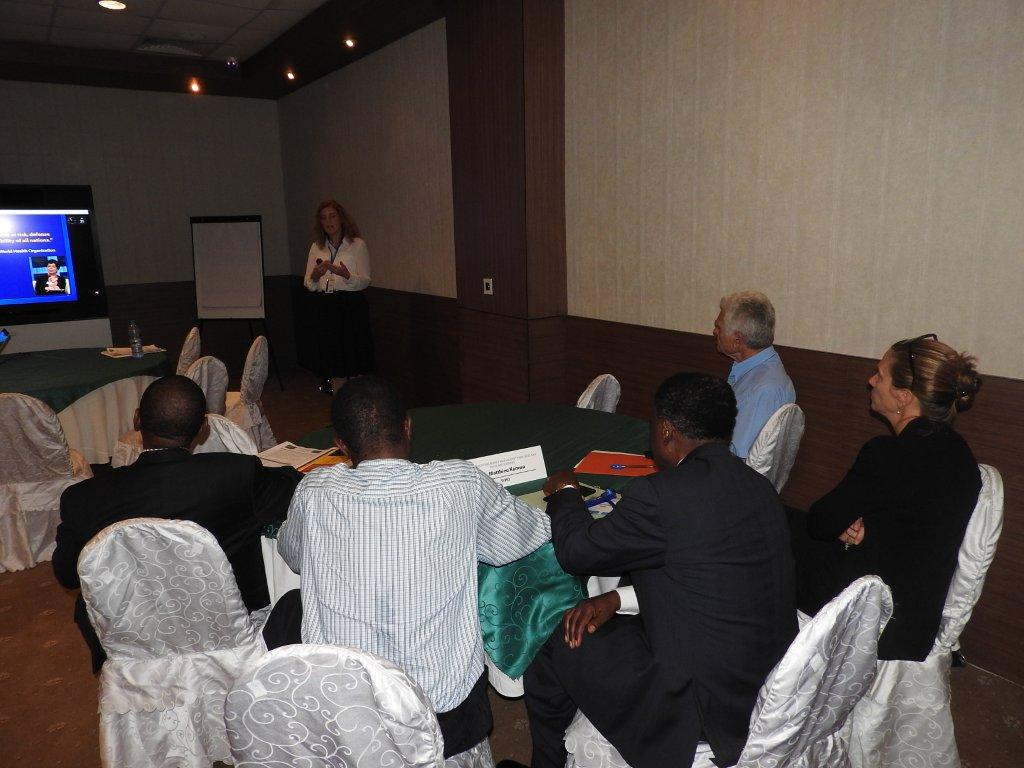
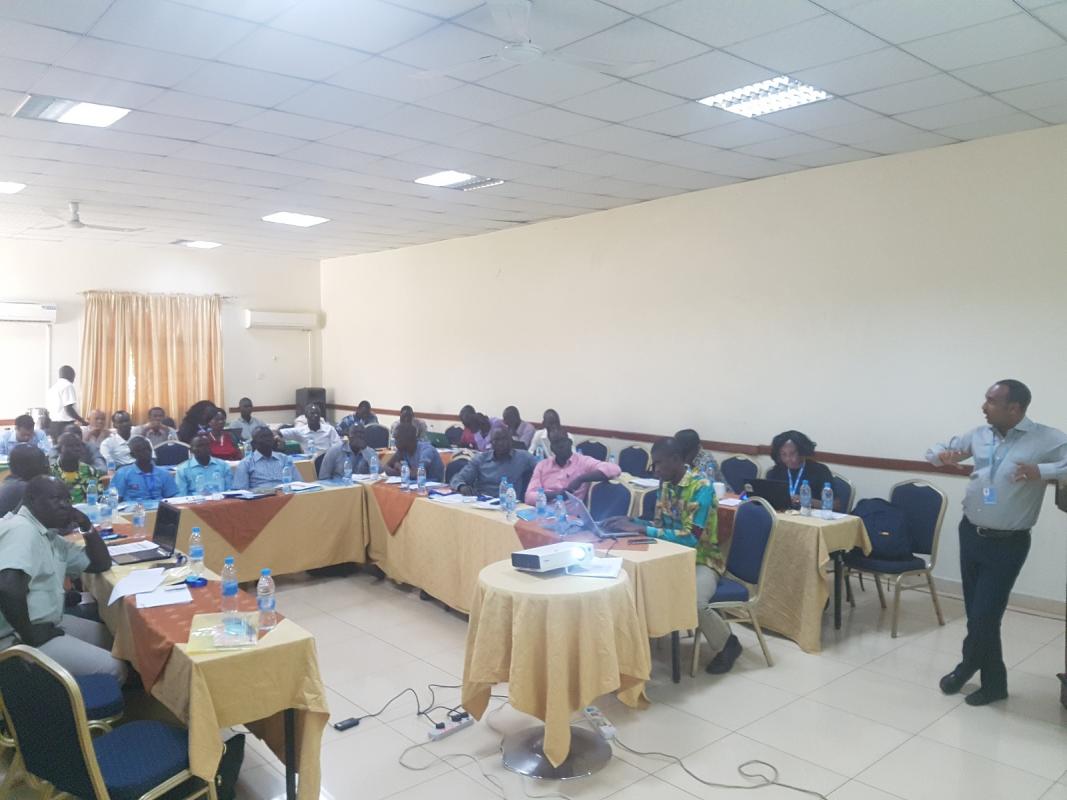
WHO supports a Multi-sectorial call for ‘Non-Communicable Diseases Action’ in South Sudan
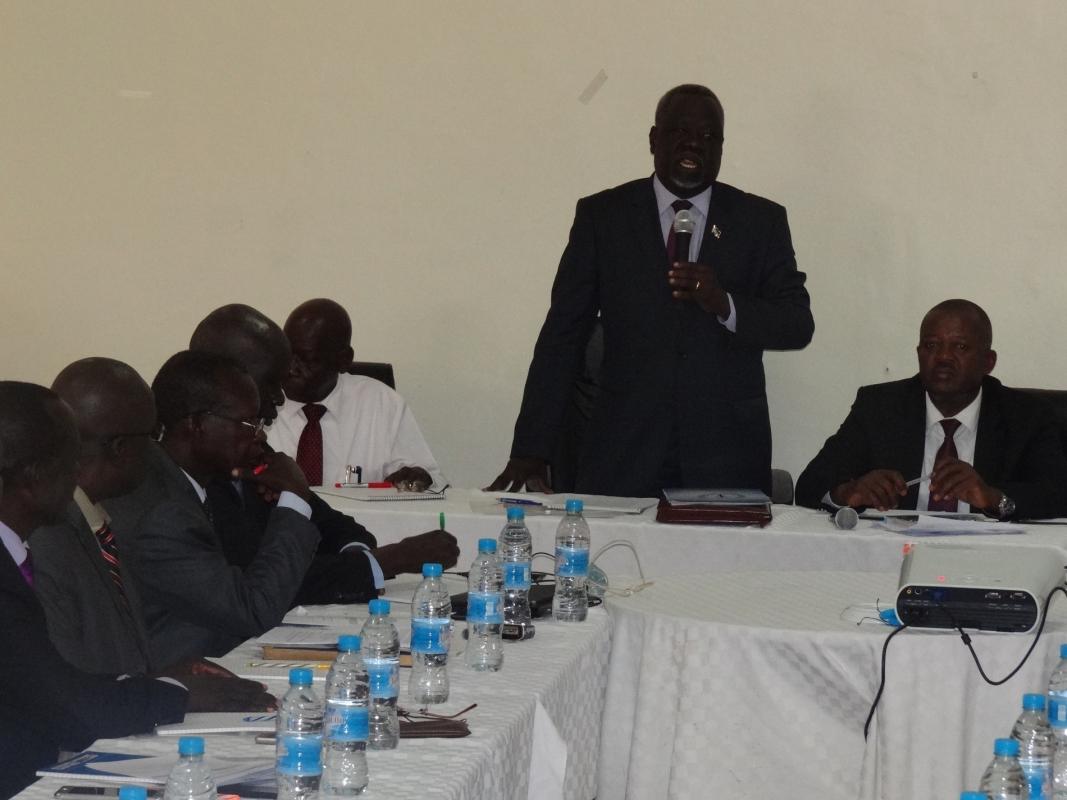
31 July 2017, Juba South Sudan - The World Health Organization in collaboration with the Ministry of Health recently convened the first high level multi-sectorial Non-Communicable Diseases (NCDs) meeting for South Sudan attended by about 65 senior representatives from line government ministries, Civil Society, Non-governmental Organizations, academia, UN organizations and the private sector. An urgent ’Call for Action on NCDs Prevention and Control’ was endorsed in Juba, South Sudan by those representatives attending this meeting.
Nigeria’s Polio Laboratory Passes WHO Accreditation
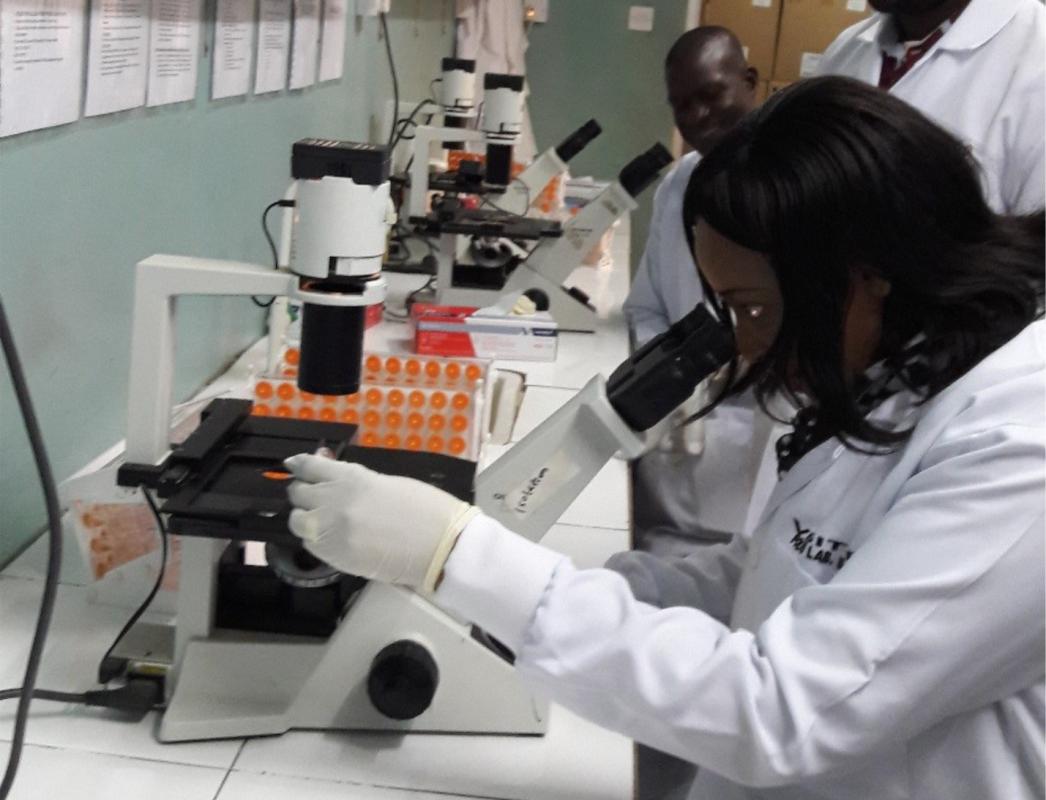
Ibadan, 31 July 2017-The World Health Organization (WHO) Regional Office for Africa (AFRO) has declared the Ibadan Polio Laboratory fully accredited to continue performing its duties as a National Polio Laboratory for Nigeria.
WHO in collaboration with partners strengthens Expanded Program on Immunization (EPI) to protect children from vaccine preventable diseases in South Sudan