
Ghana launches 2018 World TB Day Celebrations
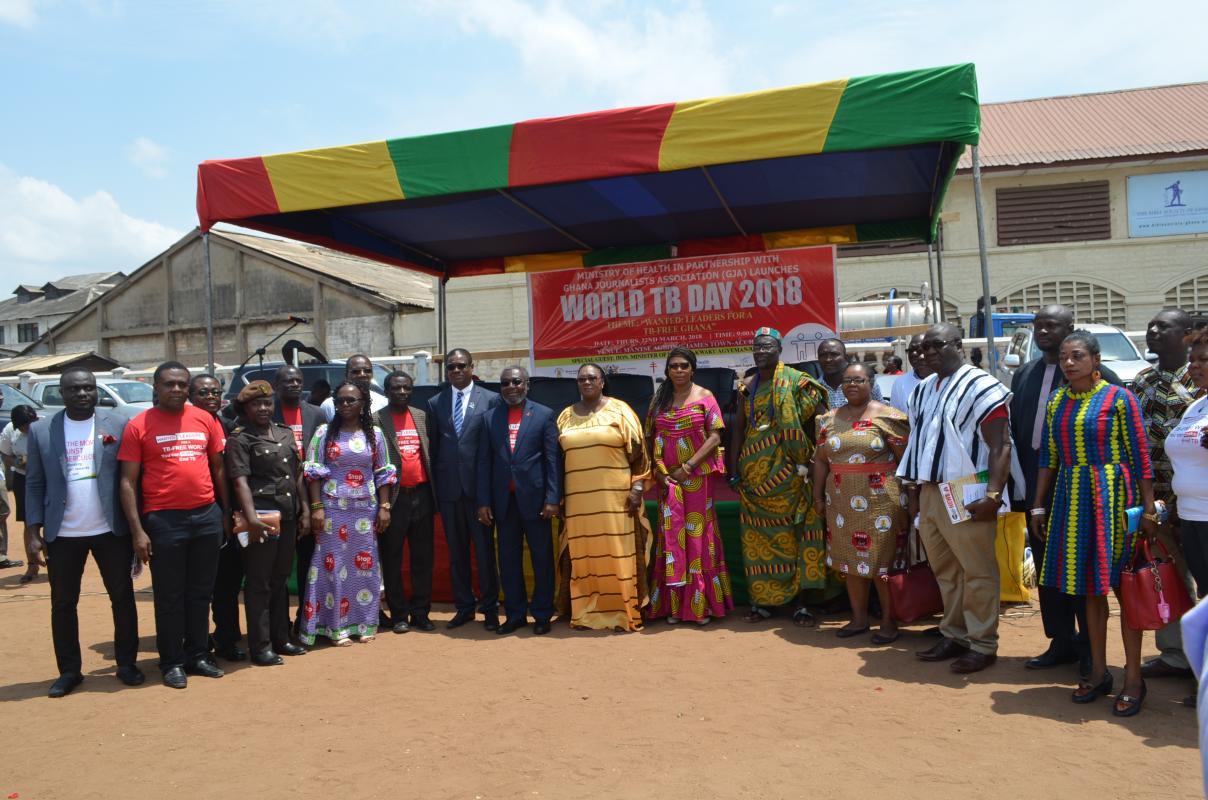
On 22 March 2018, Ghana joined the rest of the world in commemorating 2018 World TB Day whose theme was "Wanted, Leaders for a TB-Free Ghana.‟ The national launch took place at Mantse Agbona, in James Town- Accra in the Greater Accra Region.
Polio eradication is a true African success story, made possible by devoted leaders, countries, communities, civil society, and parents
March 2018
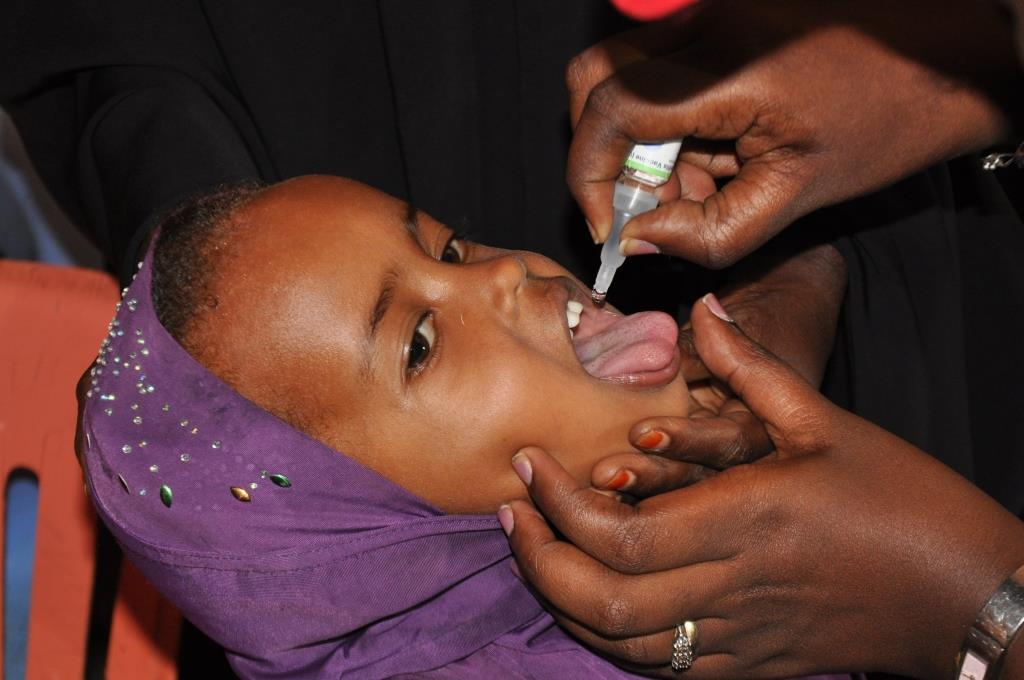
In 1996, poliovirus paralysed more than 75,000 children across the continent, in every single country. That year, Nelson Mandela launched ‘Kick Polio Out of Africa’, marking the launch of a unique, cross-sectoral and cross-continental movement to protect all children from paralysis.
Zambia commemorates World TB Day and calls upon leaders at all levels to accelerate TB control efforts.
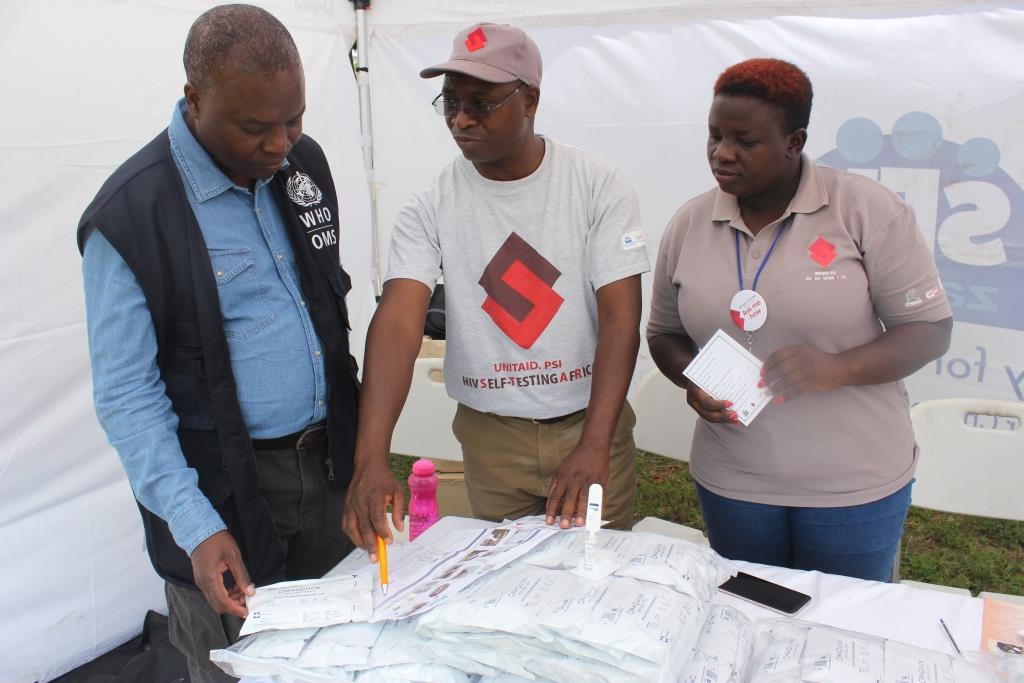
On 24 March Zambia joined the rest of the world to focus on how best to defeat Tuberculosis, (TB), an old disease that can be prevented and treated, but continues to afflict and kill many people. TB is a major public health problem in Zambia and is the commonest opportunistic infection among people living with HIV. The Ministry of Health took the lead in forging a strong partnership with various stakeholders to advocate for intensified actions to eliminate TB in the country under the theme “Wanted: Leaders for a TB-Free world”.
WHO conducts Safe and Secure Approaches in Field Environments (SSAFE) training
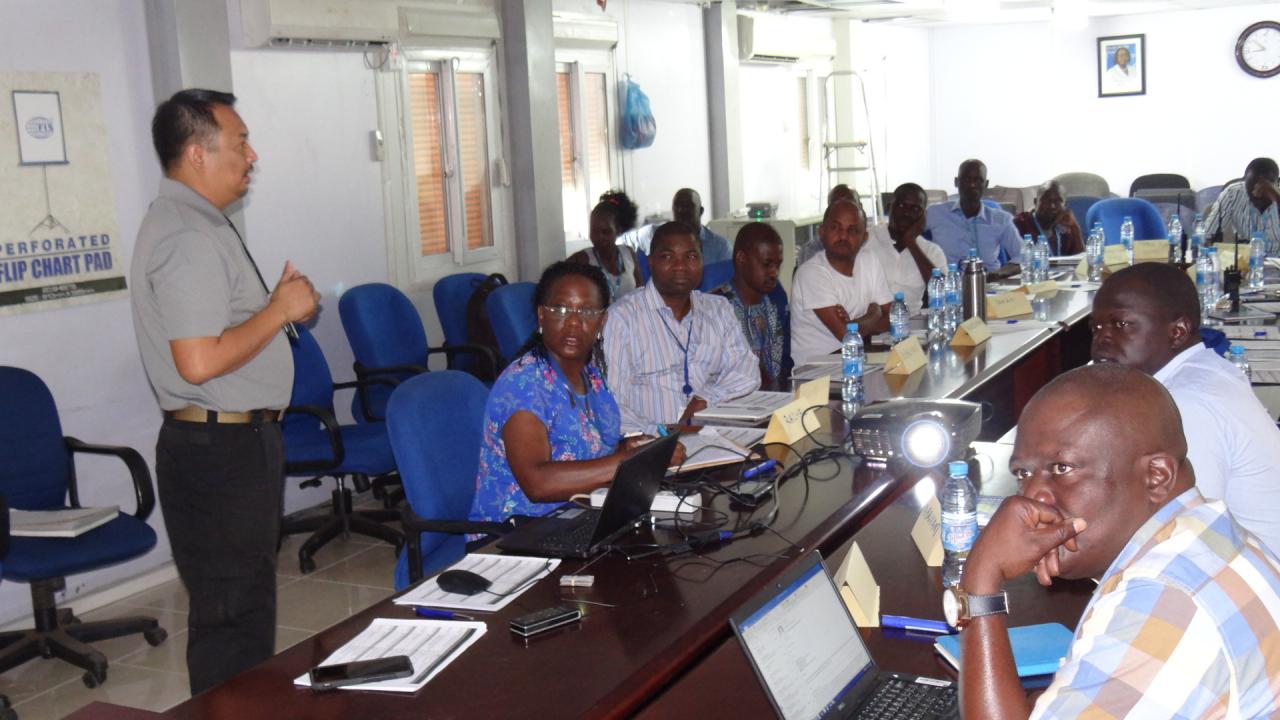
Juba, 23 March 2018 – WHO conducted Safe and Secure Approaches to Field Environments (SSAFE) training in Juba, South Sudan.
WHO: Nigeria’s Lassa fever outbreak is slowing, but remains a concern
Nigeria unanimously ‘votes’ to end scourge of tuberculosis as the World commemorates 2018 TB Day.
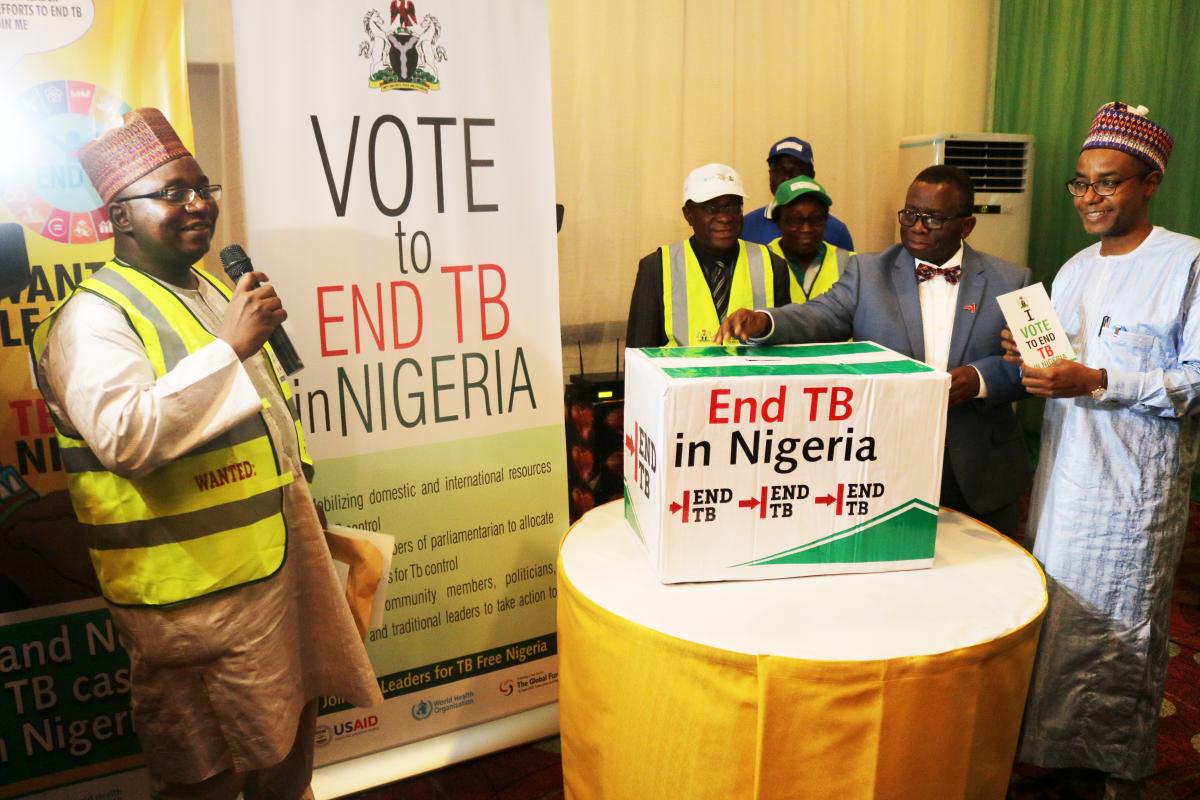
Abuja, 24 March 2018 - Nigeria government and development partners, including World Health Organization (WHO), are assidiously fighting the scourge of tuberculosis (TB) in a series of sensitization activities to build momentum towards realization of national slogan “Find and notify all TB cases in Nigeria” to mark 2018 World TB Day.
Annual peer review and planning workshop for Anglophone national malaria programmes in Africa takes place in Harare
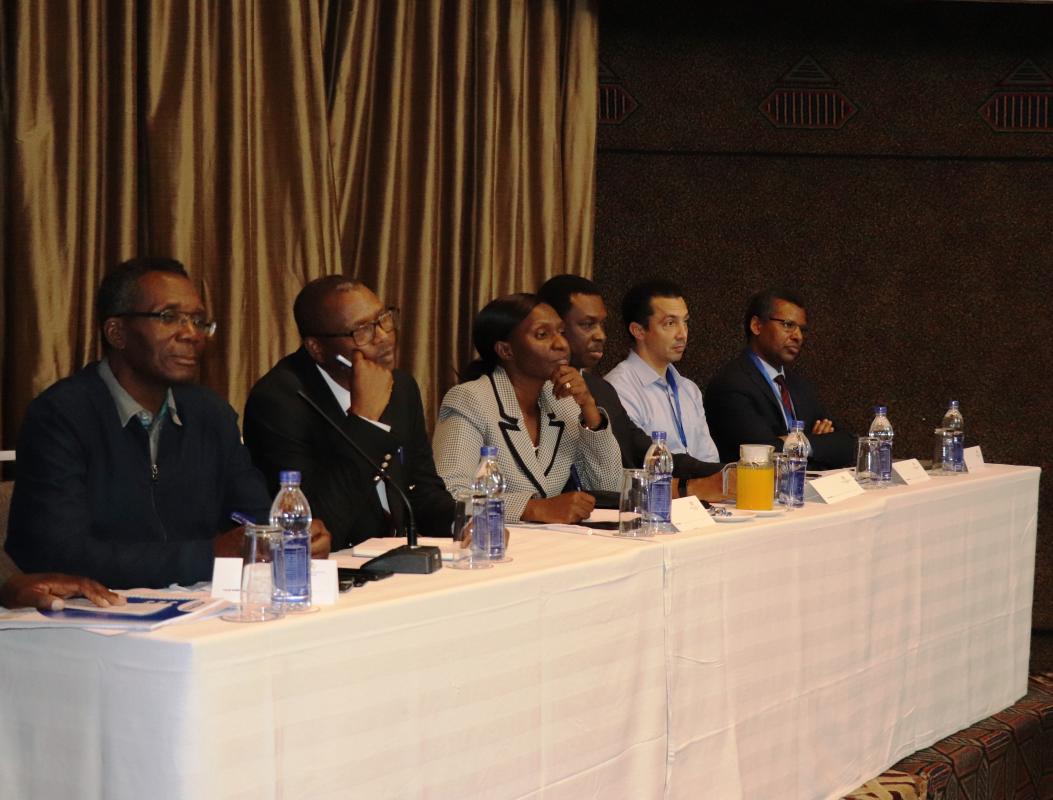
A workshop on annual peer review of progress and planning for Anglophone countries is taking place in Harare from 22nd to 23rd March at The Monomotapa Hotel. The meeting has brought together participants from Botswana, Eritrea, Ethiopia, The Gambia, Ghana, Kenya, Liberia, Malawi, Mozambique, Namibia, Nigeria, Sierra Leone, South Africa, South Sudan, Swaziland, Uganda, URT Mainland, URT Zanzibar, Zambia, and Zimbabwe, partners in malaria control and facilitators from HQ, AFRO and IST/ESA.
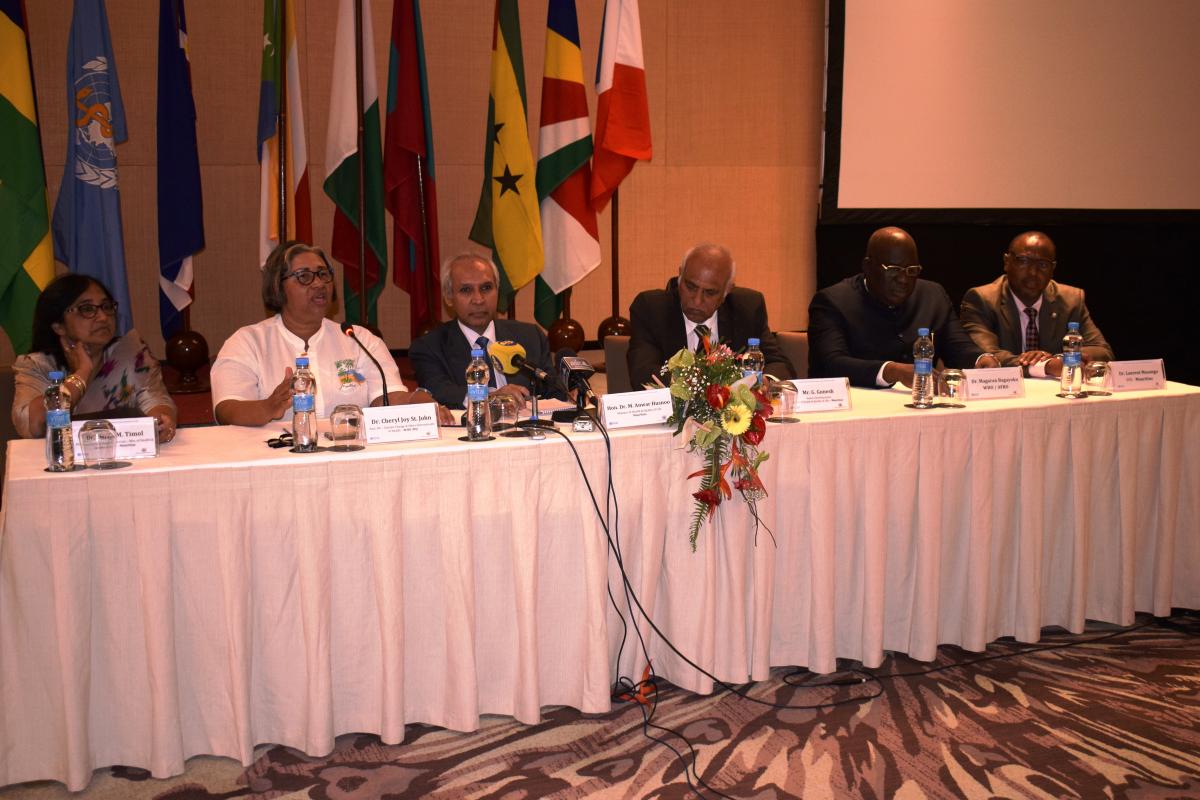
Building Resilient Health Systems to Climate Change Among SIDS
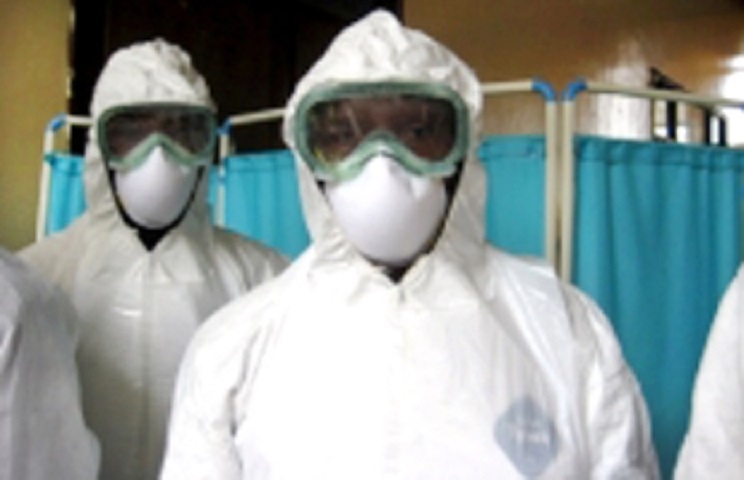
On the trail of Lassa fever in southern Nigeria
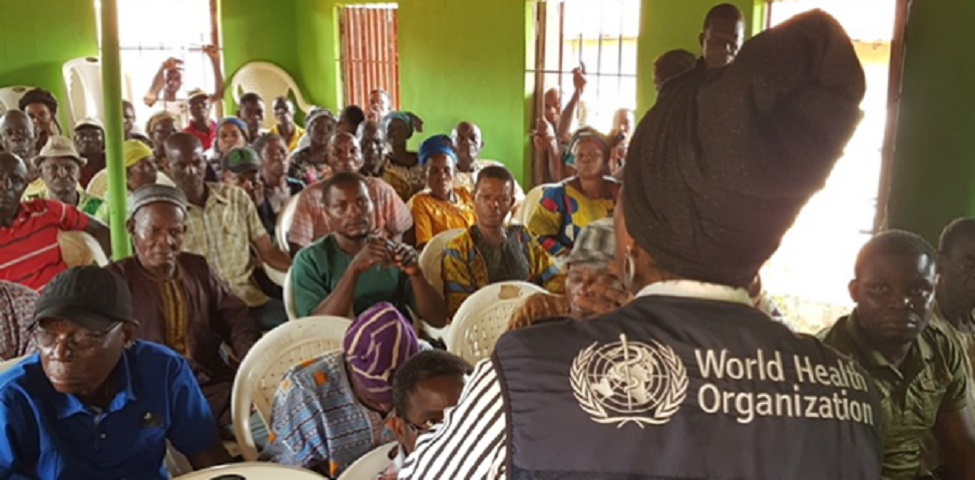
WHO continues to Support Response to Cholera Outbreak in Refugee Settlement
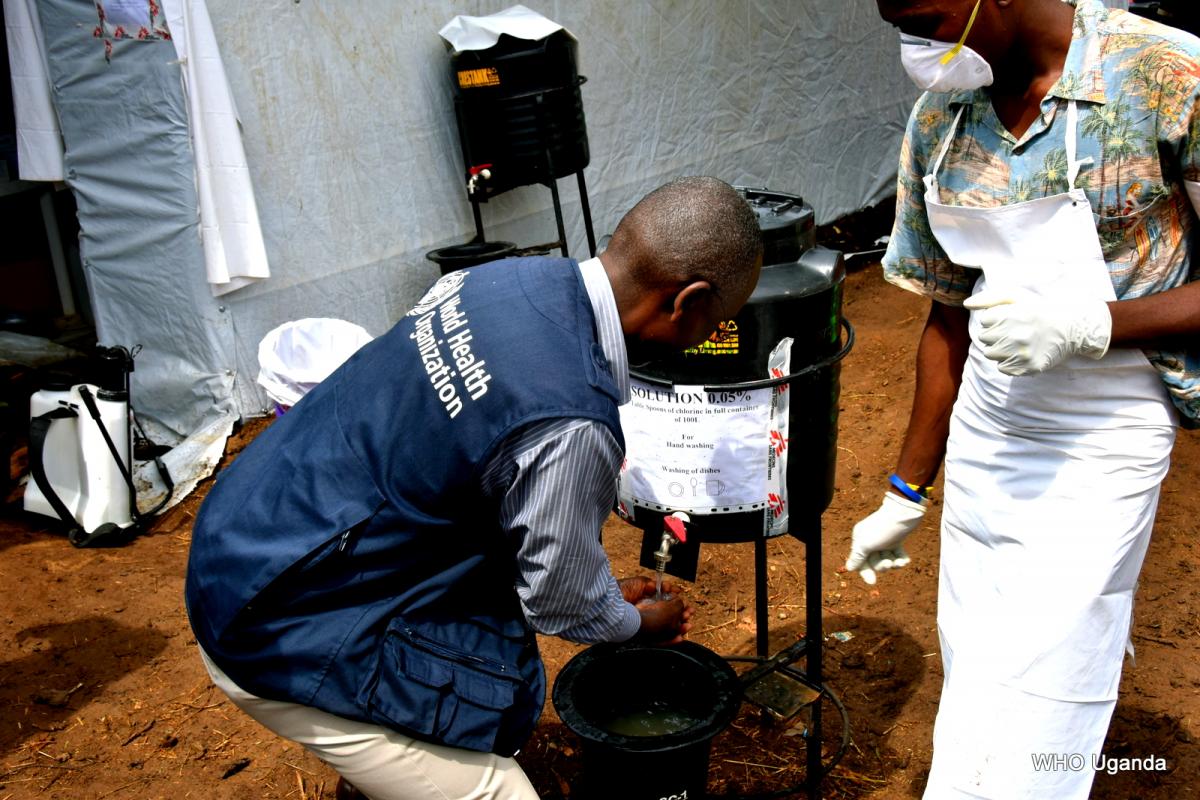
Hoima, 22 March 2018:- On 19th March 2018, twenty (20) new patients were admitted to the Cholera Treatment Centers (CTCs), most of whom (77%) were new arrivals from the Democratic Republic of Congo. As of that date, the cumulative number of cases reported was 1,747 with 36 deaths (CFR 2.06%). No deaths were recorded in all CTCs or in the isolation units. The cases are from Kyangwali, Kabwoya and Buseruka sub-counties. There are no cases in Hoima municipality.