WHO partners with Fati Niger, popular Nigerian-based singer, to create awareness on cholera, meningitis and Lassa fever prevention.
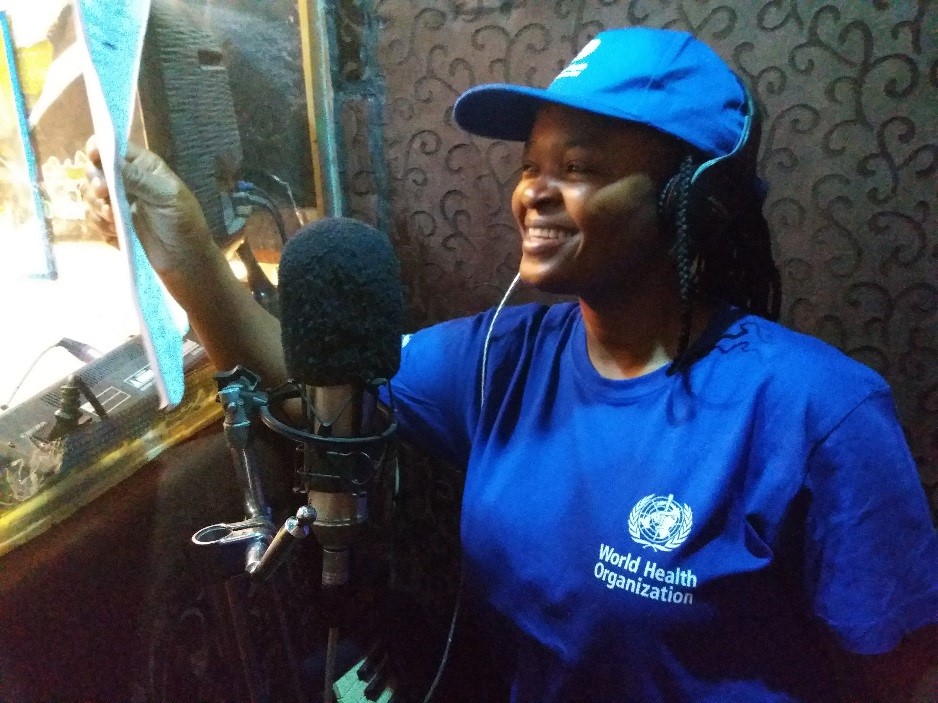
Maiduguri, 28 March 2018 - “When I heard the voice of my favourite singer, Fati Niger, on radio this morning, she simply made my day,” says Mallam Usman, a 39 year old year old internally displaced person in Dalori camp, Maiduguri, Borno state.
“My spirit was elated, and instantly I felt relieved of my worries. But more importantly, I learned how to protect myself and my household from cholera, meningitis and Lassa fever. I was keen to listen more, but the music was cut short. I wish it played on and on and on,” said Usman.
Call made for Leaders for a TB free Zimbabwe
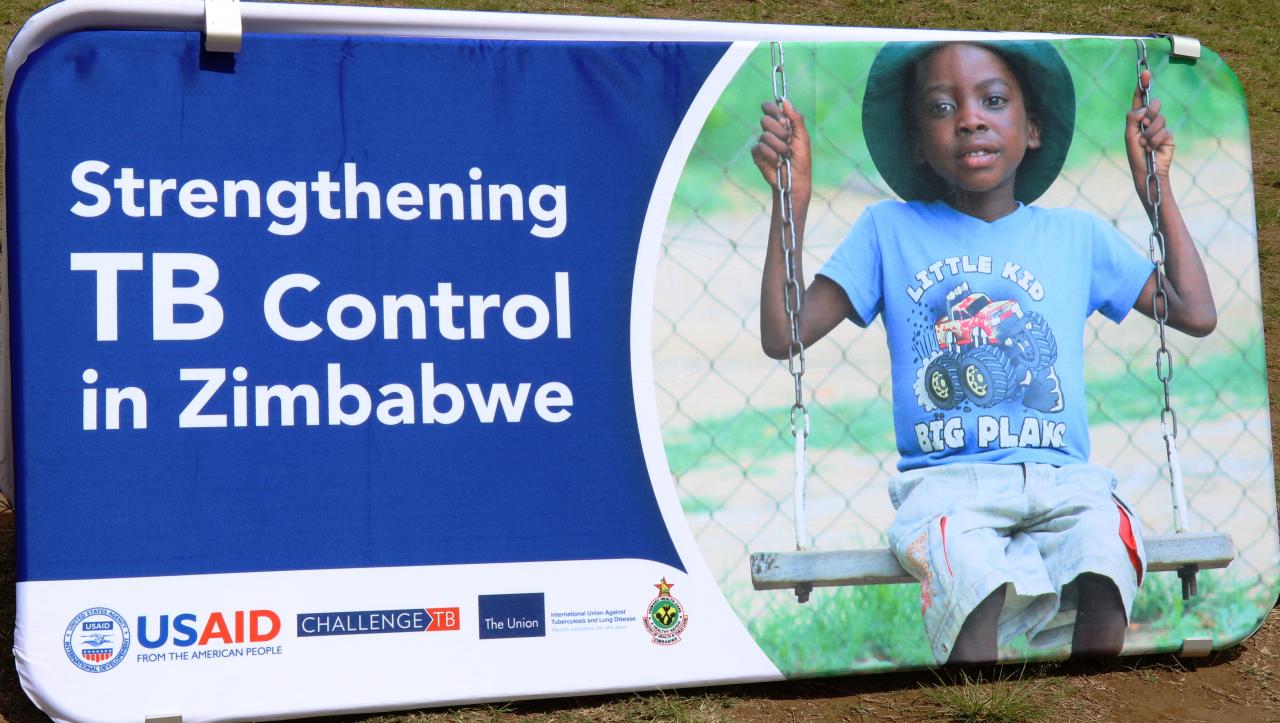
The call was made during the commemoration of World TB Day which was held at Dzivarasekwa Stadium in Harare. Globally, World TB Day is commemorated on the 24th of March each year, and Zimbabwe joined the rest of the world to commemorate it under the theme “Wanted: Leaders for a TB-free world” The theme emphasises the need to build leadership commitment to ending TB, not only at political level with the Head of State, Ministers and parliamentarians, but at all leadership levels, including traditional, religious and other community leaders.
Tanzania launches new TB medicine formulation for children
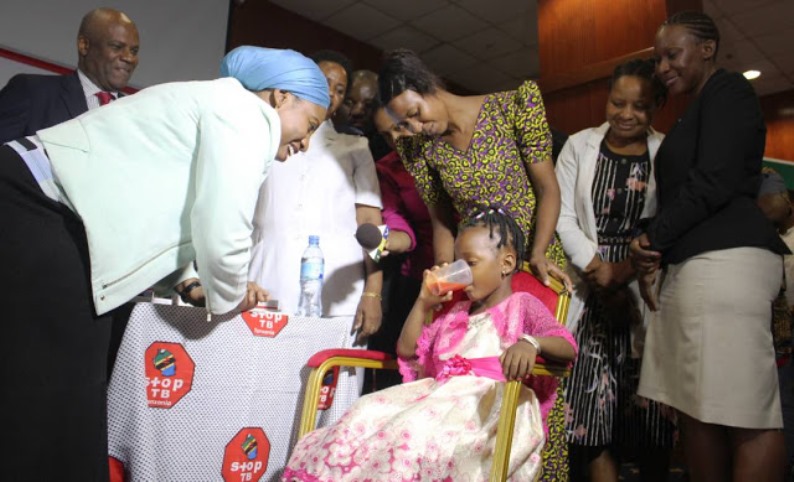
Dar es Salaam, 20 March 2018: The introduction of pediatric fixed-dose combination (FDC) treatment for Tuberculosis (TB) offers the opportunity to improve treatment outcome and child survival in Tanzania. The FDC does not contain new drugs but rather improved formulation of currently used medicines recommended by WHO for first line TB treatment.
Ghana launches 2018 World TB Day Celebrations
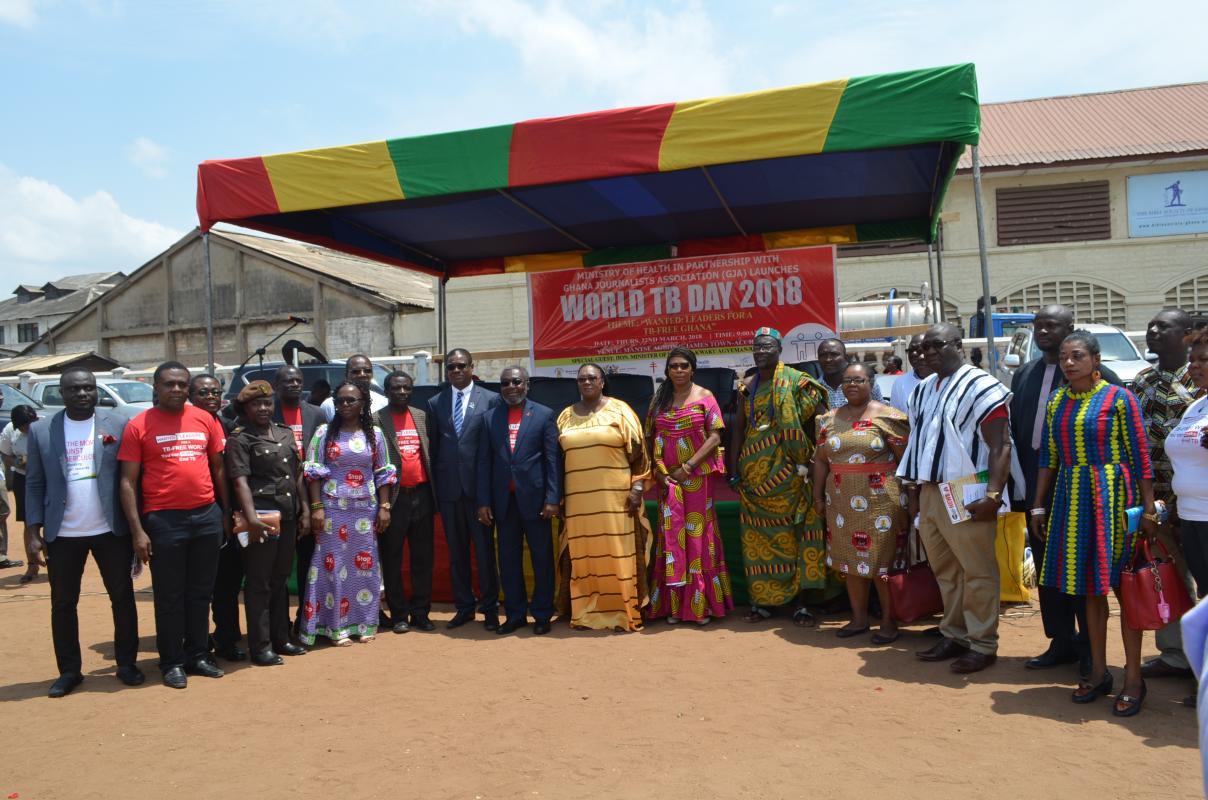
On 22 March 2018, Ghana joined the rest of the world in commemorating 2018 World TB Day whose theme was "Wanted, Leaders for a TB-Free Ghana.‟ The national launch took place at Mantse Agbona, in James Town- Accra in the Greater Accra Region.
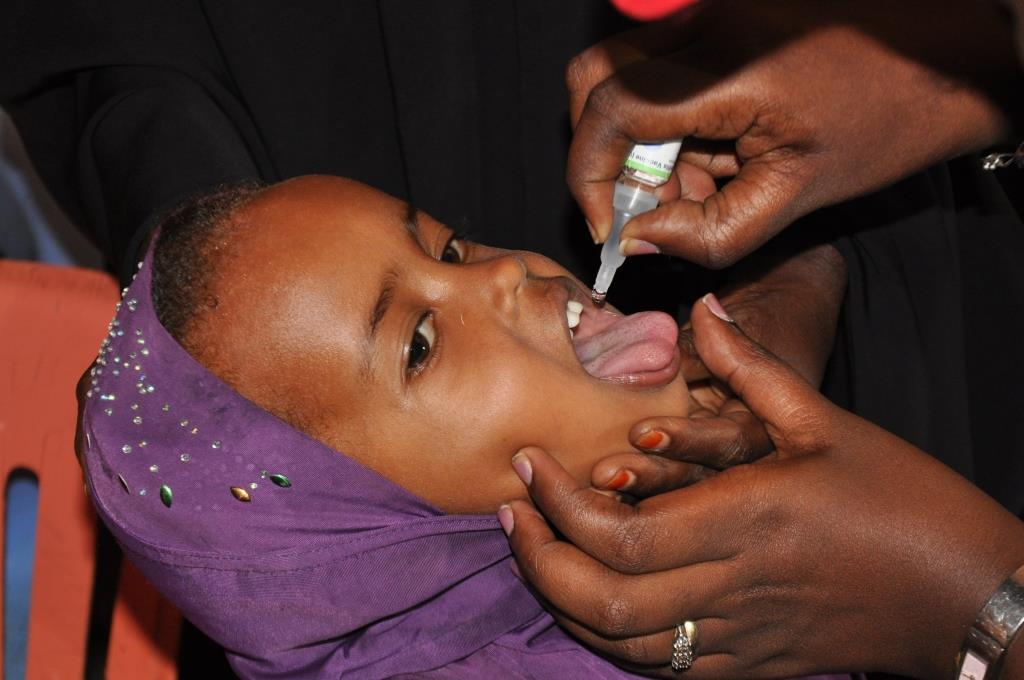
Polio eradication is a true African success story, made possible by devoted leaders, countries, communities, civil society, and parents
March 2018
In 1996, poliovirus paralysed more than 75,000 children across the continent, in every single country. That year, Nelson Mandela launched ‘Kick Polio Out of Africa’, marking the launch of a unique, cross-sectoral and cross-continental movement to protect all children from paralysis.
WHO: Nigeria’s Lassa fever outbreak is slowing, but remains a concern
Zambia commemorates World TB Day and calls upon leaders at all levels to accelerate TB control efforts.
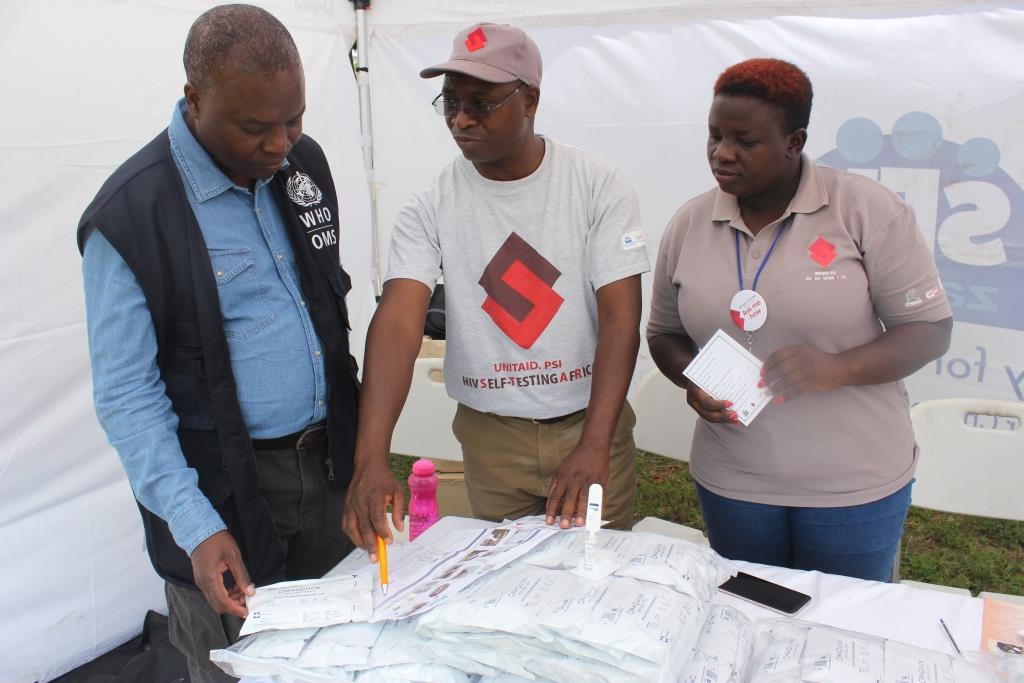
On 24 March Zambia joined the rest of the world to focus on how best to defeat Tuberculosis, (TB), an old disease that can be prevented and treated, but continues to afflict and kill many people. TB is a major public health problem in Zambia and is the commonest opportunistic infection among people living with HIV. The Ministry of Health took the lead in forging a strong partnership with various stakeholders to advocate for intensified actions to eliminate TB in the country under the theme “Wanted: Leaders for a TB-Free world”.
WHO conducts Safe and Secure Approaches in Field Environments (SSAFE) training
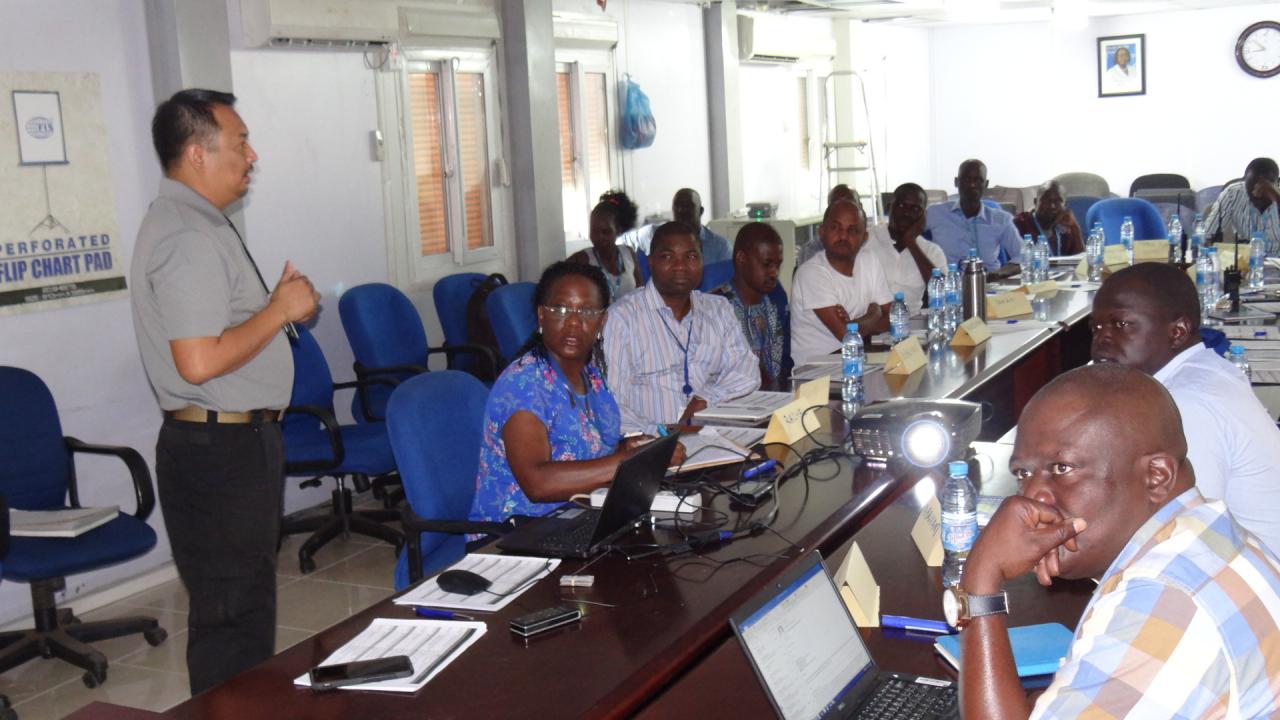
Juba, 23 March 2018 – WHO conducted Safe and Secure Approaches to Field Environments (SSAFE) training in Juba, South Sudan.
Nigeria unanimously ‘votes’ to end scourge of tuberculosis as the World commemorates 2018 TB Day.
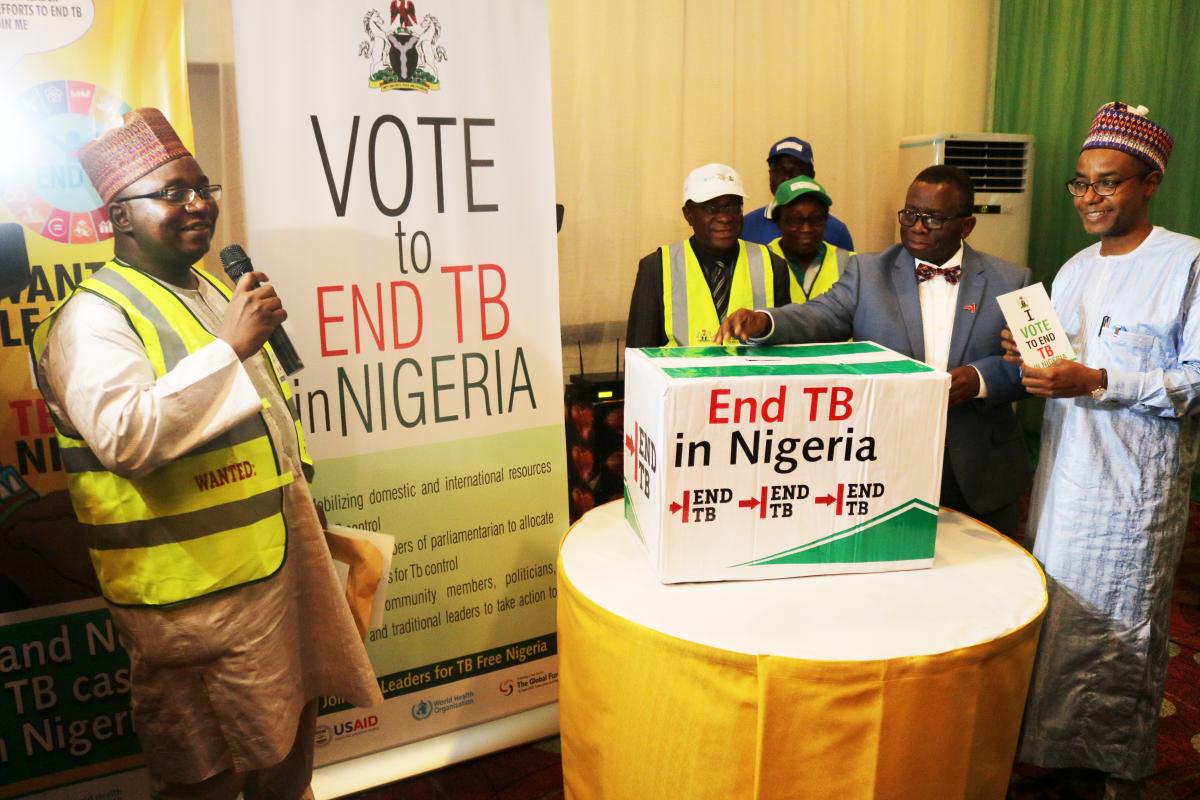
Abuja, 24 March 2018 - Nigeria government and development partners, including World Health Organization (WHO), are assidiously fighting the scourge of tuberculosis (TB) in a series of sensitization activities to build momentum towards realization of national slogan “Find and notify all TB cases in Nigeria” to mark 2018 World TB Day.
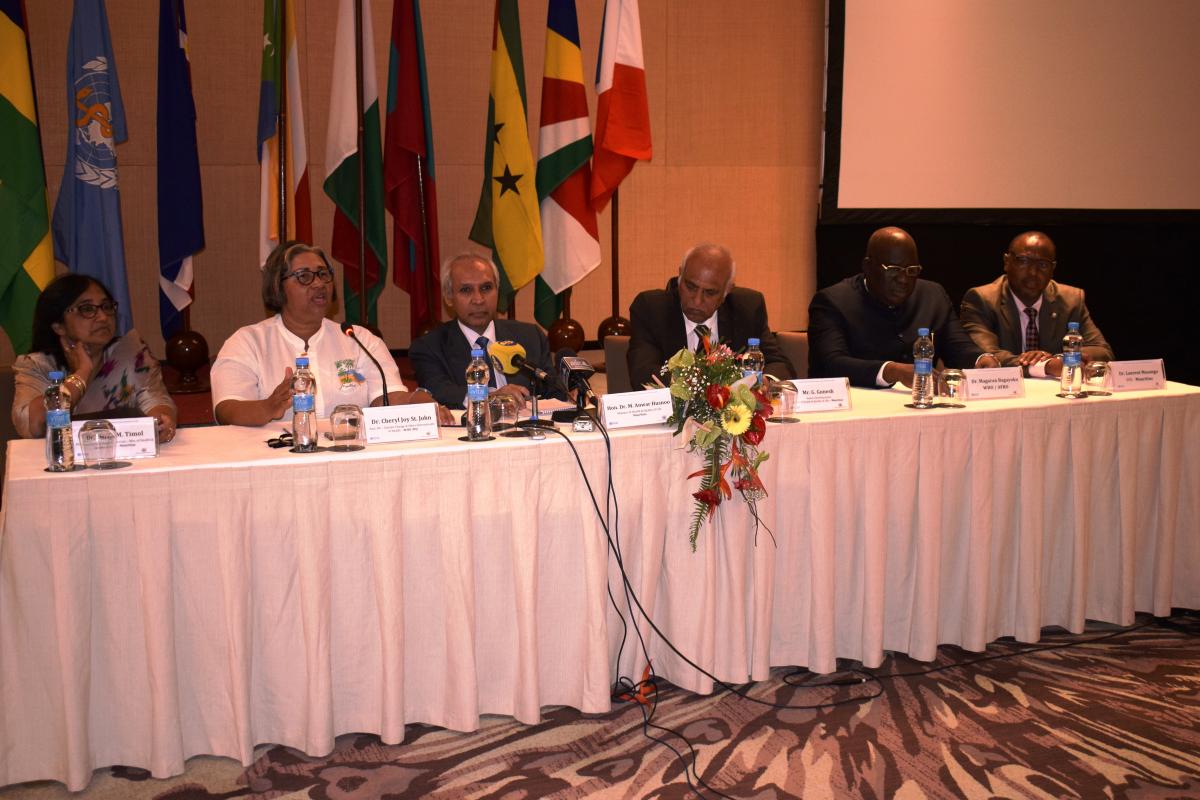
Building Resilient Health Systems to Climate Change Among SIDS