How e-Surveillance strengthens health systems in Nigeria
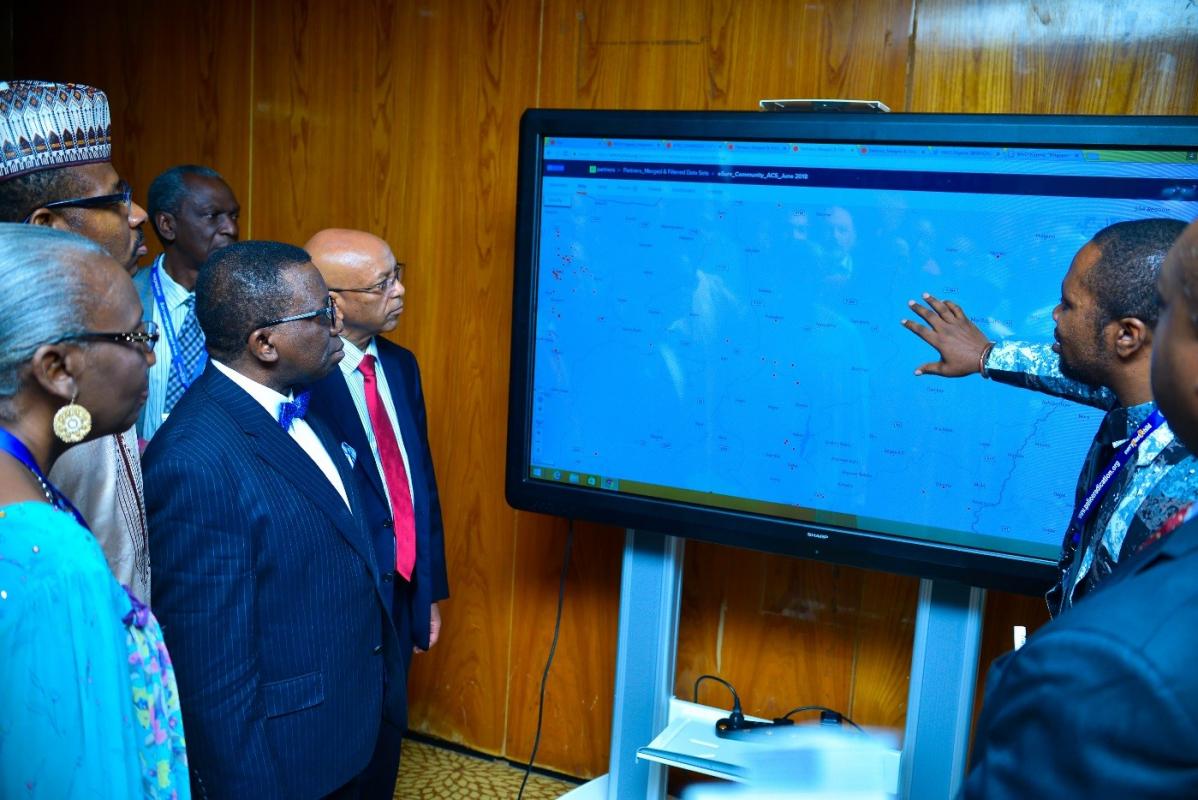
Dr Namadi Lawal is a surveillance officer with the National Primary Health Care Development Agency (NPHCDA). For years, the agency depended on paper-based methods for surveillance and monitoring of disease outbreaks.
WHO and KOICA donate medical equipment to support Maternal and Child Health in Uganda
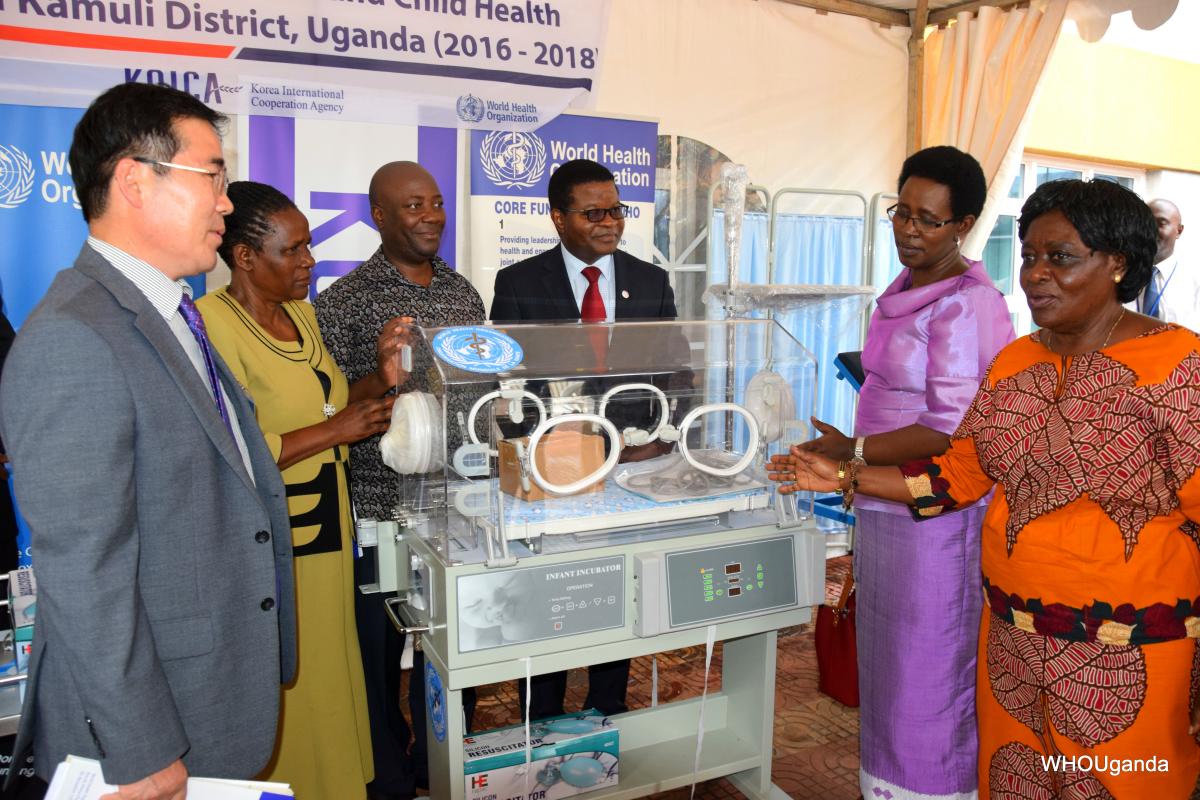
Kampala 3 July 2018: The World Health Organization (WHO) in collaboration with the Korea International Cooperation Agency (KOICA) donated an assortment of medical equipment worth $257,000 to the Ministry of Health (MoH) to improve Maternal and Child Health (MCH) services in Iganga and Kamuli districts in Uganda.
The equipment donated includes 4 neonatal incubators, 14 pulse oxymeters, 34 examination beds, 76 medical trolleys, 80 normal delivery sets, and 82 pediatric hospital mattresses.
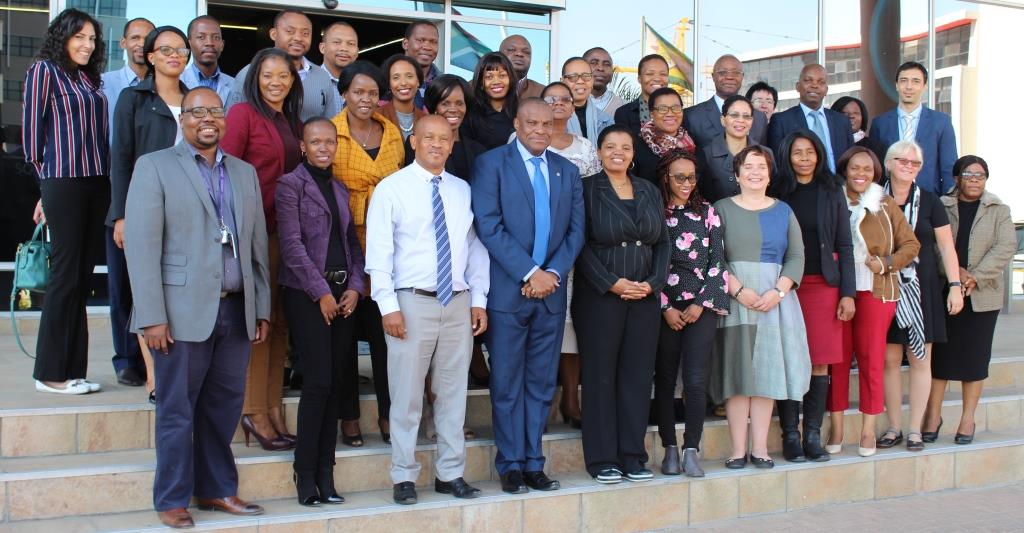
The Rwandan Ministry of Health received from WHO 48 infrared Thermometers and viral haemorrhagic fever (VHF) Kits
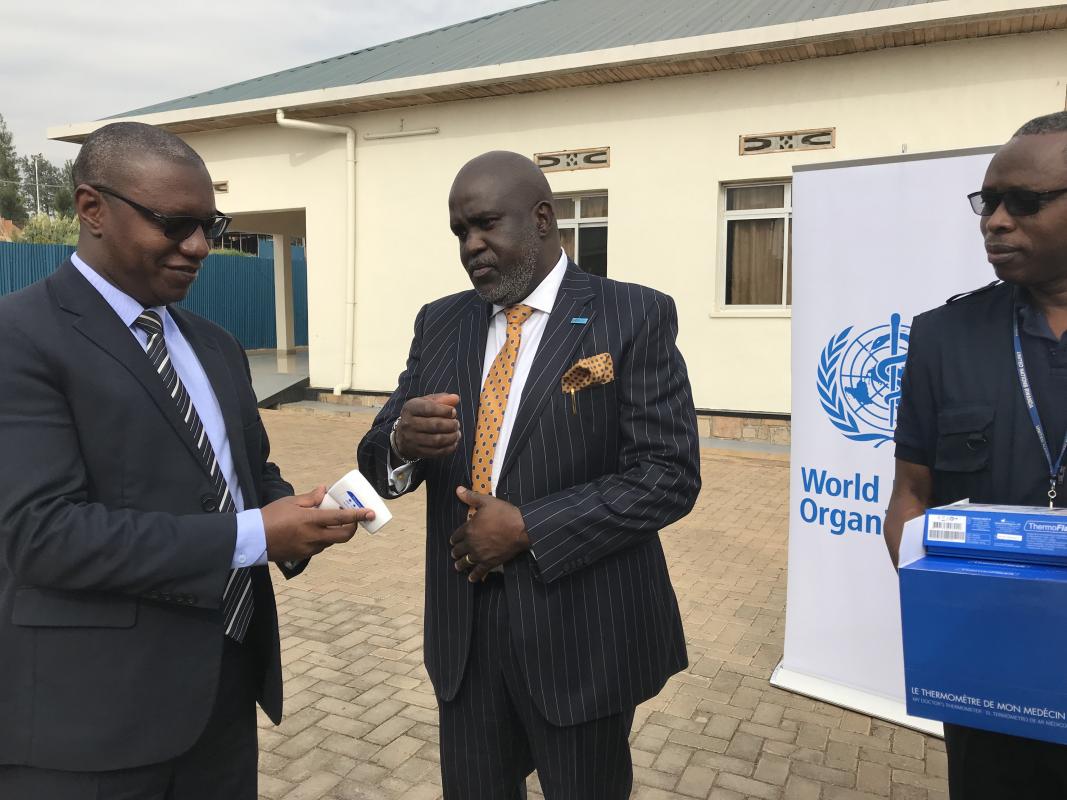
The World Health Organization Country Office Representative and the Rwandan Minister of state in charge of Public Health and Primary Health Care were at the Kacyiru hospital to further enhance public health emergencies preparedness and response.
South Sudan commits to move towards attainment of Universal Health Coverage
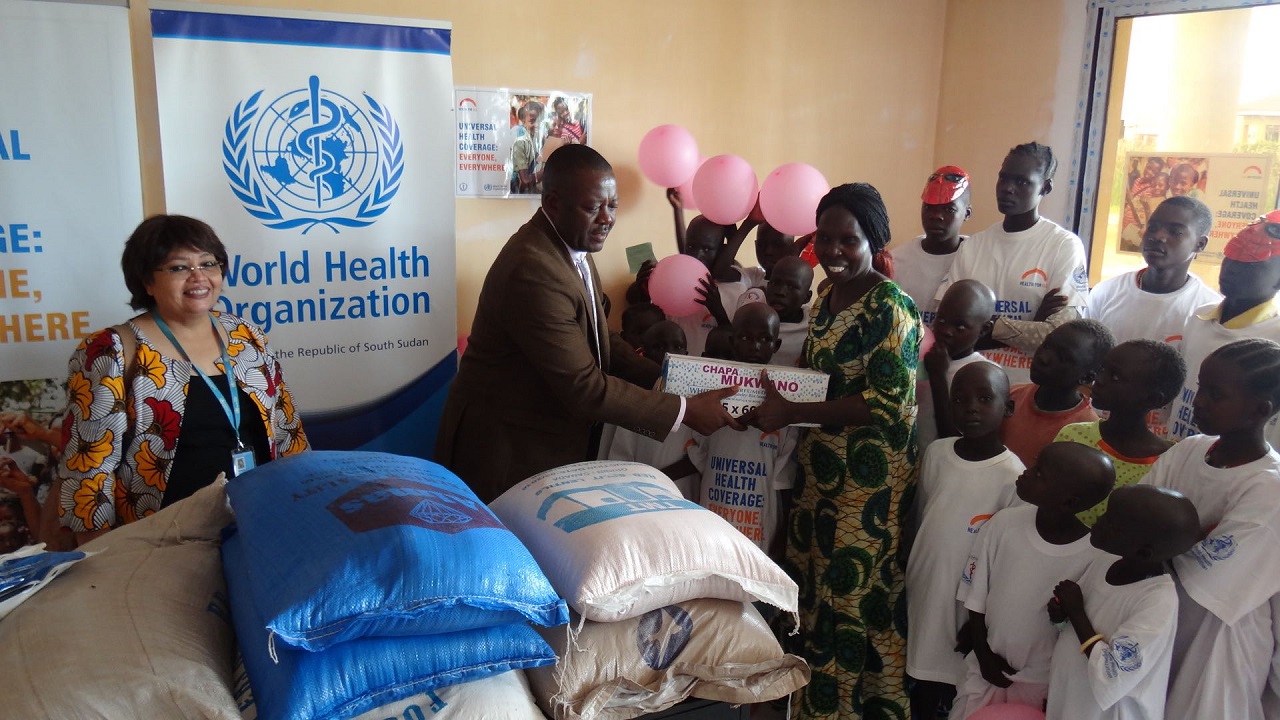
Juba 21 June, 2018 – South Sudan is making headway towards attainment of Universal Health Coverage and addressing the inequity amid instability in some parts of the country. This was echoed during the high-level advocacy meeting with women parliamentarians one of the events to mark the World Health Day under the theme ‘Universal Health Coverage: everyone everywhere’.
Bringing Ebola vaccine to remote communities in the Democratic Republic of Congo
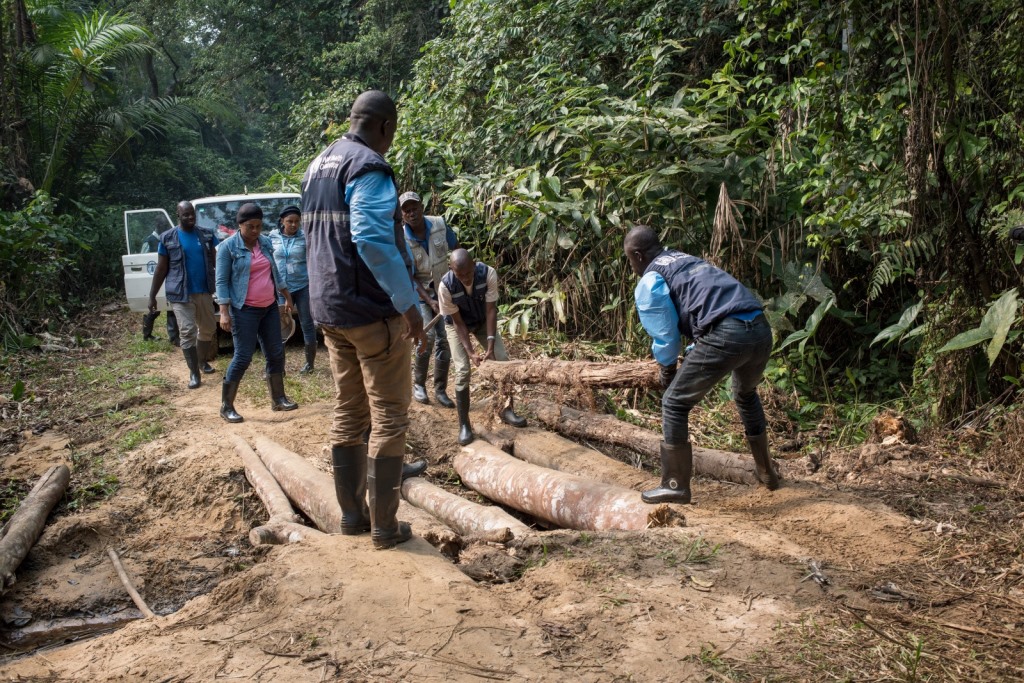
It’s been nearly twenty years since the residents of Bosolo village in northwest Democratic Republic of Congo have seen a car.
“Bosolo is a village which is about 25 km from Iboko centre, but on this road 25 km can take two or more hours to travel,” said Dr Ismaila Ibrahim Mamane Sani, Co-coordinator of WHO’s Ring Vaccination in the Democratic Republic of Congo.
Government launches new Rotavirus vaccine to protect children in Uganda from diarrhea
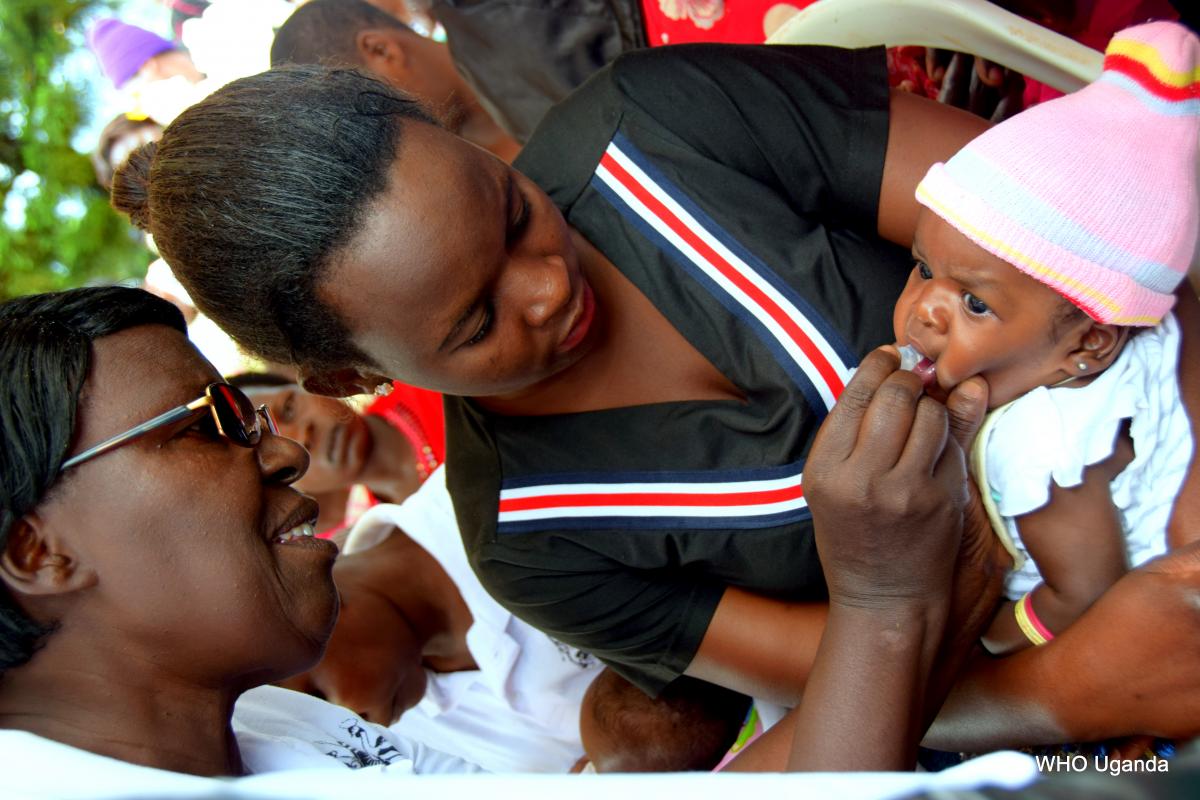
Buikwe, 26 June 2018 – The Government of Uganda has launched today a new rotavirus vaccine to protect under five-year-old children from diarrhea. The vaccine, which will be available for free in health facilities throughout the country, is the 11th vaccine to be added into the national schedule of the expanded programme on immunization in Uganda. Rotavirus vaccine is safe and can be administered simultaneously with other routine infant vaccines. It is given orally and requires two doses at 6 and 10 weeks of age, with an interval of at least 4 weeks between doses.
Adamawa state gets over 700,000 doses of oral cholera vaccines for emergency vaccination
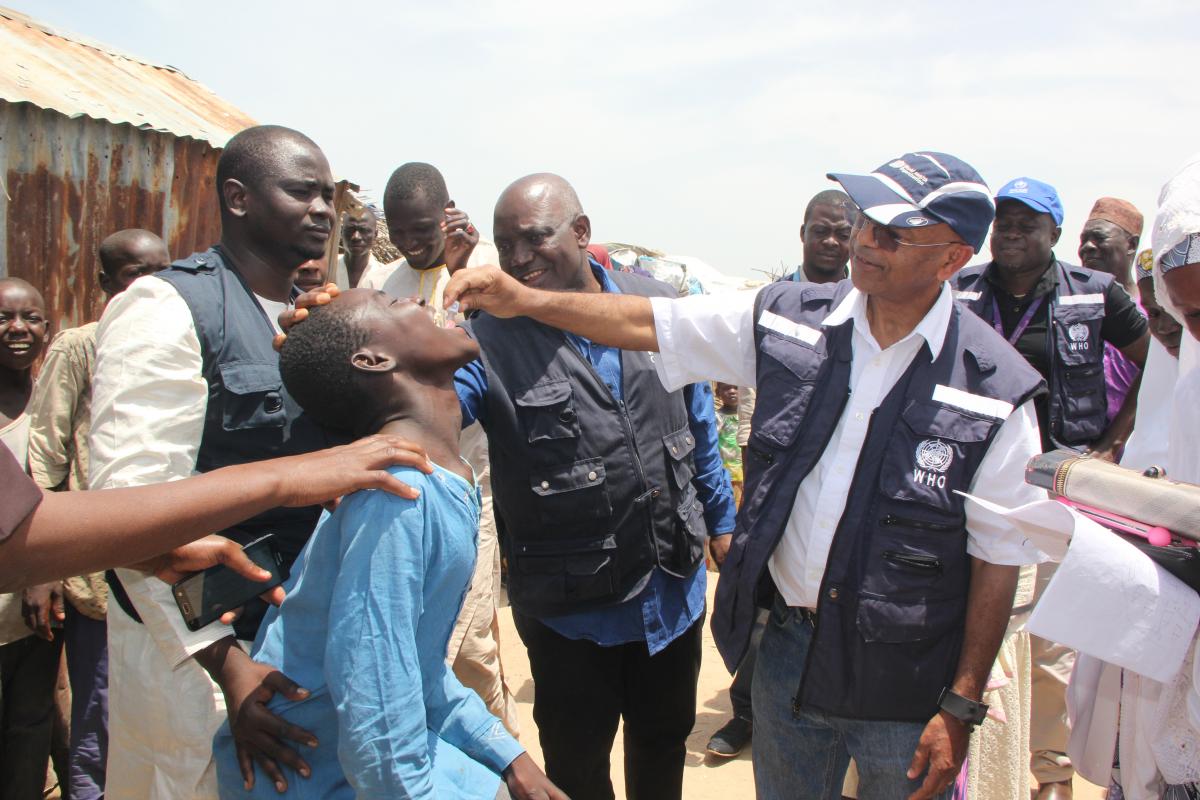
Abuja, 24 June 2018 - The International Coordinating Group (ICG) has approved the release of 757 630 doses of oral cholera vaccine (OCV) for a 2-dose emergency vaccination campaign in Adamawa state. The initial batch of 378 815 doses of OCV was delivered to Nigeria on 22 June 2018 for the first round of the vaccination campaign while the second consignment of vaccines will be released after successful implementation of the first round.
Liberia Commemorates World Blood Donor Day: Unpaid Blood Donors Described as “Heroes and Angels on Earth”
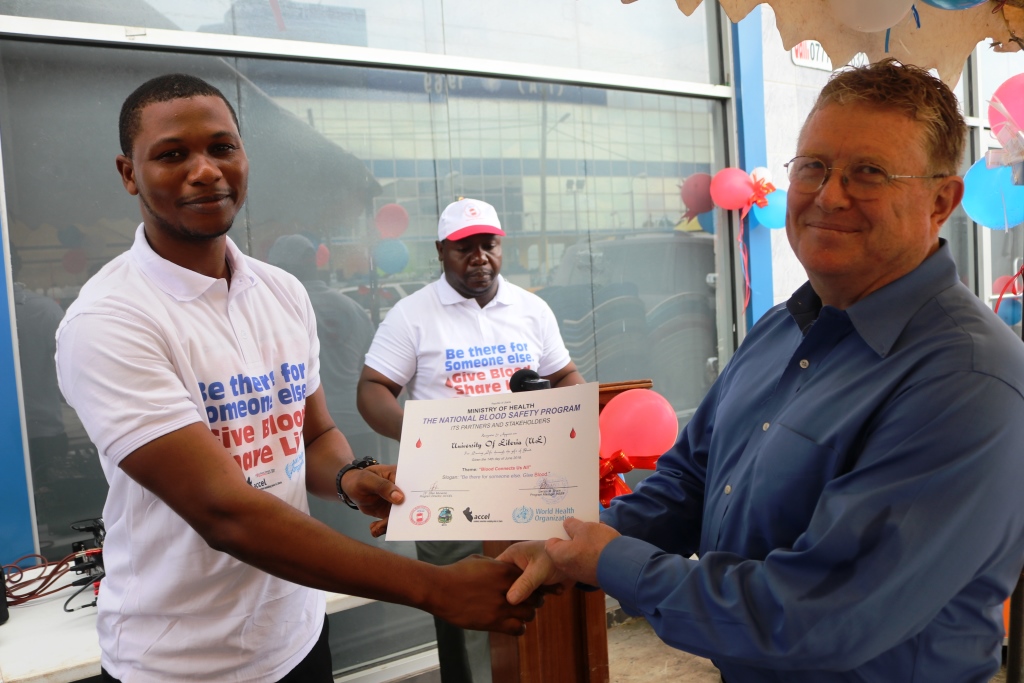
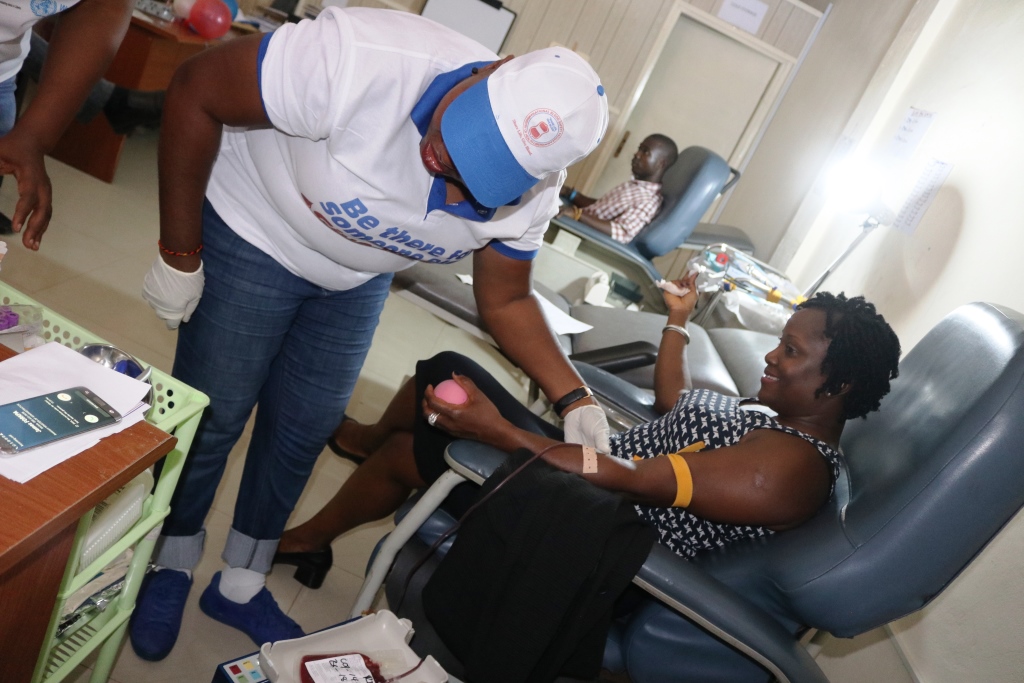 Monrovia, 18th June 2018: Liberia’s voluntary unpaid blood donors were acknowledged as the country joined the global community to commemorate the 2018 World Blood Donor day under the theme, “Be There for Someone Else. Give Blood. Share Life”.
A little black box for detecting and tracking outbreaks
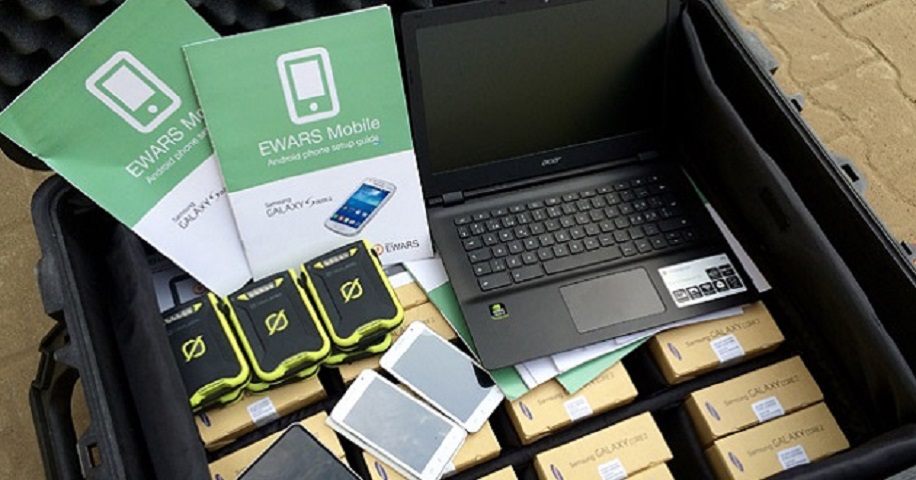
One of the toughest tasks in responding to a major public health emergency is getting accurate information about infectious disease outbreaks.
"EWARS in a box" contains all the equipment needed to establish surveillance and response activities, particularly in difficult and remote field settings without reliable internet or electricity.
Infections can spread even more quickly than rumours, particularly when there is a lack of reliable, up-to-date information to detect, track and respond to outbreaks.