WHO supports validation and costing of the National Action Plan for Health Security for Zanzibar
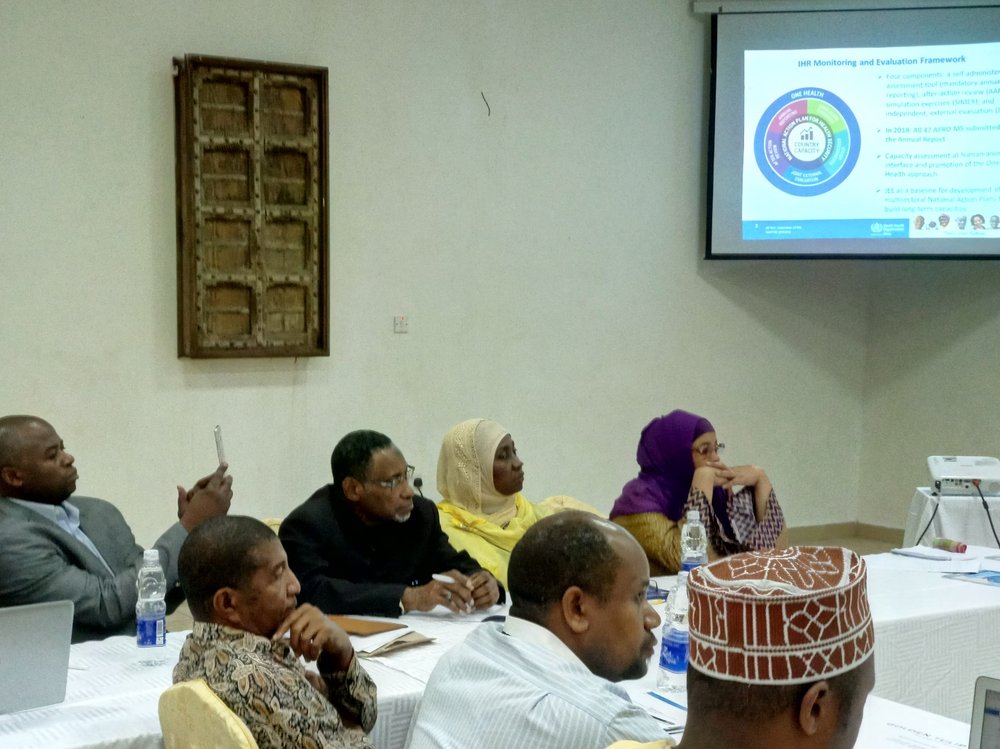
Zanzibar, 18-22 June 2018: Today, we are challenged by a variety of epidemics and health emergencies. A robust health system that is effective, inclusive and a well-coordinated multisectoral approach is essential to protect human and animal health; and ensure national development goals are not adversely affected by public health threats.
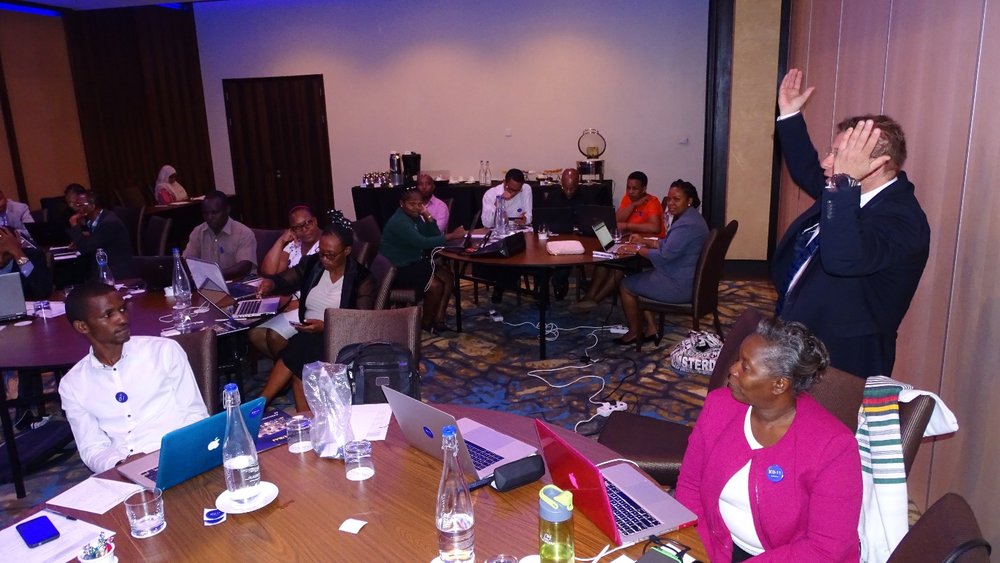
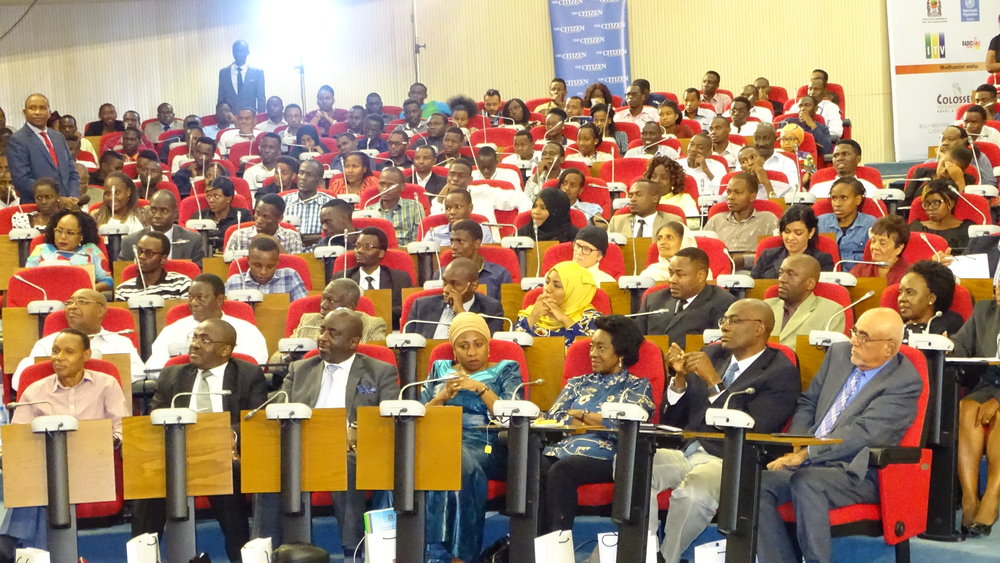
Be smart, Know about Sickle Cell Disease!
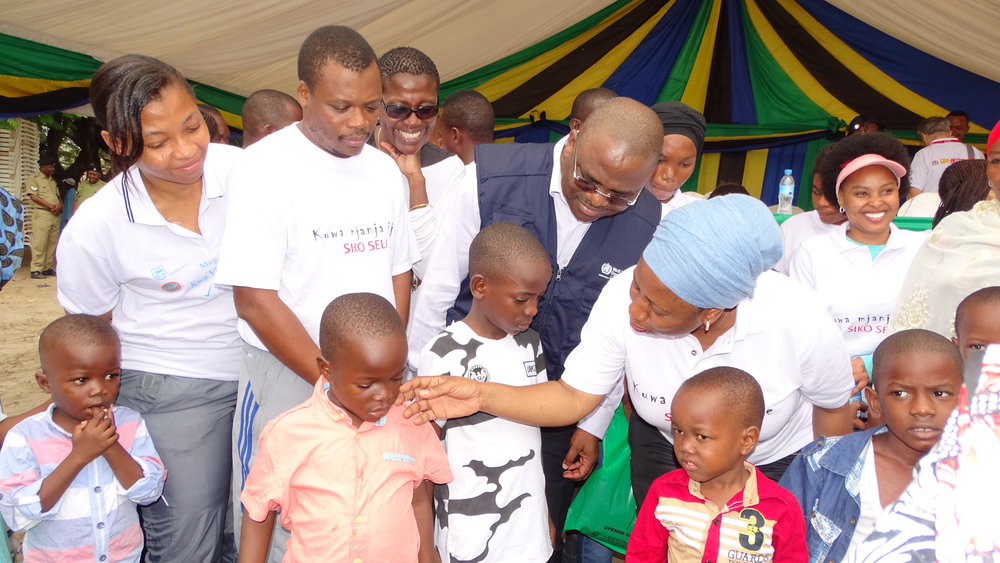
23 June 2018, Dar es Salaam: The Acting World Health Representative for Tanzania, Dr Adiele Onyeze joined the Minister for Health, Honourable Ummy Mwalimu, partners and the public to commemorate World Sickle Cell Day in Tanzania. The event was graced by a 3km charity walk in Mwenye Yanga Temeke Grounds under the theme “Kuwa Mjanja ijue Siko Seli” meaning “Be smart, Know Sickle Cell”.
WHO strengthens sentinel surveillance for vaccine preventable diseases
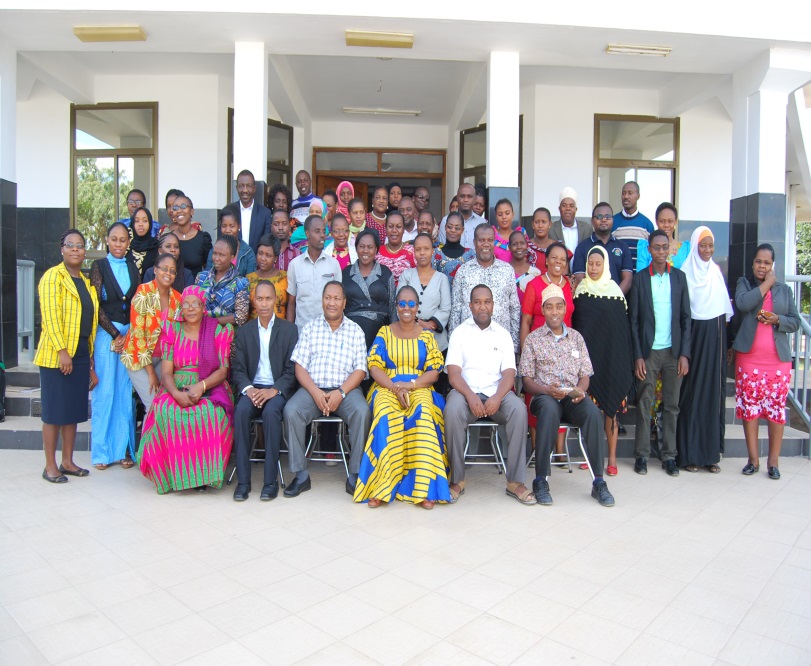
18-20 June 2018, Dodoma: A sentinel surveillance system is used when high-quality data are needed about a particular disease that cannot be obtained through a passive system.Data collected in a well-designed sentinel system can be used to signal trends, identify outbreaks and monitor the burden of disease in a community, providing a rapid, economical alternative to other surveillance methods.
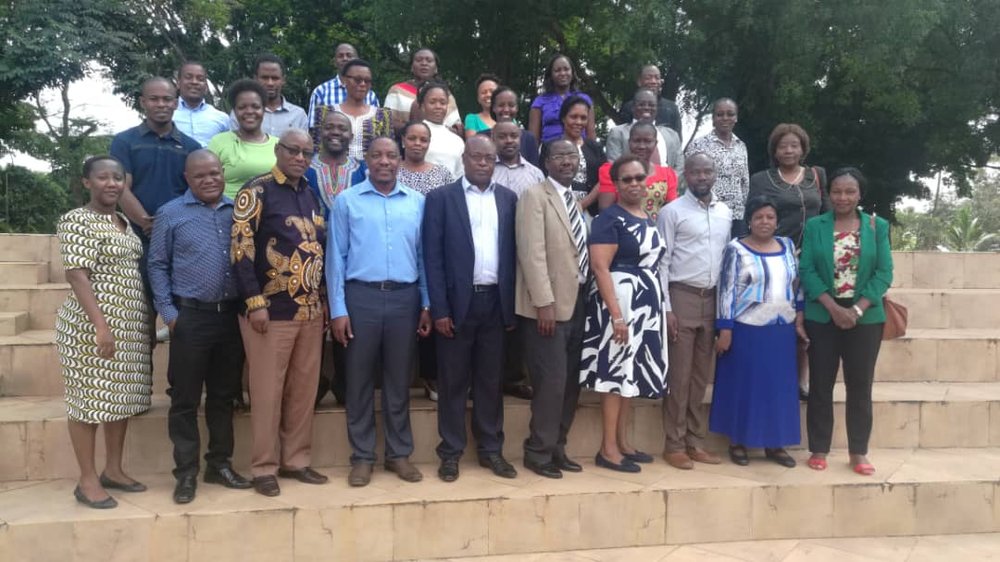
Training journalists on road safety reporting
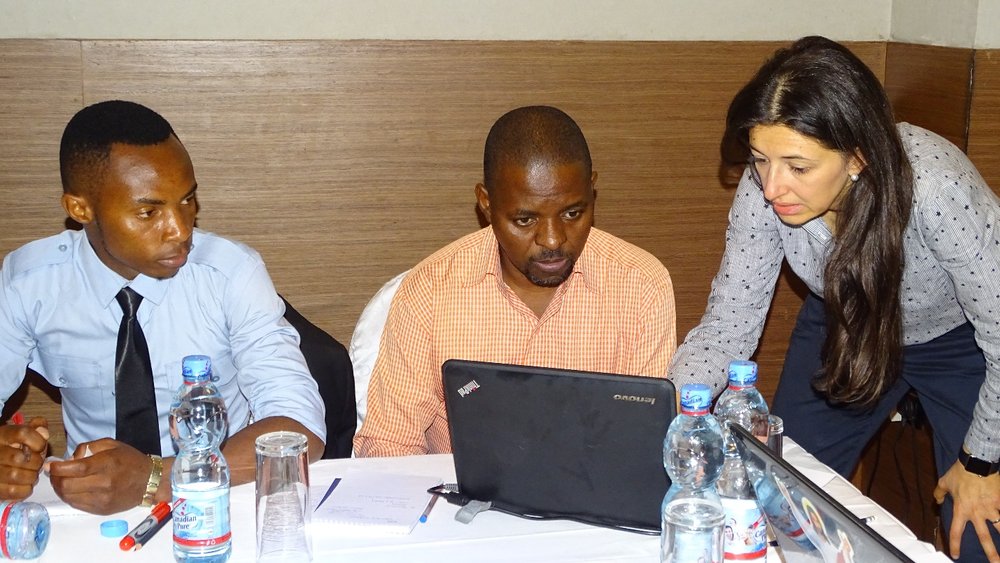
29 May 2018, Dar es Salaam: The 2015 World Health Organization’s Global Status Report on Road Safety reveals that around 1.2 million are killed and 50 million are injured in road crashes.Most deaths occur in LMICs (Low income and middle-income countries) like the Tanzania.
WHO prepositions medical kits to support disaster risk management in Gedeo Zone of Ethiopia

WHO donates Emergency Reproductive Health Kits to the Ghana Health Service
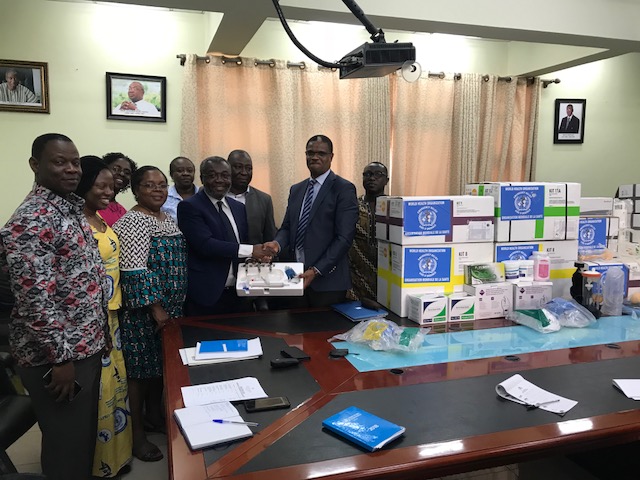
WHO Ghana has donated to the Ghana Health Service, Emergency Reproductive Health Kits (clean delivery kits). The kits are worth over GHS 800 000 and can service about 10 000 women for a period of three months.
In a brief handing over ceremony, the WHO Country Representative, Dr Owen Kaluwa mentioned that the emergency kits where originally prepositioned in Ghana for emergencies and have been in store for some time now. However, considering the lifespan of some of the items, permission has been granted by AFRO to hand over the kits to the Service.
Rising cases of sickle cell disease prompts calls for urgent action
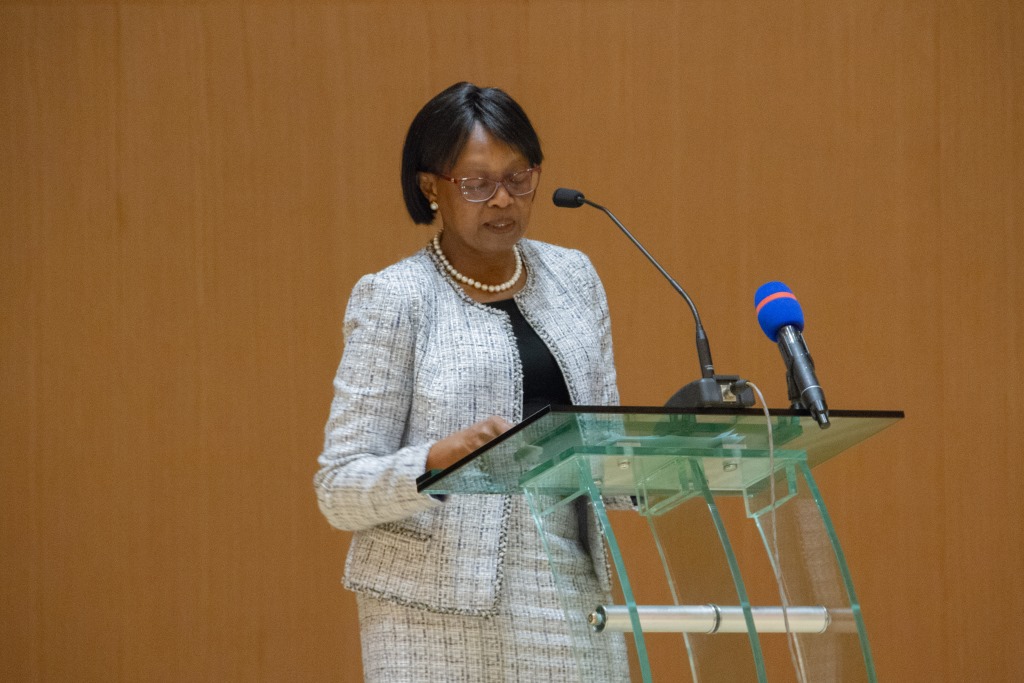
Brazzaville, 12 July 2018 - The WHO Regional Director for Africa Dr Matshidiso Moeti has called for more investment, stronger collaboration and partnerships to stem the tide of the rising cases of sickle cell disease in Africa. Dr Moeti was speaking at the opening ceremony of the Congress of the African Society of Hematology which opened today in Brazzaville, Congo.
“Our States alone, without the precious support of partners, will not be able to cope with information, communication, education, screening, case management and also basic research in this field.