Strengthening surveillance for Guinea worm disease in Northern Namibia
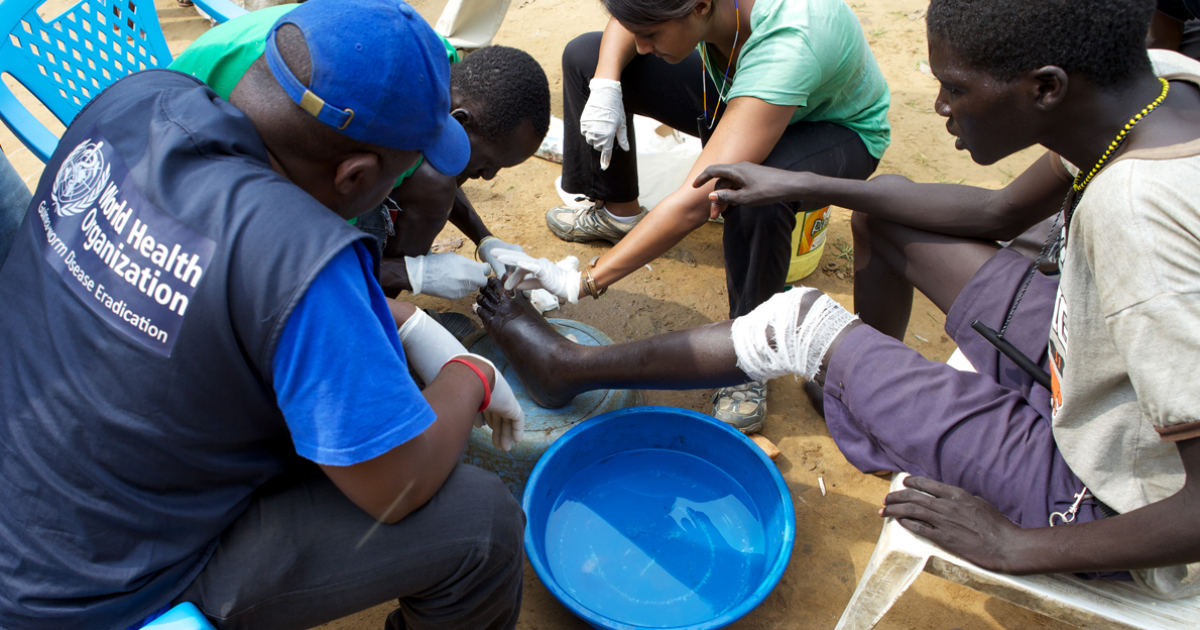
A case of Guinea worm disease (GWD) was confirmed in Angola in June 2018. The case, an eight-year girl, hails from the Cunene Province in Angola, which borders Ohangwena and Omusati Regions in Namibia. In response, Angolan authorities, with WHO support, carried out further case searches in three southern provinces of the country, including Cunene. During the exercise, a suspected case was detected who, at the time of her illness, had travelled to Engela in Ohangwena Region for a wedding and was treated at the Engela District Hospital.
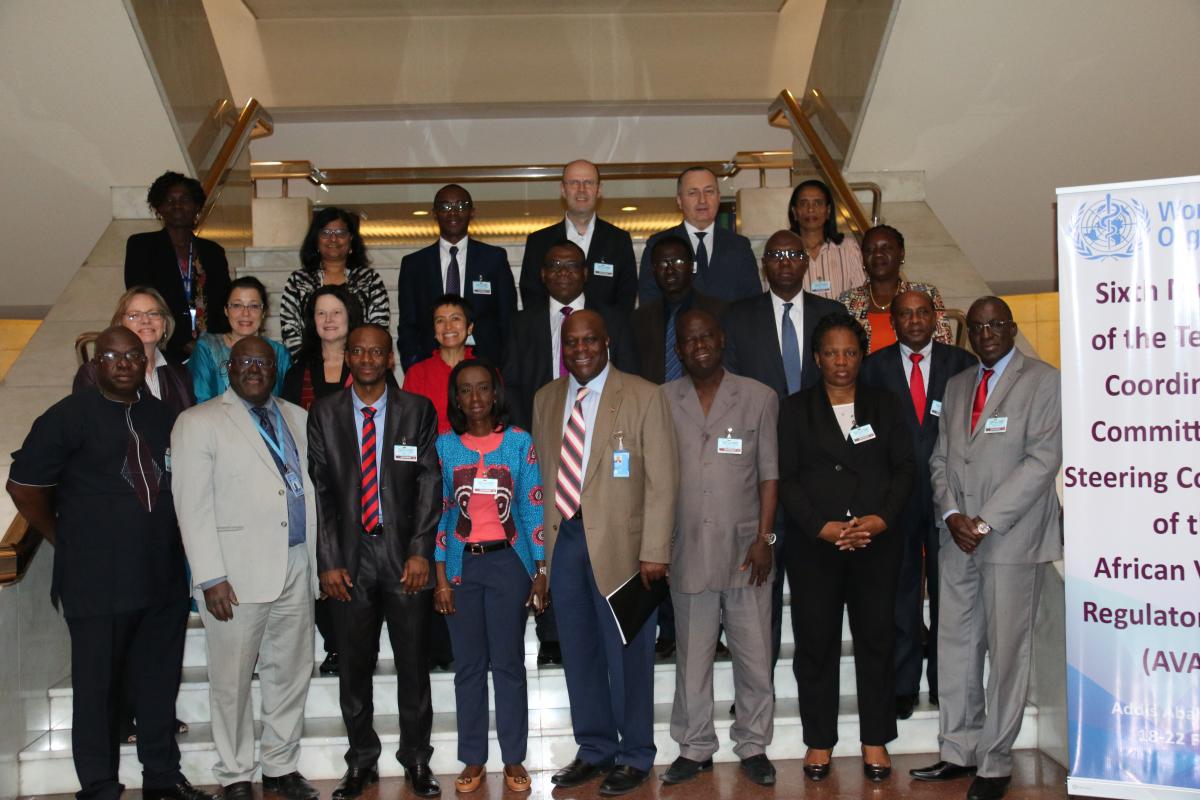
6th set of meetings of the African Vaccine Regulatory Forum (AVAREF): AVAREF broadened beyond vaccines to include medicines
Dr Moeti wraps up official visit to Cameroon
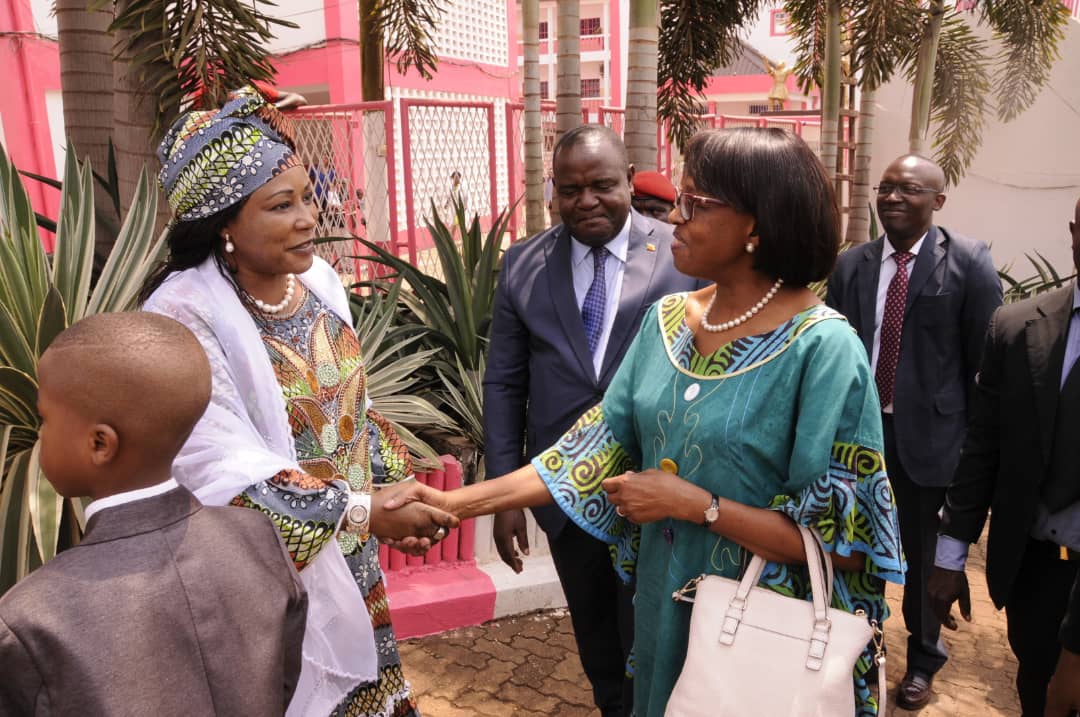
The WHO Regional Director for Africa, Dr Matshidiso Moeti leaves Yaounde this morning after wrapping up a three-day maiden visit to Cameroon. The visit took place from 21-23 February 2019.
Zambian Government commits to ending cholera by 2025
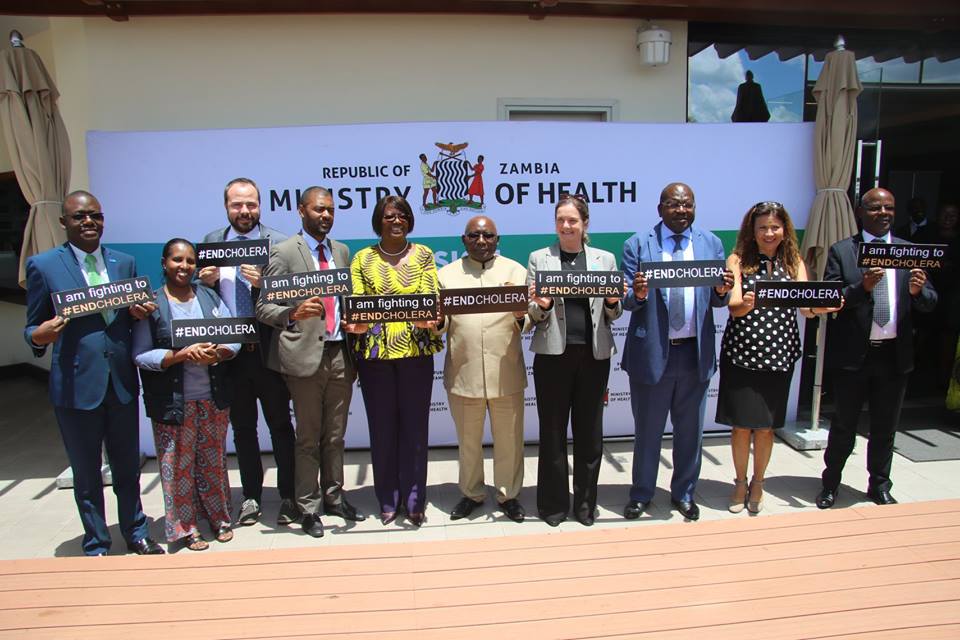
The Zambian government has committed itself to ending cholera by the year 2025 through the validation of the national multi-sectoral cholera elimination plan for the period 2019 to 2025. Four cabinet ministers signed a pledge of commitment to end cholera in the country at the closing ceremony of a workshop which was organized by the Ministry of Health to finalise and validate the cholera elimination plan. The multi-sectoral cholera elimination plan will be used to mobilise resources and guide the strategies and activities to be implemented in the country in order to eliminate cholera.
Community informants yield results in surveillance for suspected polio in hard-to-reach areas
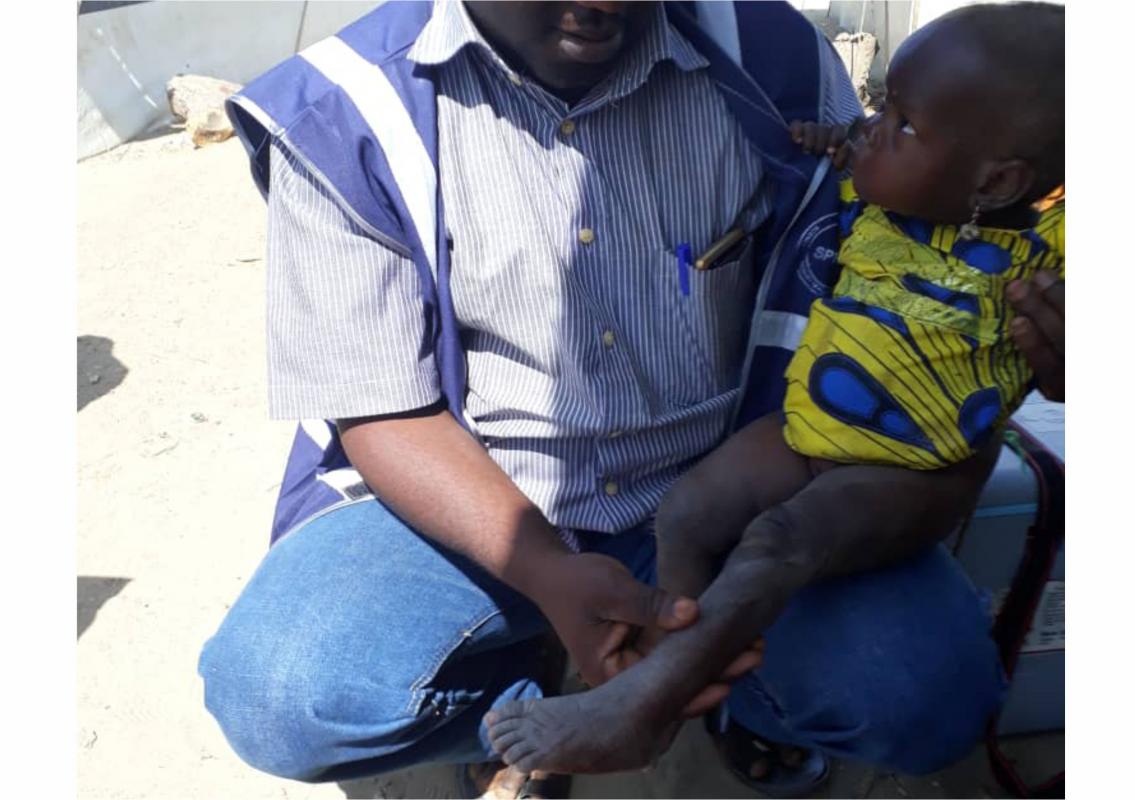
Abuja, 21 February 2019 - Engagement of community informants for Acute Flaccid Paralysis (AFP) surveillance has yielded positive impact in Borno State.
Kenya now eliminates maternal and neonatal tetanus
February 22, 2019
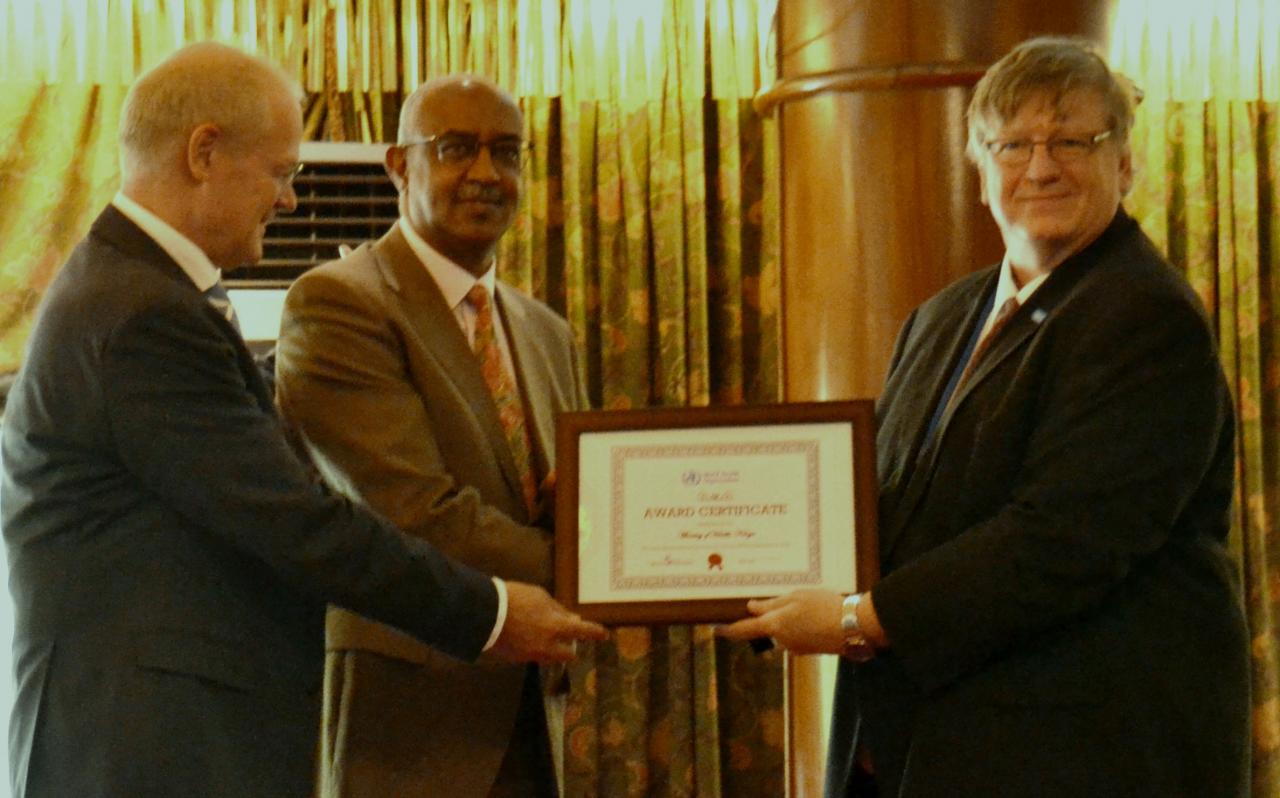
Kenya has attained maternal and neonatal tetanus elimination status, MNTE, following a successful WHO-led validation process in 2018 to confirm the elimination of the disease. The process was preceded by a pre-validation assessment in September 2017 done by the Ministry of Health with the support of WHO and UNICEF.
Elimination of maternal and neonatal tetanus (MNT) means a reduction of neonatal tetanus incidence to below one case per 1000 live births per year in every district (county).
WHO and Uganda Red Cross society sign agreement to strengthen Ebola screening at Points of Entry between Uganda and DRC
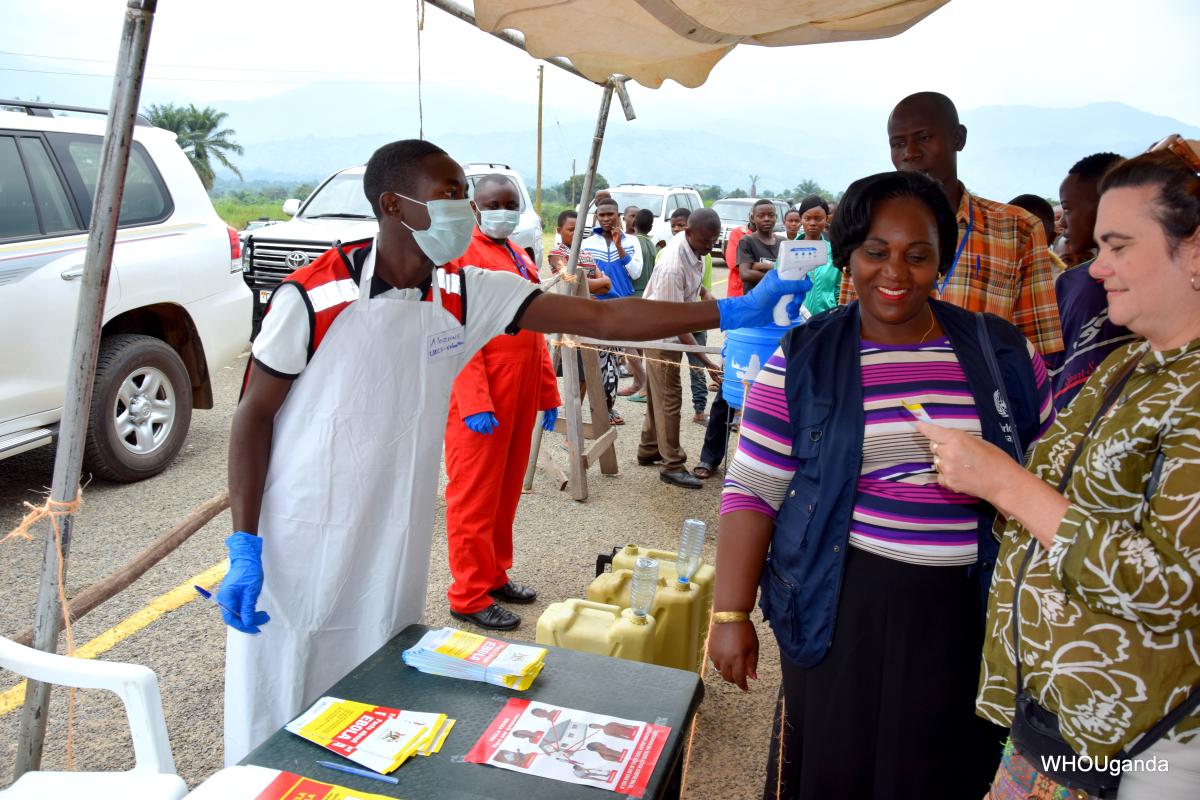
Kampala, 20 February 2019:- The World Health Organization (WHO) and the Uganda Red Cross Society (URCS) have today signed a partnership agreement to strengthen Ebola screening for travelers crossing boarders across Uganda and the Democratic Republic of the Congo (DRC) with an aim of saving lives.
Under the agreement, WHO with funding from DFID Uganda, will provide USD 161,662 to complement the Uganda Red Cross Society efforts to deploy man power to manage all the 25 mapped entry points at high risk.
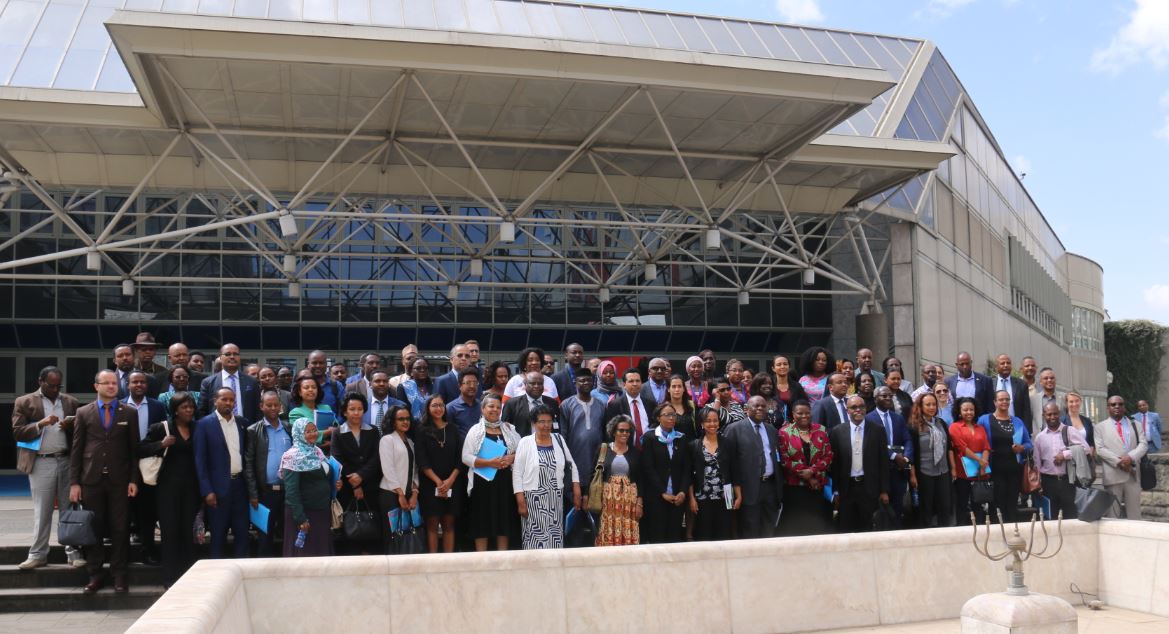
Dialogue to accelerate CSOs’ role on women’s health in Ethiopia
New Minister of Health recommits government to end Hepatitis E Outbreak
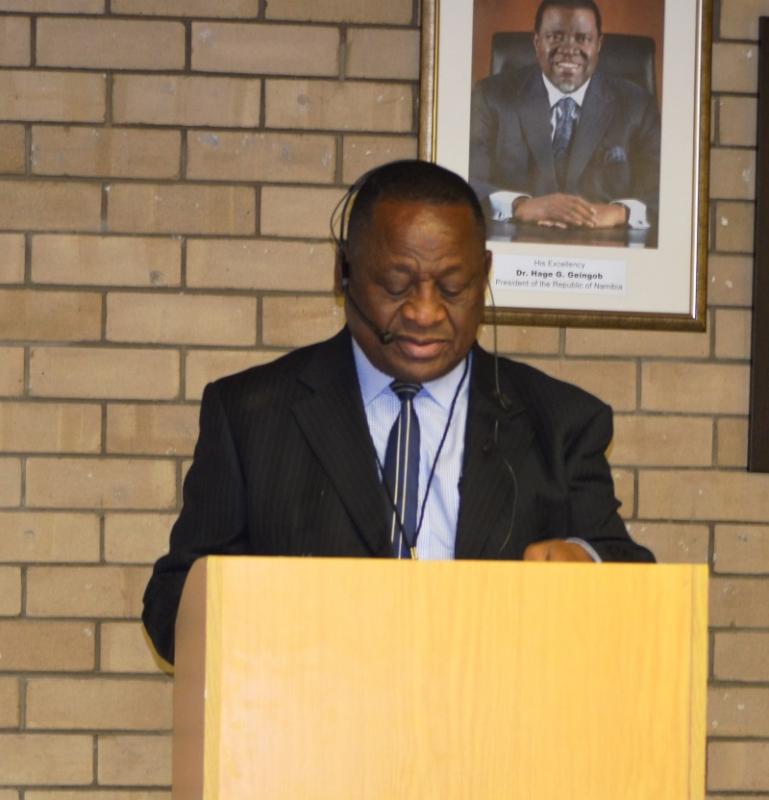
The Ministry of Health and Social Services has recommitted itself to ending the Hepatitis E Outbreak which has claimed 41 lives since December 2017. A National Health Emergency Management Committee was activated since confirmation of the outbreak and the Ministry has engaged partners and mobilized resources to respond to the outbreak. Despite these control measures, the disease persists and has now spread to more than 7 of the 14 regions of the country.
WHO provides lifesaving health care services to displaced populations and host communities in 22 locations in South Sudan
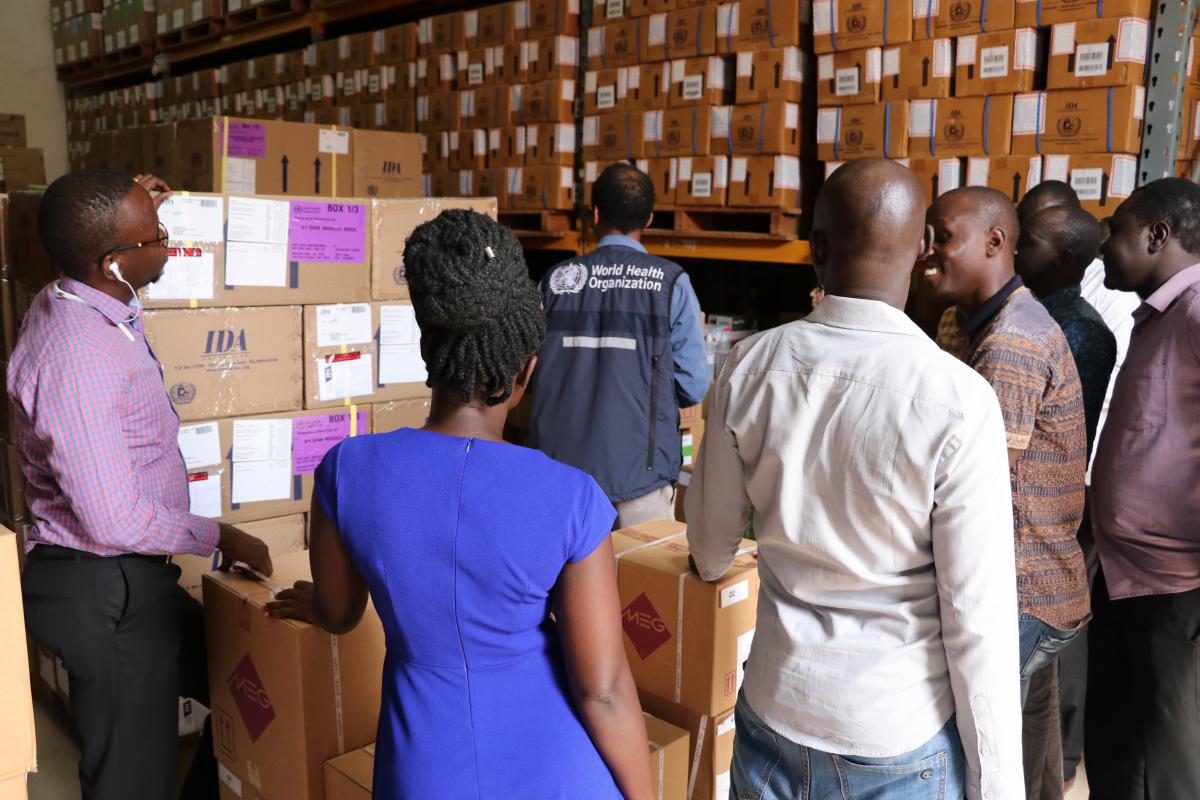
18 February 2019, Juba – To increase access and strengthen the capacity of emergency lifesaving health care services focusing on outbreak response for epidemic-prone and vaccine-preventable diseases, WHO has been procuring, storing and distributing medical emergency kits to support humanitarian response in South Sudan.