Over 26 million Children Reached with the Recent Integrated polio vaccination campaign
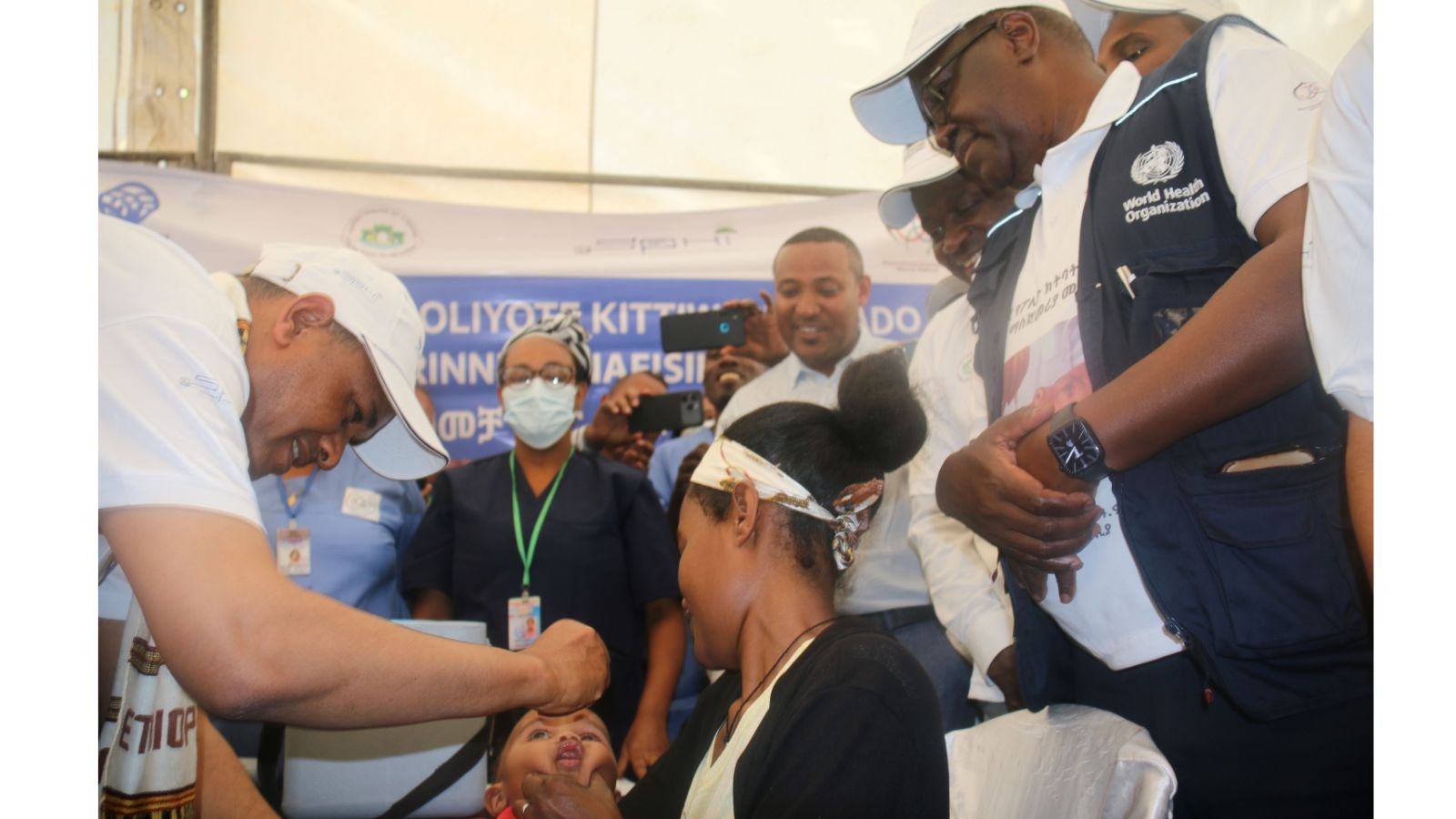
The fourth-round national polio vaccination campaign with type two novel Oral Polio Vaccine (nOPV2) marked a milestone reaching over 26 million children in all regions, while in 22 zones in seven regions in Amhara, Oromia, Somali, South Ethiopia, Harari, Dire Dawa and Afar regions co-administered with bivalent oral polio vaccine (bOPV).
WHO launches new global guidelines to create healthier school food environments
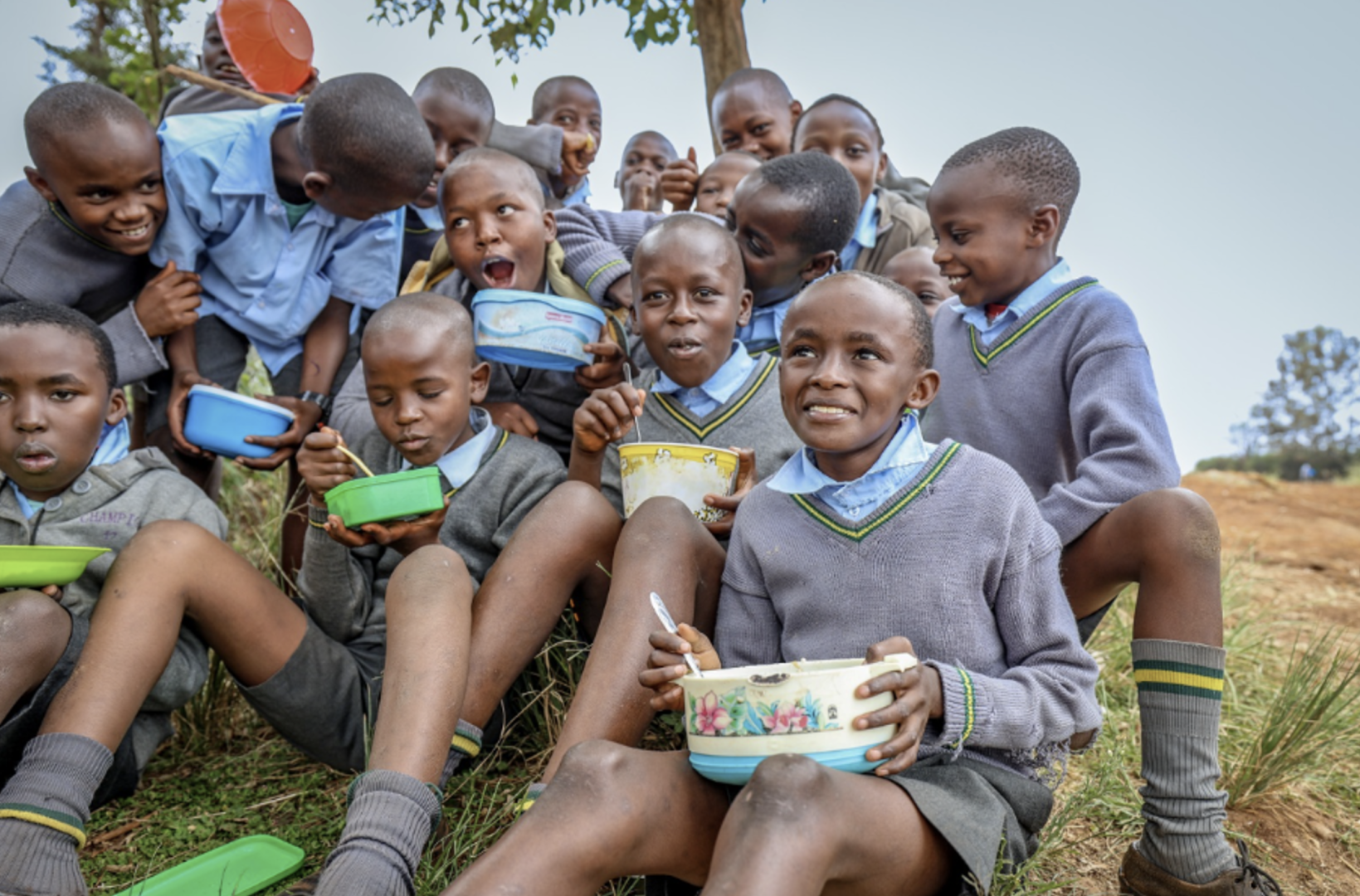
Nairobi—The World Health Organization (WHO) today launched the WHO Guidelines on Policies and Interventions to Create Healthy School Food Environments, providing countries with evidence-based recommendations to improve the quality, safety and nutritional value of foods and beverages provided, served or sold in schools.
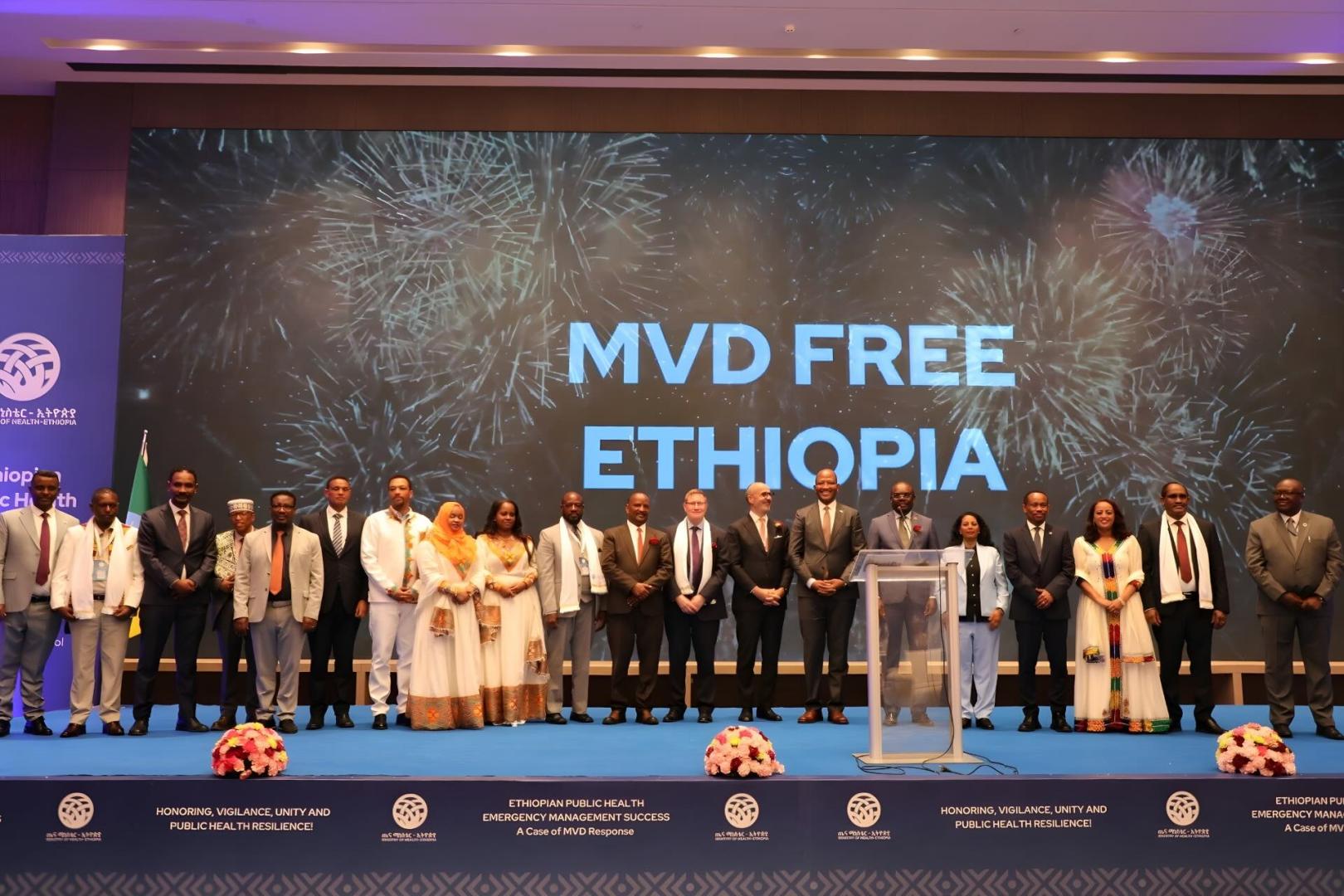
Ethiopia declares end of first-ever Marburg virus disease outbreak
WHO Regional Director for Africa to Visit Ghana for High-Level Health Engagements
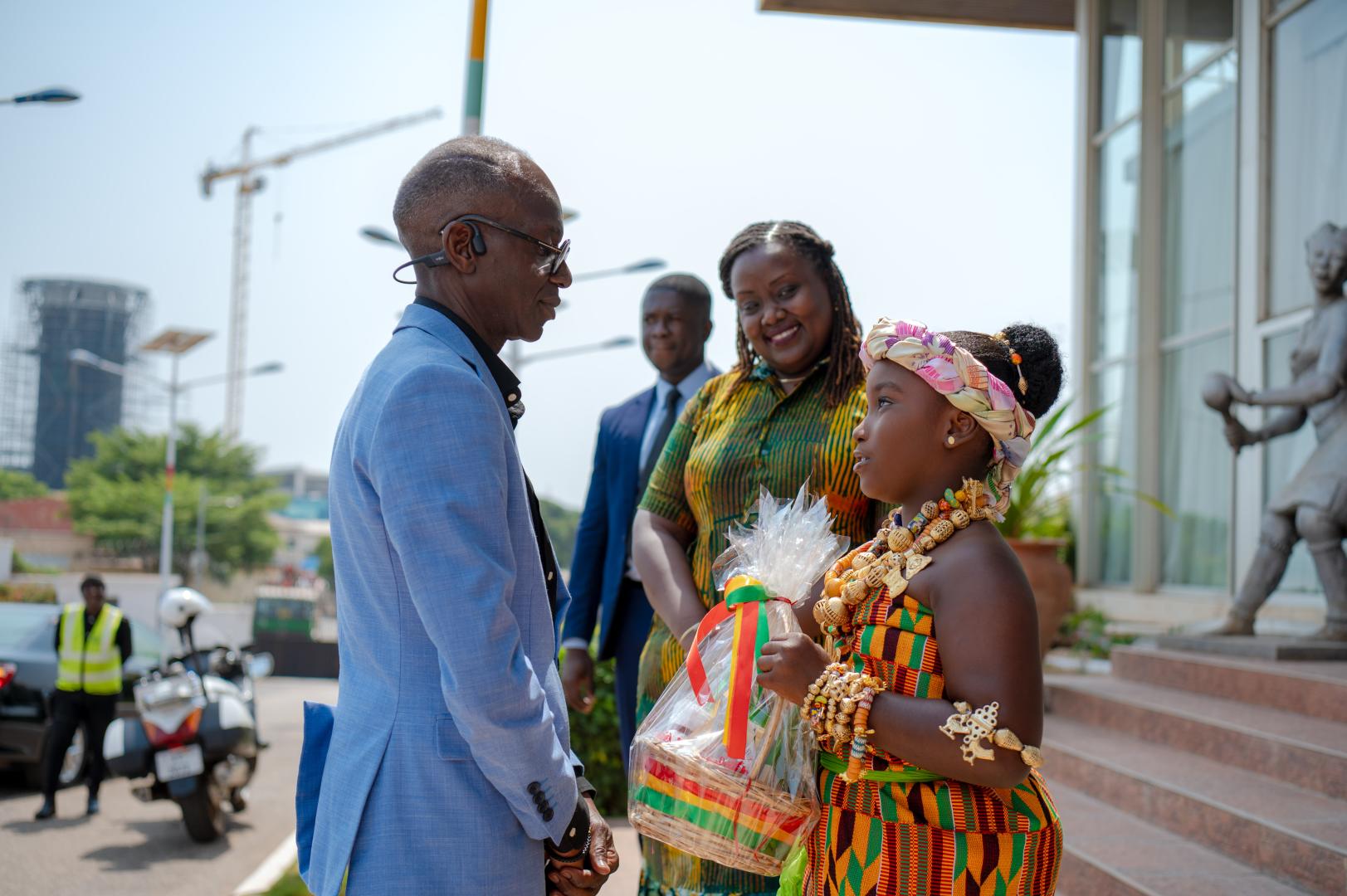
Accra, Ghana
The World Health Organization (WHO) Regional Director for Africa, Dr Mohammed Janabi, will undertake an official visit to Ghana from 26 to 27 January 2026 for a series of high-level engagements aimed at advancing Ghana’s health sector priorities and strengthening Africa’s health sovereignty agenda.
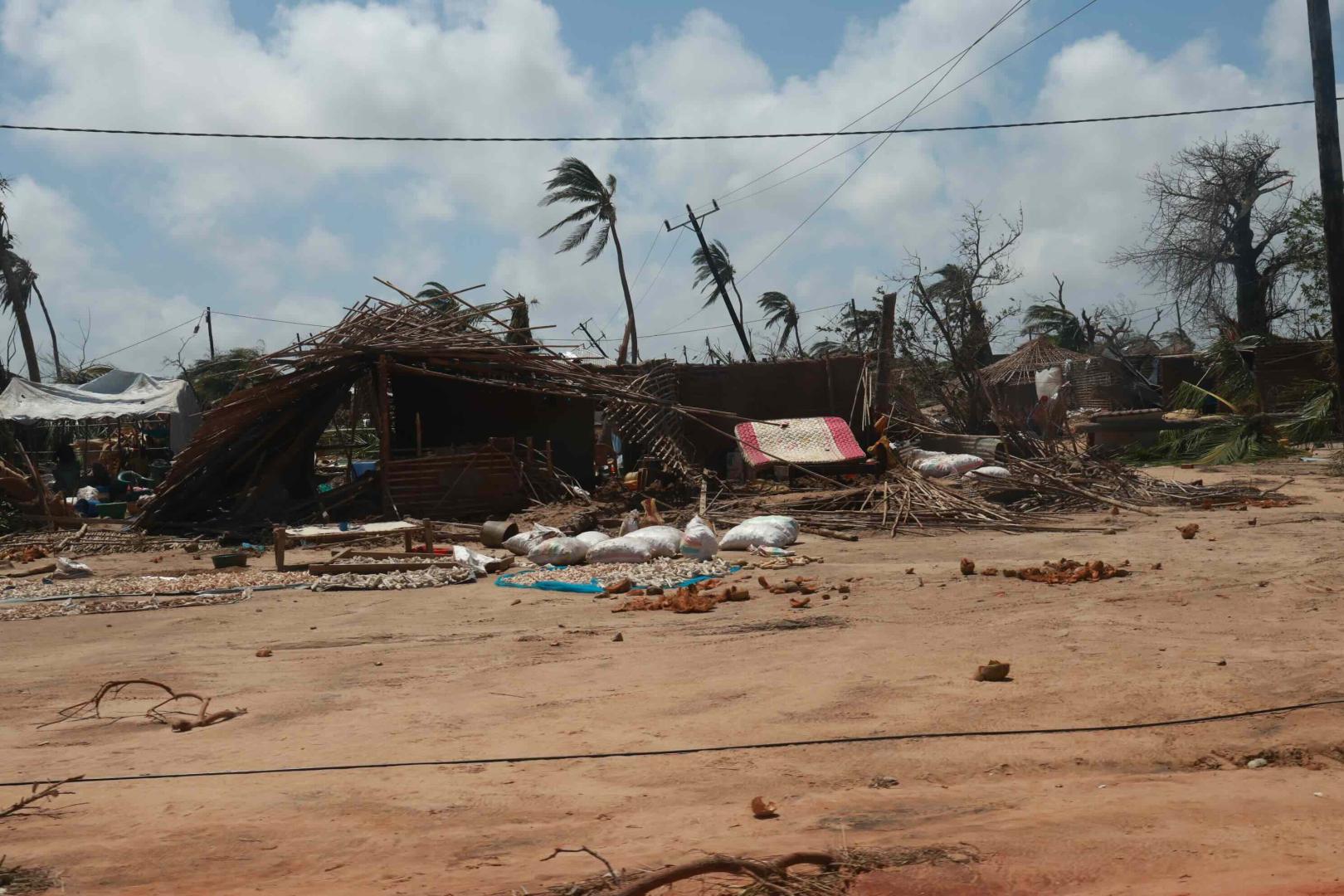
Around 1.3 million people affected by severe flooding in Southern Africa
Drought leaves over two million vulnerable to health and nutrition crises in Kenya
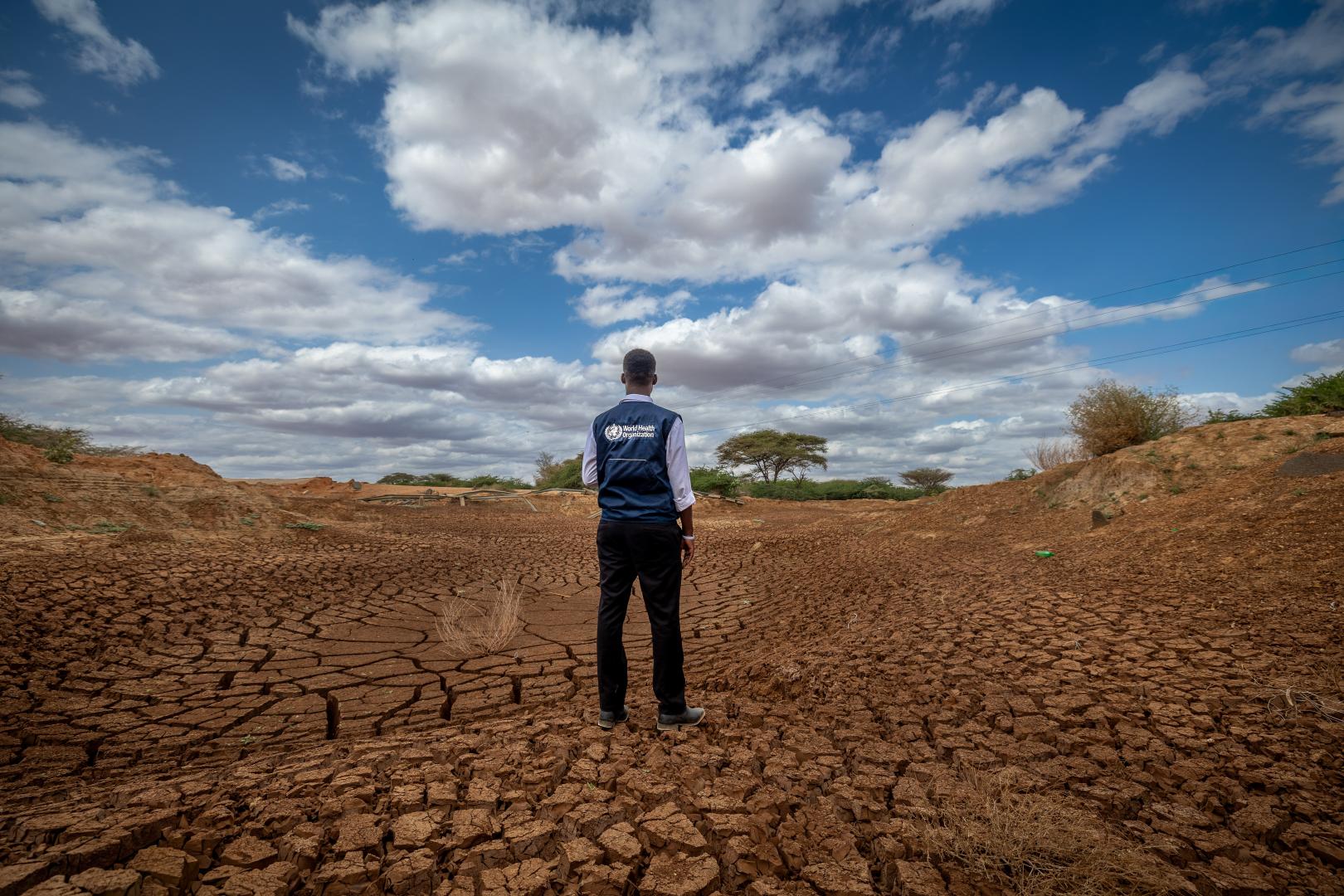
Nairobi—Over two million people across Kenya are facing worsening food insecurity following one of the driest October to December 2025 rainy seasons on record. The prolonged drought has led to rising rates of malnutrition, increased risk of disease outbreaks, and disrupted access to essential health services.
Tanzania strengthens oral health services through strategic partnership with WHO and WHO Collaborating Centres in Japan
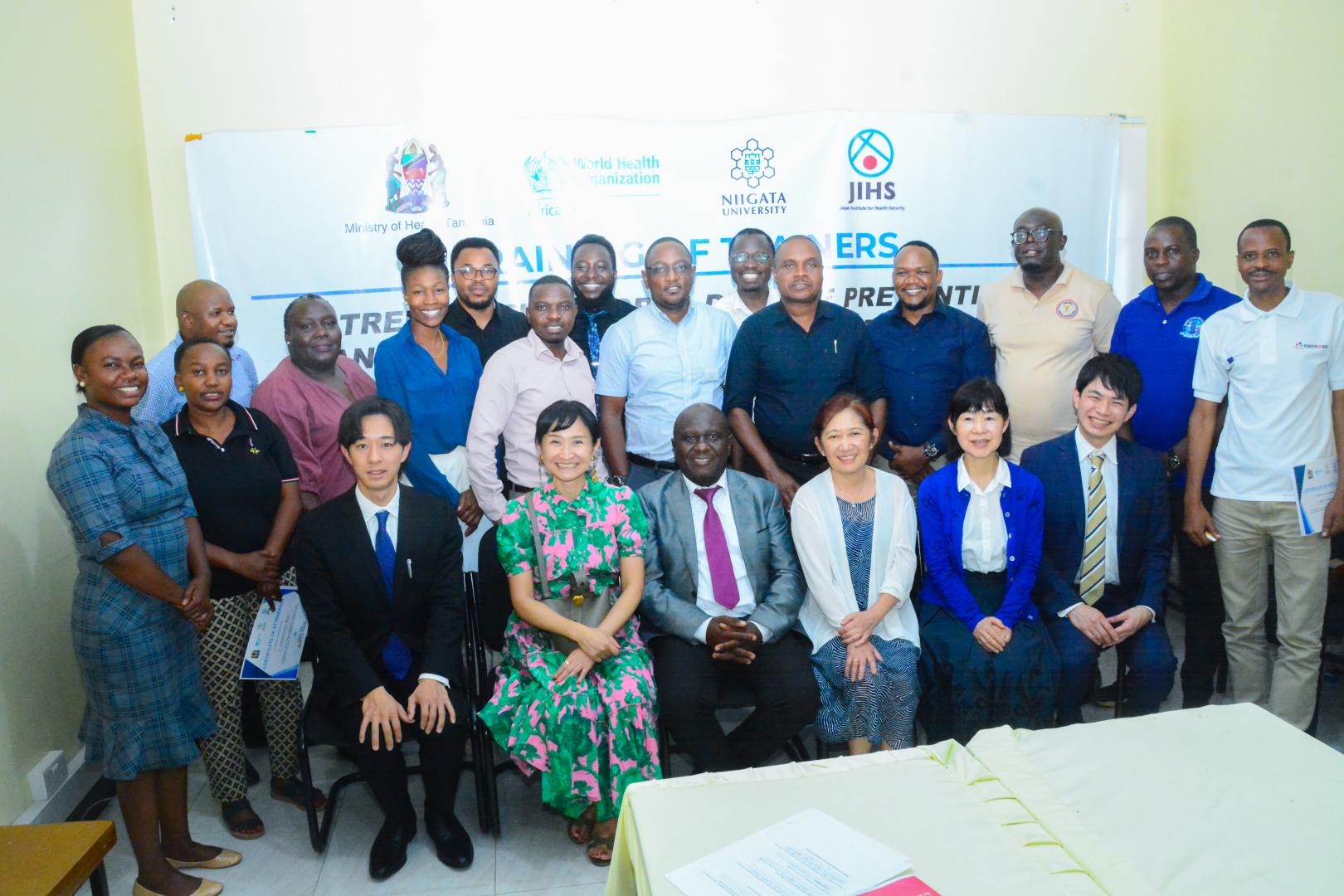
Dar es Salaam—More Tanzanians are gaining access to essential oral health services, which is bringing the country closer to its goal of 45% oral health service coverage by 2030 and strengthening Universal Health Coverage (UHC) at the primary care level.
Kenya launches national cervical cancer elimination action plan 2026–2030
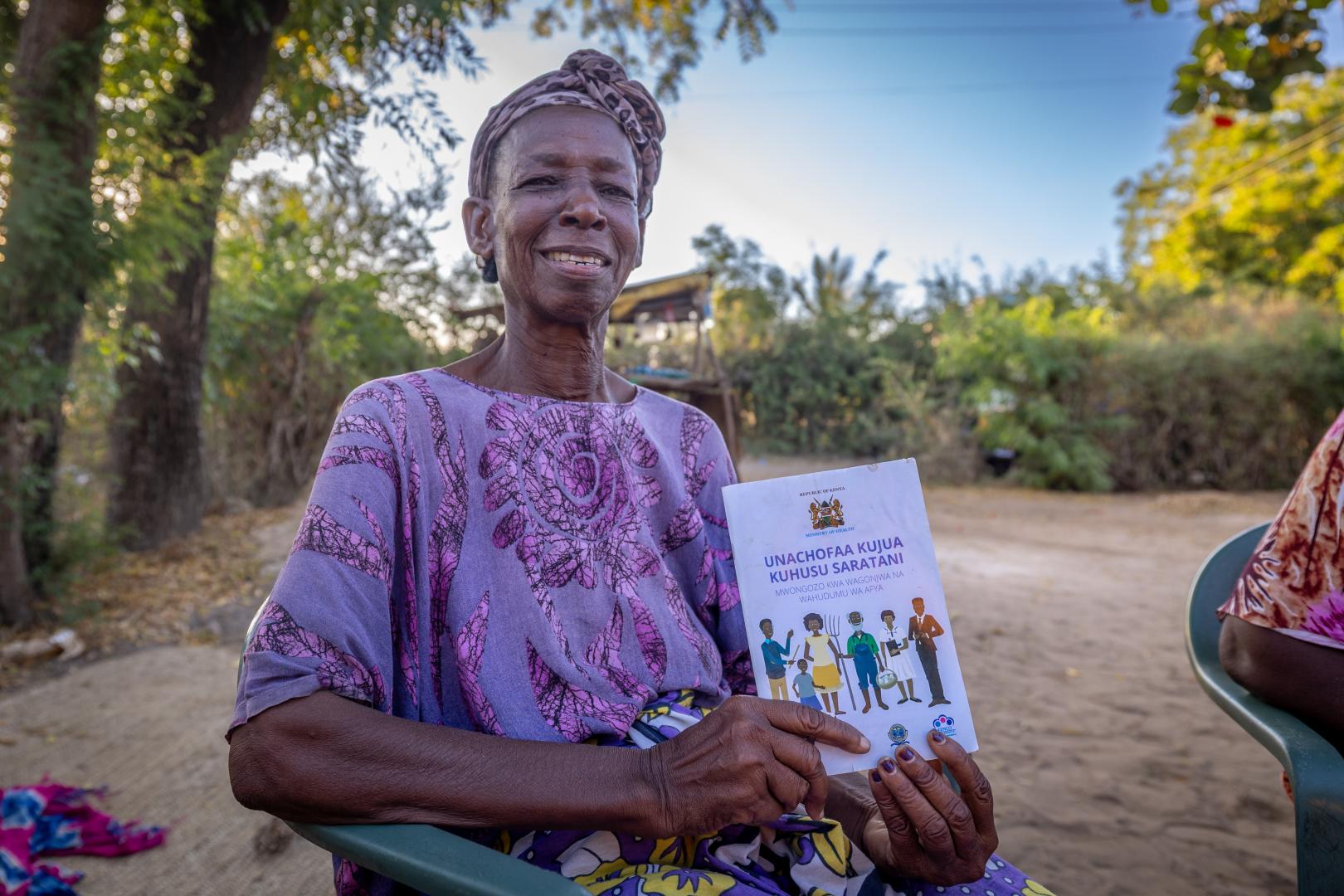
Nairobi—The Government of Kenya has launched the National Cervical Cancer Elimination Action Plan 2026-2030, a five-year strategy developed with support from the World Health Organization (WHO) to accelerate the prevention, early detection and treatment of cervical cancer.
Angola strengthens its preparedness for public health emergencies with the inauguration of the Public Health Emergency Operations Center (PHEOC)
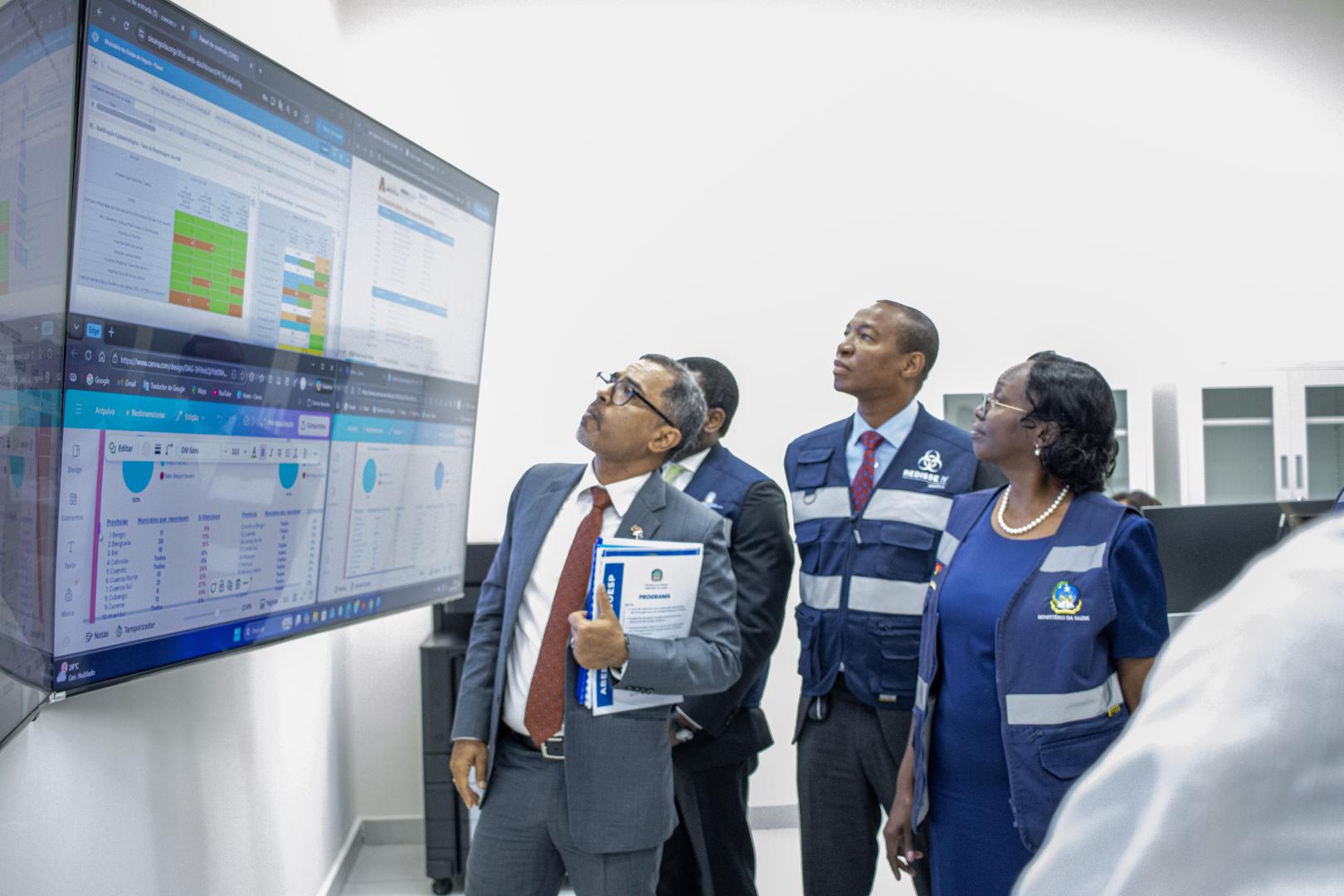
In 2025, the public health system in Angola was put under severe pressure due to public health emergencies, such as the cholera outbreak that affected the country, exposing structural vulnerabilities while also creating momentum for critical reforms and strategic investments.
Effective Implementation of Tobacco Control Proclamations Requires Robust Enforcement and Strong Multisectoral Collaboration
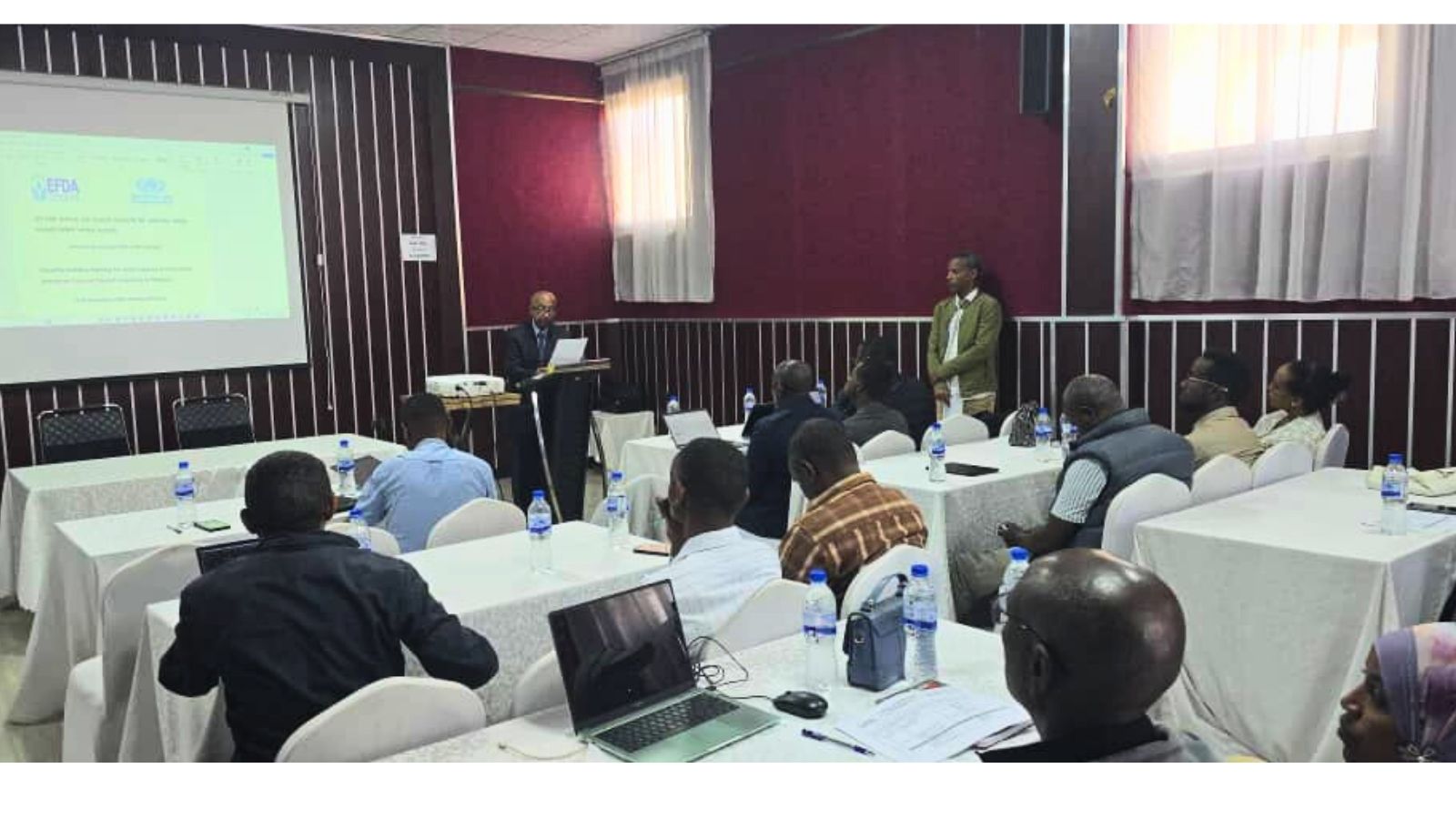
Ethiopia is accelerating the implementation of its Tobacco Control Proclamation through strengthened enforcement systems and coordinated multisectoral action, with the World Health Organization (WHO) Ethiopia Country Office playing a central role in translating policy into practice and supporting national institutions to protect communities from the harms of tobacco use.