Dr Kimambo welcomed as new acting Country Representative to Kenya
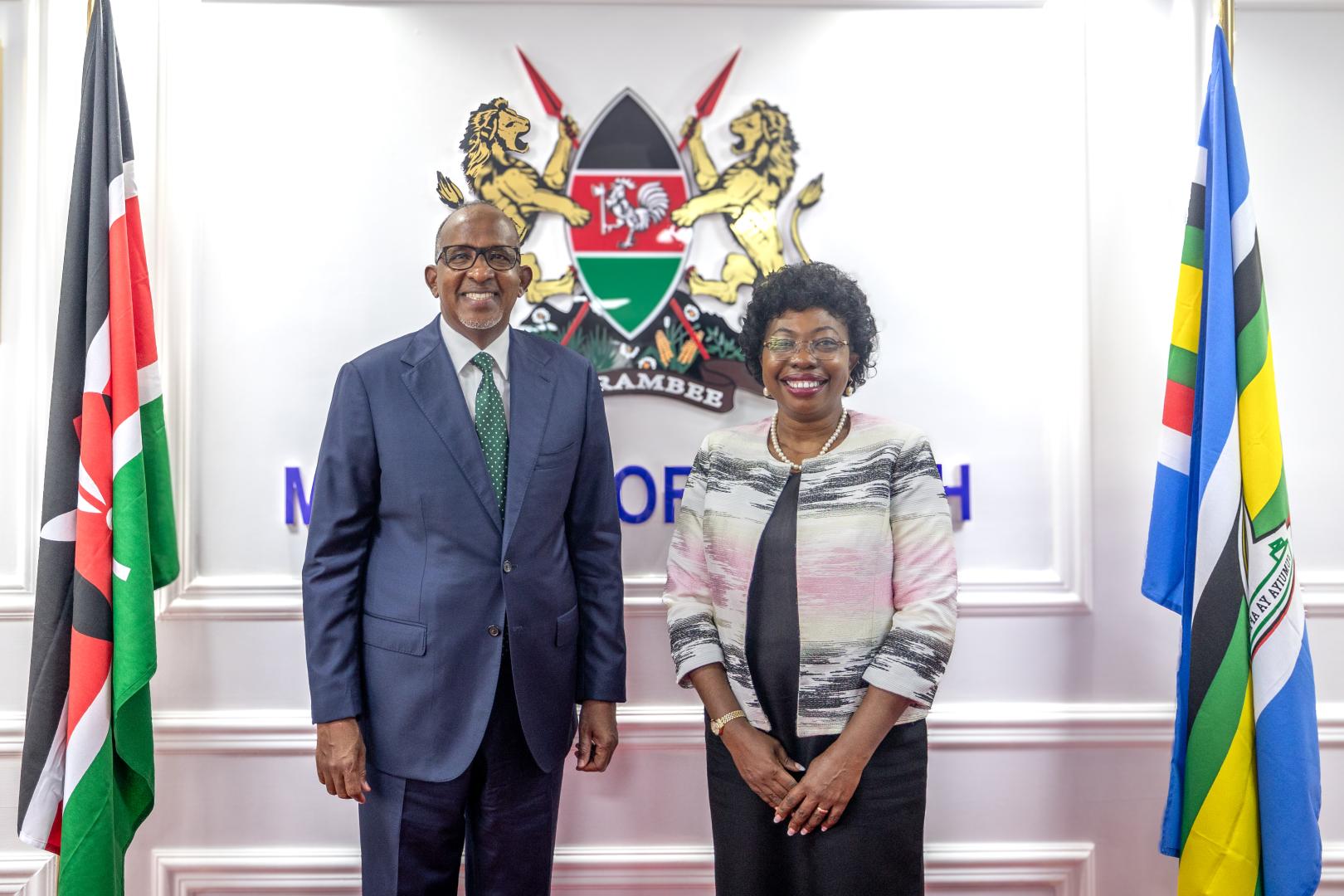
Nairobi—Dr Neema Rusibamayila Kimambo, the new acting WHO Representative to Kenya, held her first official meeting with Cabinet Secretary for Health Honourable Aden Duale on 4 February 2026. The meeting set the agenda for 2026 and reaffirmed WHO's commitment to supporting the Ministry of Health.
Protecting communities and containing cholera: results and lessons from a CERF funded response in Amhara Region
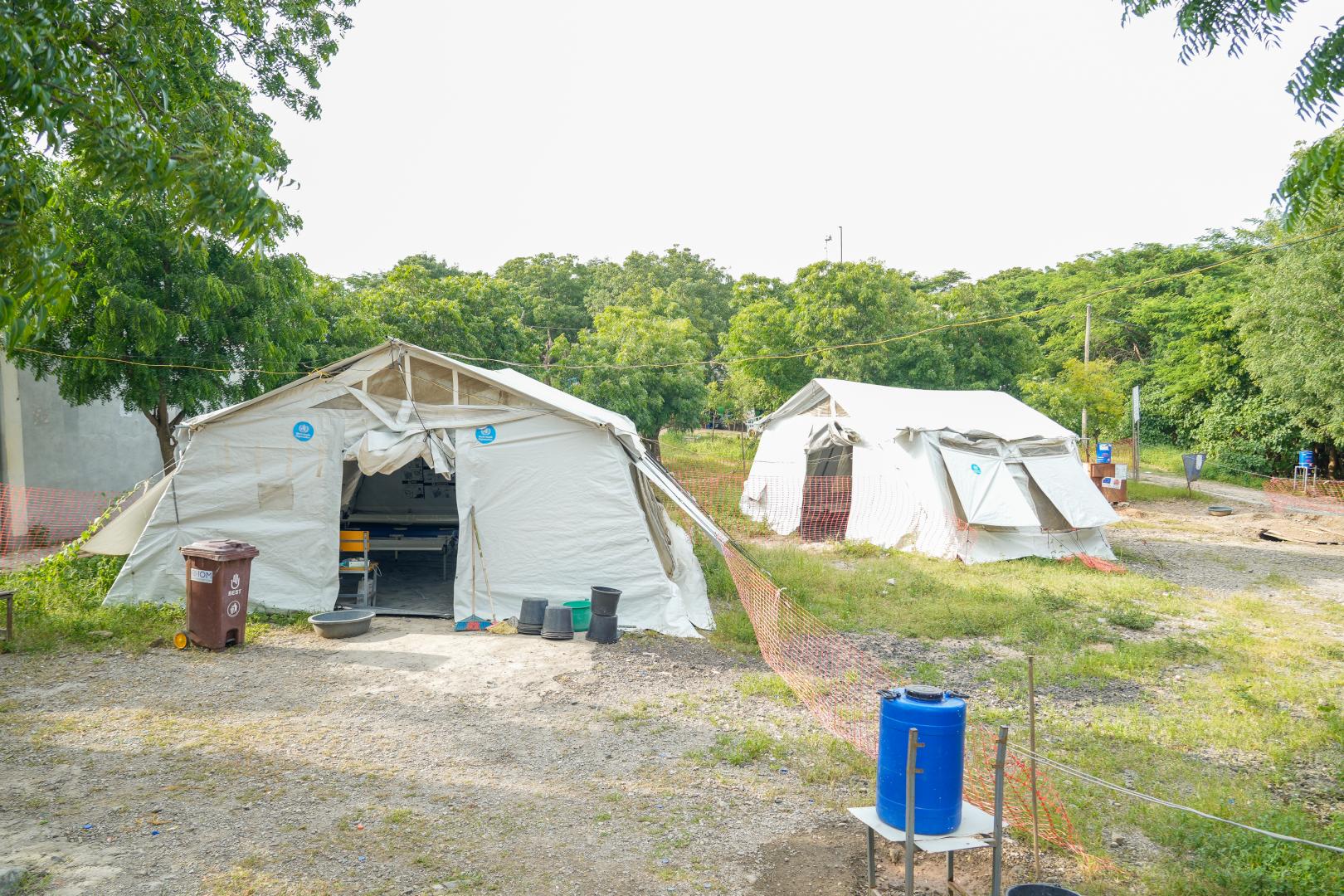
Ethiopia’s Amhara Region face public health challenges driven by recurrent disease outbreaks, conflict-related displacement, and limited access to safe water and sanitation. Among the most critical emergencies in recent years has been cholera, an acute diarrhoeal disease linked to unsafe water and poor hygiene practices.
Angola marks World Neglected Tropical Diseases Day with structural advances in the national response

On Thursday, January 30, Angola marked World Neglected Tropical Diseases Day (NTDs), celebrated annually under the theme “Unite, Act, Eliminate,” with an event that marks a significant advance in the national response to these diseases, in line with the World Health Organization (WHO) Global Strategy for NTDs 2021-2030.
Empowering Local Health Systems for Sustainable Impact: Inside Uganda's Push to Strengthen District Health Leadership

Across the winding corridors of district health offices in Uganda, a quiet but profound transformation is taking place. It is not marked by grand announcements or sweeping reforms, but by the steady, deliberate strengthening of the systems that keep communities healthy.
Guided by the World Health Organization's District Health Management Team (DHM), district teams are steadily redefining what it means to deliver resilient, people-centered healthcare, one dataset, one mentorship session, and one emergency response at a time.
Empowering Local Health Systems for Sustainable Impact: Inside Uganda's Push to Strengthen District Health Leadership
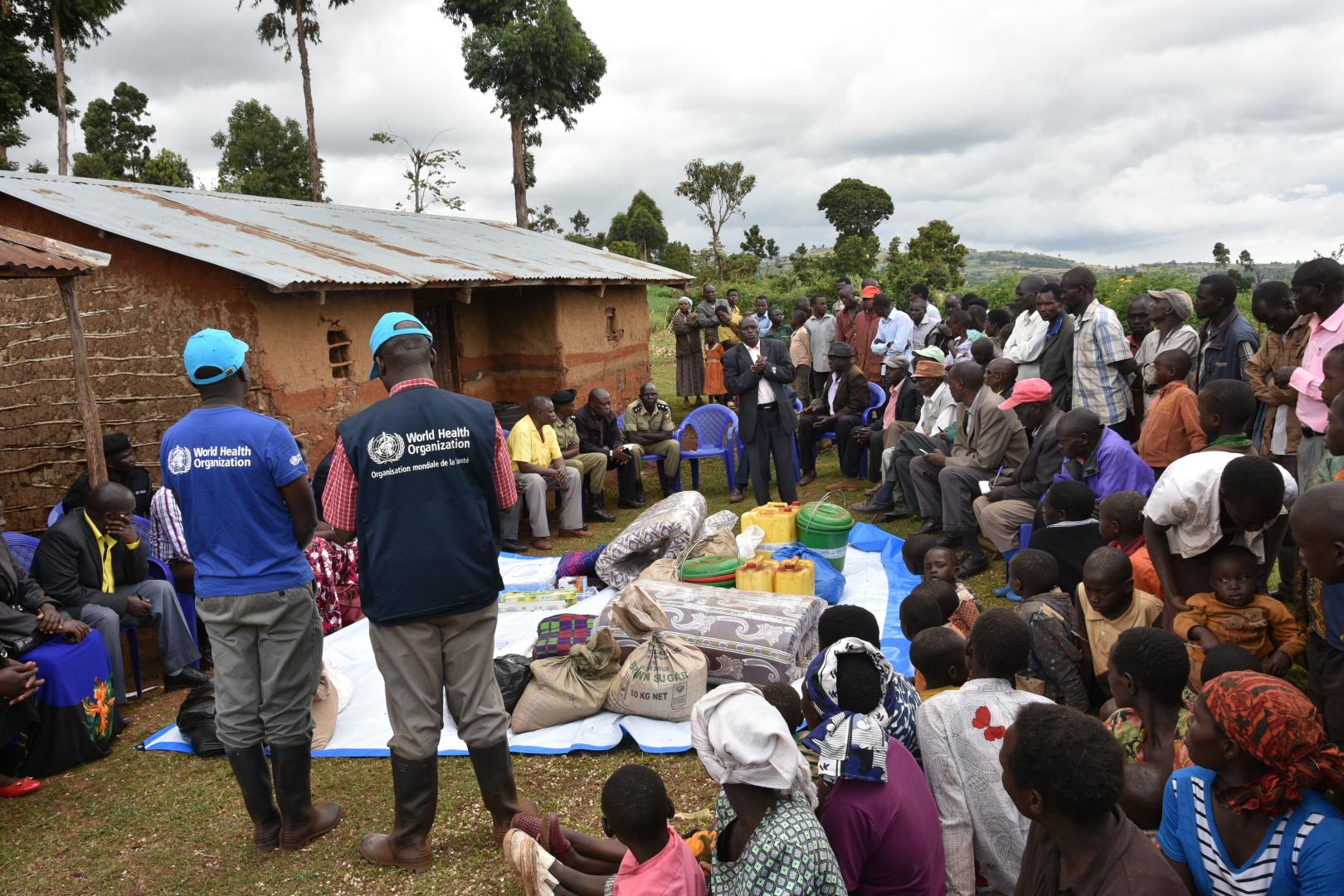
Across the winding corridors of district health offices in Uganda, a quiet but profound transformation is taking place. It is not marked by grand announcements or sweeping reforms, but by the steady, deliberate strengthening of the systems that keep communities healthy.
Turning Plans into Protection: Improving Capacity for Better Leprosy Case Management and Mass Drug Administration in Limpopo Province of South Africa
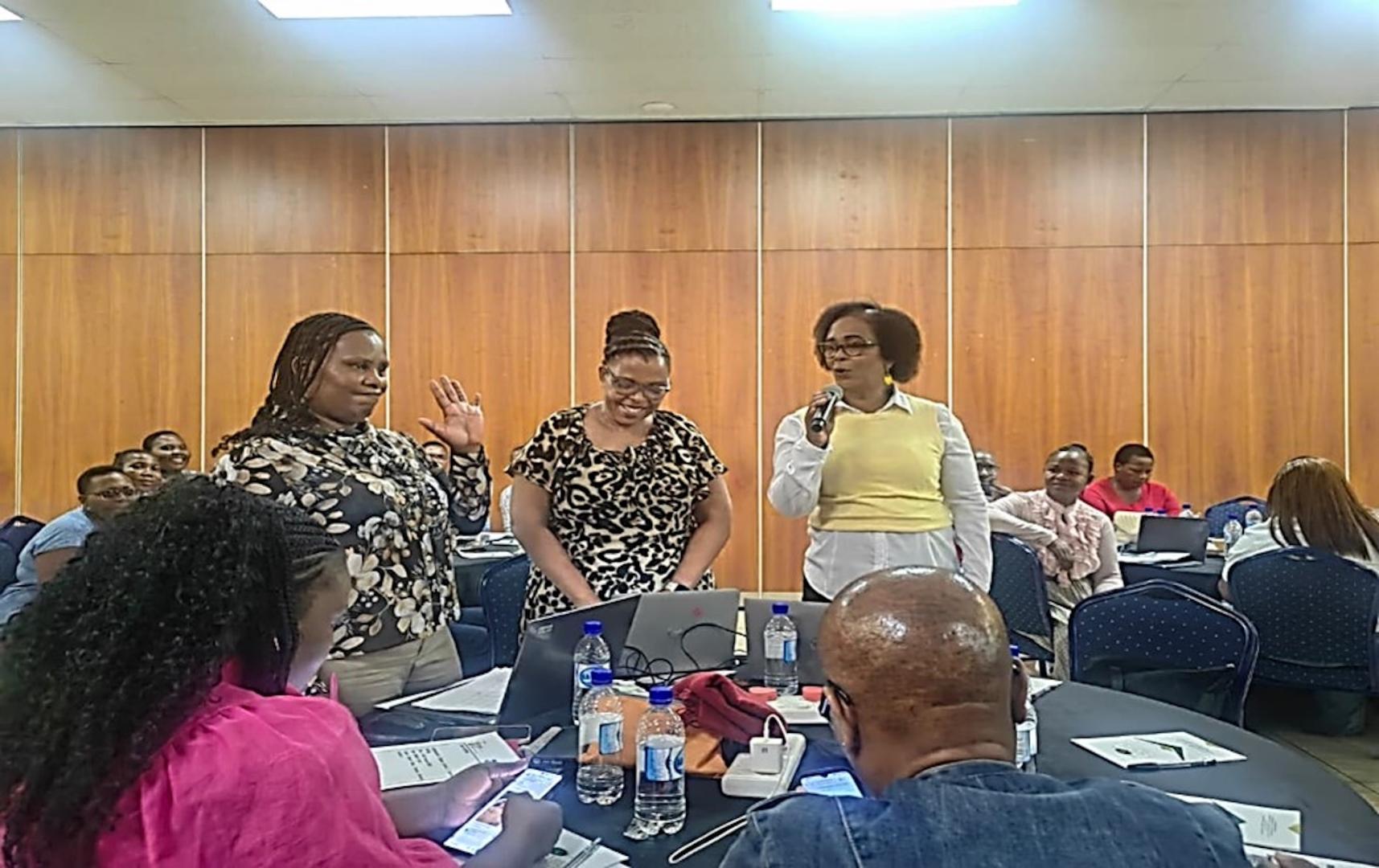
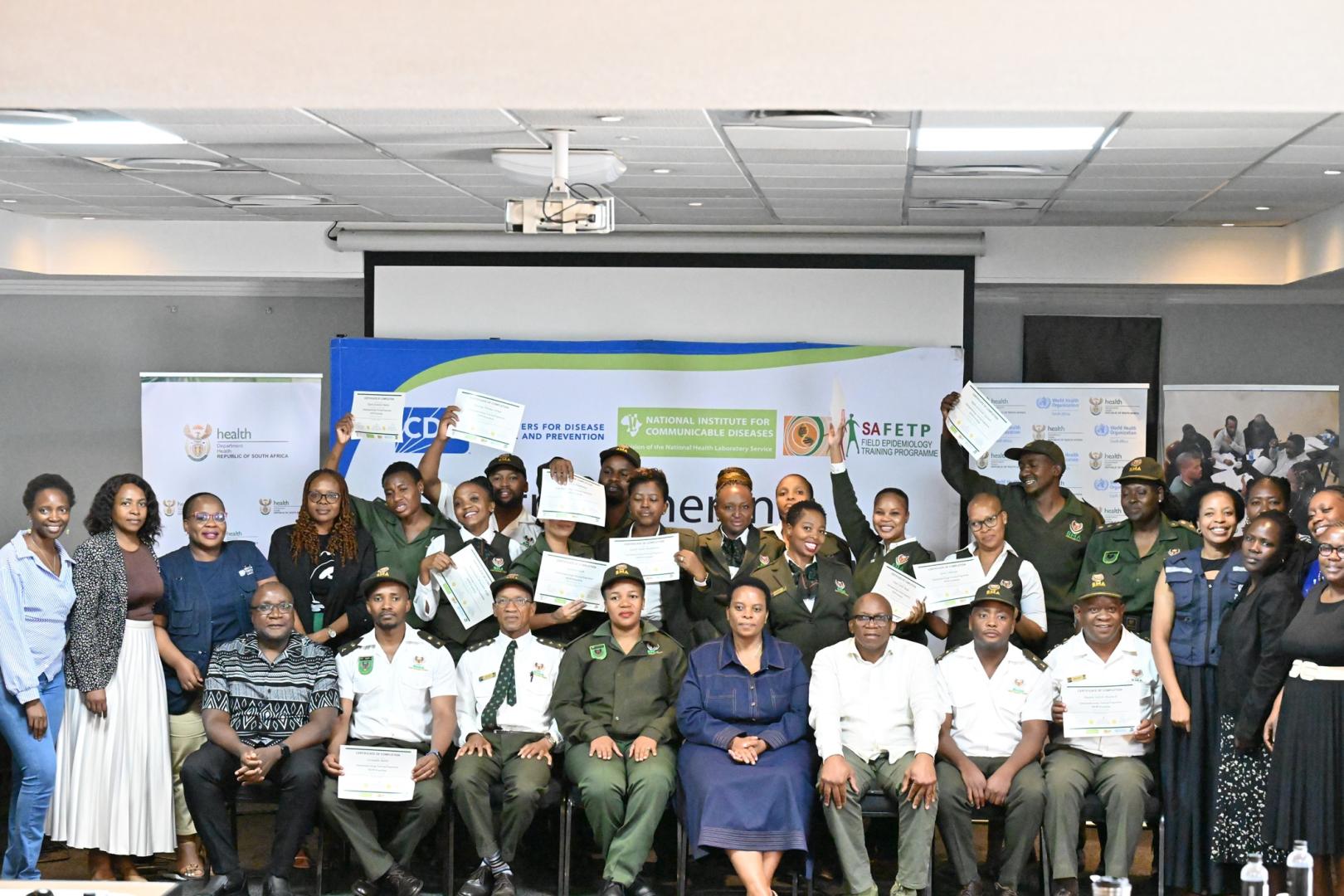
Strengthening Public Health Security at South Africa’s Borders: First Frontline FETP Cohort Graduates
Neglected Tropical Diseases: an urgent challenge for Angola's health and development
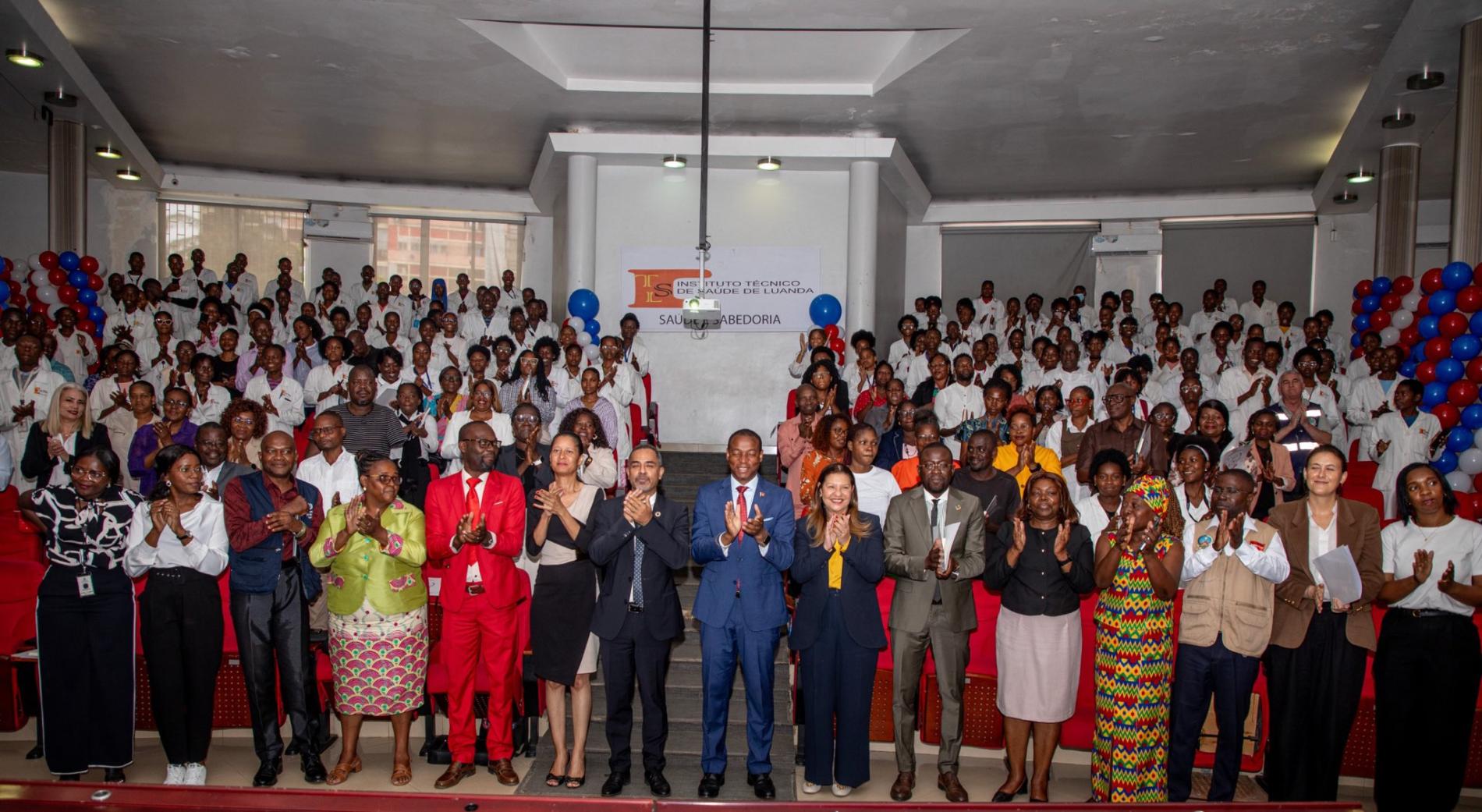
By: Dr. Nzuzi Katondi, WHO Neglected Tropical Diseases Officer in Angola
World Neglected Tropical Diseases Day (NTD), marked every year on January 30, is an opportunity to reflect on a public health problem that continues to affect millions of people around the world and thousands of Angolans, especially in the most vulnerable communities.
World Neglected Tropical Diseases Day 2026
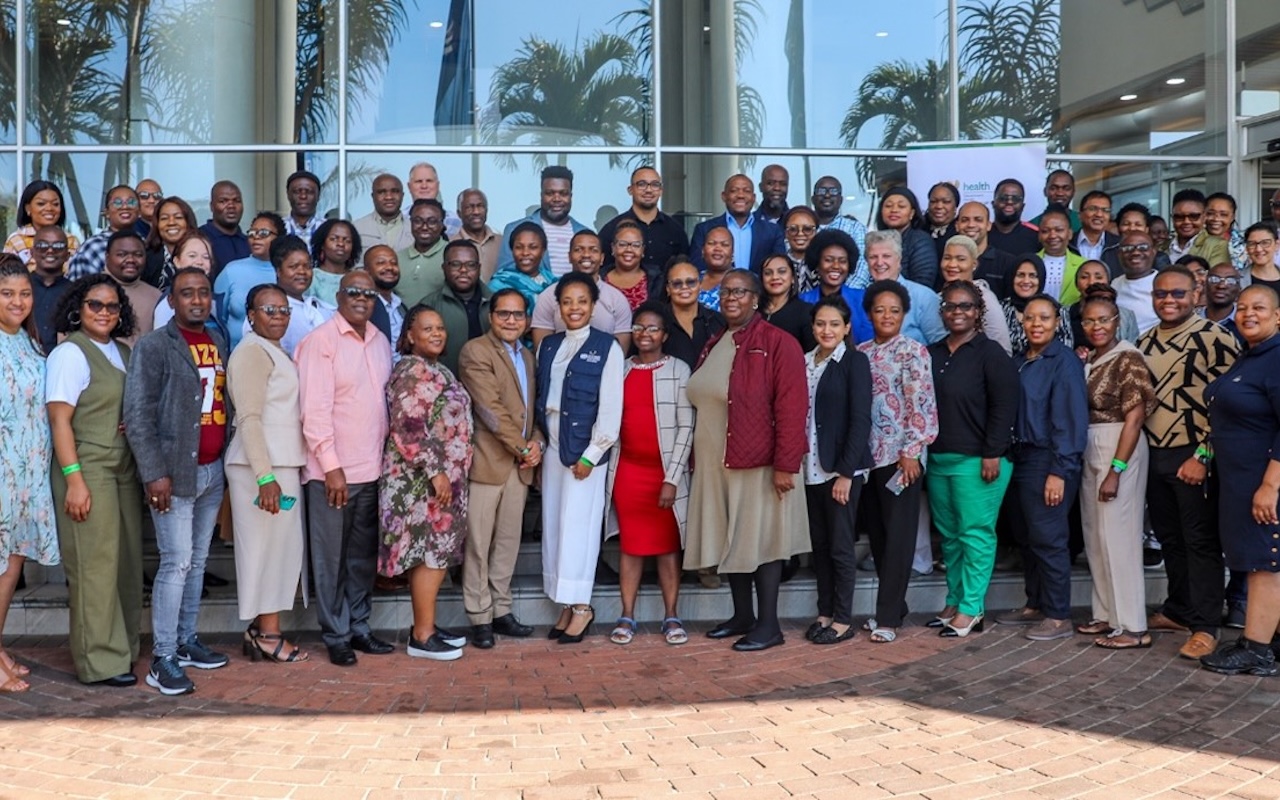
Pretoria—World Neglected Tropical Diseases (NTD) Day provides an important opportunity to reaffirm our collective commitment to ending diseases that continue to affect the most vulnerable and marginalized communities. NTD are preventable, treatable and, in many cases, entirely eliminable. Yet globally they still affect more than one billion people, imposing an unacceptable burden of illness, disability, stigma and lost opportunity.
Nigeria accelerates measles–rubella elimination with second phase campaign in the South