Breaking barriers, building bridges for Basotho living with epilepsy
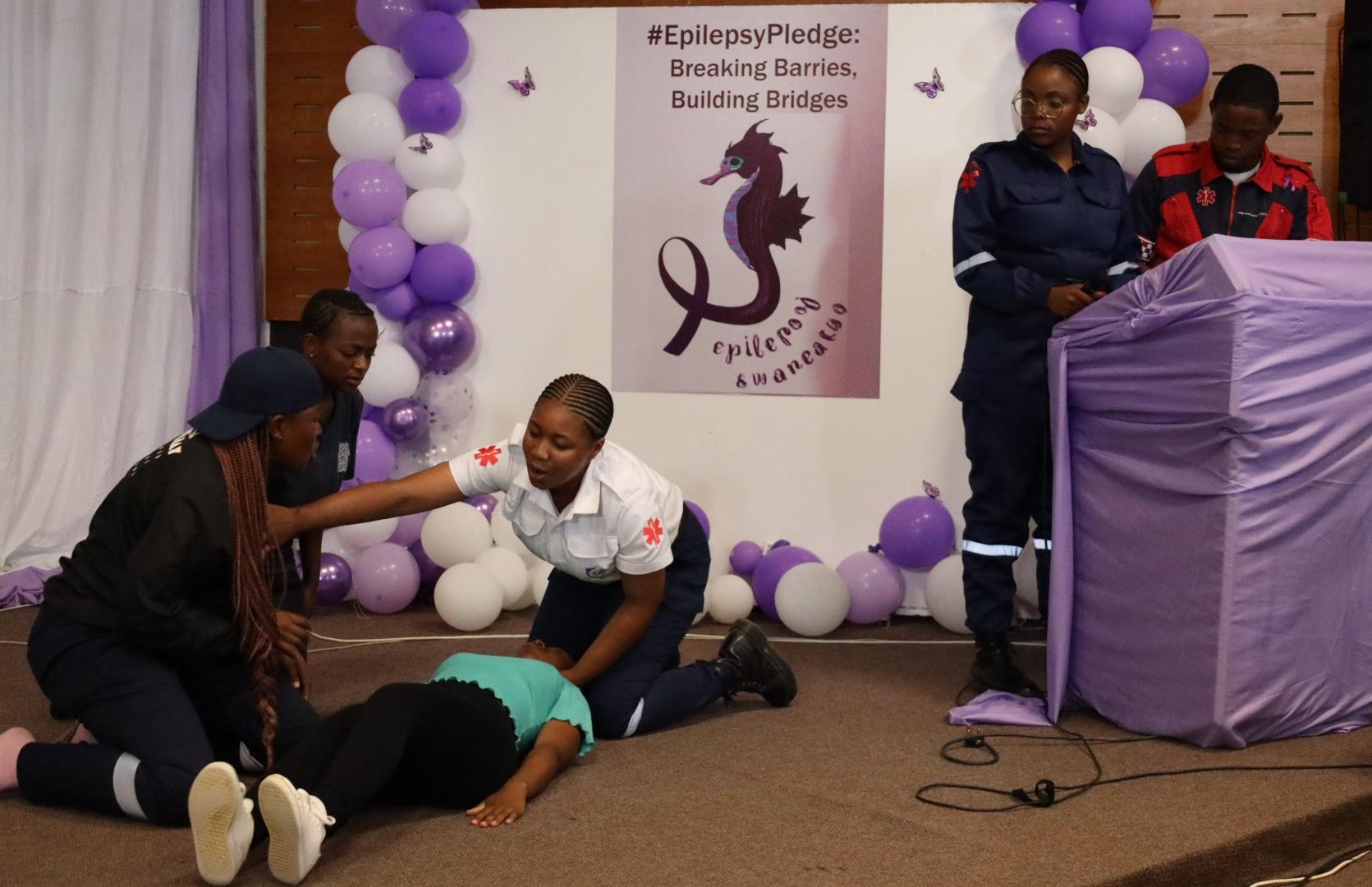
Maseru—For many Basotho living with epilepsy, daily life is shaped not only by seizures but also by the silence and stigma that often surround the condition. Children are kept out of school, adults are denied opportunities and families carry a quiet burden of fear and misunderstanding.
As Lesotho joined the global community in commemorating World Epilepsy Day, this reality was brought into sharp focus, alongside a renewed call for action to ensure dignity, inclusion and hope for all.
WHO hands over E-learning hubs to Ministry of Health to enhance digital health and innovation
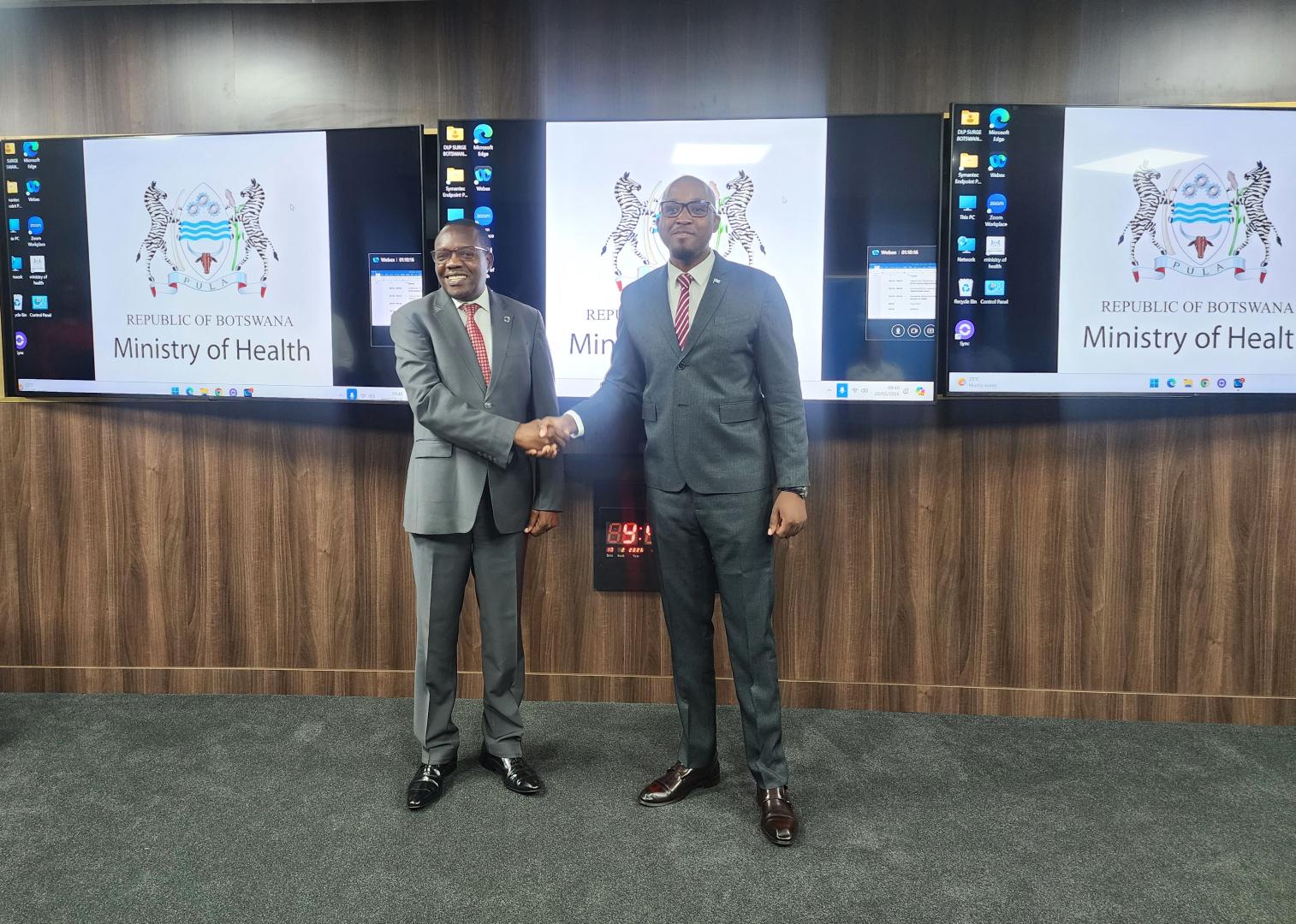
In a major milestone for Botswana’s digital health and emergency preparedness agenda, the World Health Organization (WHO) Botswana Country Office officially handed over two WHO‑supported E‑learning Hubs to the Ministry of Health (MoH) in February 2026, marking a significant achievement for the first quarter of the year. The handover ceremony took place at the Ministry of Health Headquarters in Gaborone and underscored the strong and enduring partnership between WHO and the Government of Botswana.
New National Health Policy takes shape in Cabo Verde with WHO support
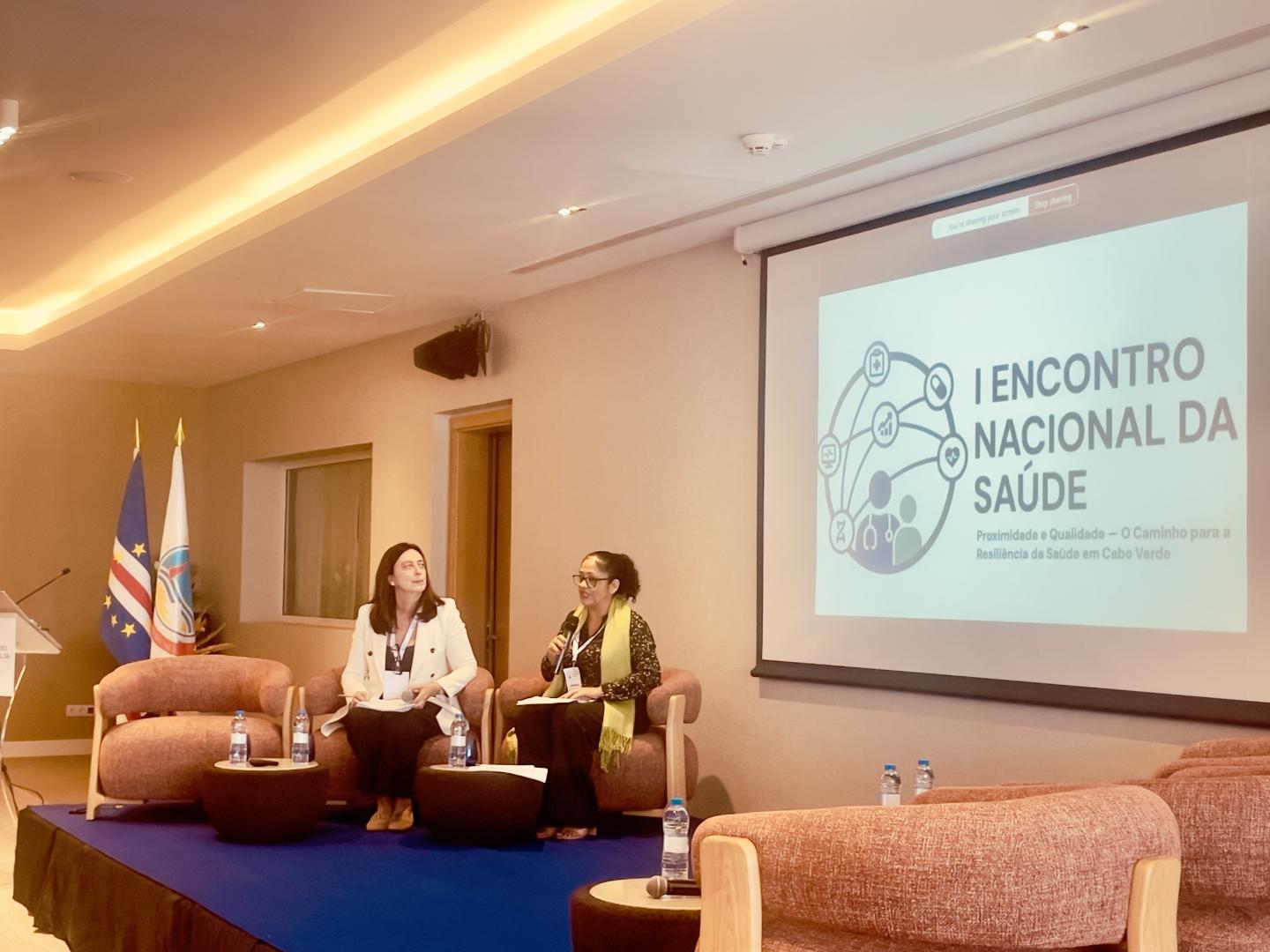
Praia, Cabo Verde — The draft National Health Policy (NHP) 2025–2035 was highlighted during a dedicated workshop at the First National Health Conference, marking a key milestone in shaping the future of the country’s health system.
Uganda Strengthens District-Level Readiness as WHO Boosts Support for Public Health Emergencies
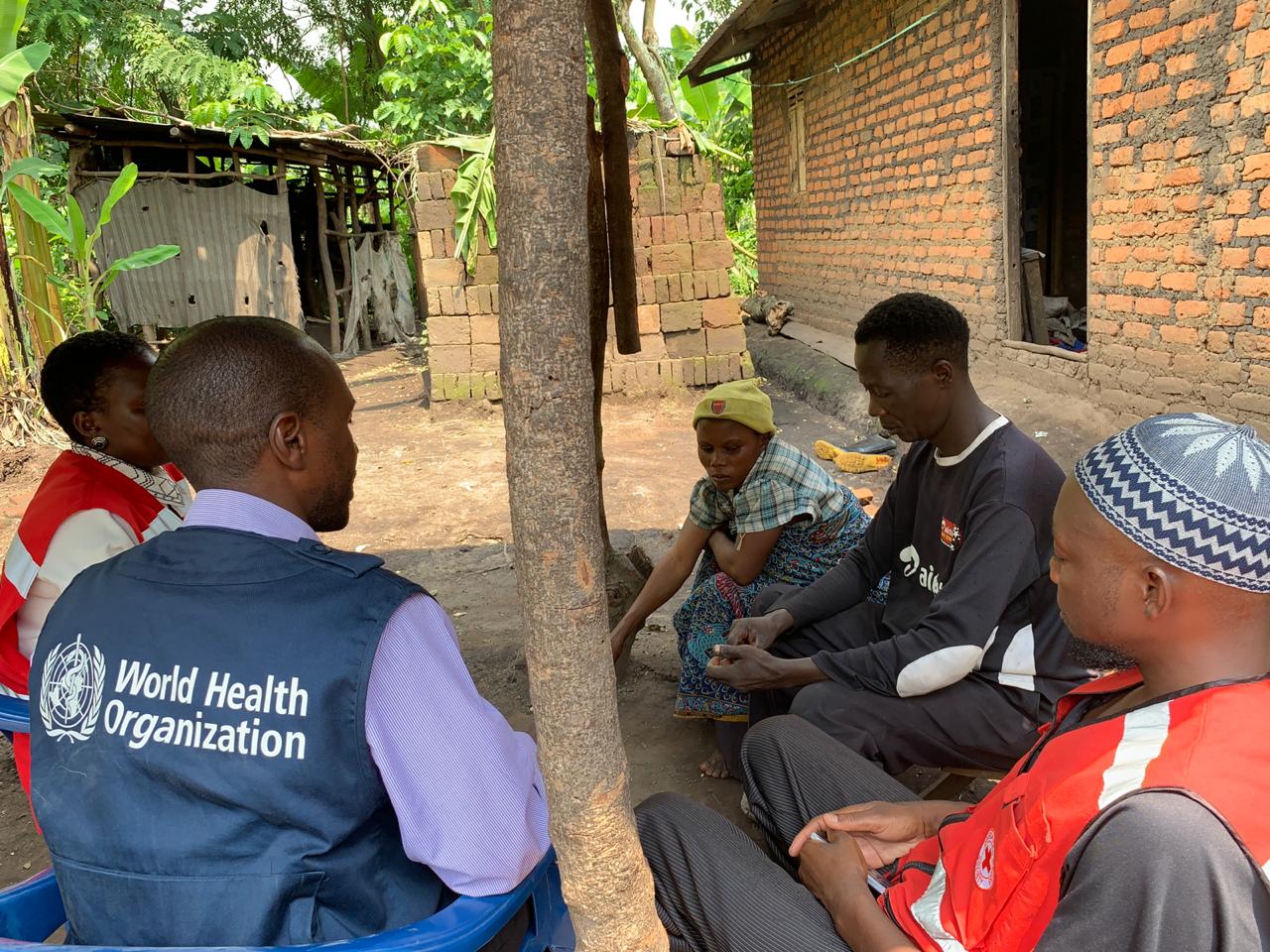
As Uganda continues to grapple with recurrent public health emergencies driven by epidemic-prone diseases and climate-related disasters, a new wave of strengthened district-level preparedness is emerging, thanks to sustained technical support from the World Health Organization (WHO).
WHO drives agenda on the future of health in Cabo Verde at the first National Health Forum
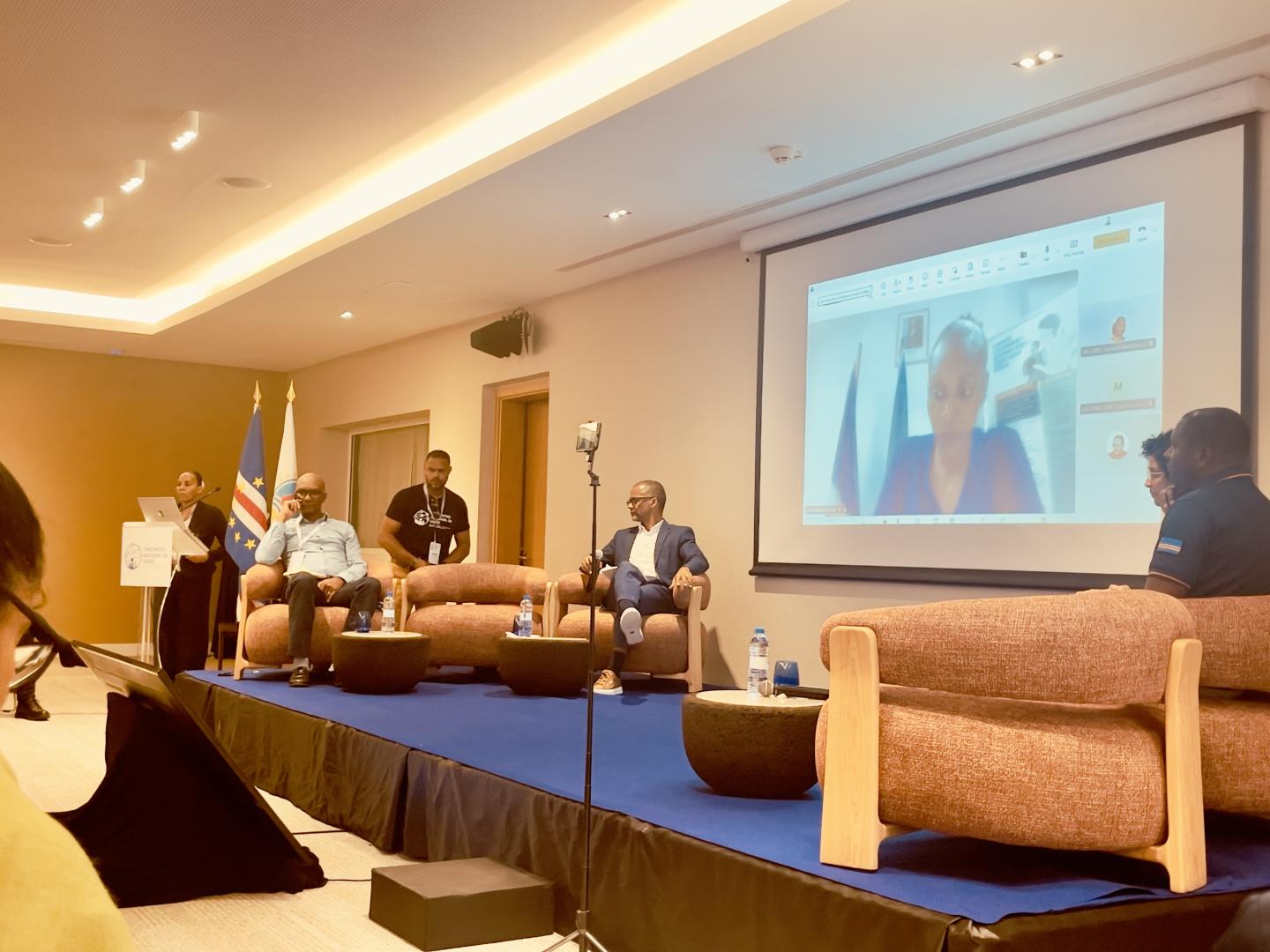
Praia, Cabo Verde — The World Health Organization (WHO) actively participated in the First National Health Conference, held from 2 to 5 February 2026 on Sal Island, contributing to strategic discussions on the priorities and challenges facing Cabo Verde’s health system.
Tanzania strengthens national response to cancer, commits to reducing mortality by 30%
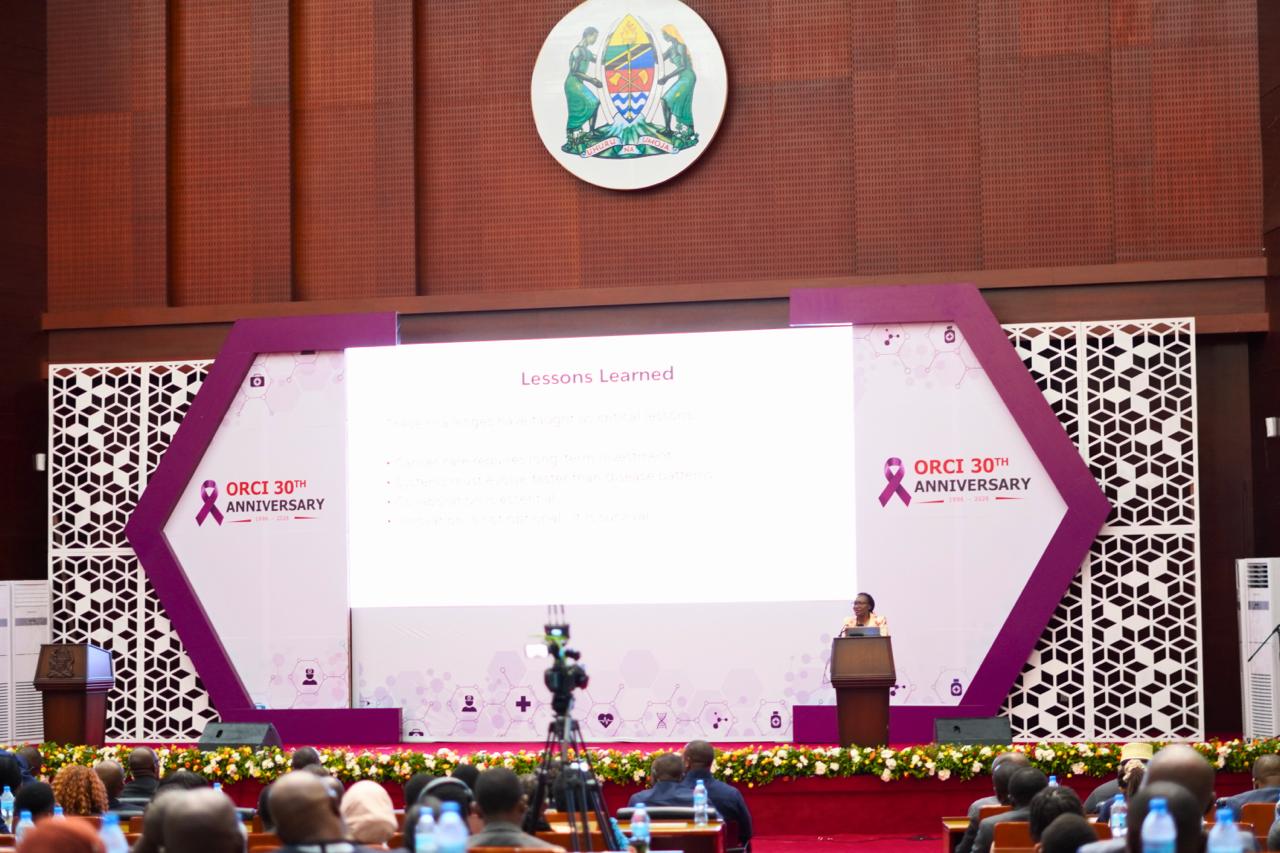
Dar es Salaam – Tanzania is committed to reducing cancer-related deaths by at least 30% and positioning itself as a vital centre for cancer research and treatment.
WHO joins the Ministry of Health and Wellness in the sensitization march against cancer
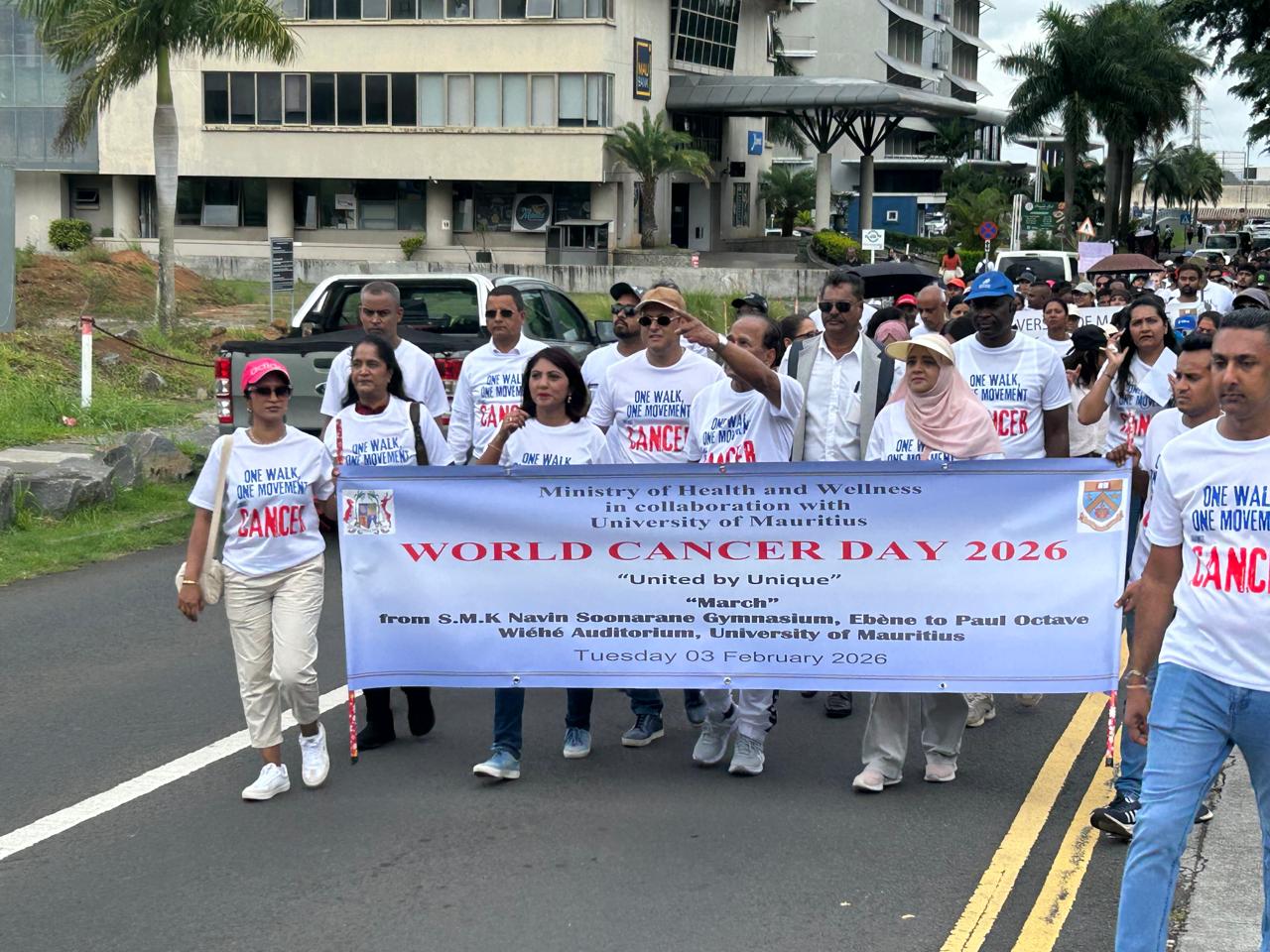
Port Louis—WHO Representative, Dr Abdou Salam Gueye, joins the Health Minister, Honorable Anil Kumar Bacchoo in the sensitization march on 3 February 2025 to commemorate World Cancer Day. The Junior Minister of Health and Wellness, Honourable Anishta Babooram, Junior Minister of Finance, Honourable Dhaneshwar Damry, Honourable Dr Babita Thannoo, Member of Parliament, students from the University of Mauritius and SSR medical college, and other distinguished guests join the walk to show their commitment and support in the fight of cancer.
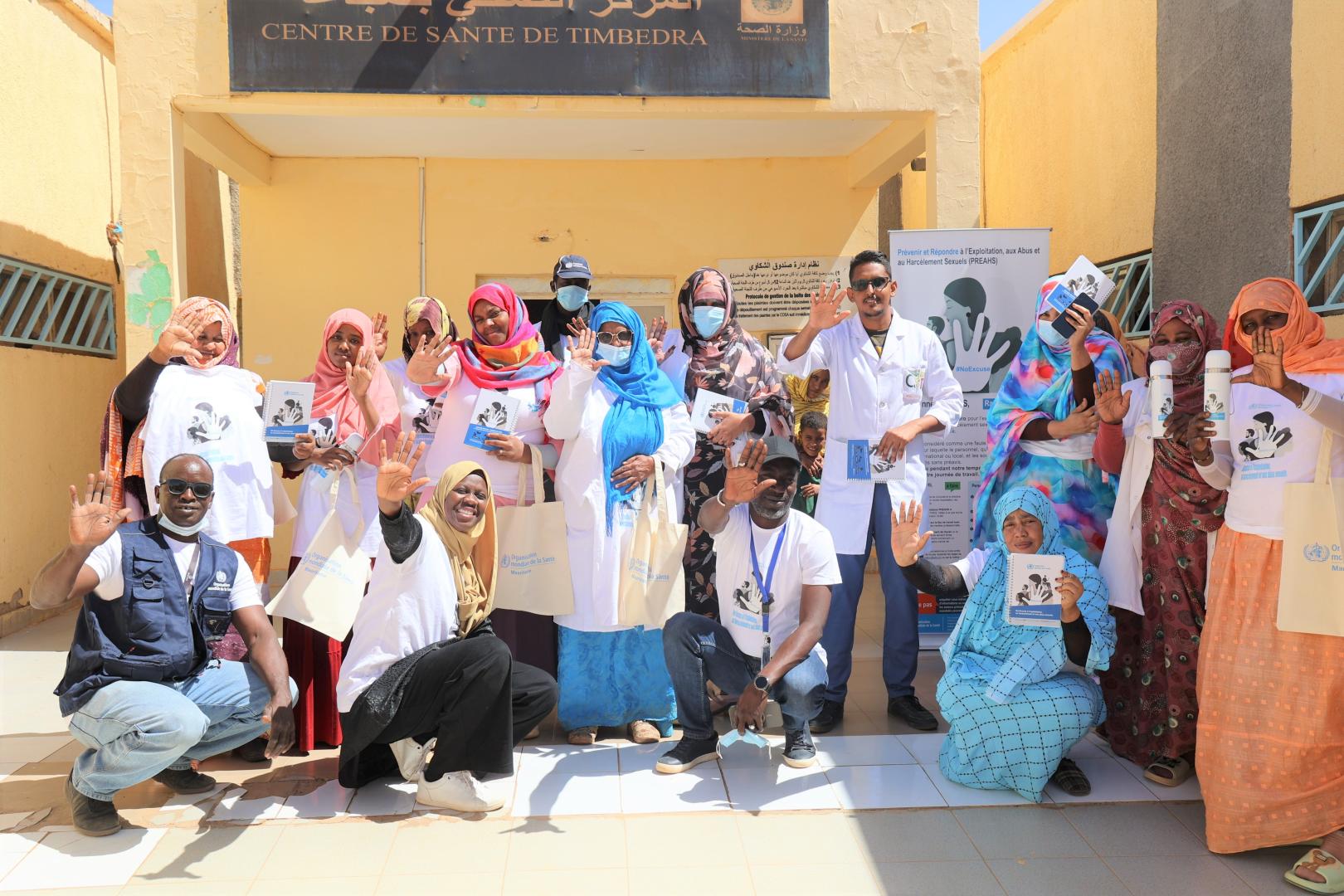
À Timbedra - Mauritanie, la voix de la communauté fait la différence : PRSEAH et Santé mentale ASANA, Neville Temekum Technical Officer (PRSEAH)
Namibia launches National Digital Health Policy to advance equitable, people-centred healthcare

Namibia has launched its National Digital Health Policy (2026–2036), marking a major milestone in the country’s efforts to modernize the health sector and harness digital innovation to improve access to quality healthcare for all.
Developed by the Ministry of Health and Social Services (MoHSS) with technical support from the World Health Organization (WHO), the policy provides a ten-year framework to strengthen health information systems, improve service delivery, enhance governance, and support evidence-based decision-making across the health system.
Kenya validates second-generation National Action Plan for Health Security (2026–2030)

Nairobi—Following the Joint External Evaluation conducted in September 2024, Kenya has validated its second-generation National Action Plan for Health Security (NAPHS II) ahead of its official launch later this year.